Alzheimer's Disease, Dementias and Healthy Aging


August 2026 Newsletter

Immunizations and Dementias


Recent large-scale studies show that common adult vaccinations including shingles, flu, tetanus, and pneumonia shots are associated with a 20% to 50% lower risk of developing dementia. These routine immunizations may protect the brain by preventing severe systemic infections that trigger harmful, chronic inflammation. Some vaccines help keep dormant viruses from reactivating and may prime the body to better clear abnormal proteins linked to Alzheimer's disease. While these statistical links are consistently strong, researchers are still conducting clinical trials to prove whether vaccines directly cause this cognitive protection.

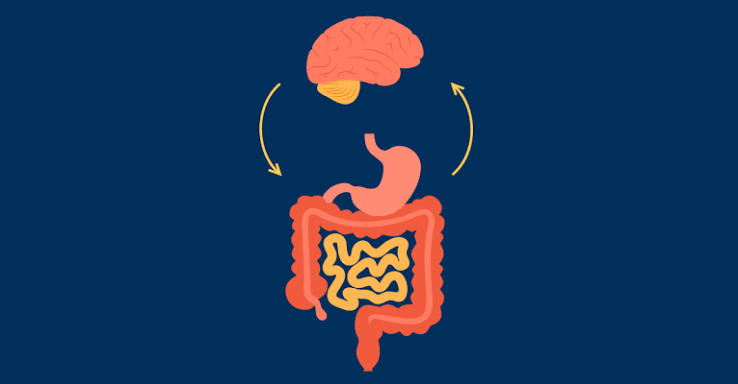
Illustration of the human digestive system and brain with bidirectional arrows

The Brain-Gut Connection


The relationship between your brain and your digestive system is a bidirectional. Signals pass both ways between your digestive system and central nervous system, and health or disease in one can affect the other. Key players in this connection include the nerves in your stomach and intestines, your vagus nerve and your gut microbiome. Everyday stress directly impacts your gut microbiome. New research reveals that even minor, everyday stressors can leave a measurable “fingerprint” on your gut microbiome, altering its composition. Healing the gut may be key to supporting mental health. Because changes in the gut directly influence brain function, targeting gut health is emerging as a powerful tool for neurological recovery and mental well-being.


Frontotemporal Dementia


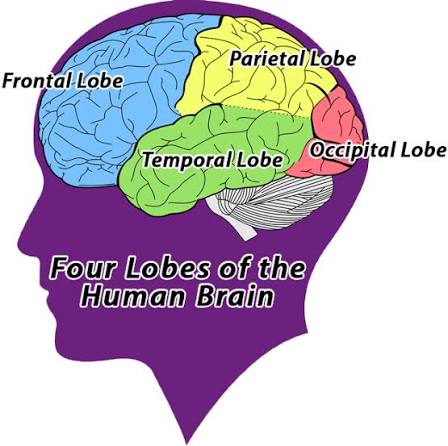
Frontotemporal dementia (FTD) is a progressive brain disorder that damages the frontal and temporal lobes of the brain. Unlike other forms of dementia that typically affect memory first, FTD impacts judgment and communication. Symptoms can include unusual behaviors, emotional problems, trouble communicating, challenges with work, and difficulty with walking. It is also more commonly diagnosed in younger adults, usually amongst individuals between the ages of 40 and 65. The progressive nature of the disease means symptoms get worse over time. Once someone is diagnosed, it is important to plan ahead for financial, legal, and care arrangements that may be needed as the disease progresses.


Women doing a side plank

Exercise and Parkinson's Disease


Regular exercise is a powerful tool for managing motor and non-motor Parkinson's symptoms while potentially slowing disease progression. Engaging in consistent physical activity combats deconditioning, improves overall fitness, and offers neuroprotective benefits, such as preserving neurons. A balanced routine should incorporate endurance, strength, flexibility, and balance training. It is highly recommended to consult a specialized physical therapist to develop a personalized, consistent, and sustainable exercise regimen. For individuals with Parkinson’s, sustaining long-term exercise is vital for reducing disability and enhancing quality of life.

VT CARERS and TEACH Programs - Fall Schedule


UVM Health Network Dementia Family Caregiver Center


What is the CARERS Program?

CARERS (Coaching, Advocacy, Respite, Education, Relationship and Simulation) is an evidence-based therapeutic group program that enhances the knowledge, skills, and competence of informal family caregivers of people with dementia. This 8-week program is designed to increase understanding of the behavioral and psychological symptoms of dementia and to address caregiver burden.


What is the TEACH Program?

TEACH (Training, Education, and Assistance for Caregiving at Home) is a therapeutic, evidence-based group designed for family members who are new to caregiving. This group meets for 90-minute sessions for 4 consecutive weeks and is led by a trained mental health professional. The program uses a model of supportive interaction, resource sharing, and problem solving.


CARERS for Adult Children

Wednesdays September 16 through November 4.

Time: 4:00-6:00 pm.

Facilitator: Joan Marsh-Reed, Licensed Psychologist-MA.


CARERS for Care Partners/Spouses

Thursdays September 17 through November 5.

Time: 1:00-3:30 pm.

Facilitator: Dara Stimson, LICSW


TEACH

Mondays September 28 through October 19

Time: 1:00-2:30 pm.

Facilitator: Lori P. McKenna, LICSW


All groups are virtual. Participation is generally covered by the caregiver’s health insurance. A pre-assessment screening is required for both programs. Contact the Dementia Family Caregivers Center at: 802-847-4589 for further information. 

Did someone share this email with you? Sign-up to subscribe to this newsletter.


Alzheimer's Disease and Healthy Aging Program

August 2026