Wellbeing News - November 2026 | | November is an ideal time to focus on Gratitude, Balance and Well-Being. As November arrives, we're reminded to slow down, appreciate the positive moments in our lives, and prepare for the busy holiday season ahead. Our wellness focus this month aligns with major awareness events including National Diabetes Month, Movember, National Family Caregivers Month, World Kindness Day, and Thanksgiving. | | |
Thanksgiving is an invitation to notice what makes life good, even when the month is busy or imperfect. No elaborate gratitude journal required: tell someone why you appreciate them, revive a favorite tradition, share a funny holiday memory, or ask everyone at the table for one unexpected highlight of the year. Keeping gratitude simple lowers cortisol levels, eliminates performance anxiety, and triggers a stronger neurochemical reward in the brain. When you focus on tiny, immediate details, like a perfectly cooked dish or a funny moment, your brain releases more dopamine than it does for broad, abstract concepts.
Try this Low-Pressure Table Game: "The 3-Word Thanksgiving Draft"
Instead of going around the circle for long, intimidating speeches, pass around an index card, a notepad, or just go verbally with this fast, low-stakes game:
-
The Rule: Each person can only name exactly three words describing something right in front of them that they appreciate.
-
The Twist: No abstract concepts allowed (like "health" or "happiness"). It must be a tangible, real-world item or action happening at that exact moment.
-
Examples: "Crispy potato edges," "Uncle Joe's laugh," or "That warm gravy."
It keeps the mood light, gets people laughing, and completely removes the pressure to sound profound.
| |
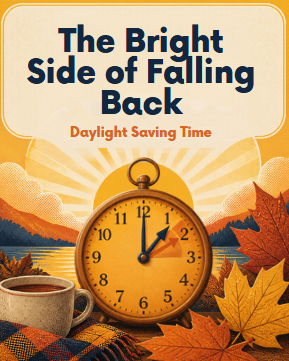
The Bright Side of Falling Back
Daylight Saving Time ended Sunday, November 1. We gained an hour on the clock and morning sunshine arrives earlier, even though the total amount of daylight does not increase. The early sunset can be trying, but brighter mornings have real advantages.
Make the most of morning light
Natural light early in the day helps synchronize your body clock, supports alertness, and can help establish a healthier sleep-wake rhythm. Try taking your coffee outdoors, walking the dog before work, or stepping outside for 10 minutes after breakfast. Cloudy daylight still counts. Click here to learn more about Daylight Savings and sleep.
When it gets dark at 4-something, embrace the cozy
Lean into the season: put on a favorite playlist, make soup, read a good book, arrange a low-key game night, or settle in for a movie with a snuggly blanket, pets or family. Click here for some cozy soup recipes.
Brighten your workspace at home or in the office
Open blinds early, position your desk near a window, if possible, take a lunch break outside, and use comfortable task lighting as daylight fades. Add vibrant, low-maintenance plants. Greenery like pothos, snake plants, or peace lilies thrive in lower light and injects life and energy into a winter office. Clean up visual clutter. Cluttered spaces feel physically heavier and darker. Click here for easy to care for indoor plants.
A Note on Winter Blues
Know when to get help: If low mood, low energy, or sleep shifts linger and hurt your daily life, reach out to a doctor. Seasonal affective disorder (SAD) is more than just missing the evening sun. Click here for more information.
| | |
The Science of "Why Do We Always Have Room for Pie" and "Why a little Indulgence is Good For you"
You are completely full after Thanksgiving dinner. One more bite of stuffing? Impossible. Then somebody brings out pie—and suddenly dessert sounds great. What gives?
Meet sensory-specific satiety: as we eat a particular food, its appeal tends to decline. A new flavor or texture (hello, pumpkin pie!) can renew our interest in eating. Your stomach has not developed a secret dessert compartment; your brain is responding to variety. It is a fun reminder that appetite is influenced by more than fullness alone.
Indulging in that slice of pie isn't just a failure of willpower—it is biology at work, and a little indulgence is actually good for you (see recipe below). Treating yourself satisfies the brain's reward pathways, preventing the psychological burnout and intense cravings that come with strict deprivation. Embracing a small treat reduces stress hormones, satisfies your natural biological cues, and turns eating into an act of joy rather than a chore.
| | |
November is Diabetes Awareness Month, a time to increase the understanding of diabetes. This month, we emphasize the importance of education, prevention, and effective management strategies to empower people in managing their health.
Ways to help manage or prevent diabetes:
-
Maintain a healthy diet rich in vegetables, fruits, and whole grains.
-
Engage in regular physical activity, aiming for at least 150 minutes of moderate exercise weekly.
-
Monitor blood sugar levels regularly if you have diabetes.
-
Keep a healthy weight and avoid smoking.
- Stay informed by reading up-to-date information from trusted sources.
Click the links below for more information:
https://www.cdc.gov/diabetes/library/spotlights/diabetes-month.html for resources from the CDC
https://www.diabetes.org/diabetes-risk from the American Diabetes Association to assess your risk and learn preventive measures.
| | |
Movember is a global movement dedicated to improving men’s health, focusing on mental well-being, suicide prevention, prostate cancer, and testicular cancer. Whether you can grow a ‘stache or not, you can still join in by starting conversations, fundraising, or simply checking in on the men in your life.
Helpful Links for Movember Awareness & Participation:
Movember Official Website – Learn about the cause, donate, or start your own fundraiser.
Growvember – November, it's more than just letting your hair grow, it's about coming together for a powerful cause.
Mental Health America – Support and information for mental well-being.
| |
Healthy Recipe
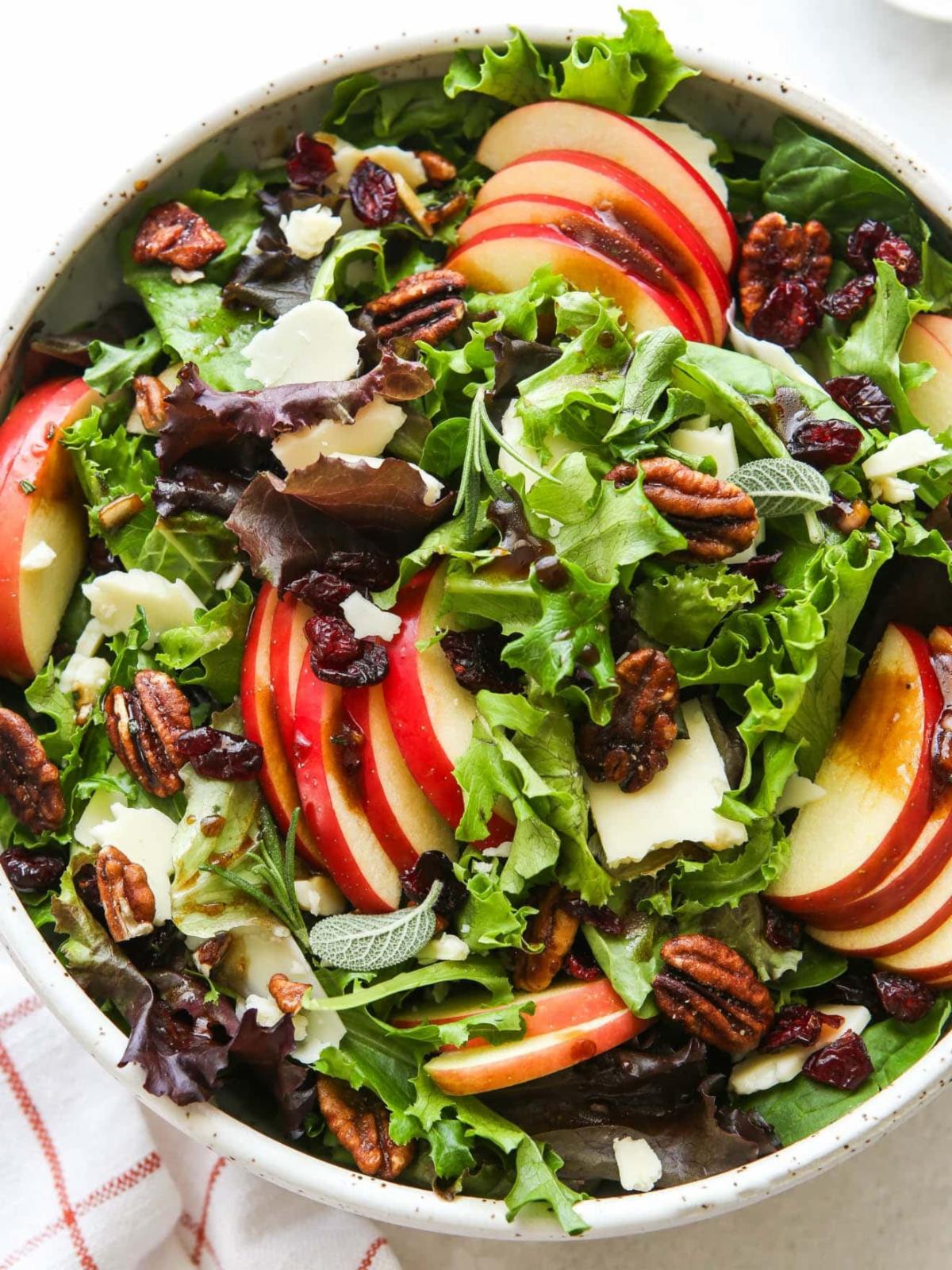
A colorful, crunchy fall salad that feels festive without much fuss. Serves 4–6 | Prep: 15 minutes
Ingredients
- 5 oz mixed greens or baby spinach
- 2 crisp apples, thinly sliced
- 1/3 cup chopped pecans, toasted
- 1/3 cup sharp cheddar, cubed or shaved
- 1/4 cup dried cranberries (optional)
Dressing: 2 tbsp olive oil, 1 tbsp apple cider vinegar, 1 tsp Dijon mustard, 1 tsp maple syrup, pinch of salt and pepper
Directions
Whisk together dressing ingredients. Toss greens, apples, pecans, cheddar, and cranberries in a large bowl. Drizzle with dressing just before serving. For a heartier version, add cooked quinoa or chickpeas.
Why it works: Apples and greens add fiber; pecans contribute unsaturated fats; cheddar adds protein and flavor. Keep the dressing separate if making ahead.
| |
Simple Recipe
Discover the wellness in simplicity with Creamy No-Bake Pumpkin Cheesecake Balls. These treats might be a little indulgence, but they offer easy no stress preparation, delightful fall flavors and are a fan favorite during the Thanksgiving holiday.
| |
Community Connections & Everyday Kindness
November invites us to strengthen the connections that support our wellbeing. World Kindness Day on November 13 is a chance to celebrate with one small, meaningful act, leave a kind note, offer a sincere compliment, help a neighbor, or invite a coworker for coffee.
Spark Kindness hosts Kindness Week (Nov. 7–14), including an Open Door Meal in Natick on Nov. 9 (4:30–6:30 p.m.) and a free online self‑compassion program on Nov. 12 (7 p.m.). Westborough kindness week kicks off on November 7 with kindness-related and community-oriented activities, music, and refreshments! This free event is open to the community and is intended for all ages.
November is also National Family Caregivers Month, honoring the quiet, essential work caregivers do every day. This year’s theme, “Care Connects Us,” reminds us that even small gestures matter. Consider offering a specific kind of help like bringing dinner, covering an errand, or taking a walk together. Local events include AARP’s Rest Stop for Caregivers in Worcester on Nov. 19 (11 a.m.–1 p.m.), a CAREversations gathering in Framingham on Nov. 10 (6–8 p.m.), and free online sessions throughout the month, such as Alzheimer’s Association of MA/NH and AARP Mass. Teaming Up for “Equipped to Care,” a A Family Caregiver Month Virtual Series
| | |
Focus on Imagination: Fueling Your Intellectual Wellness This November
November is a wonderful time to focus on enhancing our mental wellness through the power of imagination. As the days become shorter, we tend to spend more time indoors and may have fewer varied visual experiences. This makes it an ideal month to delve into visual mental exercises, known as Brain Gym Activities, which encourage us to picture patterns or objects to improve focus. Techniques such as visualizing a rotating sphere or an imaginary grid can boost concentration and mental clarity.
.
Visual Mental Exercises
-
The Rotating Sphere: Picture a dotted 3D sphere spinning in your mind. Try to make it switch directions or spin both ways at once. This anchors your mind and stops racing thoughts.
-
Grid Touch: Imagine a grid of colored shapes or flowers. Picture yourself touching the top-left and bottom-right corners at the same time using your mind's eye.
-
The Color Scale: Visualize a number next to a colored dot. Match that number to a shape in a mental grid to wake up both sides of your brain.
-
The 5-Minute Timer: Picture a clock face in your mind. Imagine the hand ticking every five minutes and ask yourself if your thoughts have drifted.
Click here for more visualization exercises.
| |
The Thanksgiving Leftovers Challenge
Leftovers are not just delicious, they can stretch a grocery budget. Before the holiday, plan one creative second meal from ingredients you already expect to have. Think turkey-and-vegetable soup, a roasted-vegetable grain bowl, or a leftover stuffing frittata. Click here for 65 Thanksgiving leftover recipes.
| |
Holiday Cheer Minus the January Surprise
The best holiday budget is the one you will actually use. Before Black Friday, pick a total spending number that works for you, then divide it among gifts, food, travel, hosting, and the easily forgotten extras, wrapping, shipping, tips, and last-minute purchases.
-
Try a “gift ceiling” or a family gift exchange rather than buying for everyone.
-
Keep a running gift list on your phone and check it before clicking “buy.”
-
Wait 24 hours before an unplanned purchase; a sale is only a deal if you wanted the item.
- Budget for experiences, homemade gifts, and shared meals, not just things.
A realistic plan can reduce financial uncertainty and make holiday spending feel more intentional.
Click here for a Five-step holiday spending plan.
Click here for Budget and spending tools.
| | Here’s to a healthy, happy November! | Please feel free to contribute to this newsletter with any resources that may be of interest to others by emailing Liz Foxwell. | | | | |