|
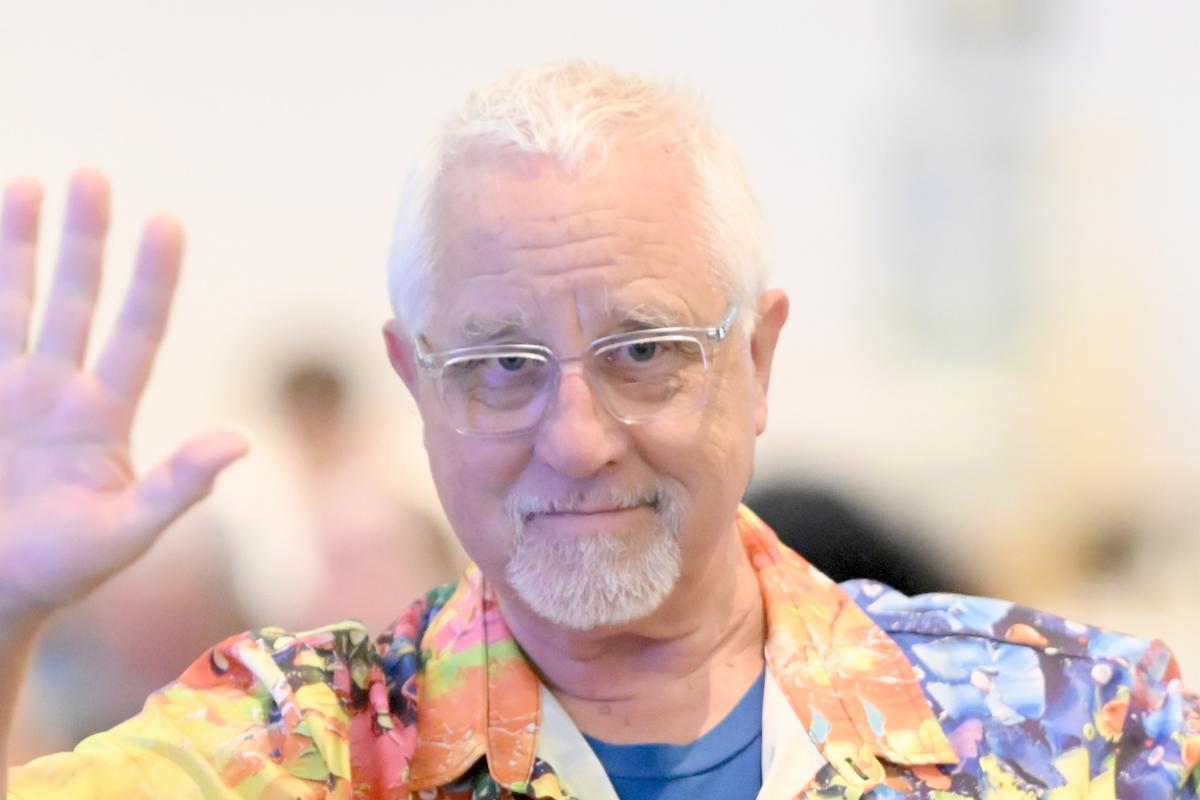
I am pleased to be known as “the Podfather.” After twenty-two years of rich and [mostly] satisfying CHCF Fellowship memories, from my varied contributions and involvements serving 11 cohorts as a Pod Advisor, in addition to conducting applicant interviews, reviewing CHIP presentations, participating in two different revamps of the Fellowship program, and having served as a Cohort Rep on the Alumni Network, I have been asked what stories do I carry forward of my years of involvement, and what guidance can I offer to alumni Fellows, those in the program now and even for our incoming cohorts of the near future.
I recently tabulated the number of Fellows I’ve touched in some way, via interviewing, influencing, mentoring, coaching, listening, advising, critiquing, or given feedback to along the way. I came up with an estimate of a minimum of 350 Fellow interactions, plus innumerable casual conversations among my fellow alumni. This represents a number of touch points equal to more than half of the Alumni Network. Of course, my tabulation includes Fellows that have had more than one touch point with me.
What lessons have I learned from all this “fellowship”?
1. Executive Presence is key to your success. You must look and feel the part you play; you must believe in yourself and know your message. This could require acting the part, and practicing your influence. Of course, this takes time and commitment. Much of what we do is a performance, and it should be recognized that performance skills can be crucial and decisive to your success. Hooray for Eda Roth (RIP) and following faculty for the great sensitizing we received in this area.
2. Have you looked OUTSIDE of your discipline for information? Did you do sufficient research justifying your intended or proposed actions regarding your desired program, project, your goals, your next steps, your daily leadership duties? Only with sufficient intel can you be successful and impactful in your actions. Look beyond your clinical education, as it most likely should not be the most important source of your decisions. There’s a wide world out there beyond the familiar tribulations of healthcare systems.
3. Is what you want to do a personal “pipe dream”? Does anyone ELSE need or want what you want to do? Have you talked to enough people? Yes, this means that the work we did over the years to stress the interview numbers game is a lesson we can carry forward in so many areas of our personal and professional lives. Get out there!
4. Professional Interactions: Know Your Audience. Have you packaged your message for maximum impact to this audience?
5. When should you use “I” and when should you “we” to describe your activities? The answer to this lies in the audience, and the desired result of your current effort. There is a place and time for giving acknowledgement to the entire team, but as clinicians in complex systems, we sometimes forget that as leaders it is ok to take a victory lap.
6. The story IS the hook, and in many cases, it is officially or unofficially your final product (beyond, even, the success metrics). Do you have various ways to tell the story? You will undoubtedly need various versions. Which version should you use for which functional need? Think this through…and then practice it mentally and overtly. Yes, there is a time commitment.
7. KNOW that you know what you are talking about. Show your confidence and your expertise. This is no time for self-effacing self-minimalization. Parade your identity and your results. Celebrate your accomplishments. Acknowledge and thank your upline, downstream and lateral colleagues and stakeholders.
In closing, when I look back, I could never have been a successful pod advisor if I hadn’t been guided by “the best”. I have to mention the effect of Bobbi Kimball (staff member through Cohort 14) had on me as a leader and pod advisor role model. I took lessons learned from her and consciously tried to continue her energy. Bravo to her!
In fellowship - Gary
|