|
Statistics and theories abound. The two alternatives at the moment for on-going care for loved ones in decline are in-home care or placement in an assisted living community.
Well meaning family and friends' sympathy and support can help, especially if they can pitch in and provide help from time to time. Yet to experience it firsthand, day in and day out, is quite another matter. After all, experience trumps opinions, theories, and statistics... every time.
Therefore, it might be useful to review the most prominent aspects that challenge the caregiver caring for a dependent loved one at home:
- Financial strain, necessitating many caregivers to give up their jobs in order to provide 24/7 care
- Lack of sleep and adequate rest
- Isolation
- Lack of privacy
- Emotional strain and stress
- Caregiver burden as relates to depression, anxiety, resentment, and grief (localized and general)
- Neglect of proper self-care
- Impact on caregiver health
- Burnout
- Physical strain
- Loneliness
- Etcetera
Caregivers will tell you that all, or most, of the above is true, some times more than others. However, what stands out above all else is the awareness that they are, essentially, alone. It is, by its very nature, a solitary journey. No one can possibly "get" the full impact of the 24-7 responsibilities unless they have, indeed, walked in their shoes.
THIS IS WHERE THE VALUE OF JOINING A GOOD SUPPORT GROUP COMES IN:
- We heal through connectedness
- We realize that others struggle, too.
- Talking helps us process.
- We break the stigma.
- We develop self-acceptance.
- We find support while building a close supportive community.
- We realize we are not alone.
- Our journeys may become a survival guide for others.
- We don't bottle up things inside.
- Connectivity empowers us.
- Our basic needs for acceptance, to be understood, and to belong are met.
- We connect with our authentic selves.
- Significant strides in personal growth develop as caregivers experience their own self-reliance and empowerment.
- Acceptance, collectively and personally, becomes easier to attain.
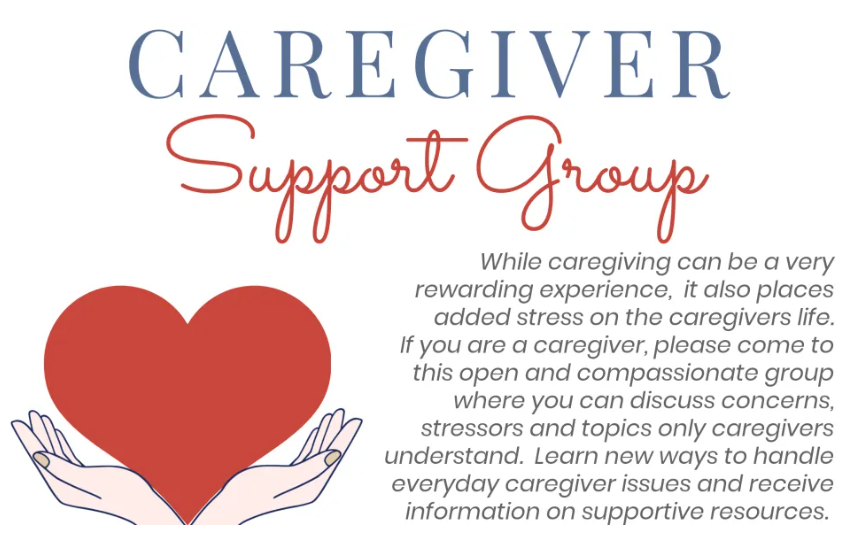
DayBreak proudly offers caregiver support groups that continue to create and foster a warm and inclusive community for caregivers caring for loved ones in cognitive/physical decline.
We meet three times a week for an hour on Zoom.
- MONDAYS from 11:00-12:00 a.m.
- WEDNESDAYS from 1:00-2:00 p.m.
- FRIDAYS from 11:00-12:00 a.m.
Comfort calls and check-in phone outreach offered by an experienced professional are offered as needs present.
|