|
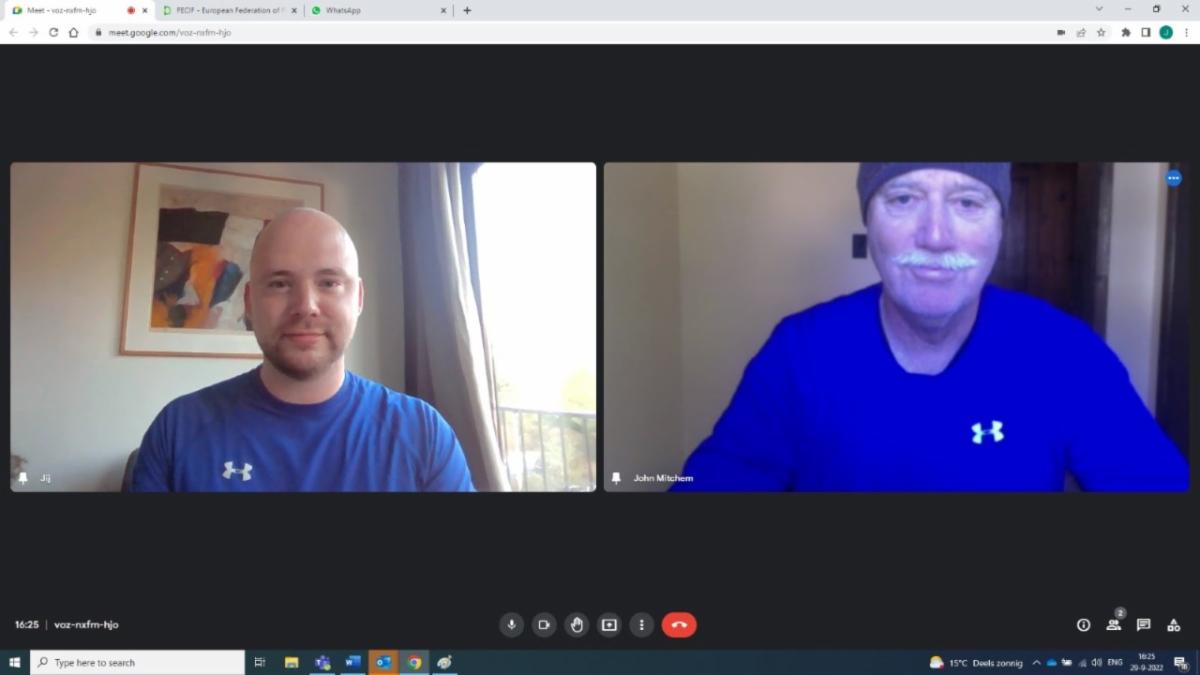
Today we are here with John Mitchem and Jorik Van Zanden. We're going to talk about one thing only: what are the cultural differences around retirement thinking in the Eurozone, Australia, and the US. With a dollop of what that means for retirement outcomes.
Let’s jump in! This is an excerpt. The full piece can be found here.
Kicking us off with the Eurozone. What the heck is going on in France right now and why?
Jorik: Yes, in France the retirement age has always been a sensitive issue, and considered a right for many. In the midst of democratic changes and changing economic realities, Macron has reignited the plan to increase the retirement age and reform the retirement system. You might remember this was in part the reason for the Gilets Jaunes (Yellow Vests or Jackets) protests taking Paris to ashes a few years back.
This reform is necessary, and I think everyone knows it’s necessary, because approximately 15% of France’s GDP goes toward state pensions. That, in combination with an aging society and the burden of healthcare, is absolutely unaffordable. But that does not mean it’s easy to change. Many French people regard their pension as a right. Any interference is seen as a hefty impairment of their accrued rights.
John, you were in France during the Yellowjacket protests.
John: Yes, I was there. Culture influences how you feel about retirement, and the retirement funding experience you have informs the culture.
It’s about much more than what year you retire. In continental Europe, pensions are considered a right. The pension age situation in Paris today is very symbolic and emblematic of how the French feel about themselves, their role in France, and the role of France in the world. It's big.
How bad is it to work an extra two years?
Jorik: It may not appear to be much of a loss, two years from age 62 to 64. But that's also highly dependent on what kind of economy you have. We had a similar shift in the Netherlands going from age 65 to 67. But that's very easy for a country which is also the market leader in part time work, and extremely service oriented. So in France, those two years in combination with very high unemployment among the elderly is a different thing.
Many of these issues go back to just before Second World War, where, for example, Germany chose the Bismarckian model, which basically aims to protect against relative poverty. It assumes that the more you earn during your lifetime influences on how much you need after retirement.
Other countries like Netherlands and the UK chose the Beveridge model, which focus on absolute poverty protection.
Crises make great political tools. Gentlemen, let's hop over to Australia and talk about their model.
John: Australia is a country with pensions funding at 150% of GDP and a universal, mandatory participation, funded defined contribution retirement system. Every worker in Australia has a superannuation account, which is in contrast to the US where only 55% of people have a 401(k) type of account, and in Europe where no one has a similar retirement account.
Jorik: What's really unique about the Australian system is that there is a real spirit of engagement and positive feeling about retirement prospects. People own these assets, and there's an interesting conversation about the future of super. The conversation is creative and focused on using these assets during people's lives for housing, healthcare, education, infrastructure, and energy transition.
Do you think we can ever have these sort sof characteristics in the US?
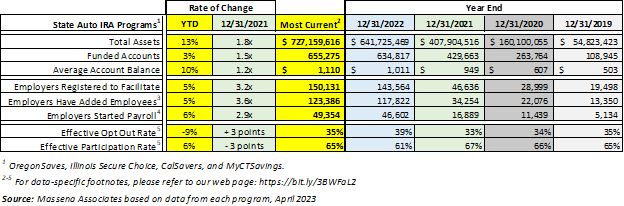
John: It's possible. We're getting there with the rise of Auto IRA programs, parallel to the 401(k). In a generation, we could extend workplace savings coverage from 55% to maybe 75%.
My head explodes because we want it faster! [keep reading HERE]
For those who aren’t (yet) involved, what is the Jasper Forum?
John: Jasper Forum is a discussion group of practitioners, academics, policymakers and friends from all over the world. We just do defined contributions. The construction of these systems and how these tools can work, and the lessons we can learn from the variations we see between these systems around the world.
Very valuable, very important efforts. I do think there's a lot to be learned. Thank you John Mitchem and Jorik Van Zanden both for taking time to share your expertise today. We appreciate it!
Want more? You can connect directly by email: John Mitchem and Jorik Van Zanden. You can learn more about Jasper Forum on Twitter: @jasperforum
John Mitchem, Principal of JM3 Projects, has worked in journalism, public policy and the financial industry. After two decades with the United Nations and the State Street Corporation, he founded JM3 Projects to provide strategy development and thought leadership projects for financial firms, consultancies, trade associations and NGOs. John collaborated with Bob Reynolds and the team from Great West/Empower/Putnam on the book “From Here to Security: How Workplace Savings Can Keep America’s Promise” (McGraw-Hill Professional).
Jorik van Zanden, is a consultant at AF Advisors in Rotterdam and researcher at Utrecht University. Jorik worked at the European Parliament as a legislative aid to Sophie in ’t Veld where he worked on the Pan-European Pension Product legislation. After his time in Brussels, he moved to Fidelity International as a pension and public policy specialist and was involved in setting up FILs pan-European pension solution. In addition to working on his PhD he has consulted with many large financial firms and central banks, mainly on legislative and business development issues. Jorik has published on a variety of pension and retirement issues.
In 2022, John Mitchem and Jorik van Zanden launched Jasper Forum – a discussion group and think tank focused on the development of defined contribution savings systems worldwide.
|