|
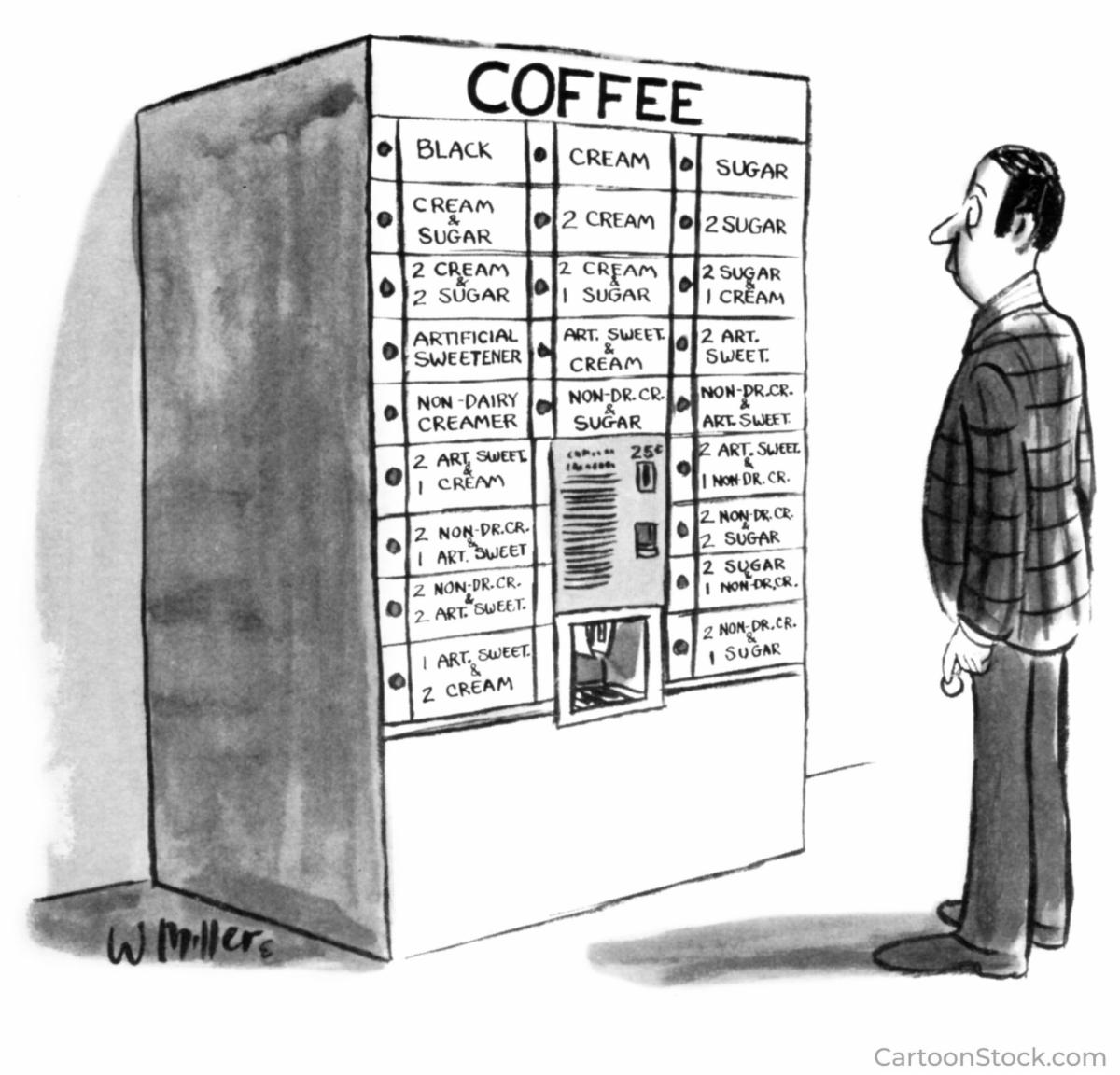
Have you ever noticed how the smallest decisions can feel disproportionately exhausting?
What to eat.
How to respond to that message.
Whether to push through… or pause.
Fatigue rarely shows up as chaos. It shows up as weight.
The email you don’t want to answer.
The choice you keep pushing to tomorrow.
The sense that everything requires more effort than it should.
It's not that you're lazy, or indecisive.
You’re likely experiencing decision fatigue.
What Decision Fatigue Really Is
Decision fatigue isn’t a motivation problem or a lack of discipline or clarity. It’s what happens when your brain has been making too many choices for too long - often without enough recovery.
Every day, you decide:
- How to show up for work
- How to manage other people’s needs and emotions
- What to prioritize, defer, or let go
- When to speak up — and when not to
And constant, smaller decisions:
- How to avoid traffic
- What to wear
- When to fit in a workout
- What and when to eat
Most of these happen without pause and none of them are "light" cognitive work. Over time, the mental load adds up and the quality of our decisions deteriorates.
Who Feels Decision Fatigue the Most
Decision fatigue tends to hit hardest when you:
- Carry responsibility for outcomes and people
- Hold context others don’t see
- Anticipate consequences before acting
- Care deeply about making thoughtful, fair decisions
The more conscientious you are, the higher the mental cost per decision.
How Decision Fatigue Shows Up
When fatigue sets in, it can look like:
- Procrastinating on decisions you normally handle with ease
- Defaulting to “good enough” without satisfaction
- Avoiding conversations you know matter
- Becoming impatient with questions or ambiguity
- Second-guessing choices after they’re made
- Defaulting to "whatever" or "I don't care"
These are signals your system is overloaded — and the instinct is often to push harder.
You don’t need to make better decisions right now.
You need to make fewer.
What Actually Helps When You’re Decision-Fatigued
Research summarized by Psychology Today shows that decision fatigue isn’t solved with willpower, but by reducing decisions and protecting cognitive energy — a systems approach echoed by James Clear.
In other words:
You don’t need better discipline.
You need better defaults.
Here’s what that looks like in practice.
Reduce Unnecessary Choices
Psychology Today points to routines as one of the most effective ways to conserve mental energy. James Clear describes this as deciding once and letting the system run.
Create defaults for:
- Meals
- Clothing
- Workout times
- Meeting structures
- Daily start or shutdown routines
Fewer daily decisions means more energy for meaningful ones.
Make Important Decisions Earlier
Mental energy is highest in the first 90–120 minutes after waking. That’s the window Psychology Today recommends for complex or high-stakes decisions.
Clear would add: Schedule judgment-heavy work early, before fatigue sets in, instead of hoping you’ll “feel sharper later.”
Automate, Delegate, and Use Checklists
Psychology Today highlights automation and delegation as key strategies for reducing cognitive load — what James Clear frames as designing systems to do the work for you.
- Use subscriptions for recurring needs
- Create checklists for repeat tasks
- Delegate decisions that don’t require your judgment
Not everything needs to be decided from scratch — or by you.
Set Decision Rules (So Everything Doesn’t Feel High-Stakes)
Psychology Today recommends assigning value to decisions — what James Clear calls protecting high-leverage thinking.
For example:
High-impact decisions → slower, more thoughtful
Low-impact decisions → fast, “good enough”
Sometimes choosing something is better than enduring analysis paralysis.
Limit Options Before You Decide
More options don’t create clarity — they create friction.
Both research and habit science agree:
Limit choices to two or three before deciding. Remove low-value options entirely when possible.
Design your environment so fewer decisions even show up.
Protect Physical Energy
Finally, Psychology Today emphasizes something people often overlook: Sleep, nutrition, hydration, and breaks are cognitive supports, not indulgences.
Decision fatigue worsens when the body is depleted — no system can fully compensate for that.
Defaults, routines, delegation, and timing aren’t shortcuts.
They’re strategic ways to preserve your capacity for what needs you.
|