Can One Go Home Again?

Greetings Friends and Colleagues,


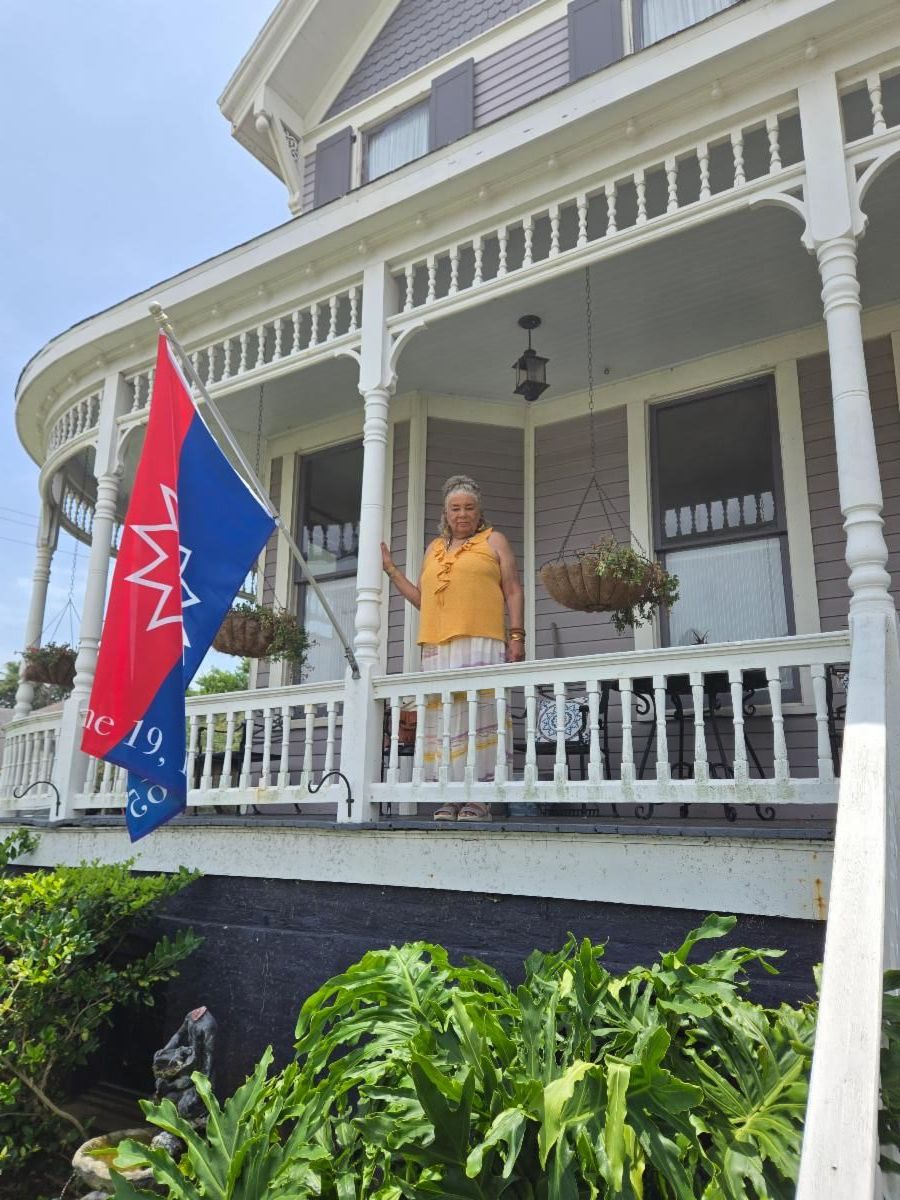
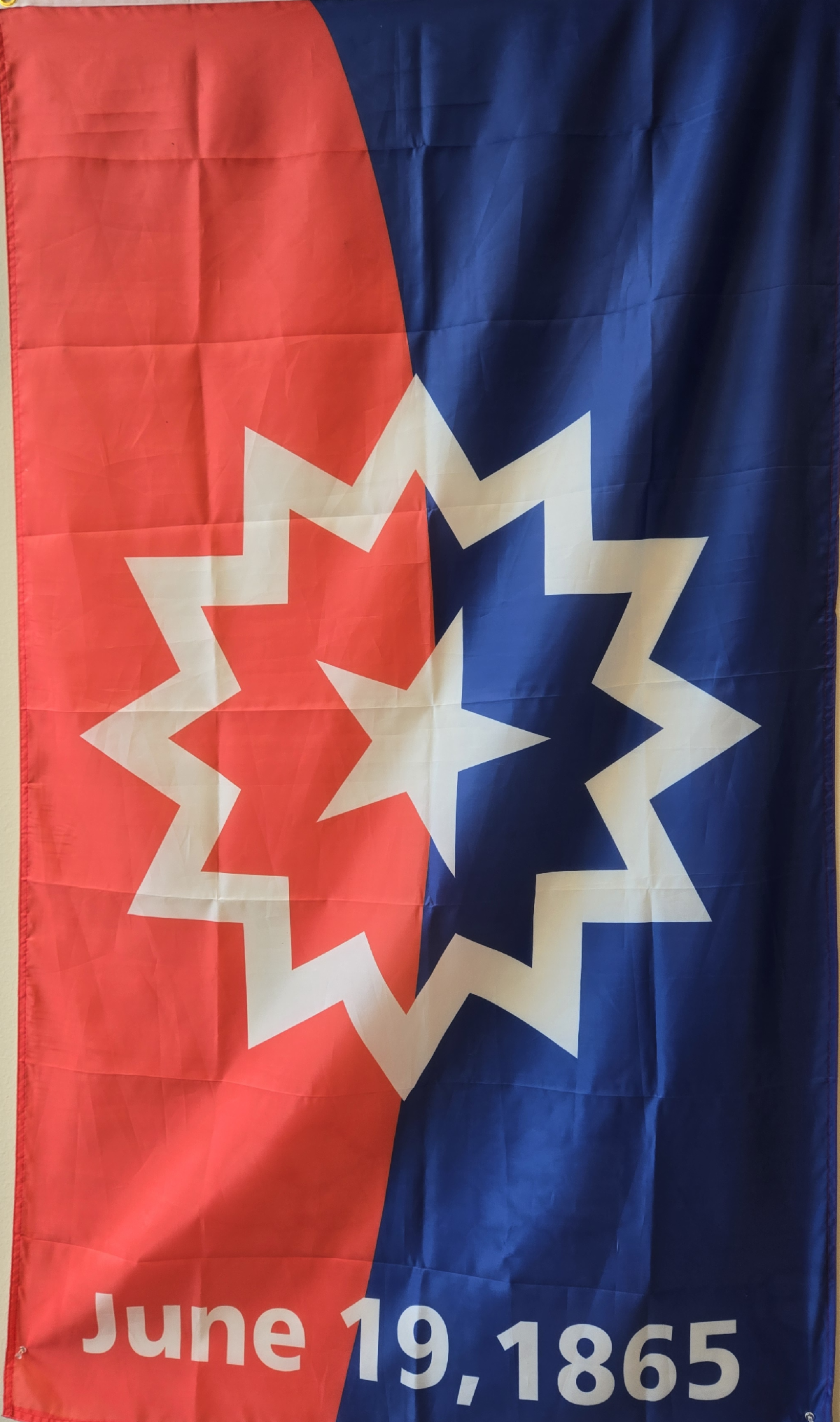
As I stood on the porch of St. Helen's historic mansion in Galveston, Texas, my birthplace, I wondered if it is really possible to go back home. I was there to Celebrate Juneteenth, the newest national holiday in the home of Juneteenth, Galveston Island. The AirBnB we stayed at was welcoming enough, even with a Juneteenth flag on its porch. But could I really be accepted in Galveston? Could I really feel at home in the place that shaped the first nine years of my life before my family moved to San Francisco?


What I found were very warm, hospitable and informed Galvestonians who accepted me as BOI (Born on the Island), and therefore one of them. Today, they are claiming their notable part in American history, where the last enslaved people were freed after the end of the Civil War. They have created thriving Juneteenth and Black history businesses. They are showcasing our history on the island by keeping the truth of slavery, the fight for freedom, and the resilience of the freed men and women alive. I was proud to be back home in my birthplace.


Juneteenth History in Galveston

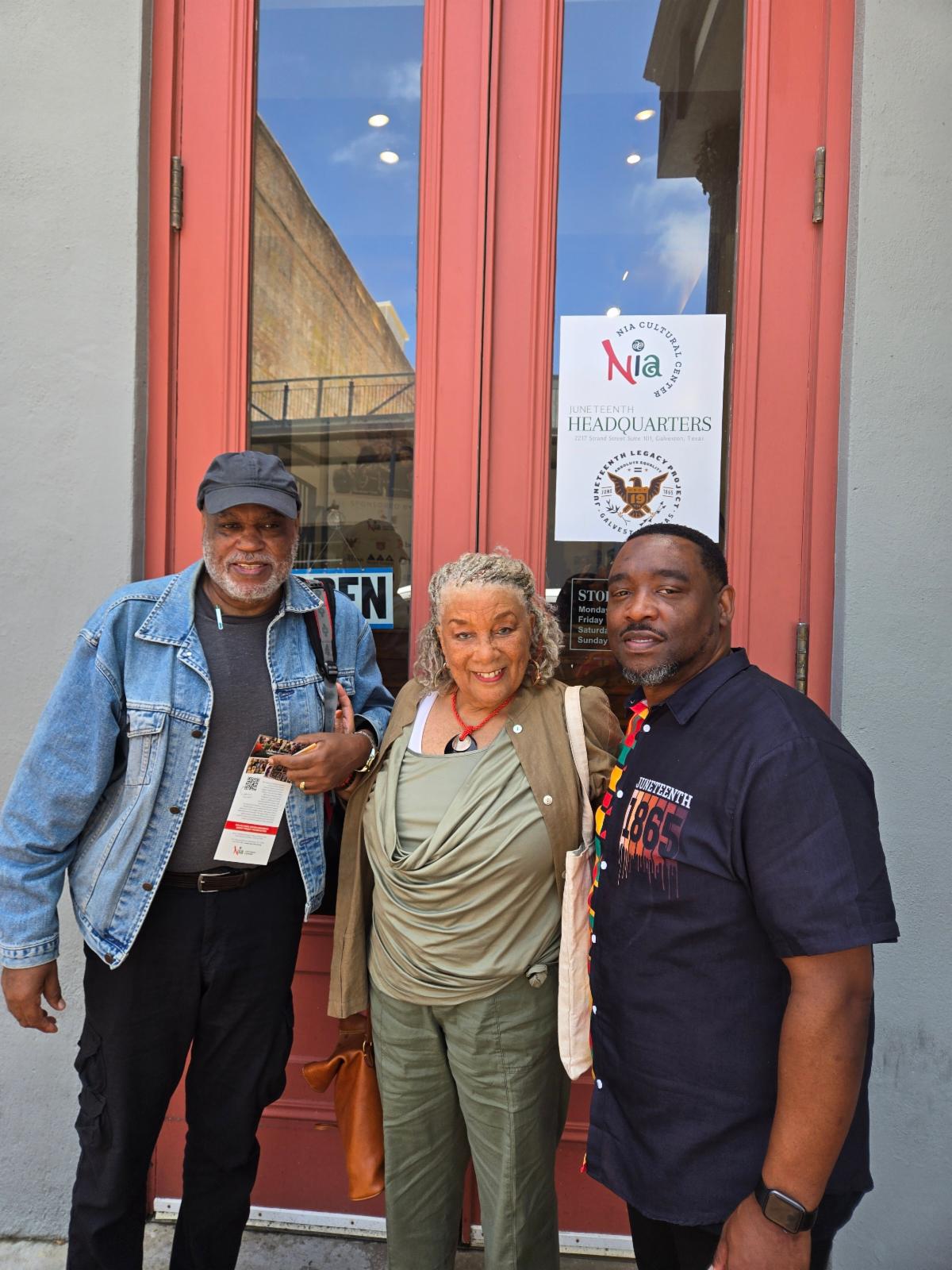
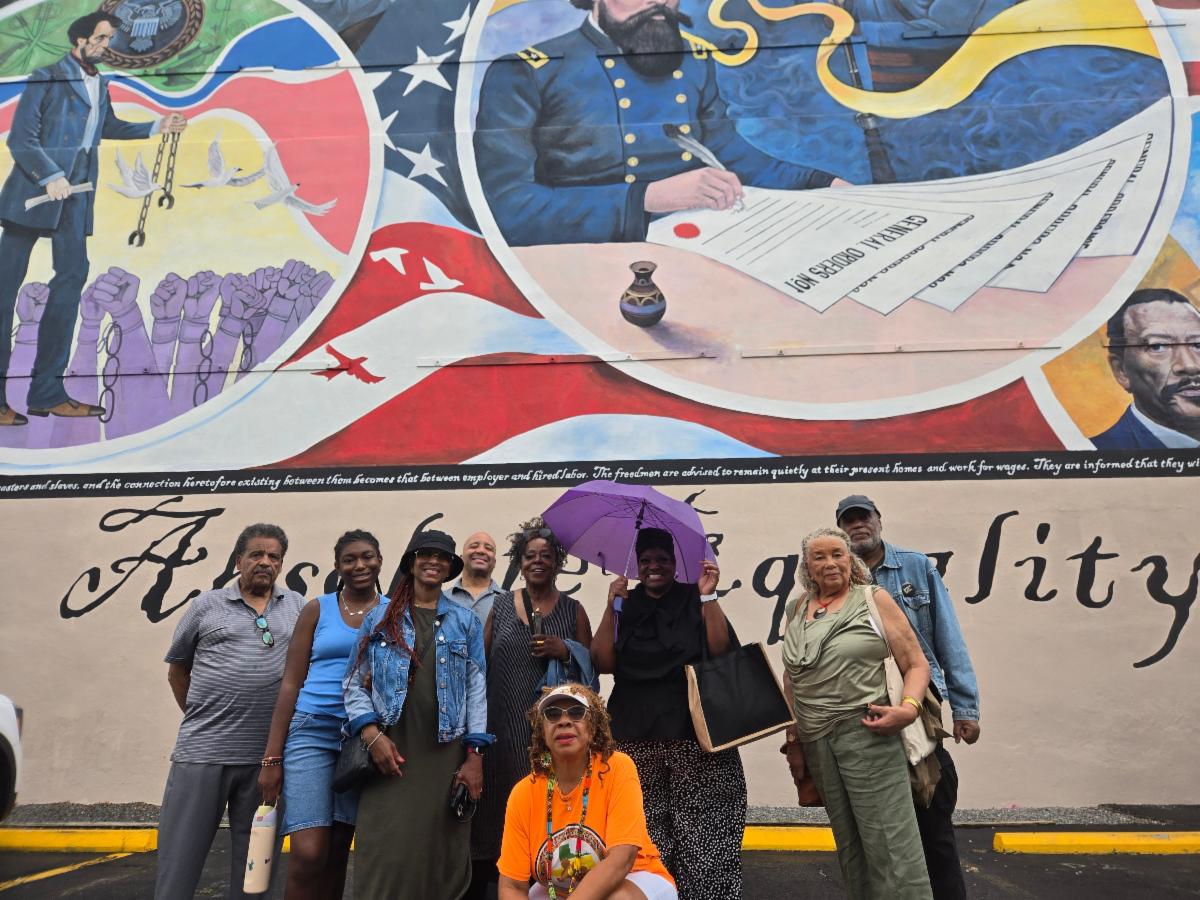
When Gene and I took the Juneteenth & Beyond African American Tour, a Black-Owned business of Dr. Araminta Coleman Sorrell, we were immediately taken to "Ground Zero" of June 19, 1865. This was where a general of the Union Army read General Order #3, freeing the last enslaved people of Texas. This historic spot marks the beginning of Juneteenth, and is commemorated by the ABSOLUTE EQUALITY MURAL at the corner of 22nd & Strand Blvd. The art work is right in the middle of the business district that once housed Galveston's slave auction market. In the photo Gene and I stand in front of the mural with our tour group, with Dr Sorrell knelling in front.


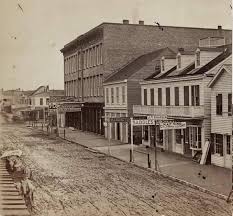
Galveston's 19th century Strand Boulevard served as the city's slave market. It's adjacent to the harbor where slave ships docked, bring many enslaved Africans to this site for sale.

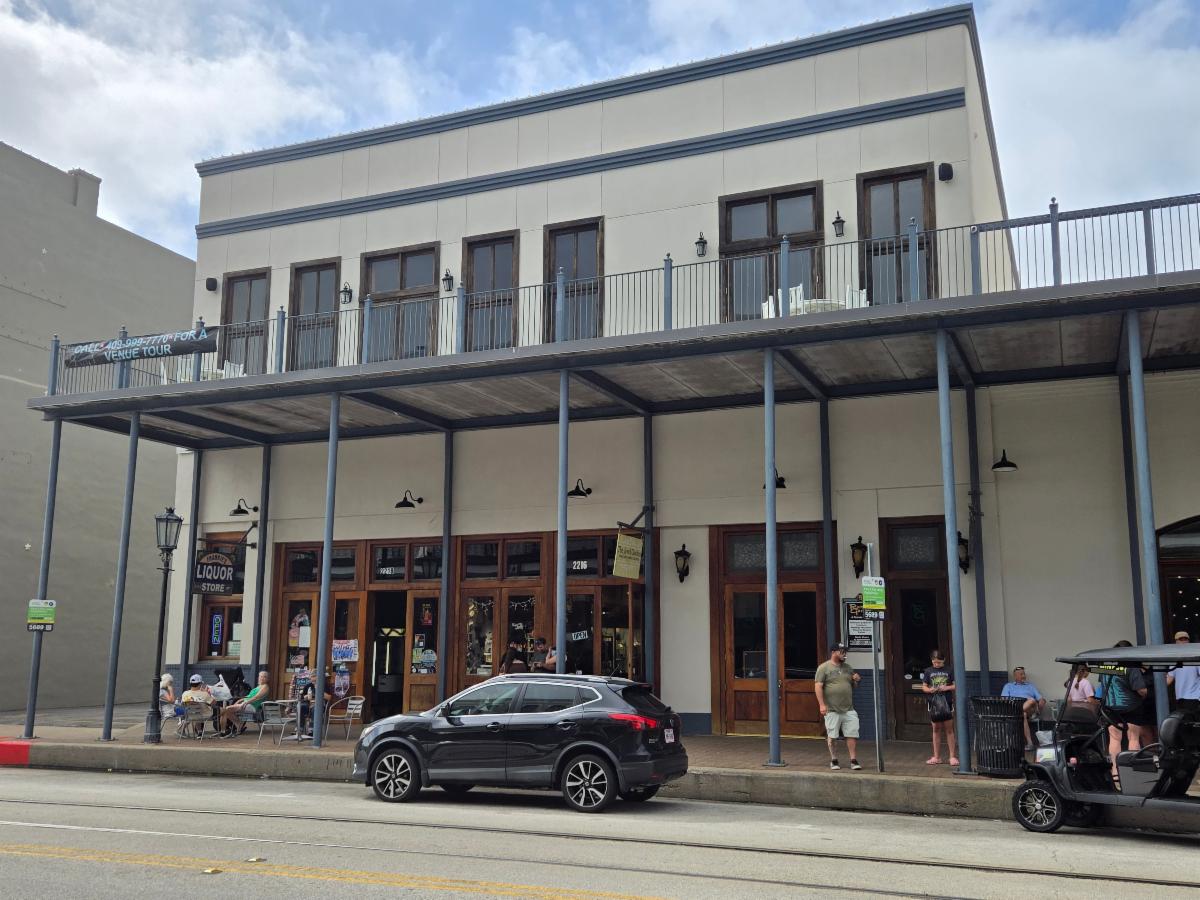
The Strand today has stylish boutiques and restaurants. People stroll and shop without any awareness of its slave history.


Juneteenth Day in Galvestion

"Lift Every Voice"

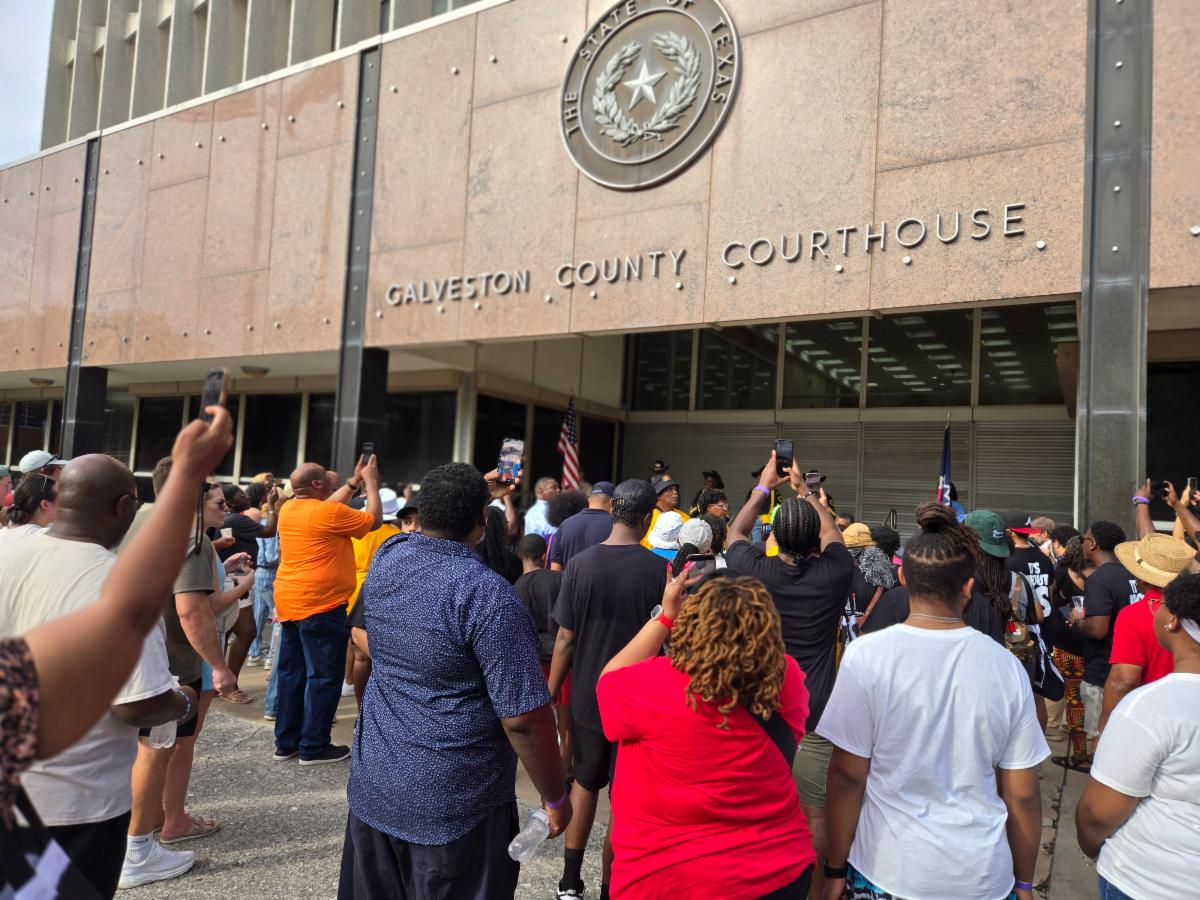
On June 19, 2026, Galvestonians recreated the celebratory parade that 19th century freed men and women did after learning of their freedom. They marched to the Galveston County Courthouse for a formal reading of General Order #3, which partially read, "All slaves are free.This involves an absolute equality of personal rights and rights of property between former masters and slaves."

This annual reading happens with Buffalo Soldiers in full regalia. Gene and I were proud to participate in this historic re-enactment.


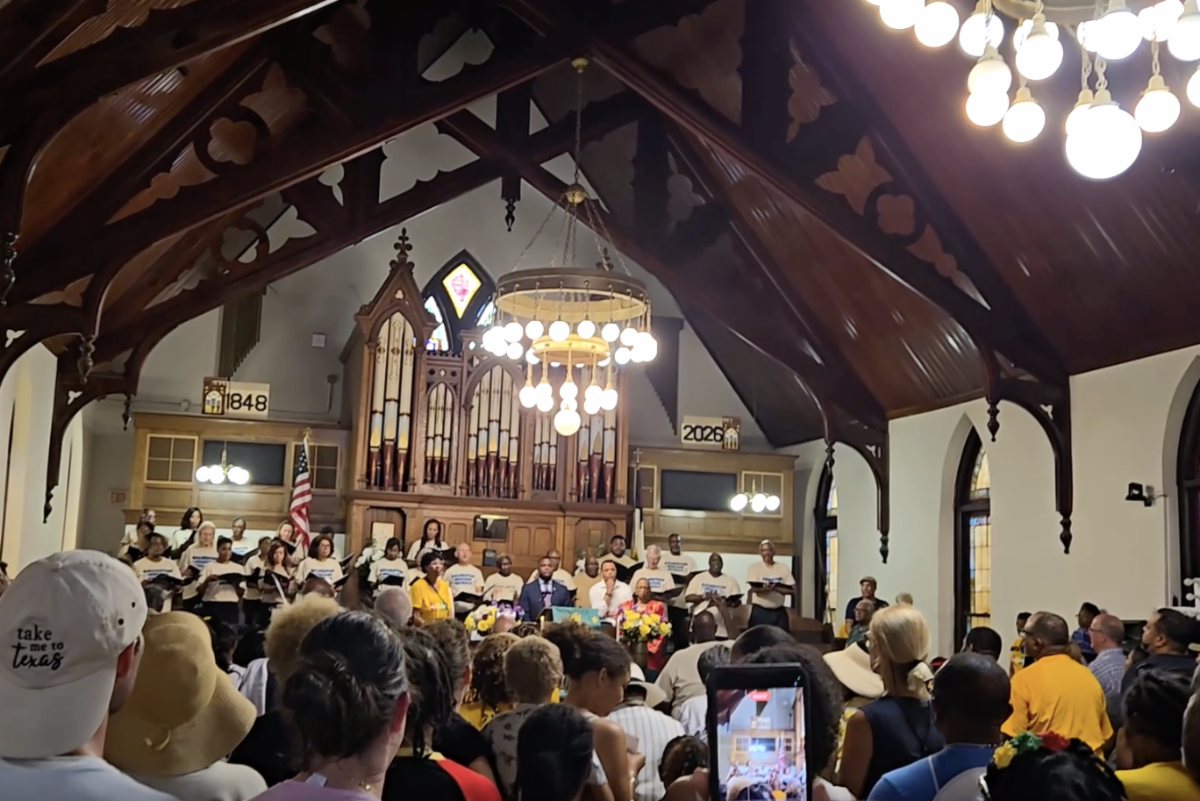
After the County Court House, the protocol is to march to Reedy Chapel AME Church, the oldest in the state. There was a program of worship and speeches. On June 19, 2026, Reedy Chapel had praise dancers, a Black theater skit, a keynote address by the current Mayor of Tulsa, Oklahoma, and the Galveston City Choir leading the attendees in the Black National Anthem. It was a force to witness and be a part of.


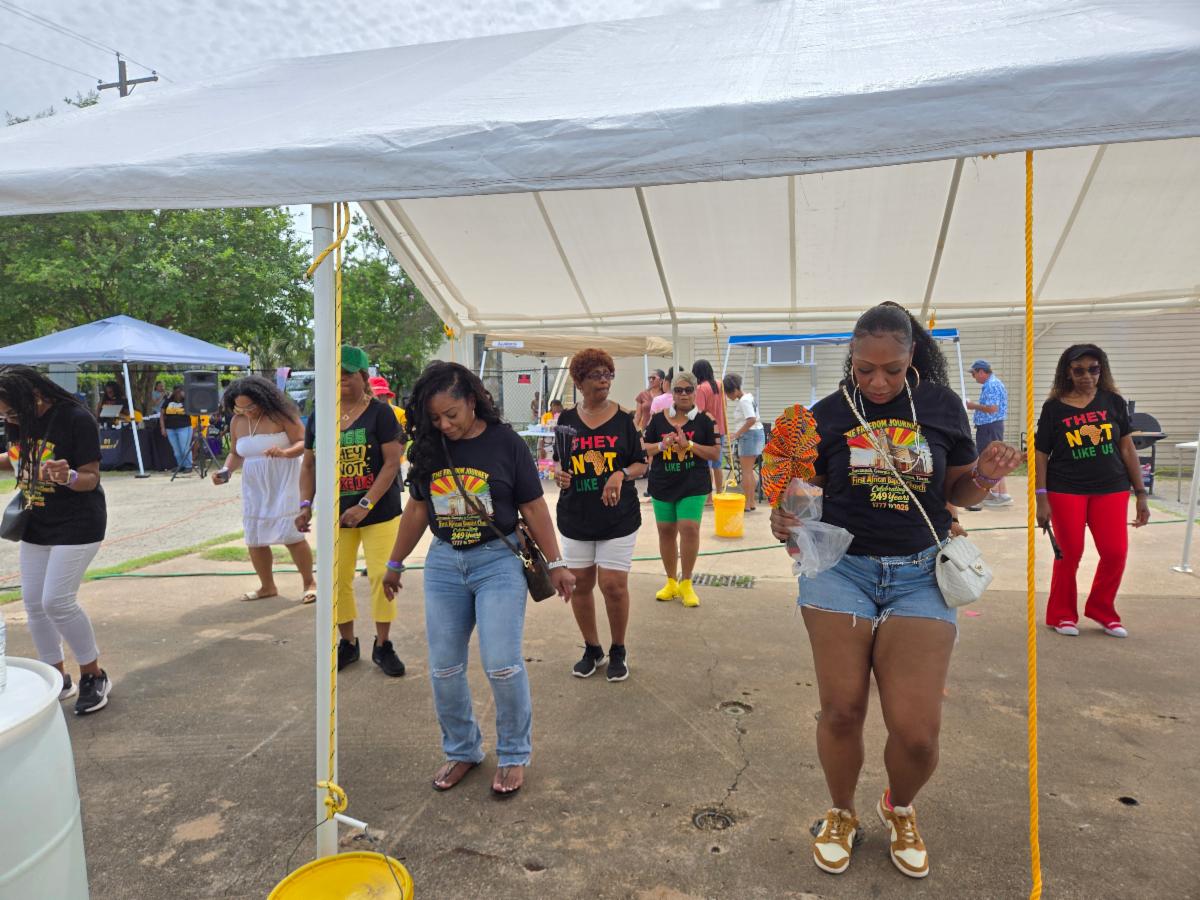
There was an all-day Juneteenth festival in the parking lot next to Reedy Chapel before the March to the Court House begin that evening.

One feature of the festival that caught my eye, of course, was the line dancing, complete with some ladies flicking their hand-held fans on tthe beat. It was funky and soulful. My Galvestonians are definitely "doing it."


My Personal Galveston History

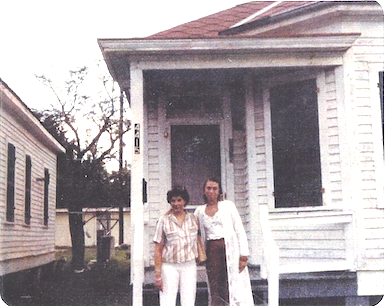
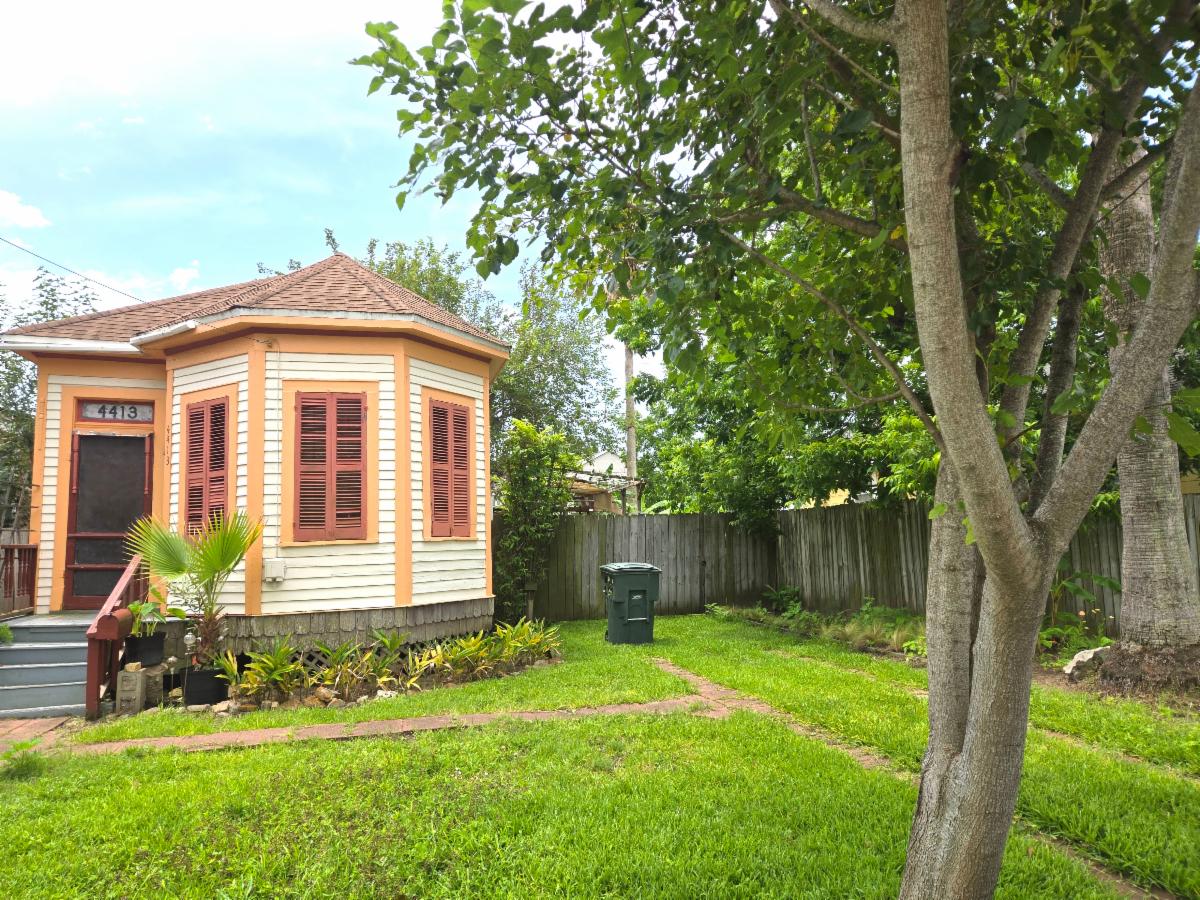
Our last day in Galveston was spent exploring my childhood abode and haunts. We lived at 4415 Ave. K; but that old shotgun house has been torn down with only a garbage can standing next to 4413 to mark were it used to stand. But I also remembered my 1979 Galveston pilgrimage to the house with my mother Tenola when we took a picture in front where it then stood.


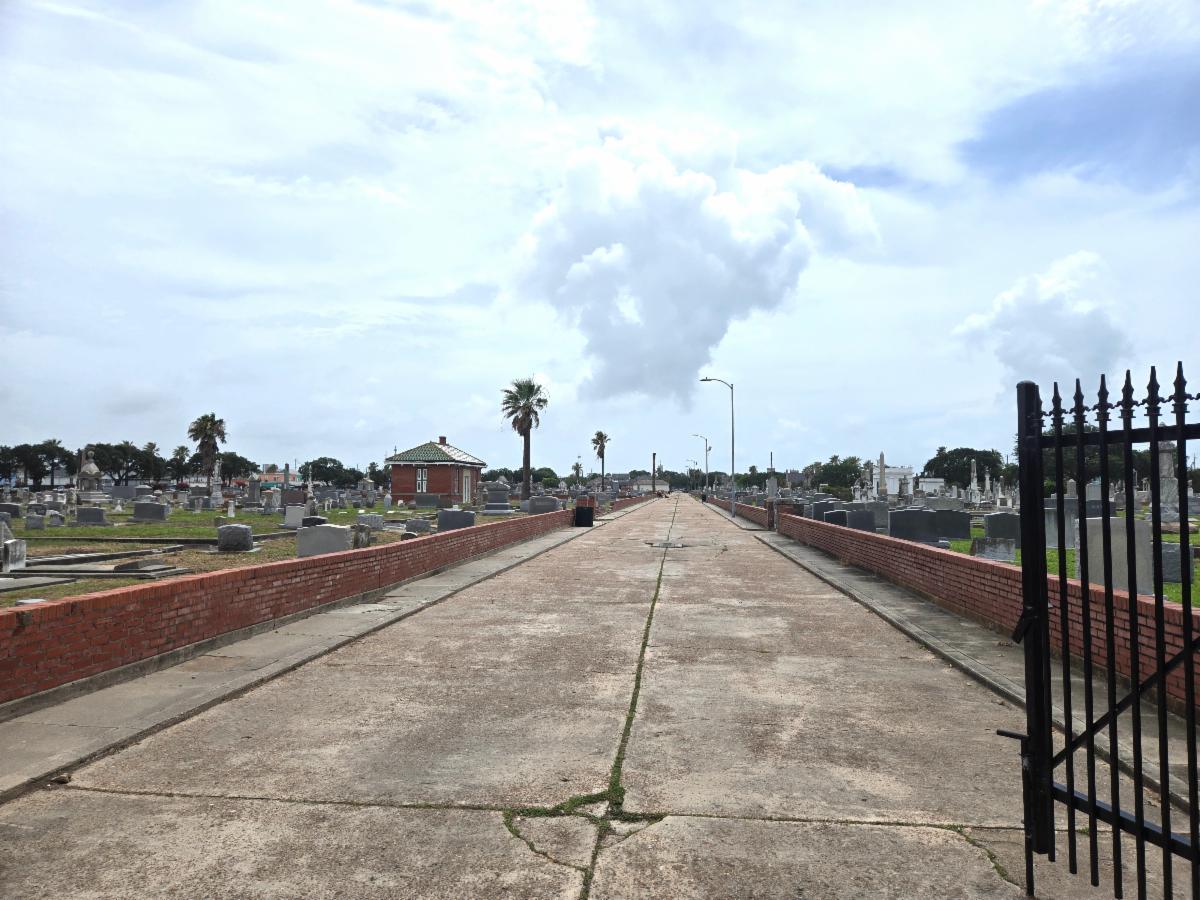
I remembered the entrance to the graveyard two blocks from that old house, where I would ride my bike to get away from any childhood stress in our house that I felt. I would ride to the cemetery, which was only for whites at the time, and sit on the concrete wall dividing the two sections, and fine my peace.


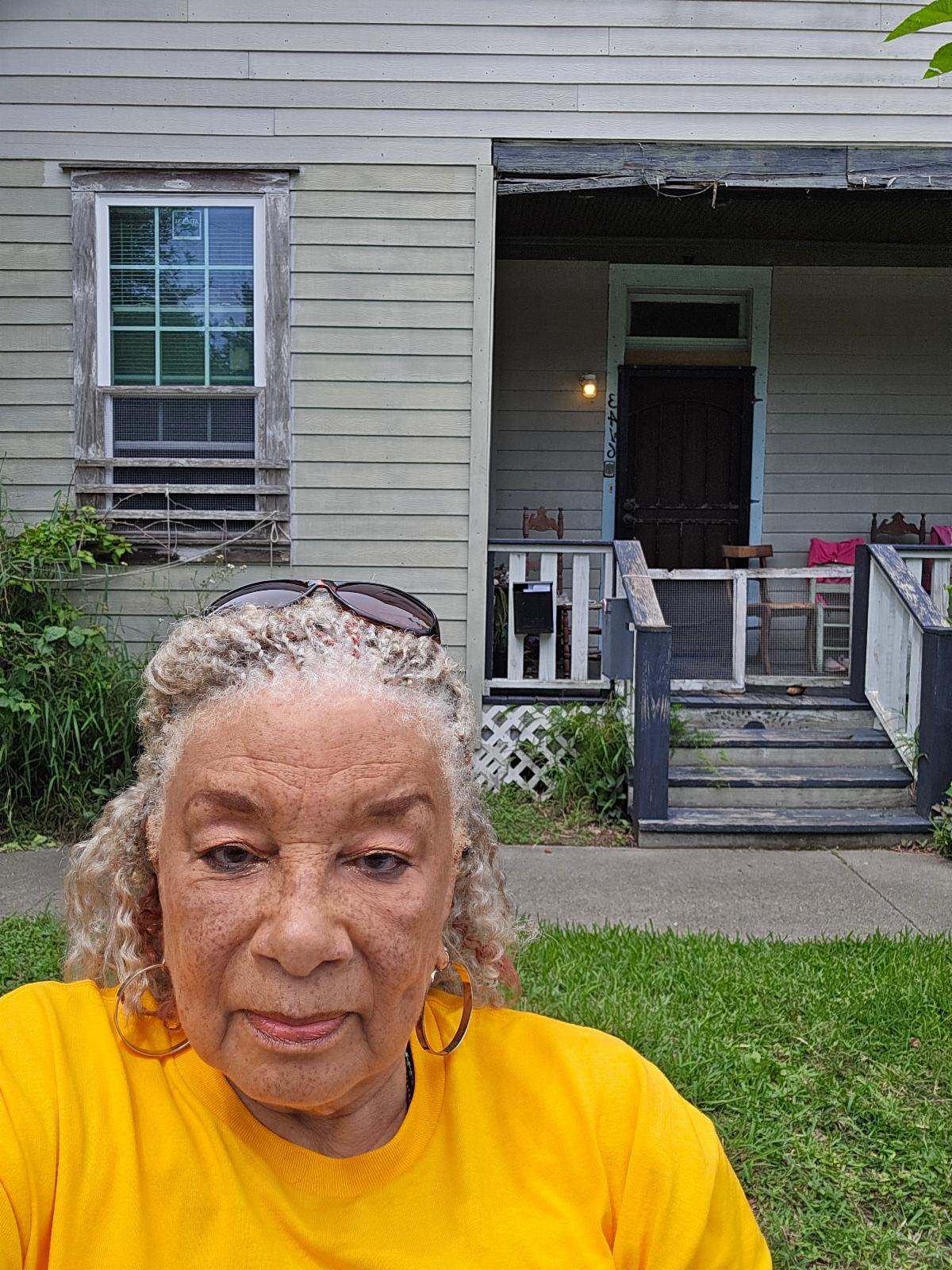
I also took a selfie in front of my Nanny Dora's house (my grandmother's sister). She was the only one in the family who had a piano, where I could practice my piano lessons. Luckily it was still standing strong.

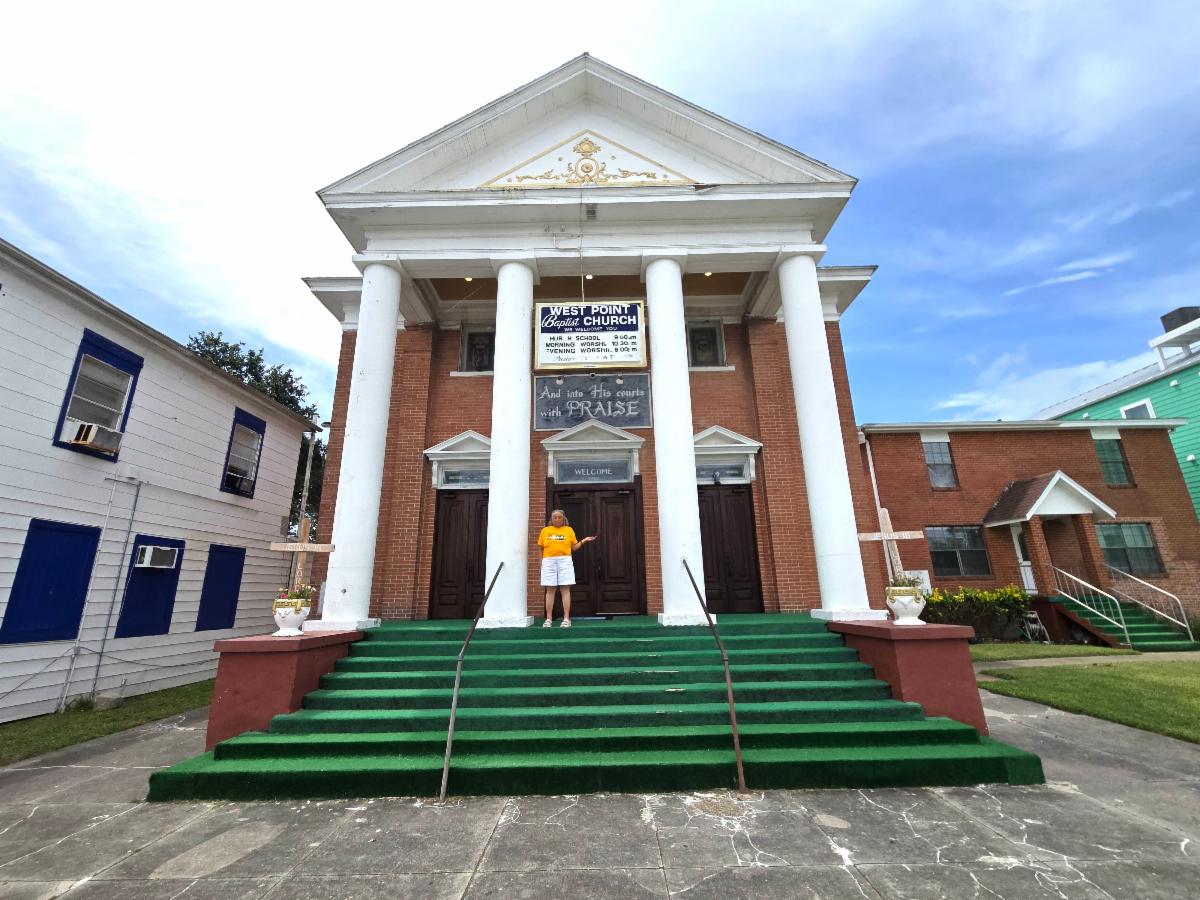
I had to visit my Grandmother Alberta's church, Westpoint Baptist Church. And I remembered the coins she gave me, tied in a handkerchief each Sunday, for my own personal church offering.


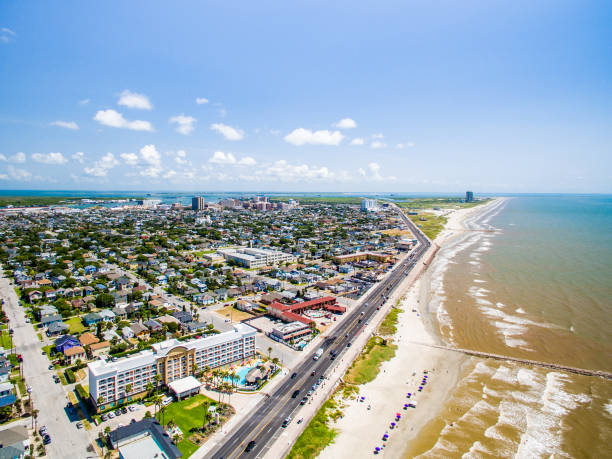
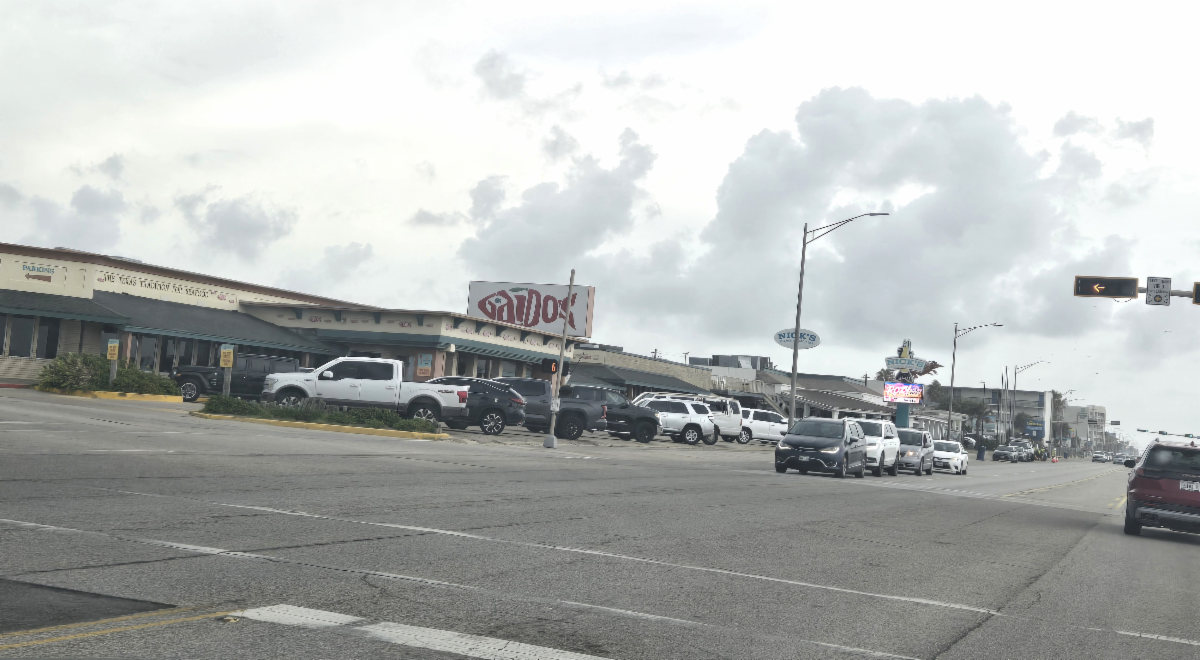
Lastly, Gene and I went to Gaido's Restaurant, one of the oldest Galveston restaurants on Seawall Boulevard at the Gulf of Mexico. It was segregated when I lived there as a child, but back in 1979 I took my mother there, and she said, "I can't believe I'm finally eating in Gaido's."

These childhood sites, filled with past memories guided the one day that I devoted to my Personal Galveston.


My Primary Ancestor

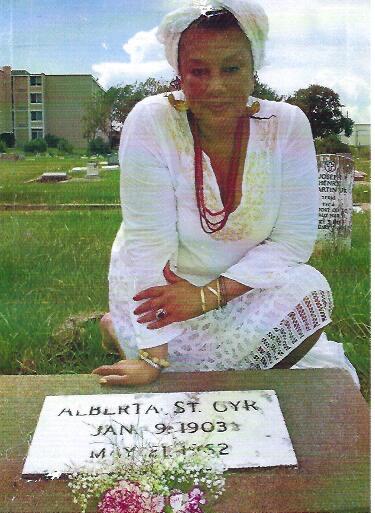
Mrs. Alberta St. Cyr (1889-1962)


Although I was not able to visit my maternal grandmother's gravesite this time, I always call her name and ask for her blessings. This photo is my visit to her grave in 1991. Ebae Egun!


I guess I CAN go home again. ASE!


Check out my new Wikipedia Page!

And my Youtube Page!

Dance is Life & Life is a Dance

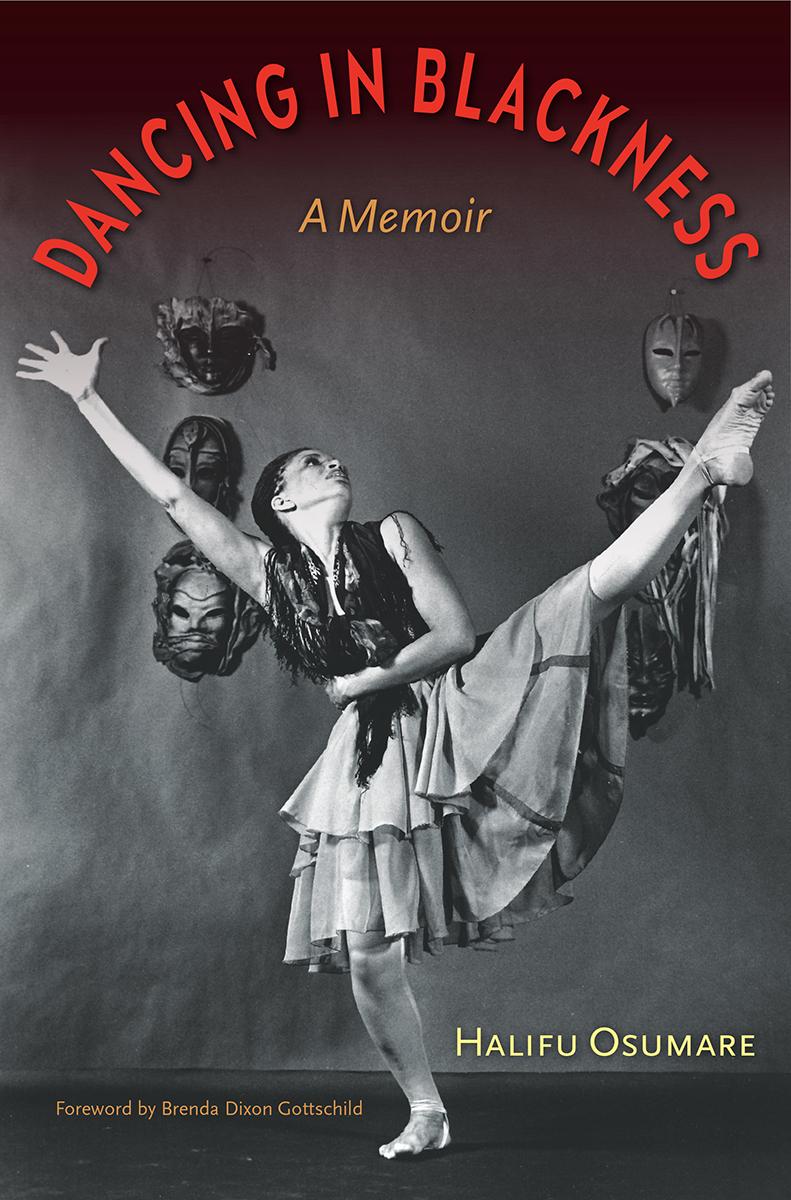
Dancing in Blackness:

A professional female dancer’s personal journey over four decades, across three continents and 23 countries, and through defining moments in the story of black dance in America.

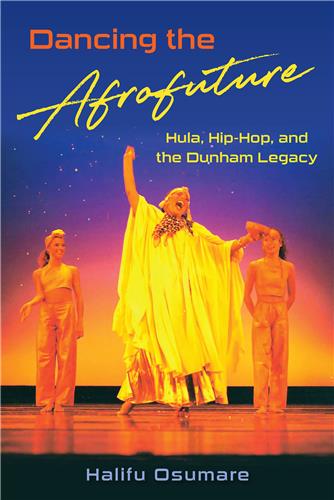
Dancing the Afrofuture: Osumare's sequel memoir chronicles her transition from performing Black dance to writing it into history as a Black studies scholar. Emulating her mentor Katherine Dunham, she studied and performed hula, while researching hip-hop youth culture. 

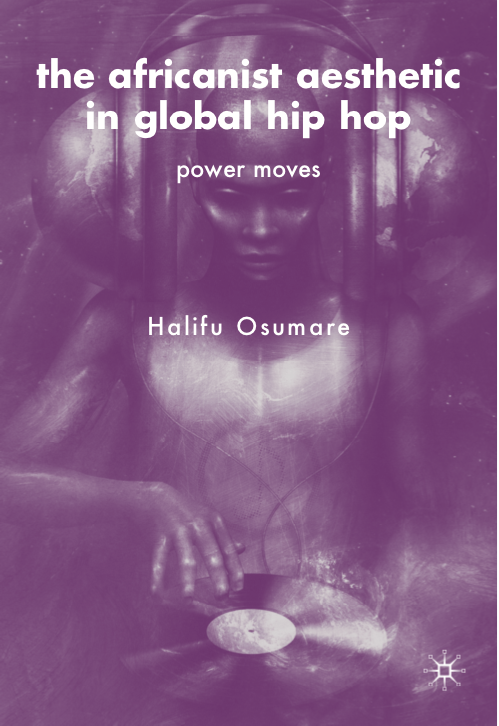
The Africanist Aesthetic in Global Hip Hop: Explores the two reasons for hip-hop’s globalization: 1) American dominant pop culture internationally, and 2) hip-hop’s beat and empowerment of youth.

hosumare.com

Facebook  Instagram  X  LinkedIn