Meet Leland
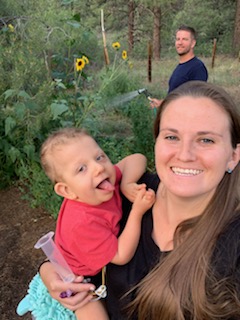
Mary and Nathan grew up outside of Durango, CO, and that’s where they wanted to raise their first child, Leland, who turned three in April. Leland was born with a BRAF gene mutation, and at six months the doctors added optic nerve hypoplasia and CVI to the diagnoses. “Leland had so much going on that when we learned of his vision impairment it was just ‘one more thing’ to add to the list,” said Mary. “Once we started seeing our teacher from A Shared Vision, we started to get more information on his vision diagnosis, and we were filled with hope."

Their teacher taught Mary and Nathan how to modify Leland’s environment, how to read his cues, and how to adapt the “hand under hand” strategy to “hand under foot” because his hands were so sensitive. Their teacher also knew that being outside was important to their family so she helped them set up their stroller so Leland could work on his learning and vision when they’re on walks or just relaxing on their sunny deck.

Living in a rural area with a medically complex child is challenging, but Mary and Nathan found a close community of doctors and providers. “The benefit of being in a small community is that there are resources available, and you don’t just get lost in the system of a bigger city. The pandemic brought so much more access to us with telehealth, which we have been so thankful for!” said Mary.

“Obviously, we didn’t plan on having a kid with such significant needs, but we cannot imagine our life without him now. These kids will teach you more about life and resilience than you know is possible,” said Mary. It also helps to have a good teacher from A Shared Vision “in our corner cheering us on and providing the tools and techniques for success.”
We Love Rainbows, Don't You?
How do you explain a rainbow to a child who has never seen one, let alone never seen colors? It may seem complicated, but don’t let those notions hold your child back from learning about color and natural visual aspects of the world. Try this multi-sensory approach HERE from WonderBaby.org.
Our Rainbow Smoothie is a healthy snack. The smooth texture is appealing to picky eaters. It can be sucked or sipped. Dab a little on your child’s tray so they can explore the texture and temperature with their hands. With this recipe, we provide sensory suggestions for you to try with your child. Taste the rainbow HERE.
Why Are Routines So Important?

Consistent everyday routines help build trust and optimize learning for a child who is blind or visually impaired. Learning occurs best when a child feels safe and can anticipate “what happens next” within the context of familiar routines and activities. Predictable beginning, middle and end sequences within routines also encourage active engagement, rather than passive participation. Routines are especially important for children with cortical visual impairment (CVI) because they're so predictable and grounding.The more familiar a task or object is to a child with CVI, the better the child will be more efficient at using their visual system. Routines also create more opportunities to build connections between the caregiver and child.
Vision Screening 2022
A Shared Vision is partnering with EI Colorado to update the current vision screening protocol to support evaluations conducted in person, via telehealth, as well as a hybrid approach. We will provide the training for the updated protocol beginning in mid-June. Stay tuned for upcoming dates!

Since the Colorado Department of Education (CDE) and A Shared Vision updated the protocol during the pandemic, we have greatly increased the awareness of the number of children with unidentified visual impairments. This directly correlates to data from Early Intervention Colorado, which reported a 49% increase in identified vision concerns for children in early intervention from calendar years 2019 through 2021.This was the most significant growth of any service type statewide. By comparison the most frequent services all declined during the same period, including developmental intervention, physical therapy, occupational therapy, and speech-language pathology.
Teaching a Child's First Teacher
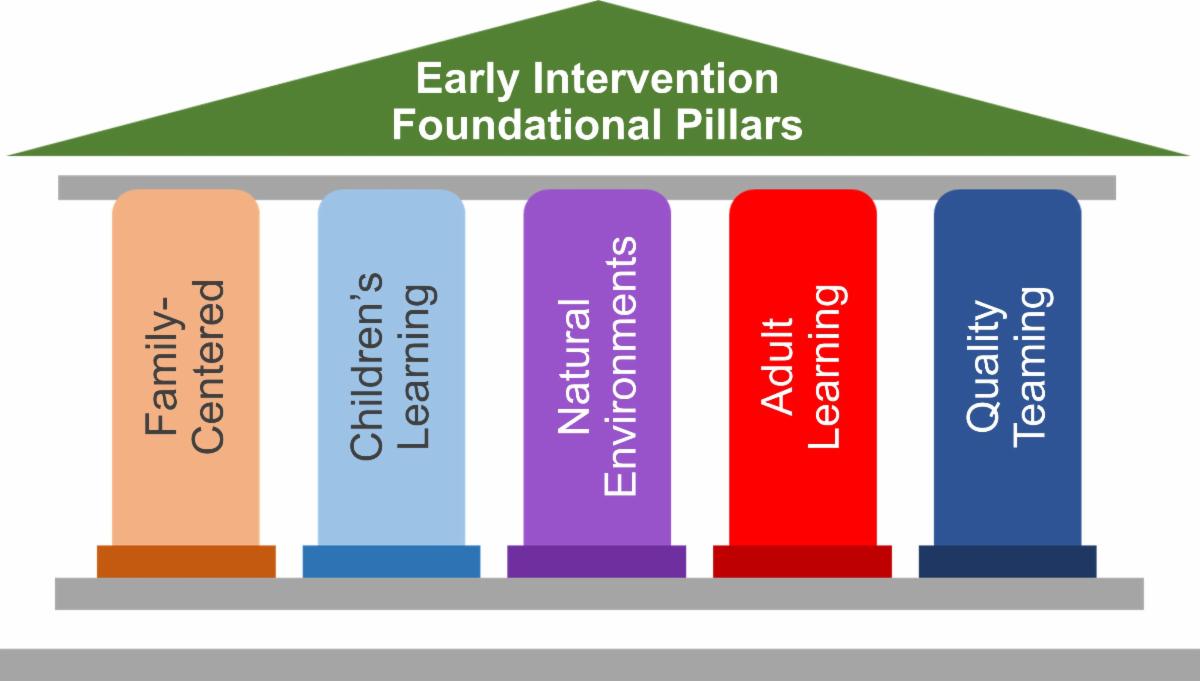
How do you teach a child's first teacher? While the focus of early intervention is to improve a child's developmental outcomes, a provider's energies and efforts focus on the child’s caregivers. We are teachers and coaches for parents, not teachers and therapists for the children. The goal is to enable caregivers to be effective first teachers – to be consciously competent about how to support the unique needs of their child.

How can providers become more effective at teaching adults who have different learning styles and preferences? A Shared Vision’s co-founders Paula Landry and Steven Lindauer shared answers during a March 3 webinar sponsored by the Western Regional Early Intervention Conference. The two-hour webinar, presentation slides, and handouts are all available HERE.
A Shared Vision is a 501(c)(3) nonprofit and the leading provider of in-home and community early intervention vision services in Colorado. We inspire and empower families to nurture the development of their very young children who are blind or visually impaired so that all children may discover their brightest future.
Share this email: