Greek Ancestry Newsletter

MAY 2026, ISSUE 5

Today, an increasing number of Greek genealogy materials are becoming accessible online. Join our community, as we showcase these exciting developments, tracing the journey from the earliest efforts to digitize and share Greek genealogical records to the latest breakthroughs.

It's a Fact!

In many Greek families, children were often named to honor both sides:


1st son → paternal grandfather

2nd son → maternal grandfather


It’s not universal and traditions vary by region and era, but when it applies, it’s a major clue for building family trees and guessing earlier generations.


Greek Ancestry Findings

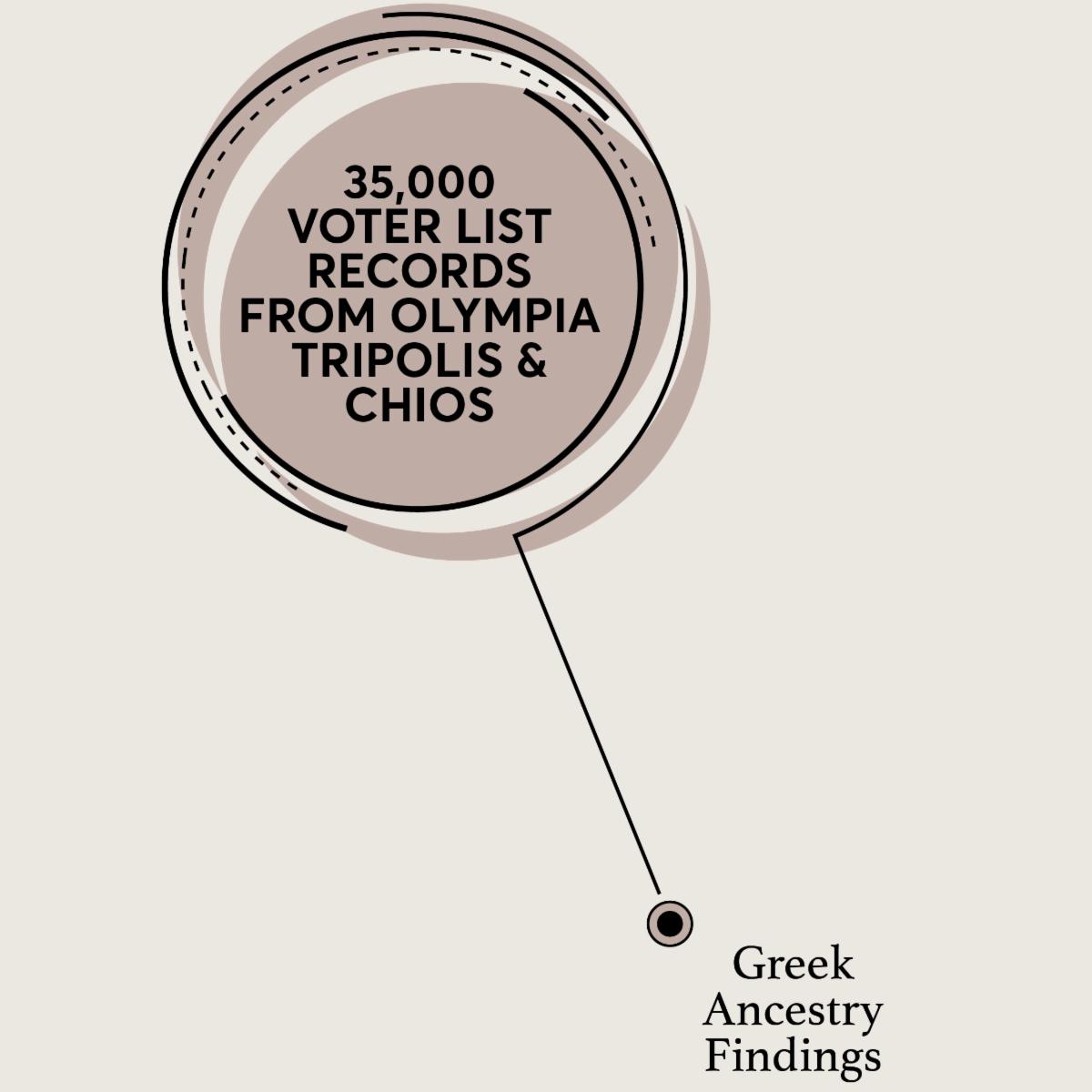
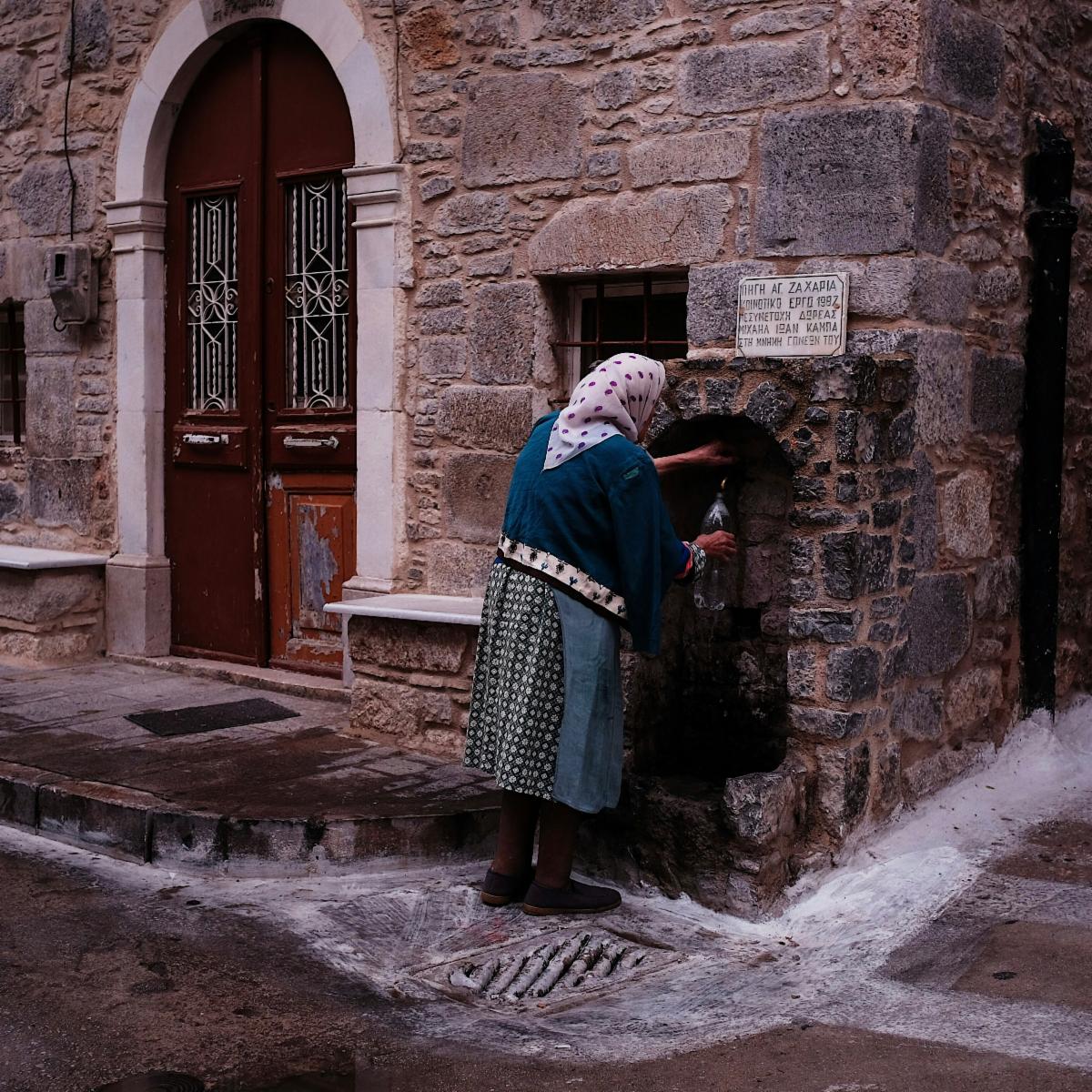
Just added: 35,000 voter list records from Chios, Olympia and Tripolis, a powerful paper trail for pinpointing where families lived, voted, and belonged.


These lists can help you:

• confirm a hometown when the family story is vague

• spot relatives living in nearby villages or districts
• track a surname across time and place with real evidence

Last Name First Said

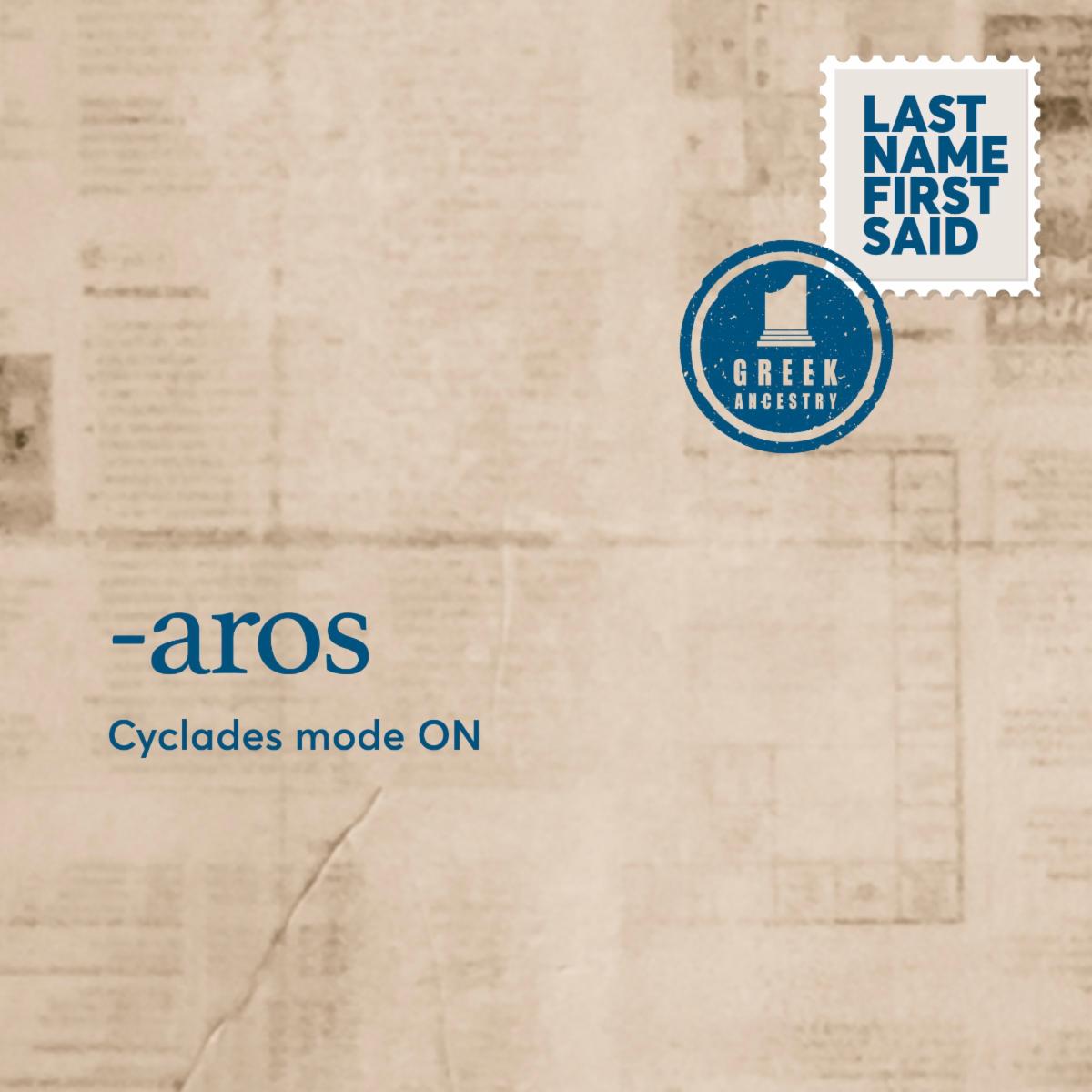
That -aros (-άρος) at the end of your surname might be a quiet clue pointing

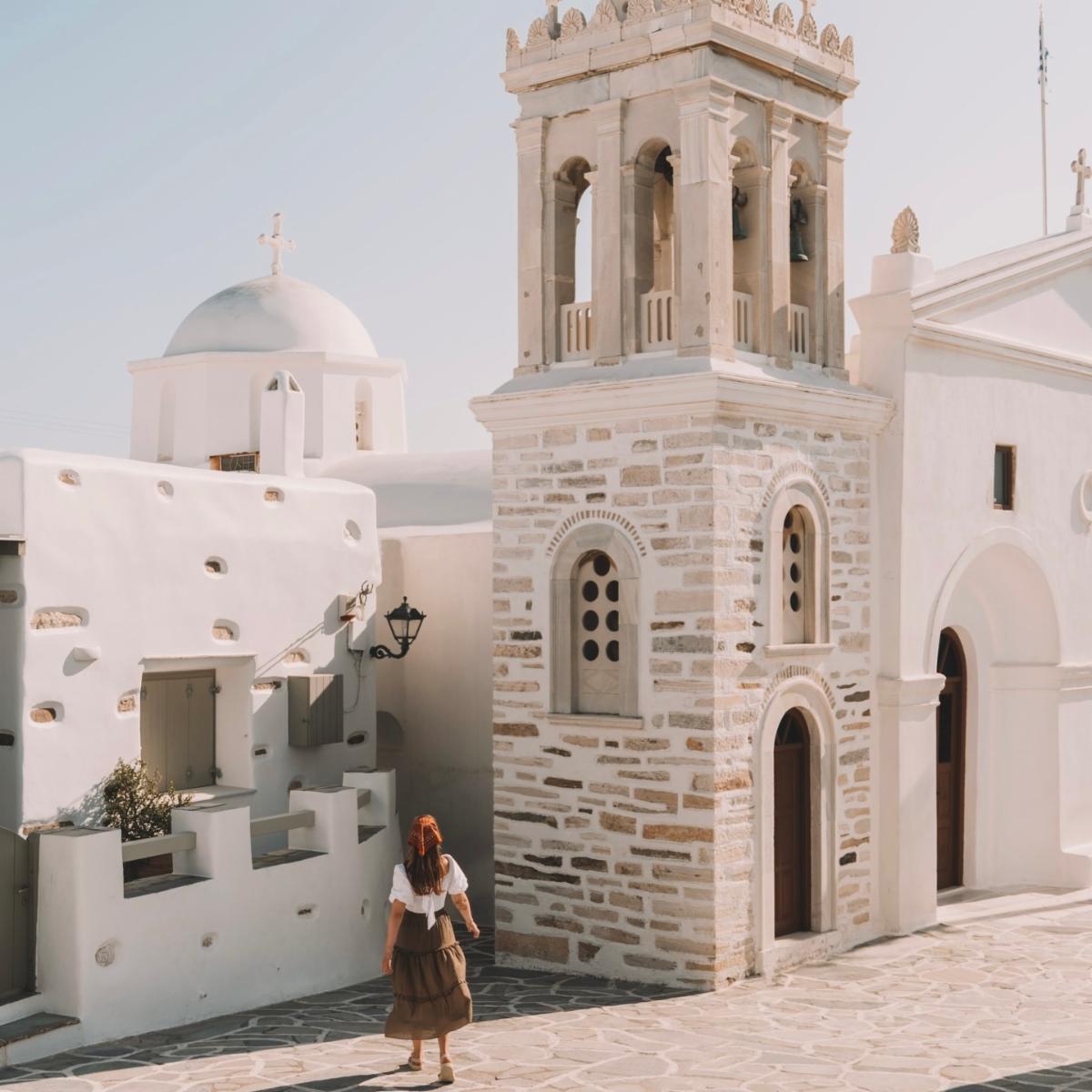
toward the Aegean islands.


Not a guarantee, but a strong hint that your story could start on an island map.


RootsTech Presentation #2

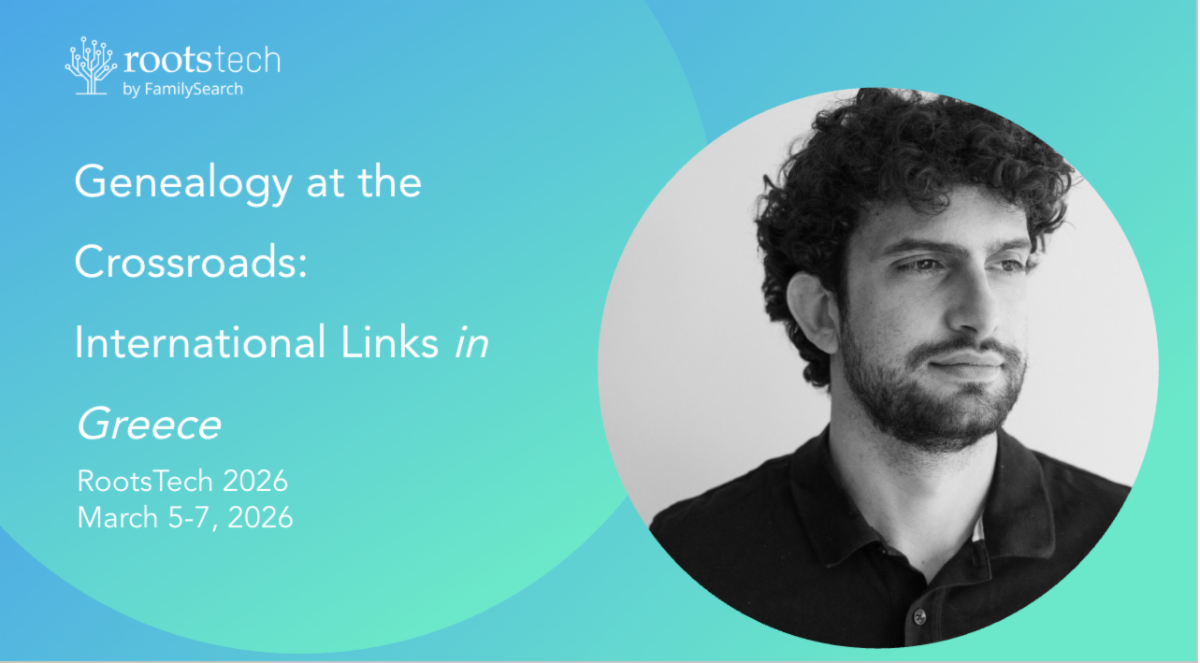
Genealogy at the Crossroads: International Links in Greece


Greece has never been the literal center of the world, yet it has long been a crossroads where Europe, Asia, and Africa meet. In this session, Gregory Kontos explores how Greece’s archives reveal international lives woven into Greek history: Romaniote and Sephardic Jews, Philhellenes, Maltese migrants, Ottoman-era Muslims, Armenian refugees, and WWI soldiers from Europe and its colonies.


The takeaway is simple: Greek records don’t only tell Greek stories, they connect global genealogies, and they can be traced through sources like civil registers, voter lists, directories, and newly digitized collections.


Stay tuned on our LinkedIn page - more to come!