We Wish You a Happy and Healthy 2021!
We'll be back soon with more fresh content. In the meantime, we urge you to explore the powerful articles and other resources at www.nebhe.org.
|
|
ICYMI, Some Memorable 2020 Pieces from NEJHE ...
|
|
|
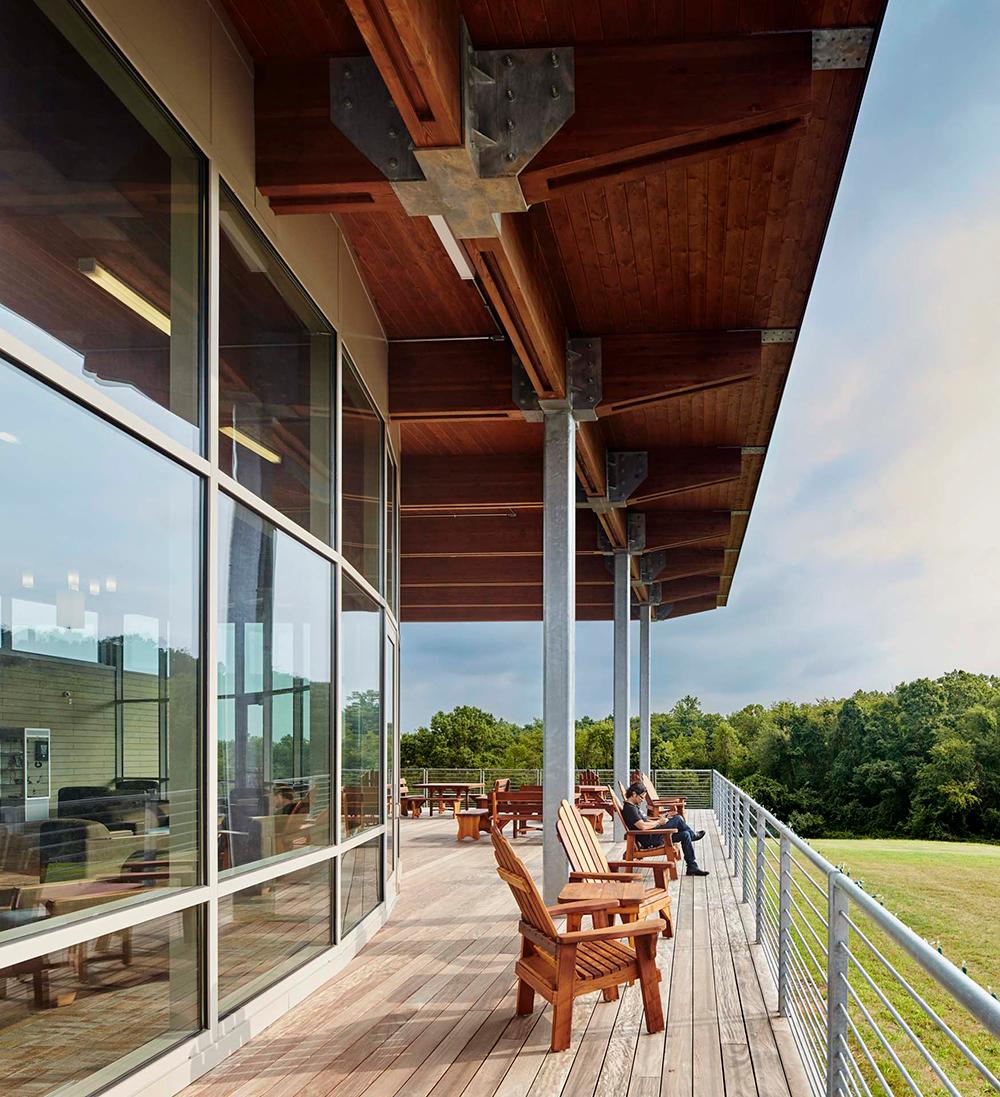
With social distancing in full force and online learning ascendant, it's a lonely time to celebrate the physical advantages of college campuses. Still, institutions bank on iconic buildings, outdoor spaces and surrounding environments to buoy their life-sustaining enrollment, retention and alumni engagement. And the region benefits importantly from its higher education landscape. Here, Connecticut architect Michael B. Tyre takes NEJHE readers on a tour of unique physical campuses, ranging from New York City's New School, where overtly contemporary architecture reflects a dedication to progressive thinkers, past the famed Low Steps and Plaza at Columbia University, which hosts activities from open markets and concerts to the occasional demonstration, to Maine's College of the Atlantic, which uses its lush oceanside surroundings to reflect its curricular focus on the relationship between humans and their environment. Tyre outlines ways New England colleges and universities can leverage their brands to ensure that the campus still feels like home for students, even during these distanced times.
|
|
|
When fear of coronavirus shut down all but essential businesses this past spring, NEJHE invited economists and other experts on “employability” to weigh in on how COVID-19 affects 2020’s college grads. In this installment, Maria K. Flynn, president of JFF (Jobs for the Future), explains that this moment should fuel a new sense of urgency around not only helping displaced workers in the short-term, but also designing a college experience where social and economic mobility is the ultimate measure of success. And that means reinventing higher education's outdated approach to career preparation. Flynn writes: "As part of their value proposition, colleges and universities must work to design a system that can give students and workers the insights and guidance they need to find work—and they must deliver those services virtually."
|
|
|
Residential liberal colleges take pride in students working closely with each other and with faculty inside and outside classrooms. But how is that going to work now when the name of the game is social distancing? Elizabeth Markovits, director of the Teaching & Learning Initiative and professor of politics at Mount Holyoke College, and her colleague Amber Douglas, dean of studies and associate professor of psychology, explain how the prestigious liberal arts college planned to bring students back to its South Hadley, Mass. campus this past fall with its flexible immersive teaching, or FIT, model. The FIT strategy features a modular system of two 7.5-week modules per semester, along with innovative pedagogical practices that enable faculty to respond to emergent changes and events that affect student learning.
|
|
|
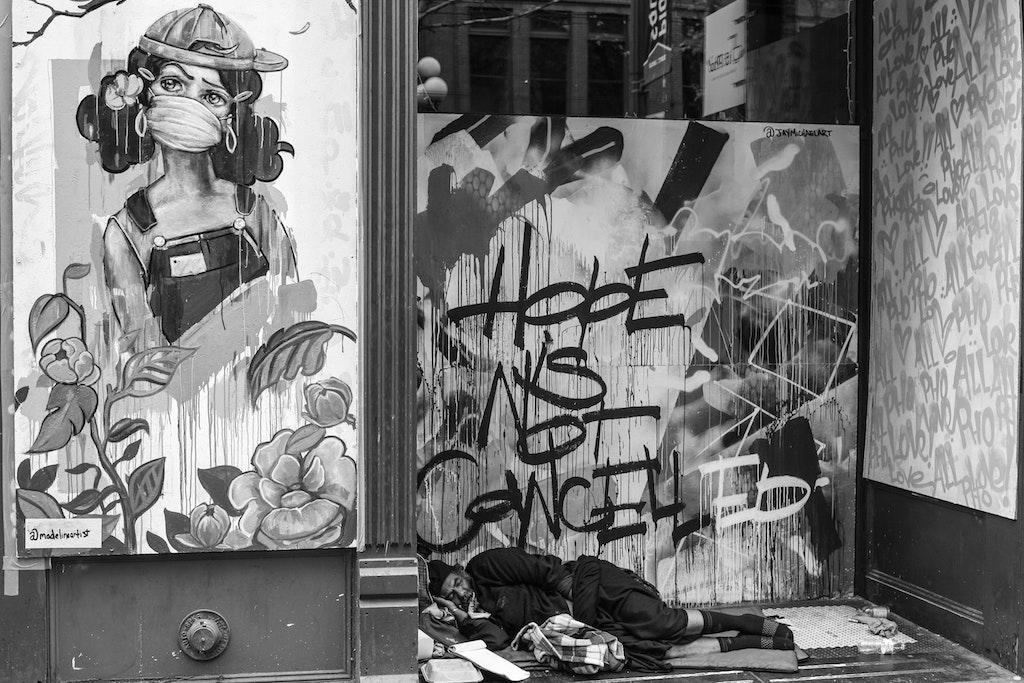
In an installment of NEJHE's OER Practitioner Perspectives series, Robin DeRosa envisions how a post-COVID-19 university could incorporate food security and other basic needs as integral to a learner’s academic success. When COVID-19 thrust many students "from chronic precarity to immediate emergency," writes DeRosa, the director of the Open Learning & Teaching Collaborative at New Hampshire's Plymouth State University, "faculty might have worried about how students would fare with complicated content delivered over Zoom, but students were worried that they would starve, become homeless or have to witness their families fall into even more dire poverty."
|
|
|
Former Massachusetts Gov. Jane Swift became president of the education innovation organization LearnLaunch in July 2019. Three years after being elected lieutenant governor, Gov. Paul Cellucci resigned to become U.S. ambassador to Canada, and Swift became the youngest female governor in U.S. history. Besides being recognized for her work in education and innovation, Swift is a leader on women’s issues and work-family integration. She is credited with improving public education through strong accountability and high standards and by aligning statewide curriculum while implementing remediation programs for struggling students. In this Q&A, NEJHE Executive Editor John O. Harney asks Swift about her insights on higher education, technology and more. |
|
|
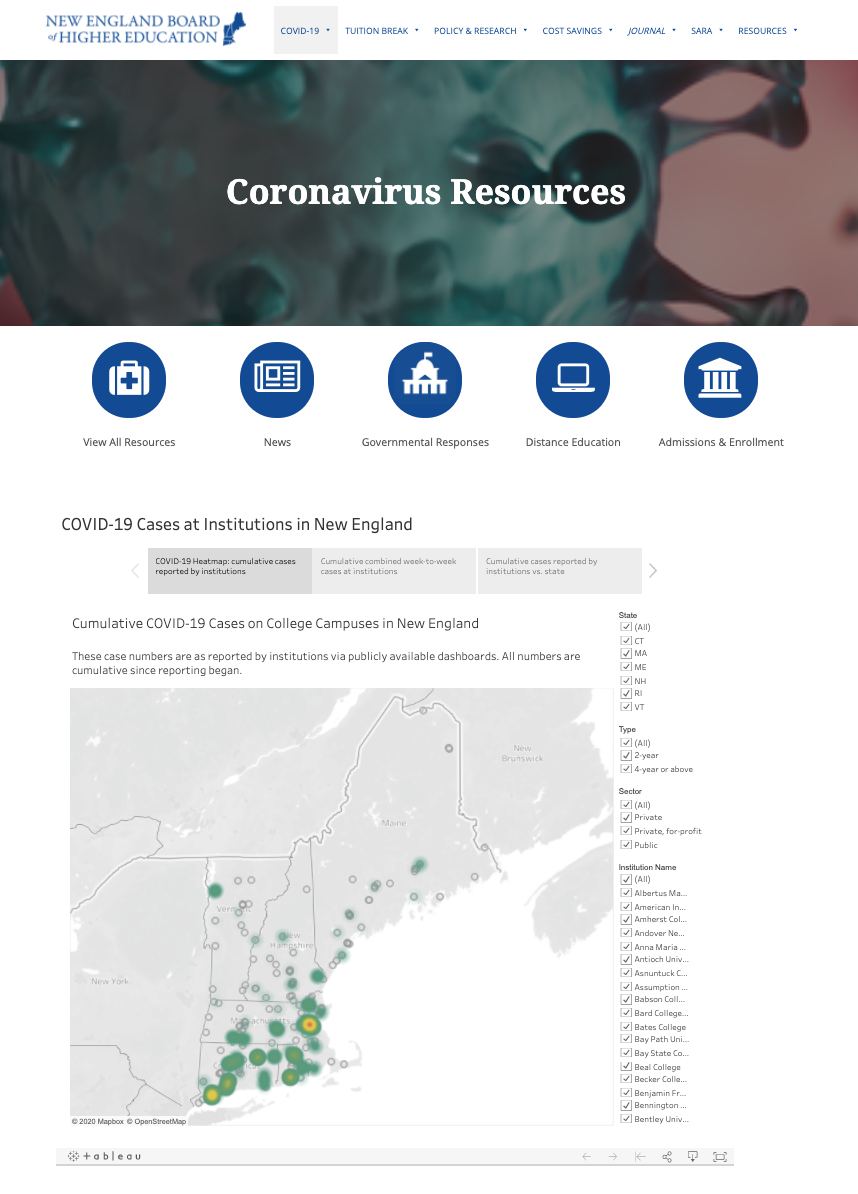
NEBHE's Tracking Coronavirus web resource features an easy-to-use display showing institutions' plans for the fall in light of COVID-19. It also details institutions' healthcare capacities and their proximity to external healthcare resources. Also find links to: COVID-19 News; Governmental Responses, Guidance & Advocacy; Distance Education Resources & Compliance; Institutional Finance Information; and Admissions and Enrollment Information. Please share updates from your institution at: cpeyser@nebhe.org.
|
|
|
NEJHE NewsBlast is a summary of NEJHE content and other news around NEBHE prepared weekly by NEJHE Executive Editor John O. Harney and emailed every Wednesday to opinion leaders and practitioners. When responding to NEJHE content, please make sure that your remarks are relevant, courteous and engaging. Individuals are responsible for their comments, which do not represent the opinions of the New England Board of Higher Education. We urge commenters to briefly note their occupational or other interest in the topic at hand. Please refrain from offensive language, personal attacks and distasteful comments or they may be deleted. Comments may not appear immediately. Thank you for staying engaged.
|
|
NEJHE NewsBlast is sponsored by
|
|
For more information about partnering with NEBHE, click here
or send an email message to our events coordinator Marla Phippen.
|
|
© 2020 New England Board of Higher Education |
|
|
|
|
|
|
|