News and information to help journalists serve the public and stay safe.
August 5, 2020
TOP STORIES
As news organizations and the nation have responded to the coronavirus pandemic and the protests following the murder by police of George Floyd, journalists have increasingly confronted the need for newsroom equity and a truer relationship with the communities they serve.

The National Press Club Journalism Institute and PEN America will co-host a program on “Equity and community in local news: Lessons learned in 2020” to identify and share takeaways from pandemic and protest coverage and to look ahead toward election coverage. 

Registration is open for the program on August 12, which will be moderated by Jim Friedlich, executive director and CEO of the Lenfest Institute of Journalism, and will feature Denise Rolark Barnes, publisher of The Washington Informer; Cassie Haynes, co-executive director at Resolve Philadelphia; Darryl Holliday, co-founder and News Lab director at City Bureau in Chicago; and Tasneem Raja, editor-in-chief of The Oaklandside.
Need to file a public records request? Do a bit of front-end reporting first: Search for what’s publicly accessible, narrow the request, and get to know the government information officer who will be responding to your query.

Two experts in unearthing government documents shared that advice Wednesday, along with tips on how to craft and where to direct public records requests, during a National Press Club Journalism Institute video program on strategies for conducting successful document searches.

The program featured Miranda Spivack, a former Washington Post editor and reporter and a journalism fellow at the Brechner Center for Freedom of Information at the University of Florida, and Mark Walker, FOIA coordinator for the Washington bureau of The New York Times and former training director for Investigative Reporters and Editors.

“If you can get the people who are the gatekeepers to all this to get to know you — even on the phone or maybe they'll FaceTime or Zoom with you — a lot of times they'll just give it to you,” Spivack said. 

Once you’ve reached the limit of what you can obtain without an official request, narrow your approach.

“I treat FOIA and public records requests just like any other reporting assignment,” Walker said. “And the thing you want to do is be able to specifically walk that FOIA officer exactly to the records that you're looking for. Tell them the name of the records, where they're located, and what specifically you're looking for, and break them up.”

Key strategies for obtaining public records:

  • See if documents you want are already available on government websites or e-reading rooms.
  • Get to know the official who is the records gatekeeper.
  • Do your homework so you can be specific in your request.
  • Ask if search fees can be waived because your reporting is in the public interest.
  • Seek expedited processing.

As racism and the treatment of people of color in and out of newsrooms has surged to the forefront of conversations, against the backdrop of a pandemic that disproportionately impacts people of color, journalists face many questions: When do ‘objectivity’ and ‘neutrality’ mask inequity? How do journalists move from covering protests to systemically telling stories that root out racist treatment in health care, education and other social spheres? And how can journalists practice antiracism in their everyday work?

Join us as Leah Donnella of NPR’s Code Switch, Cassie Haynes of Resolve Philly and Robert Samuels of The Washington Post discuss “What would antiracist journalism look like?”

Registration is open for this program, which will take place on Friday, Aug. 21, 2020.
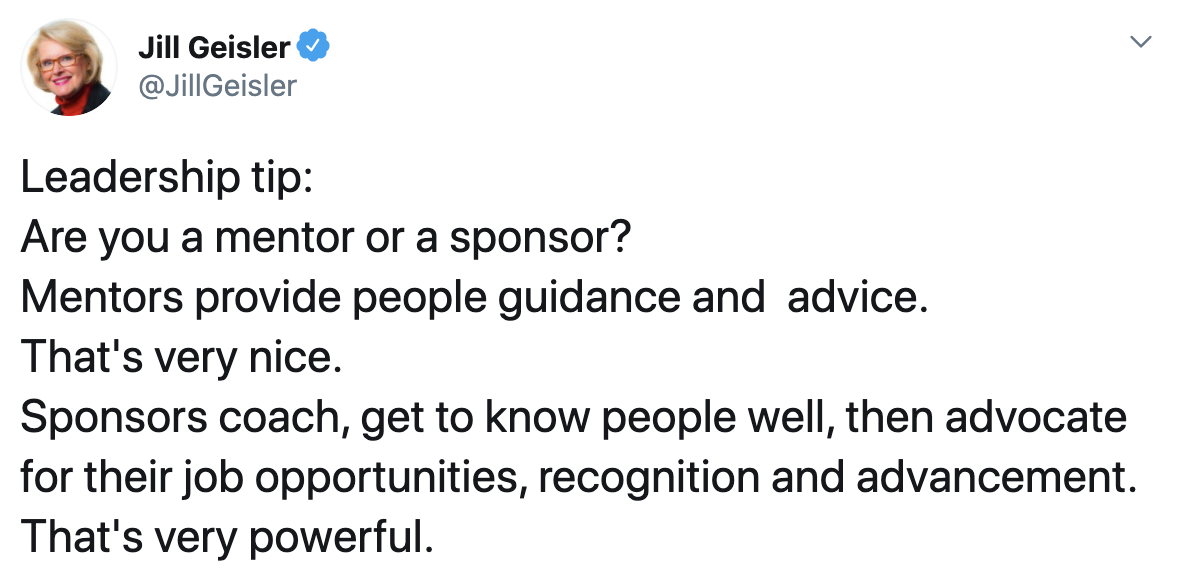
Many people mentor and sponsor. They watch, they listen and they offer helpful feedback. With people they know well, they take it one more step and put their reputations up as collateral; they say: Hire her, promote her, give her a raise so you don’t lose her to another organization. Do both. Invest in other people. 

Advice from Jill Geisler, Bill Plante Chair in Leadership & Media Integrity, Loyola University Chicago, Freedom Forum Fellow in Women’s Leadership
Do you qualify as an ally? Join Jill for the next Freedom Forum Institute Power Shift Project program on August 20 at 1 p.m. EDT. Registration is now open.
What’s a fun way to pass the time without an internet connection that’s also good for your health?


Just like with video games or puzzles, unwinding with a board game at the end of a long day has many benefits, from reducing stress and lowering blood pressure to boosting cognitive abilities and even improving your immune system. It’s also a great way to connect with the members of your household and unplug.

Here are some suggestions to get the gaming started:


Read on for more self-care tips, or share your own.
This newsletter is written & edited by the National Press Club Journalism Institute staff: Beth Francesco, Holly Butcher Grant, Jim Kuhnhenn, and Julie Moos. Send us your questions and suggestions for topics to cover.

Get this from a friend? Subscribe, and view the archives.