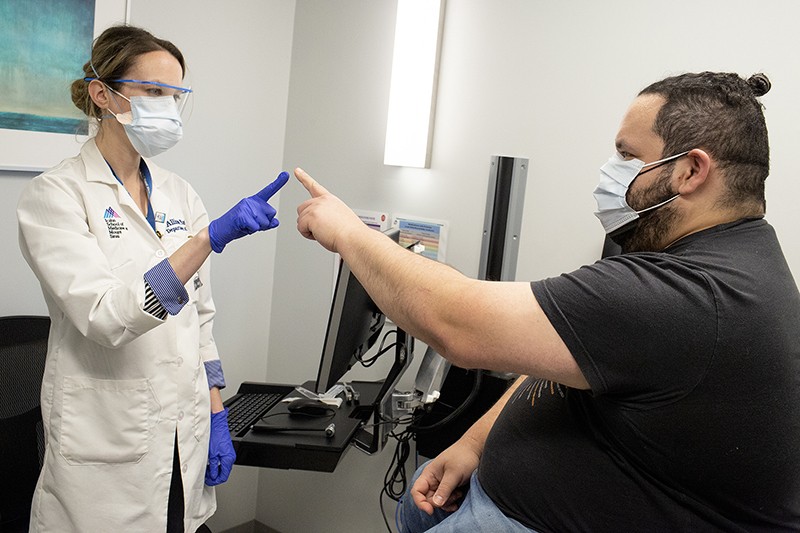
Community clinics say the easing of restrictions on telehealth during the pandemic has made it possible for health workers to connect with hard-to-reach patients via a phone call — people who are poor, elderly or live in remote areas, and don't have access to a computer or cellphone with video capability. Read More
This NPR article spotlights the need for action to keep voice-only telehealth which ASIPP has been working to maintain.
The public health emergency (PHE) was set to expire on October 18, 2021. Secretary Becerra has once again renewed this PHE for a period of 90 days, which will extend the coverage for telephone only services until at least January 17, 2022. Currently, it is expected that HHS will continue to renew it declaration of the PHE every 90 days through the end of 2021 and will provide 60 days’ notice prior to ending it.
CMS has said no to extending it so now only Congress can save it. Our letter campaign To Congress is trying to prevent cuts of 9.75% for physician payment and 6% for facility payment. To participate in the letter campaign and to read more about this issue by visiting the ASIPP Advocacy site at. https://asipp.org/advocacy/
|
|
More than 100,000 people died from drug overdoses in the 12 months ending in April
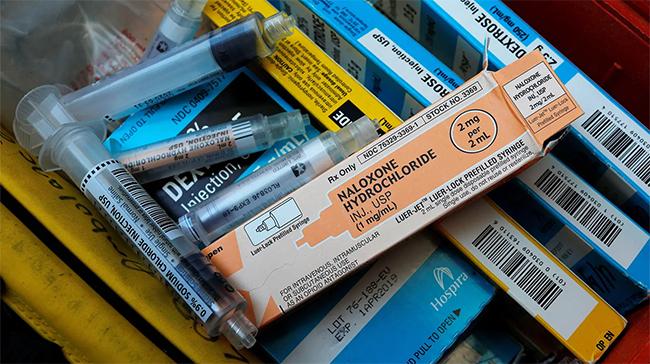
The Biden administration on Wednesday released model legislation to help states improve access to naloxone treatment for opioid overdoses as the U.S. reached a grim milestone in drug overdose deaths.
Research shows that implementing the model law "could have a significant impact on lowering drug overdoses and increasing quality of life. I believe no one should die of an overdose simply because they didn't have access to naloxone," said Rahul Gupta, MD, MPH, the administration's Director of National Drug Control Policy, during a press briefing. "But sadly, today that is happening across the country, and access to naloxone often depends a great deal on where you live. This, like any overdose reversal drug, must be made available for everyone who is at risk of an opioid-related overdose."
|
|
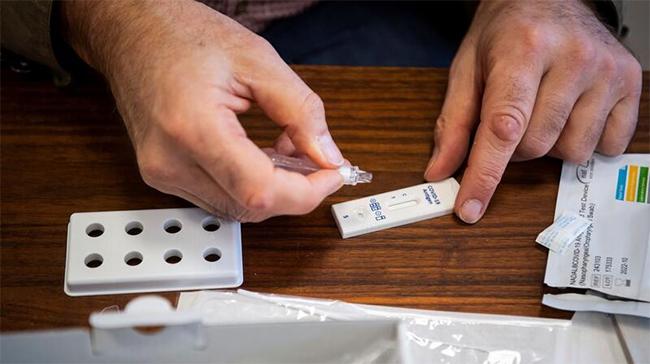
At least 50 percent of people who survive COVID-19 experience a variety of physical and psychological health issues for six months or more after their initial recovery, according to research on the long-term effects of the disease, published in the journal JAMA Network Open.
Often referred to as “long COVID,” the adverse health effects vary from person to person. But the research, based on data from 250,351 adults and children, found that more than half experience a decline in general well-being, resulting in weight loss, fatigue, fever or pain.
About 20 percent have decreased mobility, 25 percent have trouble thinking or concentrating (called “brain fog”), 30 percent develop an anxiety disorder, 25 percent have breathing problems, and 20 percent have hair loss or skin rashes. Cardiovascular issues — chest pain and palpitations — are common, as are stomach and gastrointestinal problems.
|
|
Association Between Social Media Use and Self-reported Symptoms of Depression in US Adults
Trends in Obesity Prevalence Among Adults Aged 18 Through 25 Years, 1976-2018
|
|
Sheri Albers, DO.
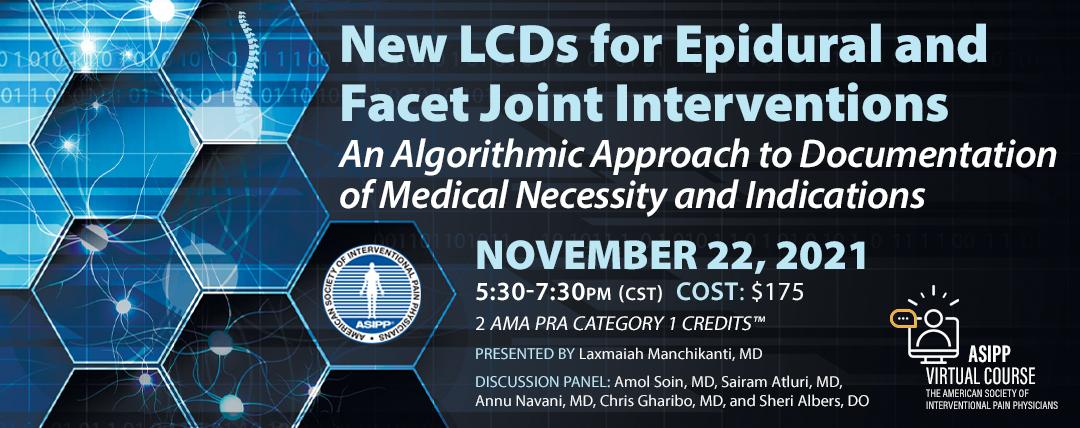
If you missed the live webinar, you may purchase the on demand version ($175) by clicking here.
|
|
Multiple MACs Have Released the Final Epidural Policy
This will be effective December 5, 2021. Please check your individual MACs.
While this is a nationwide policy, we are seeing some discrepancies with the various policies. Some have a limit of four (4) epidurals per region and others are stating a limit of four (4) for all regions. We will clarify this soon, but it appears to be four (4) per region.
However, it also says that after the first treatment, a patient must have 3 months of ≥ 50% relief. If that is not achieved, a second procedure may be performed after 14 days using a different approach after appropriate documentation, which is very difficult.
Diagnostic codes do not include disc displacement and disc degeneration. All in all, the policy is extremely difficult to live with, not only for diagnostic coding, but for limitation of procedures limited to 4 per year for all regions combined.
Other issues also include in reference to documentation of at least 2 fluoroscopic views, pre and post pain levels each time.
There are some changes as per the request of ASIPP and other societies in reference to the definition of inclusion criteria:
- This now includes radicular pain, severe degenerative disc disease, and post laminectomy syndrome.
- An objective pain scale or functional assessment must be performed at baseline and repeated at each follow-up for assessment of response.
- Pain duration of at least four (4) weeks, and the inability to tolerate noninvasive conservative care or medical documentation of failure to respond to four (4) weeks of noninvasive conservative care.
- Only one spinal region may be treated per session.
|
|
Do vaccines protect against long COVID? What the data say
Vaccines reduce the risk of developing COVID-19 — but studies disagree on their protective effect against long COVID.
Physiotherapist David Putrino’s neurological rehabilitation clinics used to treat about 50 people each week with conditions such as chronic pain, Parkinson’s disease and sports injuries. Then came long COVID.
Now, Mount Sinai Hospital’s Abilities Research Center in New York City, one of three clinics that Putrino directs, treats another 50–100 people each week who are coping with issues such as extreme fatigue, breathlessness, difficulty concentrating or any of the many other symptoms of long COVID — the long-lasting, poorly understood syndrome that can occur after infection with the SARS-CoV-2 coronavirus. He has 1,600 clients with long COVID, and more on a waiting list.
|
|
The NYU Grossman School of Medicine is surveying pain medicine fellowship graduates' perception of their training and level of preparedness for entering the practice of pain medicine. The survey committee is comprised of Christopher Gharibo, MD; Krupali Chokshi, MD; Gopal Desai, MD; and Lisa Doan, MD. Their goal is to publish information on which areas fellowship graduates feel most prepared and where needs are unmet that can provide constructive feedback to fellowship programs and ACGME. IRB approval has been obtained for the survey and all responses will be completely anonymous.
|
|
Total US deaths from COVID may reach 1 million by spring as vaccination rates remain lower than 60%
A steep rise in COVID-19 cases in Europe should serve as a warning that the US could also see significant increases in coronavirus cases this winter, particularly in the nation’s colder regions, scientists say.
However, there is more cause for optimism as America enters its second pandemic winter, even in the face of likely rises in cases.
Evidence shows vaccine-conferred protection against hospitalization and death remains high several months after inoculation, vaccines for children older than five can reduce COVID transmission, and new antiviral medications hold the promise of making COVID-19 a treatable disease.
|
|
Here we go again.
Health experts are warning the U.S. could be headed for another COVID-19 surge just as we enter the holiday season, following a massive new wave of infections in Europe — a troubling pattern seen throughout the pandemic.
Eighteen months into the global health crisis that has killed 5.1 million people worldwide including more than 767,000 Americans, Europe has become the epicenter of the global health crisis once again.
And some infectious disease specialists say the U.S. may be next.
"It's déjà vu, yet again," says Eric Topol, founder and director of the Scripps Research Translational Institute. In a new analysis published in The Guardian, the professor of molecular medicine argues that it's "wishful thinking" for U.S. authorities to believe the nation is "immune" to what's happening in Europe.
|
|
-
To log in for the first time you will need to click “forgot password” at the bottom of the login window.
- Check your email and then log in as directed.
-
If you have problems logging into your account, click here.
|
|
Pain Medicine Case Reports (PMCR) and Editor-in-Chief Alaa Abd-Elsayed, MD, PhD would like to invite you to submit case reports and case series to the PMCR journal. Your article will be published free of charge.
Open access journals are freely available online for immediate worldwide open access to the full text of published articles. There is no subscription fee for open access journals. Open access journals are no different from traditional subscription-based journals: they undergo the same peer-review and quality control as any other scholarly journal.
Interested in becoming a member of the PMCR Editorial Board?
Editorial board members are asked to review 2-6 manuscripts per year. Please submit your most up-to-date CV to sgold@asipp.org for consideration.
For more information or to submit your articles, click here.
|
|
| CASE REPORT |
Ciro Visconti, MD, Maurizio Angelo Leone, MD, Michele Mario Zarrelli, MD, and Alfredo Del Gaudio, MD
Abstract
Background: The treatment of trigeminal neuralgia is a challenge especially for cases refractory to the common standard of care. Neurostimulation for pain relief has been used over the years with different targets and modalities. Few reports exist about the stimulation of high cervical spinal dorsal roots to treat trigeminal pain.
Case Report: We report a case of a refractory secondary trigeminal neuralgia that was progressively resistant to various treatments. A trial for upper cervical spinal dorsal root stimulation provided immediate good facial pain relief, evoking paresthesias only in the cervical dermatomes. Positive results were obtained over 3 years with reduction of pain, drugs, and improvement in quality of life.
Discussion: Neurostimulation of the high cervical spinal dorsal roots with the activation of the trigeminocervical complex may be an effective and safe treatment for refractory trigeminal neuralgia.
Key words: Spinal dorsal root neurostimulation, trigeminal neuralgia, trigeminocervical complex
|
|
| META-ANALYSIS |
Yan Dai, MD, Jiachen Huang, MD, Qinghui Hu, MD, Lili Huang, MD,
Jie Wu, PhD, and Jun Hu, MD, PhD
Abstract
BACKGROUND: Chronic musculoskeletal pain (CMP) management is a major global public health goal owing to increased social and economic burdens. However, the risk of CMP in smokers compared with nonsmokers remains uncertain.
OBJECTIVES: This study aims to determine the magnitude and importance of the relationship between cigarette smoking and risk of CMP.
STUDY DESIGN: A meta-analysis of the CMP risk of cigarette smokers.
METHODS: We systematically searched PubMed, Embase, and Cochrane library databases from inception to August 2020. Data extraction and quality assessment were performed by 2 independent reviewers using a standardized extraction checklist. Data were pooled using a random-effects model.
RESULTS: In this meta-analysis of 32 studies involving 296,109 participants, current smoking was associated with increased CMP risk (OR: 1.23, 95% CI: 1.09-1.40), whereas ever and past smoking did not show such an association (OR: 1.14, 95% CI: 0.95-1.37; OR: 1.06, 95% CI: 0.83-1.35, respectively). Stratified analyses showed that there was a marked significance in almost all strata of current smokers compared with non-smokers, except for mean age (>= 50 years), location of pain (neck pain, sacral pain, and knee pain), smoking frequency (occasionally), study design (cross-sectional), mean follow-up (< 10 years), and adjustment for confounding factors (>= 6). Interestingly, there was statistically negative association between cigarette smoking and knee pain risk in current smokers, ever smokers, and past smokers.
LIMITATIONS: The major limitation of this meta-analysis relates to the heterogeneities across included studies.
CONCLUSIONS: Cigarette smoking was associated with increased risk of CMP. In view of the high prevalence of smoking in many countries and the increasing number of CMP patients worldwide, reducing tobacco use should be an important public health strategy to prevent and control the global epidemic of CMP. Future research should attempt to establish whether this association is causal and clarify its mechanisms.
KEY WORDS: Cigarette, smoking, tobacco, nicotine, risk, chronic musculoskeletal pain, meta-analysis, public health
|
|
| SYSTEMATIC REVIEW |
Charbel Najem, DPT, Naziru Bashir Mukhtar, MSc, Farah Ayoubi, PhD, Jessica van Oosterwijck, PhD, Barbara Cagnie, PhD, Kayleigh De Meulemeester, PhD, and Mira Meeus, PhD
Abstract
BACKGROUND: The biopsychosocial-spiritual model recognizes the impact of religious factors in modulating the experience of pain. Religious beliefs are factors that can influence perceptions, emotions, and behavior, all of which have important implications on health, pain experience, and treatment outcomes.
OBJECTIVES: The aim of the present study was to identify if and how religious beliefs and attitudes can influence pain intensity, pain interference, pain-related beliefs and cognitions, emotions, and coping among patients with chronic musculoskeletal pain.
STUDY DESIGN: Systematic review.
METHODS: This systematic review was conducted and reported, following the Preferred Reporting Items for Systematic Reviews and Meta-Analysis guidelines (PRISMA). An electronic search was conducted in 4 online databases (PubMed, Embase, Web of science, and PsychArticles) and complemented with a hand search (PROSPERO registry: CRD42020161289). Two reviewers independently performed eligibility screening, risk of bias assessment, and data extraction. The risk of bias of the included studies was assessed using the Newcastle Ottawa Scale.
RESULTS: Nine cross-sectional studies and one case-control study were included in the review. The methodological quality of the included studies ranged from low to high. The results gathered regarding the association between religiosity and pain intensity, disability, or pain interference were found to be conflicting. Limited evidence suggests that religiosity is positively associated with worse pain-related beliefs and cognitions, worse pain-related emotion, and better pain acceptance. There is insufficient data available to support the claim that religiosity is negatively associated with physical functioning and pain-related self-efficacy in people with chronic musculoskeletal pain.
LIMITATIONS: The number of included studies was small, with a low level of evidence, and a possible risk of bias.
CONCLUSION: This systematic review shows low evidence and conflicting results for the presence of associations between religiosity and different pain domains such as pain intensity, disability, and pain-related cognitions or emotions in people with chronic musculoskeletal pain.
KEY WORDS: Chronic pain, musculoskeletal pain, religiosity, pain beliefs, pain cognitions, pain emotion, coping
|
|
Since this malpractice insurance program officially launched in November 2018, ASIPP has signed up hundreds of providers with an average savings of 30%. This is professional liability insurance tailored to our specialty and will stand up for us and defend our practices.
Norcal Mutual is 'A' Rated by AM best and is license in all 50 states. To read a few important points to keep in mind about the program, including discounts, administrative defense, cyber coverage, aggressive claims handling, and complimentary award-winning risk management CME activities, click here.
|
|
ASIPP® is now offering our members the benefit of a unique revenue cycle management/ billing service. We have received a tremendous amount of interest in the ASIPP® billing and coding program.
Click here to learn more about the negotiated rate for practices and more!
|
ASIPP® has formed a partnership with Henry Schein and PedsPal, a national GPO that has a successful history of negotiating better prices on medical supplies and creating value-added services for the independent physician. Working with MedAssets, PedsPal provides excellent pricing on products like contrast media that alleviate some of the financial pressures you experience today.
|
|
up-to-date news related to you, your practice, and your patients!
|
|
|
|
|
|
|