|
From protecting global forests, to developing food sovereignty projects, to holding financial institutions accountable for financing harmful fossil fuel extraction, women in all of their diversity are igniting change and climate action!
As the world prepares for COP28 during the UN Climate Ambition Summit, UN General Assembly and Climate Week in September, global climate justice movements are demanding governments and financial institutions take urgent climate action. Please see and be invited to all of our Climate Week actions and events here (some are virtual and many in-person): https://www.wecaninternational.org/climate-week-2023
This week, please see our newsletter for important campaign and program updates, recent victories, and advocacy efforts globally!
| |
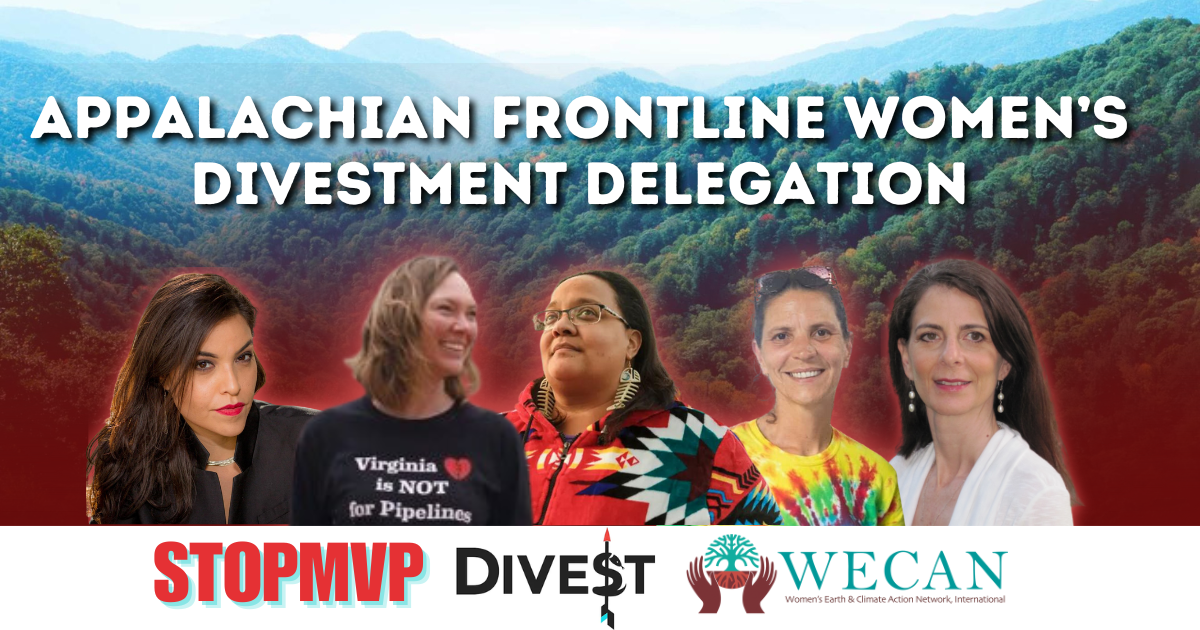
Appalachian Frontline Women’s Divestment Delegation Highlights Dangers of Mountain Valley Pipeline in Meeting with UBS Bank | |
“Violence on the land is violence on our bodies. MVP is literally a death sentence for many in our communities and region, threatening our health and livelihoods." Dr. Crystal A Cavalier, Ed.D, MPA (Occaneechi Band of the Saponi Nation), Adjunct Professor and Co-Founder, 7 Directions of Service | |
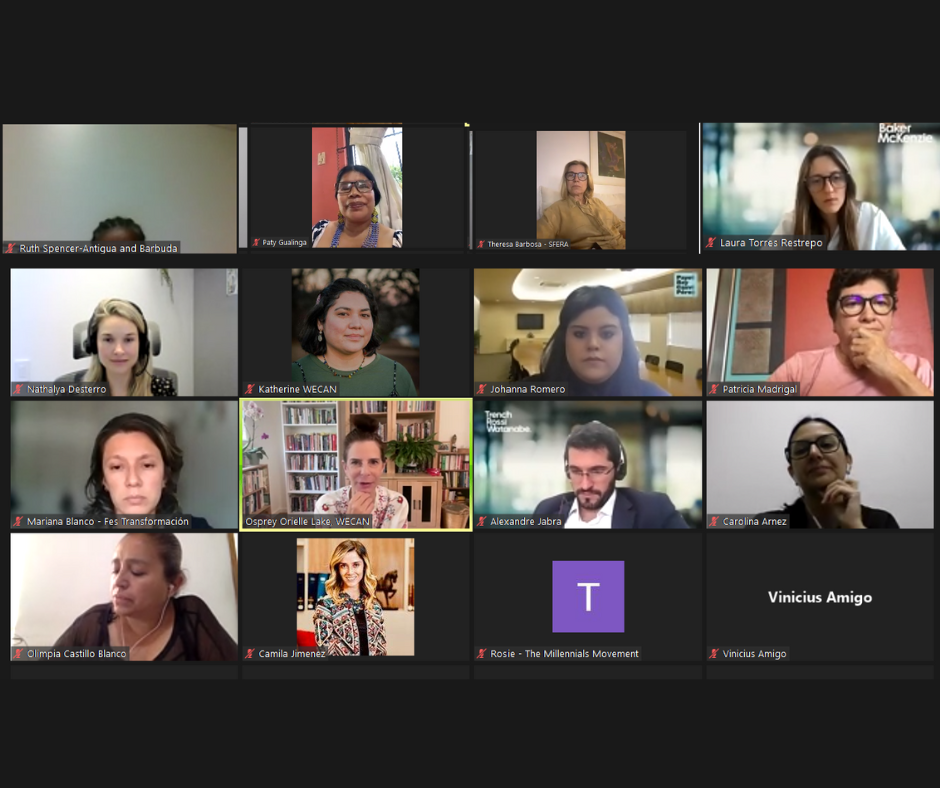
On September 6, a delegation of frontline women leaders from Appalachia and advocates met with UBS Bank to highlight concerns of human rights violations along the Mountain Valley Pipeline (MVP), as well as environmental harms in the Appalachian region as a result of the pipeline. Read the full press release here.
UBS Bank is one of the banks financing MVP. During the meeting the Appalachian Frontline Women’s Divestment Delegation provided testimony and shared stories, data and research on the multiple ways that the pipeline and its construction threaten communities, water, air quality and the global climate. They also highlighted how MVP has led to significant financial losses since the project’s inception.
Originally expected to be completed in 2018, the MVP Mainline now runs five years behind schedule and $3 billion over budget. In June 2023, Congress passed a provision in the Fiscal Responsibility Act that greenlit all remaining permits for the Mountain Valley Pipeline, which has allowed this dangerous project to move forward despite fierce opposition.
The Appalachian Frontline Women’s Divestment Delegation, organized by the Women’s Earth and Climate Action Network (WECAN) and Divest Invest Protect (DIP) includes: Dr. Crystal A Cavalier, Ed.D, MPA (Occaneechi Band of the Saponi Nation), Adjunct Professor and Co-Founder, 7 Directions of Service; Dr. Emily Satterwhite, Professor and Director of Appalachian Studies (Appalachian Resident); Crystal Mello, Community Organizer, POWHR (Appalachian Resident); Michelle Cook (Diné), Founder of Divest Invest Protect; with Osprey Orielle Lake, Founder and Executive Director of Women’s Earth and Climate Action Network (WECAN).
| |
Updates from the WECAN Women for Forests
Democratic Republic of Congo Program
| |
|
Since 2014, women in South Kivu Province have been organizing through the Women’s Earth and Climate Action Network (WECAN) to protect 1.6 million acres of old growth forest, and to reforest damaged forest lands.
This program includes: building and advancing food sovereignty efforts; raising awareness about women’s rights and leadership; educating about the long-term harm of industrial deforestation and illegal logging; protection of the Itombwe Rainforest in relation to climate change solutions; the importance of learning hands-on reforestation techniques; defending the rights of Indigenous Pygmy women and the local communities living in and around forest areas, and renewing cultural practices connected to land respect.
The program is led by the amazing, Neema Namadamu, WECAN Coordinator in the DR Congo. In response to the pandemic in 2020 and a changing climate, the program grew to support food security and sovereignty efforts. In 2023, over 700 women and their family members participated in planting seedlings in natural forest areas that have been clear cut and burned, as well as generating new food sovereignty nurseries for local communities. Last week Neema shared this update from the field:
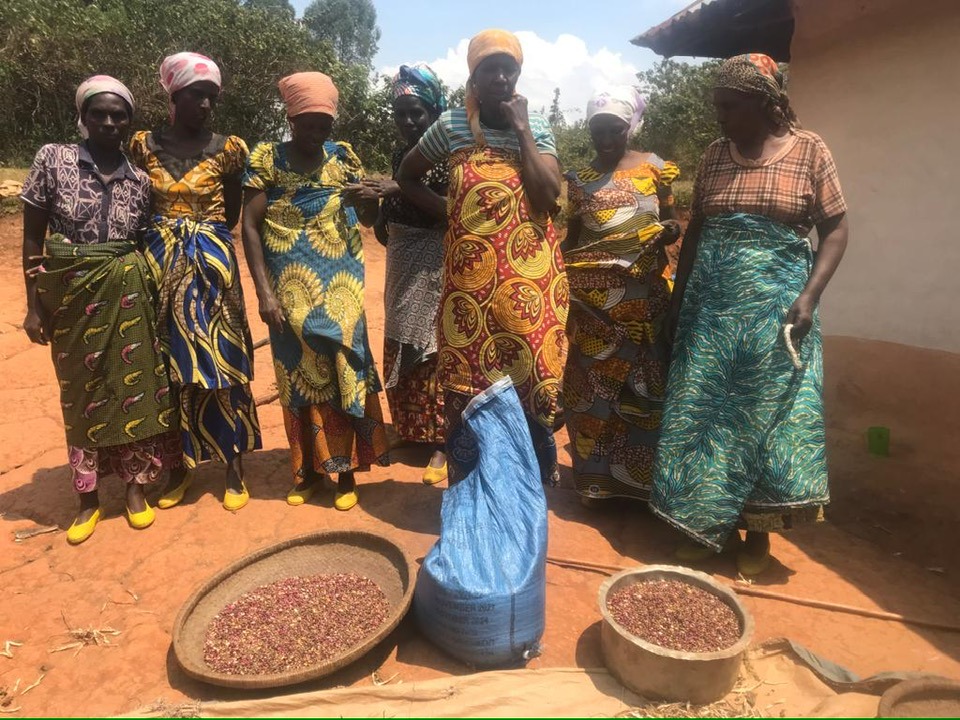
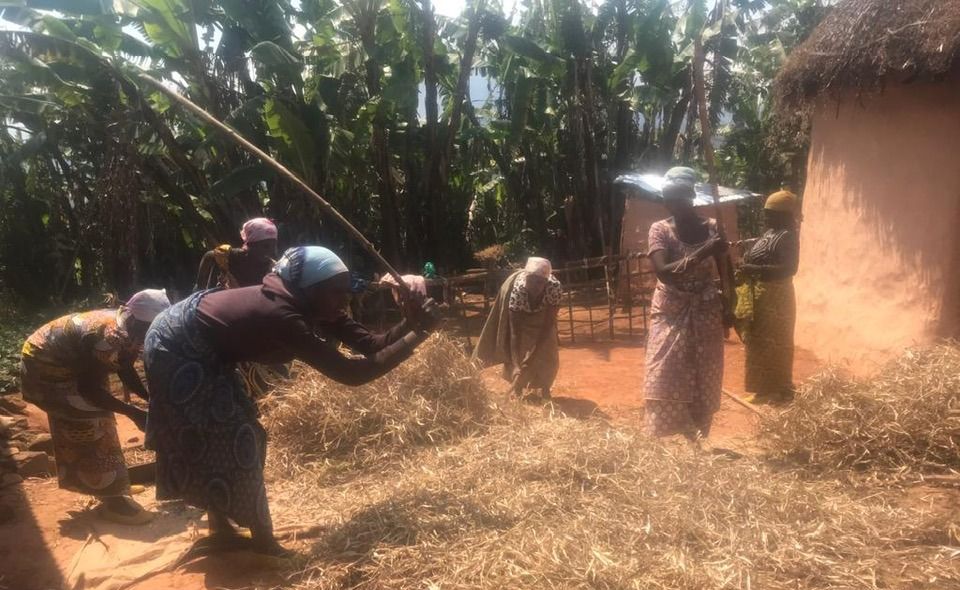
"We are so proud of our partner and global sister Osprey Orielle Lake, Founder of WECAN, who during COVID-19, offered WECAN’s support for food security from then until now. This is one of 8 food cooperatives in the Itombwe sector, where just before COVID 19, armed conflicts overtook the area and chased all of the population to displacement camps, their homes and fields burned to the ground.
Thanks to WECAN’s partnership with our food security program, this population has continued to thrive, and after years in displacement camps, will soon be able to move back and rebuild their home villages."
We are very honored to be working in partnership with Neema and the powerful women in the DR Congo. As the climate crisis worsens we know it is vital to support efforts to protect and preserve food, water, land, and the many global and diverse ecosystems that our communities rely on to thrive!
|  | |
Ecuador Votes to Protect the Yasuni Forest in the Amazon, a Victory for the Entire World! | |
|
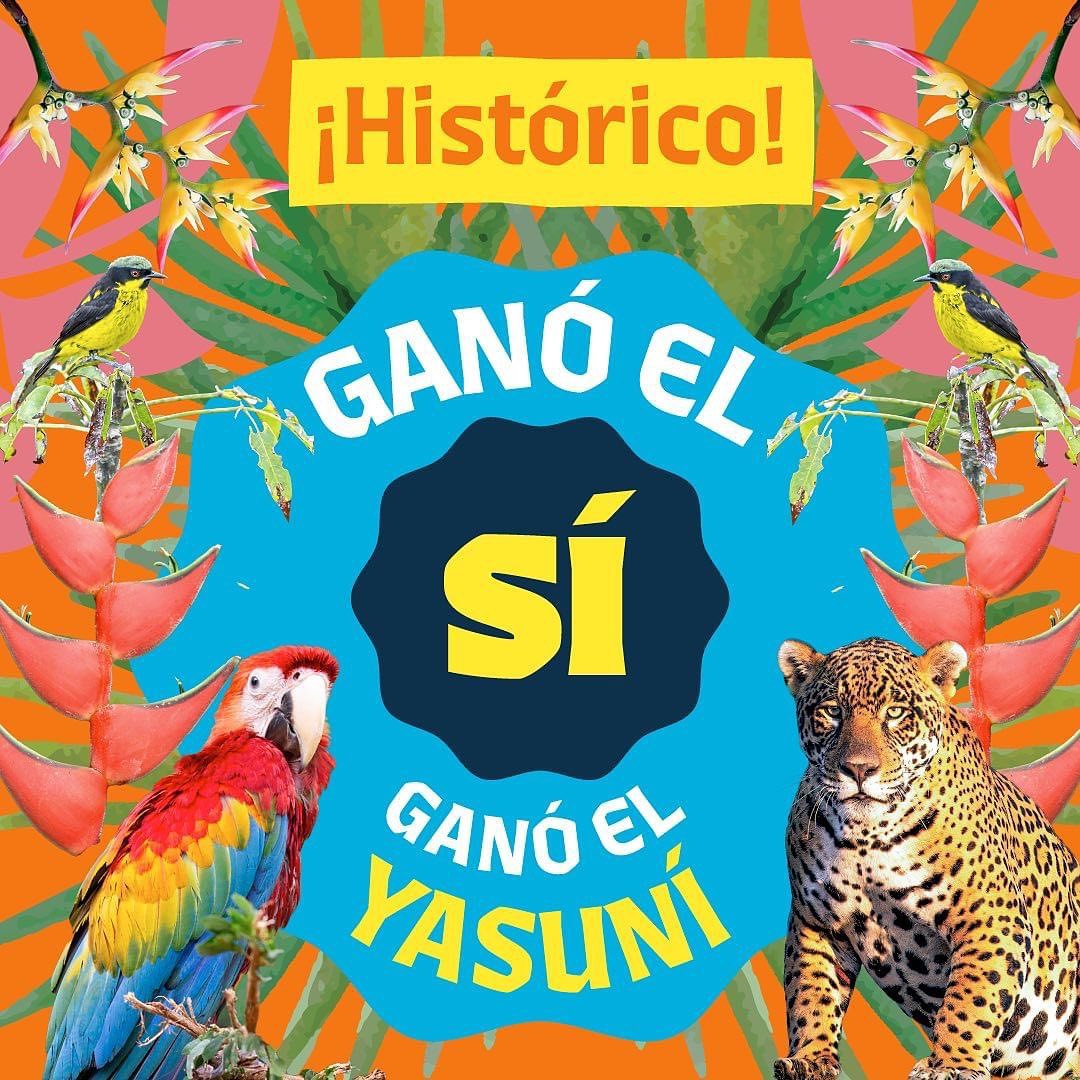
On August 20, Ecuadorians voted to keep out Big Oil and protect the Yasuni forests in the Amazon!
This historic decision requires the state oil company Petroecuador to dismantle its operations in the coming months. Nearly 60% of voters backed this binding referendum opposing oil exploration in Block 43 of the national park.
Yasuni is the ancestral territory of the Waorani people, and the house of the Tagaeri and Taromenane communities, the last two Indigenous peoples living in voluntary isolation in Ecuador. Yasuni is also the most biodiverse part of the Amazon, an area indispensable for the stability of our planet’s climate. 80% of the world’s remaining biodiversity is stewarded by Indigenous peoples who are the best guardians of vital ecosystems that are essential for mitigating the worst impacts of climate change.
We send huge gratitude to all the amazing organizers in Ecuador who pushed hard for voters to say yes to Yasuni. WECAN is honored to have supported Indigenous women partners in Ecuador in an educational campaign about protecting Yasuni this past month. YES to Yasuni!!
| |
Breaking Ground on the WECAN Food Sovereignty
Ponca Nation Earthen Lodge Project
| |
|
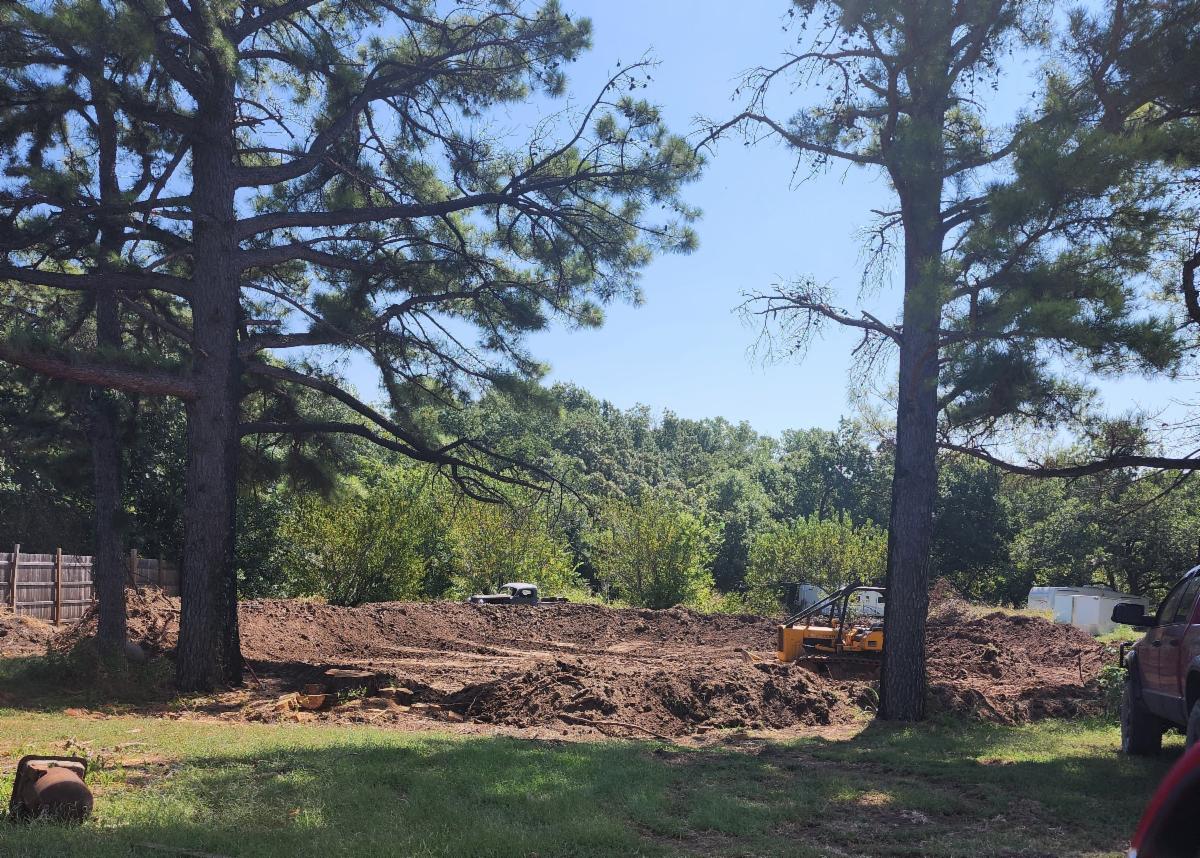
The land has been cleared to build a traditional Earthen Lodge in Ponca Nation, Oklahoma.
Photo Credit: Julie Horinek/WECAN.
| |
|
In June, WECAN announced the exciting, new Ponca Earthen Lodge Project for Food Sovereignty, based in Ponca Nation, Oklahoma! This project is being initiated through partnership between Indigenous Ponca elder, Casey Camp-Horinek, the visionary of the project who will coordinate the program and WECAN. This September, we are breaking ground in Ponca to start building the Earthen Lodge. We are building a traditional Earthen Lodge for food security and sovereignty, safe haven during climate disasters, and to address rising domestic violence in the region.
Please learn more about the vision for this project in this video from Casey Camp-Horinek!
| |
The recent IPCC reports have made clear the harrowing impacts of the climate crisis to expect in coming years, and Oklahoma is no exception. Drought, heat waves, and climate disasters, like tornadoes, are expected to worsen throughout Oklahoma. As the climate crisis escalates the need for safe sanctuary that can house and feed impacted communities is also escalating. The Earthen Lodge can withstand extreme weather conditions and provide space to grow and store Ponca traditional first foods and spaces for important cultural ceremonies.
Oklahoma ranks fourth in the country for crude oil production and extraction of natural gas. The Ponca tribe lives in a fossil fuel epicenter of fracking, pipelines, petrochemical plants, and refineries, which has led to severe pollution of the air, soil, and waters. The food will be grown using methods that rely on generational Indigenous knowledge, and provide safe and healthy food for the community. This project is led by Casey Camp-Horinek and the Women’s Society in the Ponca community. Stay updated and learn more about the program here.
| |
|
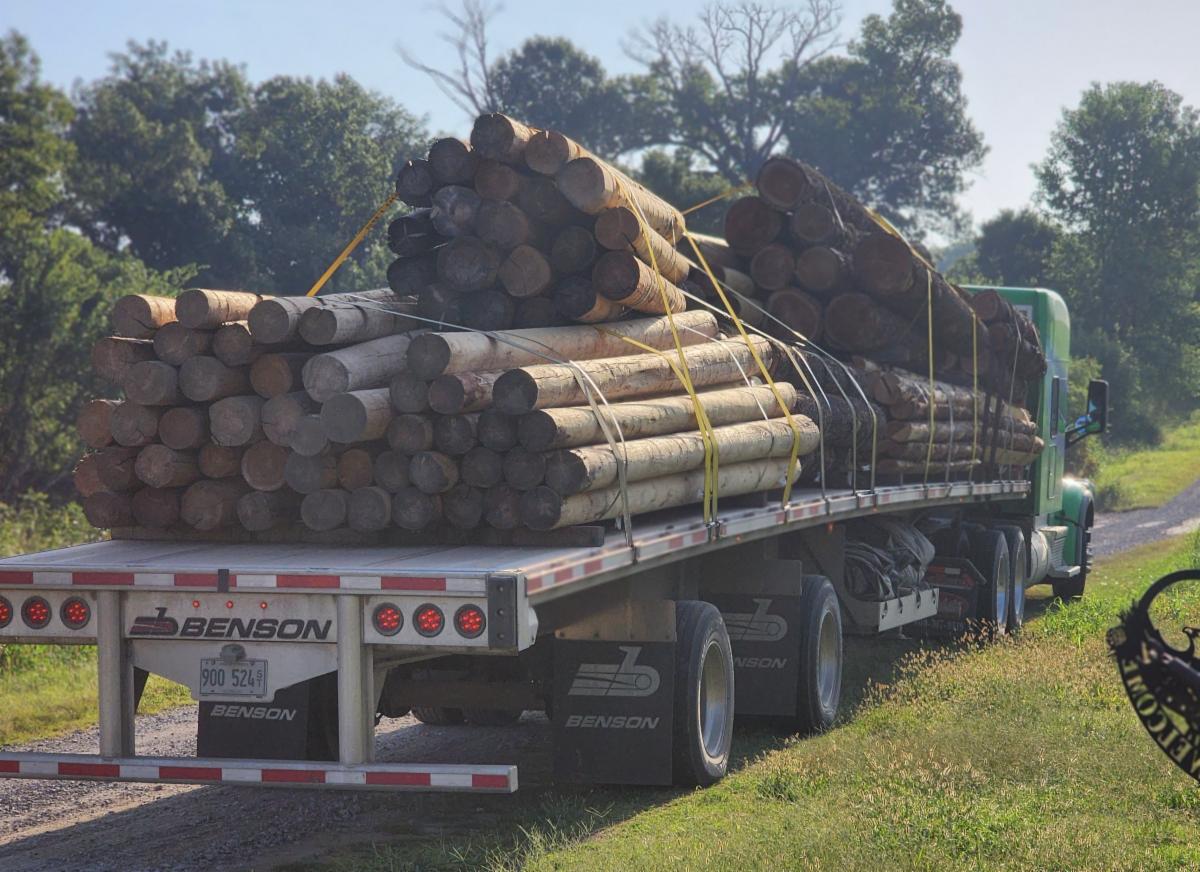
Logs for the Earthen Lodge have been brought to the site, where the structure will be built.
Photo Credit: Julie Horinek/WECAN.
| |
WECAN Hosts Workshops on the Escazú Agreement and Free Prior and Informed Consent (FPIC) | |
|
In August, the Women's Earth and Climate Action Network (WECAN) with our partners at the Vance Center, coordinated two back to back workshops on the Escazú Agreement and how it relates to and can be strengthened by the right to Free Prior and Informed Consent (FPIC).
The Escazú Agreement is a multilateral agreement throughout Latin America and the Caribbean that ensures access to participation and justice in environmental matters. The agreement offers the opportunity to support and protect women land defenders and environmental leaders if properly implemented. This workshops discussed the implications of the Escazú Agreement and how we can learn from the right to Free Prior and Informed Consent to strengthen Indigenous rights and protections for land defenders.
These workshops were offered to women land defenders or women engaged in advocacy for women land defenders. Since 2018, WECAN has been working with leaders in Latin America and the Caribbean to ensure the proper implementation of the Escazu Agreement, and ongoing advocacy to support the rights of women land defenders. Learn more about our campaign here.
| |
UN Human Rights Council Calls for Canada to shut down the Line 5 pipeline! | |
|
The movement to shutdown Line 5 continues to develop and grow! This week we are celebrating the exciting news that the United Nations Human Rights Council has called on Canada to shut down the Line 5 pipeline.
The Line 5 pipeline was originally built in 1953, and continues to operate 20 years past its engineered lifespan, transporting crude oil each day through the heart of the Great Lakes, in northern Wisconsin and Michigan. Ongoing severe erosion has further heightened the threat of a pipeline rupture which could destroy local waters, harm wildlife, and create a public health crisis in the area.
In August the UN Human Rights Council released a report in which José Francisco Calí Tzay, the Special Rapporteur on the rights of Indigenous Peoples, recommends that Canada “cease construction or operation of the Coastal GasLink, Trans Mountain and Line 5 pipelines, until the free, prior and informed consent of the Indigenous Peoples affected is secured.” Read the full report here.
A rupture along Line 5 would mean contamination throughout the Great Lakes, which holds one-fifth of the world’s surface freshwater and provides drinking water to over 40 million people. The pipeline is violating Indigenous rights and sovereignty as it continues operation illegally on the territories of the Bad River Band. Line 5’s upstream and downstream greenhouse gas emissions amount to about 87 million metric tons of carbon dioxide equivalent annually.
Instead of shutting down Line 5, Enbridge is proposing to expand and reroute the pipeline, despite strong opposition. Enbridge's proposed new route will cut through hundreds of waterways that flow into the Bad River Reservation, their extensive fisheries, the navigable waters of Lake Superior, and the Straits of Mackinac.
This is at a time when the climate crisis is more severe than ever, impacting communities worldwide, from heatwaves to extreme flooding — we don’t need more fossil fuels, what we need is for governments to listen to Indigenous and frontline communities, respect Indigenous sovereignty and end the era of fossil fuels!
Please take action with us and one of our close partners, Earthjustice and urge the Biden Administration to shut down the Line 5 pipeline immediately: https://earthjustice.org/action/urge-the-biden-administration-to-shut-down-the-line-5-pipeline
| |
California Endorses the Call for a
Fossil Fuel Non-Proliferation Treaty
| |
|
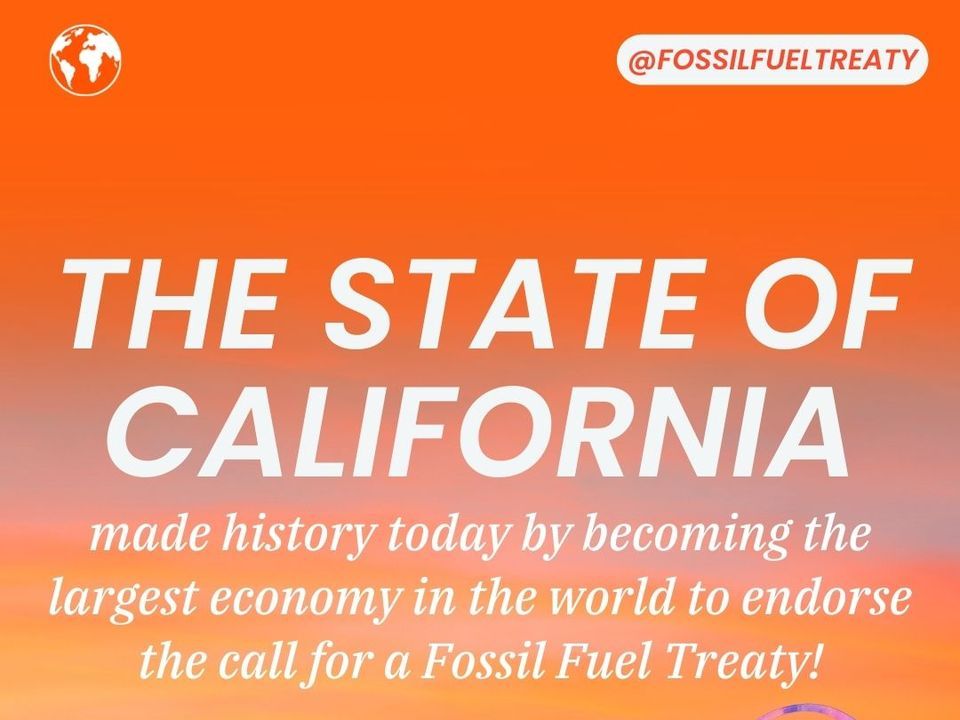
On September 1, the State of California made history as the largest global economy to endorse the call for a Fossil Fuel Non-Proliferation Treaty!
The resolution proposed by Senator Lena Gonzalez passed the final vote in the State Assembly, backed by 43 votes.
As the world grapples with catastrophic climate impacts, it is clear that bold and immediate action to phase out oil, gas & coal is needed more than ever.
The resolution just approved by California supports a plan to create a global framework to manage fossil fuel production by starting a just energy transition, stopping expansion, and equitably phasing out coal, oil & gas. Learn more about this exciting win here.
WECAN is honored to serve on the steering committee for the Fossil Fuel Non-Proliferation Treaty and will be advocating for it at Climate Week.
| |
Please consider supporting WECAN as we continue to uplift the leadership and solutions of women and feminists worldwide fighting for climate justice and the defense of the planet for current and future generations. | |
For the Earth and All Generations,
Women's Earth and Climate Action Network
(WECAN) International Team
| |
S T A Y C O N N E C T E D | | | | |