|
May, 2026
Become Their Voice
| | |
May is one of those special months that feels full of energy, excitement, and fresh beginnings.
The days are getting longer, the weather is improving, and families across Iowa are looking forward to summer break, vacations, ballgames, and more time together. For students, the countdown to the last day of school is officially on. For parents, it is the season of juggling schedules, celebrations, and asking how it’s already May.
It is also graduation season — one of the most meaningful times of the year. We celebrate the students finishing high school, college, trade programs, and every milestone in between. Graduations represent hard work, perseverance, growth, and hope for what comes next.
At Become Their Voice, we also know this season can bring mixed emotions. Excitement often comes with stress, pressure, uncertainty, and transition. Some students are thriving, while others may be quietly struggling.
That is why May is a powerful reminder to check in with the young people in your life. Celebrate them, encourage them, listen to them, and remind them that their worth is not defined by grades, plans, or perfection.
As we head into summer, let’s create homes and communities where kids feel seen, supported, and safe.
Congratulations to all graduates, and cheers to a happy, healthy summer ahead.
— Deric & Kathy
| | |
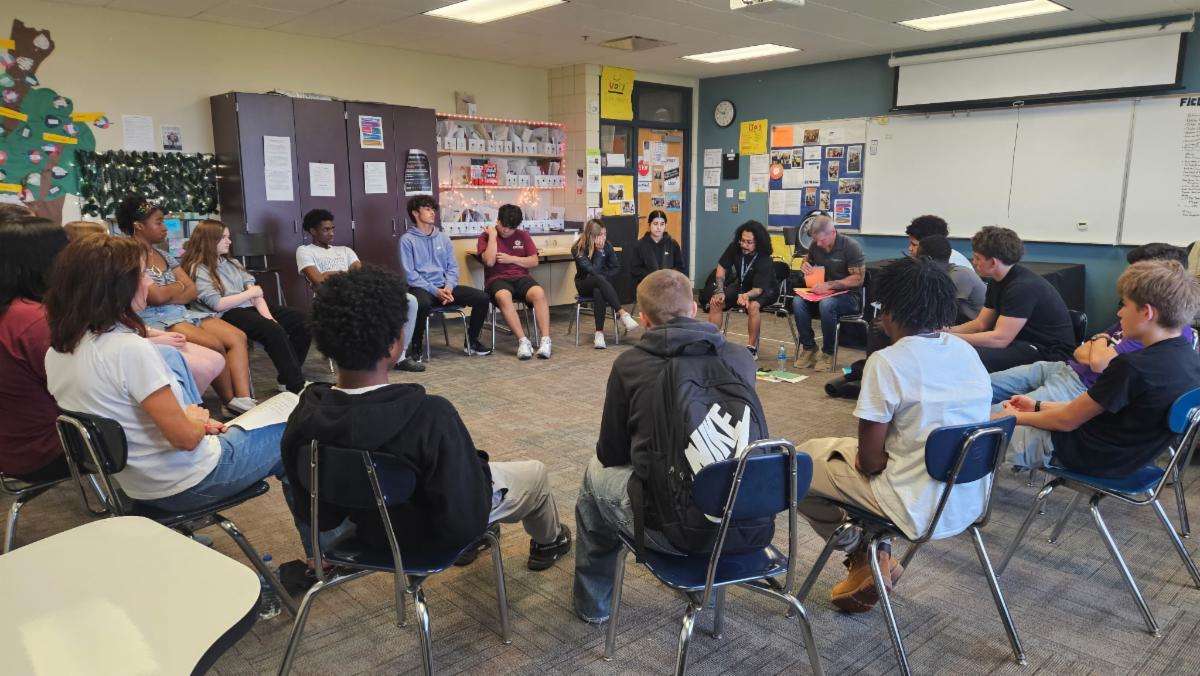
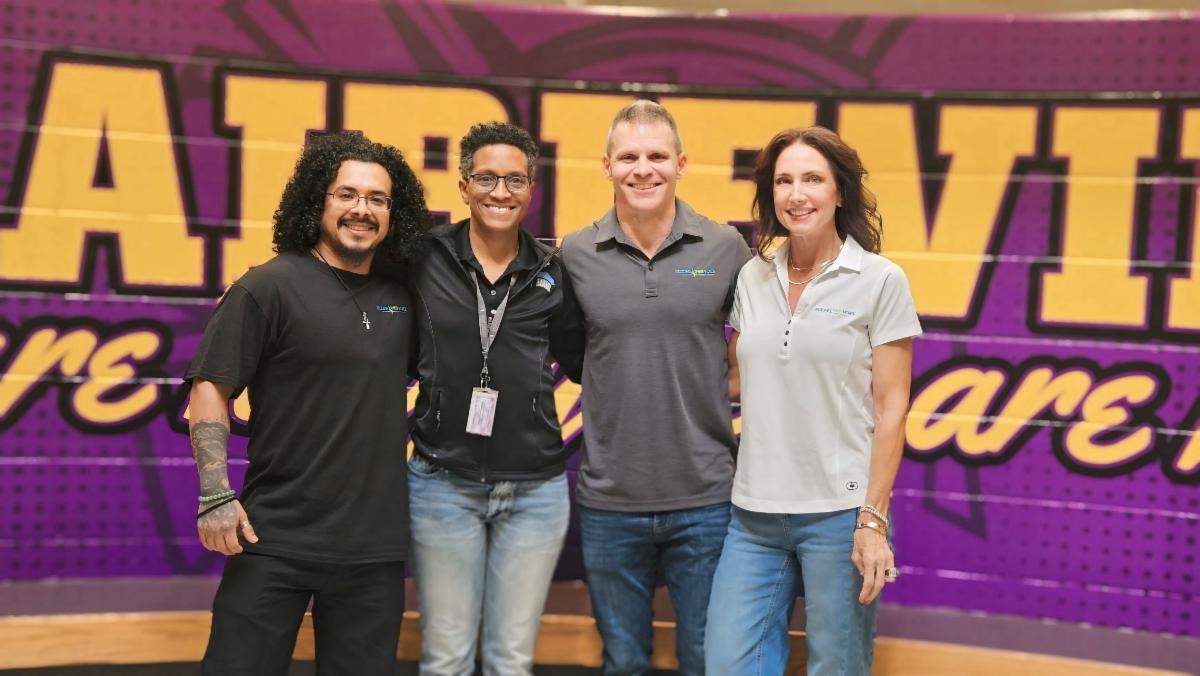
We were invited to talk to 3 classes at Waukee High School.
Statistics we shared were based on a classroom size of 20 kids:
According to various sources.
Out of the 20 kids:
- 2 students have attempted suicide
- 1 student has been a victim of sextortion
- 5 students experience identity issues
- 6 students have divorced parents
- 8 students have been bullied or cyber bullied
- 1 student has a family death
- 3 students have been sexually abused
- 8 students have been exposed to domestic violence
The feedback was phenomenal and proof that ALL schools need to be addressing these topics with their students. They need to feel seen and heard and provided with resources.
Here is a sample of a few comments/questions from the kids they shared with their teacher after we left:
- What happens if I tell a teacher about someone that needs help? Do they get in trouble?
- I can relate to the abuse in the family and parental substance abuse.
- Usually we trust our friends, but it goes to show you can not always trust people when it comes to medicine.
- The teacher noted that several students said they got teared up.
It's very clear kids are struggling
and they want to have conversations.
| |
What Happens to Kids in Summer
Without routines, many youth experience:
- Increased anxiety
- Sleep disruption
- Excessive screen time - see video below
- Isolation from peers
- Depression symptoms
- Family conflict
- Substance experimentation
- Poor self-worth
- Hidden loneliness
Some children struggle silently while appearing “fine.”
| | Smartphone Effects on the Brain in Children and Teens | | |
Sweden is partly shifting back toward more traditional learning (books, handwriting, less screen use). But it’s not a full rejection of technology—it’s more of a course correction after going heavily digital.
What Sweden is changing:
The government is reinvesting heavily in printed textbooks and aiming for one book per student per subject.
Schools are reducing screen time, especially for younger kids.
There’s more emphasis on:
- Reading physical books
- Handwriting
- Teacher-led instruction
They’re still using technology—but less as the default, more as a tool.
Why they’re doing it:
1. Declining reading and academic performance
Sweden saw drops in reading comprehension and test scores in recent years. Some reports showed a significant number of students struggling with basic literacy.
The conclusion: going “all digital” didn’t improve learning the way expected.
2. Too much screen time = worse focus
Teachers reported students had:
- Shorter attention spans
- More distractions (apps, notifications, multitasking)
Screens made it harder for kids to stay engaged with deep learning.
3. Books improve comprehension and memory
Research and classroom experience suggest:
- Reading on paper improves understanding
- Writing by hand strengthens memory
Physical books slow things down—in a good way.
4. Equity issues (not all kids benefit equally from tech)
Not every student had equal access to:
- Devices
- Reliable internet
This widened achievement gaps
Books are more consistent and accessible.
5. A broader “reading crisis”
Sweden has been dealing with concerns that:
- Students struggle to read long texts
- Even older students lack strong literacy habits
That triggered political pressure to refocus on basics.
The bigger takeaway:
Sweden isn’t saying: “Technology is bad.”
They’re saying: “We went too far, too fast—and lost some fundamentals.”
So now they’re aiming for balance:
- Use tech where it helps
- But prioritize core skills (reading, writing, focus)
Bottom line
Yes, Sweden is moving back toward traditional learning methods.
Main reason: evidence that heavy screen-based education hurt literacy, focus, and outcomes
Goal now: combine the best of both worlds—not go fully old-school or fully digital
| |
Rhino Tranq: The New Drug Threat Parents Need to Know About
Just when many families thought the drug crisis could not get more dangerous, a new threat is emerging in the illegal drug supply.
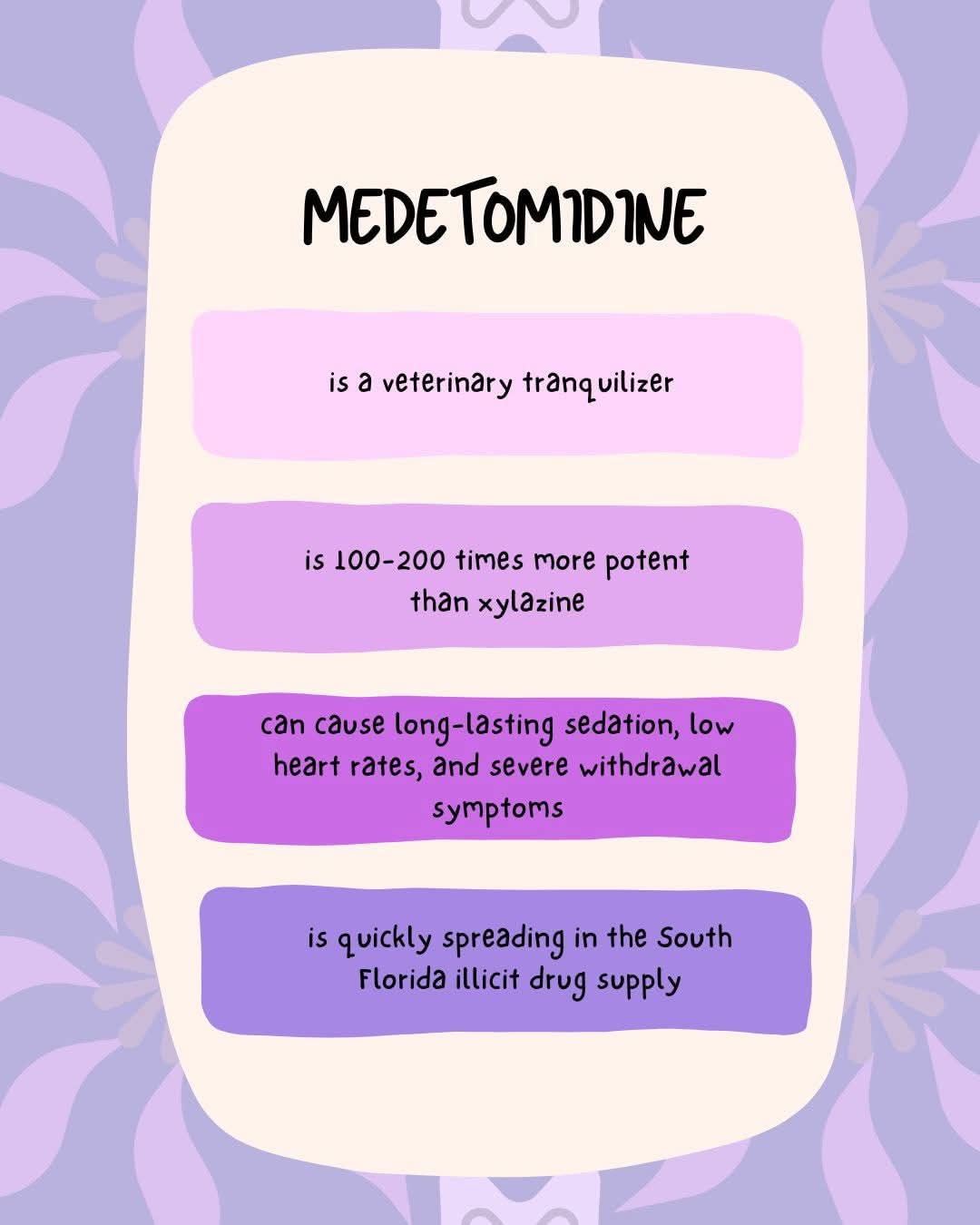
It is called medetomidine, now commonly nicknamed “Rhino Tranq.” It is a powerful veterinary sedative intended for animals — not humans. Yet it is increasingly being found mixed into fentanyl and other street drugs across the United States.
Most users have no idea it is present.
That means someone may believe they are taking a pill, using cocaine, or using another drug — while unknowingly ingesting fentanyl, xylazine, medetomidine, or multiple substances combined.
Why Rhino Tranq Is So Dangerous
Unlike fentanyl alone, Rhino Tranq creates additional risks:
- Extreme sedation
- Loss of consciousness
- Slowed breathing
- Dangerous drops in heart rate
- Long periods of unresponsiveness
- Severe withdrawal symptoms
- Increased overdose complexity for first responders
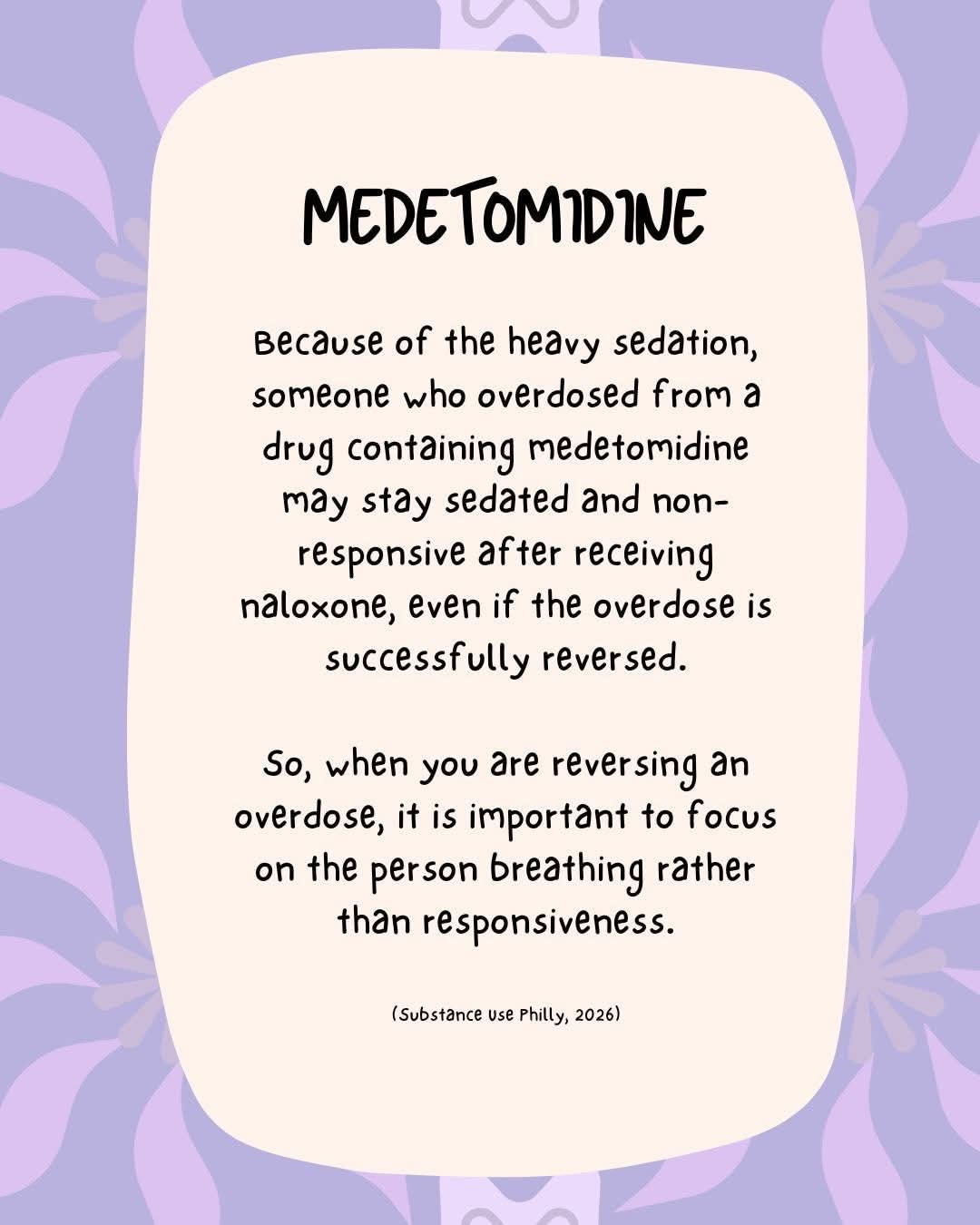
Narcan can help reverse the opioid portion of an overdose, but it does not reverse the sedative effects of medetomidine.
Someone may begin breathing again and still remain in a medical emergency.
What Parents Need to Understand:
Today’s drug supply is no longer what many adults remember from years ago.
This is not “experimentation.”
This is not “just one pill.”
This is not “trying something once.”
One decision can now involve unknown synthetic chemicals, fentanyl, animal sedatives, and lethal combinations.
Talk to Your Kids About:
- Never taking pills not prescribed directly to them
- Counterfeit pills sold on social media
- Vapes or substances from friends
- The reality that one use can be fatal
- Calling 911 immediately in an emergency
- Looking out for friends who may be in danger
Warning Signs of Overdose
- Slow or stopped breathing
- Blue lips or fingertips
- Cannot wake up
- Gurgling sounds
- Limp body
- Vomiting while unconscious
Call 911 immediately and administer Narcan if available.
| | |
Thinking "It's just vaping?" Watch the video.
Is It Really Worth the Risk and the Damage?
| |
Fake Vapes, Real Consequences
Many teens believe vaping is harmless. But counterfeit devices can contain unknown chemicals, THC concentrates, synthetic drugs, or toxic additives. What looks like a flavored vape may be something entirely different.
Short Hard-Hitting Stat Section
- 2,800+ hospitalized from vaping lung injuries
- 68 deaths confirmed
- 1.63 million youth still vape
- Many dangerous products came from informal or street sources
| | |
Your Life Iowa is a great resource if you need information about
any of the topics below.
There are options for teens and adults
including treatment and treatment facilities.
- About addiction
- Alcohol
- Drugs
- Gambling
- Suicide
- Mental health
- Maternal health
- Vaping
- Brain injury
- Community trauma
- Stigma
- Prevention
- Recovery
| | |
EVENTS IN IOWA
Events in May
NAMIWalks
- When: May 27th | 6:30PM - 8:00PM
- Where: Page County Courthouse Lawn, Clarinda
- Focus: Mental health awareness, community support, and fundraising. This is an evening walk bringing together community members and advocates. Focus is on breaking stigma and supporting those affected by mental illness.
NAMIWalks - National "United Day of Hope"
- When: May 16th
- Where: National and local participation opportunities
- Focus: Mental health awareness and community solidarity. Many local communities participate with this national event
NAMI Connection Recovery Support Group
- When: 1st & 3rd Tuesdays of May | 6:30PM - 8:00PM
- Where: Council Bluffs
- Focus: Peer-led support for individuals experiencing mental health conditions
NAMI Connection (Online - Iowa Residents)
- When: Every Thursday | 6:30PM - 8:00PM
- Where: Virtual
- Focus: Accessible mental health support statewide
NAMI Family Support Group
- When: 1st & 3rd Thursdays | 7:30PM - 9:00PM
- Where: Hybrid (in-person and virtual options)
- Focus: Support for families of individuals struggling with mental health. Free, peer-led, and confidential
Veterans Mental Health Gathering
- When: 2nd Monday of May | 6:00PM - 7:30PM
- Where: Shenandoah
- Focus: Mental health support and connections for veterans. Informal, supportive environment with peer connection
Upcoming June Events:
NAMI Family Support Group
- When: June 8, 2026 | 5:15PM - 6:45PM
- Where: Online (South Central Iowa)
- Focus: Support group for family members and loved ones of individuals facing mental health challenges. Education, encouragement, and peer connection.
NAMI Connection Recovery Support Group
- When: June 9, 2026 | 5:15PM - 6:45PM
- Where: Online (South Central Iowa)
- Focus: Free peer-led support group for adults living with mental health conditions. Shared experiences, recovery tools, and support.
NAMI Connection Recovery Support Group
- When: June 2, 2026 | 6:30PM - 8:00PM
- Where: Council Bluffs, Iowa
- Focus: Peer-led support for adults navigating anxiety, depression, bipolar disorder, trauma, and other mental health conditions.
NAMI Family Support Group
- When: June 4, 2026 | 6:30PM - 8:00PM
- Where: Council Bluffs, Iowa (Hybrid)
- Focus: Support for families and loved ones impacted by mental illness. Practical coping support and shared connection.
NAMI Connection Recovery Support Group
- When: June 4, 2026 | 2:00PM - 3:30PM
- Where: Atlantic, Iowa
- Focus: Mental health recovery support group offering peer encouragement, hope, and connection.
NAMI Connection Recovery Support Group
- When: June 4, 2026 | 6:30PM - 8:00PM
- Where: Online
- Focus: Virtual peer-led support group for adults with mental health conditions across Iowa.
Veterans Mental Health Gathering
- When: June 8, 2026 | 6:00PM - 7:30PM
- Where: Shenandoah, Iowa
- Focus: Informal gathering focused on veteran mental health, PTSD support, peer connection, and community resources.
ReConnect Peer Insights
- When: June 8, 2026 | 1:00PM - 2:30PM
- Where: Southwest Iowa
- Focus: Recovery support, peer wisdom, and practical mental wellness strategies for individuals in recovery.
NAMI Connection Recovery Support Group
- When: June 15, 2026 | 11:00AM - 12:30PM
- Where: Clarinda, Iowa
- Focus: Peer-led support for adults managing mental health challenges with understanding and hope.
NAMI Connection Recovery Support Group
- When: June 15, 2026 | 6:00PM - 7:30PM
- Where: Shenandoah, Iowa
- Focus: Community support group for adults experiencing mental health symptoms and recovery journeys.
NAMI Connection Recovery Support Group
- When: June 16, 2026 | 6:30PM - 8:00PM
- Where: Council Bluffs, Iowa
- Focus: Continued peer support for mental wellness, resilience, and recovery.
NAMI Family Support Group
- When: June 16, 2026 | 6:30PM - 8:00PM
- Where: Clarinda, Iowa (Hybrid)
- Focus: Support group for families caring for loved ones with mental illness or emotional struggles.
NAMI Connection Recovery Support Group
- When: June 18, 2026 | 6:30PM - 8:00PM
- Where: Atlantic, Iowa
- Focus: Ongoing peer support group promoting coping skills, hope, and healing.
Alcoholics Anonymous Meetings
- When: Daily Throughout June 2026 | Morning, Afternoon & Evening
- Where: Des Moines, Cedar Rapids, Iowa City, Davenport, Ames, Waterloo & statewide
- Focus: Recovery meetings for individuals seeking sobriety from alcohol addiction. In-person and online options available.
Narcotics Anonymous Meetings
- When: Daily Throughout June 2026 | Various Times
- Where: Statewide Iowa
- Focus: Recovery support for individuals overcoming drug addiction and substance use.
June PTSD Awareness Month
- When: All Month of June 2026
- Where: Statewide Iowa
- Focus: Raising awareness of trauma, PTSD, treatment resources, and support for veterans, first responders, adults, and youth.
Men’s Mental Health Awareness Month
- When: All Month of June 2026
- Where: Statewide Iowa
- Focus: Encouraging men and boys to speak openly about depression, anxiety, addiction, trauma, and emotional wellness.
Pride Month Mental Health Support Events
- When: Throughout June 2026
- Where: Des Moines, Iowa City, Cedar Rapids, Davenport & other Iowa cities
- Focus: LGBTQ+ mental health awareness, suicide prevention, affirming care, and recovery support.
Youth Summer Mental Health Check-In Campaign
- When: June 2026
- Where: Iowa families, schools, churches, youth organizations
- Focus: June is a critical month for youth due to loss of school structure, isolation, boredom, and increased substance experimentation risk.
Upcoming Events in June
If your organization has an upcoming event and would like us to add it to our newsletter, please contact us.
| | |
Why Donate?
Make a lasting impact.
Your donation directly supports initiatives that raise awareness about the connection between mental health and substance abuse, helping to prevent tragedies and support those in need as well as their families.
Support a meaningful cause.
Funds go towards education, advocacy, and outreach programs that provide resources to individuals and families affected by mental health and addictive challenges. This includes grants, scholarships, and funding to bridge the gap for recovery programs. Click on the link below for full details.
Tax-Deductible contribution.
As a 501(c)(3) non profit, donations to the the Sebastian Kidd Foundation are tax-deductible, allowing you to support a vital cause while receiving potential tax benefits.
| | If you know someone that would enjoy our newsletter, please forward it on. They can use the link below to subscribe. | | If you would like to read our previous newsletters, use the link below. | | | |
Sebastian Kidd Foundation
Become Their Voice is funded by the Sebastian Kidd Foundation, a registered 501(c)(3) non profit organization. 92-0524029
| | | | | |