|
MEMBER SPOTLIGHT – September 2024
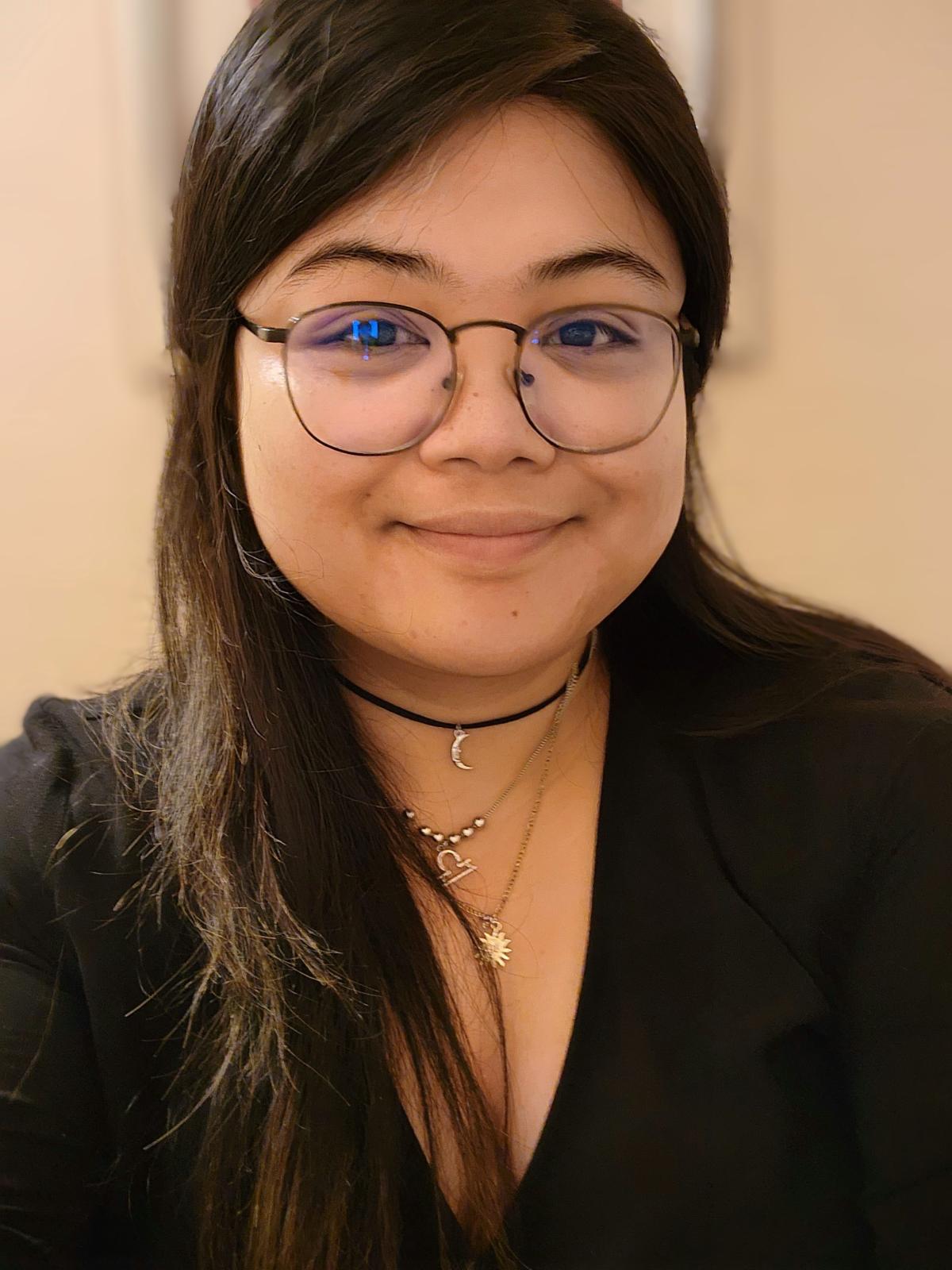
Name: Mariel Bello
Training and Current Position:
1. What is your academic background and current affiliation?
I am currently a NIDA-funded MOSAIC K99/R00 Scholar and Postdoctoral Research Associate working with Drs. Rachel Cassidy and Suzanne Colby in the Center for Alcohol and Addiction Studies at Brown University School of Public Health. Prior to my current role, I completed my Ph.D. in Clinical Science with an emphasis in Quantitative Methods from the University of Southern California (USC) under the mentorship of Dr. Adam Leventhal and my Clinical Psychology Predoctoral Internship at the Warren Alpert Medical School of Brown University. I received a Bachelor of Science in Psychology from the University of California, Riverside in 2013 and subsequently worked as a Project Specialist at the Keck School of Medicine of USC for 3 years, where I coordinated and led efforts for an ACS grant-funded project exploring individual differences in tobacco withdrawal symptoms among Black/African American adults who smoke cigarettes daily.
2. What led you to pursue a career in health equity research, and tobacco-related disparities in particular?
My commitment to building a career focused on advancing health equity through addiction science was propelled by my initial exposure to the mistreatment of individuals struggling with addiction and mental health problems within my community during early childhood. Growing up in a lower income neighborhood, I witnessed how mental health disorders and addiction are considered taboo in Filipino culture; they are typically not openly acknowledged or well-understood, and those who are suffering from these conditions are often stigmatized and ostracized from their families and their overall community. As I grew older, I became motivated to better understand the mechanisms that underlie mental health- and substance use-related disorders, which led me to the field of nicotine/tobacco research. As a clinical psychologist, I realized that I could contribute to the fields of health equity and nicotine/tobacco research by producing findings that inform the development of tailored interventions geared towards reducing tobacco-related health disparities in underserved populations.
3. What are your current research interests?
Broadly, my program of research focuses on investigating the etiology and underlying mechanisms of tobacco use and related disorders among diverse populations. Specifically, the majority of my work has utilized human laboratory-based, behavioral pharmacology methods and focused on three lines of research: 1) understanding how structural and social-contextual factors (e.g., discrimination, financial strain) synergistically interact with the psychopharmacological effects of smoking to disproportionately enhance vulnerability to tobacco use in disparity groups; 2) examining social-contextual and structural determinants of health and substance use in youth and young adults; and 3) investigating the impact of mental health symptom severity on tobacco withdrawal symptoms in minority groups who smoke.
4. Two important “take home points” from your research:
Findings from some of my work showed that:
1) Experiencing higher levels of specific social-contextual stressors (e.g., perceived discrimination, financial strain) increase severity of tobacco withdrawal symptoms during acute tobacco abstinence among adults who smoke and are from lower SES and racial/ethnic minority backgrounds.
2) Subclinical levels of specific mental health symptoms (i.e., obsessive-compulsive symptoms, pain, anhedonia, depressive symptoms) may increase tobacco withdrawal symptom severity during tobacco abstinence and contribute to tobacco use and maintenance, particularly among minority groups who smoke.
5. What do you hope your career in research will change in the field of tobacco control?
My hope is that my work will inform policy, prevention, and intervention efforts aimed to reduce the public health burden of tobacco use among individuals from disadvantaged, minority backgrounds.
Mentorship:
6. What is the most valuable piece of advice you have received from a mentor?
Pursuing a career in research is challenging, unpredictable, and filled with many instances of criticism, rejection, and setbacks, so I’ve often been encouraged by mentors to take some time to reflect on my core values as a researcher and seek opportunities that ultimately align with these values and what matters most to me in life. Consistently reminding myself of my values has really helped me during challenging times throughout my career by keeping me grounded and by providing me with a clearer direction to live a more authentic, meaningful, and fulfilling life.
7. What is the best advice you have for students and postdoctoral trainees who are just beginning their research careers?
Highly recommend that you find mentors who are deeply invested in both your professional and personal development, especially if you’re coming from an underrepresented background. As a Filipina American woman who is the first in her family to pursue higher education, I struggled throughout my academic career and found it difficult to find research mentors who were available and willing to advise me on how to effectively prepare for a career in research. I consider myself extremely fortunate and grateful to have met many wonderful mentors along the way who had provided me with immense support and guidance as well as an abundance of opportunities for scholarship and networking throughout my career. I cannot emphasize enough how life-changing it is to build a team of mentors who are willing to advocate for you in the field!
Non-research:
8. What is your favorite thing to do when you are not working?
In addition to spending time with loved ones, I am a huge nerd at heart and love playing video games, painting/sketching, arts and crafts, reading, hiking, and visiting local cafés, markets, and antique shops (and occasionally napping throughout the day).
|