IHG Winter Newsletter 2025 | | |
Dear IHG Community,
As we approach the end of the year, I want to extend warm wishes to each and every one of you for a happy, healthy, and safe holiday season. The Institute for Human Genetics is looking toward the future with optimism. There have been noteworthy highlights and exciting developments within our community. Let's take a moment to acknowledge and celebrate some of the positive events that have occurred this past year.
I am pleased to report on the success of our ongoing community events, particularly the Technology Seminar Series held together with the CAT & Co-Labs and our IHG seminar series that have continued to thrive. These events not only contribute to the dissemination of knowledge but also foster a sense of community and collaboration within our Institute. Looking ahead, we are committed to maintaining the momentum of these events and providing valuable platforms for learning, networking, and showcasing the exceptional talent within our community.
In the ever-evolving field of genetics and genomics, staying at the forefront of advancements is crucial. We had a very successful fourth Genotech Symposium. Our goal when establishing this event was to provide a consistent platform that effectively bridges the gap between industry and academia. The event this past September exceeded all expectations, drawing over 500 registered participants. It featured 15 speakers from diverse backgrounds, engaging panel discussions, a career panel for trainees, corporate sponsorships, and provided invaluable networking opportunities. By fostering collaboration, sharing insights, and facilitating meaningful connections, we aspire to contribute significantly to the continued growth and progress of our dynamic field. The success of this year's symposium is a testament to the dedication and enthusiasm of our community. We eagerly anticipate building on this momentum, creating an even more impactful and enriching experience in the years to come. A heartfelt thank you to everyone who contributed to the success of the IHG Genotech Symposium. We look forward to many more fruitful collaborations and advancements on the horizon.
I am delighted to share the thriving success of our Genetic Counseling Master Program, a testament to the exceptional former leadership of Cindy Morgan and new director Adrienne Wakeling. Under their guidance, the program has flourished. I want to proudly acknowledge the hard work and dedication of all students. It brings us great joy to witness the achievements of our alumni, particularly those from the inaugural cohort, who are actively contributing to the larger genetics community. These accomplishments reflect the quality of education and training provided by our program, and we are immensely proud of the impact our graduates are making in the field. A heartfelt thank you to Cindy Morgan and Adrienne Wakeling for their outstanding leadership and to all those who contribute to the success and growth of our Genetic Counseling Master Program. We look forward to seeing continued excellence and innovation from our students and alumni in the future.
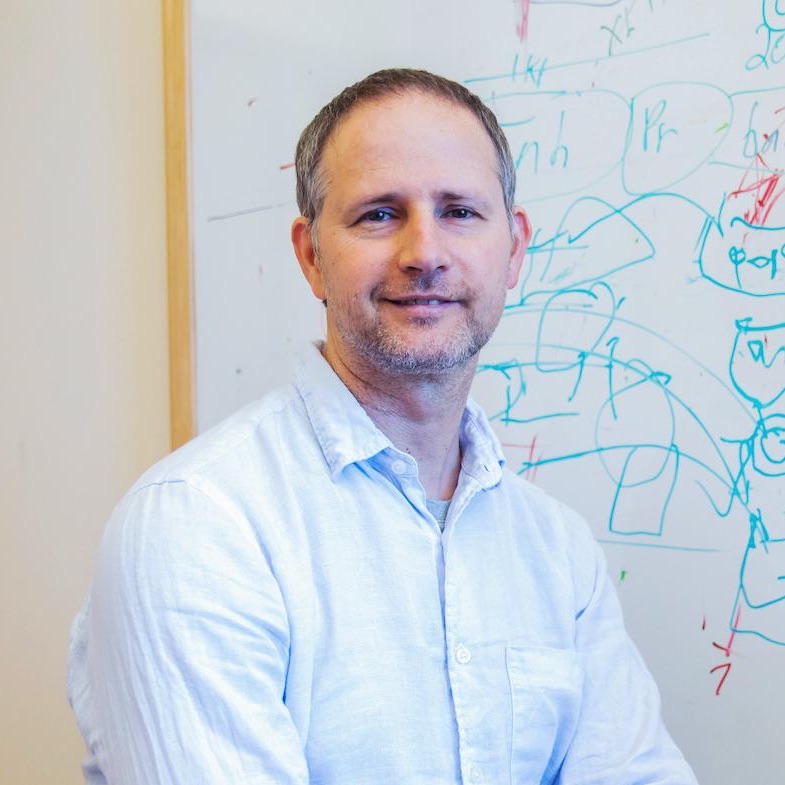
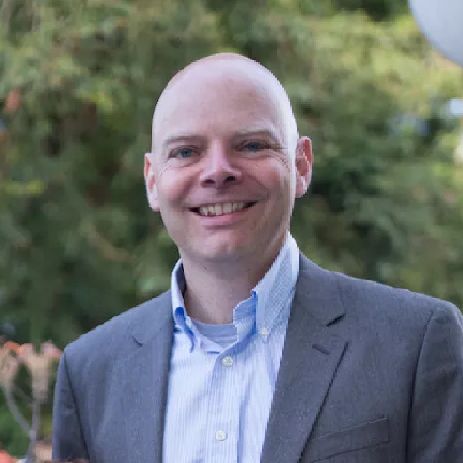
If you haven’t yet, please reach out to our new IHG computational faculty Dr. Jeff Spence that was hired this year. His lab is working on developing methods and theory to understand how evolution shapes the genetic architecture of complex traits at different biological scales and is broadly interested in any biological puzzles that present interesting computational or statistical challenges. We are extremely enthusiastic about the potential contributions that Jeff and other new IHG faculty members will bring to our dynamic community.
I would also like to take this opportunity to thank all the IHG staff: Stewart Begliutti, Shelley Green, Tiffany Lai, Suzanne Mackey, David Wong, Sharice Young, and Khang Nguyen. Thank you for all the amazing work you do every day for the institute! We are extremely fortunate to have you!
Thank you all for your continued dedication, hard work, and resilience. Together, we look forward to a brighter future and contributing to positive change in the world.
Wishing you and your loved ones a peaceful holiday season.
Sincerely,
Nadav
| |
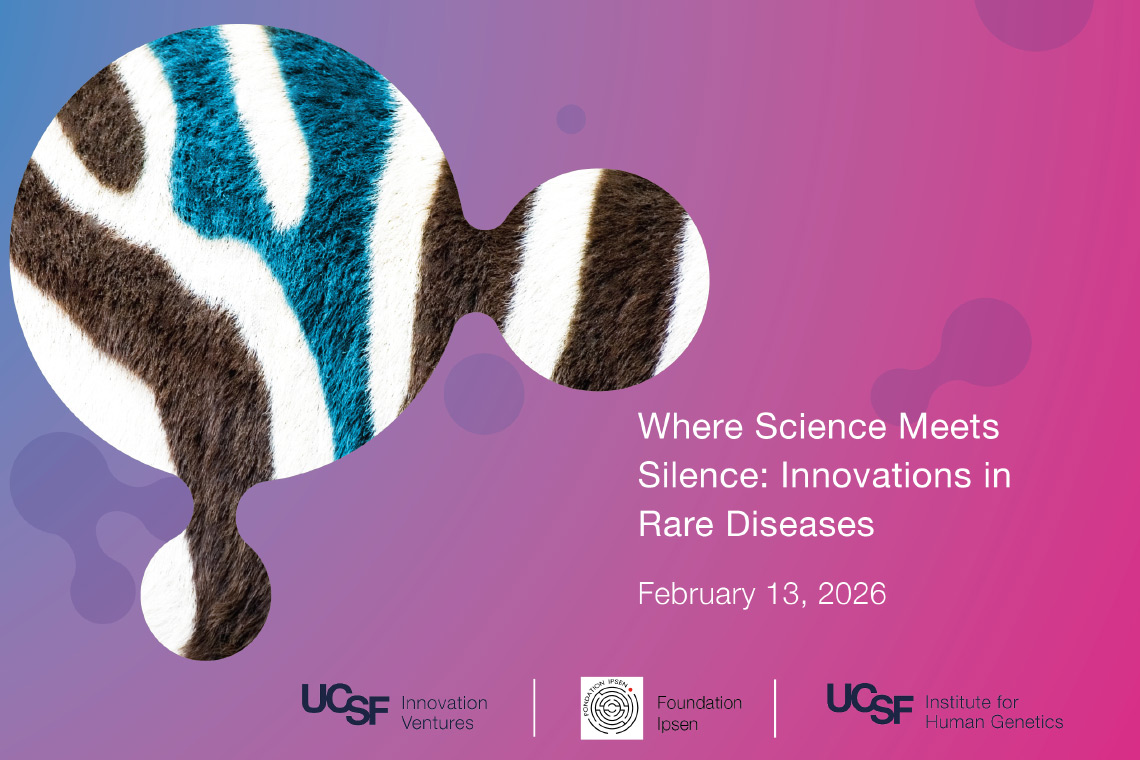
Rare Disease Symposium 2026
Where Science Meets Silence: Innovations in Rare Diseases
| | |
📅 February 13, 2026 8:30am-6:00pm PST
📍 William J. Rutter Center at UCSF Mission Bay (1675 Owens St, San Francisco, CA 94158)
Held the day after Invest in Cures San Francisco, the Rare Disease Symposium 2026 is hosted by the UCSF Catalyst Program and Institute for Human Genetics, in partnership with Foundation Ipsen. Rare diseases affect more than 350 million people worldwide. With a focus on the interdisciplinary development of new diagnostics, new therapeutics, and social advances for patients and their families affected by a raredisease, we hope all participants come away from this symposium with an expanded understanding of the field and the inspiration to make an impact.
Together with Invest in Cures San Francisco on February 12, this forum provides a full two-day exploration of scientific, clinical, and investment perspectives shaping the future of rare disease research and treatment.
Click here for more information and to register free!
| | |
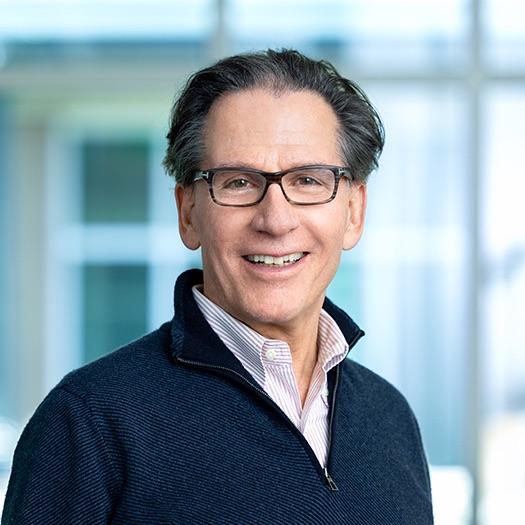
James Sabry
(Chief Business Officer and EVP, BioMarin)
| | |
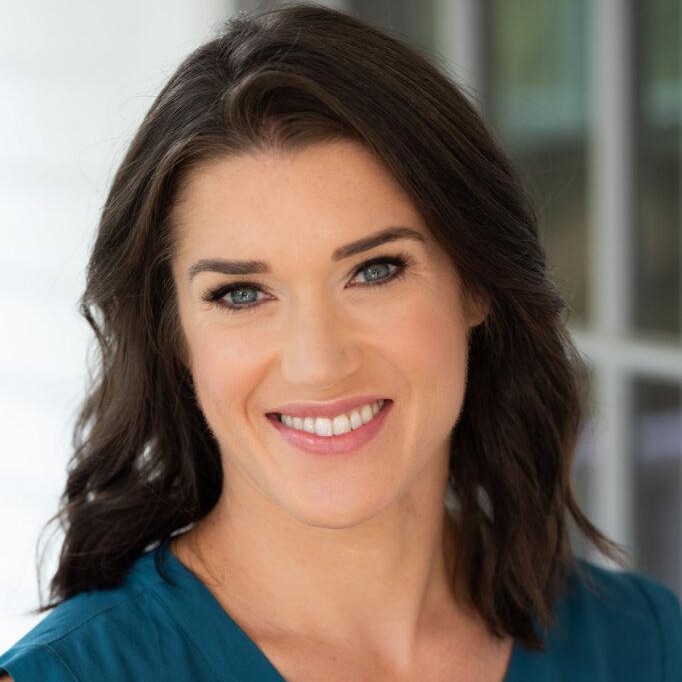
Rebecca Alexander
(Author, Motivational Speaker, Psychotherapist, Mental Health Educator, Disability Rights Advocate, and Fitness Coach)
| | Invest in Cures San Francisco 2026 | | |
📅 February 12, 2026 8:00am-4:00pm PST
📍 William J. Rutter Center at UCSF Mission Bay (1675 Owens St, San Francisco, CA 94158)
Join LaunchBio at UCSF for a day dedicated to exploring how impact investing can accelerate progress for patients living with rare diseases. Held the day before the UCSF Rare Disease Symposium, this forum offers a complementary, investor-focused lens—highlighting how venture philanthropy, strategic capital, and cross-sector partnerships can help move promising science toward real-world treatments.
Hear from leaders in venture investing, philanthropy, advocacy, and biotech as they share insights on advancing translational research, de-risking early-stage therapies, and building sustainable pathways to commercialization. Through main-stage conversations, panel discussions, and networking opportunities, you will gain a deeper understanding of the evolving landscape of rare disease funding and innovation.
The day concludes with a special public screening of Stitching Strength, followed by an audience Q&A with Richard Bedlack, MD, PhD, and Catherine Lomen-Hoerth, MD, PhD. The screening is free to all and open to the public.
Together with the UCSF Rare Disease Symposium on February 13, this forum provides a full two-day exploration of scientific, clinical, and investment perspectives shaping the future of rare disease research and treatment.
Click here for more information and to register free!
| | |
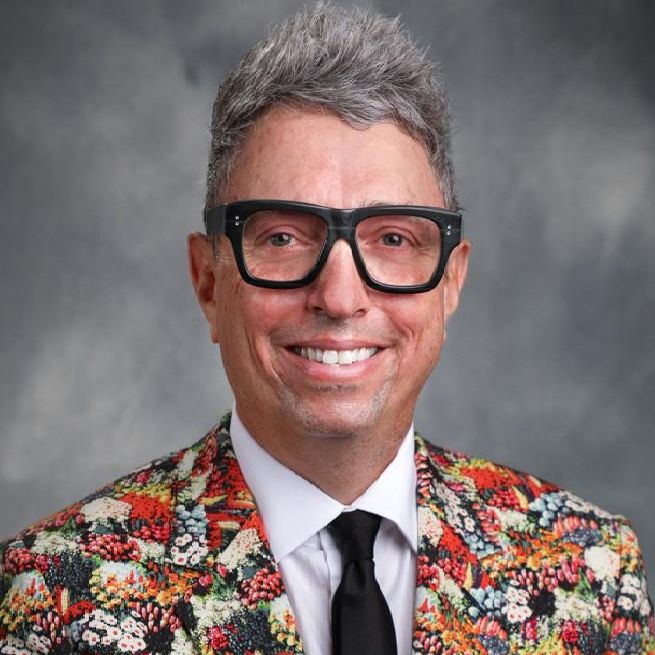
Richard Bedlack
(Stewart, Hughes, and Wendt Distinguished Professor of ALS at Duke University School of Medicine)
| | |
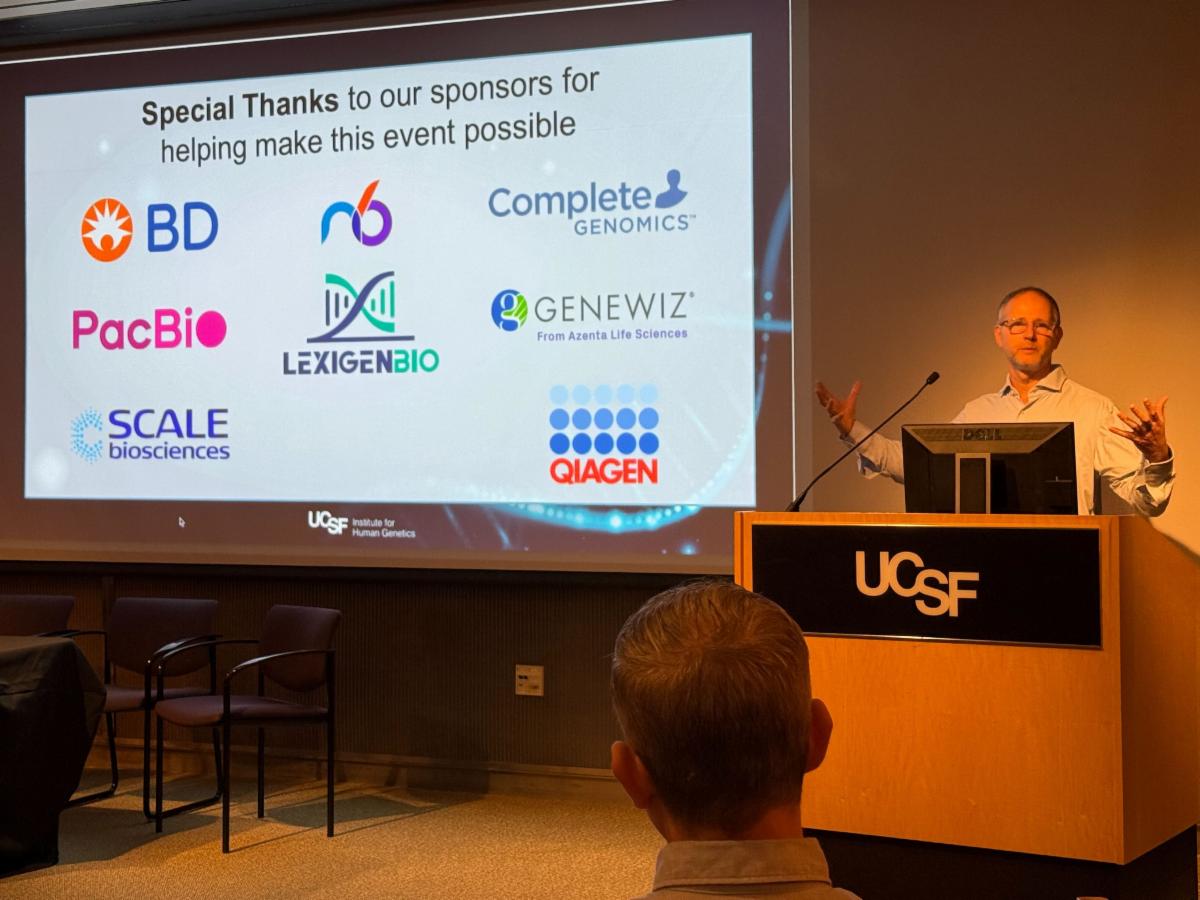
Our 2025 Institute for Human Genetics Genotech Symposium was a huge success with captivating talks that focused on basic science and translational work across selected topics in gene therapy, AI, and genomic technologies.
With over 500 registrants, there were many fruitful interactions and collaborations with talks by industry leaders/faculty, panel discussions, and social events.
Special thanks to our sponsors Mission Bio, Vector Builder, Nabsys, Takara Bio, Illumina, Element Biosciences, 10x Genomics, BD, N6 Tec, LexigenBio, Complete Genomics, PacBio, GENEWIZ from Azenta Life Sciences, Scale Biosciences, and QIAGEN for helping make this event possible!
Thanks to Michael Snyder, Talmadge King, Jacob Kimmel, Dan Hart, Paul Donohoue, Chris Hsiung, KT Moortgat, Kyle Farh, Shishi Luo, Xiao Yang, Jeff Spence, Kathleen Barnes, Mike Schnall-Levin, Matthew Kellinger, Diego Calderon, and Nick Page for the outstanding talks!
We thank you all for your participation and look forward to seeing you next year. Click here to view more photos.
| | |
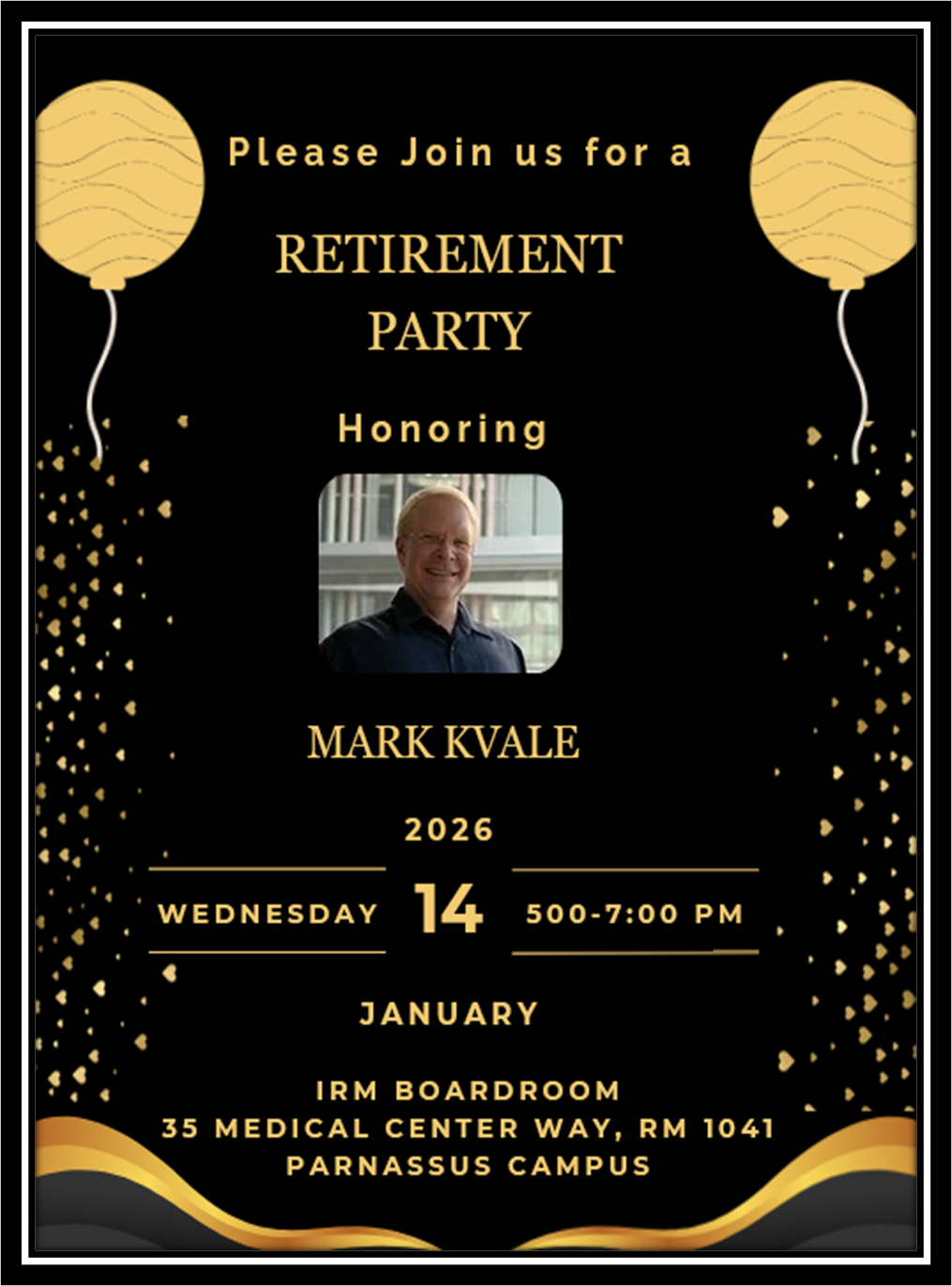
We are pleased to invite you to a special celebration in honor of Mark Kvale’s retirement. After 19 years of dedicated service to the Institute for Human Genetics and many others at UCSF and beyond, it’s time to celebrate his remarkable career and wish him well in his future endeavors.
Event Details:
- Date: Wednesday, January 14, 2026
- Time: 5:00 PM – 7:00 PM
- Location: The IRM Boardroom, 35 Medical Center Way, Room 1041, San Francisco, Parnassus Campus
-
RSVP: Please respond by January 5th Here or e-mail Suzanne.Mackey@ucsf.edu
We hope you can join us for a fun evening filled with lots of laughter, shared memories, great food, and fantastic company.
| | Staff Profile: Hongbin Yuan | | |
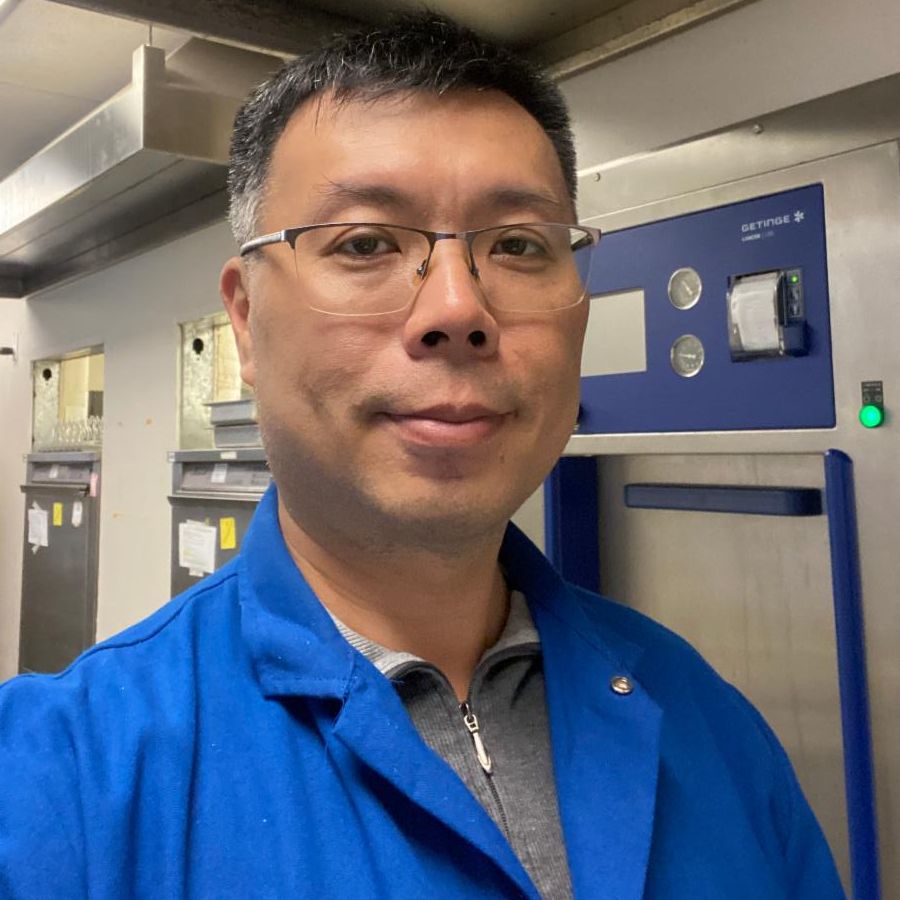
Hongbin “Ben” Yuan has been a dedicated and dependable member of UCSF lab research community since 2009, bringing more than a decade of experience and institutional knowledge to his role as a Lab Assistant. Over the years, Ben has supported a wide range of scientific programs and departments, including Physiology, Lung Biology Center, Bioengineering Therapeutic Sciences, and most recently the Institute for Human Genetics. His breadth of experience across these diverse research environments has made him a trusted and versatile contributor to laboratory operations.
For the past two and a half years, Ben has been an integral part of the Institute for Human Genetics, where he continues to provide essential technical support to the research community. His primary responsibilities include autoclave washing services and replenishment of liquid nitrogen tanks, tasks that are critical to maintaining safe, efficient, and compliant laboratory operations. At any given time, Ben reliably supports up to 10 or 11 laboratories simultaneously, consistently delivering high-quality work and ensuring that researchers can focus on their scientific goals without interruption. His steady performance, attention to detail, and strong work ethic have earned him the respect and appreciation of colleagues across multiple labs.
Beyond his professional contributions, Ben is a devoted family man. He and his family share a busy and fulfilling life, highlighted by the achievements of his two children. His son is currently a freshman at the University of California, Santa Cruz, while his daughter is a junior attending a local high school. In his free time, Ben enjoys playing computer games as a way to relax and unwind, and he values spending quality time with his family whenever possible.
Ben also has a love for travel and enjoys exploring new places when opportunities arise. Recently, his household grew with the adoption of a playful 10-month-old kitten named Ricky, who has quickly become a beloved part of the family.
Through his long-standing commitment, reliable service, and positive presence, Ben continues to play a vital behind-the-scenes role in supporting scientific research and fostering a collaborative laboratory environment. We are honored to have Ben’s level of expertise and experience in our IHG community.
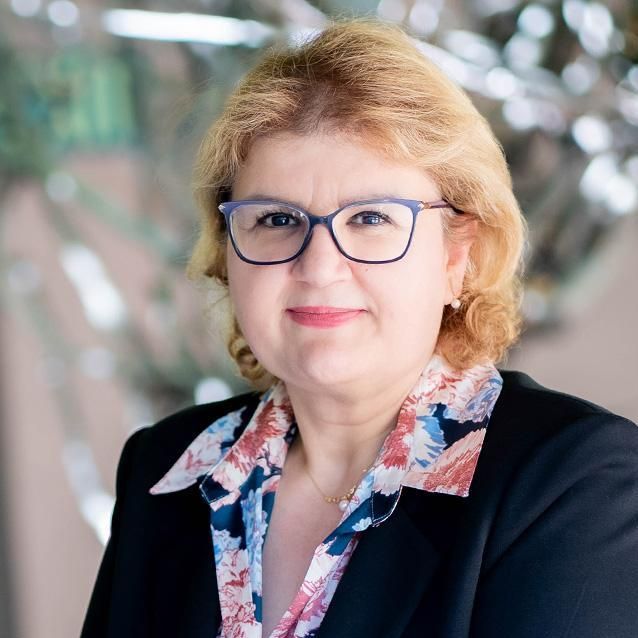
| | Dr. Doust is serving as the Interim Chief of Medical Genetics and is our new member of the Institute for Human Genetics Executive Committee. Dr. Doust is an Associate Clinical Professor at UCSF and Medical Director of the Adult Genetics Program. Dr. Doust is a medical geneticist whose focus is on how genetics affects nervous system function. A board-certified medical geneticist with over 20 years of clinical and academic experience, she holds fellowships with both the Royal College of Physicians and Surgeons of Canada (FRCPC) and the Canadian College of Medical Geneticists (FCCMG). Dr. Doust has made significant contributions to genetics policy and training through her service on multiple university committees and national boards in Canada, and she remains a dedicated educator in the field. | |
|
A new grant paves the way for UC San Francisco to train one of Mexico’s first molecular pediatric pathologists, providing access to better cancer detection and treatment for the thousands of children diagnosed with cancer in Mexico every year.
The St. Baldrick’s Foundation has awarded Alfonso Ramirez-Ristori, MD, a $330,000 grant to train at UCSF alongside Alejandro Sweet-Cordero, MD, a pediatric oncologist and Patrick Devine, MD, PhD, a pathologist. Thanks to a collaboration between UCSF’s Global Cancer Program and the UCSF Health Center for Clinical Genetics and Genomics, Ramirez-Ristori will learn how to perform gene-based testing and mutation sequencing, which are essential for identifying complex pediatric cancers and guiding the best treatment.
| | | |
|
The UCSF Helen Diller Family Comprehensive Cancer Center announced the awarding of a Specialized Programs of Research Excellence (SPORE) grant by the National Cancer Institute (NCI) for a combined program focused on cancer outcomes. The program will receive $12 million over five years to improve cancer health outcomes across populations by investigating the interplay of tumor biology with individual risk factors and external drivers of health.
The SPORE grant supports three translational research projects that focus on three types of cancer with well-known differences in clinical outcomes: meningioma (a type of brain tumor), prostate cancer, and breast cancer.
The cancer outcomes SPORE grant is co-led by Susan M. Chang, MD, neuro-oncologist and UCSF professor-in-residence in the UCSF Division of Neuro-Oncology in the Department of Neurological Surgery, a principal investigator in the Brain Tumor Center, and co-leader of the UCSF Neurologic Oncology Program in the Helen Diller Family Comprehensive Cancer Center; and Franklin W. Huang, MD, PhD, a medical oncologist and associate professor in the Division of Hematology and Oncology, principal investigator of the SFVA/UCSF Precision Oncology Center of Excellence, and a Chan Zuckerberg Biohub Investigator.
| | | | UCSF Academic Senate’s Third Faculty Research Lecture in Social, Behavioral, and Health Policy Sciences Award | |
|
The Academic Senate announced the selection of Kathryn A. Phillips, PhD, as the recipient of the Third Faculty Research Lectureship in Social, Behavioral, and Health Policy Sciences for her work focusing on the value of new technologies and how to most effectively and efficiently implement them into health care.
The Faculty Research Lecture in Social, Behavioral, and Health Policy Sciences award was newly established in 2023. This award is bestowed on an individual member of the UCSF faculty with outstanding achievements in social, behavioral, and health policy research. UCSF faculty are asked to consider the outstanding research contributions of their colleagues and submit nominations for this prestigious award to the Academic Senate Committee on Research. The Committee on Research will select a recipient of this award of this award annually.
| | | |
|
The California Institute for Regenerative Medicine (CIRM) has awarded more than $7.5 million to Gladstone scientists for two projects that may lead to breakthrough discoveries in regenerative medicine.
The awards—among a total of 23 grants totaling $73 million that CIRM will be funding throughout the state of California—fuel early-stage research that sparks new ideas and tools that may lead to novel therapies.
Known as “DISC0 Foundation Awards,” the grants are part of CIRM’s Discovery Stage Research programs.
The largest of CIRM’s new round of grants, at $5.1 million, goes to a collaborative team led by Gladstone Senior Investigator Bruce Conklin, MD. He seeks to develop a technology platform that will allow for therapeutic gene editing on a broader scale so more patients can benefit.
CIRM also awarded $2.4 million to Benoit Bruneau, PhD, director of the Gladstone Institute of Cardiovascular Disease, for a project that leverages stem cells to pinpoint the genetic causes of congenital heart disease and other conditions.
| | | | We are excited to share that the outstanding genomics work done by Pui-Yan Kwok, IHG member, has been published in Nature! Read more below. | | | |
|
Abstract:
Incorporating pharmacogenetics into clinical practice promises to improve therapeutic outcomes by optimizing drug selection and dosage based on genetic factors affecting drug response. A key advantage of PGx-guided therapy is to decrease the likelihood of adverse events. To evaluate the clinical impact of PGx risk variants, we performed a retrospective study using genetic and clinical data from the largest Han Chinese cohort, comprising 486,956 individuals, assembled by the Taiwan Precision Medicine Initiative. We found that nearly all participants carried at least one genetic variant that could affect drug response, with many carrying multiple risk variants. Here we show the detailed analyses of four gene-drug pairs, azathioprine (NUDT15/TPMT), clopidogrel (CYP2C19), statins (ABCG2/CYP2C9/SLCO1B1), and NSAIDs (CYP2C9), for which sufficient data exists for statistical power. While the results validate previous findings that PGx risk variants are significantly associated with drug-related adverse events or ineffectiveness, the excess risk of adverse events or lack of efficacy is small compared to that found in those without the PGx risk variants, and most patients with PGx variants do not suffer from adverse events. Our results point to the complexity of implementing PGx in clinical practice and the need for integrative approaches to optimize precision medicine.
| | | |
|
Abstract:
Predicting complex disease risks on the basis of individual genomic profiles is an advancing field in human genetics. However, most genetic studies have focused on populations of European ancestry, creating a global imbalance in precision medicine and underscoring the need for genomic research in non-European groups. The Taiwan Precision Medicine Initiative recruited more than half a million Taiwanese residents, providing a large dataset of genetic profiles and electronic medical record data for people with Han Chinese ancestry. Using extensive phenotypic data, we conducted comprehensive genomic analyses across the medical phenome with individuals genetically similar to Han Chinese reference populations. These analyses identified population-specific genetic risk variants and new findings for various complex traits. We developed polygenic risk scores, demonstrating strong predictive performance for conditions such as cardiometabolic diseases, autoimmune disorders, cancers and infectious diseases. We observed consistent findings in an independent dataset, Taiwan Biobank, and among people of East Asian ancestry in the UK Biobank and the All of Us Project. The identified genetic risks accounted for up to 10.3% of the overall health variation in the Taiwan Precision Medicine Initiative cohort. Our approach of characterizing the phenome-wide genomic landscape, developing population-specific risk-prediction models, assessing their performance and identifying the genetic effect on health serves as a model for similar studies in other diverse study populations.
| | | |
|
Abstract:
Han Chinese comprise nearly 20% of the global population yet remain underrepresented in genetic studies 1,2, creating an urgent need for large-scale cohorts to advance precision medicine. Here, we present the Taiwan Precision Medicine Initiative (TPMI), initiated by Academia Sinica in collaboration with 16 major medical centers around Taiwan, which has recruited 565,390 participants who consented to provide DNA samples for genetic profiling and grant access to their electronic medical records (EMR) for research. EMR access is both retrospective and prospective, allowing longitudinal studies. Genetic profiling is done with population-optimized SNP arrays for those of Han Chinese ancestry that enable genome-wide association 3,4, phenome-wide association 5,6, and polygenic risk score 7,8 studies to evaluate common disease risk and pharmacogenetic response. Participants also agree to be recontacted for future research and receive personalized genetic risk profiles with health management recommendations. TPMI has established the TPMI Data Access Platform (TDAP), a central database and analysis platform that both safeguards the security of the data and facilitates academic research. As a large non-European ancestry cohort that merges genetic profiles with EMR and enables longitudinal follow-up, TPMI provides a unique resource to validate genetic risk prediction models, conduct clinical trials of risk-based health management, and inform health policies. Ultimately, the TPMI cohort will contribute to global genetic research and serve as a model for population-based precision medicine.
| | | | Charles Epstein Seminar Series | | This seminar series, sponsored by Charlie Epstein’s family, brings eminent scientists with expertise in human genetics to present their research and meet with scientists at UCSF. | | IHG Faculty Seminar Series | | |
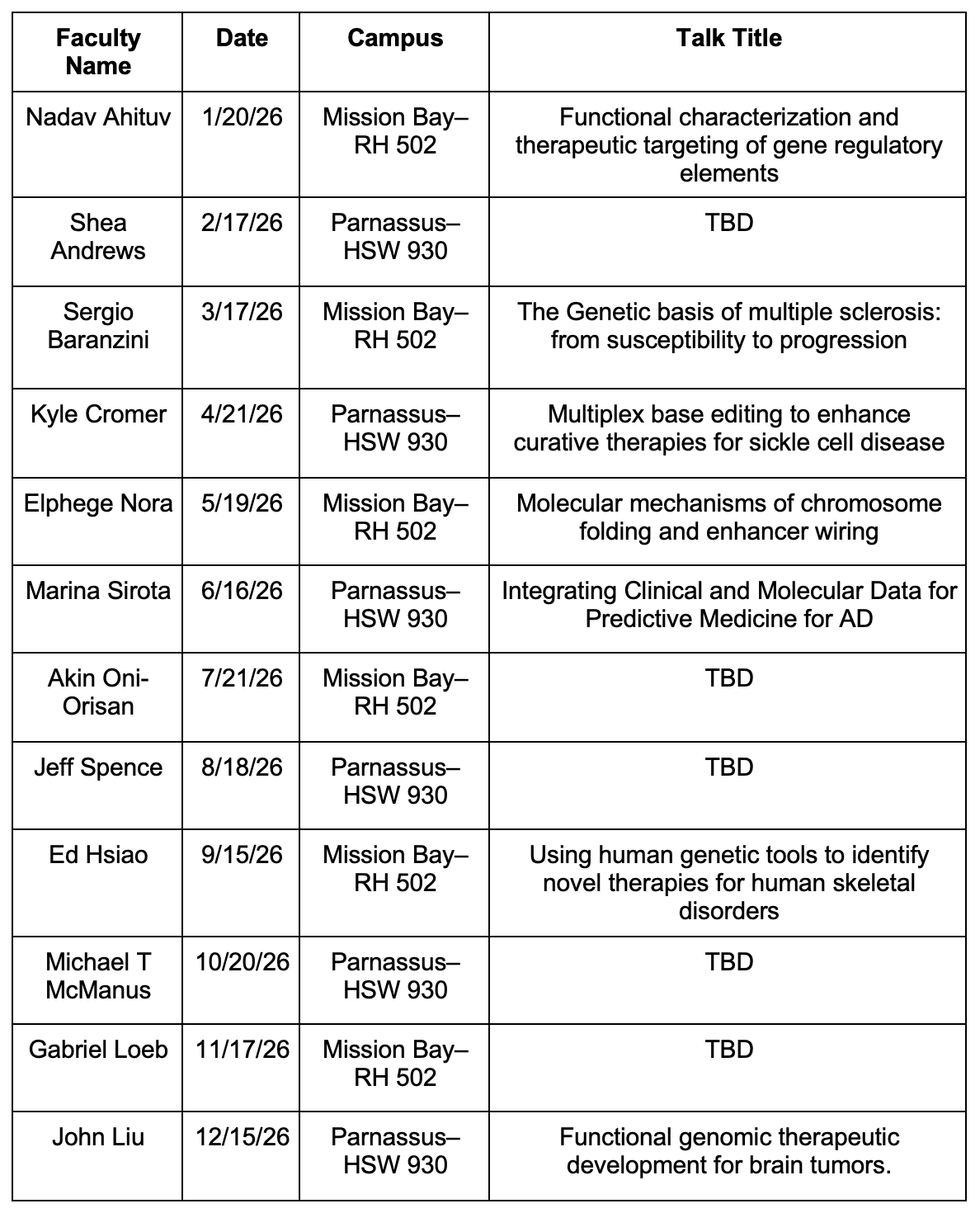
IHG is excited to announce the launch of our faculty seminar series which will be held on the 3rd Tuesday of each month beginning January 20, 2026.
Attendance:
Open to IHG faculty only.
Goal:
To allow for interactions and collaborations between faculty.
Agenda:
In the first 10 minutes will give updates related to IHG which will be followed by the scientific talk.
Presentations:
Great if you can start with something personal about yourself, how you got into science, hobbies or other and then a scientific talk on whatever you want. Will be great to have unpublished data, ideas for projects that you want to brainstorm or exciting things coming out of your lab.
Location:
The series will take place at Mission Bay and Parnassus, alternating between the two campuses, from 10-11am in the hope that it makes it easier for people from either campus to make it.
Food:
Coffee and pastries will be served.
Schedule:
| | Technology Seminar Series | | |
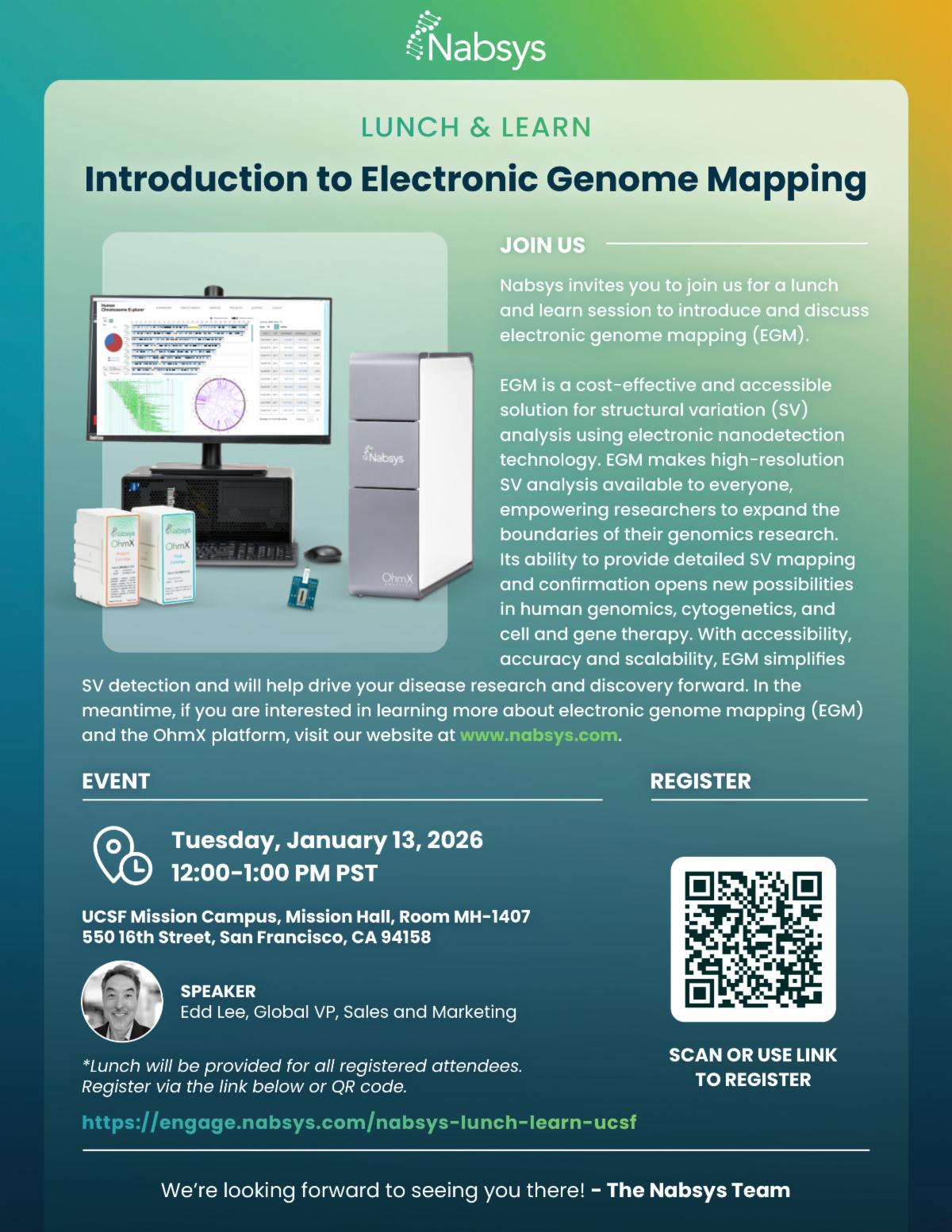
The UCSF Institute for Human Genetics, Center for Advanced Technology, and CoLabs co-host the technology seminar series. These seminars are free and open to all. They typically occur every second Tuesday of the month and bring researchers to hear about the latest technologies and applications.
Schedule:
View seminars from 2025 here.
1/13/26: Nabsys
2/10/26: Vector Builder
3/10/26: Olink, part of Thermo Fisher Scientific
4/14/26: BioChain Institute
5/12/26: Editco
6/9/26: Oxford Nanopore Technologies
7/14/26: Novogene
8/11/26: Agilent
9/8/26: Bruker
10/13/26: VWR/Avantor
11/10/26: Dovetail Genomics
12/8/26: Deep Cell Bio
1/12/27: Epigenome Technologies
2/9/27: PackGene Biotech
3/9/27: TriLink Biotechnologies
4/13/27: NTxBio
5/11/27: BioSkryb Genomics
6/8/27: Parse Biosciences
7/13/27: Codetta Bio
8/10/27: Bio-Rad Laboratories
9/14/27: N6 Tec
10/12/27: Cytiva
11/9/27: SynPlexity
12/14/27: seqWell
1/11/28: Sophia Genetics
| | |
October 6, 2025
UCSF Genetic Counseling Program Info Session
| |
View a recording of our interactive webinar where you’ll get an inside look at our graduate program and learn about the admissions process. | | | |
December 19, 2025
Insights from Mendelian defects in immune tolerance
| |
|
Mark S. Anderson, MD, PhD
A.W. and Mary Margaret Clausen Distinguished Professor of Metabolism and Endocrinology
Robert B. Friend and Michelle M. Friend Professor of Diabetes Research
Professor, UCSF Division of Endocrinology and Metabolism
Director, UCSF Diabetes Center
Director, Immune Tolerance Network
Investigator, Biohub, San Francisco
UCSF CLINICAL GENETICS COMMUNITY ROUNDS
December 19, 2025
12:00 – 1:00 PM (PT)
Zoom:
https://ucsf.zoom.us/j/94301311280?pwd=tu2ukn7tPhcNaCq5oiC4aUzYMUBafw.1&from=addon
Meeting ID: 943 0131 1280
Password: 167789
We are delighted to invite you to join us to wrap up the year by warmly welcoming Mark Anderson, MD, PhD., our featured speaker at the UCSF Clinical Genetics Rounds on Friday, December 19th, from 12:00–1:00 PM (PT).
Dr. Anderson is the Director of the UCSF Diabetes Center and a nationally recognized leader in immunology and autoimmune disease research. His pioneering work on immune tolerance, including seminal discoveries defining how the transcription factor Aire regulates immune self-tolerance, work that has fundamentally advanced our understanding of autoimmunity and informed novel translational approaches.
A leader in translating immunology to human health, Dr. Anderson is a co-founder of ImmunoX, Past President of the Federation of Clinical Immunology Societies (FOCIS), and Director of the NIH-sponsored Immune Tolerance Network, a multicenter clinical trials consortium focused on tolerance-based therapies for autoimmunity, allergy, and transplantation. A practicing Diabetologist, he has received numerous honors, including election to the National Academy of Medicine and the William Coley Award for Distinguished Research in Tumor Immunology.
Title of the Talk:
Insights from Mendelian defects in immune tolerance
Speaker:
Mark S. Anderson, MD, PhD
A.W. and Mary Margaret Clausen Distinguished Professor of Metabolism & Endocrinology
Robert B. Friend and Michelle M. Friend Professor of Diabetes Research
Professor, UCSF Division of Endocrinology and Metabolism
Director, UCSF Diabetes Center
Director, Immune Tolerance Network
Investigator, Biohub, San Francisco
Learning Objectives:
- Immune tolerance is a multilayered system of checks and balances
- Tools to dissect genetic defects are advanced and can be modeled for new insights
- New platforms are in place to broadly assess autoimmunity like PhipSeq
Educational Credits are available for Clinical Lab Scientists, Physicians, Nurses, and Certified Genetic Counselors.
Attendance/Evaluation/Feedback – Attendance for credit will be based on Zoom generated report. To claim educational credits, you will have to attend a minimum of 50 mins of the talk and complete the online evaluation forms in a timely fashion. Additional completion of quiz questions and other documentation might be required to claim credits. It is encouraged that evaluation forms be completed at the conclusion of the lecture giving your feedback and explaining what you learned and/or what practice or skill you will perform to provide improved patient care.
Upcoming Rounds Schedule:
UCSF Clinical Genetics Community Rounds
Speaker Lineup: January–December 2026
Occurs monthly on the fourth Friday*: 12:00–1:00 PM (Pacific Time)
January 23, 2026*
Rami Mahfouz
February 27, 2026*
Tippie MacKenzie
March 20, 2026
April 24, 2026*
May 22, 2026*
June 26, 2026*
July 24, 2026*
August 28, 2026*
September 25, 2026*
October 23, 2026*
November 20, 2026
Nadav Ahituv
December 18, 2026
If you are organizing or presenting an upcoming round, please forward me the speaker’s name, title of the talk, and 3 learning objectives 3 weeks ahead of time. If you wish to be removed from this list or know of someone who would like to be added, please email lin.shen2@ucsf.edu.
Accreditation Statements:
- The UCSF Genomics Services is accredited by California Dept. of Public Health, AA# is 229 to provide continuing medical education for 1 contact hour for Clinical Laboratory Scientists.
- The University of California, San Francisco is accredited by the Accreditation Council for Continuing Medical Education to provide continuing medical education for 1 contact hour for physicians and nurses.
- Genetics Rounds has obtained NSGC category 1 CEU approval for certified genetic counselors.
ACCME Disclosure Statement:
Mark Anderson has signed and completed a Disclosure of Relevant Financial Relationships Form and has affirmed that neither she nor her spouse/partner/family member(s) has/has had any relevant financial relationships/affiliations with commercial interests within the past 12 months related directly or indirectly to this educational activity that may pose a potential conflict of interest within the context of this lecture.
| | | |
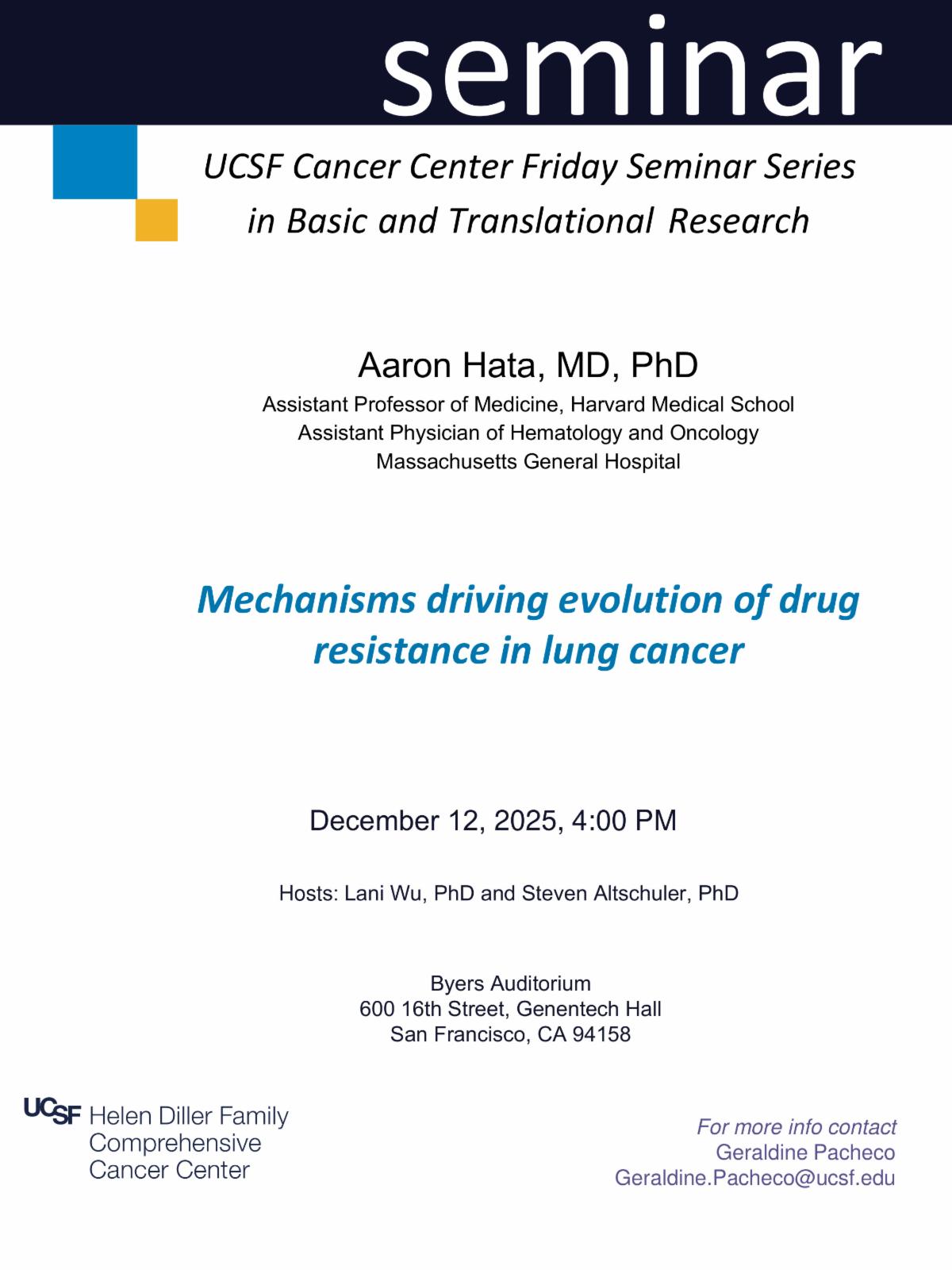
December 12, 2025
Mechanisms driving evolution of drug resistance in lung cancer
| |
|
UCSF Cancer Center Friday Seminar Series in Basic and Translational Research
Fridays, 4:00-5:00 p.m.
December 12, 2025
Byers Auditorium, Genentech Hall
600 16th Street, San Francisco, California 94158
Speaker: Aaron Hata, MD, PhD, Assistant Professor of Medicine, Harvard Medical School; Assistant Physician of Hematology and Oncology, Mass General Hospital
Title: Mechanisms driving evolution of drug resistance in lung cancer
This seminar is sponsored by the UCSF Helen Diller Family Comprehensive Cancer Center and hosted by Lani Wu, PhD, and Steven Altschuler, PhD. Learn more about the Cancer Center Friday Seminar Series in Basic and Translational Research: https://cancer.ucsf.edu/seminars
Meeting ID: 965 3344 5121
Password: 505189
Phone or Conference room password: 505189
---
One Click Join from a PC, Mac, Linux, iOS or Android device:
https://ucsf.zoom.us/j/96533445121?pwd=Hx3K8Ee7eaG8ioA1G8IxzkYaoPnqpu.1
--
| | | |
December 11, 2025
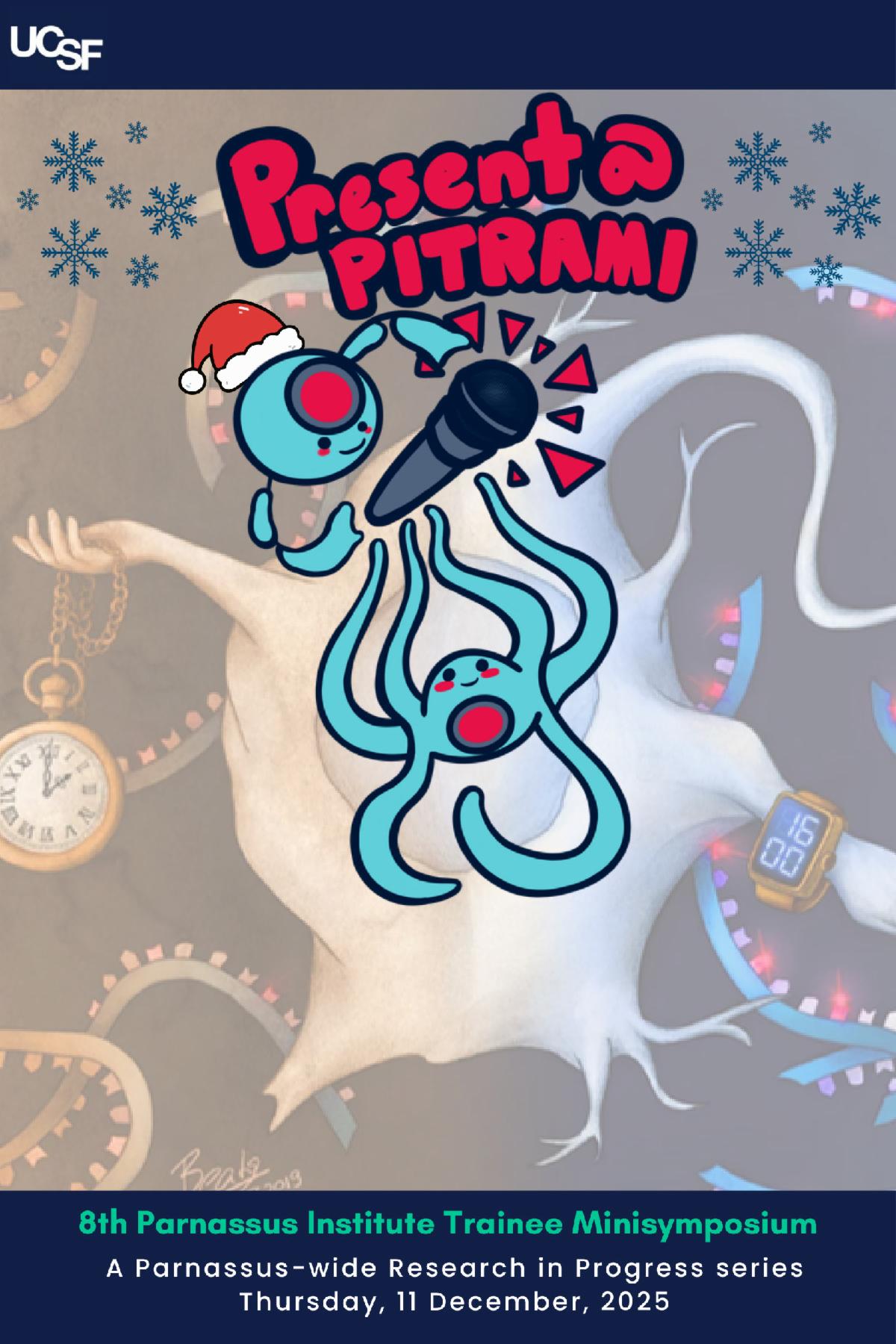
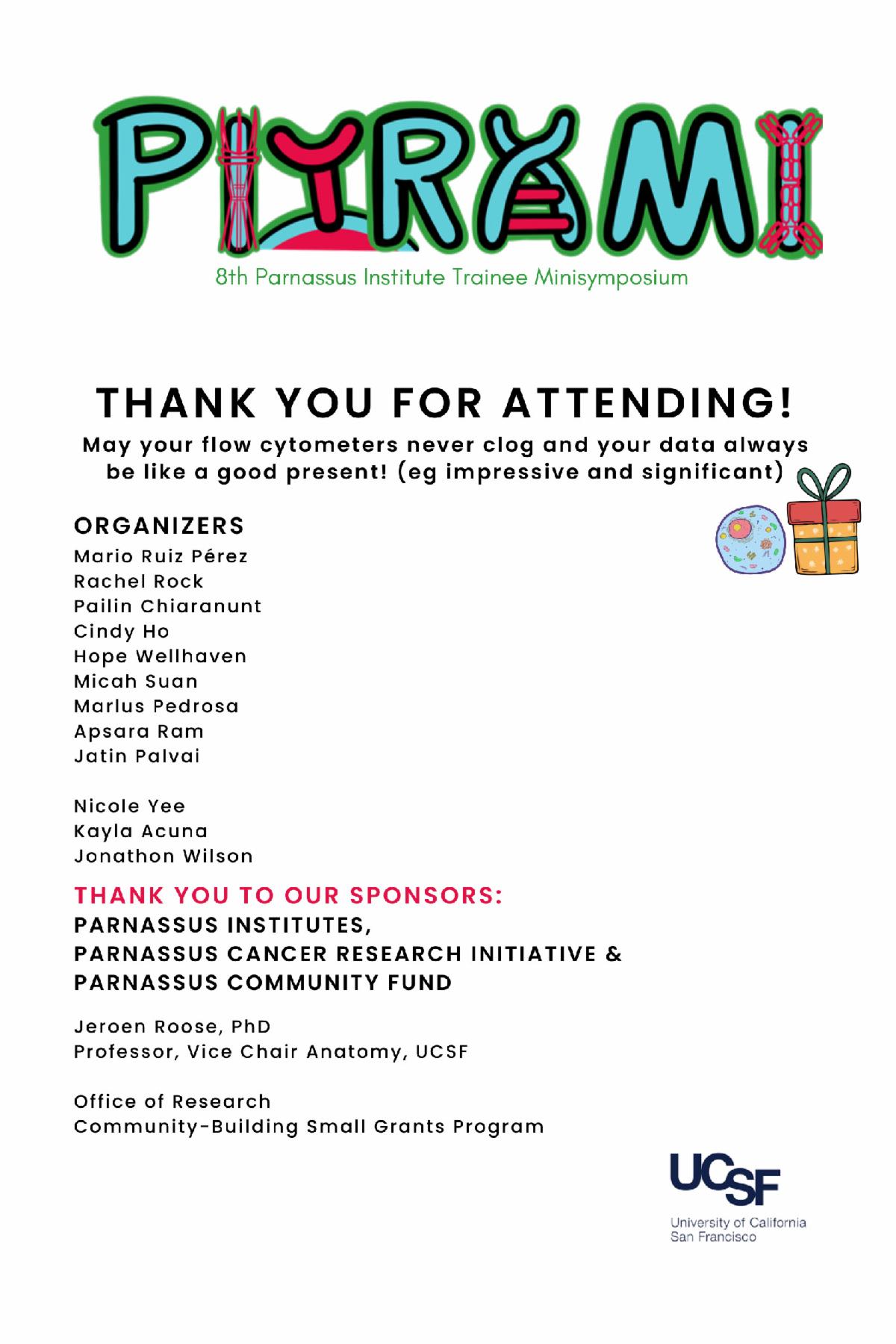
8th Annual PITRAMI Symposium
| |
|
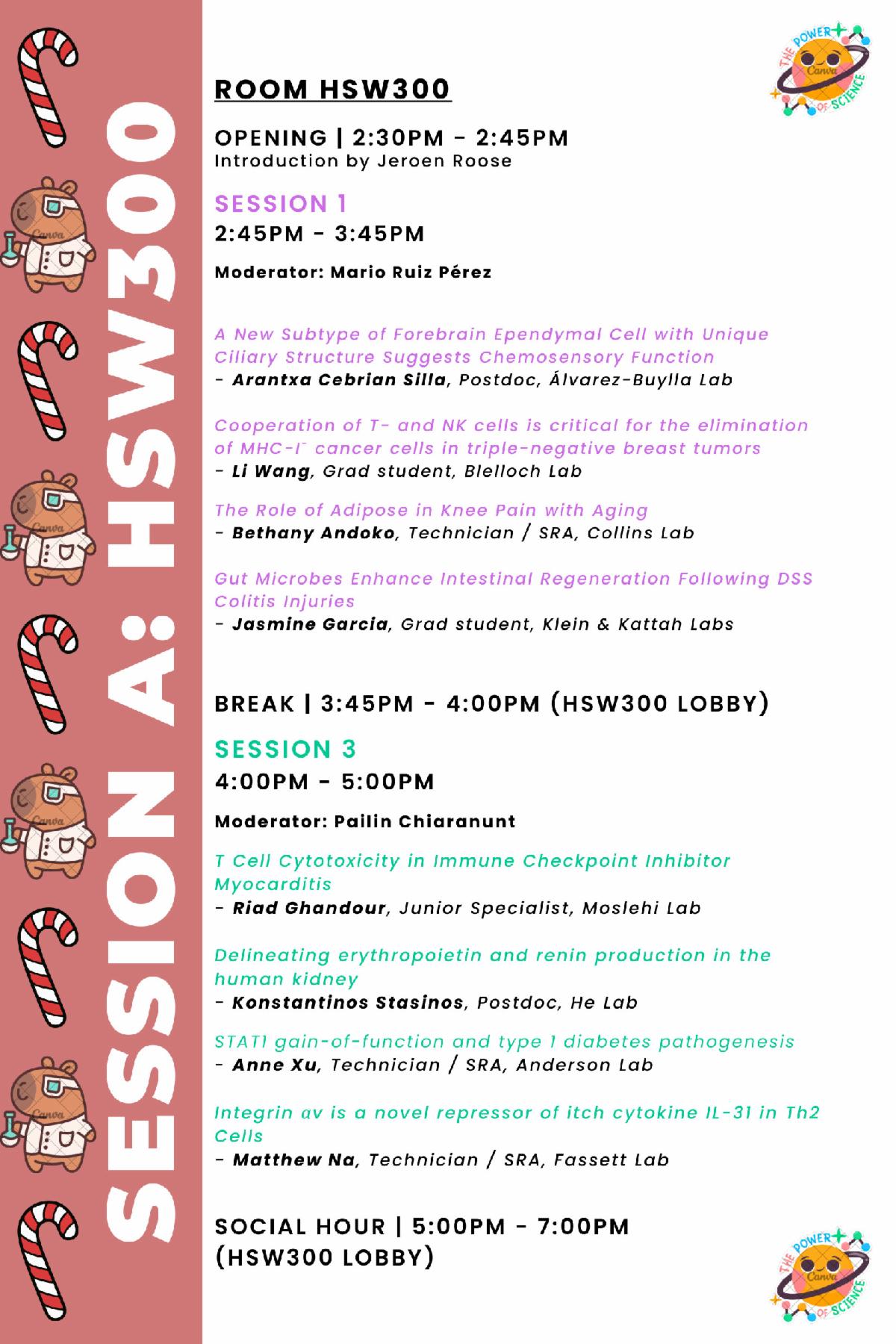
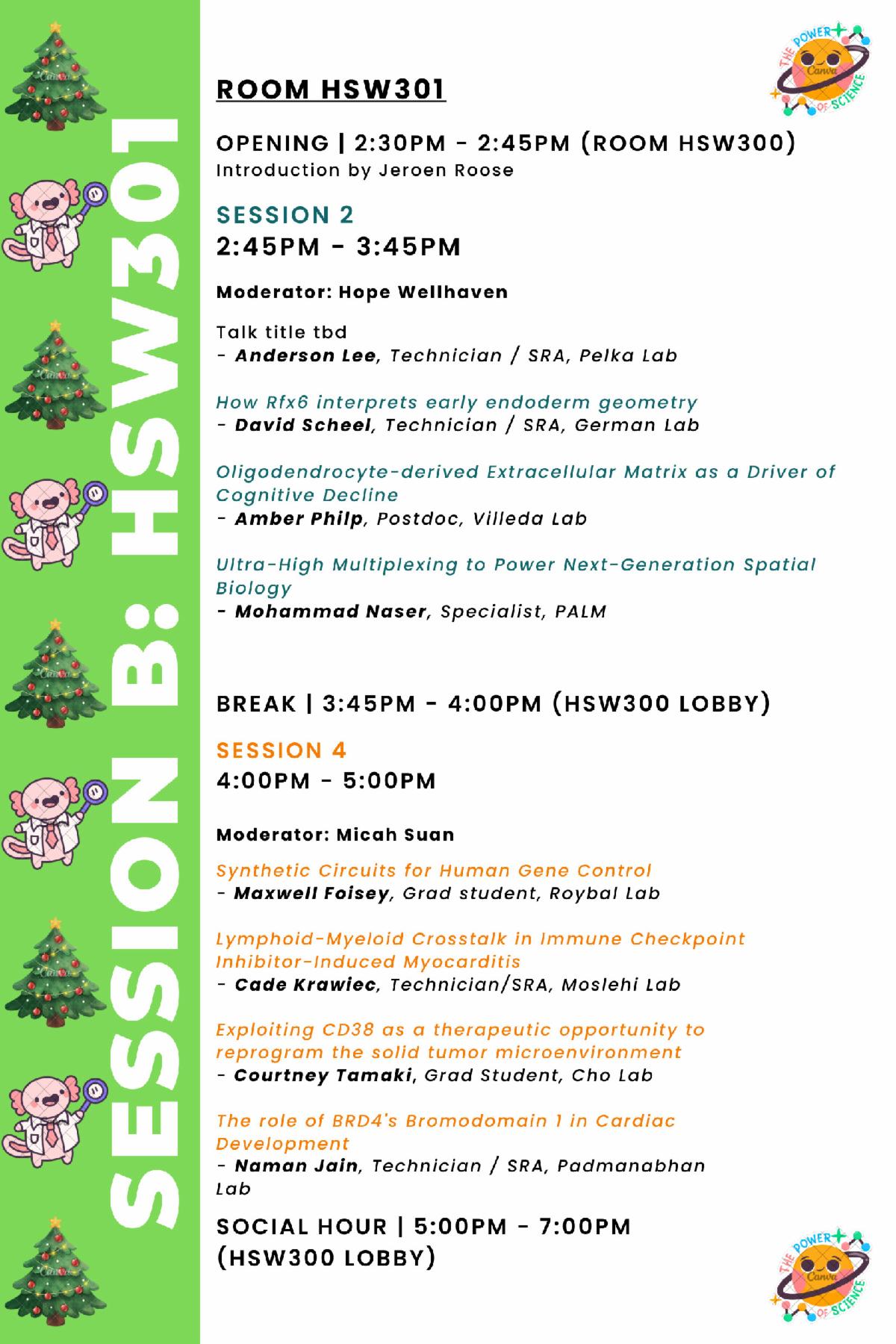
We are pleased to share the program for the 8th Annual PITRAMI Symposium, taking place on December 11, 2025 from 14.30 in Parnassus at HSW300-301. PITRAMI—created for trainees and run by trainees—is proudly supported by the Parnassus Institutes and Parnassus Cancer Research, reflecting UCSF’s investment in building a strong, interconnected scientific community.
About PITRAMI
This year’s speakers will present work spanning:
- Immunology, Microbiome, and Autoimmunity
- Cancer biology
- Developmental and stem cell biology
- Aging and Neuroscience
PITRAMI brings together trainees from across the Parnassus research ecosystem—including ImmunoX, BARI, the Diabetes Center, BCMM, IHG, the Musculoskeletal Program, the Broad Stem Cell/IRM community, IMicos, the Lung Biology Group, CoLabs, and many others.
Our goal is to strengthen cross-community interactions, highlight trainee-driven science, and create space for collaboration across disciplines.
Each talk is designed to be accessible and engaging (10 minutes + 5 minutes Q&A), offering a welcoming platform for trainees at all levels.
Join Us - Talks + Social Hour
We warmly invite you and your communities to attend the symposium and stay afterward for our social happy hour, an important space for building connections in an informal, relaxed setting.
👉 Please RSVP here: https://forms.gle/edfEzLetTT8pMw8d6
Your RSVP helps us plan appropriately for both the talks and the reception.
🎉 Exclusive UCSF-Branded PITRAMI Swag!
Attendees will have the chance to receive exclusive PITRAMI/UCSF swag, a small thank-you for helping us keep our Parnassus community strong.
| | | |
December 10, 2025
Searching for the Holy Grail: Synthesizing Science and Policy
| |
|
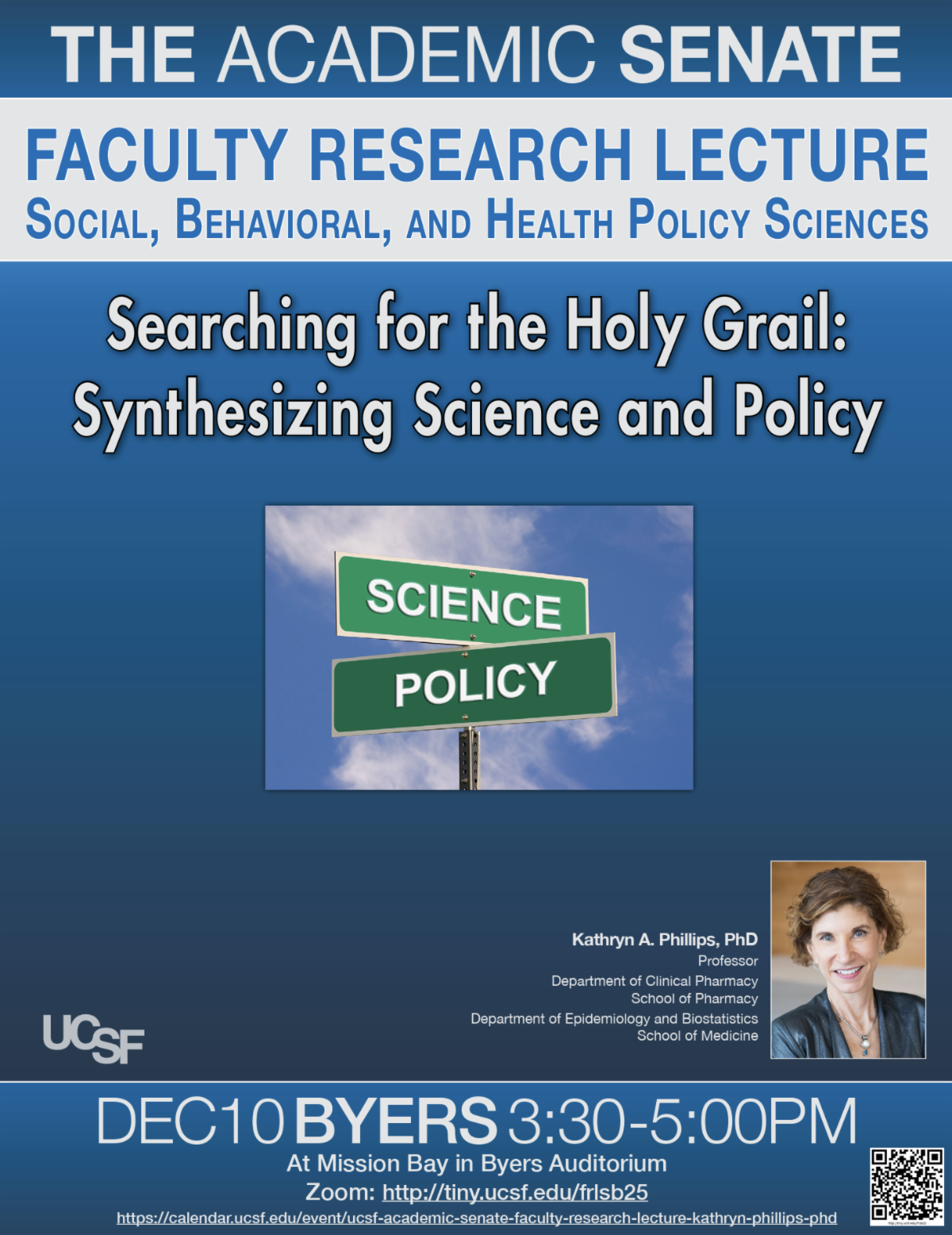
The lecture, titled “Searching for the Holy Grail: Synthesizing Science and Policy” will take place on Wednesday, December 10, 2025, from 3:30 p.m. - 5:00 p.m. on Mission Bay Campus in Byers Auditorium, with a reception to follow. There will also be a Zoom broadcast.
Lecture Title: Searching for the Holy Grail: Synthesizing Science and Policy
Date/Time: Wednesday, December 10, 2025, from 3:30 p.m. - 5:00 p.m.
Location: Mission Bay in Byers Auditorium
Zoom Link: https://tiny.ucsf.edu/frlsb25
Zoom Passcode: 222947
UCSF Events Calendar:
Kathryn A. Phillips, PhD
Dr. Phillips’ broad-ranging work has focused on generating and translating evidence for policy decision-making, examining how to effectively and equitably implement new technologies. Over the past 15 years, her work has converged under the specialty of precision medicine (PM), which targets medical interventions based on individuals’ characteristics such as their genetic makeup. In 2008, she founded the UCSF Center for Translational and Policy Research on Precision Medicine (TRANSPERS), the only center focused on developing objective evidence on key policy issues related to PM. It has grown to become the world’s most highly regarded center of its type. Her work on PM implementation has contributed significantly to UCSF’s research and beyond.
Her recent work on adoption and insurance coverage for new medical technologies is particularly important, raising key questions about payment policies and decisions by insurers and the federal government. Her work addresses the increasing need – and challenges - of translating scientific evidence into policy-relevant decisions. By applying rigorous and objective academic research while incorporating multiple perspectives often not found “at the table”, her work advances efforts to achieve accessible, equitable, and value-driven care.
Kathryn A. Phillips, PhD, is Professor of Health Economics and Health Services Research in the Department of Clinical Pharmacy at UCSF. She is a core faculty member in the UCSF Philip R. Lee Institute for Health Policy Studies, and she is affiliated with the UCSF Helen Diller Family Comprehensive Cancer Center, the Institute for Human Genetics, Department of Epidemiology and Biostatistics, Bakar Computational Health Sciences Institute, and Global Health Sciences. She has been an active member of the UCSF Precision Medicine Platform Committee, and she serves as the founding Editor-in-Chief for Health Affairs Scholar: Emerging and Global Health Policy.
In addition, Dr. Phillips is a member of the National Academy of Medicine Roundtable on Genomics and Precision Health. She served on a National Academy of Sciences, Engineering, and Medicine consensus report committee (2024-2025) and has served on the governing Board of Directors for GenomeCanada. She has also served as an advisor to the FDA, CDC, President’s Council of Advisors on Science and Technology, and the White House Office of Science and Technology, and has been on an expert review committee for ICER (Institute for Clinical and Economic Review) for the past five years.
The Third Faculty Research Lecture in Social, Behavioral, and Health Policy Sciences will be held on Wednesday, December 10, 2025, at 3:30 p.m. on Mission Bay Campus in the Byers Auditorium and broadcast over Zoom.
| | | |
December 5, 2025
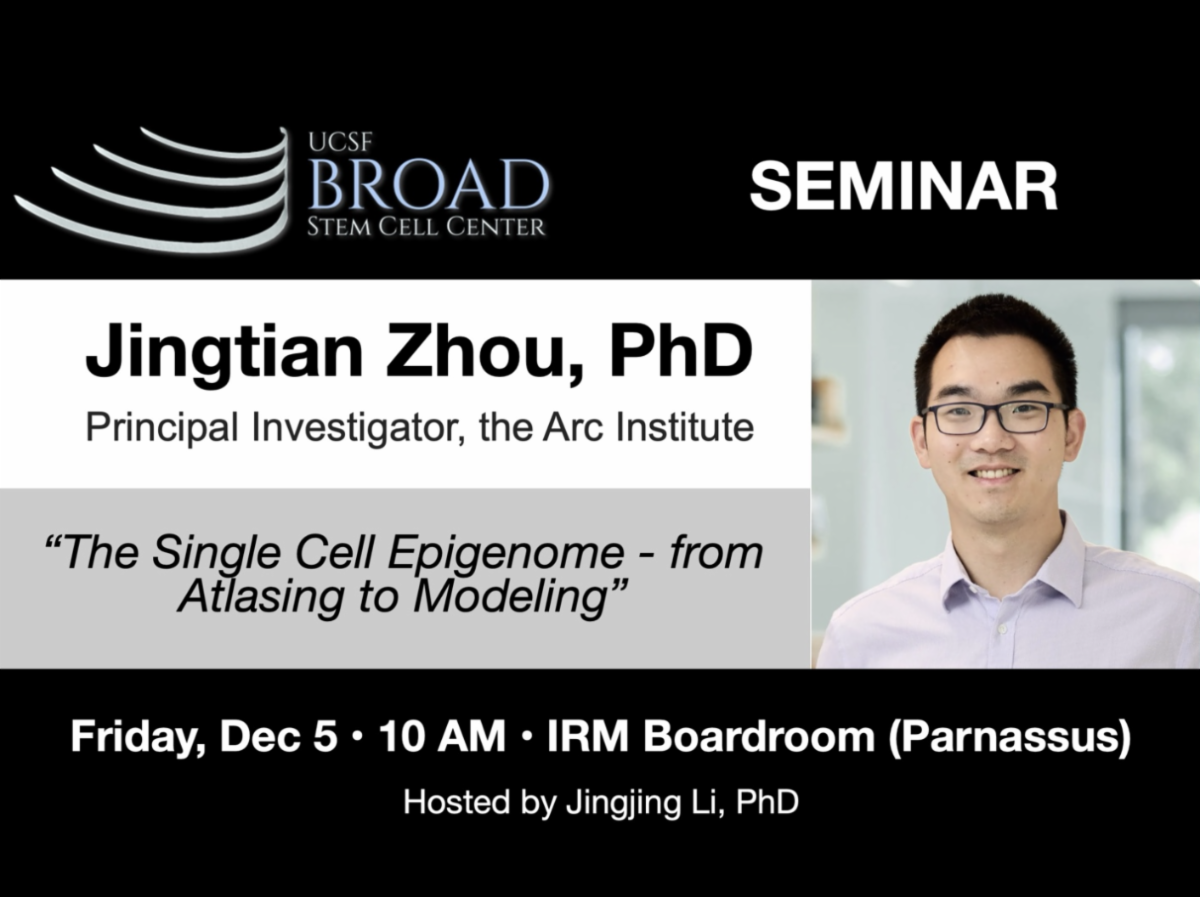
The Single Cell Epigenome - from Atlasing to Modeling
| |
|
Speaker’s Bio
Jingtian Zhou, PhD, Principal Investigator, the Arc Institute
Jingtian Zhou is a Principal Investigator and the first Science Fellow at Arc Institute.
Jingtian’s work is at the forefront of developing new machine learning frameworks that advance understanding of how genetics and epigenetics interact in diverse cell types to shape phenotypes. His research aims to push forward the understanding of gene regulatory networks in complex diseases. Before joining Arc, Jingtian received his B.S. from Tsinghua University and PhD in Bioinformatics and Systems Biology from UCSD. During his PhD, he worked in Dr. Joseph Ecker’s laboratory at the Salk Institute and Howard Hughes Medical Institute. He has been working on integrative analysis of multi-modality single-cell data to characterize cell-types and understand gene regulation dynamics.
He leads/coleads the development of computational tools scHiCluster and ALLCools, to comprehensively analyze single-cell 3D genome structure and DNA methylation data, respectively. He also leads/coleads the efforts of applying snmC-seq (profiling DNA methylation at single-cell resolution), epi-retro-seq (combined snmC- seq with retrograde virus tracing), and snm3C-seq (simultaneously profile DNA methylation and chromosome conformation in the same single cell), to large scale mouse brain or human tissue samples to construct brain and tissue atlas of gene regulatory landscape.
Selected Publications (* denotes equal contribution, † denotes corresponding authors)
1. Zhou J*†, Wu Y* , ..., Dixon JR†, Ecker JR†. (2025). Human body single-cell atlas of 3D genome
organization and DNA methylation. bioRxiv.
2. Li H*, Tao B*, ..., Zhou J†, Xu M†, Fan R†. (2025). Spatially decoding genotype-associated epigenetic
landscape in human lymphoma FFPE tissues via epi-Patho-DBiT. Under Review.
3. Zhang S*†, Shu H*, Zhou J*, ..., Zeng J†, Tsao PS†, Snyder MP†. (2025). Deconvolution of polygenic risk score in single cells unravels cellular heterogeneity of complex human diseases. Nature Biotechnology. In press.
4. Heffel MG*, Zhou J*, Zhang Y*, Lee DS*, Hou K*, ..., Paredes MF†, Luo C†. (2024). Temporally distinct 3D multi-omic dynamics in the developing human brain. Nature, 635(8038), 481-489.
5. Zhou J*, Zhang Z*, ..., Ecker JR†, Callaway EM†. (2023). Brain-wide correspondence of neuronal epigenomics and distant projections. Nature, 624(7991), 355-365.
6. Liu H*, Zeng Q*, Zhou J, ..., Ecker JR†. (2023). Single-cell DNA methylome and 3D multi-omic atlas of the adult mouse brain. 7. Tian W*, Zhou J*, ..., Ecker JR†. (2023). Single-cell DNA methylation and 3D genome architecture in the human brain. Science, 382(6667), eadf5357.
8. Yang Z*, Zhou J*, Fei F*, ..., Zhou S†, Zhao L†, Rich JN†. (2023). Chronic stress-induced emergence of stress-associated macrophages represent therapeutic vulnerabilities for glioblastoma. Under Review.
9. Wang B*, Jones J*, Zhou J*, Tian W*, ..., Gage FH†, Ecker JR†. (2023). Epigenome erosion in Alzheimer's disease brain cells and induced neurons. Nature, 624(7991), 366-377.
10. Liu H*, Zhou J*, ..., Ecker JR†. (2021). DNA methylation atlas of the mouse brain at single-cell resolution. Nature, 598(7879), 120-128.
11. Zhang Z*, Zhou J*, ..., Ecker JR†, Callaway EM†. (2021). Epigenomic diversity of cortical projection neurons in the mouse brain. Nature 598(7879), 167-173.
12. BICC Network. (2021). A multimodal cell census and atlas of the mammalian primary motor cortex. Nature, 598(7879), 86.
13. Lee DS*, Luo C*, Zhou J*, ..., Dixon JR†, Ecker JR†. (2019). Simultaneous profiling of 3D genome structure andDNA methylation in single human cells. Nature methods, 16(10), 999-1006.
14. Zhou J*, Ma J*, Chen Y*, ..., Ecker JR†. Robust single-cell Hi-C clustering by convolution- and random- walk-based imputation. (2019). Proceedings of the National Academy of Sciences, 116(28), 14011-14018.
15. Zhang S*, Hu H*, Zhou J*, ..., Zeng J†. (2017). Analysis of ribosome stalling and translation elongation dynamics by deep learning. Cell systems, 5(3), 212-220.
16. Luo Y*, Zhao X*, Zhou J*, ..., Chen L†, Zeng J†. (2017). A network integration approach for drug-target interaction prediction and computational drug repositioning from heterogeneous information. Nature communication
| | | | |
We invite you to be part of our journey! Help us grow our Institute and support our efforts to further human genetics research and education and the application of this important work to human disease and patient care. Donations of all sizes expand our impact across the field of human genetics and, in particular, to our faculty and student researchers. Please consider making a tax deductible donation. We are most grateful!
Donate Online
After clicking on the button below, make a gift.
| | Thank you - We appreciate your support | | | | |