"It’s time for policymakers to consider what many researchers have found: Racism itself, as much as poverty or any other factor, is part of why Black babies are more likely to die... Multiple studies have shown that simply being Black – even if you’re wealthy, well educated and generally healthy – can harm your chances of having a healthy baby. Studies by the Harvard T.H. Chan School of Public Health, the American Psychological Association and others have shown that racism – not just race – can influence interactions with health care providers, as well as physiological effects in women, that harm babies’ prospects. A primary health consequence of racism, even for the most successful and privileged of Black and brown people, is constant, chronic stress." |
|
who: Columbus Dispatch editorial board, influenced by Ohio Reps. Emilia Sykes and Erica Crawley
|
|
|
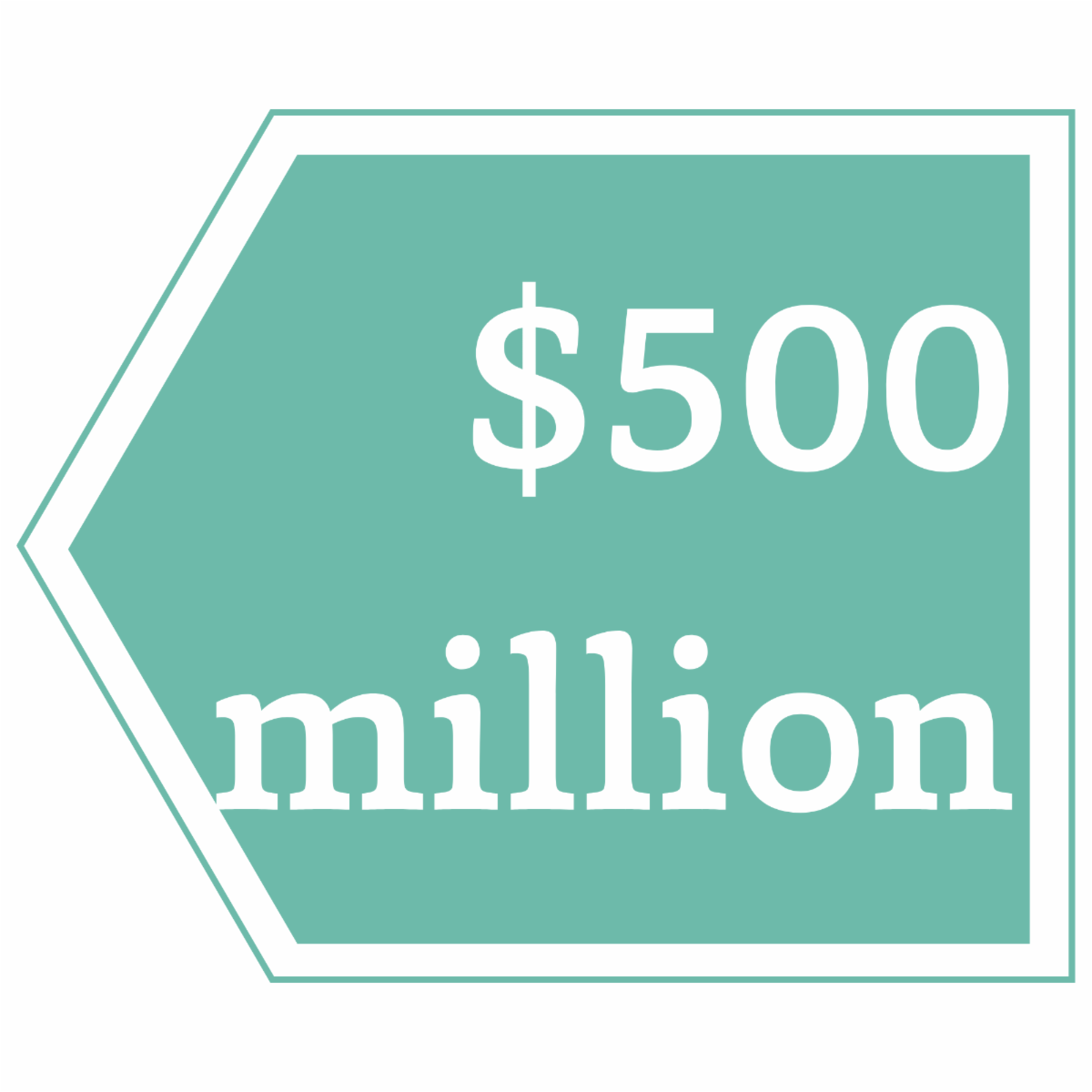
The amount of funding proposed ($500 million) by Gov. Mike DeWine to continue wellness initiatives in K-12 schools for fiscal year 2022. This would represent a 25% increase from current funding levels ($400 million in FY 2021). |
|
|
Biennial budget
The state’s biennial budget process kicked off this week, with the governor releasing his spending priorities. Below are some highlights of what’s included or prioritized:
-
The overall size of the spending bill is $171.6 billion over two years, which represents small increases each year from current spending.
-
One major highlight is the $1 billion in one-time funds in response to Ohio’s concurrent economic and health crises. These would go toward small business relief, infrastructure, broadband access, and what appears to be a public relations effort to portray Ohio in a positive light and attract residents.
-
The student wraparound wellness funds that Gov. DeWine championed in his first budget received a proposed expansion of $100 million, which would bring the total program to $500 million in FY22 and then to $600 million in FY23.
-
K-12 school funding would receive small increases as well. Foundation funding would grow to $6.84 billion in FY22 and $6.81 billion in FY23 (up from $6.67 billion).
-
Meanwhile, the state’s early childhood education grant to fund preschool for eligible four-year-olds, is flat-funded.
-
$6 million is earmarked for emergency mental health funds for K-12 schools.
-
Eligibility for publicly subsidized child care would move slightly, from 130% of the federal poverty level to 138%.
-
Other signature programs and investments that appeared in DeWine’s first budget receive new funding. The state’s Help Me Grow home visiting program would receive an additional $1.9 million, and $14.3 million is set aside for lead mitigation efforts.
|
|
California’s governor kicked off the new year with a budget request for expanding pre-K. Specifically, the proposal would allocate $250 million (in one-time funds) to incentivize the expansion of the state’s “transitional kindergarten” (TK) program for four-year-olds, $200 million for facilities, and $50 million in training for TK and kindergarten teachers.
Colorado only has enough licensed early educators to provide care for about 40% of children under 6 in the state. Because of this, one of the innovative goals from the state’s Early Childhood Workforce plan is to expand upon programming in high schools to help fill the workforce gaps in licensed early childhood settings.
Advocates in New Mexico are confident that they will soon achieve a change to their state constitution to secure stable funding for education for children 0-5. If successful, it would be the first state to guarantee a right to education for children below age five. The new funding would be directed to universal preschool for three- and four-year olds, expanding child care to reach more families, and enhancing the state’s home visiting program.
|
|
Also from Early Learning Nation, here is an article about why universal child care is neither a new idea nor an unprecedented one. In fact, the U.S. once had a robust universal child care system during WWII. Findings of the program showed for each $100 increase, children’s annual earnings later in life rose 1.8 percentage points, high school dropout rates fell by 1.8 points, and college graduation rates rose 1.9 points.
NIEER covers how states can support parent choice for early learning, arguing that “states should consolidate, integrate, and augment their expertise to focus on the entire early childhood ecosystem.” The authors also recommend states provide more information to parents about early childhood options available to them to make the best choice for their needs.
This Newsweek op-ed makes the case for a significant economic investment in the recruitment and training of potential early childhood educators and in the retention of current teachers who currently have little incentive to stay in the field.
|
|
A new study shows that the Moms2B program at The Ohio State University Wexner Medical Center can help reduce adverse pregnancy outcomes among key at-risk populations. The program, which serves 2,500 women, has helped make positive improvements in Franklin County’s infant mortality rate. Read more about it the research (and this program) here.
Here’s a study that confirms what we likely already knew: Working parents (especially mothers) are struggling with balancing work and child-rearing. Read more about the analysis (conducted by the Pew Research Center) here.
The First Five Years Fund outlines a new CDC report that synthesizes findings on how Head Start programs have mitigated the spread of COVID-19 in their programs. The report was based on a mixed-methods study of data from eight states between September and October of last year.
|
|
This edition written by: Jamie Davies O'Leary, Associate Director of Policy and Caitlin Lennon, Communications & Policy Specialist |
|
|
|
|
|
|