|
Happy Independence Day!
Here's Some Summertime News You Can Use From
Prickly Ed's Cactus Patch Native Plant Emporium
July 4, 2024
| |
Be Sure to Visit our Updated and Expanded Website.
We wanted to be sure to let you know that we have updated and added lots of additional resources to our website. We especially focused on expanding tools, guides, lists, videos and links to help you get started on planning for your late summer and early fall habitat building projects. Be sure to set aside some time over the summer to explore!
| |
| |
|
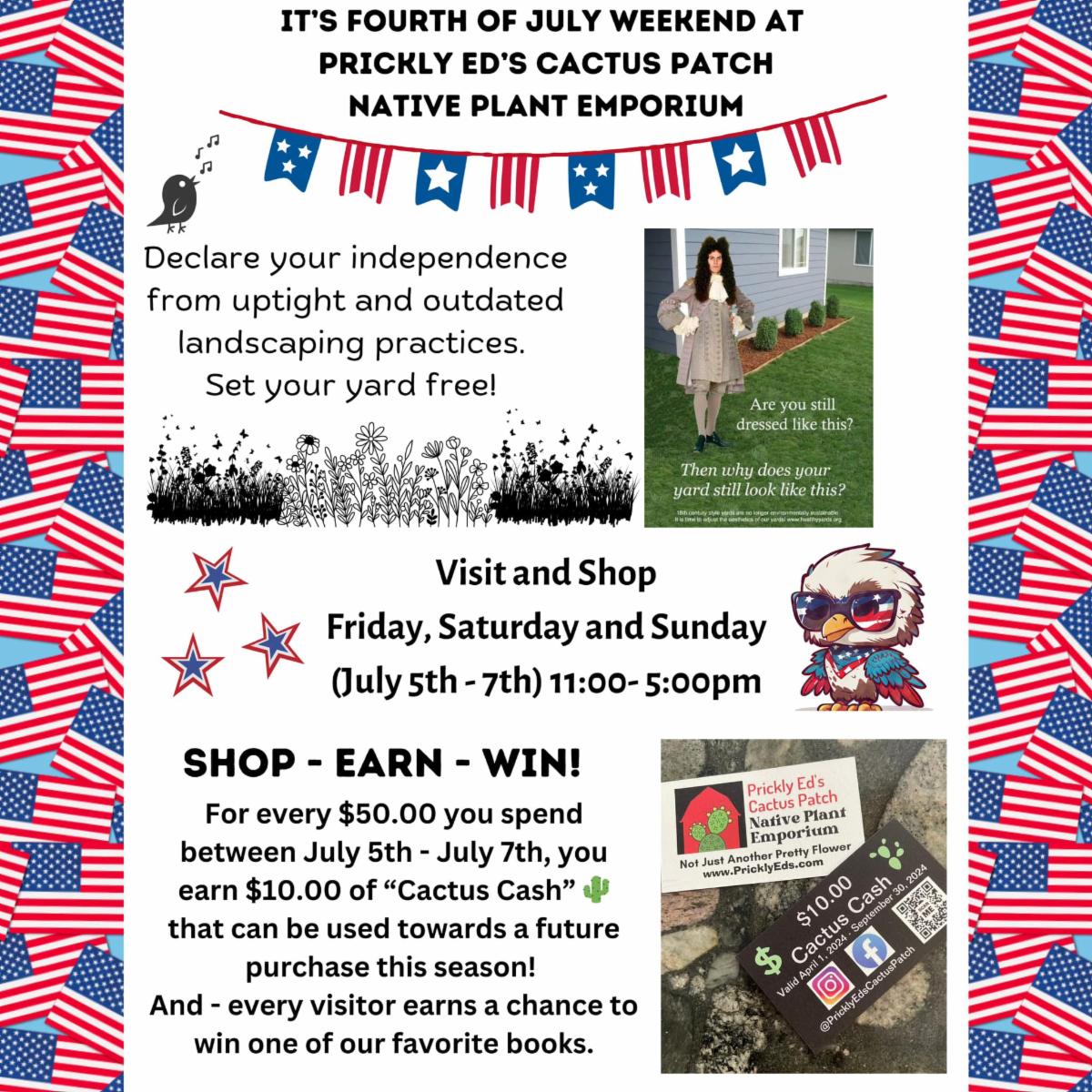
Planning a Staycation this Fourth of July long weekend? Make plans to stop by the Native Plant Emporium to check out some of the great plants we have on the shelves. We are open regular hours - Friday, Saturday and Sunday 11-5. This week only you can shop and earn "Cactus Cash" to use towards future purchases. For every $50.00 you spend you will earn $10.00 to use on a future trip this season! We will also be holding book raffles to add to the fun. There are currently more than 200 varieties of Northeast Native perennials, shrubs and small trees in stock and ready for your habitat building projects. You can view our most up to date plant list on the website HERE.
We know that many traditional garden centers have already closed down for the season. As we have been saying since last winter, the native plant season is very different from the traditional garden season you have grown accustomed to. Many of the showiest native plants don't even begin to emerge until mid-June and are just starting to hit their peak growth now. Our plants are also not forced prematurely in greenhouses, they are grown outdoors with natural cycles so that growth and bloom time are matched to natural rhythms. That means now through our closing time at the end of October will be some of the very best times to get the very best plants! Start planning those exciting big fall planting projects now and use these warmer summer months to fill in some garden holes or make edits to things that may not be working out quite the way you had hoped.
Things slow down here a bit in the summer, but we will continue to be here every weekend (Friday, Saturday and Sunday 11-5) for drop in shopping, so we are more available to spend time with you brainstorming about your fall plans. Now is also the time to talk to us about your special order needs for future projects. Plan ahead and order now to ensure availability of the things you need.
| |
Our newsletters are reducing in frequently as our time is increasingly pulled outside. But, we encourage you to follow along on Facebook and Instagram for all the latest news, tips, happenings and information - and be sure to invite your friends! Click the buttons below to join us. | |
On July 2nd we celebrated "World Firefly Day". Mark this important occasion by learning more about all of the ways you can create a thriving firefly habitat at home. | |
|
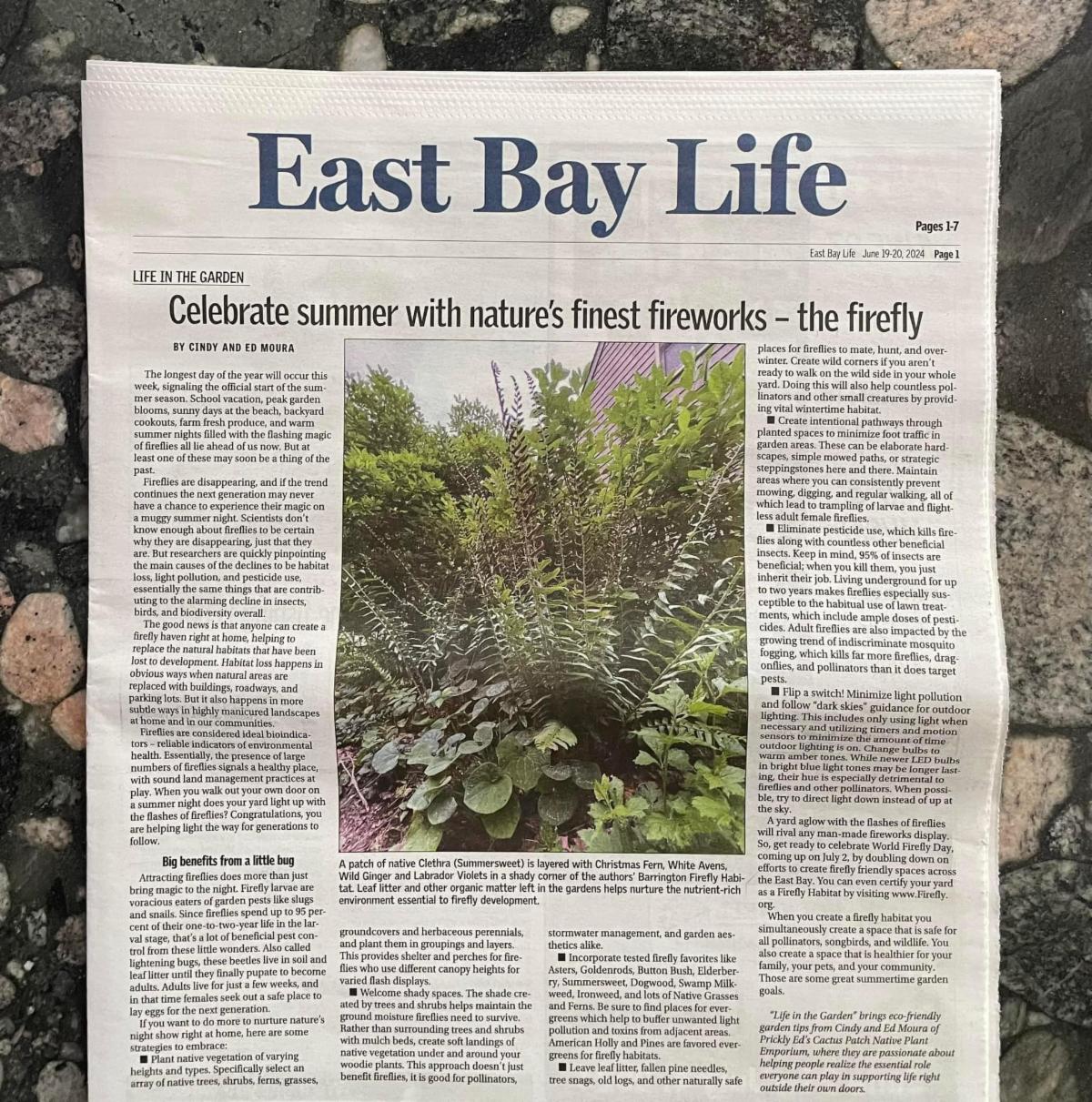
In case you missed it, be sure to read our latest "Life in the Garden" article in East Bay Life. We are celebrating summer with nature's finest fireworks - the firefly. Click on the image below to read the article in its entirety. Here's an excerpt to get you started...
“Fireflies are considered ideal bio-indicators - reliable indicators of environmental health. Essentially the presence of large numbers of fireflies signals a healthy place, with sound land management practices at play. When you walk out your own door on a summer night does your yard light up with the flashes of fireflies? Congratulations, you are helping light the way for generations to follow.”
If you are not an East Bay Life subscriber or you have trouble accessing their website you can also always read these monthly articles through the Blog on our Website which you will find right HERE.
|  |
Isn't it Time to Rethink the Traditional Lawn?
We think so!
Americans love green grass so much that it is the most irrigated crop in the United States. According to the Environmental Protection Agency, landscape irrigation in the U.S. accounts for one third of residential water use for a total of nine billion gallons a day, the equivalent of enough drinking water for every person in the world for two days – drink that in.
Water is not the most troubling thing being poured onto lawns. Americans use ten times more pesticides on lawns than farmers use on crops according to the U.S. Fish and Wildlife Services. This amounts to 80 million pounds of pesticides spread across neighborhoods despite mounting research pointing to serious health concerns for both the humans and pets who spend time in those spaces.
Lawn chemicals also account for most documented wildlife poisonings each year. Birds are particularly vulnerable to this hazard since it is common for them to mistake pesticide granules for food. Indeed, an estimated seven million wild birds die each year due to the purely aesthetic use of common “Weed and Feed” step programs. These same products adversely impact essential pollinators like foraging native bees, kill countless beneficial insects, and are complicit in the stark decline of fireflies that once lit up night skies...
CLICK HERE TO CONTINUE READING THE ARTICLE
| | | |
|
|
Sharing a Wonderful Pollinator Passionate Customer Story ...
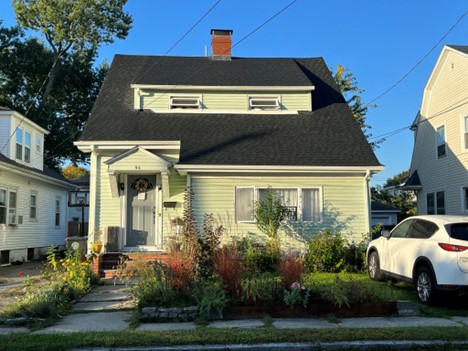
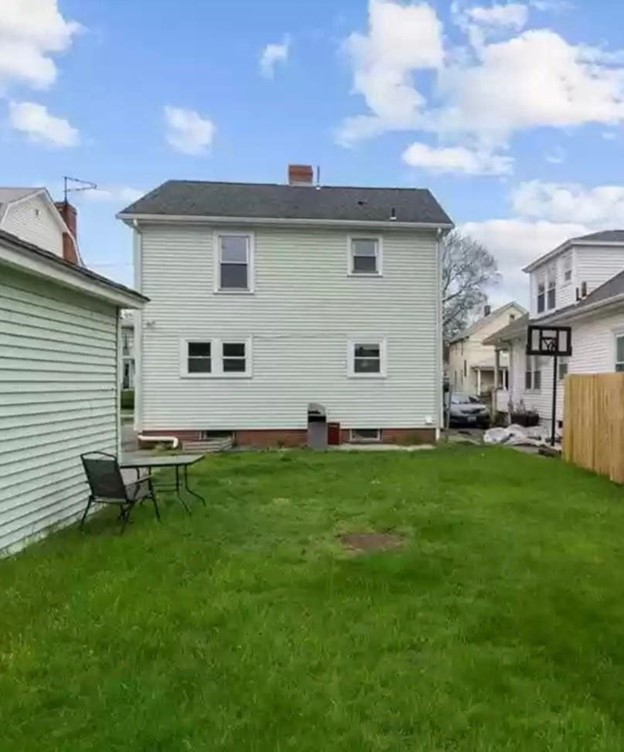
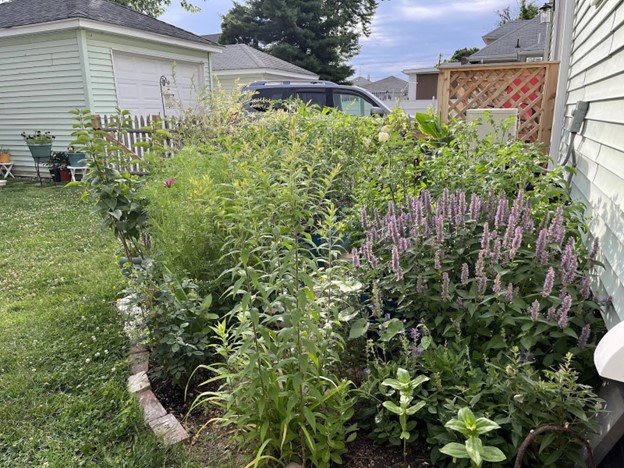
In this edition of our newsletter we are delighted to tell you a bit about the yard transformation of one of our customers who travels all the way across the bridge from Cranston. And this is our cue to say a heartfelt thank you to all of you who have continued to make the trek to the East Bay despite a few traffic hiccups here and there. We appreciate you! Sara Marsh bought her house in Cranston in 2021 and at that time there was nothing but a lot of grass, a few overgrown gardens and a whole lot of weed barrier fabric. She immediately got to work transitioning the space to a blooming, buzzing space that she and the pollinators alike could enjoy.
Sara told us that she has always been interested in gardens, and growing up in rural Wisconsin she was very aware of the importance of pollinators. She credits her grandmothers Jo, Florence, and Lila who were all amazing and accomplished flower and vegetable growers with providing her with the early education that set her on a pathway to becoming a gardener herself. Sara also emphasized that her mom-in-law Tala has been an immense help since moving East. Tala really helped Sara up her gardening skills.
Sara describes her main goal as having as many flowering plants as possible and blending beauty with benefits for pollinators. She wants to keep just enough grass to lay on and for her dog to play on but is transitioning the rest to garden spaces. Sara came to Rhode Island with garden enthusiasm and knowledge but has also relied on local resources for plants and information. Although she emphasizes the importance of local plants she does love to turn to UK’s Favorite Gardener, Monty Don of Gardener’s World for some great garden tips.
In Sara's neighborhood which is equal parts renters and long time homeowners her yard's transformation has been met with positivity and curiosity, especially from local children who enjoy hearing Sara talk about the plants, the bees and the crawly things alike. She reports that when people come to visit they don't even need to look for the house number, they can tell it is her house just from the gardens outside - goal achieved!
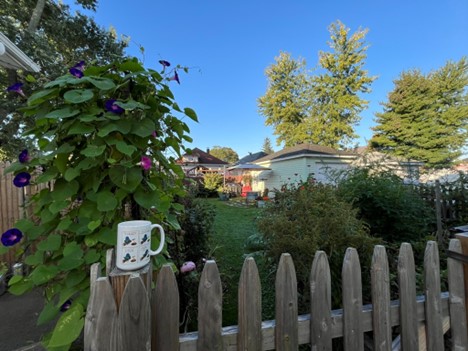
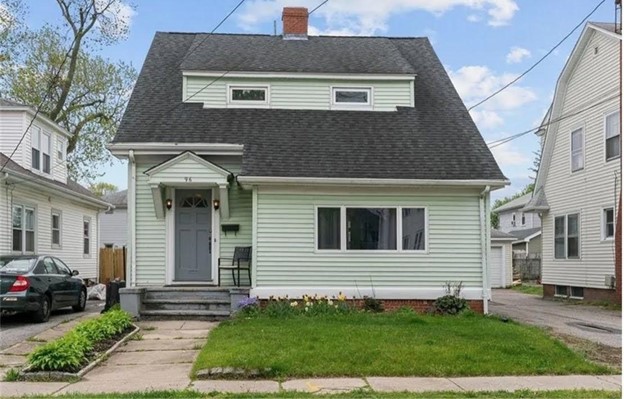
Take a look at the great before and after photos Sara shared. Thanks Sara for being part of the buzz!
| | | |
Don't Forget to Dig In to New Planning Resources | |
Late summer and early fall are fabulous times to tackle habitat building projects at home and in the community. Spend time in the heat of summer relaxing with a glass of ice tea, or a nice craft cocktail, and try to just enjoy your buzzing gardens while making big plans for cooler days and nights ahead. Be sure to take a stroll around your garden nearly every day. That's how quickly things can change this time of year. Make note of places that need some adjusting and be sure to also pay close attention to what is working well. Your yard and gardens are giving you clues about the kinds of things that want to grow there. We have added several new planning resources to our website and encourage you to explore them by clicking the button below. Resilient gardens are built by matching the right native plant to the right place. Doing this requires spending time understanding your site conditions and also spending time researching plants to learn about their many characteristics. While we love a good plan we also want you to know we will continue to have some fabulous showy plants on the shelf this summer if you need to make an impulse purchase or two or three! Or just need to "dress up" your garden a bit for summer parties and backyard barbeques. | |
SAVE THE DATE!
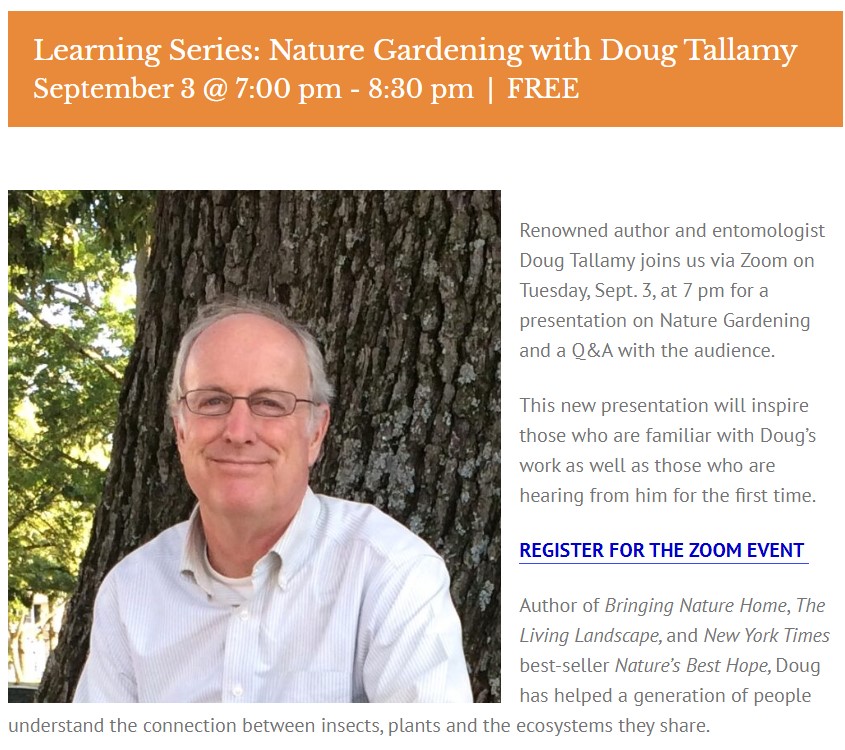
Nature Gardening with Doug Tallamy -
Hosted by Barrington Land Conservation Trust
Click on the image below to learn more about this upcoming virtual BLCT program and to register to reserve a space at the event.
Prickly Ed's is pleased to be a sponsor of the BLCT 2024 Learning Series
| |
All Aboard the Pollinator Pathway Tour!
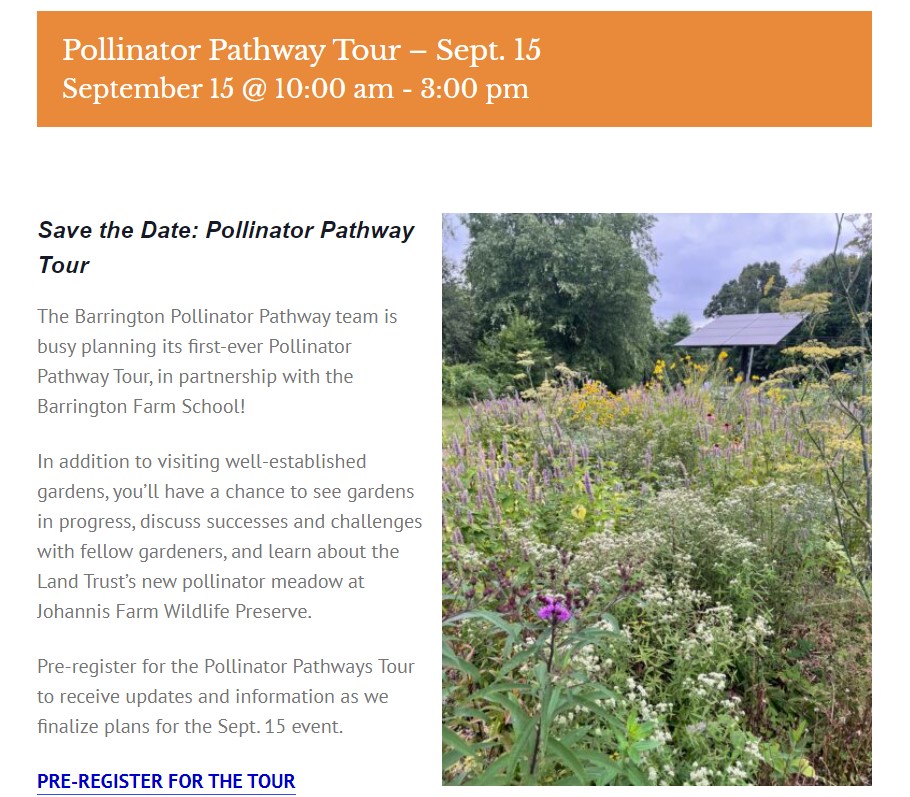
Click on the image below to learn more about the first ever Barrington Pollinator Pathway Tour! You can pre-register to be sure you get all of the latest updates.
Our own yard, in all of its chaotic wildness will be one of the many stops on this fun filled buzz about town. Don't miss it!
| |
We often become aware of exciting events that we know you wouldn't want to miss. Be sure to follow us on Social Media where we share lots of information about local happenings. | | |
Have you Joined the Northeast Pollinator Pathway? What are you waiting for?
Click on the medallion to learn more about the Northeast Pollinator Pathway. Have you seen any of these markers around your town? The sign of the purple butterfly indicates that the property is part of the pathway project. Places on the pathway have committed to:
- Reduce Lawn Areas
- Plant Native Plants
- Remove Invasive Plants
- Eliminate Pesticides
- And More!
| |
|
Barrington residents, be sure to connect with the team at the Barrington Pollinator Pathway to learn more about ways you can be part of the 02806 buzz. Click here to Connect. | |
Featuring One of Our Own Favorite Pollinator Habitats
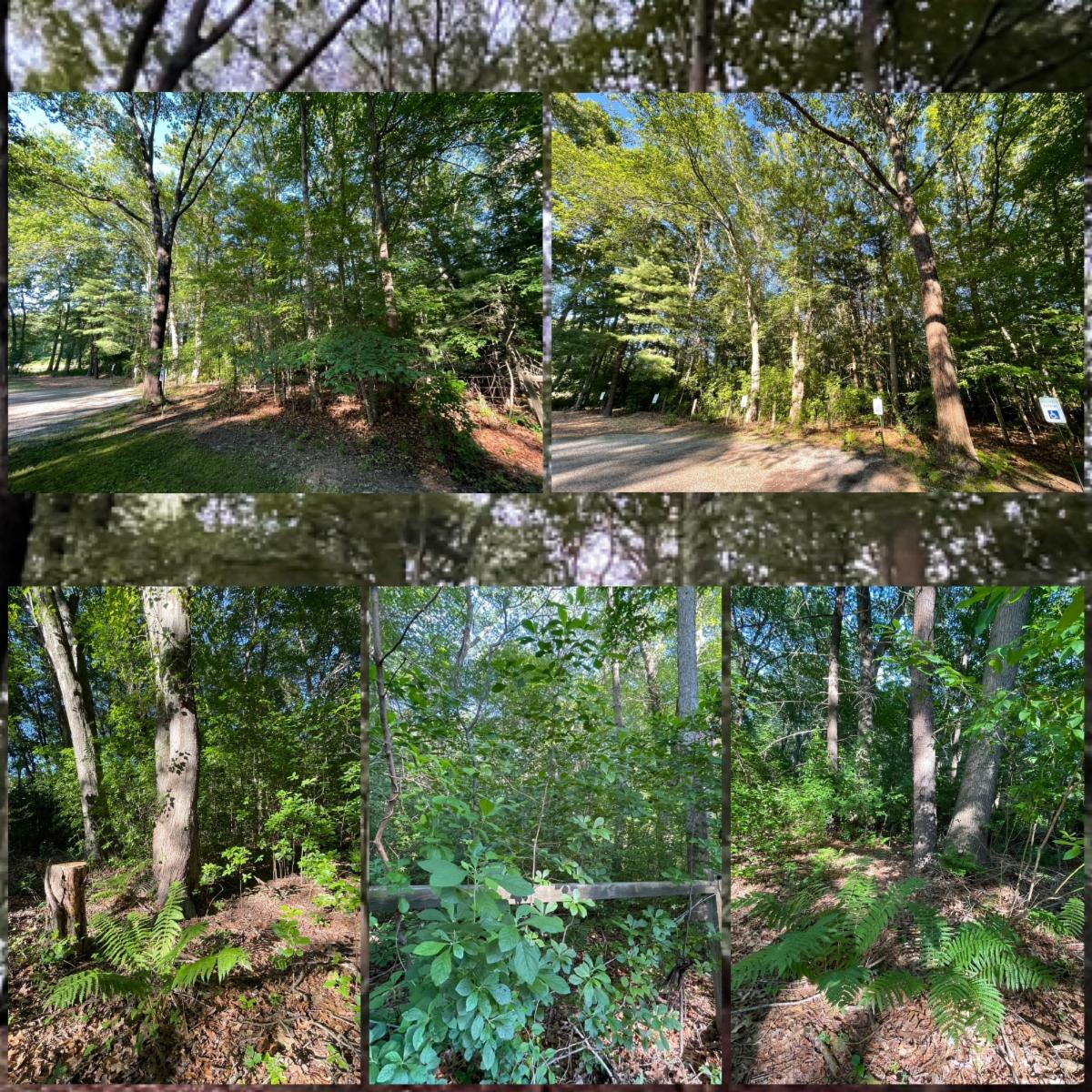
The photo collage below features scenes from a pollinator paradise here on our own property. This photo may feel confusing to some of you. After all, when we see images of "pollinator gardens" they are usually awash with bright, showy flowers. And indeed, it is those bright showy flowers that will bring butterflies, bumblebees and hummingbirds buzzing in for the nectar and photo ops. But, without the critical native host plants that allow pollinators to complete their entire life cycle you will never see those showy butterflies or beneficial nighttime pollinating moths. And without appropriate wintertime habitat, many of our native bees will not be able to raise the next generation of buzzing friends. So, what is the photo below showing exactly? Great question! This is a community of plants working together to form a habitat. They are all native host plants for butterflies and moths - they are necessary to help these fabulous creatures complete their life cycle. Part of that life cycle involves the caterpillar stage and those same caterpillars provide essential food for nesting birds. Remember, one clutch of chickadees requires more than 6,000 caterpillars to successfully fledge - wow! To give you a better idea of what we mean we have listed a few of the plants residing in this plant community and next to the plant name we list the specific number of butterfly and moth species that use them as host plants for their caterpillars. This information is found on the National Wildlife Federation Native Plant Database - you can explore this amazing tool right HERE.
Oak 435
Black Cherry 381
Red Maple 265
Blueberry 258
White Pine 214
Fox Grape 65
American Holly 40
Black Tupelo 34
Sassafras 28
Virginia Creeper 27
Summersweet 11
Cinnamon Fern 3
In this same space, leaves are left where they fall to provide cover for overwintering pollinators and other wildlife. There are also tree snags, fallen logs and other materials that are essential nesting sites for many solitary bees. The varied plant height, and largely undisturbed understory is also prime space for fireflies! You should see the nighttime show. So, the next time you hear someone talking about a pollinator "garden" remember to shift your thinking and the conversation to a broader view of habitat and all the ways that our spaces contribute to a viable future for pollinators - and ourselves.
| | | |
Ready to Recapture and Reuse the Rain?
Recapturing and reusing rain helps to save water and it also helps to reduce stormwater runoff. These are both great goals! Rain barrels are back in stock and ready to go home with you. These upcycled food grade barrels are all set to be connected to your downspouts and start making great use of the free water that falls from the sky. Available in white or blue - and paintable if you are so inclined.
Speaking of stormwater management, this is a perfect time to remind you to consider all of the different ways that your yard can become a bit more spongy. CLICK HERE TO READ ALL ABOUT IT!
| | |
Help Us Bring More Life to Our Region | |
We are on a mission to bring life back to area yards and gardens but we can't do it without all of you. Share this message with others using the links below. Invite friends to follow our Facebook Page. Use our newly updated website to share out helpful resources and information to friends and neighbors who are ready to grow habitat outside their own doors. With your support positive change is within reach.
| | |
|
|
Prickly Ed's Cactus Patch
6 Barneyville Road,
Barrington, RI 02806-2715
(401) 248-4785
Please note, use the address above for mailing or for GPS but the Roadside Stand/Native Plant Emporium is located in Swansea, MA directly next door to the address listed above. Just look for the sign and for the big red barn.
| |
Prickly Ed's Cactus Patch Native Plant Emporium is a super small, hyperlocal, roadside stand located in Swansea, MA directly on the border of Barrington, RI. We are focused on using native plants as a tool for building resilient landscapes that nurture life and improve communities. Offering great native plants, prickly pear cactus, magic dirt, unusual pollinator friendly annuals, organic herb and vegetable plants, lots of solicited and unsolicited advice & random curiosities designed to get your yard really buzzing. You can read all about us on our website, including the story of where the name Prickly Ed's Cactus Patch came from. And be sure to follow along on Facebook and Instagram for garden tips, helpful resources, inspirations and to make more connections. | | | | |