February 2025

Welcome to Caspian Voices, Crude Accountability's monthly newsletter for scholars, policy-makers, and civil society members.


In this edition, we are excited to share the publication of our latest report on Russia's "shadow fleet," resulting from a 2-year investigation of tracking and identifying 8 ships that facilitate the Russian oil trade. Also, as we face uncertainty at the start of the year, we share some truths for resilience in the coming days and months. Additionally, we bring you 2 new blog entries written by Dr. Gubad Ibadoghlu, as he is under house arrest in Baku, Azerbaijan. And, we highlight 2 new updates from our partners at the Save the Caspian Sea campaign.

Join us in uncovering narratives, promoting transparency, and advocating for environmental justice in the Caspian and Black Sea regions, and beyond.

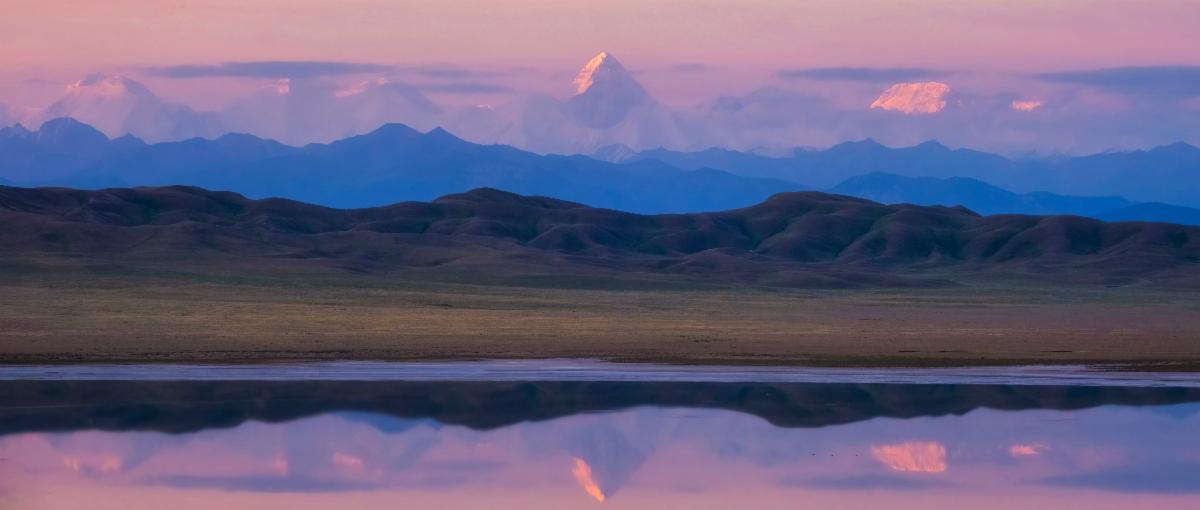
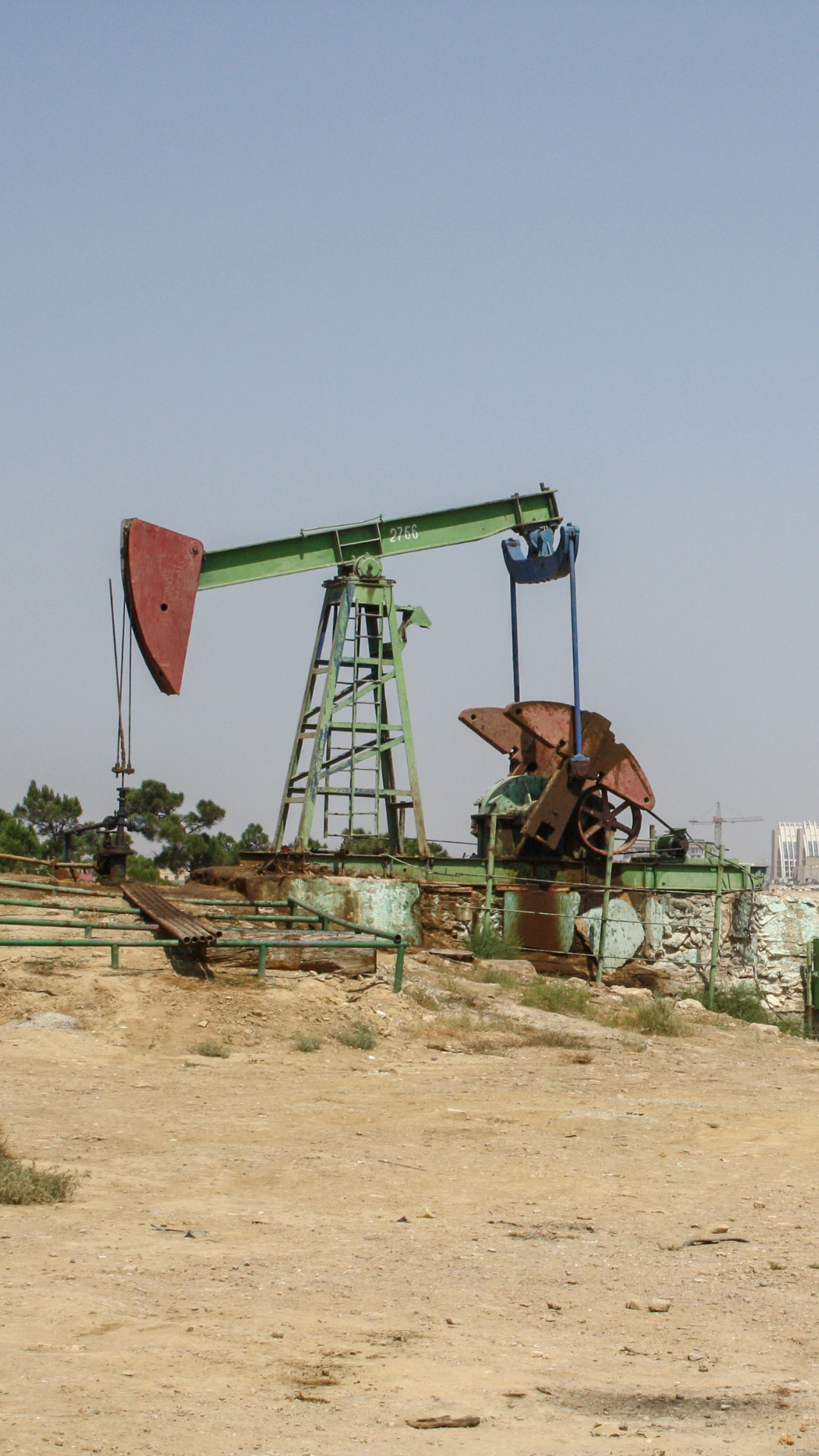
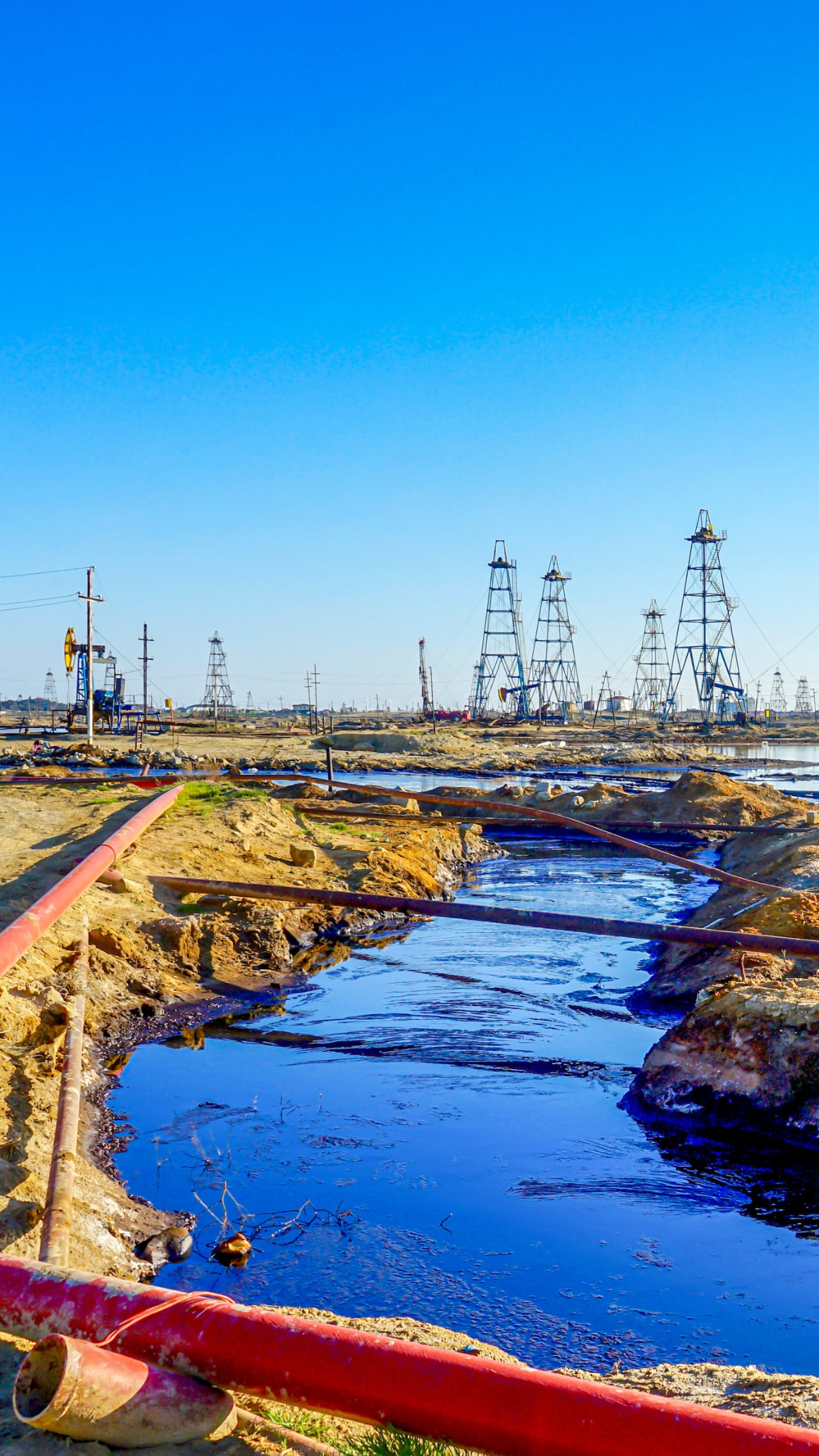
Tuzkol Lake, Kazakhstan. AdobeStock

New Report: Russia’s Shadow Fleet Exposed

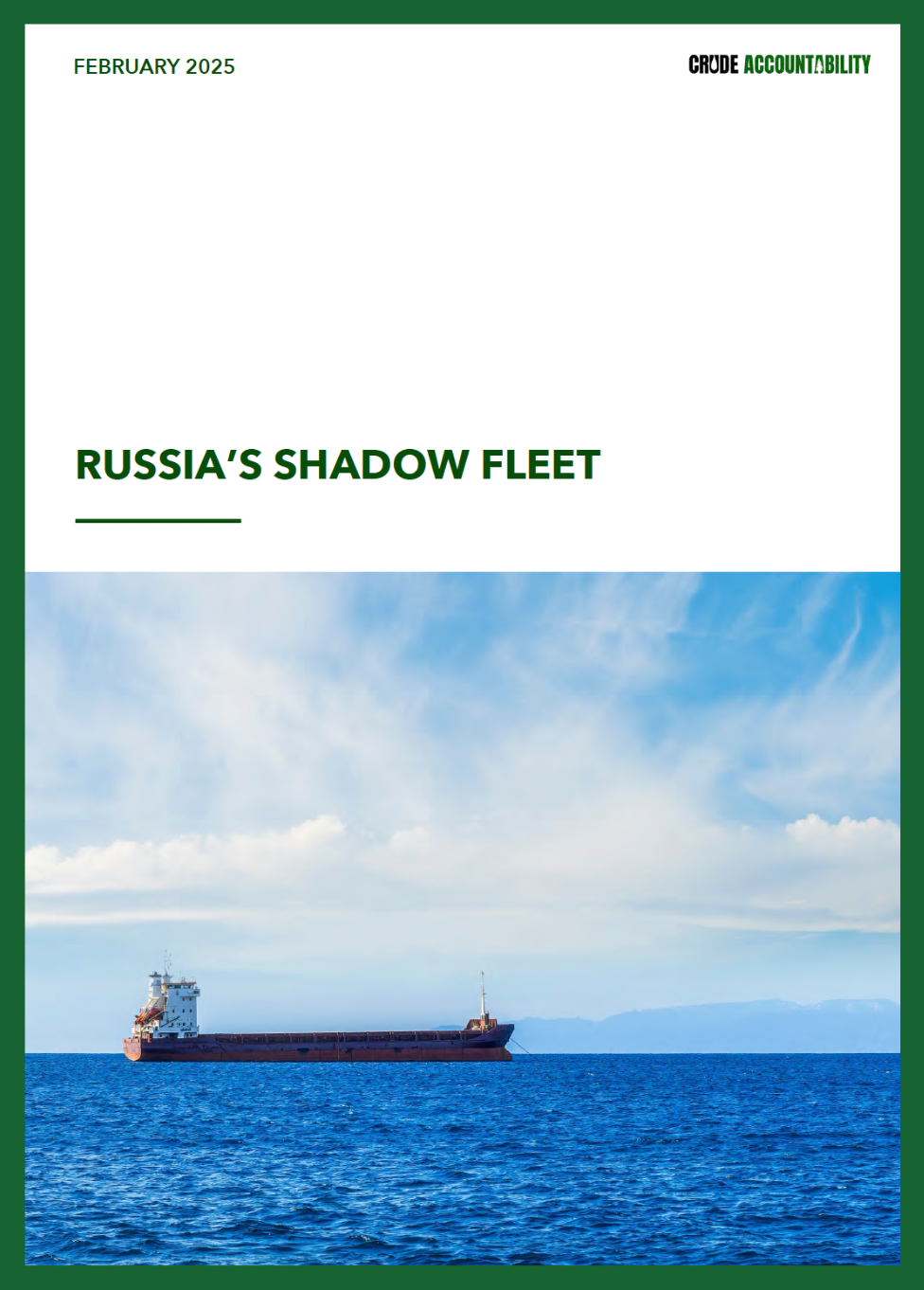
Sanctioned by the West since the start of the Russian Federation’s full-scale invasion of Ukraine in 2022, Russian oil continues to flow from the Black Sea and other Russian ports to the European Union (EU) and elsewhere.


The new report by Crude Accountability, “Russia’s Shadow Fleet,” identifies 8 ships that transport Russian oil from the ports of Murmansk, Novorossiysk, Taman, and Ust Luga, which are operated and insured by Western companies.


Additionally, the report raises environmental concerns about the shadow fleet’s poor conditions and operation of ship-to-ship transfers posing serious risks of oil spillage.


As the Russian Federation continues to wage war in Ukraine, the call to uphold sanctions and monitor ship-to-ship transfers is necessary.


Read the report.


Tracking Russia’s Shadow Fleet: A Visual Guide

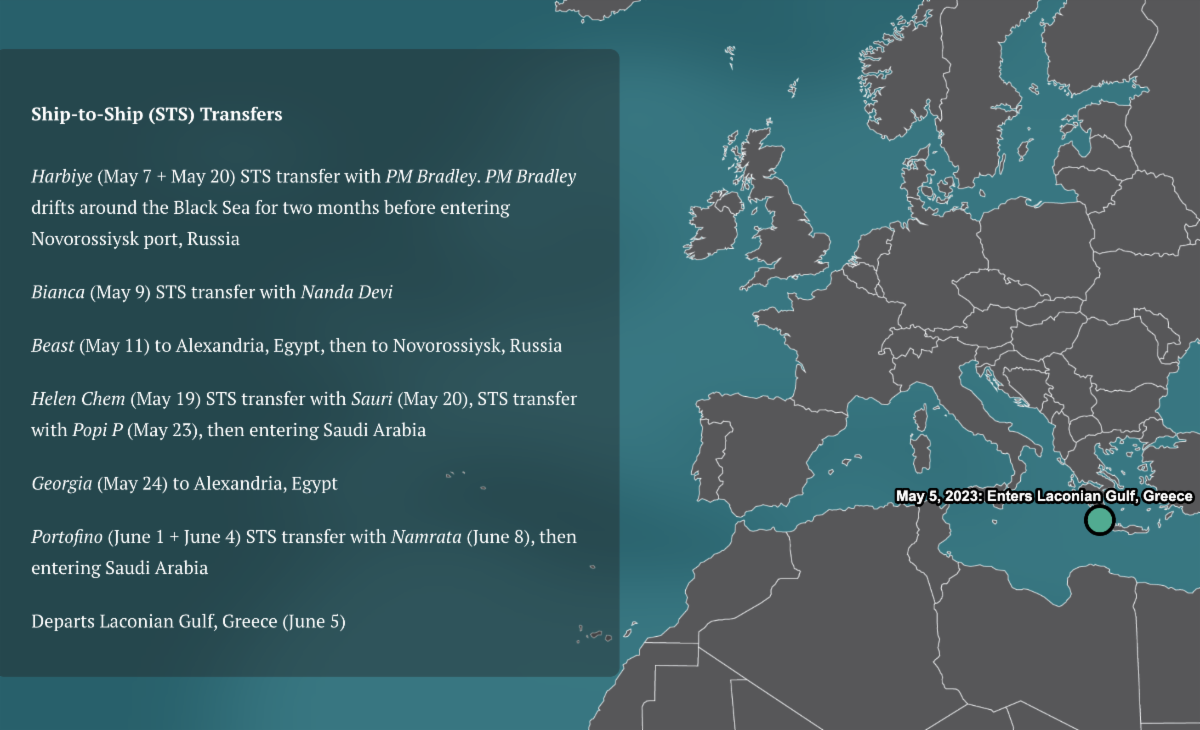
In tandem with our latest report, "Russia's Shadow Fleet," we launched an interactive webpage tracking the rogue ships that collude with the Russian oil trade. Our map exposes not only the movement of the "shadow fleet" but the holes in the international sanctions regime.


Check out the new feature on our website.


A Message from Crude Accountability in Uncertain Times

We are 3 weeks into the Trump administration, and trying to cope with the significant and multi-faceted threats it poses to democracy and civil society—both in the US and abroad—in much the same way that we have addressed concerns from authoritarian regimes across Eurasia.


Crude Accountability offers some common truths that we have learned from the past 20 years of working with environmental and human rights defenders in a variety of contexts.


Learn more about each strategy.


Azerbaijan’s failure to uphold COP pledges

Dr. Gubad Ibadoghlu with Crude Accountability publishes a new piece, “Broken Climate Pledges: Azerbaijan Undermines COP29 Climate Goals with Increased Fossil Fuel Investments,” that addresses Azerbaijan’s continued commitment to oil and gas with international and state-owned oil companies.


Despite hosting COP29 in November 2024, Azerbaijan seeks to deepen ties with European oil and gas partners, while it sees renewed American and Russian interest in the country’s fossil fuel sector.


Dr. Ibadoghlu, a renowned Azerbaijani scholar of political economy and anti-corruption activist, is known for exposing corruption in Azerbaijan’s oil and gas industry. He is currently under house arrest in Baku and denied critical medical treatment.


His work in this blog post highlights the continued negligence of Azerbaijan to a more sustainable energy transition as oil revenues decline.


We continue to call on the government of Azerbaijan to immediately and unconditionally release Dr. Ibadoghlu.


Read the blog post.


Azerbaijan’s Capacity to Provide Europe Gas Using Ukrainian Infrastructure

The latest blog entry by Dr. Gubad Ibadoghlu with Crude Accountability, "Azerbaijani Gas Exports to Europe via Ukraine: Reality or Illusion?" examines Azerbaijan's limited ability and lack of capacity to replace Russian gas in European markets.


Despite the talks at Davos between President Zelenskyy and President Aliyev on the use of Ukraine's infrastructure to deliver Azerbaijani gas to Europe, Azerbaijan faces three challenges: 1) lack of free commodity gas supply for sales 2) disintegration of Ukrainian transportation infrastructure, 3) lack of triple contract negotiations, and consent among stakeholders.


His analysis in this blog post draws attention to energy transition and security, particularly Azerbaijan's limited energy resources and transportation capacity to replace Russian gas in the European market.


Read the blog post.


Save the Caspian Sea: New Documentary

“Ecocide is absolutely an appropriate term for what’s happening in the Caspian region and we need to act now.”


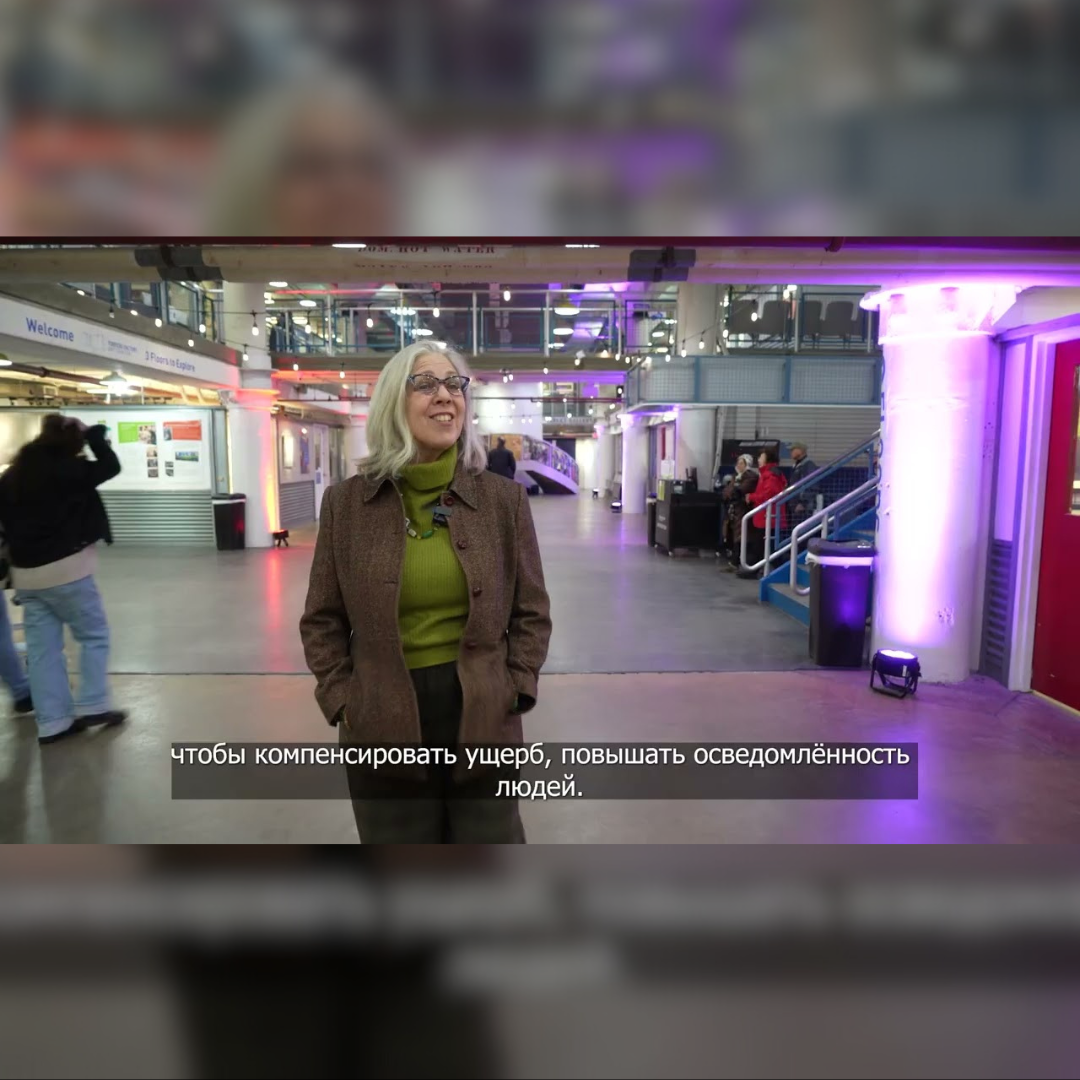
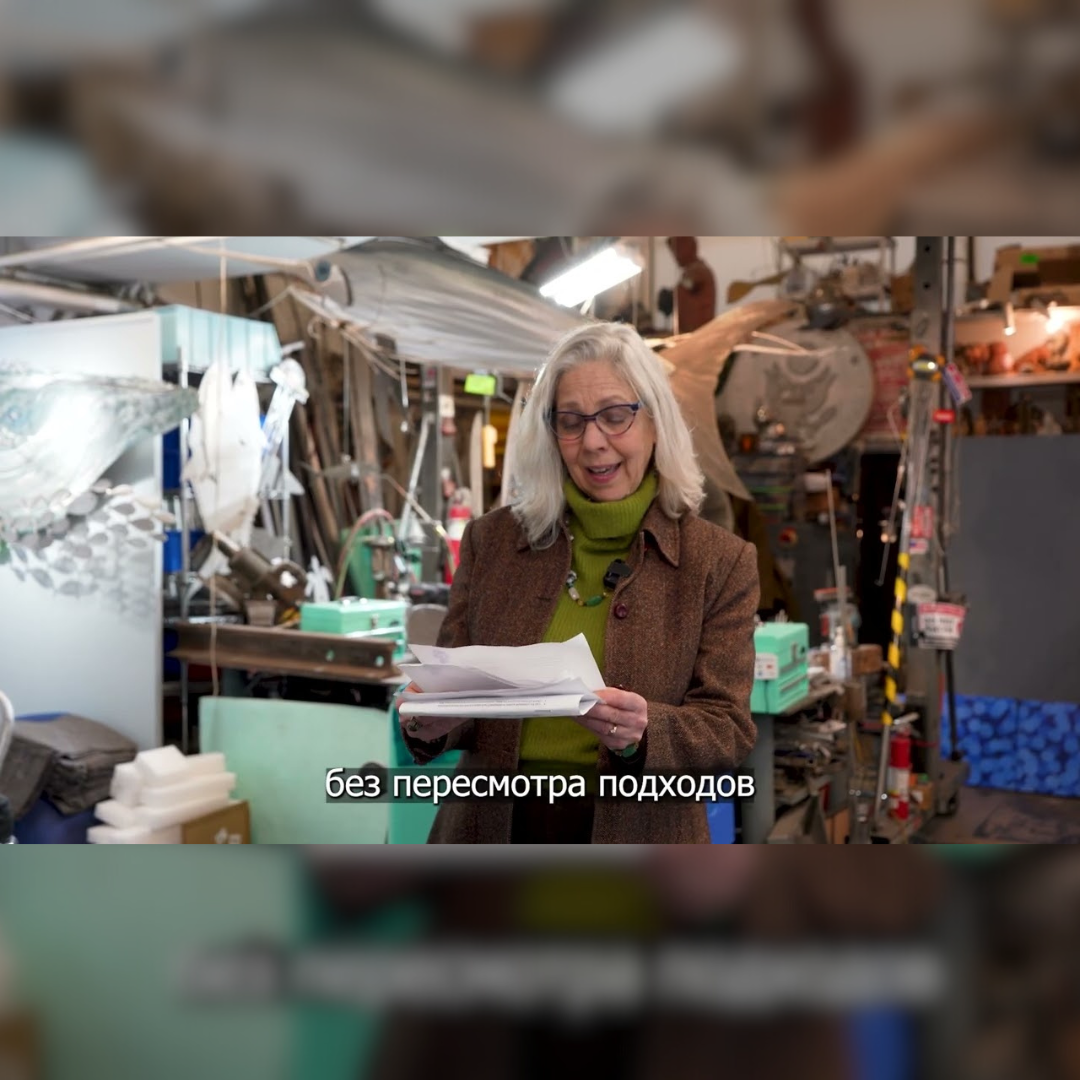
Our Executive Director, Kate Watters, is featured in a new documentary by Save The Caspian Sea, speaking on Crude Accountability’s projects on Karachaganak and Berezovka, and the new grassroots movement to protect the Caspian Sea from big oil.


Watch the film.


Save the Caspian Sea: You.Sea.Problem

On February 14, the Save The Caspian Sea campaign held its second roundtable, You.Sea.Problem, in Astana, Kazakhstan, to address the environmental crisis in the Caspian Sea basin.


Our Executive Director, Kate Watters, spoke about the current destruction of the Caspian Sea’s ecosystem by big oil and highlighted the proven strength of community-led efforts to protect the region.


Watch the full video address.


Images in this newsletter are licensed for editorial use via Adobe Stock or belong to Crude Accountability.

Support Us
 
Connect with us
Linkedin  Facebook  Instagram  Youtube
Crude Accountability website: https://crudeaccountability.org/