Reflecting on Our Time at the Sharks International 2026 Conference | | |
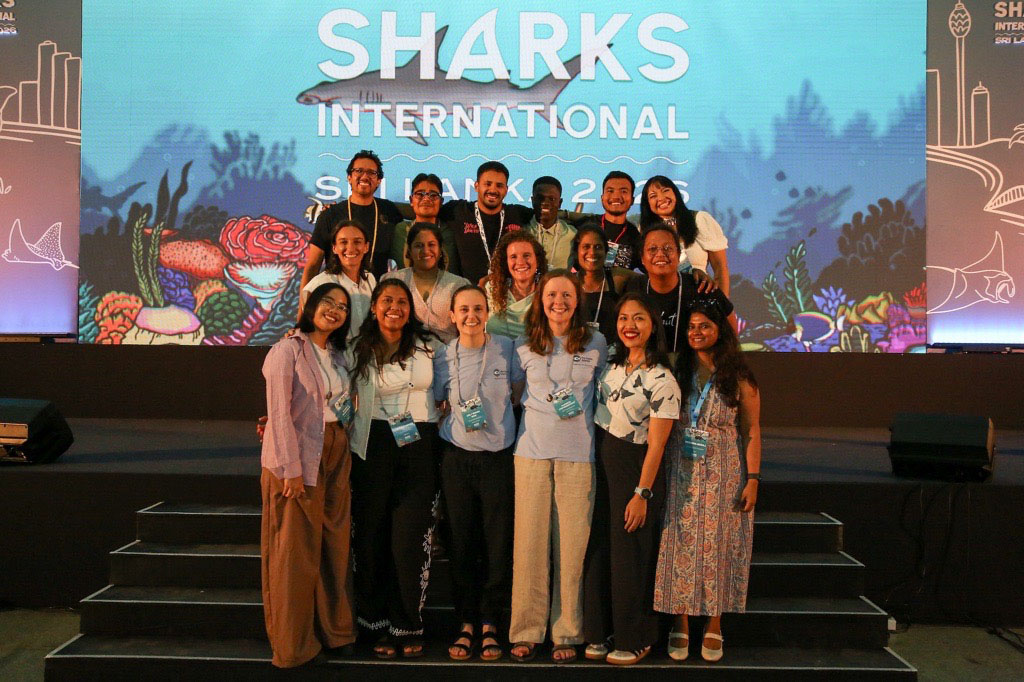
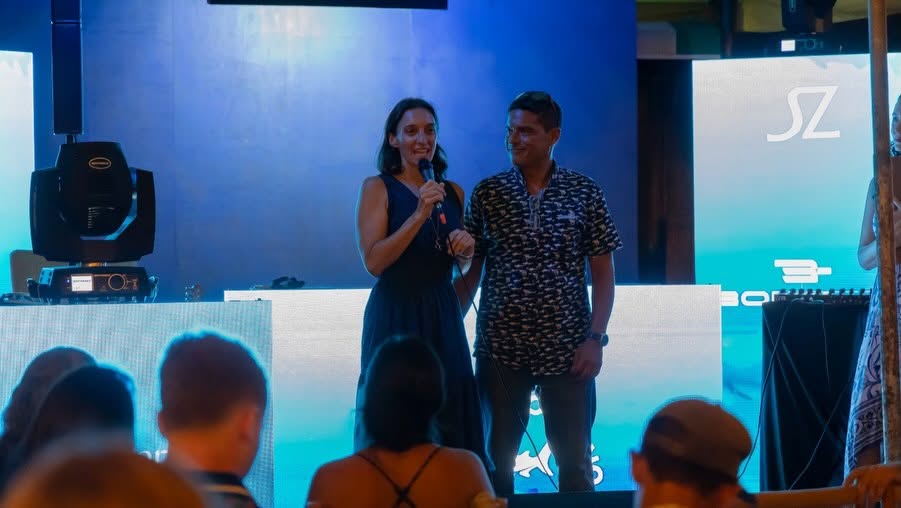
Members of our Marine Conservation Action Fund (MCAF) community were excited to attend Sharks International in Colombo, Sri Lanka, in May. It’s the largest scientific conference of its kind and was hosted in Asia for the first time in 2026!
MCAF is honored to be a sponsor of Sharks International through a multi-year grant that supported MCAF Fellow Daniel Fernando and his organization Blue Resources Trust to plan an accessible, high-quality conference experience.
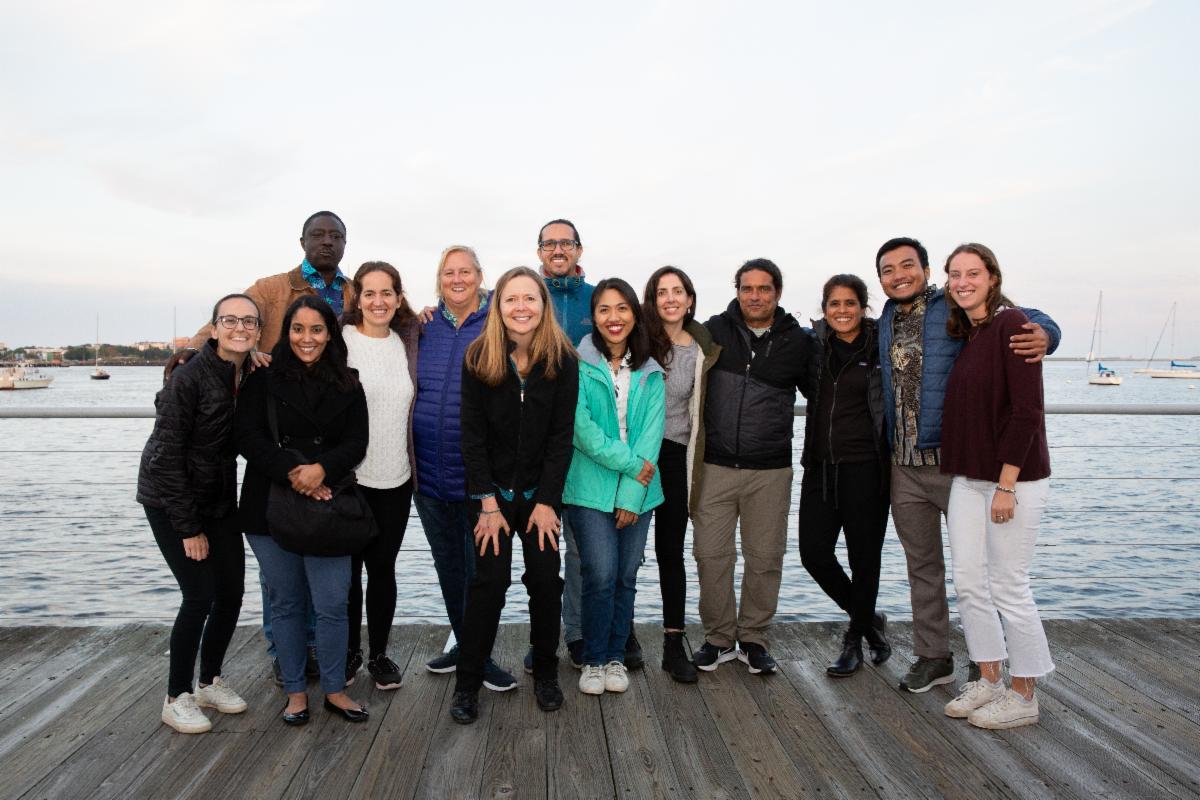
In addition to supporting the conference, MCAF brought fellows and project leaders together to celebrate the our community, strengthen relationships, and foster learning exchange.
Learn more from our project leaders, fellows, and colleagues about the connections they made, what they learned, and the inspiring moments they experienced at the event.
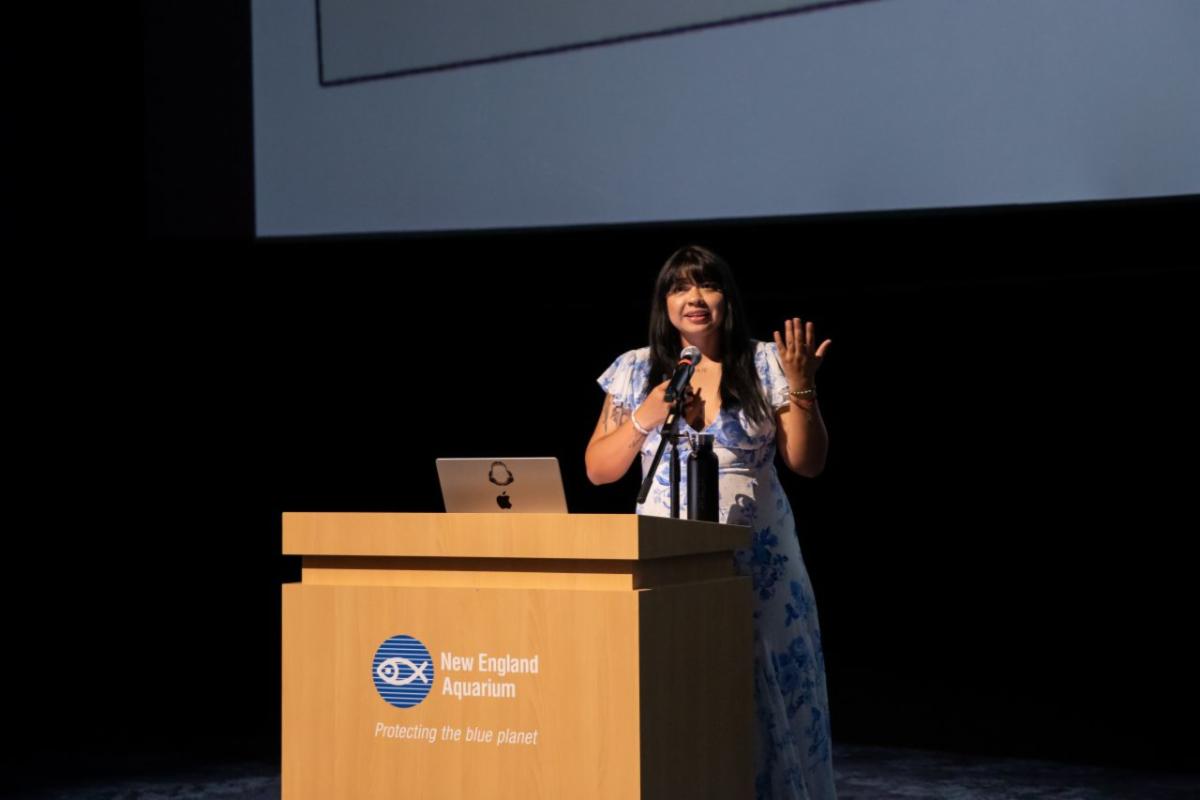
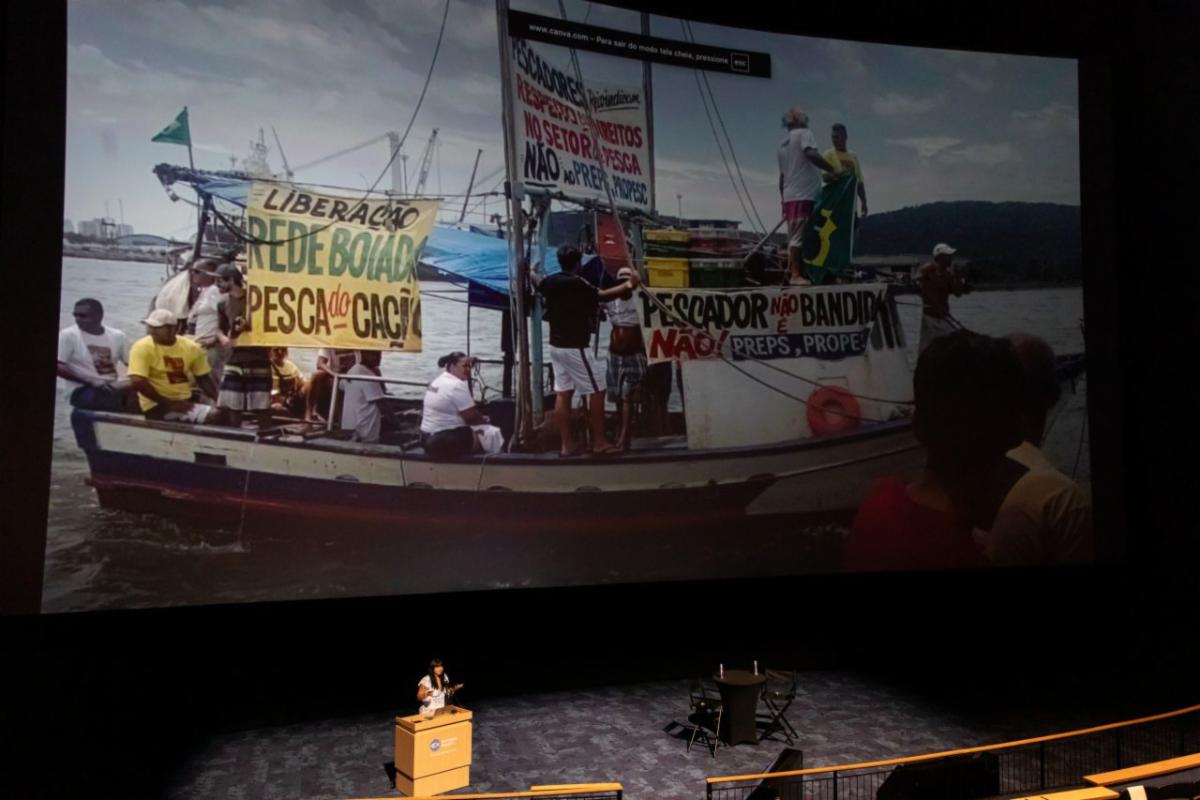
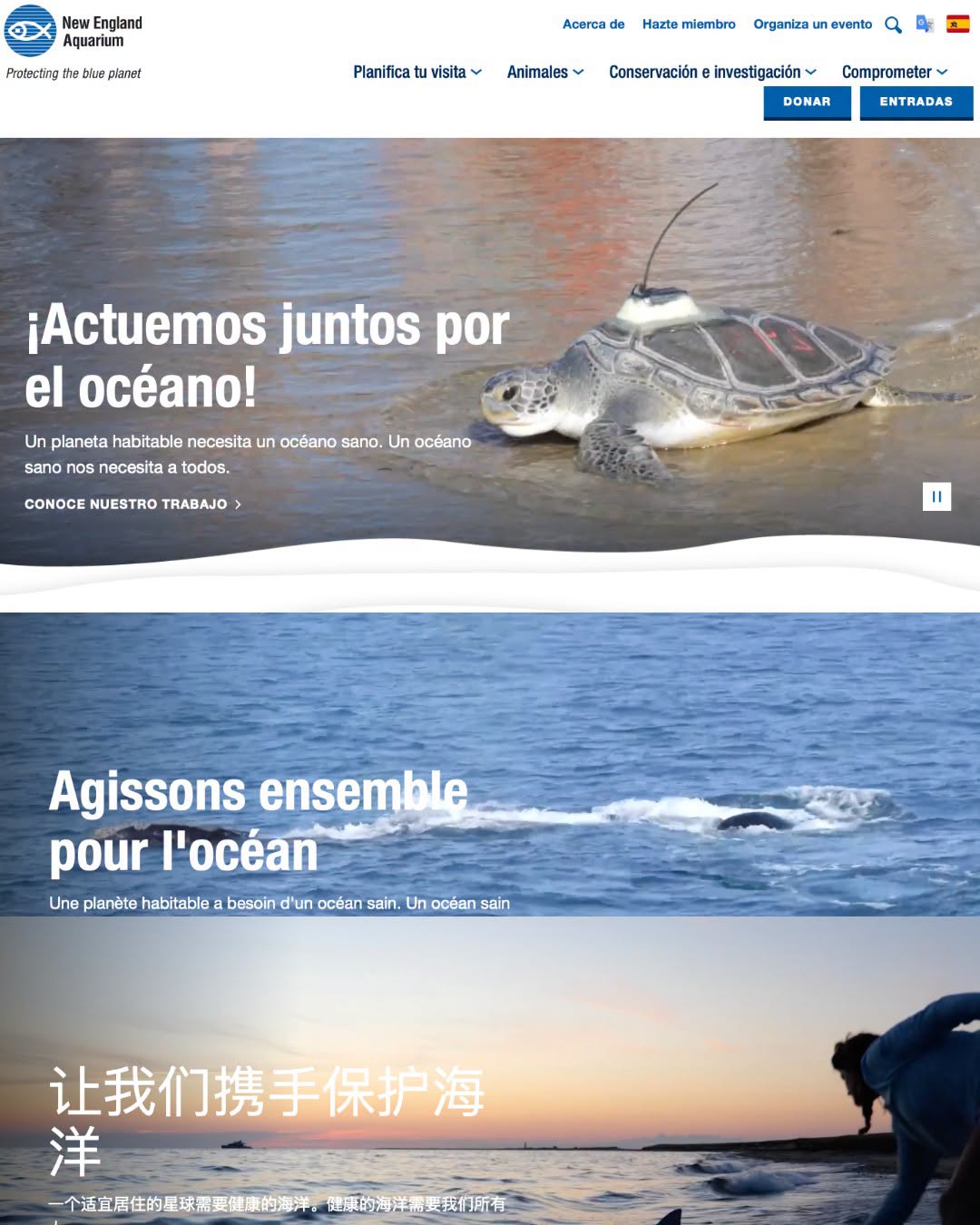
| | | Support Locally-Led Ocean Action Worldwide with Your End of Year Gift to MCAF | Your support fuels the Marine Conservation Action Fund’s global network of ocean leaders, advancing collaboration and community-based solutions to protect the blue planet. Make a lasting impact today by helping to expand and strengthen this remarkable community of dedicated ocean stewards. Please contact Christine McCarthy at cmccarthy@neaq.org for more information. | | Preparing for Our Next MCAF Summit | | We are excited to announce that the third MCAF Fellows Summit will take place in Senegal in March of 2027. It will be hosted in collaboration with MCAF Fellows Dr. Lucy Keith-Diagne and Tomas Diagne, whose conservation work is based there. Holding the summit in Senegal will give fellows and staff an opportunity to engage directly with Lucy and Tomas’s work. Activities will include a visit to the site of a planned sea turtle rescue and rehabilitation facility and opportunities to learn from regional experts. The summit will also create space for fellows to exchange experiences and knowledge, learn from one another’s approaches and challenges, and strengthen the relationships and connections that make the MCAF community such a valuable source of ongoing support. | | | MCAF Fellow Ingrid Hyrycena Visits Boston | | It was a pleasure to host MCAF Fellow Ingrid Hyrycena, founder and CEO of Projeto Tubarão, as part of the New England Aquarium’s Lowell Lecture Series. Ingrid shared her work advancing community-led marine conservation in Brazil, bringing together artisanal fishing communities and scientific research to protect sharks, rays, and chimaeras. She also spoke about her role with the ICONIC Oceans initiative, highlighting the importance of equity, representation, and locally-led partnerships in shark research and conservation. | | | Explore NEAq.org in Multiple Languages | | The New England Aquarium’s website, including the MCAF webpage and blogs, is now available in multiple languages, making it easier for our global community to learn about the incredible conservation work being led by MCAF fellows and project leaders around the world! Just select your language from the drop-down menu in the top right corner and see the site instantly translated. | | | | |
Beyond the Boat: Gendered Participation in Artisanal Billfish Fisheries on Kenya’s Coast
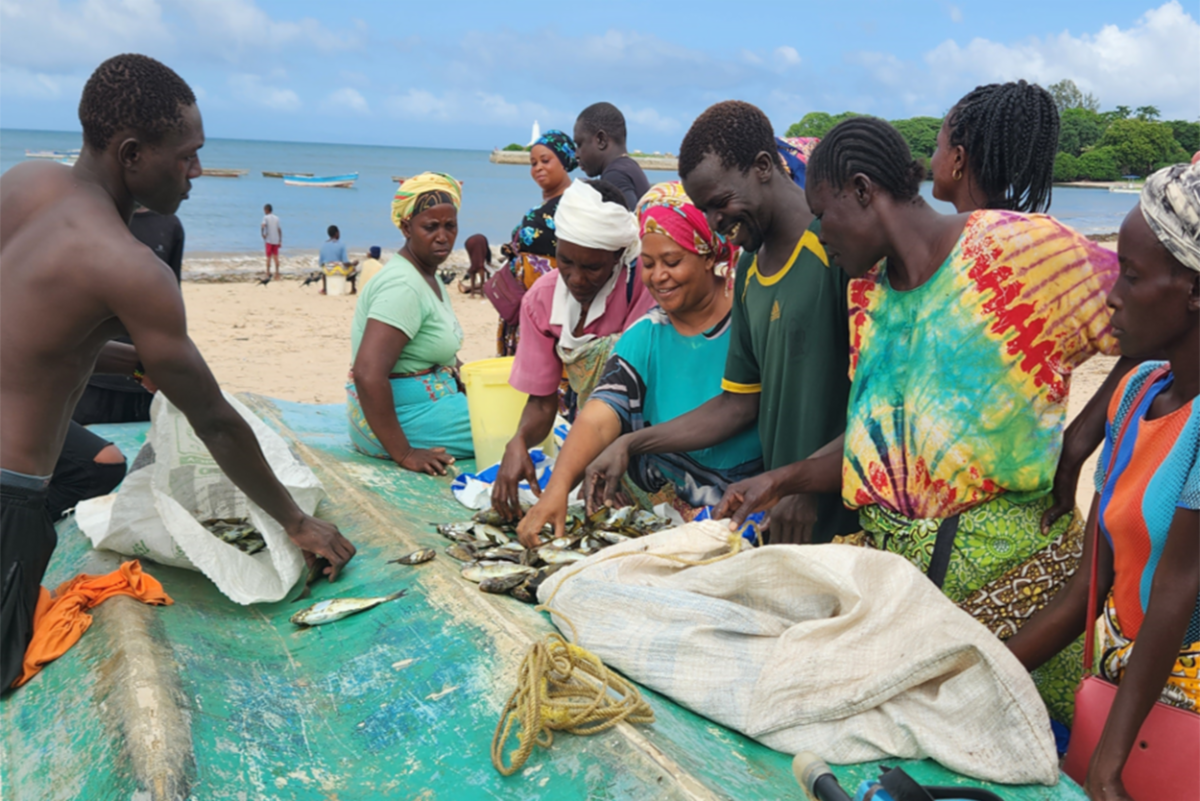
In a recent blog, MCAF Project Leader Sylvia Adisa explores the often-overlooked roles women play in Kenya’s artisanal billfish fisheries, from processing and marketing to decision-making and conservation. Sylvia highlights how gender shapes participation in fisheries and why recognizing women’s contributions is essential to building more inclusive conservation approaches.
| | | |
Conservation is Built Through Community
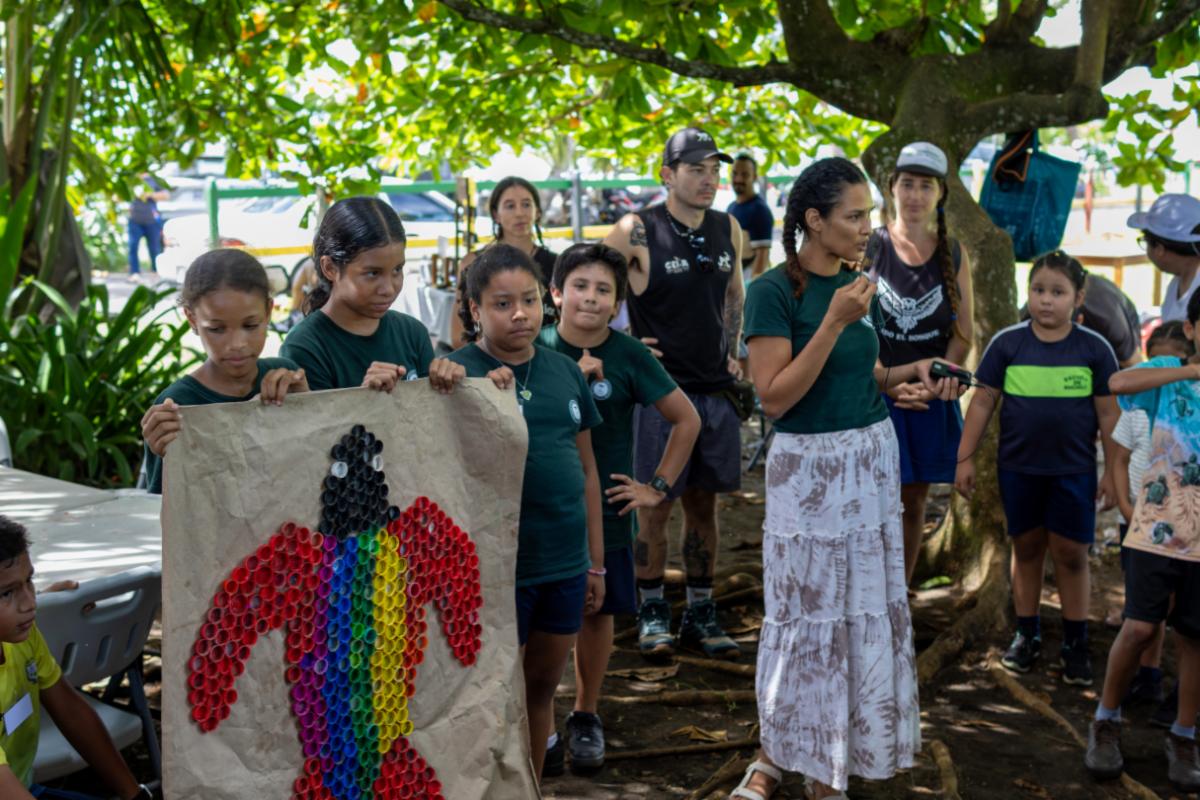
In her blog, MCAF Fellow Ariana McCarthy, co-founder and president of the Costa Rican Alliance for Sea Turtle Conservation & Science, shares how community driven conservation can create lasting impact for people, wildlife, and our ocean.
| | | |
Representing Peru at the Student Conference on Conservation Science
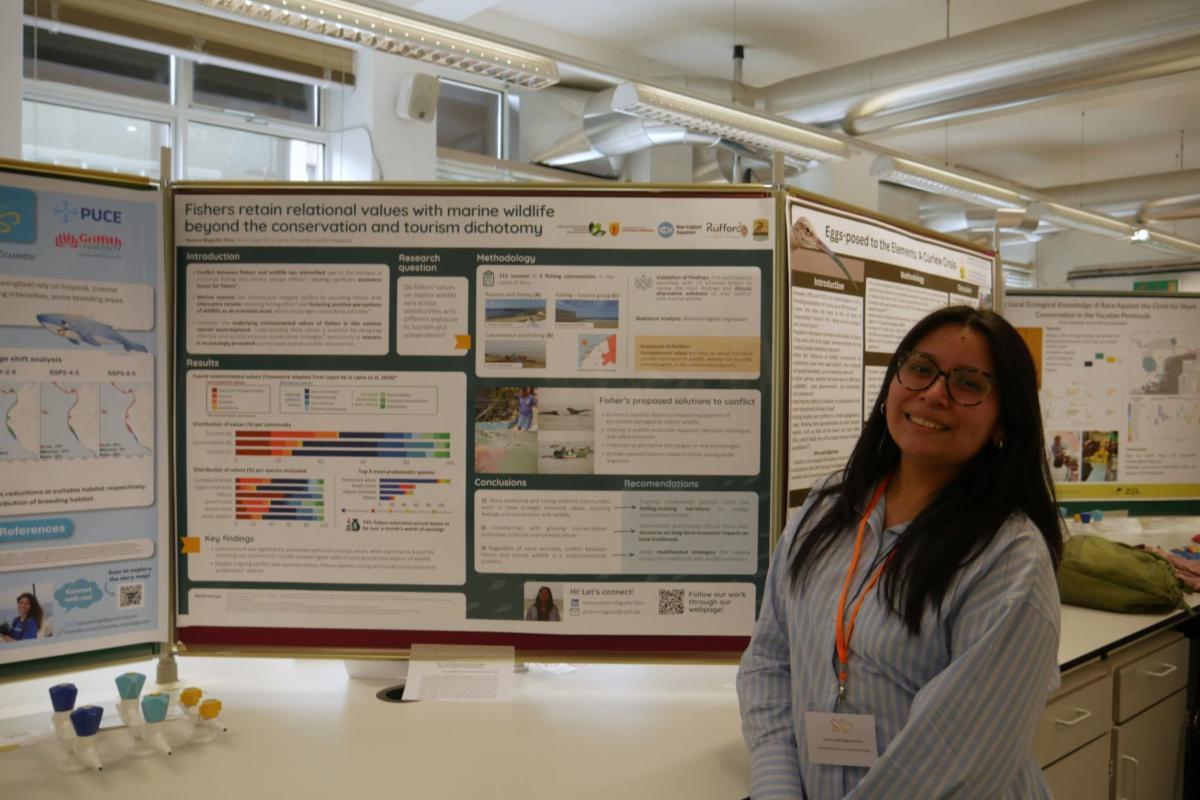
MCAF Early Career Ocean Professionals Project Leader Aurora Maguina Silva represented Peru at the University of Cambridge’s Student Conference on Conservation Science, sharing her research on fishing communities and marine megafauna in northern Peru.
She also connected with conservationists from around the world, exchanged ideas, and explored new opportunities for collaboration. Supporting emerging conservation leaders means creating opportunities to share local knowledge and research on a global stage.
| | | |
Creating Inclusive Spaces for the Scientific Community
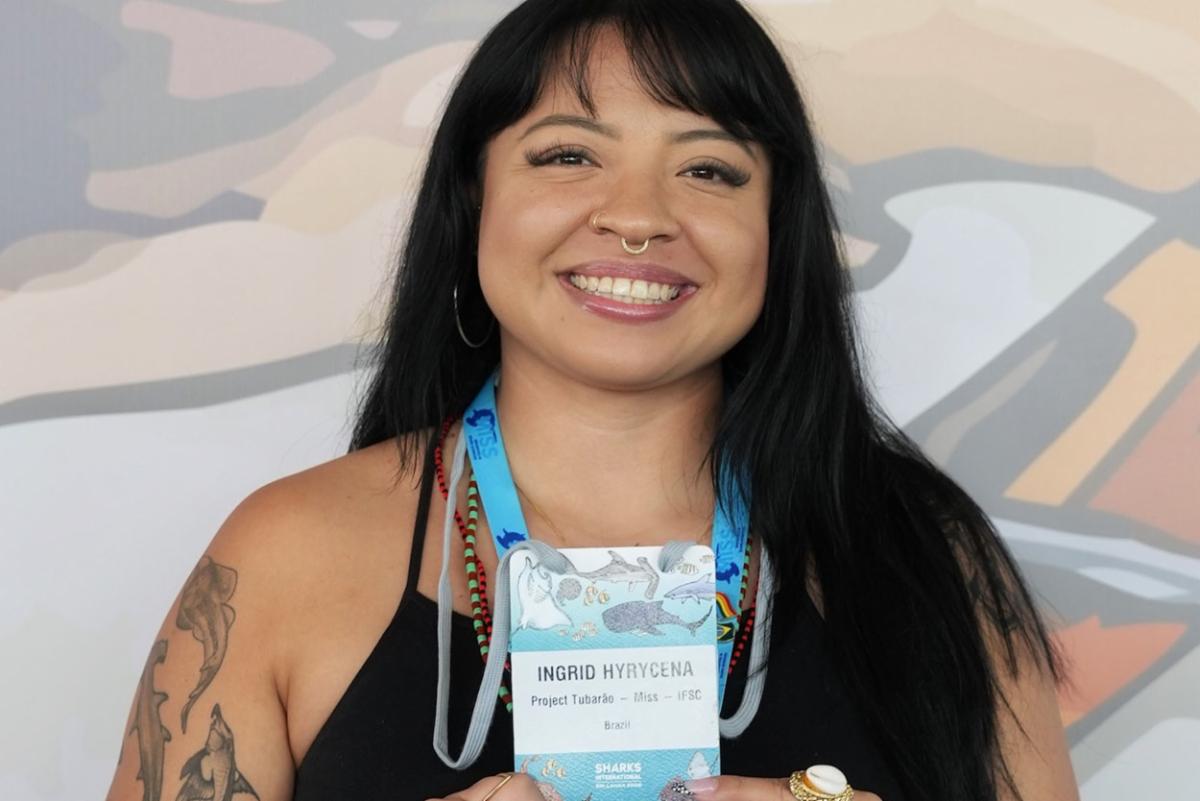
In honor of Shark Week, MCAF Fellow Ingrid Hyrycena reflected on her inspiring experience at the Sharks International conference earlier this year. One of Ingrid’s favorite moments? Seeing firsthand the power of supportive scientific communities and what it means to help make ocean conservation more inclusive.
Conferences can sometimes feel intimidating, especially for students and young researchers, but Sharks International 2026 turned out to be one of the most welcoming and meaningful experiences of Ingrid’s career!
| | | |
Using Citizen Science to ID Southern Right Whales in Patagonia
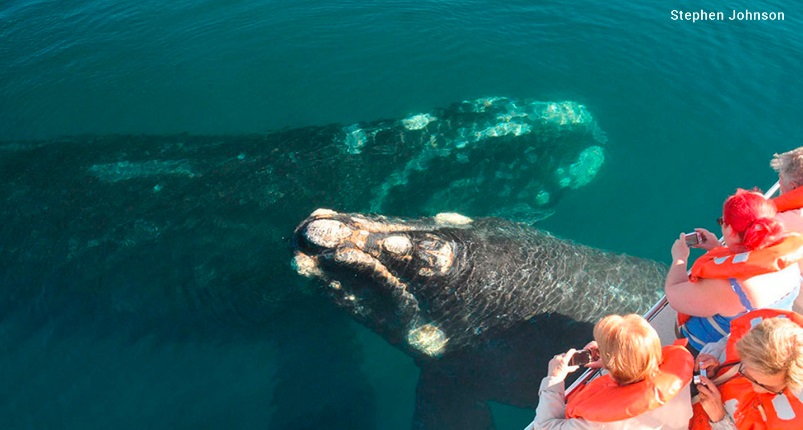
Through the leadership of MCAF Fellow Florencia Vilches and her team at the Instituto de Conservación de Ballenas, hundreds of thousands of photos submitted by whale-watching guides and community members are helping researchers identify individual whales, track populations over time, and strengthen conservation efforts. Their work shows how local communities and science can come together to protect one of the world’s most iconic marine mammals.
| | | |
With Support from the Marine Conservation Action Fund, A Small Organization Started Building for the Future
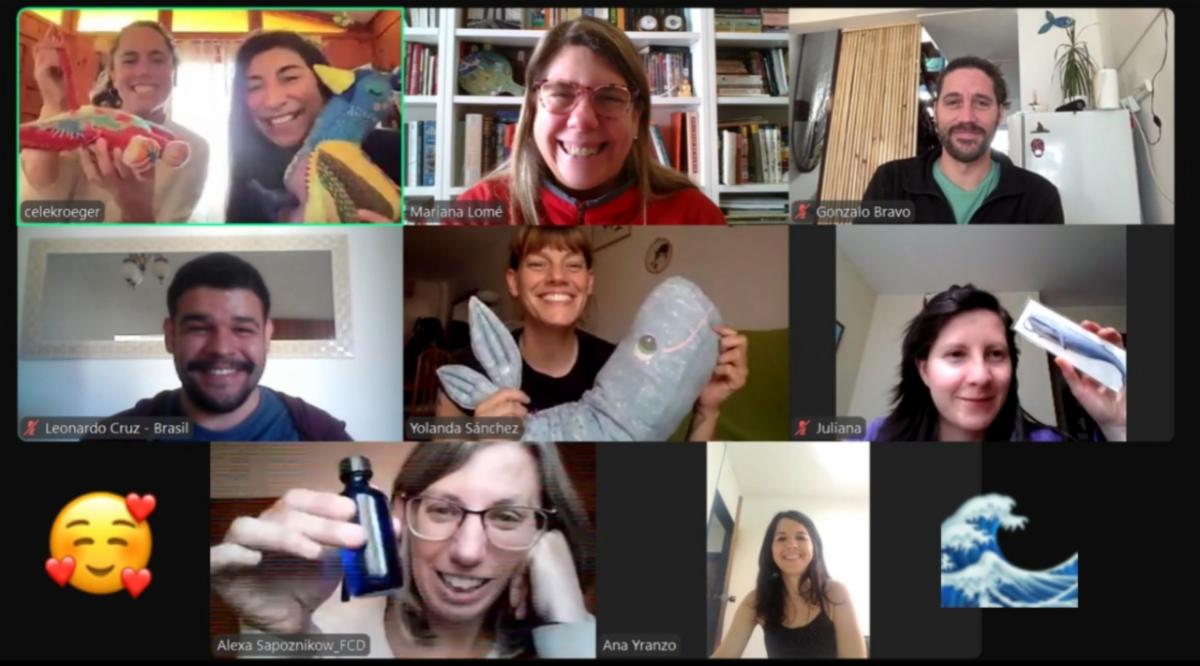
MCAF was honored to support RELATO, the Latin American and Caribbean Marine Education Network, as it strengthened its organizational foundation to sustain its growing impact. This story by MCAF Project Leader Yolanda Sánchez explains how RELATO’s work is connecting marine educators and advancing ocean education across the region.
| | | We are excited to share recently funded 2025 projects below. For information on the project leaders and their projects, click "Read More" or click the photo to view their organization's website. We are grateful to all the reviewers who shared their time and expertise to evaluate these proposals and provide thorough and helpful feedback to the project leaders. | | |
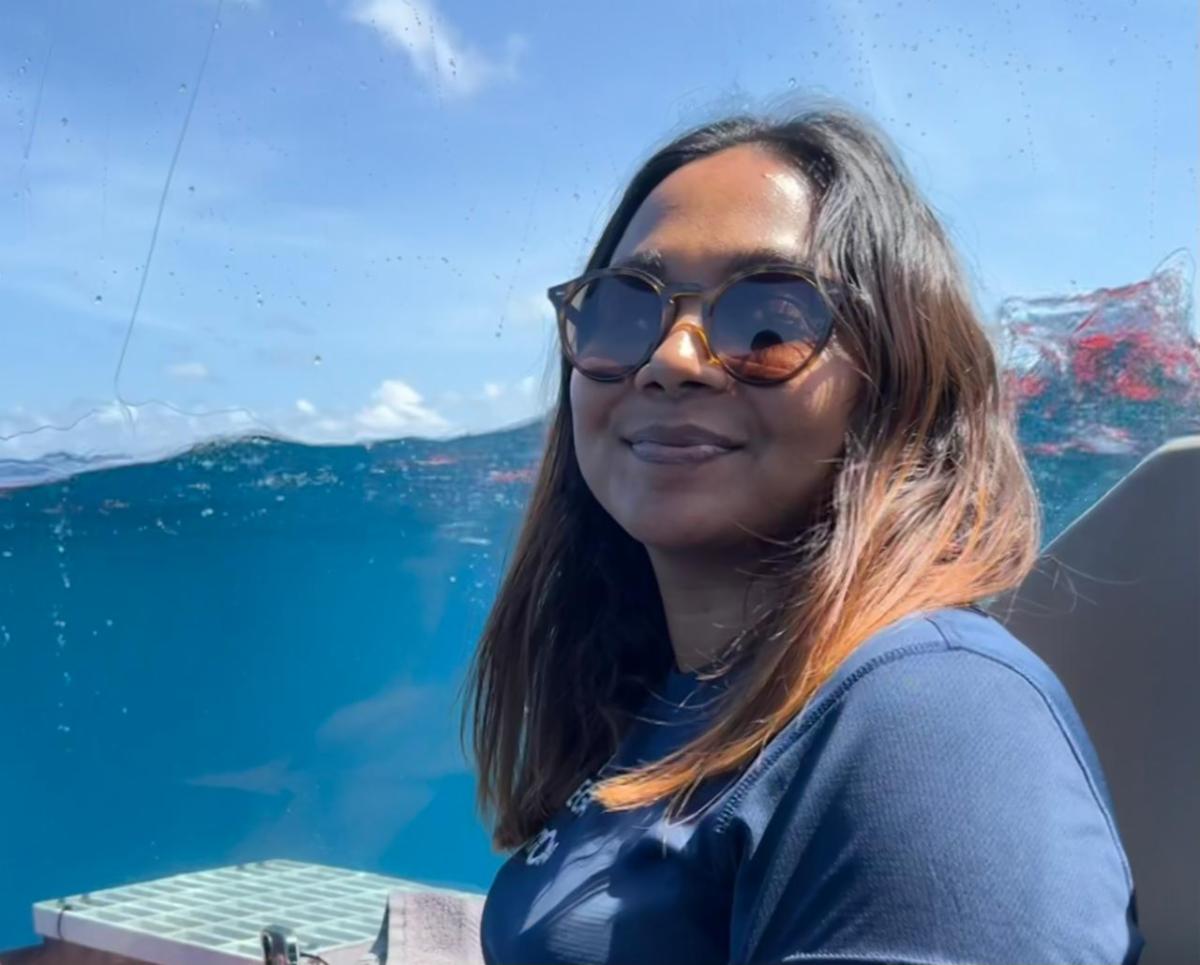
Project Apex eDNA: Establishing eDNA and BRUV Baselines for Apex Sharks in the Urban Reefs of Hulhumalé, Central Maldives
Farah Amjad, Miyaru Programme
This project will establish the first integrated eDNA and BRUV baseline for apex sharks across urban reefs surrounding Hulhumalé in the Maldives. Led by the Miyaru Programme, researchers will document shark presence, habitat use, and seasonal trends while building local research capacity. By combining scientific monitoring with community knowledge and training opportunities for women and students, the project will generate data to inform conservation and support long-term, community-driven shark protection.
| | | |
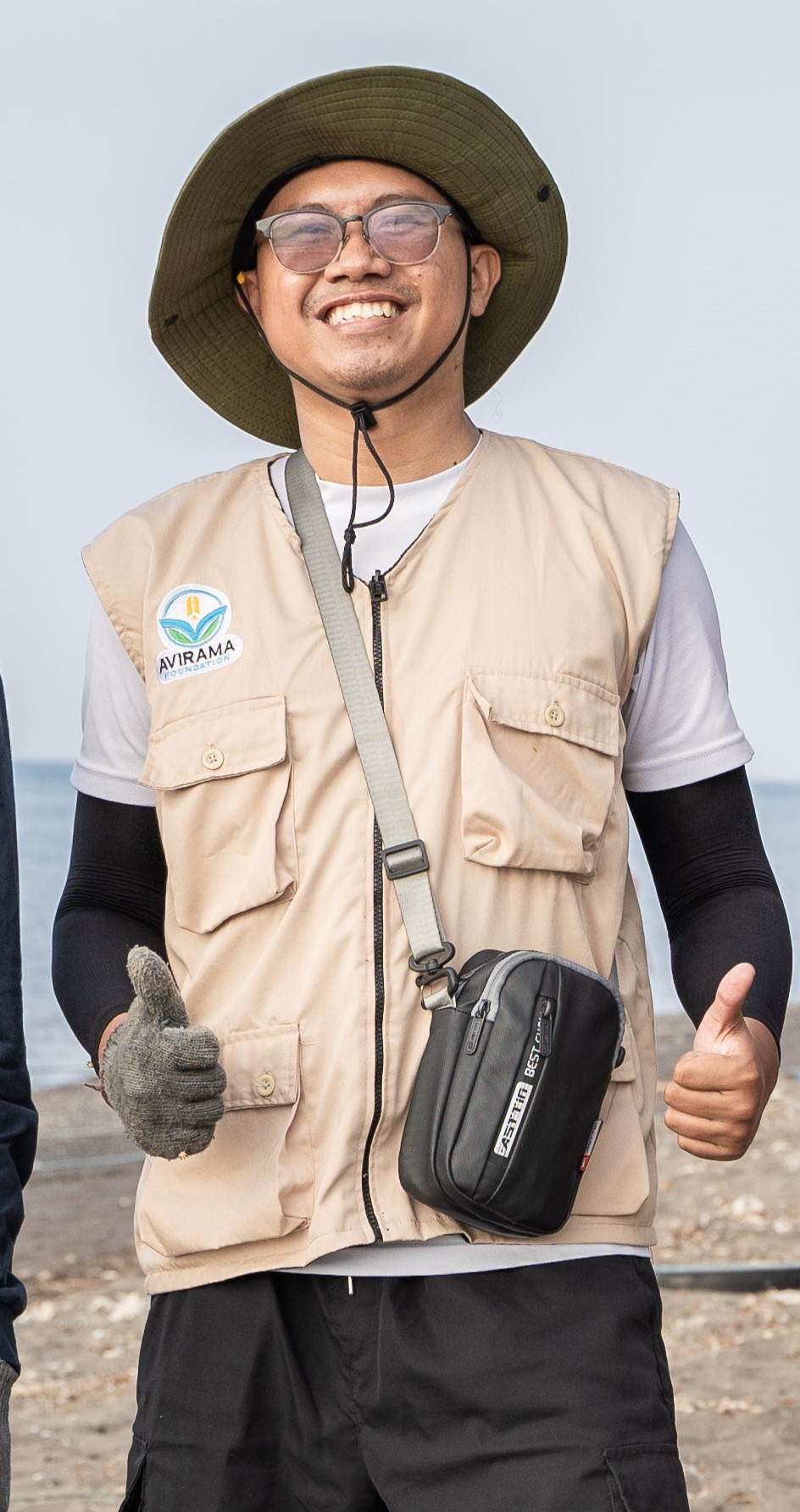
Segara Lestari: Bridging the Baseline Data Gap for Marine Conservation in West Bali National Park (TNBB)
Gede Herry Arum Wijaya, AVIRAMA Foundation
The Segara Lestari project addresses a major data and management gap in West Bali National Park, where more than 3,400 hectares of marine habitat remain underexplored. The project team will establish ecological baselines using BRUV and underwater visual surveys, strengthen marine monitoring by park rangers, and train local residents from six villages as “Marine Guardians.” By combining scientific monitoring with community-led stewardship, the project aims to strengthen long-term protection of critical seagrass and coral reef habitats for hawksbill turtles, dugongs, and other marine life.
| | | |
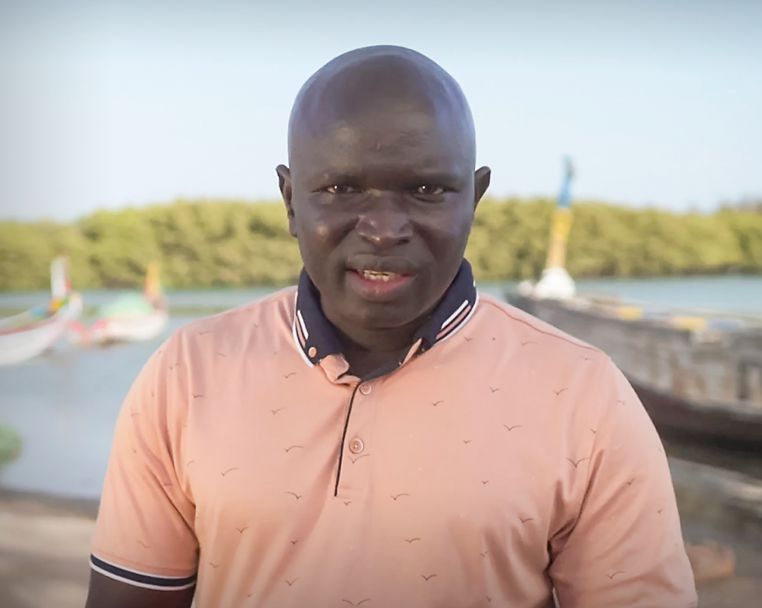
CETAG’s Marine Turtle Conservation
Lamin Jassey, Gunjur Conservationists and Ecotourism Association (CETAG)
This project aims to strengthen sea turtle conservation, environmental education, and sustainable livelihoods in Gunjur, The Gambia. Through a turtle hatchery, head-starting facility, beach monitoring, community outreach, and conservation education, the team will engage local youth, women, schools, and volunteers while creating livelihood opportunities through ecotourism and local employment. By combining conservation with community participation and economic opportunities, the project seeks to build long-term local stewardship of marine resources.
| | | |
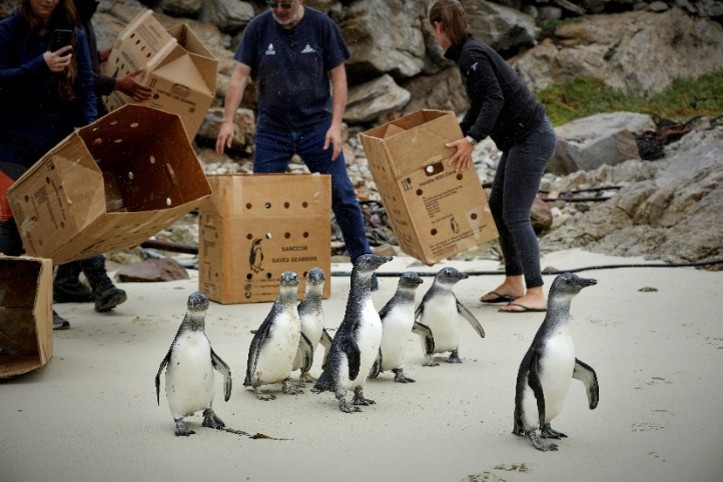
Chick Bolstering Project: African Penguin Conservation (Multi-Year Support)
The Southern African Foundation for the Conservation of Coastal Birds (SANCCOB)
The Chick Bolstering Project, led by SANCCOB, supports the recovery of critically endangered African penguins by rescuing abandoned eggs and chicks from colonies along South Africa’s coast, hand-rearing them, and returning them to the wild. Through multi-year support from MCAF, the project provides essential veterinary care, food, staffing, and biosecurity supplies, helping SANCCOB rescue and release approximately 50 chicks. This locally-led work contributes to penguin population recovery and the long-term conservation of this iconic species.
| | | |
Assessing Depredation in Sri Lanka’s Long-line Fisheries to Resolve Ongoing Conflict
Dr. Asha de Vos, Oceanswell
Sri Lanka is experiencing growing conflict between cetacean and fisheries, with depredation causing losses for fishers and, in some cases, cetacean mortality. Surveys with 20 fishers across three major tuna longline fishing ports will identify the species involved and establish the first baseline of the scale and impacts of depredation. The findings will help inform species-specific mitigation strategies and future efforts to reduce conflict.
| | | |
Turtle Guardians: Community-Based Conservation of Sea Turtle Nesting Beaches through Monitoring, Capacity Building, Environmental Education, and Community Events in the Caribbean of Costa Rica
Ariana McCarthy, Costa Rican Association for Sea Turtle Conservation and Science (COASTS)
This project will strengthen community-based sea turtle conservation in Playa Gandoca, Costa Rica, through scientific monitoring, environmental education, and local capacity building. Educational excursions, workshops, and community events will deepen connections between residents and the marine environment, while partnerships with local organizations, schools, and institutions will strengthen long-term collaboration. The project team will also equip children, youth, and community members with the skills and knowledge to help protect sea turtles, nesting beaches, and surrounding marine ecosystems.
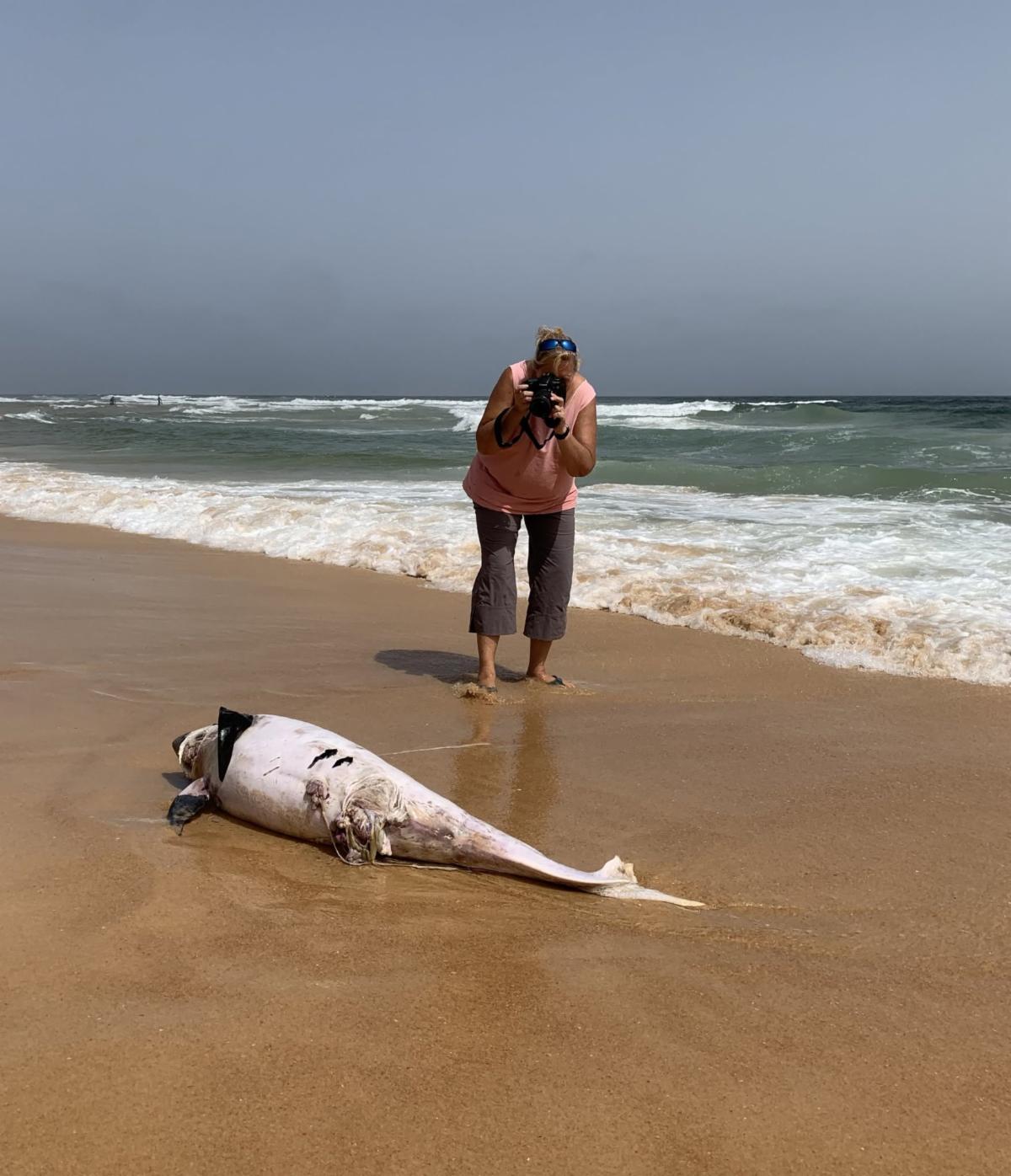
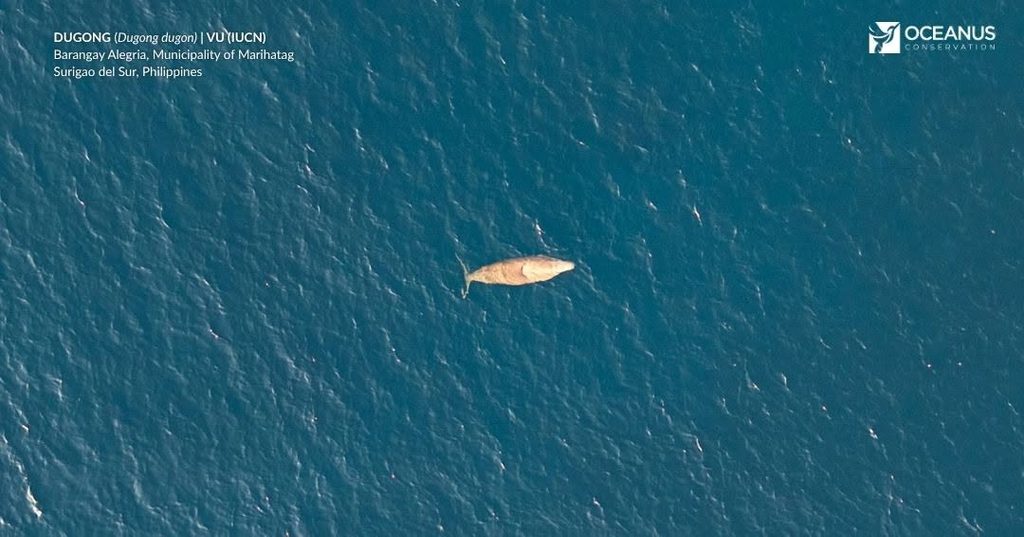
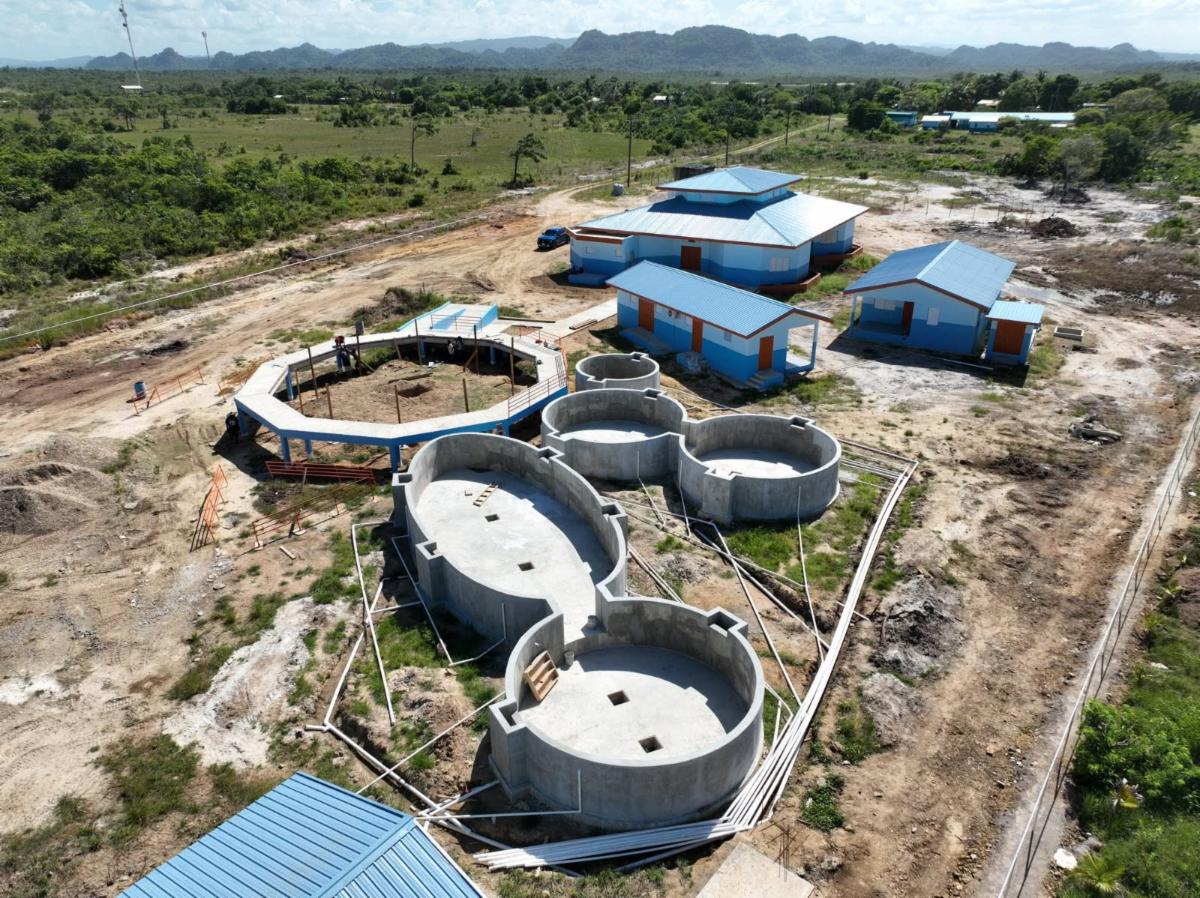
| | | Fellow and Project Leader Achievements | | MCAF Fellow Dr. Lucy Keith-Diagne, founder and director of the African Aquatic Conservation Fund, was appointed to the Global Stranding Network Steering Committee! Lucy brings decades of marine mammal conservation experience, including leading the Senegal Stranding Network in West Africa. Read more » | |  | MCAF Fellow Frances Camille Rivera, co-founder and managing director of Oceanus Conservation, was featured in The Mindanao Sentinel for her team’s work documenting a dugong off the coast of Marihatag, Surigao del Sur. Following nearly five months of monitoring, the sighting offers hope for the region’s seagrass ecosystems and highlights Oceanus Conservation’s ongoing efforts to protect dugongs and their habitats through sustained monitoring and community-based conservation. Read more » | | | |
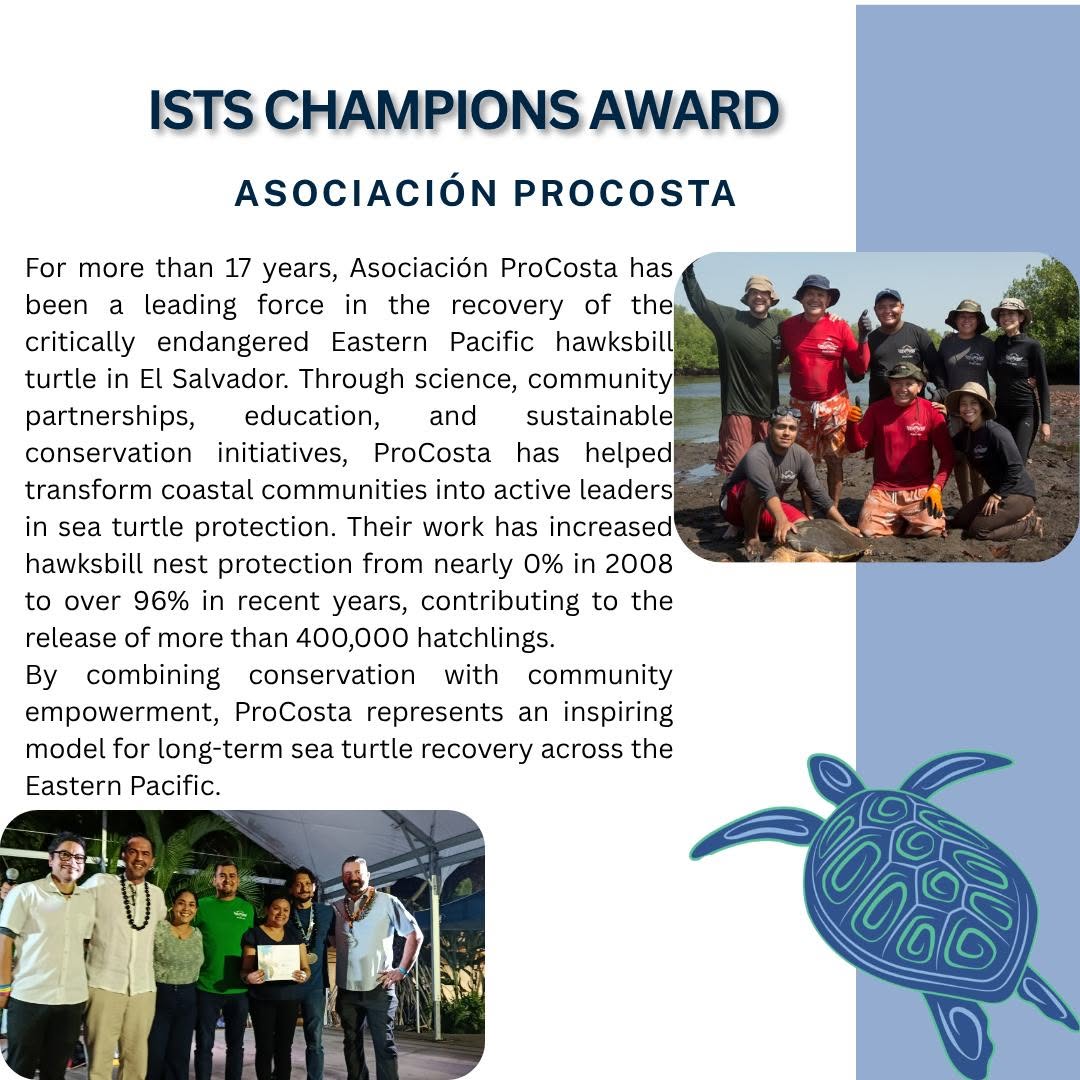
ProCosta received the Champions Award from the International Sea Turtle Society in recognition of their outstanding conservation impact! Under the leadership of Executive Director and MCAF Fellow Ani Henríquez, ProCosta’s community-based work has helped increase hawksbill nest protection from 0% to 96%, a powerful example of what long-term collaboration and local stewardship can achieve.
Read more »
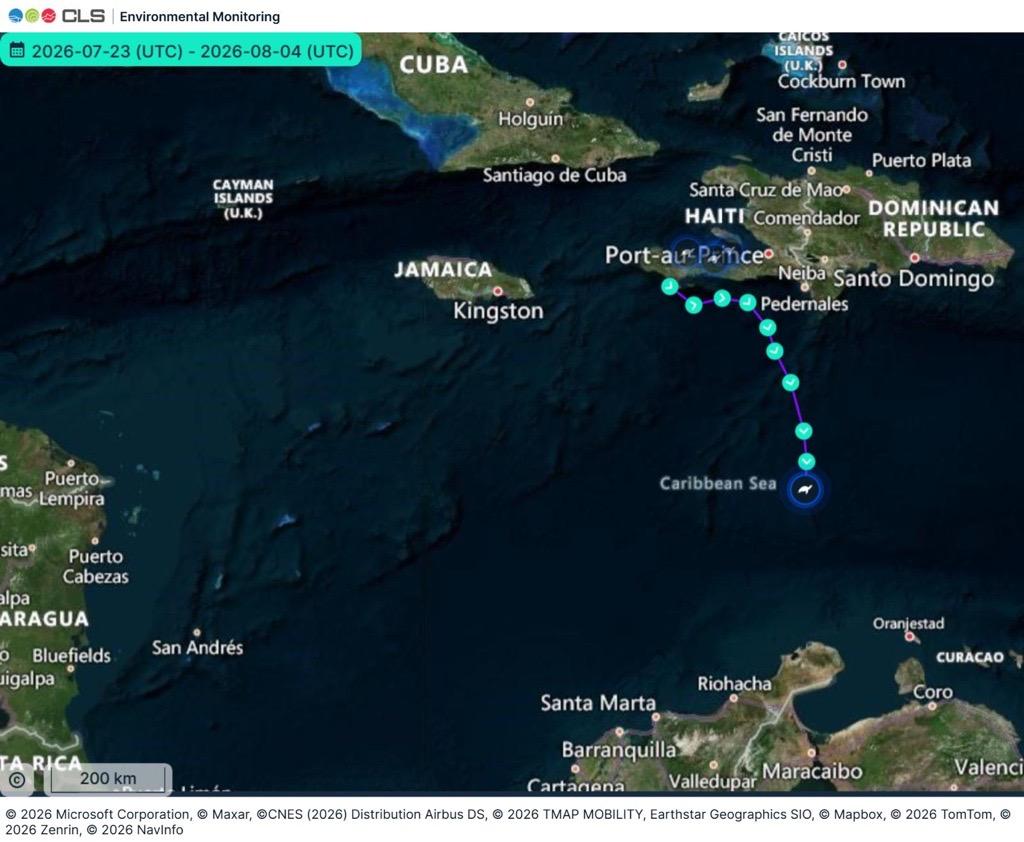
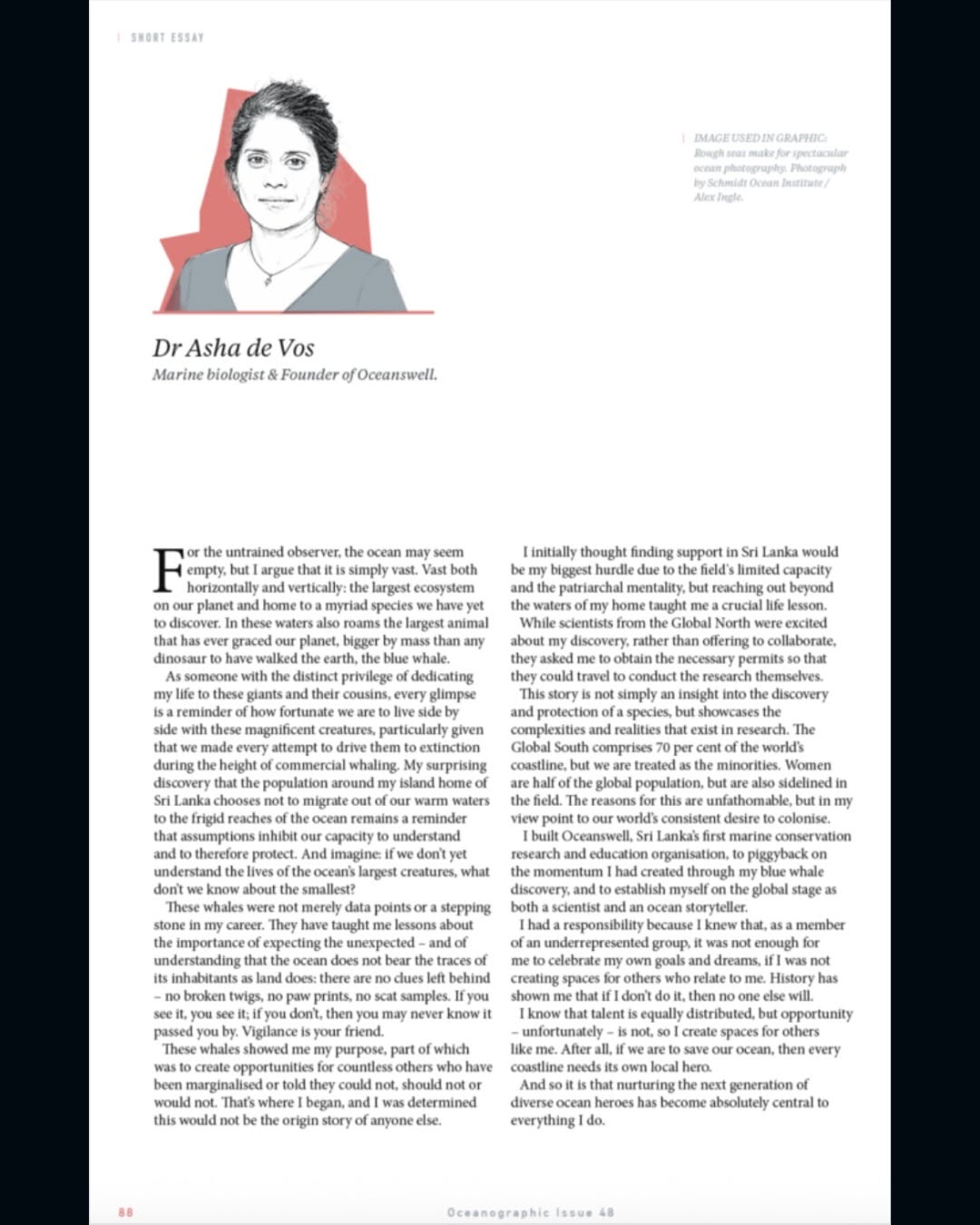
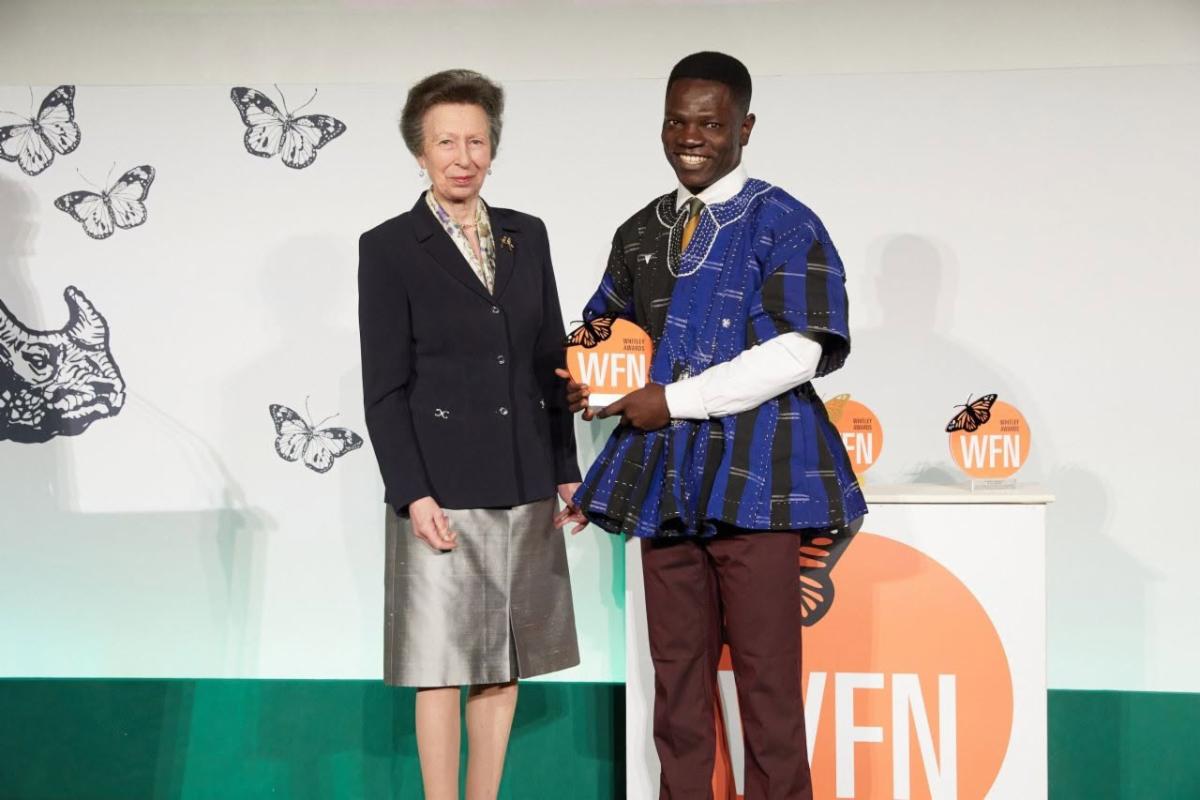
| | | MCAF Fellow Francklin Barbier and the Haiti Ocean Project led the first known tagging of sea turtles in Haiti. One turtle has since traveled more than 130 miles north, highlighting the importance of tracking their movements and protecting critical habitat. Read more » | | | MCAF Fellow Dr. Asha de Vos, founder and director of Oceanswell, is featured in Oceanographic Magazine, highlighting her journey and work to advance marine conservation through local leadership, inclusion, and equity. The feature explores her commitment to building a more inclusive future for ocean conservation and inspiring the next generation of ocean leaders. Read more » | | | We’re thrilled to congratulate Dr. Issah Seidu, MCAF fellow and co-founder of AquaLife Conservancy, on receiving the 2026 Whitley Award for his work conserving critically endangered guitarfishes in Ghana! Issah’s work was also recently featured in CNN, The Guardian, and Mongabay. Congratulations to Issah on this well-deserved recognition of his leadership in locally-led marine conservation. Read more » | | | MCAF Fellow Jamal Galves, manatee conservation program coordinator at Clearwater Marine Aquarium Research Institute Belize, is nearing completion of the Belize Marine Life Rescue & Education Center in Gales Point. The center will support marine mammal rescue and rehabilitation while expanding conservation education and community engagement. Read more » | | | Congratulations to Misión Tiburón on a successful Bull Shark Festival! Misión Tiburón, founded by MCAF Fellow Andrés López and Project Leader Ilena Zanella, organized this festival which brought together communities and conservation partners to celebrate and protect bull sharks. Read more » | | | Contact us for More Information on MCAF | | Thank You to Our Supporters! | | We are grateful to Alan and Lisa Dynner, the Godley Family Foundation, the New England Biolabs Foundation, and individual donors for their generous support of MCAF. To learn how you can help support MCAF’s mission, please contact Christine McCarthy at cmccarthy@neaq.org. | | | | |