The Fall 2022 Montana NSF EPSCoR newsletter is now available! Read about CREWS news and announcements, meet the Year 4 undergraduate research students and workforce development interns, learn about education and outreach activities CREWS staff have recently facilitated, and more. You can find this newsletter and all other past Montana NSF EPSCoR newsletters online at https://www.mtnsfepscor.org/resources/newsletters. |
|
Dr. Aaron Thomas Leads $10M Project to Advance Native American STEM Education Across the West | |
|
The National Science Foundation recently awarded $10 million to a six-state collaborative working to boost the underrepresentation of Alaska Native and American Indian (AI/AN) students in STEM disciplines and the workforce.
The grant award funds Cultivating Indigenous Research Communities for Leadership in Education, or the CIRCLES Alliance. The alliance is led by principal investigator Aaron Thomas, Diversity and Inclusion lead on the current RII Track-1 CREWS project, University of Montana (UM) chemistry professor, and director of UM Indigenous Research and STEM Education. Partners include universities and research institutions in Idaho, Montana, New Mexico, North Dakota, South Dakota and Wyoming. UM will receive $1.8 million of the total award to build a network for developing and disseminating science, technology, engineering and math educational resources, as well as implementing longitudinal programming, mentorship and teacher preparation in support of AI/AN student success. The CIRCLES Alliance launched in 2020 with support from NSF’s EPSCoR and INCLUDES programs (INCLUDES: Inclusion across the Nation of Communities of Learners of Underrepresented Discoverers in Engineering and Science). READ MORE
| |
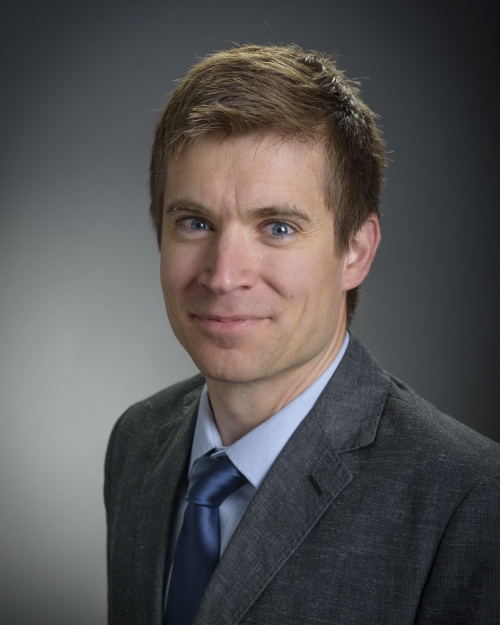
Dr. Stephanie Ewing Named New Director of Montana Water Center | |
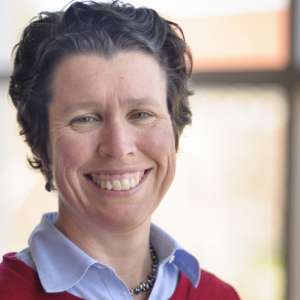
Dr. Stephanie Ewing was recently named the new Director of the Water Center. Ewing was appointed after Dr. Wyatt Cross returned to his full-time faculty status after an impressive eight years leading the Water Center. Ewing is appointed to a three-year term as Director of the Water Center. Ewing is a professor in Land Resources and Environmental Sciences at Montana State University (MSU) and co-PI/Judith River Watershed research lead on CREWS. With funding from USGS through the Water Resources Research Act, Ewing will lead Montana’s Water Center to develop and support water research, outreach, and education across the Montana University System. READ MORE
| |
UM Vision Magazine Features CREWS Research | |
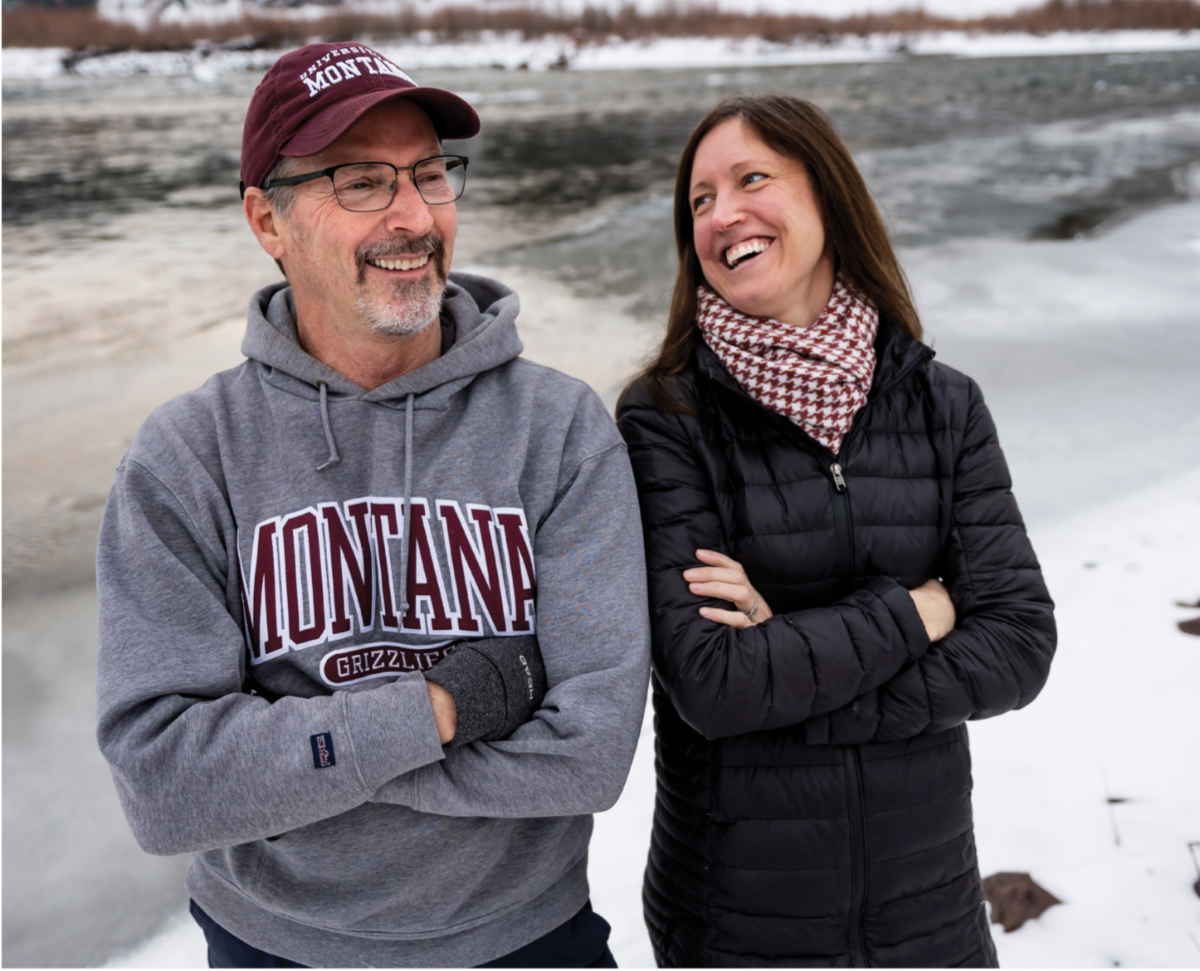
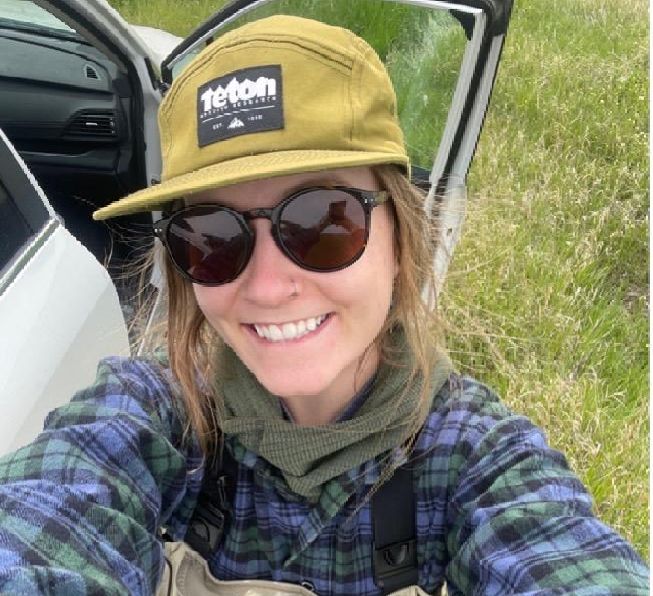
The most recent edition of the University of Montana's (UM) Vision magazine features a story on CREWS research in the Upper Clark Fork River. Vision is published annually by the UM Office of the Vice President for Research and Creative Scholarship and includes stories on UM research, innovation, and imagination. The magazine article, titled "Resiliency through Restoration," features interviews with CREWS researchers Dr. Libby Metcalf and Dr. Maury Valett and focuses on their's and other's research on the perceptions and impacts of mining in the region. In addition, CREWS graduate student Taylor Gold Quiros is featured in the magazine's Student Spotlights section, which highlights her efforts to understand how copper mining has impacted fish communities in the Upper Clark Fork River. READ MORE
| |
Dr. Erik Grumstrup Named New Montana Collaborative Materials Science Program Director at MSU | |
Congratulations to Dr. Erik Grumstrup, who was recently named the new Director of the Montana Collaborative Materials Science Program at MSU. The Montana Collaborative Materials Science Program is a shared Ph.D. program between MSU and Montana Tech (MTU) in Butte. There are currently around 30 Ph.D. students in the program, a handful of whom are conducting CREWS-related research at both MSU and MTU. In addition to his new role, Dr. Grumstrup is an Associate Professor in the Department of Chemistry & Biochemistry at MSU and a scientist with the Montana NSF EPSCoR CREWS research team.
|
|
CREWS Hosts First In-Person All Hands Meeting Since 2019 | |
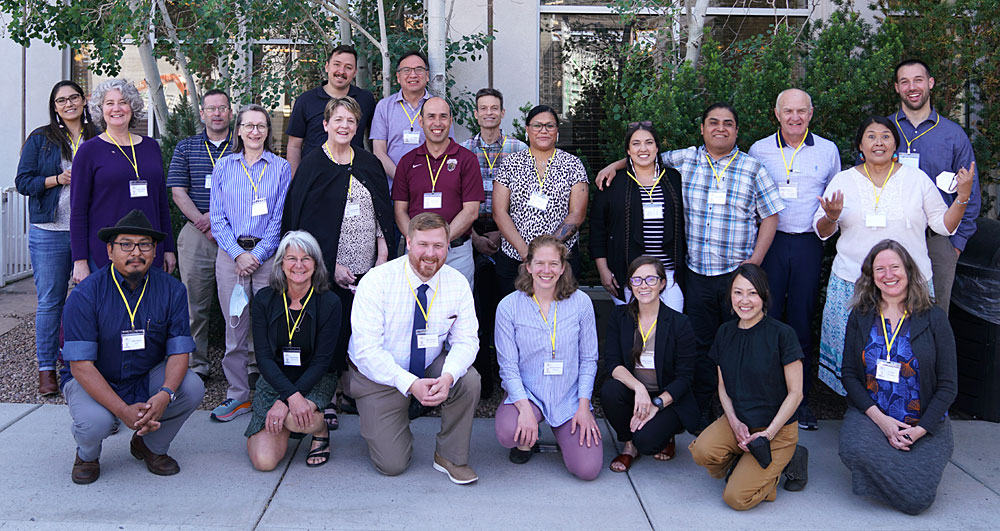
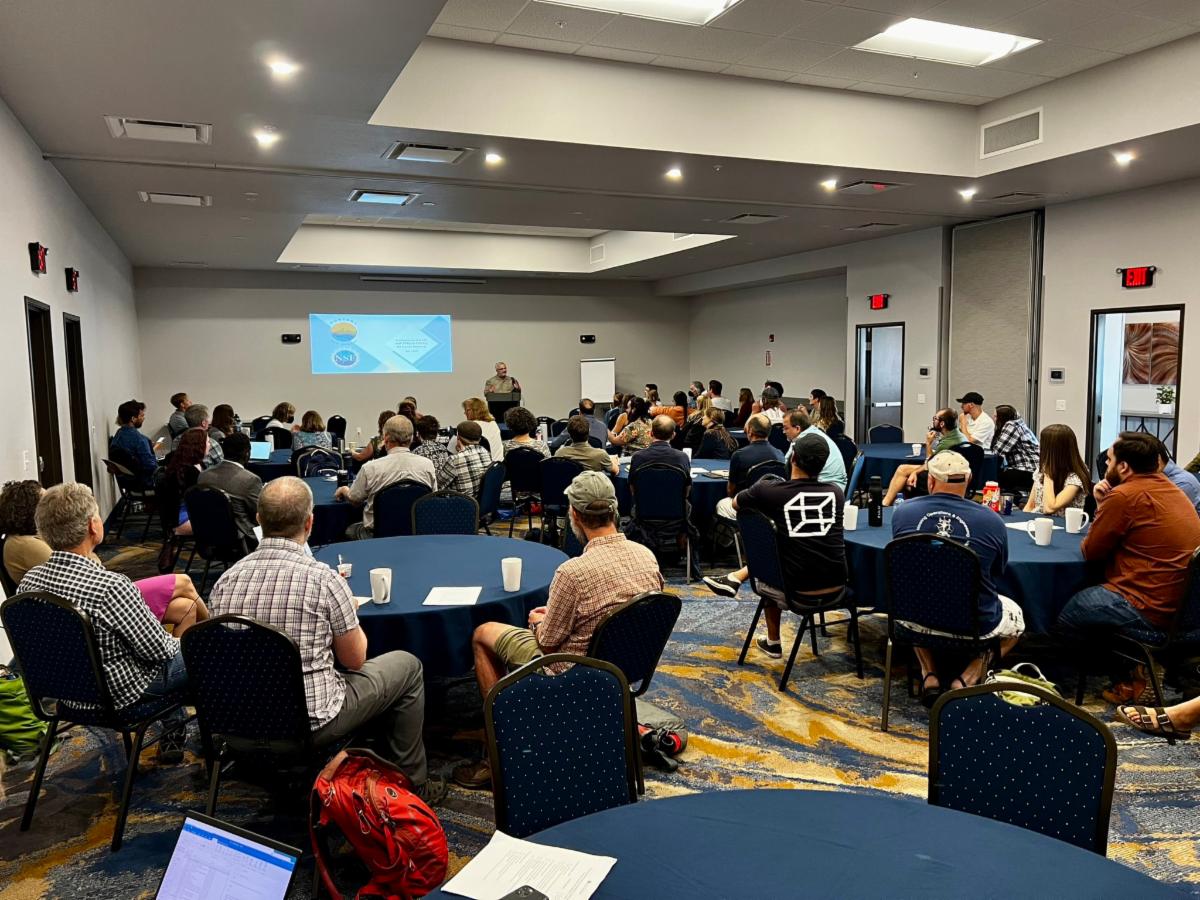
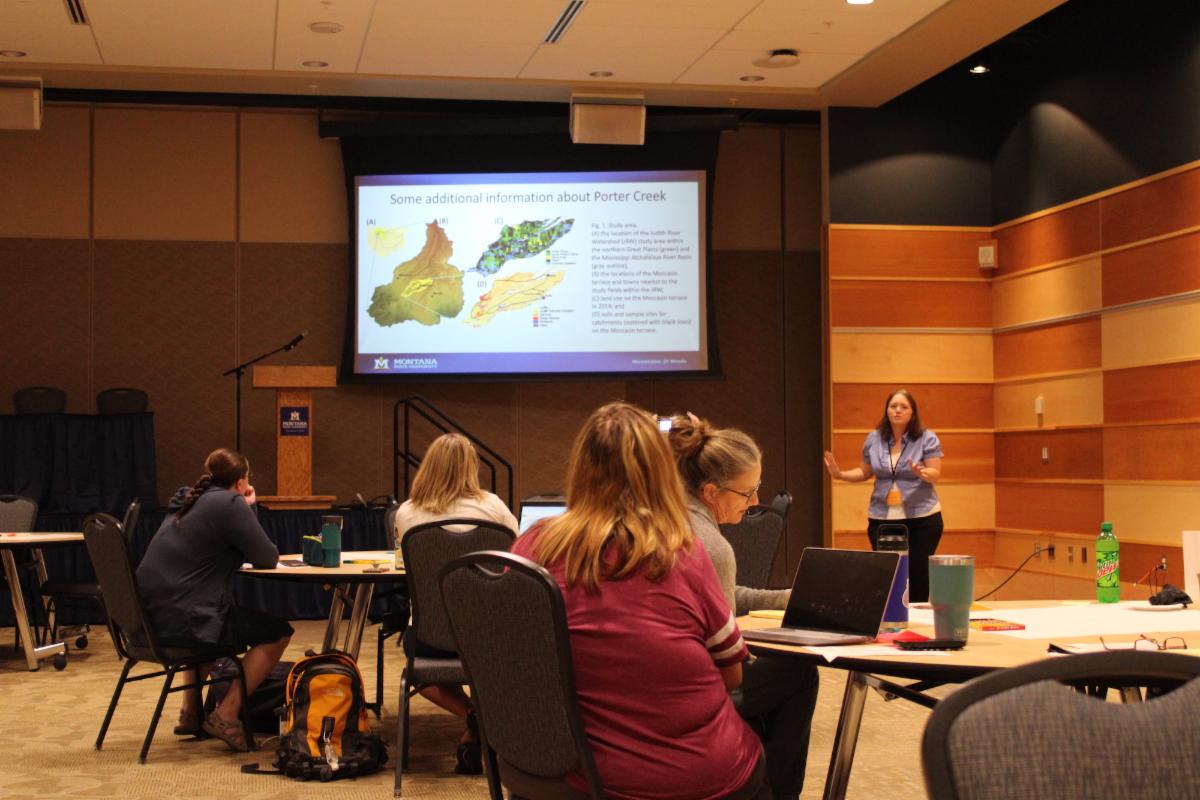
From September 7-8, 2022, the CREWS project hosted its annual All Hands meeting. At this meeting, project researchers, students, staff, and partners gathered to share their work, learn about progress across CREWS teams, and engage in targeted discussions, working sessions, and networking opportunities with others on the project. Excitingly, this CREWS All Hands meeting, hosted in Anaconda, MT, was the first in-person project-wide meeting held since 2019. Thank you to all in attendance and we look forward to continued engagement with everyone in Year 5!
|
|
|
Year 4 Undergraduate Research
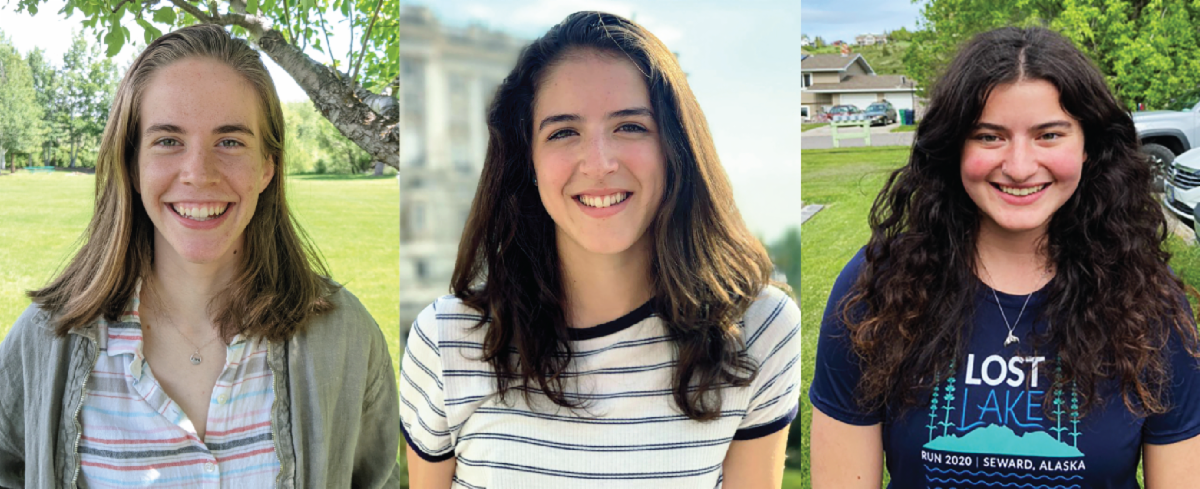
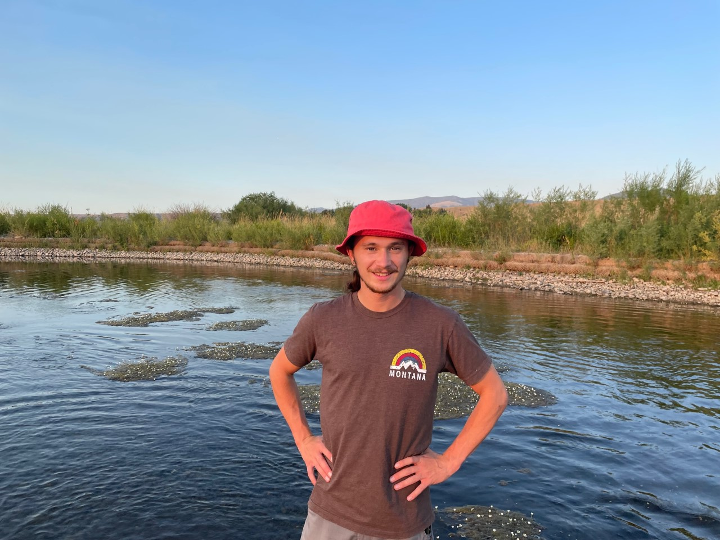
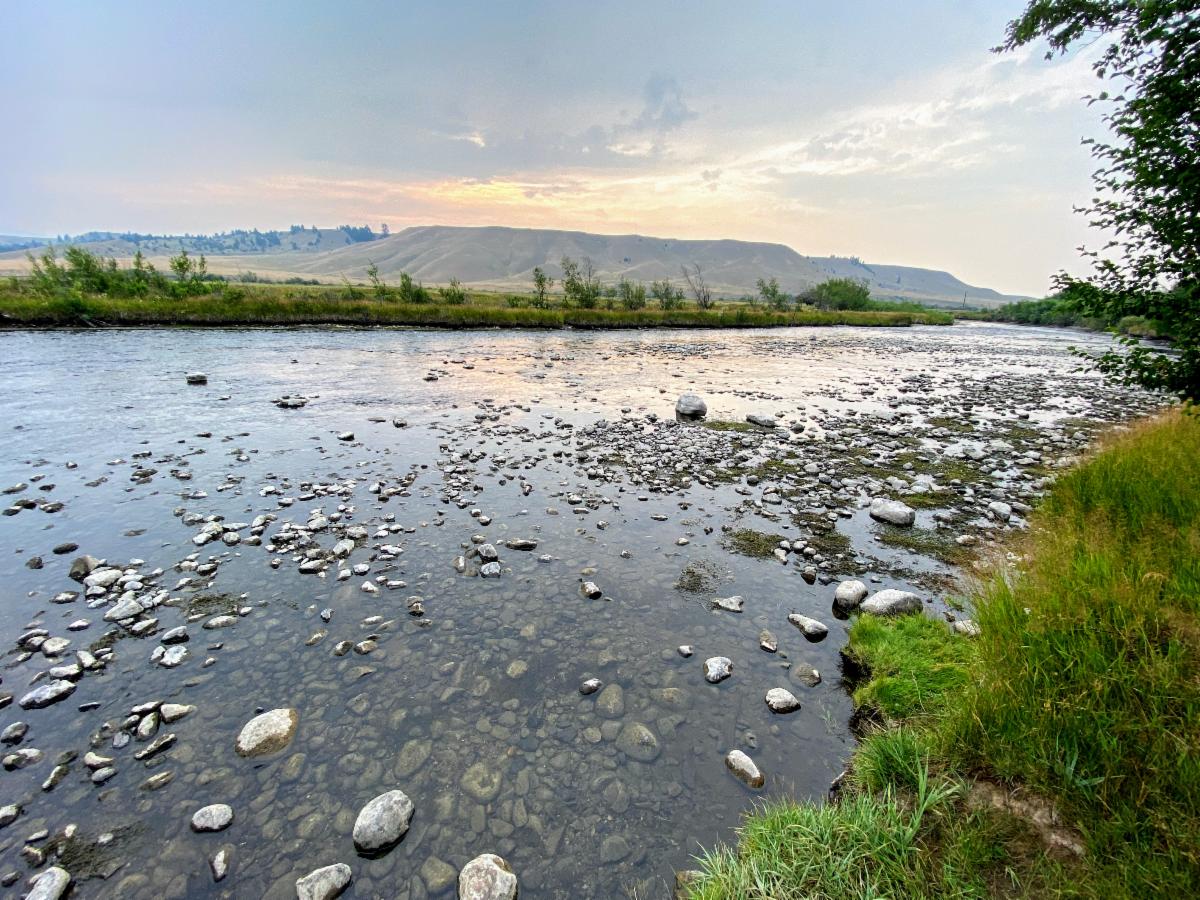
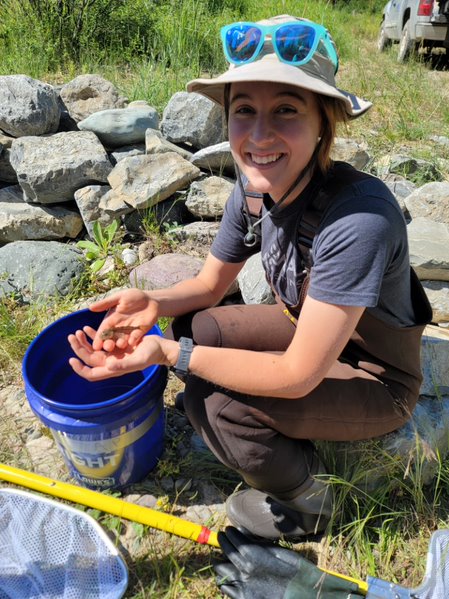
During Summer 2022, undergraduate students participated in CREWS research through the CREWS Undergraduate Research Internship program and the National Science Foundation’s (NSF) Research Experiences for Undergraduates (REU) program. These students worked directly with CREWS faculty and graduate students to assist with research on a particular aspect of the project, gain hands-on field and lab experience, and further explore their academic, professional, and personal interests and goals. Read more below about a few of these students' research projects and experiences!
| |
Rachel Anderson,
Montana State University
Advisors: Rob Payn
and Stephanie Ewing
"The internship provided me with confidence in my college path and confidence in my skills for after graduation. Before joining [the internship], I had an interest in environmental processes. However, my degree had not focused on such material. I now feel far more confident in both my interests and my skills. Many thanks to the CREWS team...that saw my potential and provided me the opportunity to explore a wider range of applications for my degree." READ MORE
| |
Matthew Nichols,
University of Montana
Advisors: Rafael Feijó-Lima
and Maury Valett
"I would compare my research experience with the [Valett Aquatic Ecology Lab] to any rigorous course offered by the U of M. In contemplating my experience, I feel equipped with the knowledge...to approach ecological research.” READ MORE
| |
Lark Olson,
University of Montana
Advisor: Maury Valett
“Everybody I worked with was supportive, but also pushed me to figure things out on my own in a productive and efficient manner...I hope to continue to work on my project throughout this year, and maybe eventually make an undergraduate thesis out of it.” READ MORE
| |
Hope Sampson,
University of Montana
Advisor: Maury Valett
“[The internship] has given me amazing footing with respect to qualifying for future summer jobs and even when considering the possibility of graduate school in the future. My work this summer was not at all what I expected it would look like, but it turned out to be a great introduction to the world of research, and all the places it could take me."
READ MORE
| |
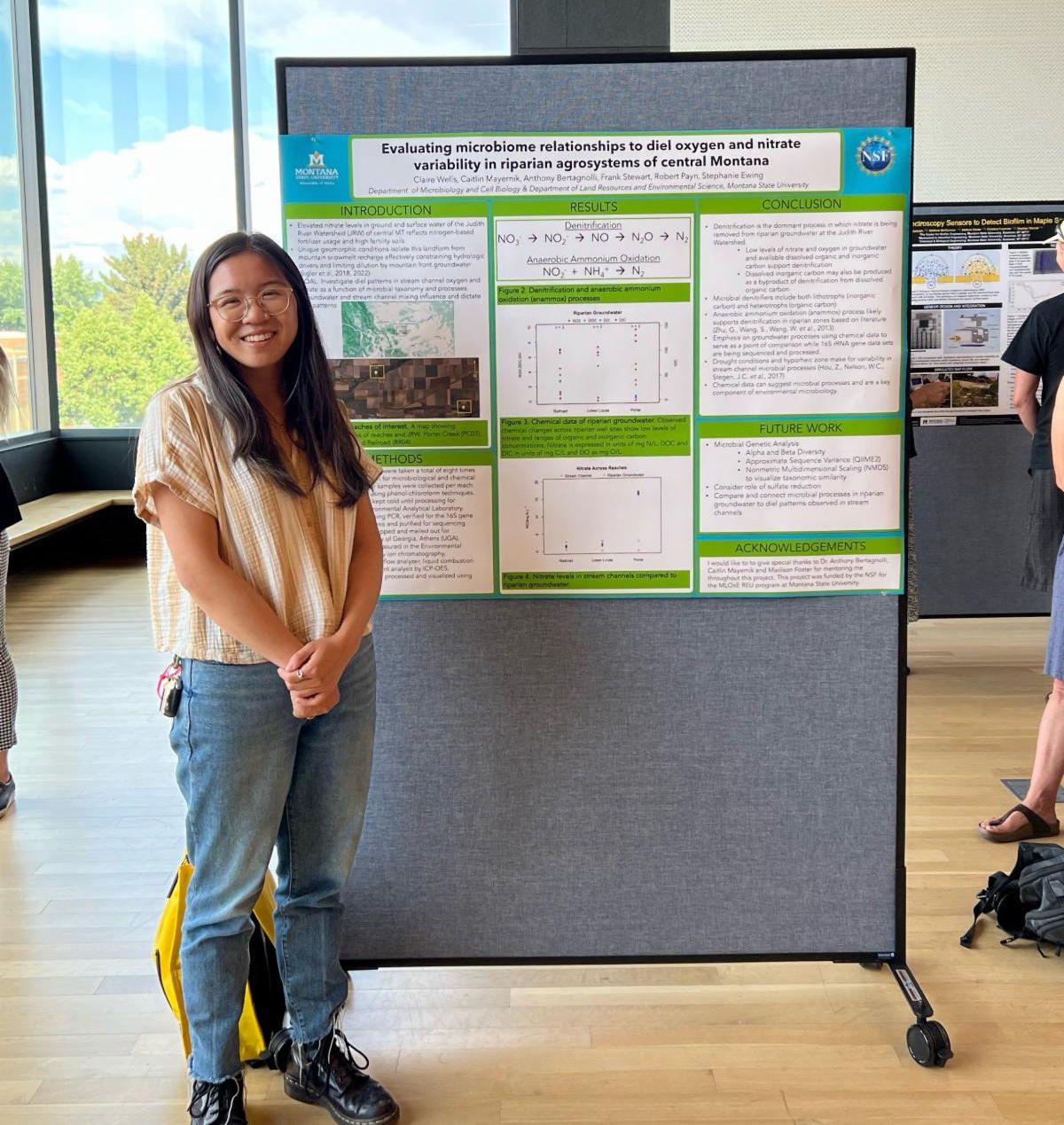
Claire Wells,
Willamette University
Advisors: Anthony Bertagnolli, Stephanie Ewing, and Rob Payn
“I don’t have these kinds of opportunities at my home institution, and it was really awesome being able to see the research that is being done at Montana State...It was great because it really helped me identify my interests while also giving me the confidence in my own abilities to do research and problem-solve on my own in the context of scientific research.” READ MORE
| | | |
|
Year 4 Workforce Development Internship
The CREWS Workforce Development internship program supported undergraduate students across the Montana University System during Summer 2022. These students worked directly with government agencies, NGOs, and other private businesses in Montana that are partners of the CREWS project. Learn more about some of the students and their internships below!
| |
Gabriella Cameron,
Sunburst Sensors
Supervisors: Reggie Spaulding
and Mike DeGrandpre
"My overall experience at Sunburst Sensors was incredibly positive. I was able to use many different machines and instruments to accomplish my goals and gained quite a bit of confidence in doing so. Everyone was kind and willing to help when I needed it. I enjoyed the freedom to experiment with the devices and to be able to guide my own learning as I accomplished established goals." READ MORE
| |
Morgan Schultz,
Clark Fork Coalition
Supervisor: Alex Leone
“CREWS was the perfect support system to allow me to process my overwhelming dataset and to officially report the findings to agencies involved with the restoration of the Clark Fork River. I would like to thank CREWS and everyone who has helped along the way...This project wouldn’t have been possible without your support.” READ MORE
| |
Sam Turner,
USGS
Supervisors: Travis Schmidt
and Ben Colman
"As someone who studies and recreates on river systems, this experience directly aligns with my academic, professional, and personal goals and interests...This internship exposed me to operations within the USGS and allowed for a hands-on perspective of working within a federal agency." READ MORE
| |
Raina Woolworth,
RESPEC
Supervisor: Joe Naughton
"I am so grateful for this internship opportunity. It is the first internship I have had where I got to work on projects that were tangible, applicable, and aligned closely with my career interests. I feel like my RESPEC employers identified and used my skills and truly valued my input.” READ MORE
| | | |
|
CREWS Research Helps Demonstrate Proficiency-based Education for STEM Teachers
When Montana State University educator-trainer Jeannie Chipps needed an authentic Montana research project to use as a model for teaching Proficiency Based Education, she turned to Montana NSF EPSCoR CREWS researcher Rob Payn (Proficiency-based Education is also commonly known as Competency-based Education in that it assesses for students’ level of proficiency or competency in understanding and engaging the content being taught). Chipps developed a summer professional development workshop for Montana STEM educators at the 2022 STEM Summer Institute that used the work of Payn, an associate professor of Land Resources & Environmental Sciences at MSU, and his collaborators to model PBE assessment. READ MORE
| |
|
Montana NSF EPSCoR Develops Sensing for Science Professional Development Program for Teachers
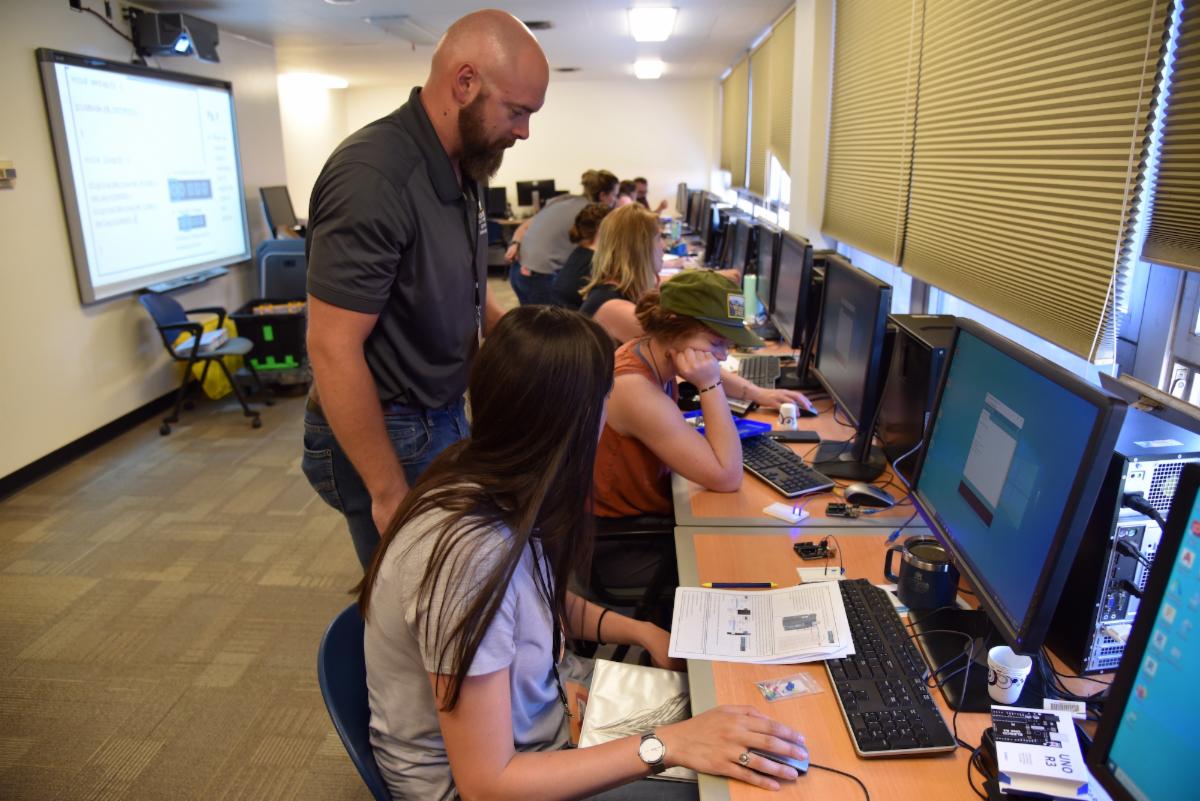
The Sensing for Science Professional Development Program for Teachers is a new program that teaches educators how to use Arduino tools and create an electrical device that can collect data on water quality and simulates the research being done by CREWS researchers and students. This program was developed in partnership with Kayce Williams, an Instructor in the MSU Department of Agricultural and Technology Education. The program was first taught at the 2022 STEM Summer Institute, and all resources, including more information about how educators can receive their own kit, can be found for free on the Sensing for Science program webpage.
| |
|
Montana NSF EPSCoR supports activities at MSU Inclusive Communities Camp
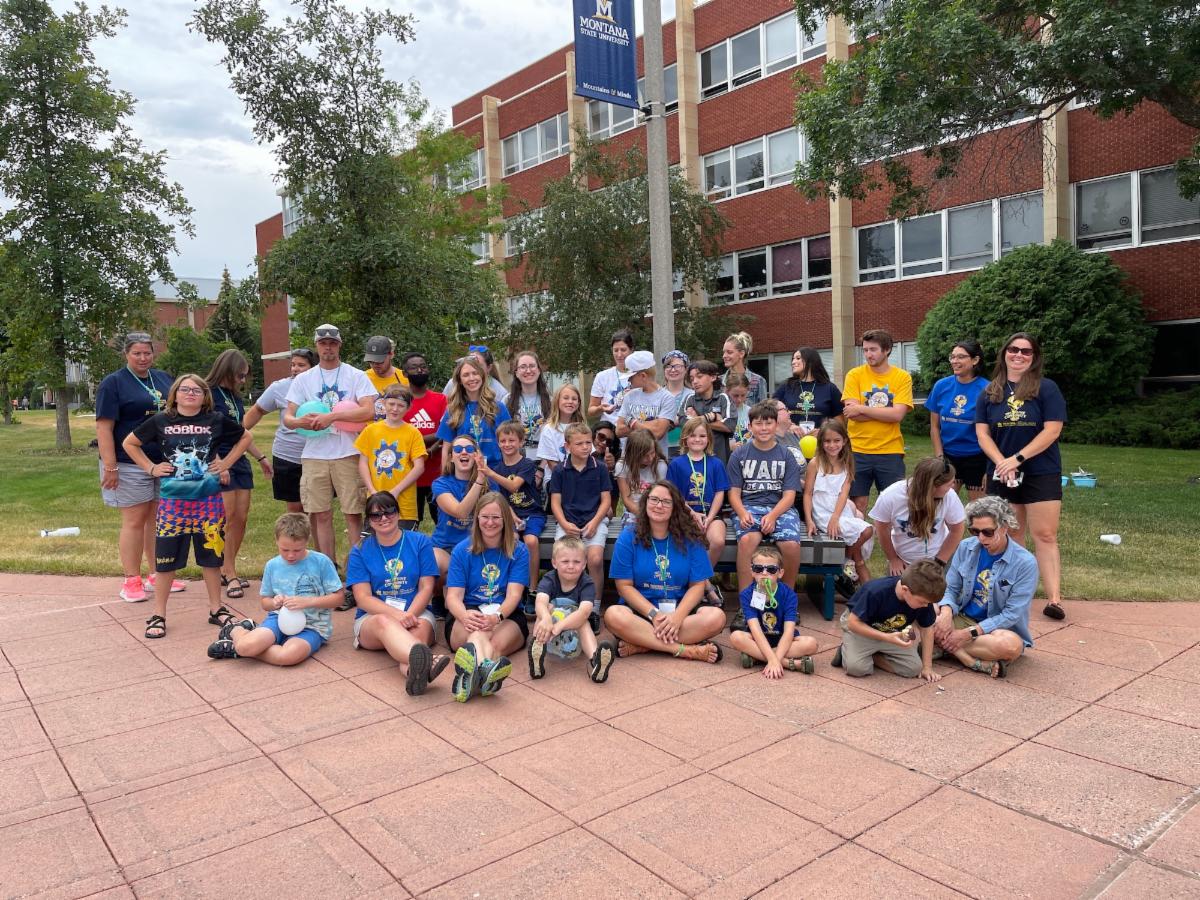
This summer, Montana NSF EPSCoR helped support adaptive water-based activities at the Inclusive Community Camp (ICC), hosted at MSU by the Department of Education. ICC is a summer day camp that has been carefully designed both for children with additional support needs – including those with Down syndrome and autism – and for those without additional support needs. MSU education students, who are students serving in the online, rural-focused Master of Arts in Teaching program, serve as camp guides to the elementary school-aged campers, developing valuable leadership and mentoring skills along the way. READ MORE
| |
Shoutouts and Announcements | |
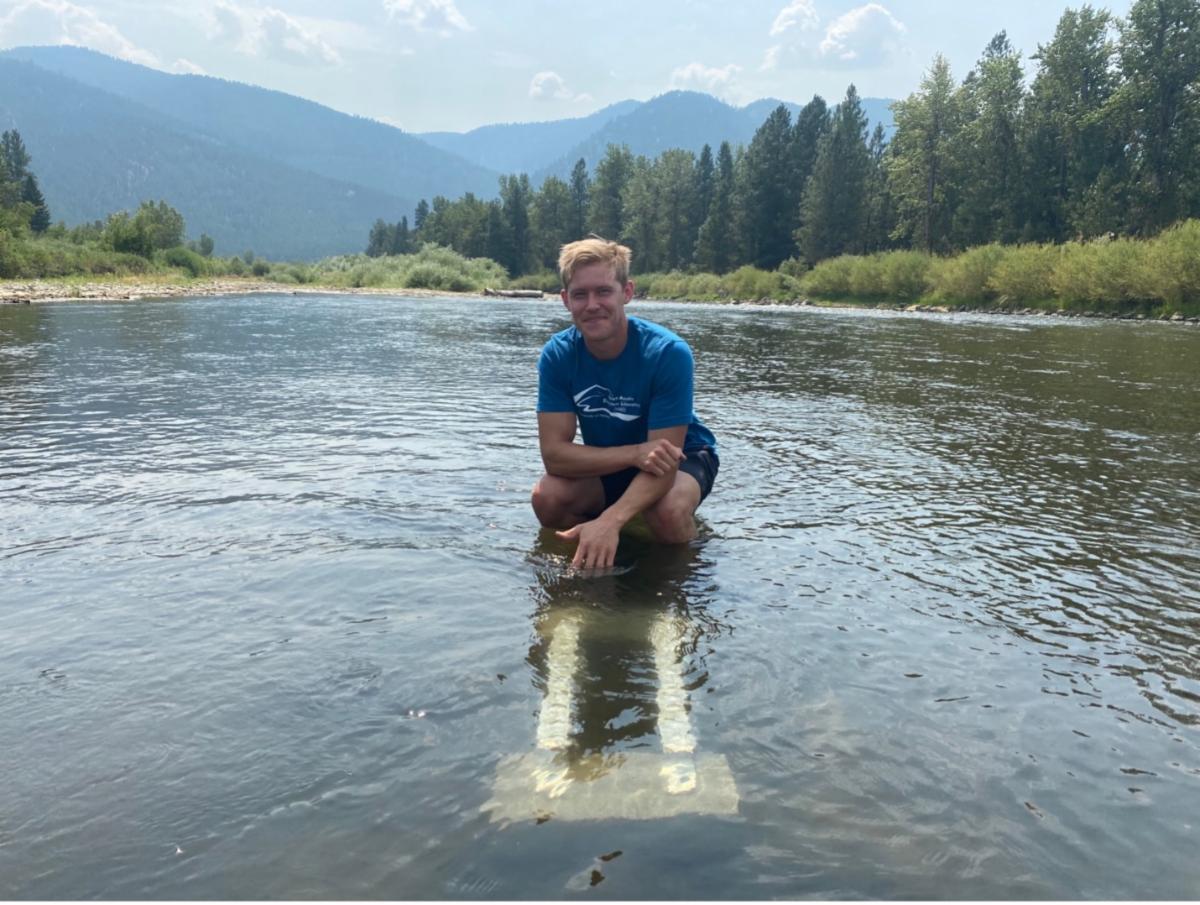
Fischer Young Defends Ph.D. Dissertation | 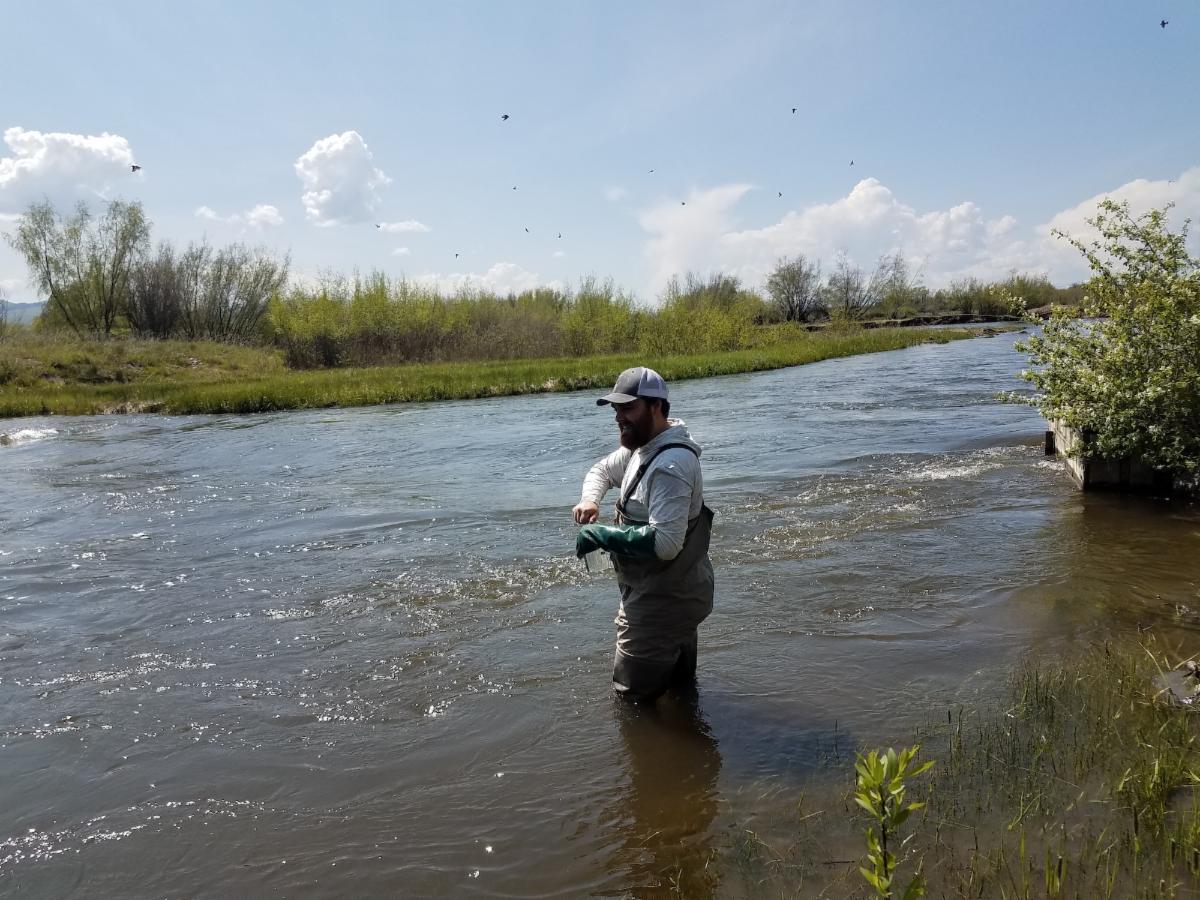 | Congratulations to Fischer Young, who successfully defended his Ph.D. dissertation in early September! Young, a member of the DeGrandpre Lab at UM, conducted graduate research and wrote his dissertation on "Characterizing riverine carbon: A spatiotemporal study of organic and inorganic carbon variability and evaluation of methods for quantifying pCO2." In terms of what comes next, Young was offered a job as a Biogeochemist (Scientist IV) with Maven Water and Environment, and he and his family will move to Saskatoon, Saskatchewan in Canada for the position. In his new role, Young will be involved in the technical design and optimization aspects of water treatment in the mining sector. These projects currently include constructed wetland treatment systems, gravel bed bioreactors, in situ treatment of pit lakes and mine pools, saturated rock fills, and improvements of active biological systems. We wish Fischer and his family all the best as he embarks on this next step. | | | |
Call for Year 5 Commercialization Interns | |
Do you have a research project that has possible commercial potential? Are you interested in having an intern explore that potential for you? CREWS has four funded intern opportunities with flexible timing.
Key Points on Commercialization internships:
- $4,000 for approximately a one-semester time-frame (can be open-ended with flexible starts, either later this term; December-January; spring term; or even summer)
- Open to either existing CREWS students or new students who you could recruit specifically for this internship opportunity.
- Can be used in connection with leveraged research activity that has CREWS (water quality) ties.
- Project may be supervised by a partner in either the private sector or a government agency.
For more information and how to apply:
Call for Year 5 Commercialization and Innovation Interns
| | | |
Meet our Science Communication Intern! | |
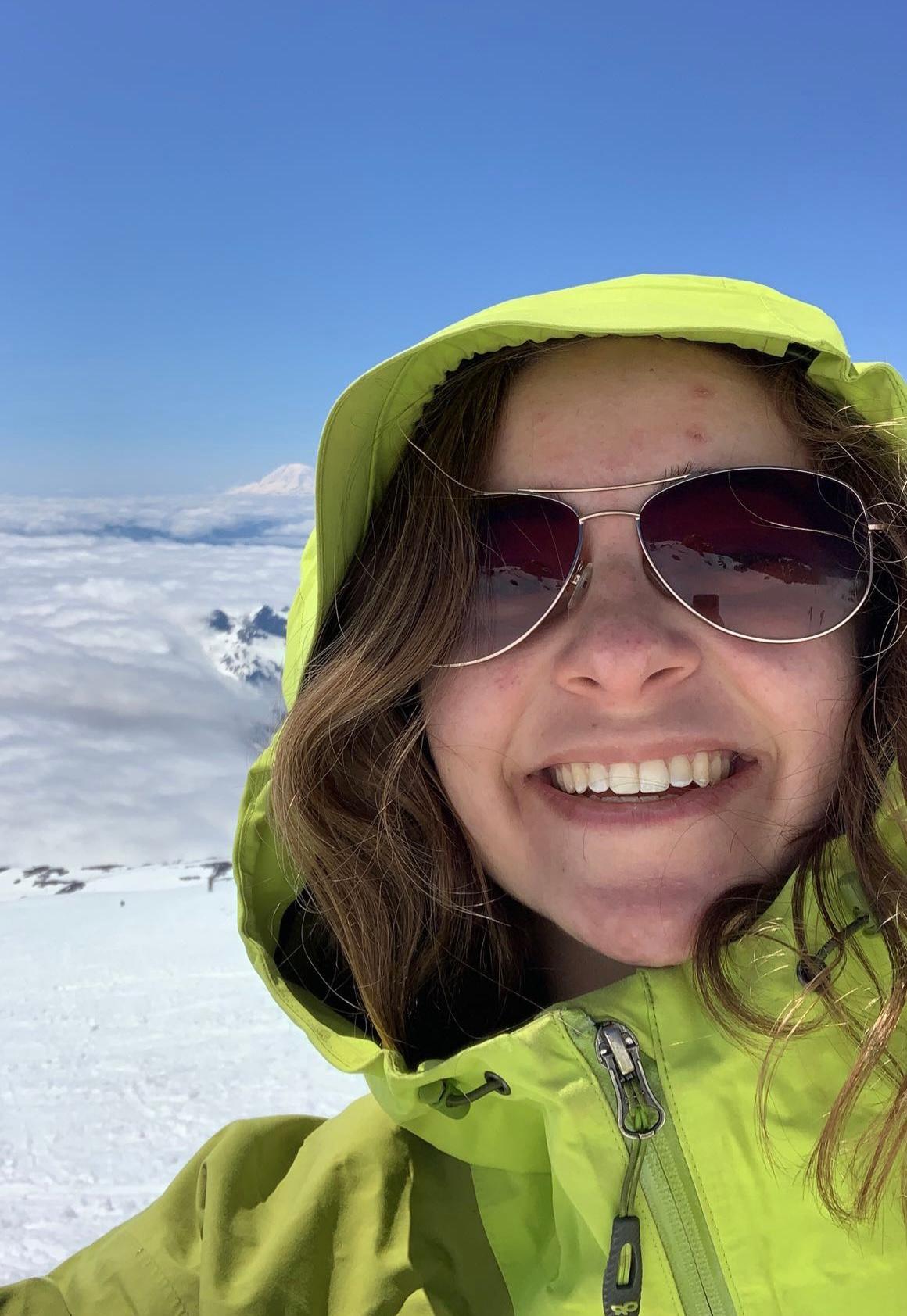
Chloe Moreland is a Montana NSF EPSCoR science communication intern with the Science Math Resource Center (SMRC) at MSU. She is from Snoqualmie, Washington, and is currently a senior pursuing degrees in Cell Biology & Neuroscience and English. In her free time, she enjoys hiking, climbing, reading, and skiing. Chloe began working as a science communication intern last spring and has been an invaluable member of the EPSCoR communications team ever since. Chloe has contributed to the EPSCoR newsletter, website, and many other communications materials. She was even awarded a seed grant from the MSU Outreach and Engagement Council last spring, and this fall she and other team members will use the grant to support the creation of adaptive and engaging techniques to involve youth and young educators in citizen science. | |
Other MT NSF EPSCoR Newsletters | |
|
Montana Girls STEM Collaborative -
Fall 2022
| |  |
|
Upper Clark Fork Working Group -
Fall 2022
| | |
Do you have an idea, story, event, or opportunity that you would like included in a future Montana NSF EPSCoR newsletter? Please contact Madison Boone at madison.boone@montana.edu | | | | | |