|
Hello!
3 Things to know if traveling to Europe in 2026, plus fall and 2027 trips for you!
I've been getting questions about the NEW protocol for travel to the EU since my last newsletter. So here is what you need to know about the EES, ETIAS, and UK ETA. There's quite a bit of information, but it's important to be aware of new requirements before you embark on your trip to Europe. Let me know if you have any questions. And be sure to scroll down for upcoming trips.
The EU's new Entry/Exit System (EES), a biometric, automated system, took effect on April 10, 2026.
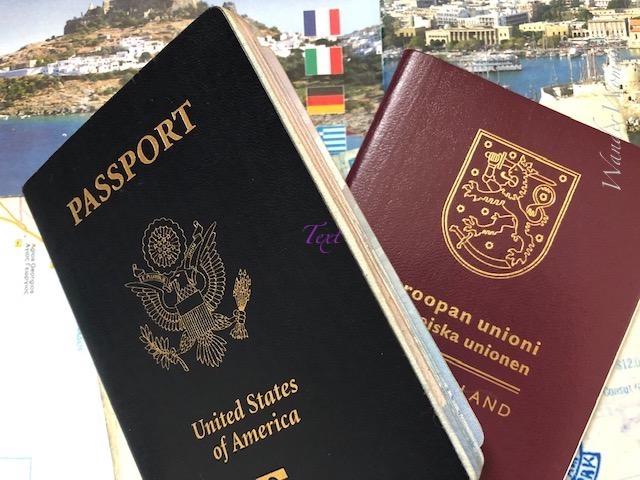
Sad news! No more passport stamps when entering the EU.
The EES will track non-EU nationals crossing the borders of the Schengen Area, which includes 29 European countries.
In lieu of passport stamps (we all loved to collect them), at the immigration kiosk, passengers’ faces and fingerprints are scanned. Due to the system's newness, some airports are reporting long initial queues. To alleviate the bottleneck, an app is available; however, at this time, only Portugal and Sweden are on it. If traveling to those two countries, consider downloading the app and providing the required information; whether or not it will expedite your entry and exit is yet to be determined.
For all other EU destinations, no action is required on your part, except to be prepared for longer connection times at your first port of entry into the EU. If you can, book nonstop flights to your European destination.
If you are connecting in the EU, but your destination is outside the EU, as long as you can transit through the airport's security zone, you will not have to go through the EES procedure. But at some airports, such as Charles de Gaulle (CDG) in Paris, it is often necessary to exit the security zone to change terminals. Even without any new protocols, a 1.5-hour connection is too short at CDG.
Learn more about the EES at the official EU site: https://travel-europe.europa.eu/en/ees . Avoid websites that imitate government services.
|