|
Dear Community:
Today, as we celebrate Juneteenth, we honor the profound resilience, strength, and enduring spirit of our ancestors. This day marks a pivotal moment of liberation, but it also reminds us of the ongoing struggle against systemic racism and inequality.
At the Center for Closing the Health Gap, our daily work is deeply rooted in this history. Every time we fight for health equity, advocate for marginalized voices, and work to dismantle the disparities built into our healthcare system, we honor the legacy of those who fought before us. True freedom includes the right to live healthy, thriving lives. We cannot rely on broken systems to heal us; we must actively build each other up and empower our neighborhoods from within.
As we reflect on our past and push toward a more equitable future, we remain guided by our core belief that is as true now as it ever was: We Must Save Us. For a full list of events and activities throughout this holiday weekend, visit https://juneteenthcincinnati.org.
Blessings to all of you for a joyous holiday and a safe and healthy week ahead.
Renee Mahaffey Harris
President & CEO
| | |
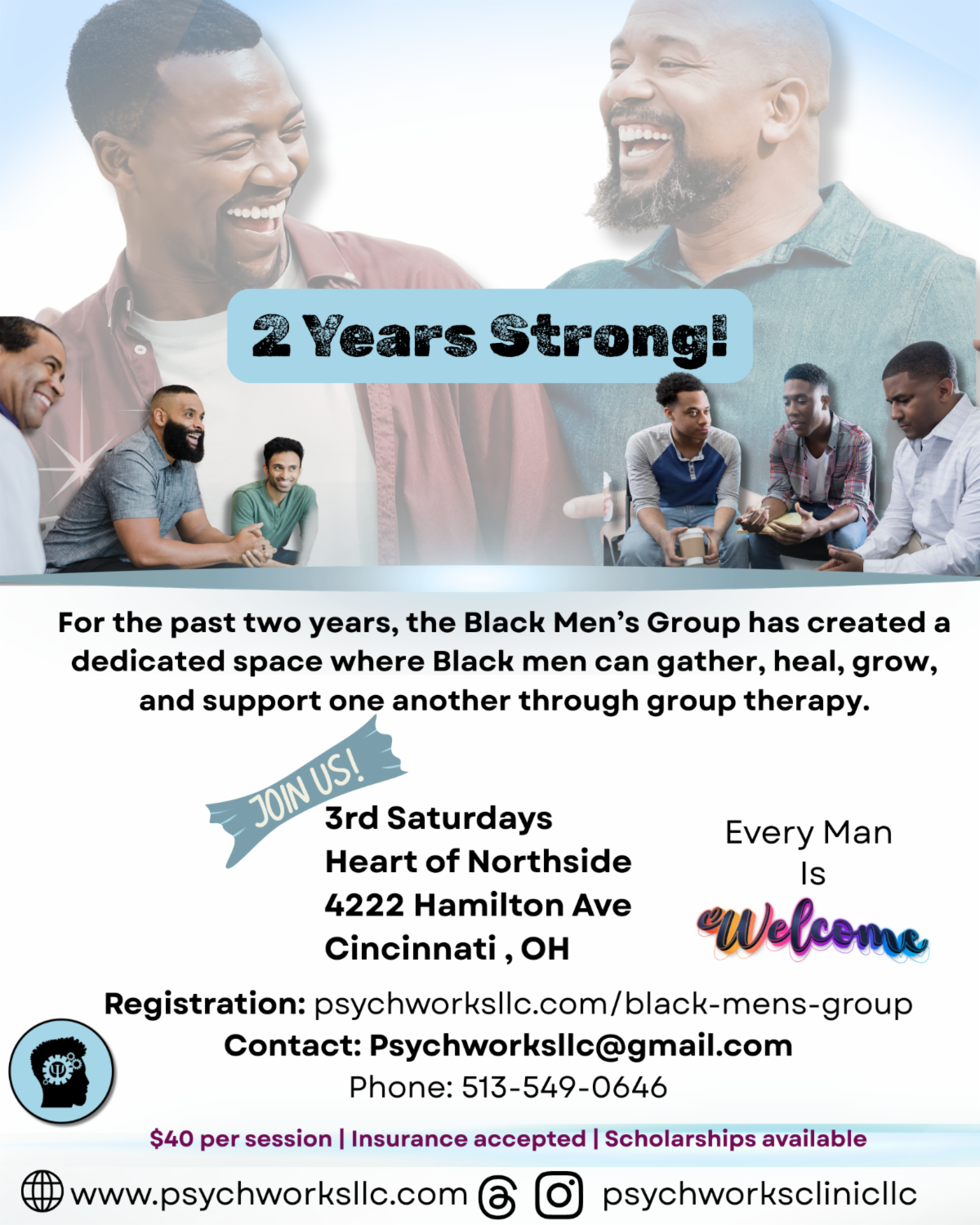
Black Men’s Support Group at PsychWorks Clinic celebrate two-year anniversary on June 20
Tomorrow marks two years of creating a confidential and supportive space for Black men to gather in fellowship, brotherhood, healing, and community. This anniversary meeting is a great opportunity for men who have attended before to return, and for men who may be considering the group for the first time to join. Refreshments will be served.
Black Men’s Support Group — Two-Year Anniversary Meeting
Saturday, June 20 at 1:00 PM
Location: PsychWorks Clinic, 4222 Hamilton Ave. in Cincinnati (45223)
Cost: $40 per session (insurance and scholarships are available)
To register or learn more, click here or call PsychWorks Clinic at 513-549-0646.
| |
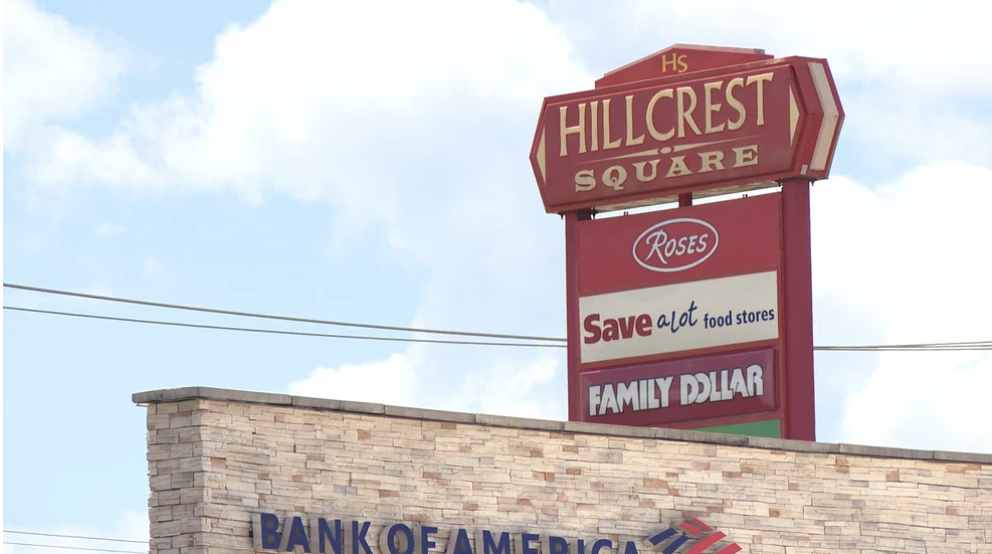
Store owner's retirement won't lead to Cincinnati food desert under new plan
Community leaders say a potential food desert in Roselawn has been avoided after a partnership was formed to keep a neighborhood grocery store operating following its owner's retirement.
Concerns emerged after David Pearson, owner of the Save A Lot in Roselawn, announced plans to retire. Residents worried the store could close if a new operator was not found. According to Cincinnati Vice Mayor Jan-Michele Lemon Kearney, Pearson reached out for help, leading to discussions involving the Center for Closing the Health Gap and city leaders.
| | |
How Gun Violence Exposure Drives Racial Health Disparities
Higher exposure to gun violence among Black and Hispanic Americans helps explain persistent racial disparities in both general health and chronic health diagnoses, according to Rutgers researchers.
Their study, published in the Journal of Racial and Ethnic Health Disparities, examined whether exposure to gun violence is a pathway connecting socioeconomic disadvantage to racial disparities in health among U.S. adults. Researchers say racial disparities in health remain one of the most persistent public health challenges in the United States. Black and Hispanic Americans are more likely than white Americans to live in communities facing concentrated poverty, disinvestment, and elevated rates of gun violence. Yet relatively little research has examined whether exposure to gun violence itself helps explain the link between patterns of socioeconomic disadvantage and racial gaps in health, leaving an important piece of the puzzle largely unexamined.
“Gun violence is not only a public safety problem, it is also a public health issue that contributes to racial disparities in health,” said Daniel C. Semenza, director of research at the New Jersey Gun Violence Research Center at Rutgers and an associate professor in the Department of Sociology, Anthropology and Criminal Justice at Rutgers University-Camden. “Black and Hispanic Americans experience substantially higher levels of gun violence exposure, and those differences help explain disparities in both self-rated and chronic health problems.”
|
Disaggregating Public Health Data by Race and Ethnicity to Improve Public Health
Having high-quality data is a necessary first step toward effective policy and programs. As the diversity of the nation’s population grows, broad race and ethnicity categories are increasingly insufficient to capture the diversity of experiences and outcomes across different communities. “Data disaggregation” refers to the collection, reporting, and analysis of information on more detailed subgroups by race, ethnicity, and other characteristics. While aggregated data can mask disparities, disaggregated data allow researchers to better analyze differences between groups, and the relationships among multiple variables. Disaggregation of public health data by race and ethnicity is therefore critical to understanding and addressing health disparities and driving progress toward health equity.
The COVID-19 pandemic surfaced some important examples of how disaggregated data allow health officials to tailor health interventions to the most at-risk communities and maximize their impact and efficiency. In late 2020, for example, California’s Santa Clara County began collecting disaggregated race and ethnicity data on COVID-19 infections, revealing that Vietnamese and Filipino residents experienced higher rates of infections compared to other Asian American groups. Asian Health Services, a federally-qualified health center in Alameda County, also began collecting disaggregated data for patients coming in for COVID-19 testing and found that Vietnamese residents were testing positive at nearly twice the rate of Asian Americans overall. Asian Health Services responded by conducting targeted in-language outreach in areas with large Vietnamese populations. Following the tailored interventions informed by this disaggregated data collection, COVID-19 positivity rates for Vietnamese residents dropped to levels similar to other groups, demonstrating the importance of granular data in informing effective public health responses.
|
‘Health is Wealth’: How Whitman-Walker Health System Closes Health Gaps in D.C.
As healthcare organizations across the country grapple with rising costs and persistent disparities in access to treatment, leaders at Whitman-Walker Health System (WWHS) are utilizing community engagement, research and advocacy to help improve wellness outcomes throughout Washington, D.C.
Established in 2017, WWHS was designed to support research, policy initiatives, and philanthropy while allowing Whitman-Walker Health, also known as the Clinic, to focus on direct patient care. Dr. Heather Aaron, CEO of Whitman-Walker Health System, emphasized the structure was created with long-term sustainability in mind.
“The health system was created with [the] foresight of looking at how expensive it is to run healthcare in this country,” Aaron told The Informer. Today, the organization continues to expand its reach through research initiatives, community partnerships, and efforts to address health inequities affecting underserved populations.
|
How University of Miami scientists are tackling health disparities in Black communities
This past April, The Miami Times reported worsening health outcomes for Black communities as two Florida health plans near their end. With both plans experiencing setbacks due to structural, political and funding challenges, research on the community level has become increasingly important.
For South Floridians, one of the hubs for disparity research is right in our backyard. At the University of Miami Miller School of Medicine, significant advances are being made to mitigate the racial disparities in health care through research and community engagement.
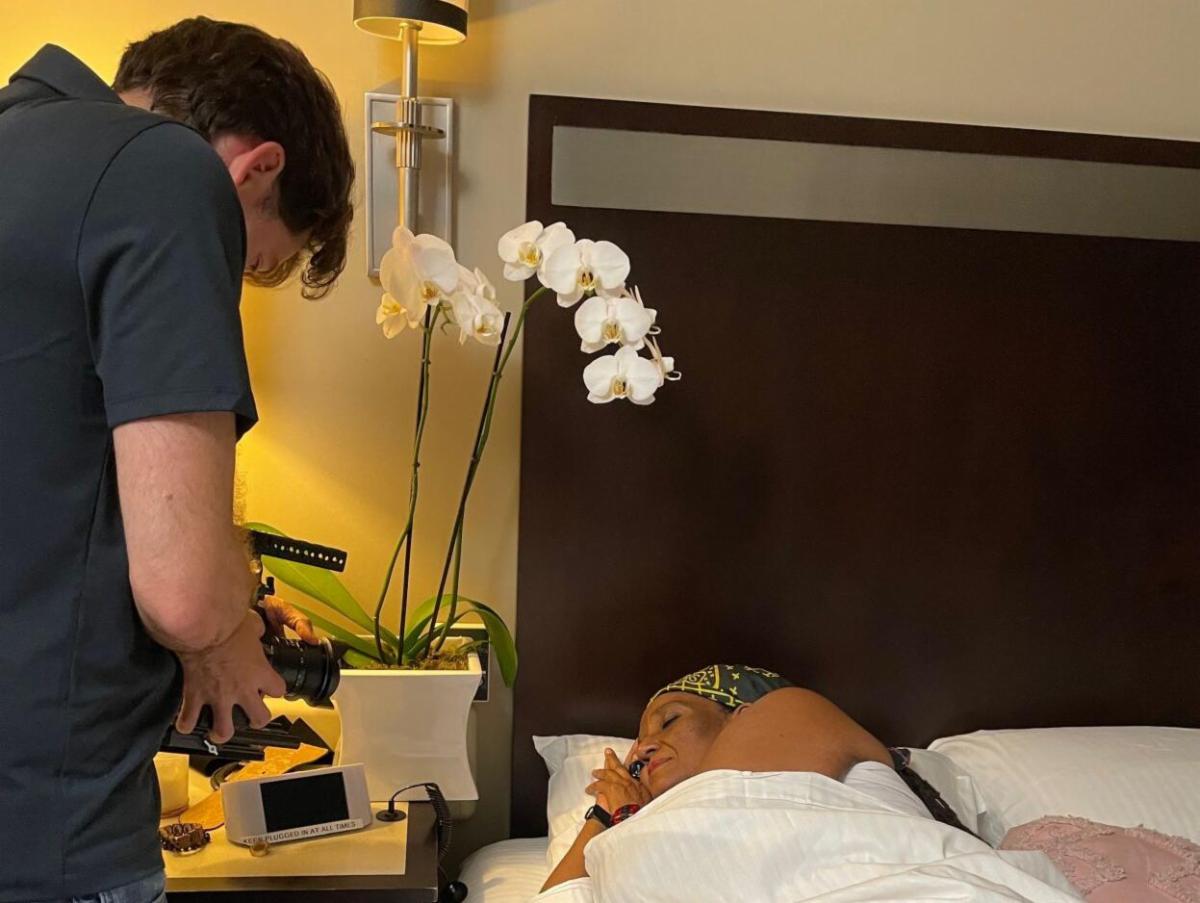
Dr. Judite Blanc is currently a research associate professor at the Miller School of Medicine. She created a lab known as the Holistic Families Lab, which is attached to the Center on Translational Sleep and Circadian Sciences within the Department of Psychiatry and Behavioral Sciences. The goal of the lab is to leverage innovative, ethnographic tools to tackle unique stress responses among underserved families, particularly in women and children.
|
Lead exposure disparities persist among young children in U.S.
Blood lead levels in young children in the U.S. are declining overall but remain higher among children belonging to racial minorities or low-income families, according to a new study led by Harvard T.H. Chan School of Public Health’s Mary Jean Brown.
According to experts, young kids are uniquely vulnerable to lead exposure because they put their hands and objects in their mouth. Items may be contaminated with lead especially if found in a home or playground with lead-based paint. No level of lead in children’s blood is safe, and higher levels can result in long-term neurological damage.
To learn more about this threat to children’s health, the researchers analyzed nationwide blood lead level trends among children between 2011 and 2023, as reported by the U.S. Centers for Disease Control and Prevention’s National Health and Nutrition Examination Survey (NHANES). They also examined equivalent data from seven states—Connecticut, Delaware, Illinois, Indiana, Massachusetts, Pennsylvania, and South Dakota—which included demographic information.
| | | | |