|
From Memorial Day through Labor Day, a team from the La Crosse County Health Department is out every week testing water at eight popular swimming beaches.
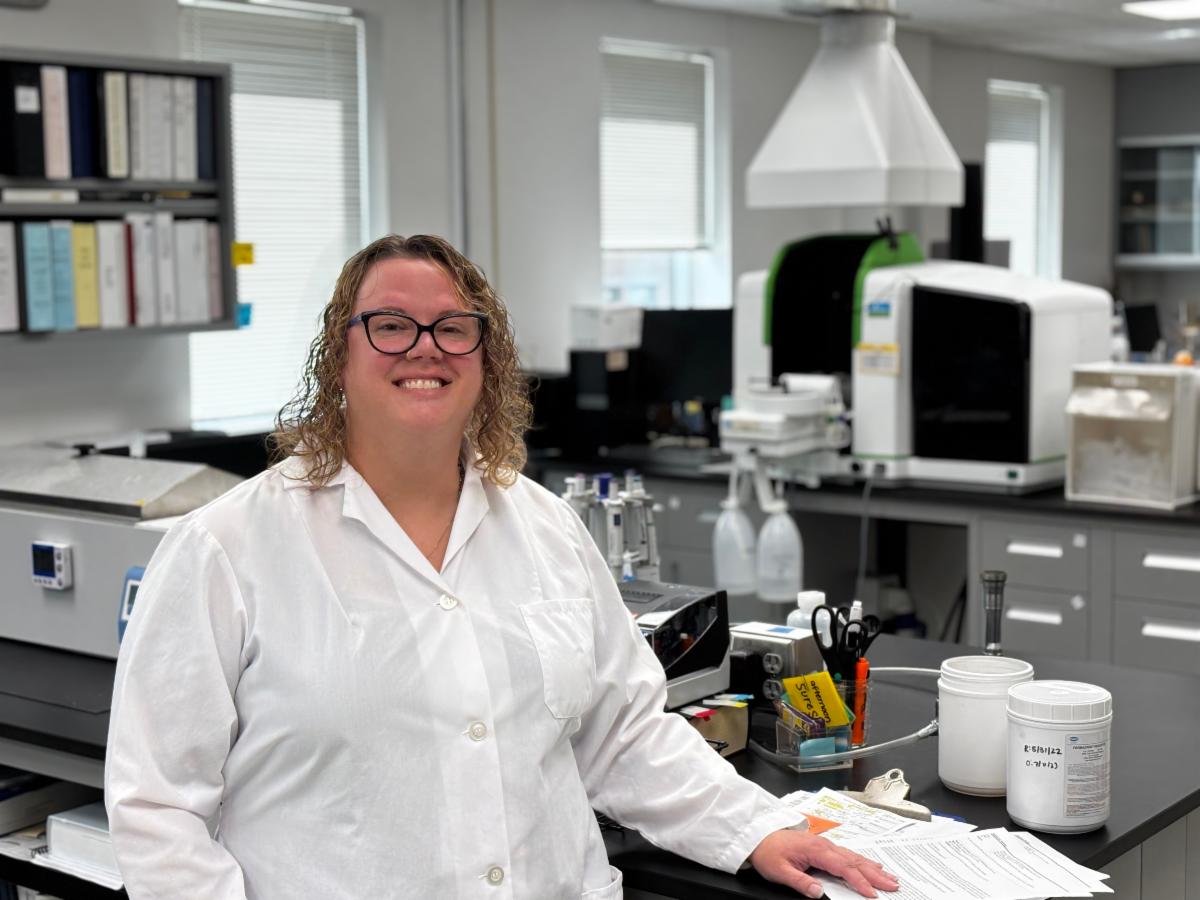
“We do this to make sure the water is safe not only for people, but also for pets,” says Lacey Hein (pictured), Lab Technologist with the Health Department. “We want everyone to be able to enjoy our local resources without getting sick.”
Testing: Each week, staff wade into the water—about knee to thigh deep, straight out from the beach where people typically swim—to collect water samples. These are brought to the Health Department lab and tested within 15–20 minutes of arrival. After incubating overnight, lab staff analyze the results within 24 hours, measuring the presence of E. coli, a key indicator of water contamination. The results fall into three categories:
-
Safe to swim: Less than 235 colony forming units (CFU) of E. coli
-
Warning: 236–1,000 CFU — swim at your own risk
-
Closed: Over 1,000 CFU — unsafe to swim
If a beach tests in the warning or closure range, signage is posted immediately. Beaches that are closed are retested within 24–48 hours, weather permitting. However, rain can delay retesting, as it can impact bacteria levels. “Water quality can change quickly due to weather, animals, currents, or even wind,” Lacey explains. "Our testing gives a really solid scientific snapshot, but it’s still important for the public to use good judgment.”
The eight beaches tested weekly are Black River Beach, Pettibone Beach, Lake Neshonoc Swarthout Park, Whispering Pines, Bluebird Springs, Goose Island Beach, Neshonoc Lakeside Campground and Airport Beach.
Results: Beach water monitoring results are posted weekly, usually on Tuesdays, at lacrossecounty.org/health and on the county's social media accounts. Learn more here.
Lab Work: Beyond beach water monitoring, the Health Department lab also tests well water, rivers and streams for other county programs, swimming pools, restaurant water supplies, and more, helping protect public health all year round.
|