Weekly Digest Number 2 - January 12th, 2021 |
|
Investigation Underway After Employee Dies at Montreal Rail Yard |
|
(Editor's Note: Things have been quiet in Canada since last spring. Now we see a fatality in Quebec join the 7 south of the border since mid-October. How long is this string of fatalities going to last? Eight total dead in less than 3 months).
MONTREAL -- The federal Transportation Safety Board is investigating after a railway employee died Wednesday at Montreal's Pointe-St-Charles rail yard. The incident happened around 12:50 p.m., the agency told CTV News. The death is being investigated by the independent Transportation Safety Board of Canada (TSB), which is responsible for looking into air, marine, pipeline, and rail "occurrences" related to safety, it said in the release. "It is not the function of the Board to assign fault or determine civil or criminal liability," it said.
|
|
Another Bomb Train Accident Highlights Regulatory Failures |
|
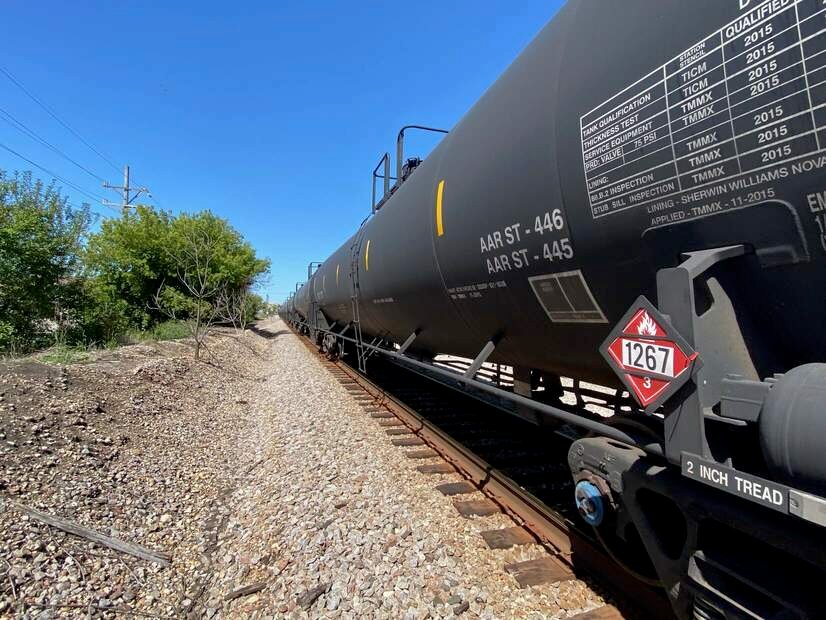
A train carrying over 100 cars of volatile Bakken oil derailed in Washington state, causing the evacuation of the town of Custer. At least two of the train cars ruptured and the oil ignited and burned — reminding us once again why these dangerous trains are known as bomb trains.
Matt Krogh of Stand.earth has been leading efforts to keep these dangerous trains off the tracks for years, so he was well aware of the potential deadly consequences of oil train accidents in populated areas. Krogh could see the smoke from this latest accident from his home in Bellingham, Washington.
|
|
AAR: Railroads Close out 2020 with Traffic Near Pre-pandemic Levels |
|
(Editor's Note: Despite freight traffic rebounding, employment remains down by some 15% year over year).
In a year roiled by a global pandemic, total combined U.S. freight-rail traffic fell 7.2% to 25,157,476 carloads and intermodal units during the 53 weeks of 2020 compared with the same period in 2019, according to Association of American Railroads data.
|
|
Union Pacific Freight Train Derails 3 Locomotives and 15 Cars in Oregon |
|
The train derailed around 1:30 a.m. Wednesday. The engineer complained of pain but there were no other injuries. No hazardous materials were involved.
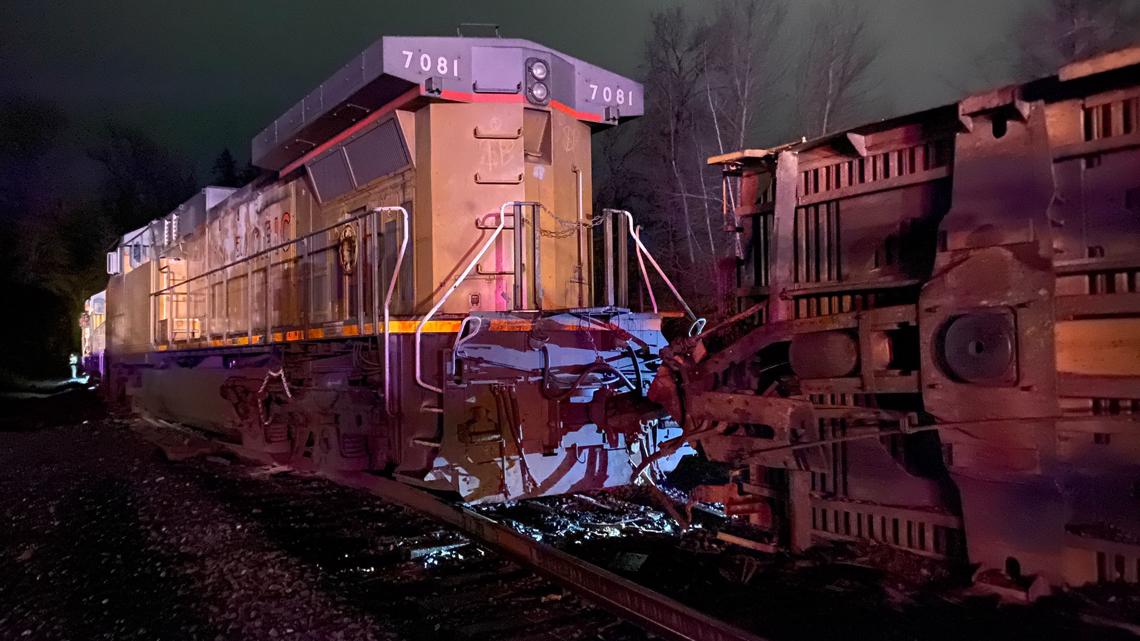
A Union Pacific train carrying lumber derailed after colliding with a large tree that had fallen on the tracks early Wednesday morning along Highway 99 between Canby and Oregon City.
The Clackamas County Sheriff's Office said three locomotives and 15 rail cars derailed at around 1:30 a.m. None of the debris or rail cars blocked the highway, which was closed for more than an hour but has since partially reopened.
|
|
UPDATE: Federal Court Has Enjoined the BMWED in COVID-19 Safety Dispute With Union Pacific |
|
In the dispute between BMWED and Union Pacific over Union Pacific's Covid-19 policies and protocols, the Federal Court in Omaha has enjoined a potential withdrawal from service over UP's policies and protocols. Under that order, BMWED and its officers, members, agents and employees are enjoined from:
a. directing, calling, causing, approving, authorizing, instigating, conducting, threatening, continuing, encouraging, inducing or engaging in any strike, self-help, sickout, concerted refusal to bid on advertised assignments, absenting themselves from work, slowdown, work stoppage, refusal to work, job action, picketing, or refusal to cross a picket line at or outside of the premises of or against Union Pacific, and any and all acts of any kind whatsoever, in furtherance or support thereof ...
|
|
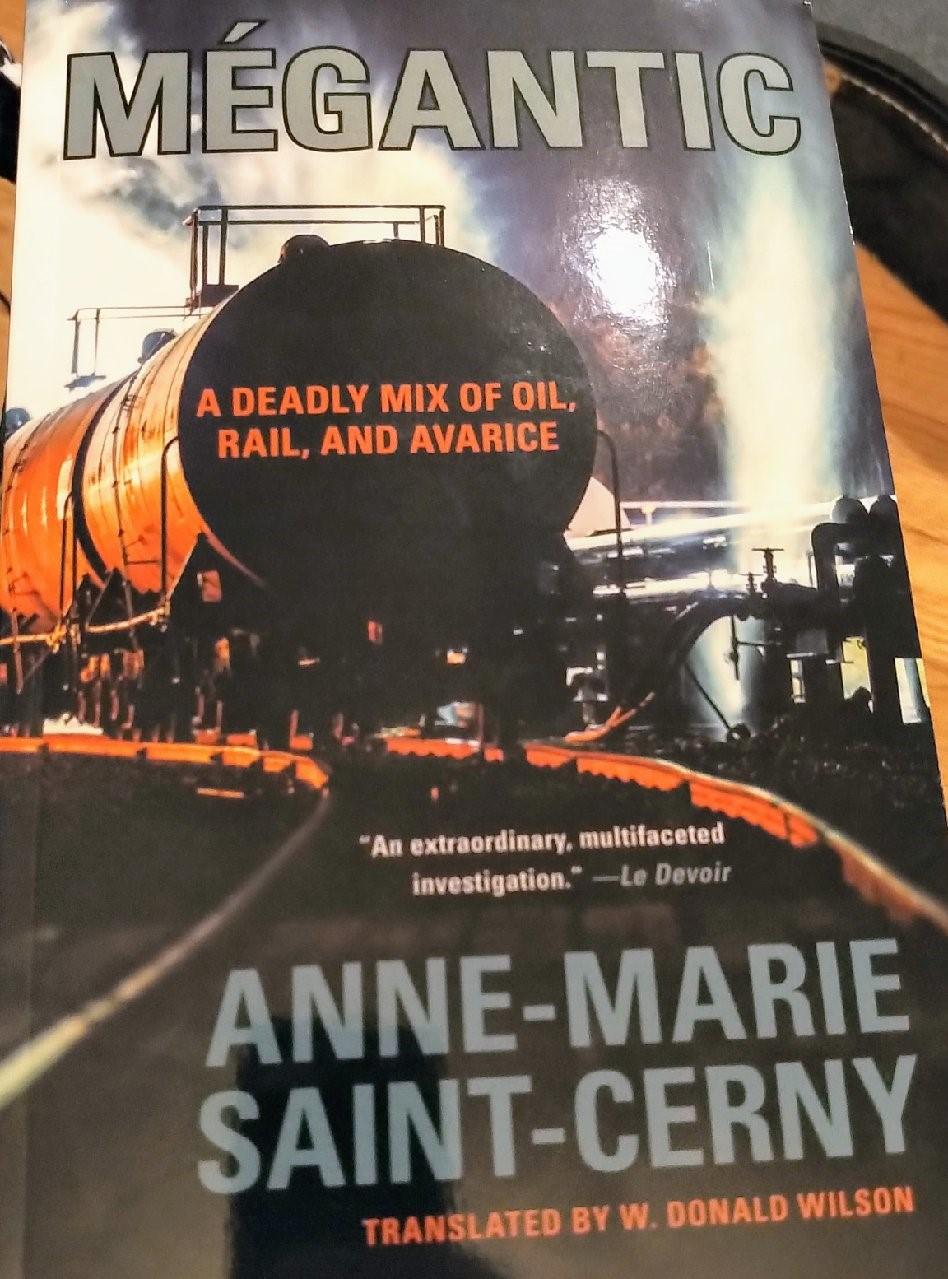
New Book: Mégantic: A Deadly Mix of Oil, Rail, and Avarice
|
|
By Anne-Marie Saint-Cerny, Translated by W. Donald Wilson.
Softcover, 6x9", 288 pages. October 2020.
"In this exhaustively researched work of investigative journalism, Anne-Marie Saint-Cerny examines the causes and after-effects of the 2013 Lac-Mégantic rail disaster.
When a driverless, out-of-control train carrying highly volatile crude oil decimated the downtown area of the picturesque town of Lac-Mégantic, it immediately killed forty-seven people and lead to the suicides of several others. Saint-Cerny reveals how the tragedy was not an accident, but rather was knowingly caused by powerful people and institutions far removed from the town itself. Her moving and passionate book asks probing and vital questions: Who are the tragedy's real culprits? Who took control of the crime scene? Who rebuilt the town, and in whose interest?
|
|
Report: MBTA to Furlough Workers, Execs |
|
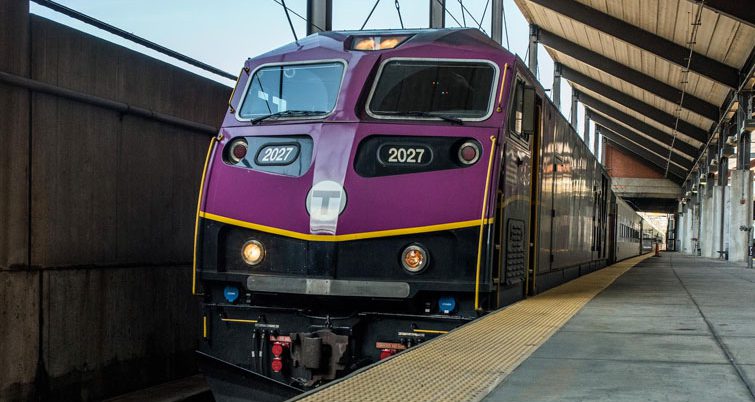
The forced five furlough days will be take place once a month, and will include MBTA’s general manager and other executives, as well as unionized members of the Transportation Executives Association, the Office & Professional Employees International Union Local 453 and United Steelworkers, a Boston news station reported.
|
|
Sires Reintroduces Bill to Notify Lawmakers of Rail Safety Assessments |
|
U.S. Rep. Albio Sires (D-N.J.) has reintroduced the Rail Audit Transparency Act, a bill that would require the Federal Railroad Administration (FRA) to notify Congress when a comprehensive safety assessment is being conducted on an intercity passenger- or commuter-rail agency in lawmakers' districts.
The legislation was prompted in part by a New Jersey Transit accident in 2016 that killed one person and injured 110 passengers and crew members. After the accident, it was revealed that the FRA was in the process of conducting a "deep audit" on NJ Transit due to an increase in safety violations. At the time, the safety review was not know to relevant members of Congress or to the public, according to Sires.
|
|
BNSF, Wabtec Begin Testing Battery-Electric Locomotive |
|
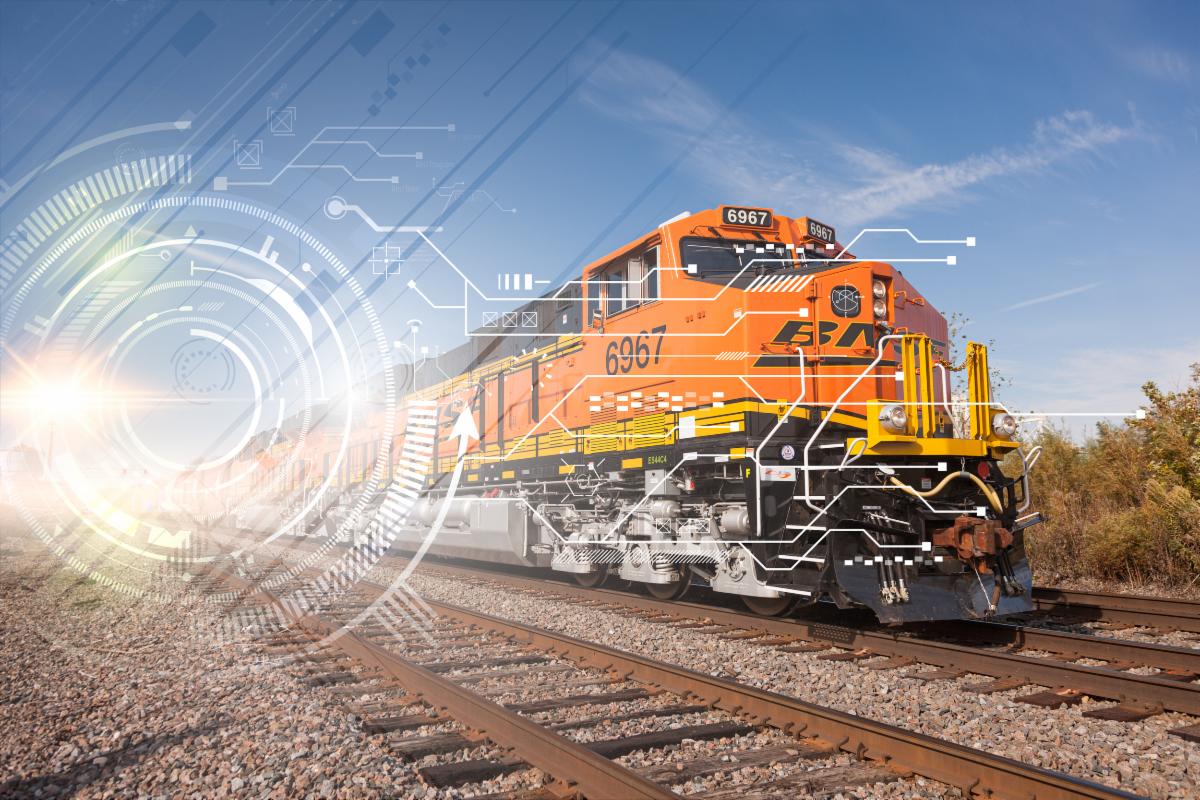
BNSF Railway Co. and Wabtec Corp. yesterday announced they've begun testing a battery-electric locomotive in revenue service between Barstow and Stockton, California.
The test is part of the companies' efforts to explore the future of battery-electric locomotives. As BNSF seeks ways to further reduce its environmental impact, the advancement of battery technology offers some possible solutions, BNSF officials said in a press release.
|
|
Korail Launches New High-speed Trains |
|
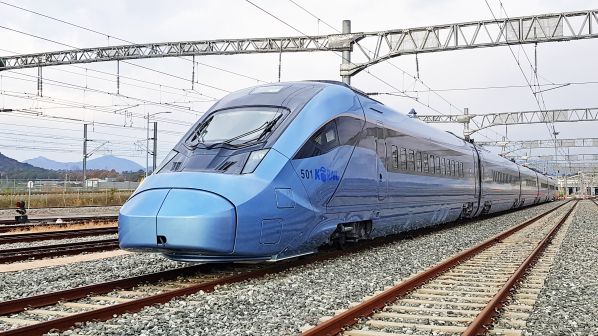
KOREAN national operator Korail has begun operating services on the Seoul – Gyeongju Jungang line using a fleet of 260km/h distributed-traction EMU-250 high-speed trains built by Hyundai Rotem.
The EMU-250 is based on the HEMU-430X, a 430km/h prototype developed by Hyundai Rotem in 2012. The new trains are expected to offer improved acceleration and deceleration compared with older models operated by Korail, reducing braking distances and improving management of curves. The trains are also expected to offer improved energy efficiency and reduced wind resistance.
|
|
|
|
|
|
|