12 October 2023

The people around you make the biggest difference when it comes to resilience. Whether you've joined a stroll & roll group, organized for emergencies on your block, or championed local climate action, the power is in your local network.

Stoked for Car-Lite, Bike-Safe Living


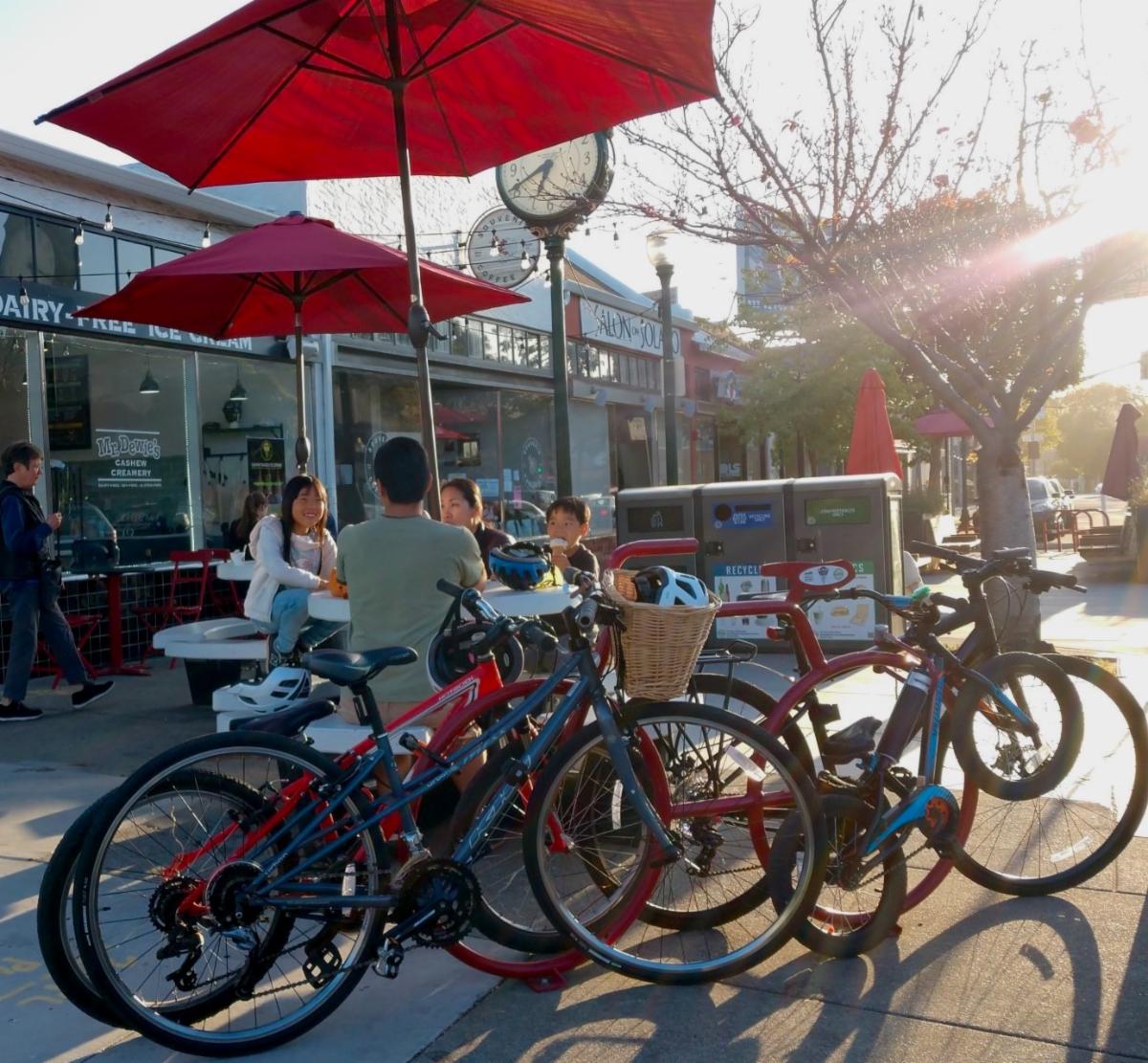
After I totaled our electric Nissan Leaf, my husband made a radical proposal: What if we don’t replace the car? What if we buy electric bikes instead? We decided that car-lite living would only work if we never deprived ourselves because we didn’t own a car. Since then, we’ve been happily using e-bikes for errands; walking to the library, grocery store, and restaurants; riding buses and BART to nearby cities for special events; and renting cars for out of town trips. Here's how we made it work. Photo: Amy Smolens.


 Keep Reading

I N-D E E P

Good Neighbors Make Good Disaster Plans

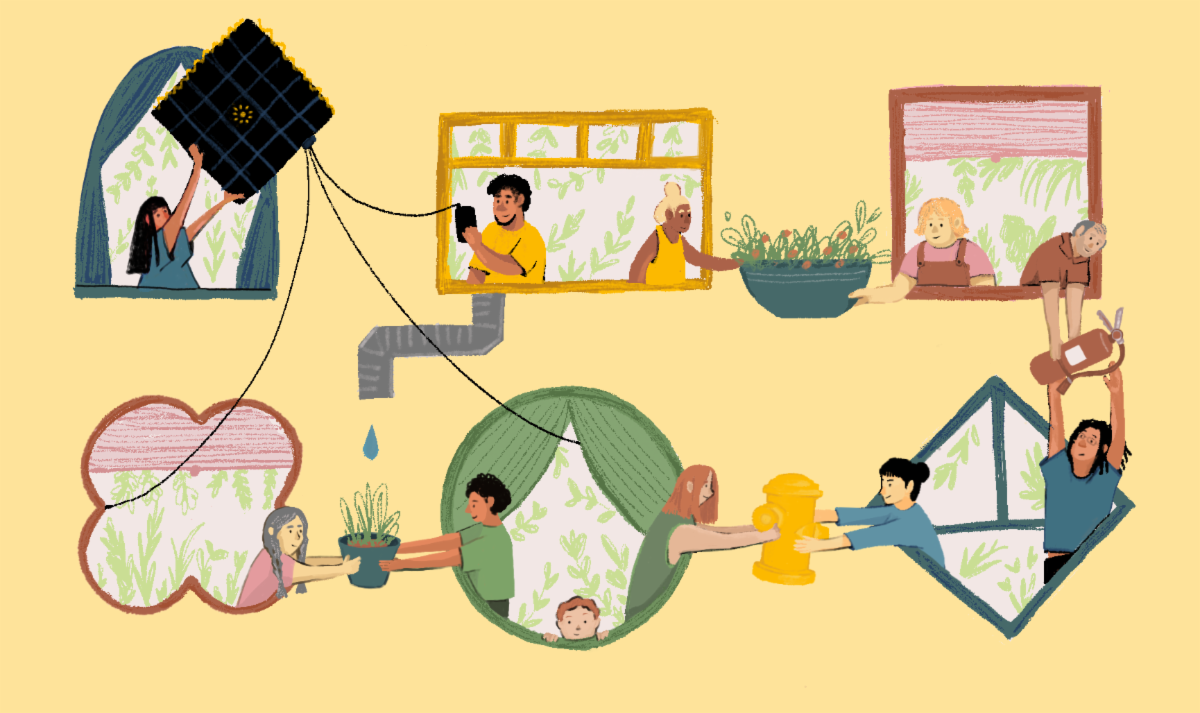
While a standard earthquake kit remains essential today (food, water, flashlights, radios, spare clothing), we’ve learned to include N95 masks, even a solar charger. In fact, given all the disruptions we now must prepare for (power shut-downs, flood and heat alerts, fire evacuations) the traditional approach of hunkering down and going it alone can feel both isolating and insufficient. Fortunately, there’s another way. Disaster planners are now recommending a set of proactive, communal actions that can increase our climate resilience. Art: Sachi Mulkey


Keep Reading

Layer Cake of Risk Mapped for Five Bay Area Hotspots

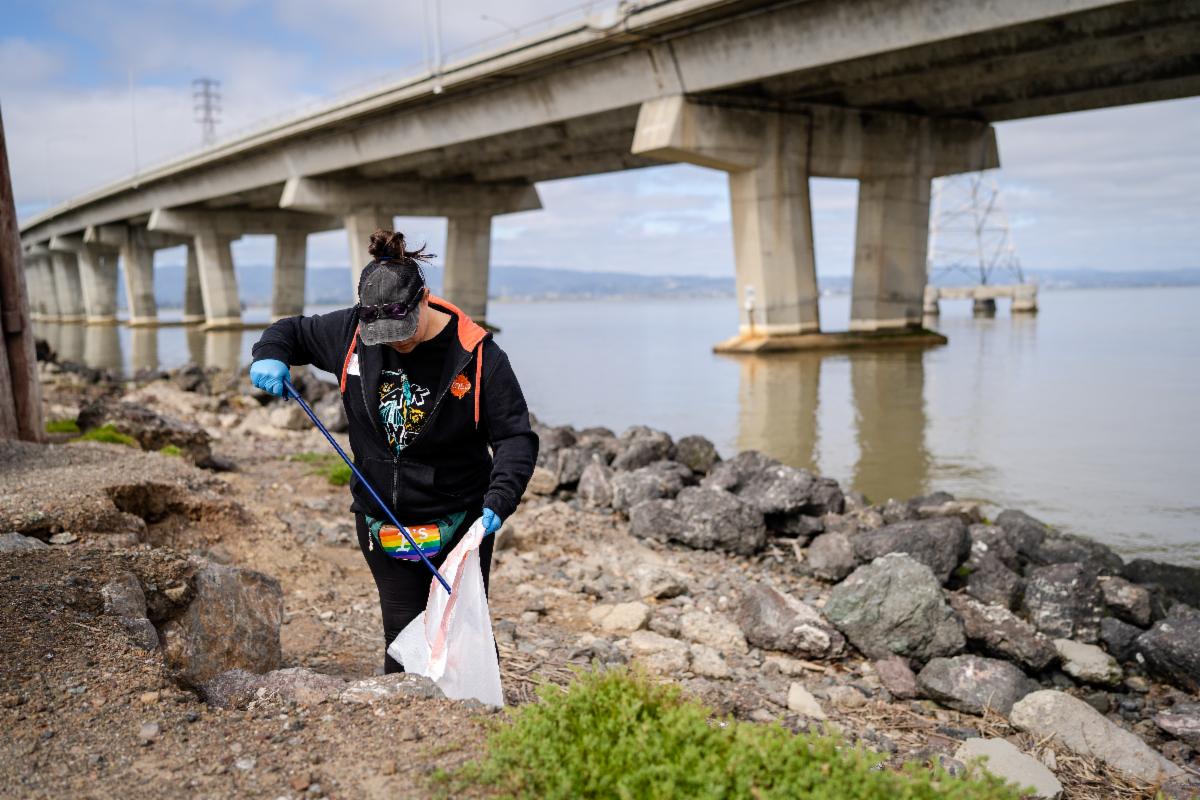
Using data-driven mapping, Greenbelt Alliance looked for where social vulnerability factors, conservation priorities, and climate hazards overlapped. “Next, we partnered with community leaders because we know that successful projects have long term community-based climate champions involved from the start,” says Greenbelt's CC Ciraolo. The resulting project winnowed 18 sites down five Bay Area Resilience Hotspots, each with their own landscapes, local actors, and priorities. Photo: Shira Bezalel


Keep Reading

Q U I C K

R E A D S

Finding the Throughline in Multi-Hazard Planning

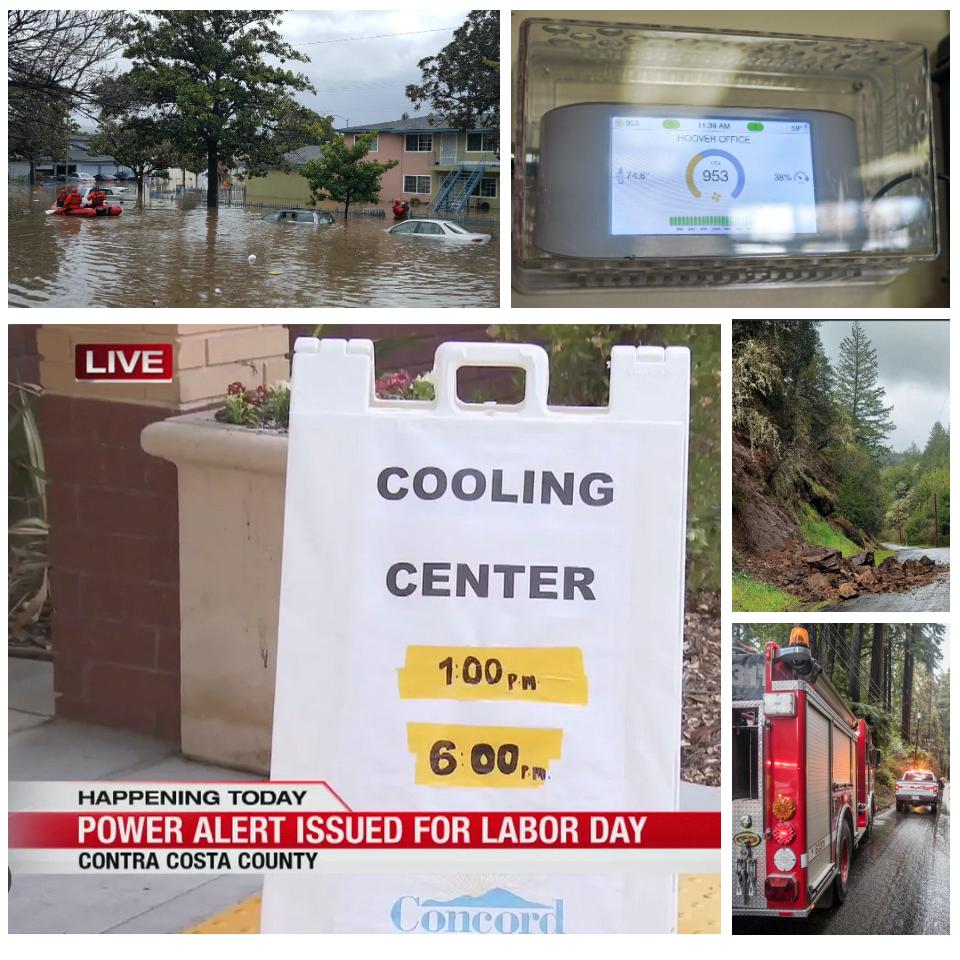
As climate hazards multiply, communities, local governments, and agencies are searching for ways to address them more holistically. “The way you build resilience is oftentimes similar for different types of hazards,” says Matt Wolff of San Francisco's Health Department. A forthcoming report for the Bay Area Regional Collaborative aims to bring multi-hazard management into clearer focus. 


Keep Reading

Radio Tale of a Submerged City

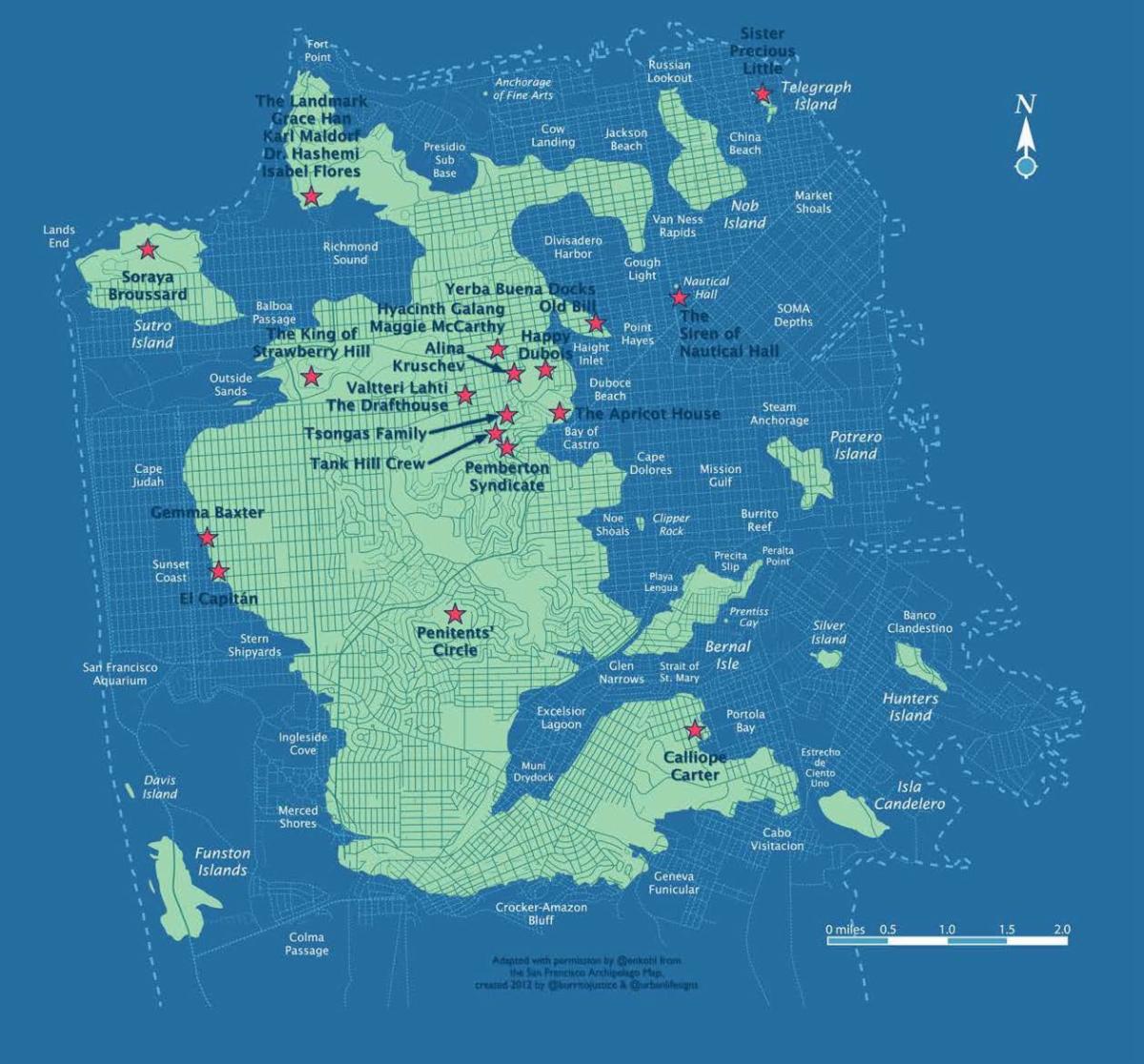
The locally-produced radio play Forever Wave takes place in a world where the sea level has risen 200 feet and turned San Francisco’s hills into an archipelago of islands. Characters range from drag queen nun Sister Precious Little on Telegraph Island to a reminiscing captain on a fishing boat. “I definitely wanted this to be less about the disaster and more: what are you going to do after the disaster?” says the playwright Nicole Gluckstern. Art: SF Archipelago Map


Keep Reading

Picture of the Month

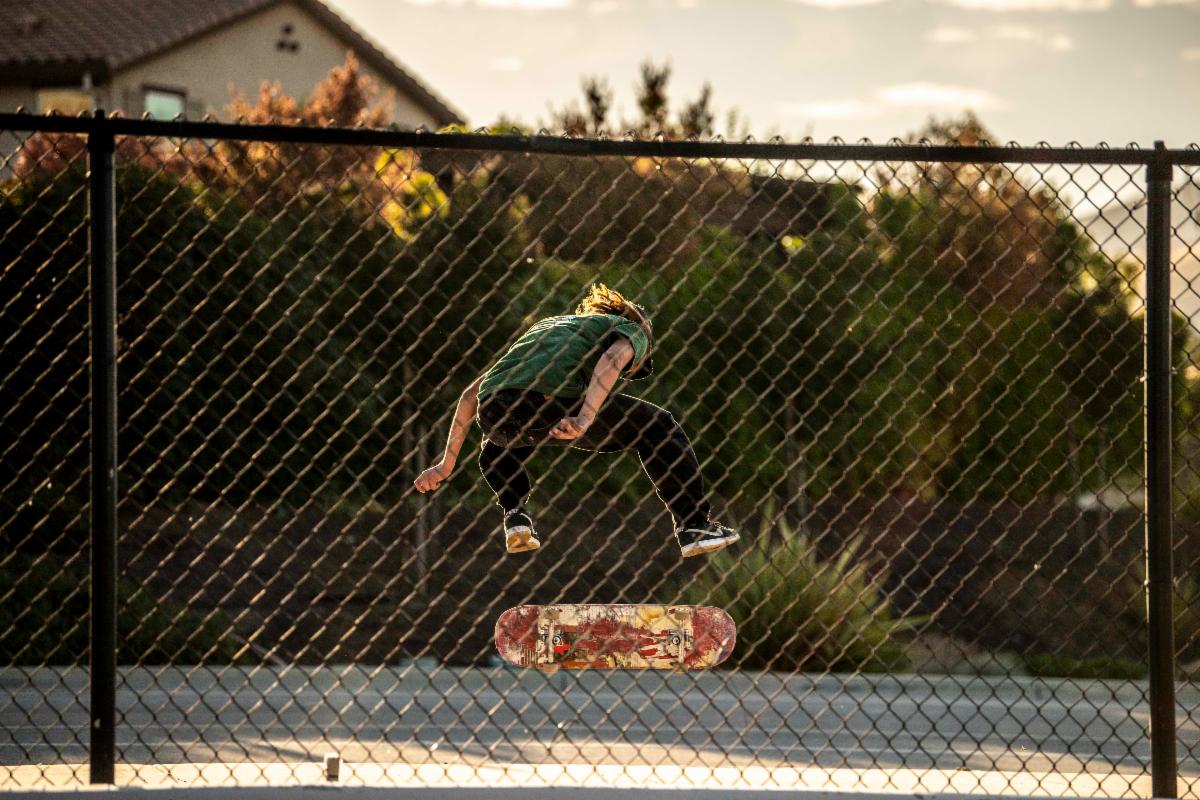
Strength, agility, balance, and risk-taking are all elements of resilience. This young person, at a community cultural event in Gilroy, has it in spades. The key, of course, is to always land on your feet. Photo: Karl Nielsen for Greenbelt Alliance

Follow us on your favorite platforms, and share KneeDeep Times with friends!
Facebook  Instagram  LinkedIn

KneeDeep Times shares stories from the frontlines of climate change resilience and adaptation action.

All stories are available for republication free of charge. See our guidelines.


Views expressed are independent of all funders and collaborators.


Managing Editor: Ariel Rubissow Okamoto

Assistant Editor: Meg Duff

Community Coordinator and Social Media Editor: Isabella Eclipse

Editorial Fellows: Ayla Burnett, Justin Lai

Published by Estuary News Group, San Francisco, California


Send us your story ideas and subscribe us to your newsletter lists

news-team@kneedeeptimes.org

Sign Me Up for KneeDeep Times