|
Down Peacock Feathers
“Wash your hands before you come to the table.” As children, we may have heard this exhortation from one parent or another. Studying the Daily Office in the Book of Common Prayer with the current licensed lay worship leader class, we looked closely at the structure of the Daily Office (Morning and Evening Prayer). It opens with the General Confession. There is a spiritual ‘washing’ as an introduction to our offering of praise and prayer.
The General Confession in Rite I of the Daily Office follows the form and words of the Anglican prayer books that preceded it—excepting two phrases that were dropped:
“And there is no health in us” and “miserable offenders."
In his commentary on the 1979 Prayer Book, Marion J. Hatchett notes that proposals to omit these two phrases had been repeated for the last two hundred years. The primary reason, he suggests, is not necessarily that the theology of the phrases is wrong, but rather, people tend to misunderstand them.
Massey H. Shepherd, commenting on the same General Confession in the Prayer Book 1928, admits the phrase ‘And there is no health in us’ is thought a ‘troublesome phrase’ for many but goes on to explain:
The word “health” here has nothing to do with our physical, or even our spiritual well-being, though obviously we are not in a state of “wholeness” because of our sin...The word “health” in this context, however, means “saving health.” That is to say, we do not have within ourselves the capacity of making ourselves whole...Only in God is there “saving health.” Only God can forgive sin and restore us to wholeness and a right relation to himself. And this he does “in Christ Jesus our Lord.”
In the 1970s, when Prayer Book revision was much discussed, I remember friends taking exception to these phrases. But neither phrase ever bothered me. Indeed, even as someone who might call himself a Christian humanist, and as someone who does not subscribe to a doctrine of the ‘total depravity’ of man—I rather took to them. Saying out loud, or privately that "there is no health in us" allowed me to own up to my perpetual tendency to take two steps backwards, for every step forward.
D.R. Davies (1889-1958), an Anglican writer during the Second World War wrote a passionate defense of the General Confession with the peculiarly unique title Down Peacock Feathers: Studies in the contemporary significance of the General Confession. You might say, in summary, the book argues that being drawn to secular utopian idealism as the solution to man’s woes is like being drawn to a peacock: when the bird’s feathers are ‘up’ you behold a thing of beauty but when they are ‘down’ you see the bird for what it really is—and it isn’t pretty.
The story of the man behind Down Peacock Feathers, is a moving testimonial of faith. Born in Wales in 1889, Davies spent his early years as a coal miner. Seeking a path out of the mines with a desire to serve others, he studied for and was ordained a Free Church minister. When the 1926 General Strike brought 1.5 million British workers out to protest in solidarity with the plight of coal miners, and yet failed, Davies despaired of the Church coming to the aid of the working class. He resigned from his ministry.
Then Davies threw himself into secular politics and embraced a creed of fervent Marxism. This secular commitment collapsed for him in the 1930s as he witnessed the brutalities of Soviet life under Stalin. He learned that changing the economic system did not cure human cruelties. He journeyed to Spain to fight against fascism only to witness brutalities on both sides that shook him to his core. His faith in human-led moral progress vanished.
Out of failure and near-suicide, Davies experienced a profound ‘re-conversion.’ He said,
"I went to Spain a politician and returned a theologian."
He began to re-read the Bible and found in Christian orthodoxy deep truth in its doctrine of original sin, human limitation, and the necessity of God’s grace. And he found in the Incarnation, and the Church as the continuation of the Incarnation, a pathway to the Church of England and ordination as a priest. He did not lose his desire to labor for a better world and for the social progress of others but now grounded his hopes in the mission of the Church as the instrument of change and rebirth for society. In the post-War years Davies was a leading neo-orthodox theologian in the UK as Reinhold Niebuhr was to America and Karl Barth to continental Europe. For D.R. Davies, the General Confession, with all of its phrases, was a wrecking ball to human pride and sin, and an entry point to the kingdom of God.
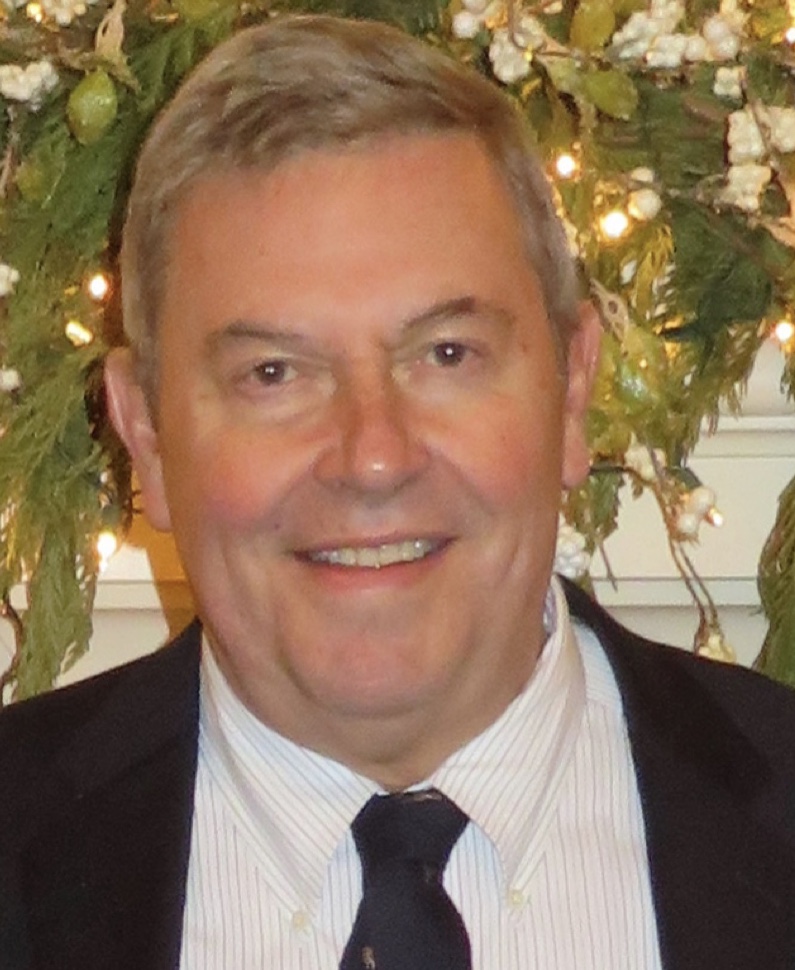
Douglas Dupree
| | |
William Barclay, the Scottish Bible commentator, once wrote of St. Luke, that of all the Gospel writers, Luke is the one “one would have liked to meet…best of all.” For my part, I would say that the warmth and sympathy conveyed in Barclay’s New Testament commentaries makes him, apart from the Gospel itself, the ideal person to introduce St. Luke to us.
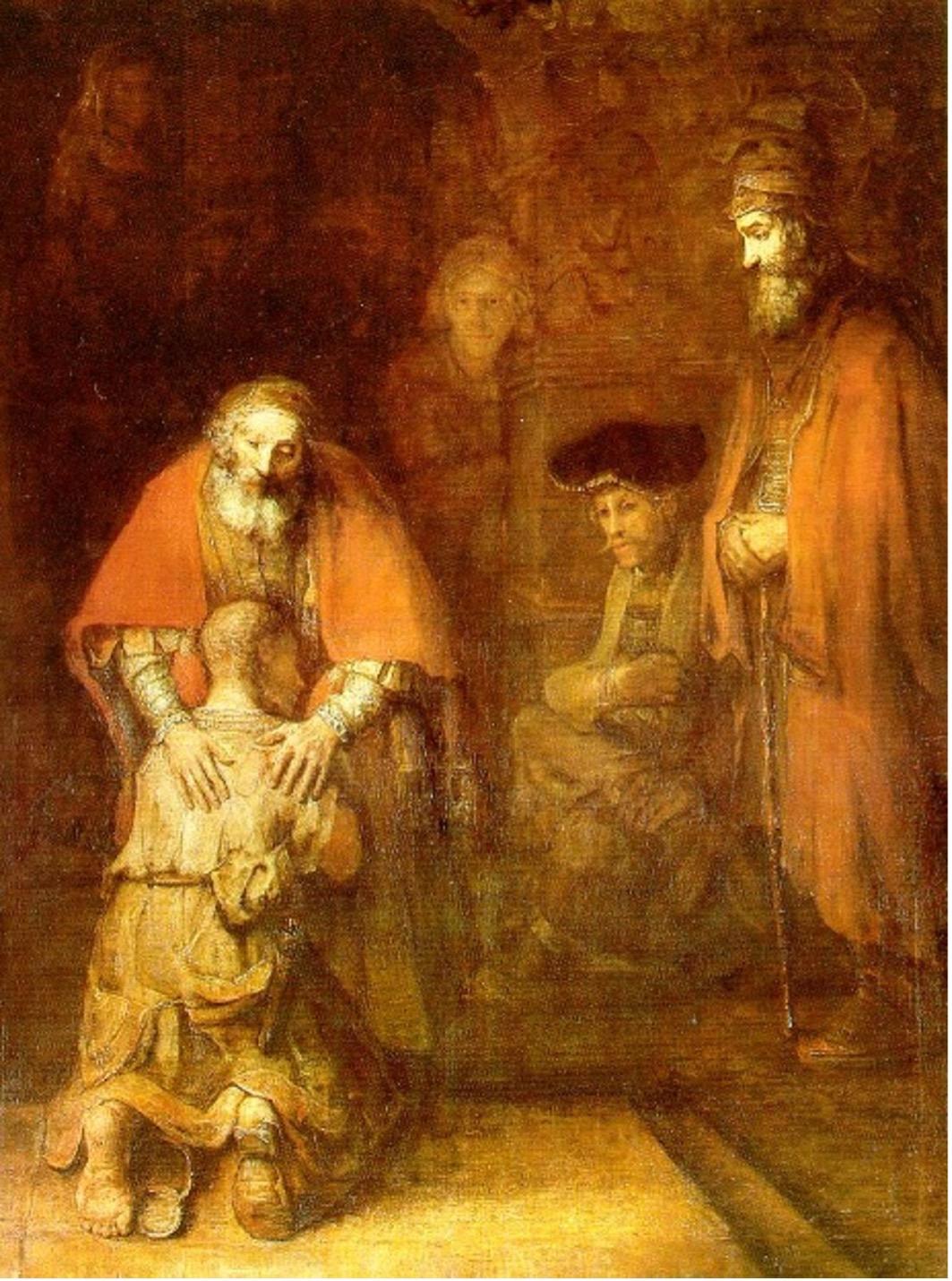
Luke’s gospel is often praised for its beauty and for its warm and humane portraits of people. St. Paul refers to Luke as "the beloved physician" (Colossians 4.14). Of this, Barclay takes note that while a priest or minister sees people at their best, and a lawyer sees them at their worst, a physician seems people exactly as they are. He argues that this medical background allows Luke the gift of presenting people in a truly compassionate and non-judgmental way. There are some fifteen parables in the Gospel of Luke that are found nowhere else in the New Testament. They include the parables of the Prodigal Son, the Good Samaritan, the Two Debtors, the Pharisee and the Tax Collector, and that of the Persistent Widow.
There is a long-standing tradition in the Church East and the West that St. Luke was a painter and moreover an iconographer. Several famous icons of Mary, the Lord’s mother, are attributed to St. Luke including the Salus Populi Romani (the ‘health’ or ‘protectress’ of the Roman people) icon in the Basilica of Santa Maria Maggiore in Rome. Pope Francis prayed often in that church and before that icon, and when he died it became the place of his burial.
‘Let us praise the beloved physician who announced the glad tidings to the world! Luke, the writer of Christ’s mysteries and light-bearer of the Church, who healed the wounds of our souls with the medicine of the Gospel.’
— an ancient hymn for the Feast of St Luke from the Eastern Orthodox Church
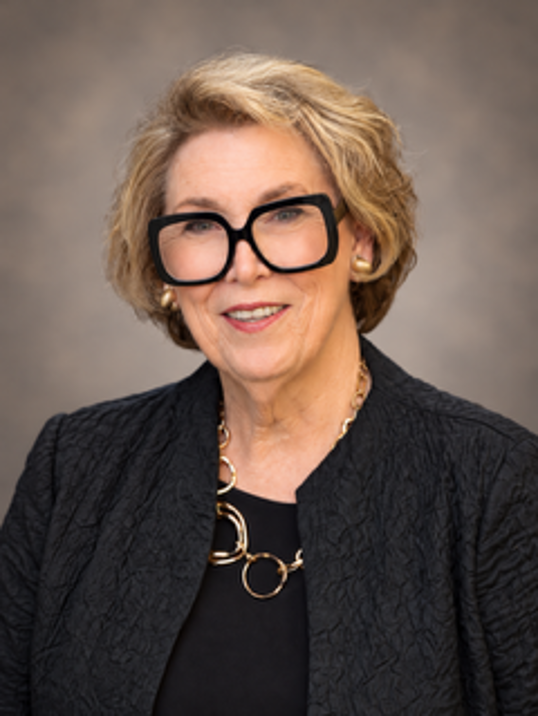
| | An Interview with Sandi Dunnavant | | Mother, Grandmother, Educator, Public Servant, and now a Program Director for the Cathedral Bookstore | | |
Tell us a little about yourself. What parts of your background have most shaped the person you are today?
First and foremost, I am a mother and grandmother, two roles that have brought me enormous joy and helped shape the person I am today. I am also a retired educator with 53 years of experience, and I suppose I have never really retired from teaching. I still love learning, sharing ideas, and creating opportunities for others to discover something new.
Public service has also been an important part of my life. I had the privilege of serving as both a City Council member and Mayor of Green Cove Springs. Those experiences strengthened my belief that a community is only as strong as the people willing to contribute to it.
Today, I serve on the Executive Board of the Green Cove Springs Preservation Society, where we are raising funds to restore the historic Rivers House and transform it into a Heritage and Adventure Center. Our vision is to create a place where people of all ages can explore our community's history, natural environment, and cultural heritage.
One of the great joys of my life is my work as Program Director of the St. John's Cathedral Bookstore. It brings together so many of the things I love: education, literature, art, faith, and people.
I've had the pleasure of creating our First Monday Book Club, ART@noon programs, which include both local and out of town ArtWalks, and Backstory, a series of conversations with authors, musicians, dancers, theater directors, and other fascinating people from the arts and cultural world.
What I especially enjoy is introducing people to experiences they might never have considered for themselves. I believe the arts should be part of everyone's life, not something reserved for those who consider themselves knowledgeable about art.
There is a growing body of research showing that participation in the arts can help us regulate our emotions, reduce stress, and support our cognitive health. I am particularly interested in the idea of cognitive reserve as we age. Variety really is the spice of life. Research suggests that engaging in different kinds of creative and cultural activities may help support cognitive functioning as we grow older.
After 53 years in education, I am convinced that we should never stop challenging our minds, nurturing our curiosity, or discovering new interests.
And I believe that art and spirituality go hand in hand. Both invite us to look more closely, reflect more deeply, and find meaning beyond ourselves. A painting, a piece of music, a book, or a conversation can open the door to a spiritual experience we might never have anticipated.
When I look back, I realize that being a mother, grandmother, educator, public servant, and now a program director has really been one continuous journey. Each role has taught me something about people and the importance of connection.
If there is one thing that defines me, it is the belief that we are never too old to learn, never too old to discover something beautiful, and never too old to make a difference in someone else's life.
What brought you to the Cathedral, and what made you feel that this was a place where you wanted to become involved?
What has kept me involved is the understanding that the Cathedral is much more than a place where people gather for worship on Sunday. It is a community where faith is expressed through learning, music, art, fellowship, and service.
I have always believed that faith should engage both the heart and the mind. The Cathedral offers wonderful opportunities to explore questions, discover new perspectives, and develop relationships with people whose experiences may be very different from our own.
I also discovered that there were opportunities to contribute in ways that connected naturally with my interests. And sometimes all it takes is one invitation to become involved in something that grows into a much larger commitment.
Over time, I have come to appreciate that belonging to a church is not simply about attending services. It is about becoming part of a community of disciples, people who learn together, support one another, and put their faith into action.
You have become involved in several programs and ministries at the Cathedral. Which ones are closest to your heart, and why?
The Cathedral Bookstore is certainly at the center of my involvement because I believe it represents something very special in the life of the Cathedral. I see the Bookstore not simply as a place to purchase books and gifts, but as a ministry of welcome, discovery, and lifelong learning.
And on a very personal level, the Bookstore Committee has become a really large discipleship group. We come together because of our shared commitment to the Bookstore, but what we have created is much more than a committee that manages a ministry. We share ideas, work through challenges, celebrate accomplishments, support one another, and develop friendships grounded in a common purpose.
To me, that is what discipleship looks like in everyday life. It is learning to serve alongside others, recognizing the gifts each person brings, and growing in faith through the work we do together.
Through programs such as Lunch & Learn, the First Monday Book Club, Backstory, and ART@noon, we have opportunities to bring people together around literature, history, art, and faith. ART@noon is particularly meaningful to me because it demonstrates how a work of art can open a door to spiritual reflection. A painting created hundreds of years ago can still speak to something we are experiencing today.
What I love about these programs is that people do not need any special knowledge to participate. They simply need curiosity and a willingness to explore. And what I treasure about the Bookstore Committee is that we are not simply working together. We are growing together.
How did you first become involved with these programs? Was there a particular need or opportunity that drew you in?
I think my involvement has grown out of a combination of curiosity and seeing possibilities. When you spend time in an organization, you begin to recognize opportunities to build on what is already there.
The Bookstore has tremendous resources: books, art, people with extraordinary knowledge, and a connection to a Cathedral community that values learning. The question becomes, how can we share those resources with more people? That thinking has helped shape our educational programs and our growing online presence.
ART@noon, for example, grew from the idea that art could become a daily invitation to reflection. Through a simple image and a few thoughtful observations, we could encourage people to pause, look more carefully, and connect art with their own lives and faith.
I have found that one good idea often leads to another, especially when people are willing to work together. And I have learned that ministry often begins simply by recognizing an opportunity to serve. You may start by volunteering for one task, but along the way, you discover relationships, responsibilities, and a deeper sense of purpose that you never anticipated.
The continuation of the interview with Sandi Dunnavant is found later in this Newsletter.
| | The season of Advent (Sunday November 29 – Thursday, December 24, 2026) is near enough to start thinking of something you might like to read. | | |
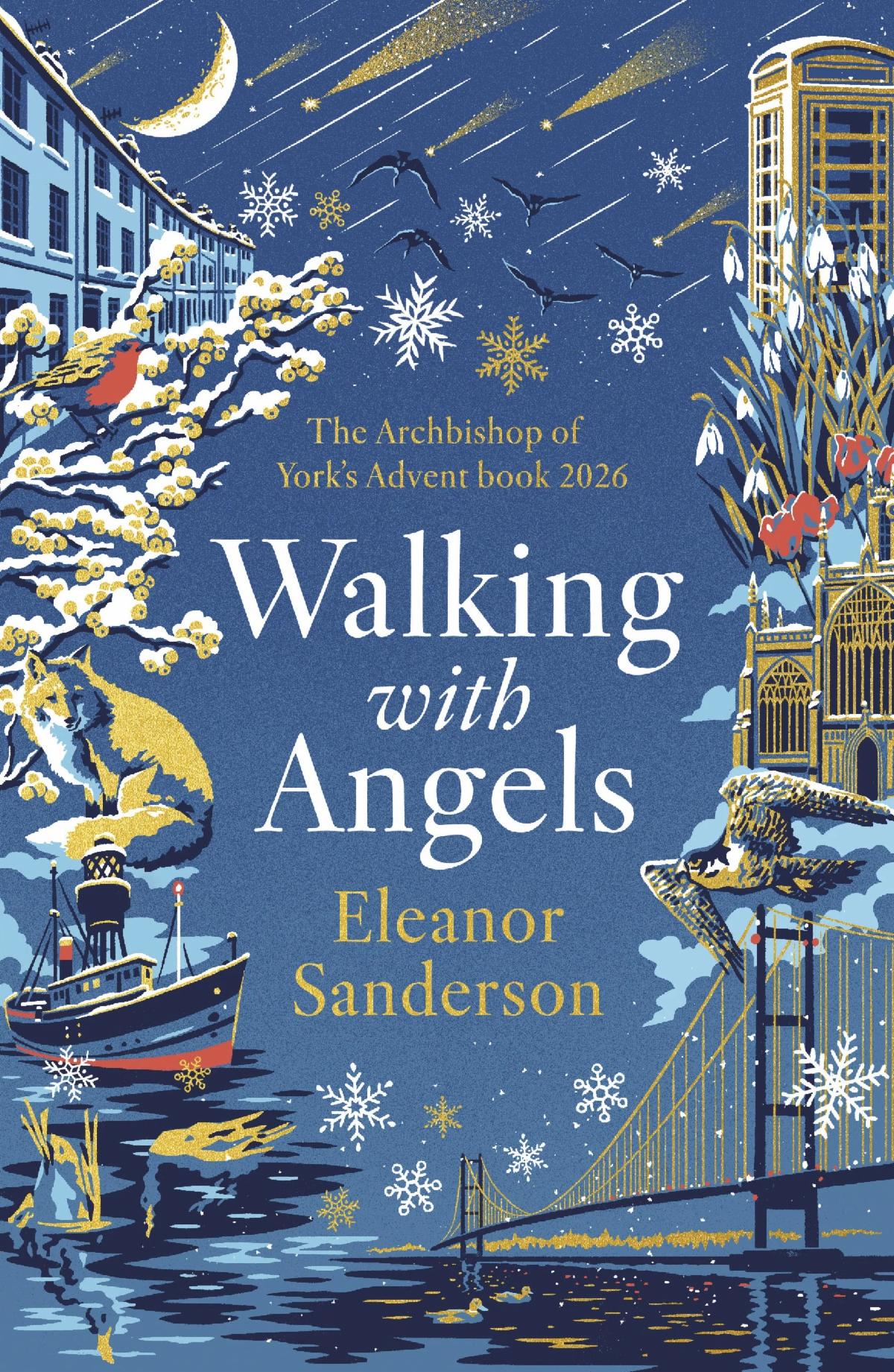
Eleanor Sanderson. Walking with Angels: The Archbishop of York's Advent Book 2026 — Paperback, October 6, 2026.
"Whether you are a church leader planning an Advent series, a small group looking for a shared practice, or an individual longing to sense God’s presence more deeply, Walking with Angels offers a gentle, hope-filled way to walk from darkness into light." — Amazon review
| | |
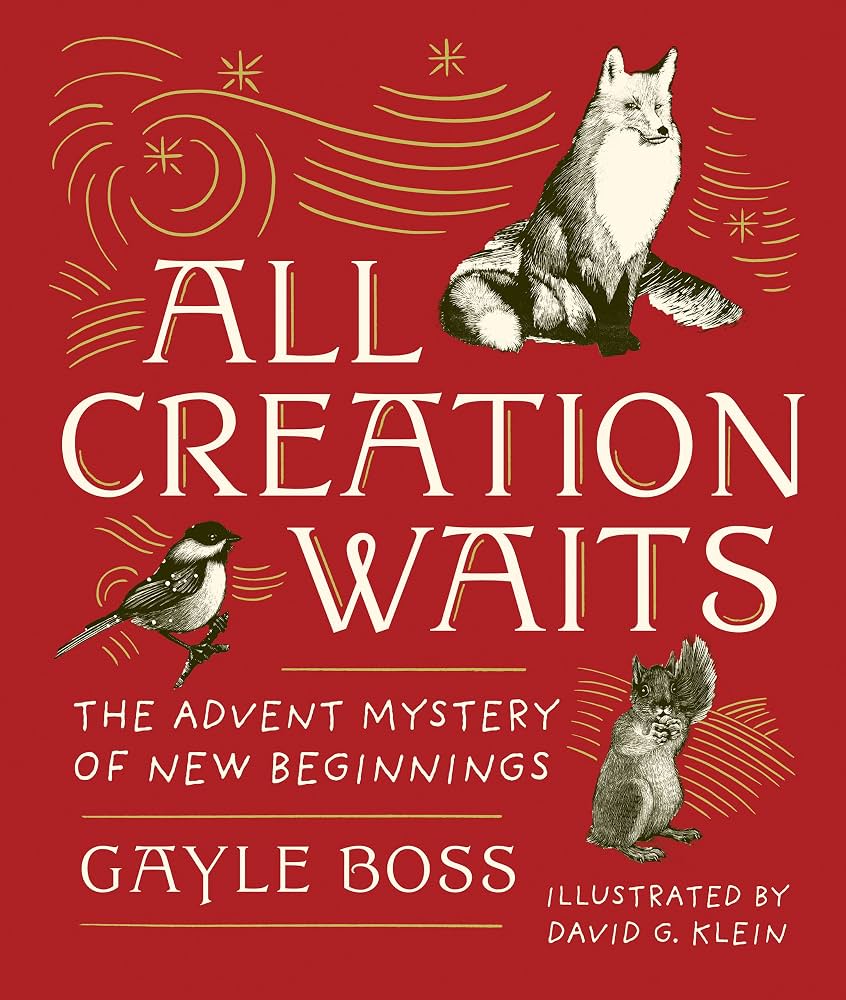
Gayle Boss, David G. Klein. All Creation Waits ― Gift Edition: The Advent Mystery of New Beginnings (An illustrated Advent devotional with 25 woodcut animal portraits) — October 2022, Hardback.
"Each daily reflection unveils the intricate and awe-inspiring ways animals like the honeybee, porcupine, and painted turtle adapt to darkness and cold, revealing the timeless truth: The dark is not an end―it’s a door to a new beginning. Paired with charming, original woodcut illustrations, these poetic meditations create a transformative journey for readers of all ages." — Amazon review. [The woodcut illustrations are beautiful.]
| | |
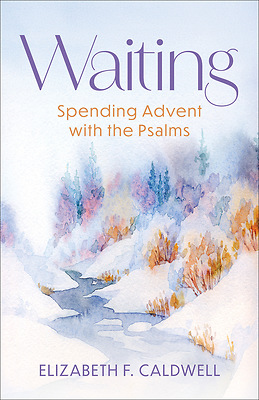
Elizabeth F. Caldwell. Waiting: Spending Advent with the Psalms — Paperback, September 15, 2026.
"Elizabeth Caldwell engages readers in a creative spiritual practice of deeply connecting with one psalm each week to illuminate an enduring attribute of God so that we may recognize how these characteristics are embodied in the One whom God sent to live among us, offering us life and love... Waiting is divided into two sections to allow readers not only to connect with the Psalms during Advent but to extend this spiritual practice through the seasons of Christmas and Epiphany." — Amazon review
| | |
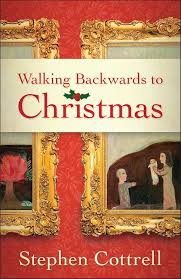
Stephen Cottrell. Walking Backwards to Christmas — Paperback, September 2015.
A telling of the story of Jesus ‘backwards’ from his presentation to Anna and Simeon in the Temple to his birth in a stable and finally to the much earlier hopes of Isaiah and Moses. A fresh approach from a wonderful teacher and writer, Stephen Cottrell, Archbishop of York.
| | |
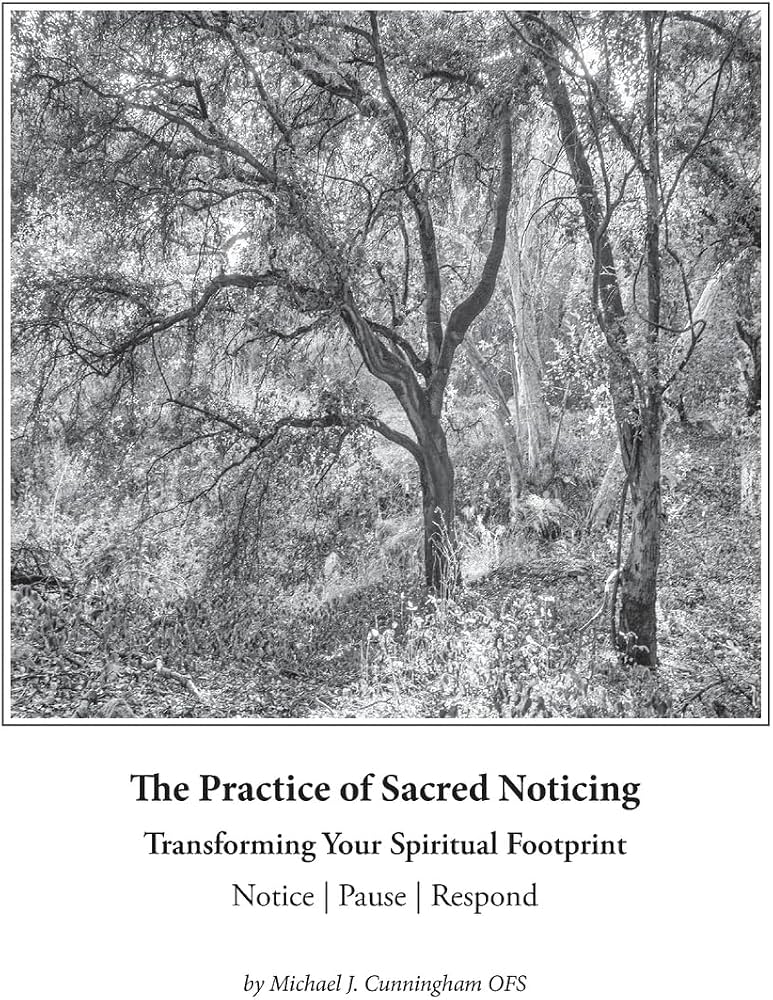
Michael J. Cunningham. The Practice of Sacred Noticing: How to Transform Your Spiritual Footprint (Noticing the Sacred) — Paperback, May 11, 2026.
Reflections from Michael Cunningham, a member of the Order of Franciscan Seculars, (OFS) and the Director of the San Damiano Retreat center in Danville, California.
"This is not a book about doing more. It is a book about seeing differently—and discovering that once you truly see, you cannot unsee." — Amazon review
| | |
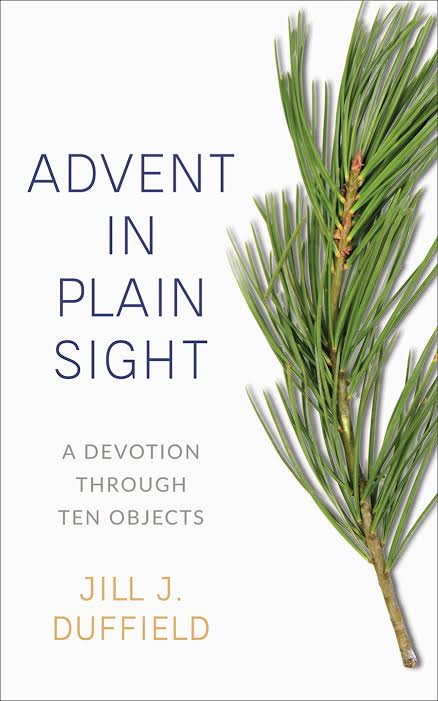
Jill J. Duffield. Advent in Plain Sight: A Devotion through Ten Objects — Paperback, September 14, 2021.
"By connecting everyday objects with biblical texts, Advent in Plain Sight prompts readers to see the near kingdom of heaven on earth and ponder what that divine proximity enables and asks them to do and be. Each daily devotional features a Scripture reading, prayer, and reflection, reminding Christians that God still dwells among us, even in the most ordinary places." — Amazon review
| | |
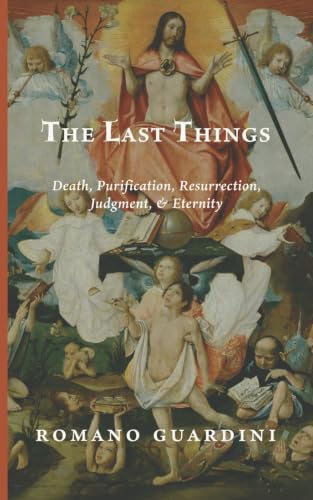
Romano Guardini. The Last Things — Paperback, (Mach 14, 2019 edition).
"The Last Things is an outline of Christian doctrine concerning the end of time and the four last events of human existence: death, resurrection, purification, the Last Judgment, and eternal life. The Last Things is a timeless reflection on the interplay of human nature and divine grace in the drama of history and salvation." — Amazon review.
| | |
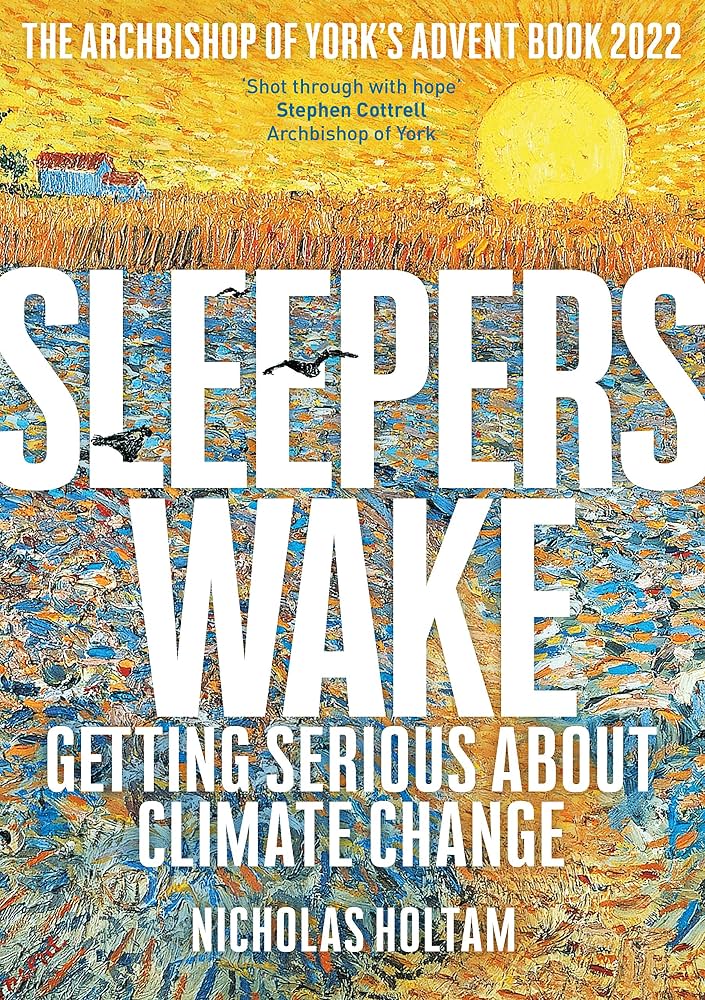
Nicholas Holtam. Sleepers Wake: Getting Serious About Climate Change: The Archbishop of York's Advent Book 2022 — Paperback, September 8, 2022.
"Like Bach's great Wachet auf! chorale, this walk through the weeks of Advent is both a carefully constructed meditation, and an unsettling call to action." — Neil MacGregor, sometime Director of the British Museum
"Climate change is the most important, urgent issue of our day—but while there are technical and political issues, the fundamental problem with the fight against climate change is spiritual." — from Amazon review
| | |
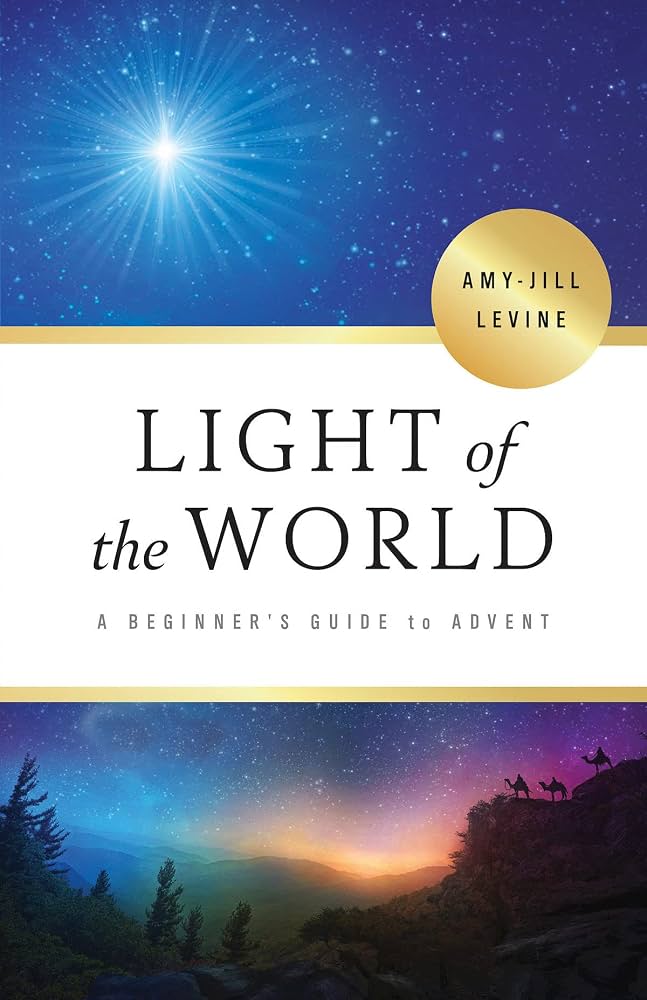
Amy Jill Levine. Light of the World — Paperback, September 15, 2026.
"Award-winning biblical scholar and New Testament professor Amy-Jill Levine invites readers on an accessible, thought-provoking journey through the biblical texts surrounding the story of the birth of Jesus. Perfect for individual study, small groups, or church Advent programs, Light of the World traces the Christmas story from its Old Testament roots through the New Testament account." — Amazon review
| | |
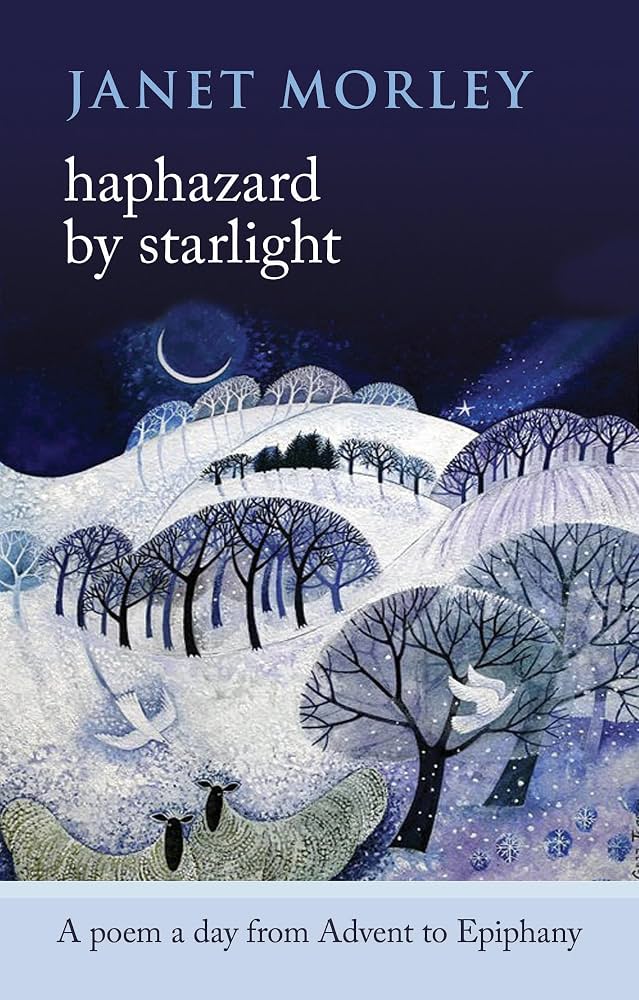
Janet Morley. Haphazard by Starlight: A Poem A Day from Advent to Epiphany — Paperback, 2013.
You are invited by the author to make a pilgrimage of the heart, moving through the late fall and dormancy of winter, until you have, as the poet U.A. Fanthorpe might put it:
‘Walked haphazard by starlight straight
Into the kingdom of heaven.’
| |
An Interview with Sandi Dunnavant
CONTINUED
| | |
For someone who knows very little about this work, what would you want them to understand about what the program does?
I would want them to understand that the Cathedral Bookstore is a ministry, not simply a retail operation. Of course, we sell books and gifts. But those purchases help sustain something much larger. The Bookstore creates opportunities for spiritual formation, education, conversation, and fellowship.
We introduce people to authors and ideas they might never otherwise encounter. We explore art as a way of understanding faith and human experience. We create programs that bring people together, both in person and online. We also reach beyond the Cathedral walls, connecting with the wider diocese and community.
I think the Bookstore is an example of how discipleship can take many forms. Not everyone grows spiritually in the same way. Some people are drawn to scripture and traditional study, while others find their connection through literature, music, art, or meaningful conversation. Our programs offer different doorways to that experience.
I often think of the Bookstore as a place where faith and curiosity meet. And perhaps most importantly, it is a place where someone can walk through the door and feel welcome, whether they are deeply involved in church life or simply beginning to explore their faith.
Who does this ministry serve, and what difference do you hope it makes in their lives?
The wonderful thing about the Bookstore is that its ministry extends far beyond the people who shop there. It serves Cathedral members, people from other churches, visitors to Jacksonville, readers, artists, students, and people who participate in our online programs. Through our website, social media, online book club, and daily ART@noon reflections, we can reach people who may never physically enter the Cathedral.
I hope our work encourages people to remain curious throughout their lives. I hope it helps someone discover a book that changes the way they think, a painting that touches something deep within them, or a conversation that makes them feel less alone. And I hope it reminds people that spiritual growth does not end when we leave church on Sunday. It can happen through a book, a work of art, a shared meal, or a conversation with a stranger.
To me, discipleship is also about extending that sense of belonging to others. If someone feels welcomed, encouraged, or more connected to their faith because of something we have offered, then our ministry has accomplished something meaningful.
Is there a particular story, person, or moment that made you think, “This is why this work matters”?
There are two experiences that come to mind, and both remind me why I believe so strongly in what we do.
I have two dear friends who were never particularly interested in reading and knew very little about art. Over the years, they have patiently listened to my book talks, attended our ART@noon Zoom programs, and joined us on ArtWalks. Recently, they took a trip to New York City, where they attended plays and visited museums and art galleries. When they returned, they couldn't wait to tell me how much they had enjoyed the museums. What made their experience so special, they said, was everything they had learned through our ART@noon programs. They were looking at art with new eyes, recognizing things they might once have walked right past, and discovering a whole new world of enjoyment. I cannot tell you how much that meant to me. It was a wonderful reminder that education doesn't simply give us information. It enriches the way we experience life.
The second experience is much more personal and speaks to the spiritual side of this ministry. Every day, I create an art reflection to accompany Dean Kate's daily devotion, selecting a work of art and exploring how it connects to the scriptural message. One of my dear friends can no longer attend church because of health issues. She has told me how much she enjoys these daily reflections and how meaningful it is to experience scripture through the artwork.
That touches my heart because it reminds me that ministry doesn't end at the Cathedral doors. Through art and technology, we can bring moments of beauty, faith, and connection to someone who can no longer physically join us.
These two experiences represent what I love most about our work. One opens people's eyes to the beauty of the world around them. The other helps bring the beauty of faith into someone's daily life. And when I hear stories like these, I think, this is why we do what we do.
If someone reading thought, “I would like to be part of this,” what could they do?
I would say, please come and explore! Visit the Bookstore, attend a Lunch & Learn program, join our First Monday Book Club, or spend a few minutes with ART@noon. And if you have an interest or talent you would like to share, we would love to hear about it. We need people who enjoy books, art, education, hospitality, technology, and simply connect with others.
Not everyone has to lead a program. Sometimes the most valuable contribution is welcoming a visitor, helping with an event, sharing a program with a friend, or offering a new idea. I think one of the great strengths of a church community is that everyone has something to contribute.
And I would encourage people to think of volunteering as more than giving their time. It can be an opportunity to become part of a discipleship community, a group of people who share a purpose, care about one another, and grow together through service. The important thing is finding that place where your interests and abilities can make a difference.
Finally, when you think about all the time and energy you give to your work for the Cathedral, what keeps you saying yes?
I suppose the simplest answer is that I believe the work matters. I believe that learning should be a lifelong adventure, that art and literature enrich our spiritual lives, and that communities become stronger when people share their talents and experiences.
But I also think there is something deeply satisfying about helping an idea become a reality. You begin with a possibility, find people who share your enthusiasm, and together create something that may touch lives in ways you will never fully know.
I have discovered that service is not simply what you give. It is also about what you receive: friendships, new perspectives, opportunities to learn, and a greater sense of connection.
The Bookstore Committee has taught me something important about discipleship. Faith grows not only through worship and study, but through the ordinary experience of working together, caring for one another, and sharing a commitment to something beyond ourselves. And perhaps that is what keeps me saying yes. There is always another person to welcome, another idea to explore, and another opportunity to make a difference.
When I look at my life as a mother, grandmother, educator, public servant, and now Program Director of the Cathedral Bookstore, I realize that faith, education, art, and community service have never been separate parts of my life. They are all ways of connecting people, encouraging discovery, and creating a sense of belonging.
And if there is one thing I have learned through all these years, it is that we never stop growing, and we never know how something as simple as a book, a painting, a conversation, or an invitation might change someone's life.
That is what keeps me saying yes.
| | Excerpt from Evelyn Underhill | | |
"Human beings are saved by a Love which enters and shares their actual struggle, darkness and bewilderment, their subjection to earthly conditions. By a supreme exercise of humility, the deep purposes of God are worked out through man’s natural life with all its powers, humiliations, conflicts, and sufferings, it’s immense capacity for heroic self-giving, disinterested love; not by means of ideas, insights, and spiritual experiences, even of the loftiest kind. Charity, generosity, accepting the vocation of sacrifice, girding itself with lowliness as one that serveth and then going straight through with it suffering long, never flinching, never seeking its own, discloses its sacred powers to us within the arena of our homely everyday existence: and it is by the varied experiences and opportunities of that daily existence, that our dull and stubborn nature shall be trained for the glorious liberty of eternal life."
Evelyn Underhill (1875-1941), The School of Charity: Meditations on the Christian Creed, 1934.
| | Susanna Barton in Conversation with Dean Kate: Exploring Our Spiritual DNA | | |
The Very Rev. Kate Moorehead Carroll, Dean of St. John’s Cathedral in Jacksonville, has released her newest book, Double Helix: Our Spiritual DNA, a 30-day devotional exploring the two creation stories in Genesis and what they reveal about God, humanity, and our relationship with creation.
Susanna Barton, MS Gero, marketing director of the Cathedral Bookshop and mindful aging practitioner at St. John’s Cathedral’s Center for Wellbeing, recently interviewed Dean Kate about the book and its invitation to engage more deeply with Holy Scripture.
“What inspired you to write Double Helix?”
I have been inspired by the first two creation stories since I can remember. I mean, here we are in the very beginning of the Bible, and the creation of the world is told twice in two totally different styles. There are immediate contradictions between who was made first, animals or people. These stories permeate our reality. Even people who are not religious have heard about the Garden of Eden or the Seven Days of Creation. They have formed the bedrock of our understanding about humanity’s relationship with the created order, about the relationships and roles of men and women and about why we no longer live in paradise, why humans suffer. This is rich stuff!
“Why does Genesis include two creation stories?”
I believe that the Scripture gives us two stories because one story could not encapsulate the complexity of our relationship with God and the created order. We need both to convey the fact that we are made by God and immensely loved and also that we have somehow become self-absorbed and so we suffer.
“What does the title Double Helix mean?
Scientists have discovered that our genome is made up of two strands that form a double helix shape. These two strands dance together and twist around each other. The two creation stories seem to be like our spiritual DNA, we need both stories in combination to understand our beginning.
“What can these ancient stories teach us about caring for creation?”
I think the most important part of these stories is the fundamental understanding that we are part of the creation. When God says: “very good,” God is not speaking just about humans but about all of it, the finished product, the entire creation. It is only together with everything else that we are very good. We cannot think of ourselves as separate from the created order, from the natural world. Therefore we must care for nature as we would care for ourselves.
“How do you hope individuals and faith communities will use this devotional?”
This is a book of meditations. It is meant to be digested slowly, to cultivate wonder. My hope is that individuals or groups will read one meditation a day for thirty days. So much of our lives involves rushing. I hope that folks will savor this book and that it brings them as much joy to read it as it has given me to write it.
Continue the conversation.
Double Helix: Our Spiritual DNA, published by St. Mark’s Press, offers individuals, clergy, and congregations an opportunity for 30 days of prayerful reflection, personal study, or group discussion. Purchase your copy through the St. John’s Cathedral Bookshop: www.jaxcathedralbooks.org
| | |
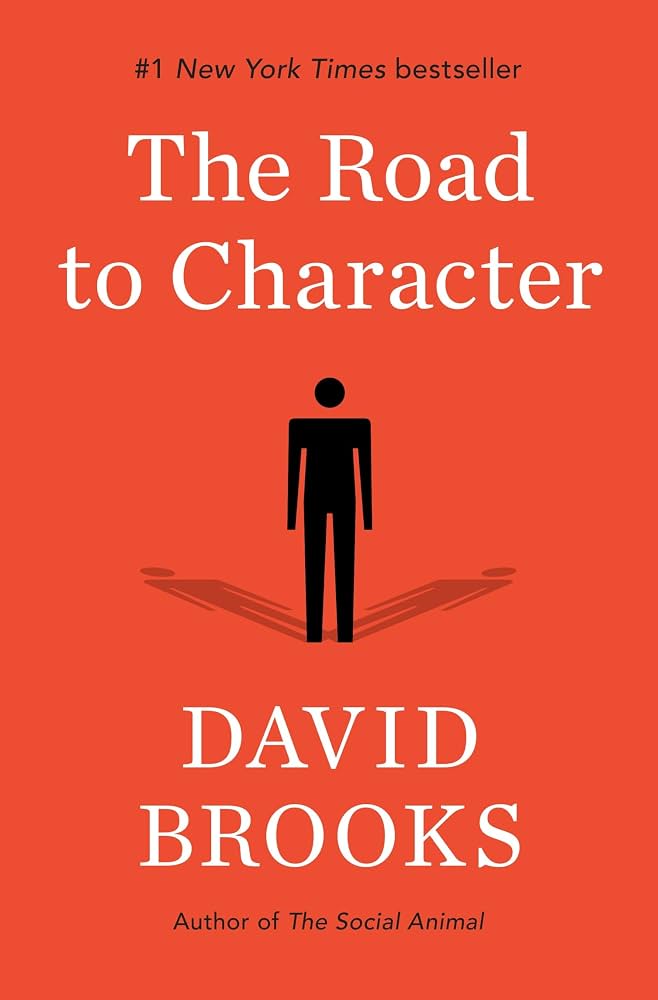
David Brooks. The Road to Character —Paperback, 2016.
“If you want to be reassured that you are special, you will hate this book. But if you like thoughtful polemics, it is worth logging off Facebook to read it.”—The Economist
“The Road to Character is a hyper-readable, lucid, often richly detailed human story... In the age of the selfie, Brooks wishes to exhort us back to a semiclassical sense of self-restraint, self-erasure, and self-suspicion.” — Pico Iyer, The New York Times Book Review
| | |
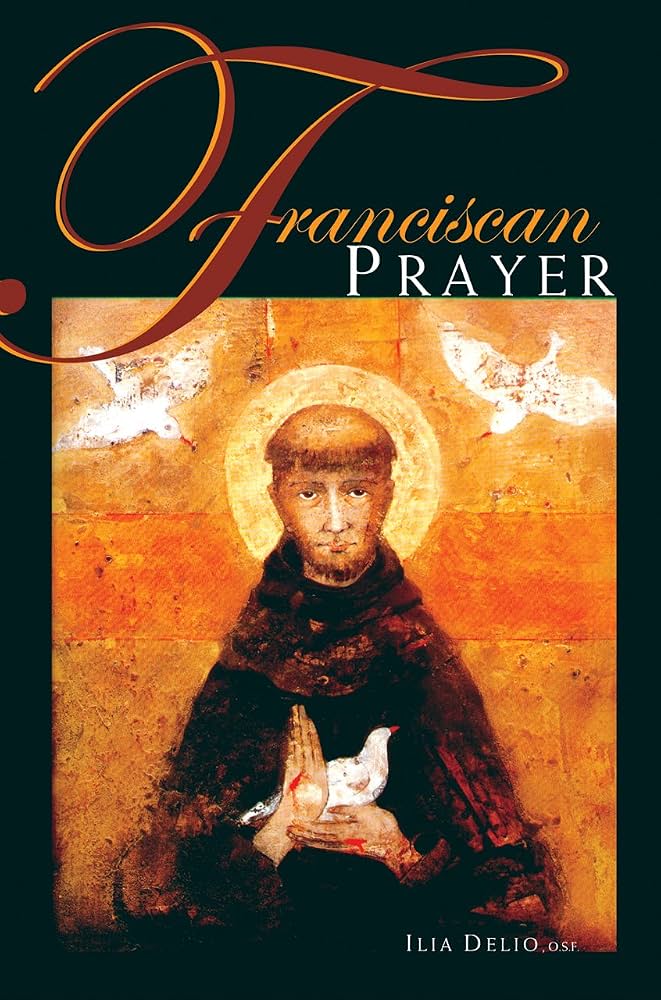
Ilia Delio, O.S.F. Franciscan Prayer —Paperback, October 6, 2004.
October 4th is the Feast of St Francis of Assisi.
"Masterfully written and intensely enlightening, Franciscan Prayer could very well be considered the essential handbook for all those seeking to pray and live the Franciscan way... Through her experience as a discalced Carmelite nun and then her transformation into Franciscan scholar, Sister Delio brings to light the 'contemplative,' 'cosmic' and 'evangelizing' aspects of Franciscan prayer." — Amazon review
| | |
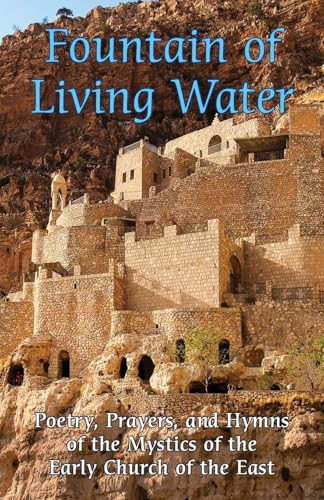
Robert Ewan, Sebastian P. Brock. Fountain of Living Water: Poetry, prayers and hymns of the Mystics of the Early Church of the East — Paperback, May 1, 2026.
"This comprehensive anthology brings together a rich collection of poems, prayers and hymns by some of the most renowned Mystics of The Church of the East, spanning more than a thousand years... Aramaic, the language which Jesus spoke in first-century Palestine, had already been in widespread use in the Near East for over half a millennium. The largest of the sizeable corpus of literatures that have come down to us in different forms of Aramaic is the Syriac, whose 'Golden Age' was the period from the fourth to the sixth century. This book allows us to share in this ancient Christian tradition through an exquisite tapestry of reflections, prayers, and meditations." — Amazon review
| | |
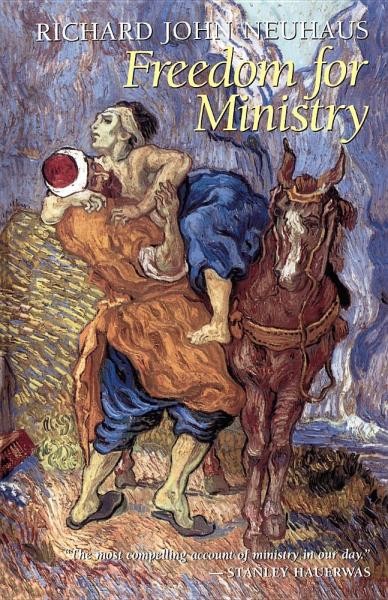
Richard John Neuhaus. Freedom for Ministry — Paperback, March 4, 1992.
"If there was one book and only one book I could recommend for anyone entering the ministry, it would be Richard John Neuhaus's Freedom for Ministry. Forged in the fires of Neuhaus's own ministry, this book makes clear that the ministry of the church is possible only because God has made it possible. Filled with insight and wisdom . . . the most compelling account of ministry in our day." — Stanley Hauerwas, Professor Emeritus of Theological Ethics at Duke Divinity School
| | |
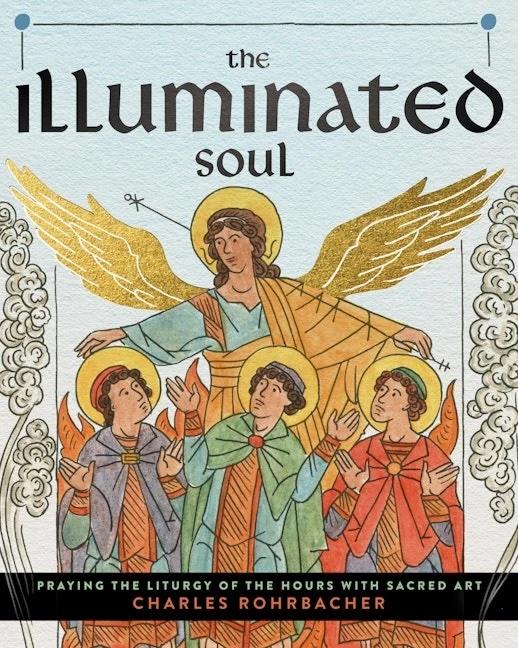
Charles Rohrbacher. The Illuminated Soul: Praying the Liturgy of the Hours with Sacred Art — Hardback, October 13, 2026.
"In The Illuminated Soul, Deacon Charles Rohrbacher transforms the ancient “Prayer of the Three Holy Young Men” (Daniel 3:57–88) into a luminous visual and spiritual journey. Through twenty-three hand-drawn color illustrations paired with hand-lettered text, Rohrbacher invites you to enter the Benedicite as a living hymn of praise―a song lifted from the fiery furnace and still echoing with hope today." — Amazon review
| | |
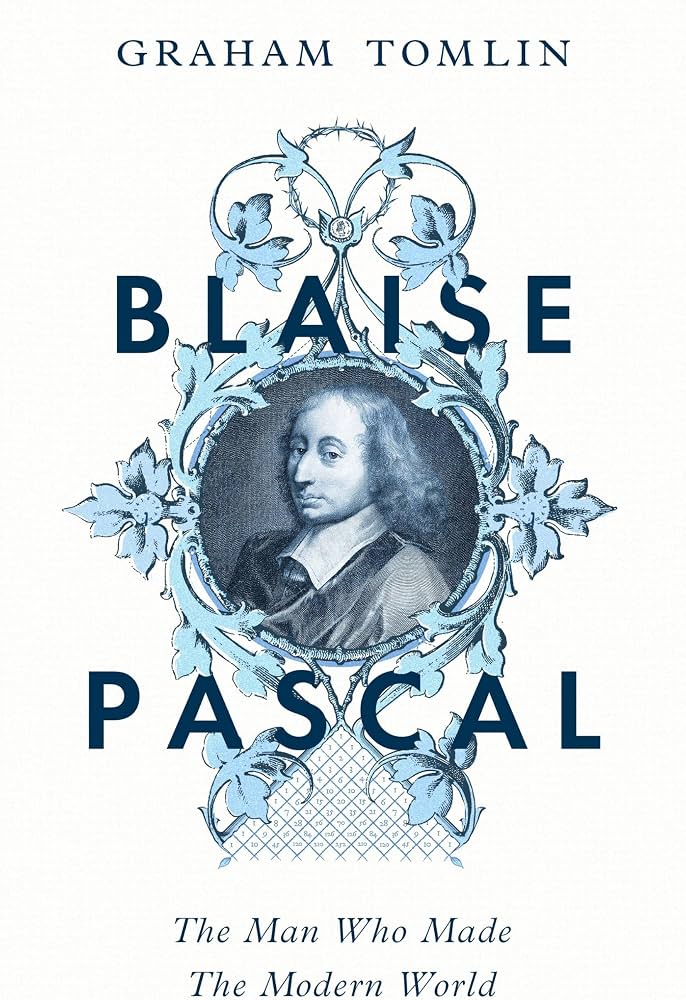
Graham Tomlin. Blaise Pascal: The Man Who Made the Modern World — Paperback, July 14, 2026.
"As a spiritual biography, this book does an excellent job chronicling Pascal's journey from an ambitious scientist to his famous mystical experience in his 'Night of Fire.' It shows how he enters into the controversies of his day without being defined by them... Finally, it shows his saintly heart in associating with the poor, not the salons, as his life waned." — Amazon review
| | America 250th Anniversary | | |
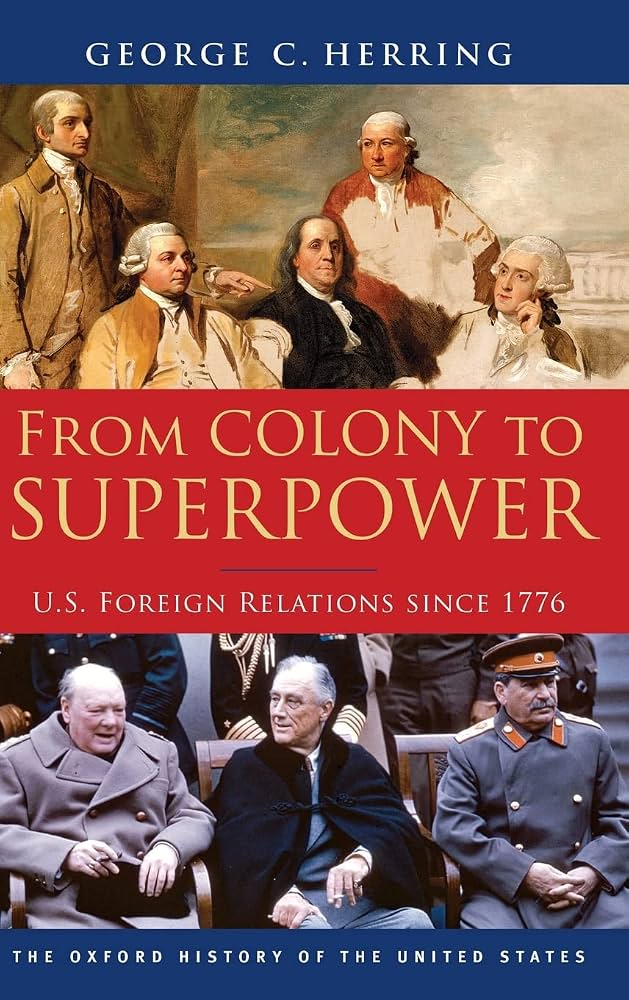
George C. Herring. From Colony to Superpower: U.S. Foreign Relations since 1776 — Paperback, April 27, 2011.
"George C. Herring uses foreign relations as the lens through which to tell the story of America's dramatic rise from thirteen disparate colonies huddled along the Atlantic coast to the world's greatest superpower... From the American Revolution to the fifty-year struggle with communism and conflicts in Afghanistan and Iraq, From Colony to Superpower tells the dramatic story of America's emergence as superpower—its birth in revolution, its troubled present, and its uncertain future." — Amazon review
| | |
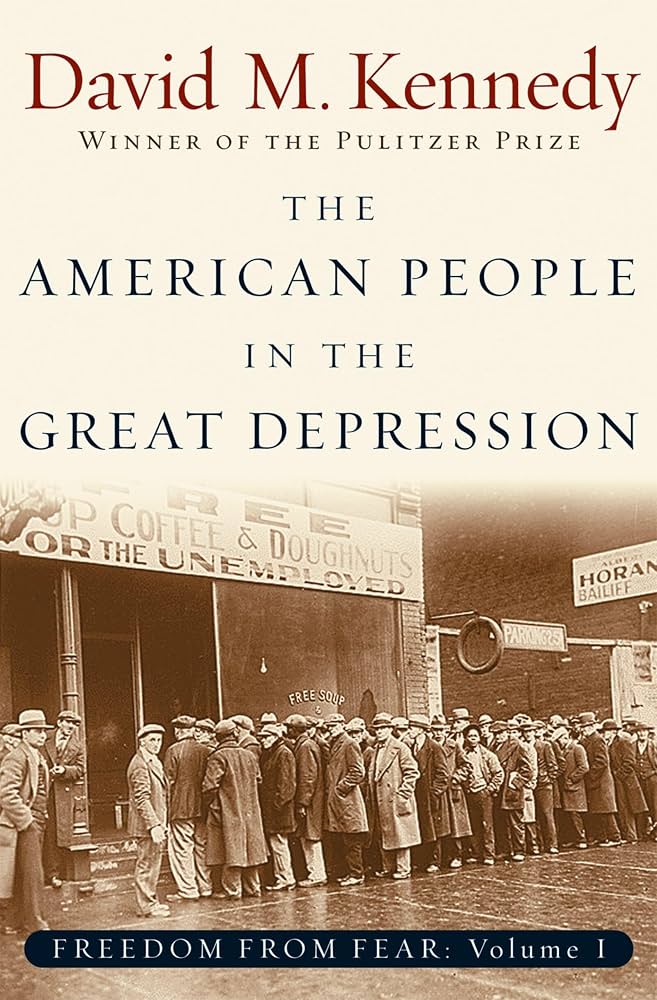
David M. Kennedy. The American People in the Great Depression: Freedom from Fear, Part One —Paperback, November 20, 2003.
"On October 24, 1929, America met the greatest economic devastation it had ever known. In this first installment of his Pulitzer Prize-winning Freedom from Fear, Kennedy tells how America endured, and eventually prevailed, in the face of that unprecedented calamity... Kennedy vividly demonstrates that the economic crisis of the 1930s was more than a reaction to the excesses of the 1920s... Nor was the alleged prosperity of the 1920s as uniformly shared as legend portrays." — Amazon review
| | |
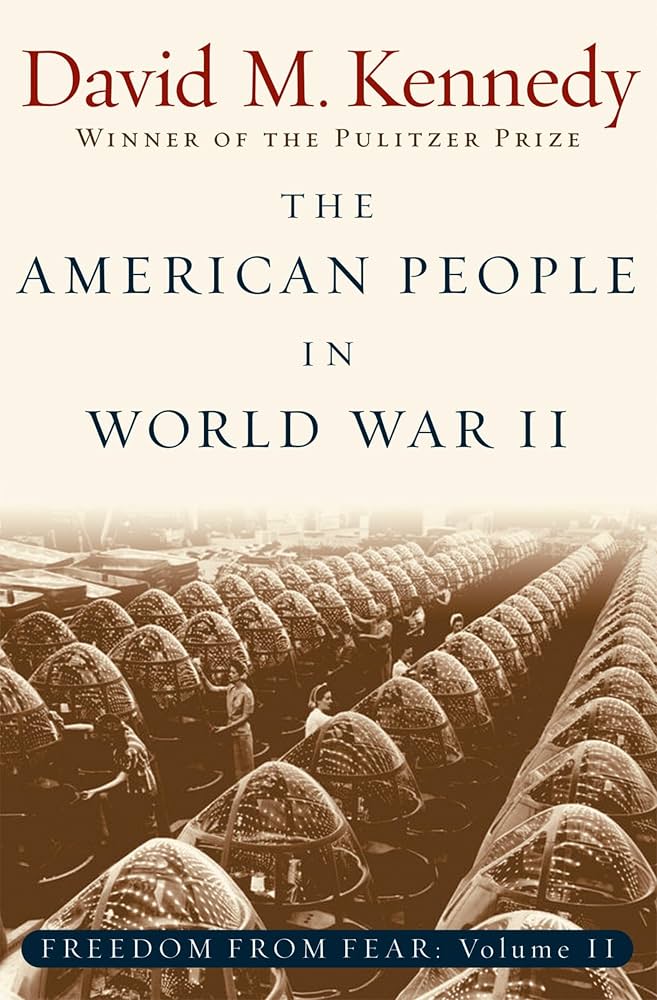
David M. Kennedy. The American People in World War II: Freedom from Fear, Part Two — Paperback, November 20, 2003.
"The American People in World War II—the second installment of Kennedy's Pulitzer Prize-winning Freedom from Fear—explains how the nation agonized over its role in the conflict, how it fought the war, why the United States emerged victorious, and why the consequences of victory were sometimes sweet, sometimes ironic." — Amazon review
| | |
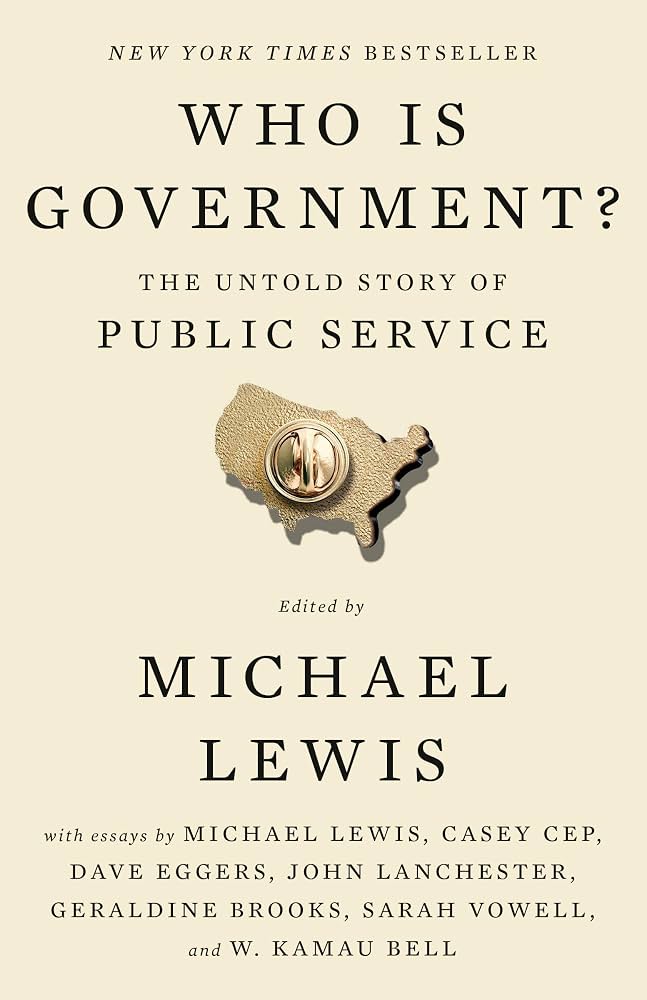
Michael Lewis. Who Is Government? The Untold Story of Public Service — Paperback, May 5, 2026.
"Who works for the government and why does their work matter? Michael Lewis invited his favorite writers to join him in writing about someone doing an interesting job for the government. The stories they found are unexpected, riveting, and inspiring, including a former coal miner devoted to making mine roofs less likely to collapse, saving thousands of lives; an IRS agent straight out of a crime thriller; and the manager who made the National Cemetery Administration the best-run organization, public or private, in the entire country." — Amazon review
| | Art History and Exhibition Books | | |
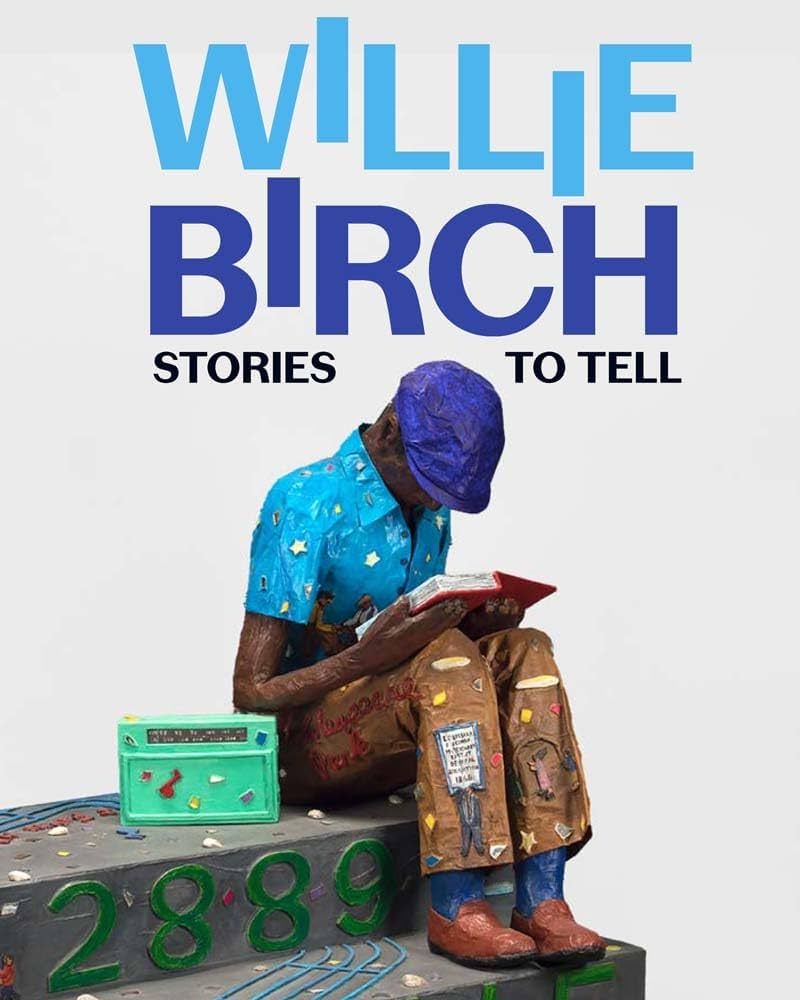
Russell Lord (editor). Willie Birch: Stories to Tell — Hardcover, June 23, 2026.
"A career retrospective of a singular voice in contemporary American art, featuring six decades of artwork that chronicles his vision of the Black American experience. New Orleans–based artist, community organizer, and cultural provocateur Willie Birch (b. 1942) has dedicated his career to storytelling." — Amazon review
Exhibition schedule: Museum of Contemporary Art Jacksonville, University of North Florida
October 28, 2027–May 14, 2028.
| | |
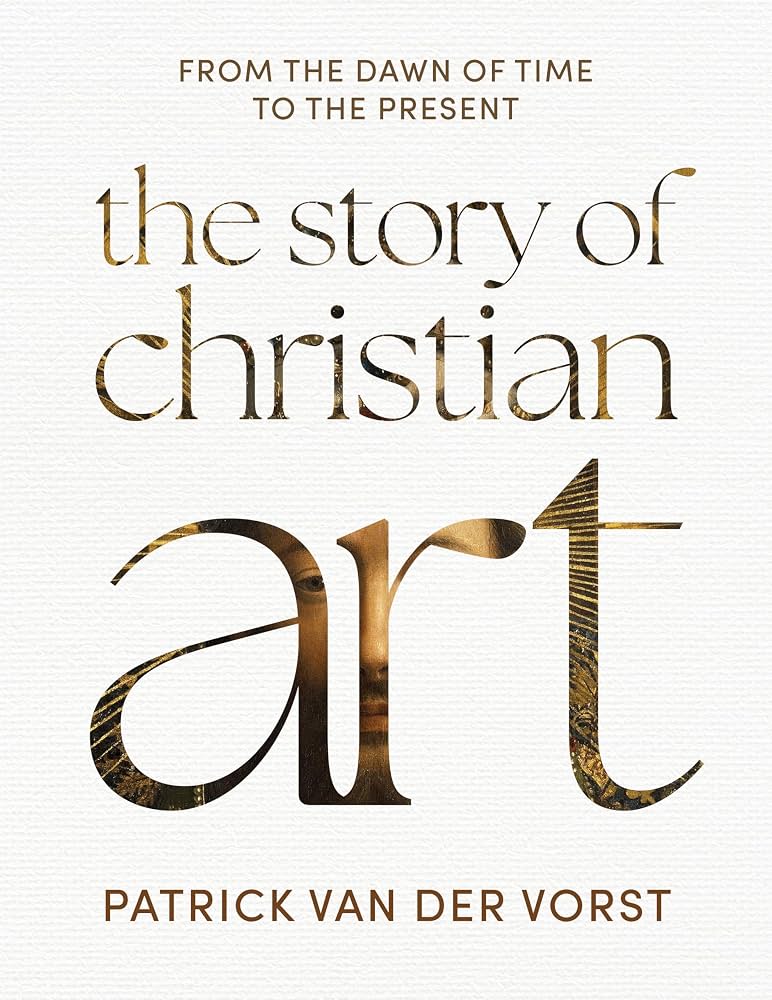
Patrick van der Vorst. The Story of Christian Art: From the Dawn of Time to the Present — Hardcover, November 24, 2026.
Belgian born Fr van der Vorst was for 16 years an auctioneer for Sotheby’s, London and the founder of ValueMyStuff that became the leading online art appraisal service. In 2023 he was ordained a Roman Catholic priest.
"A beautifully illustrated introduction to Christian Art which is widely encompassing, readable and illuminating." — Bishop Richard Harries, author of Seeing God in Art: The Christian Faith in 30 Images
| | According to the Good Doctor | | | | |
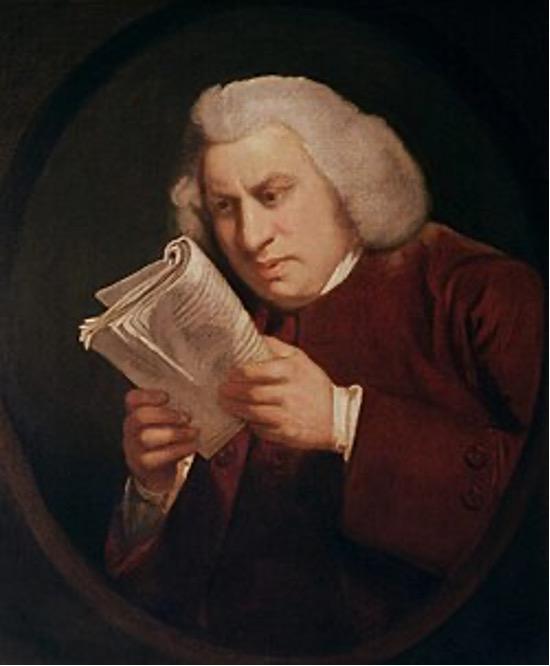
“Let us endeavor to see things as they are and then inquire whether we ought to complain. Whether to see life, as it is, will give us much consolation, I know not; but the consolation, which is drawn from truth, if any there be, is solid and durable: that which may be derived from error, must be, like it’s original, fallacious and fugitive.”
Samuel Johnson (1709-1784) From a letter of 1759.
| | | | |