View as webpage

PSLadvance

Image montage of precipitation, drought, ice, and floods

β€” SUMMER 2026 β€”

THE LATEST NEWS

Severity and persistence of Northeast Pacific marine heatwaves vary by season, new PSL research shows

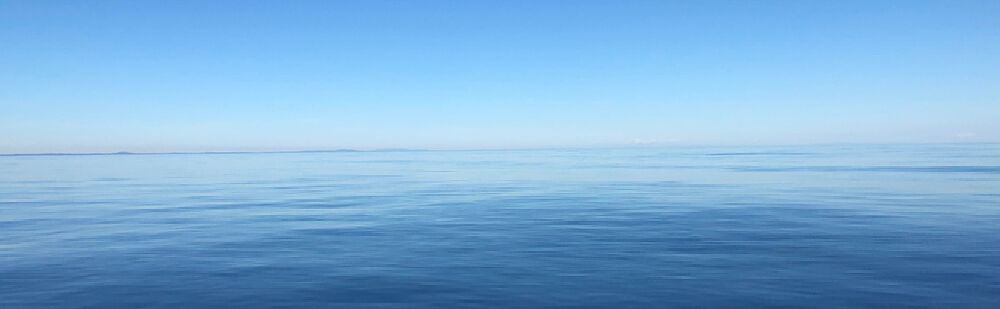
Calm, deep blue ocean water extending to the horizon beneath a clear, light blue sky. Photo: NOAA

The Northeast Pacific Ocean is where some of the largest, longest, and most intense marine heatwaves on record have occurred. A recent PSL study examined to what extent tropical El Nino Southern Oscillation dynamics versus local reemergence and internal ocean processes determine the type of marine heatwave in the Northeast Pacific.

Photo: NOAA

Burn, maybe, burn? New research looks back to improve future prescribed burn windows

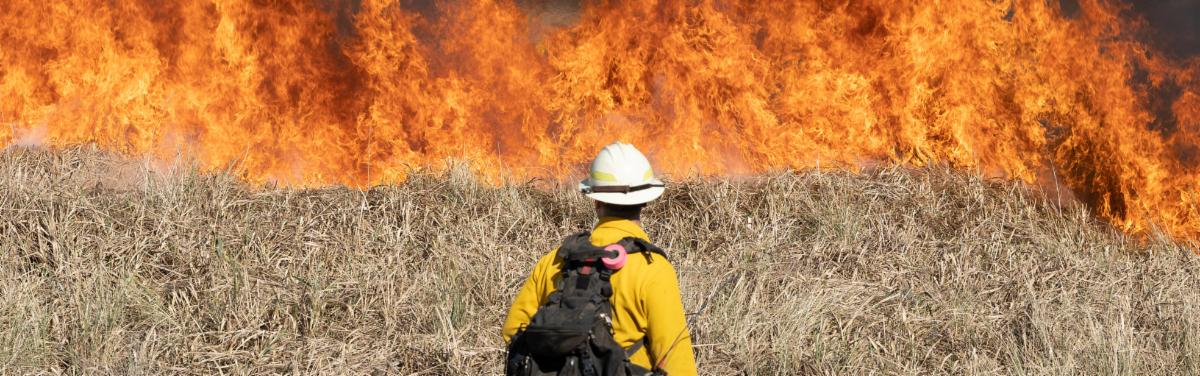
A wildland firefighter in a yellow shirt and hard hat stands in a dry field facing a large wall of flames. Photo credit: US Forest Service

To better understand what constitutes a suitable prescribed burn window and provide valuable insights for burn planning and operations, a recent PSL study analyzed historical prescribed burn data alongside environmental patterns in Northern California, which has many areas with high wildfire risk.

Photo: United States Forest Service

β€Š

Phase of El NiΓ±o-Southern Oscillation foreshadows U.S. wildfire activity up to a year in advance

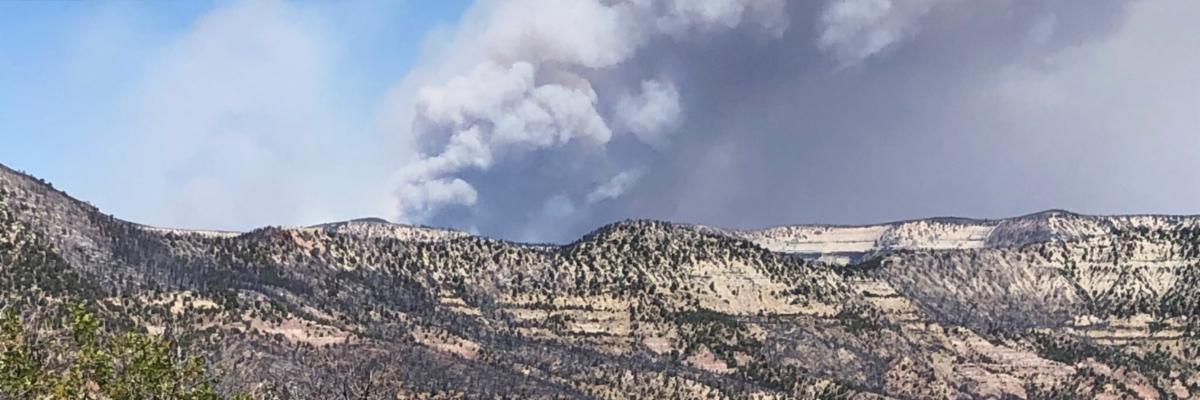
A massive plume of thick gray smoke rises into a blue sky from behind a rugged mountain ridge. - Photo: NWS

PSL researchers analyzed in detail how the El Nino Southern Oscillation’s autumn state, either the El NiΓ±o or La NiΓ±a phase, influences where wildfire activity will occur across specific regions of the United States during the following year.

Photo: National Weather Service

β€Š

IN THE FIELD

β€Š
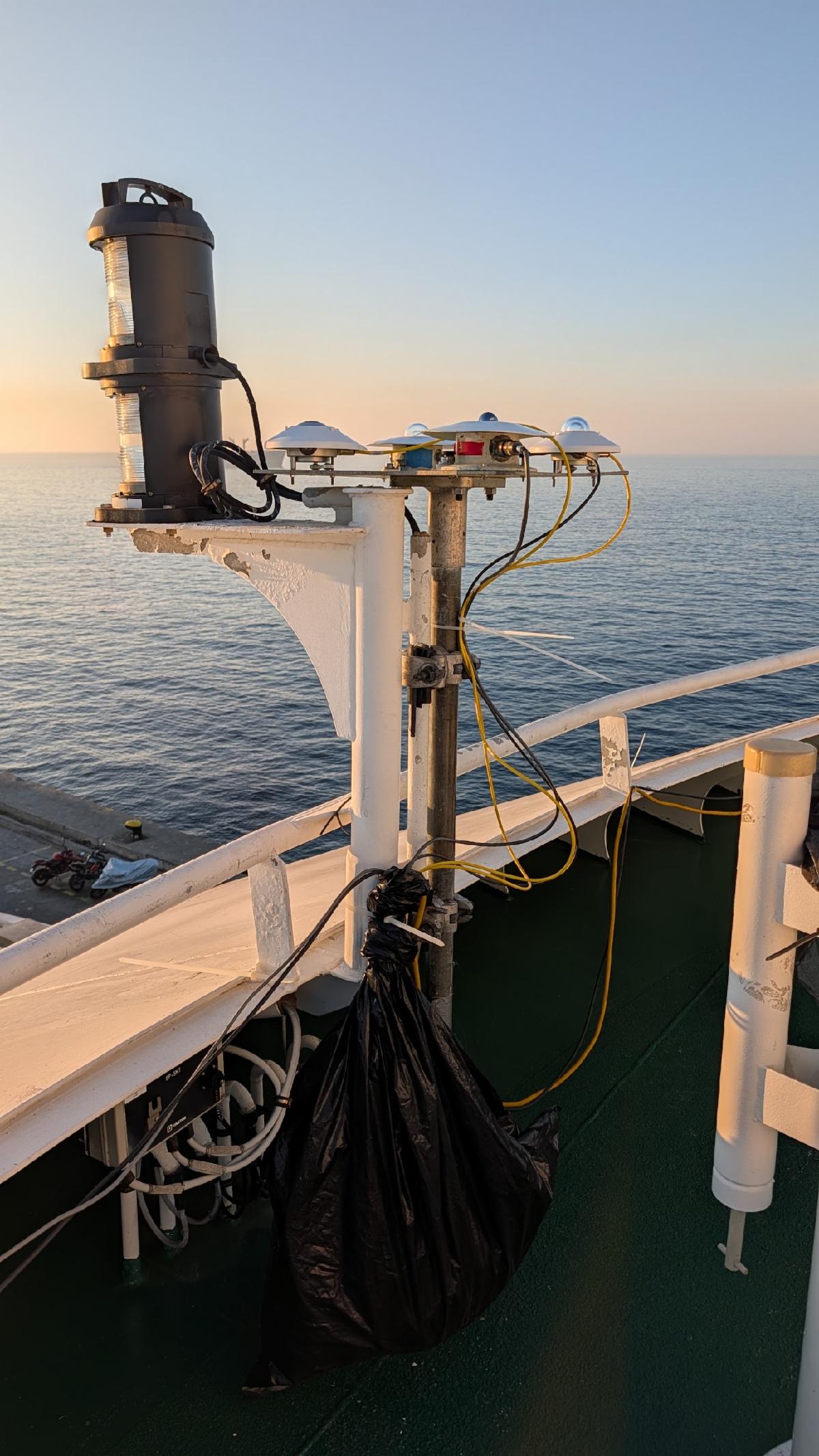
Scientific sensors and a navigational light mounted on a ship's railing overlooking the ocean.

Supporting Stratus


In June, PSL installed equipment on the R/V Cabo de Hornos in Valparaiso, Chile, for a service cruise in support of the Stratus field campaign.


ο»ΏThis campaign made observations to calibrate instruments of the Stratus mooring, an OceanSites Ocean Reference Station. This project is in coordination with the Woods Hole Oceanographic Institution and NOAA’s Global Ocean Monitoring and Observing Program.

Photo: NOAA/PSL

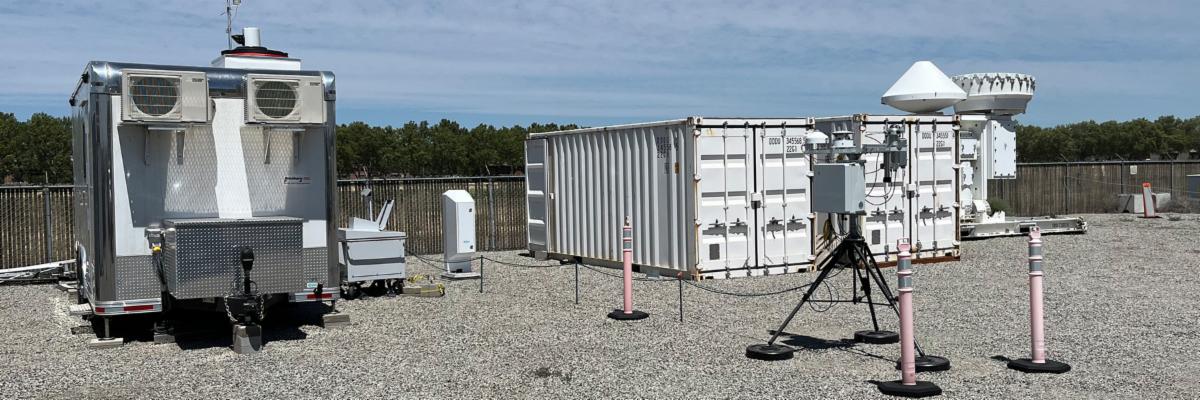
Modified white trailer with meteorological instruments. Photo: NOAA

New NOAA fire weather observatory installed in Washington State


A mobile fire weather observatory built by PSL engineers in collaboration with NOAA Research's Global Systems, Global Monitoring, and Air Resource Labs was recently deployed at the the Department of Energy’s Pacific Northwest National Laboratory in Richland, Washington. The observatory - outfitted with a cadre of instruments for fire and smoke - is the latest in several mobile and fixed observatories deployed in the Western United States. Photo: NOAA/PSL

Read more via GSL

β€Š

DATA SPOTLIGHT

β€Š
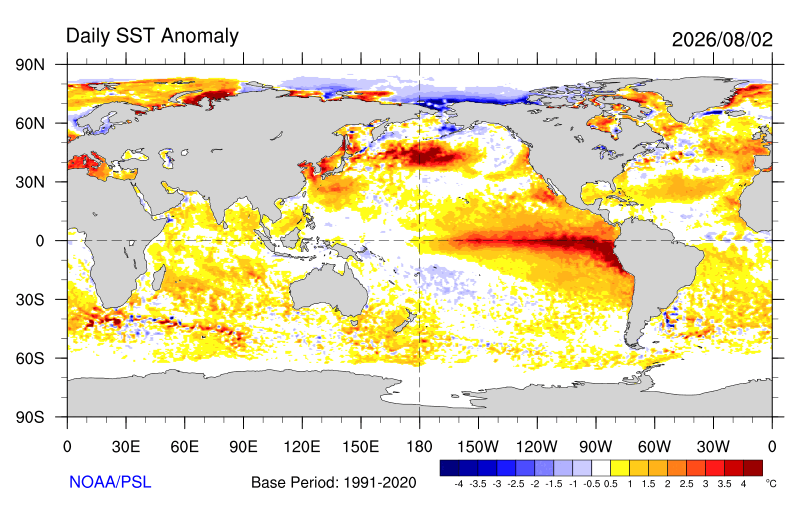
Map of global sea surface temperature anomalies from August 2, 2026. Credit: NOAA/PSL

El NiΓ±o Southern Oscillation

PSL's El NiΓ±o Southern Oscillation (ENSO) page contains a variety of visualizations of the latest data related to ENSO, including current conditions of sea surface temperature anomalies and marine heatwaves. Also explore the El NiΓ±o Index Dashboard, experimental forecasts, the latest PSL ENSO research, and more.

β€Š

AWARDS/HONORS

β€Š

Shupe named 2027 AMS Fellow

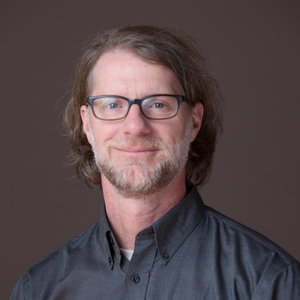
Matthew Shupe of PSL's Boundary Layer Observations and Processes Division and CIRES at CU Boulder has been named a 2027 AMS Fellow. Shupe and all the honor and award recipients will be honored at the 107th AMS Annual Meeting in Denver in January 2027.

See all recipients

β€Š

PUBLICATIONS

β€Š

Publication Report: April through June 2026


See a list of peer-reviewed products from lead and contributing PSL authors from April through June 2026.


For a full list of PSL publications from this and past years, visit the PSL Publications database. 

Adobe Stock image of paper journals stacked on top of each other
β€Š

SEMINARS

β€Š
Photo montage of arid environments

NOAA Drought Seminar Series


Recordings of past NOAA Drought Seminars are now available:


See the upcoming schedule of presenters on the NOAA Drought Seminar Series page.


The NOAA Drought Seminar Series is a recurring monthly event hosted by PSL, the National Integrated Drought Information System, and the National Weather Service's Climate Prediction Center to drought monitoring, prediction, and predictability to help establish a focused platform where national drought research, operational, and user communities can exchange the latest tools, research findings, and risk reduction activities.

β€Š

PSL Science Seminars


PSL's Science Seminar Series is on hiatus for the summer, returning in September. Visit the PSL Seminar Series page this fall for more information on upcoming seminars.

β€Š
β€Š
β€Š
LinkedIn square logo

PSL is now on LinkedIn!

Follow our page for the latest from the lab and to connect with the PSL community. Visit the PSL LinkedIn Page

β€Š
β€Š
β€Š
Exterior entrance of the David Skaggs Research Center in Boulder, Colorado, with the NOAA logo overlaid

ABOUT PSL

The Physical Sciences Laboratory (PSL) is one of ten NOAA Research Laboratories and one of four labs co-located in the David Skaggs Research Center in Boulder, Colorado. PSL conducts research to advance the prediction of water availability and extremes.

psl.noaa.gov

Did someone send you this newsletter? Sign up to get it directly!

β€Š