|
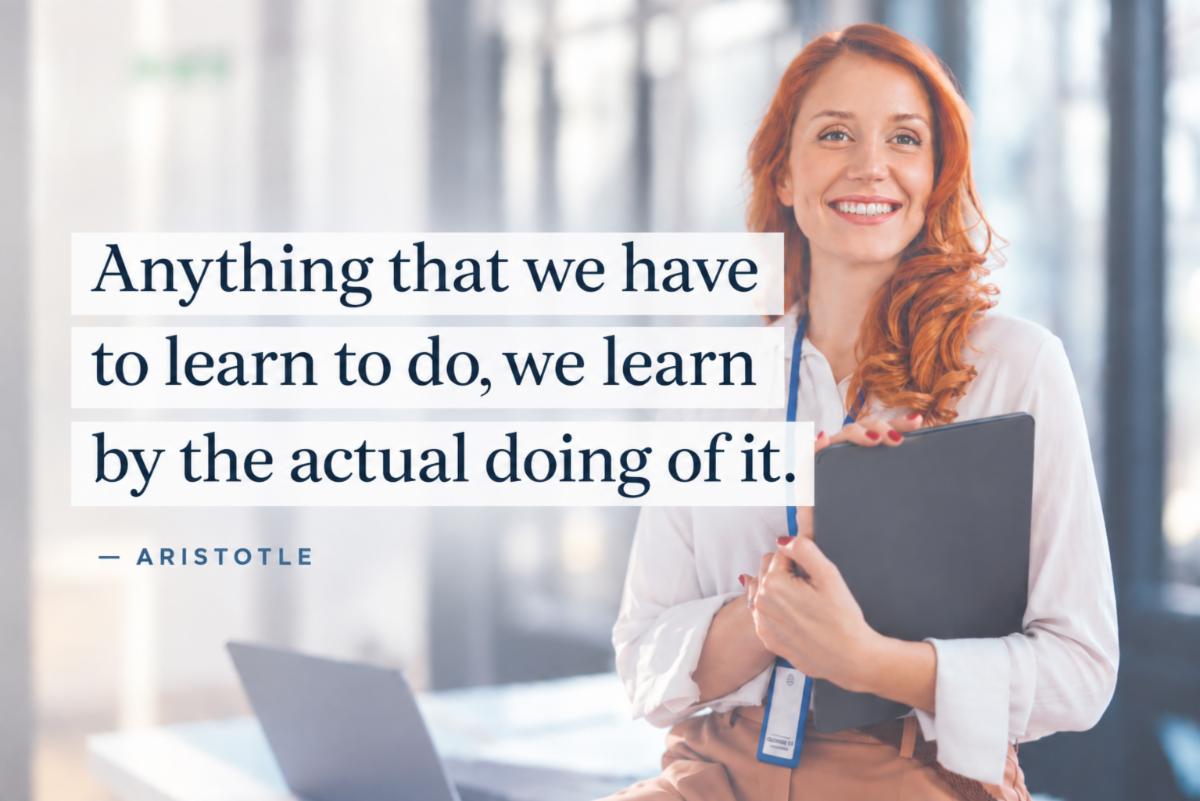
More than two thousand years ago, Aristotle observed that we learn a skill by doing it—builders become builders by building and musicians become musicians by playing. Learning is not only an intellectual endeavor but an embodied one that takes practice. Nonetheless, many of us act as if understanding something intellectually should and will lead to proficiency. This is as true of coaching as of anything else.
What Coaching Asks Of Us
Coaching can help students become career ready and emerging leaders thrive in their roles, but not by telling them how. Instead, coaching requires genuinely embracing, not merely play-acting, the stance that coachees, not coaches, are the experts on their own lives, and that whatever answers and solutions we have are not what moves them forward. Trusting the coaching process means passing up the shortcut, even when we see a solution we think will fix everything.
Why It Is Hard
People drawn to coaching want to help others, and most of us learned to help by solving problems. It is much easier to tell a student to stop playing video games so late, or a new chair to think institutionally instead of disciplinarily. But it is less likely to work. A self-authored solution is more likely to generate lasting change. Coaching still gets them to the specific change, while building capacity rather than reliance on us.
Even when we believe this, solving is what we've become good at, and what people so often appreciate. The impulse to step in feels as natural as writing with our dominant hand, and holding back may not feel possible, or even responsible. Coaching asks us to switch hands. It feels clumsy at first and improves only with repetition. That doesn't mean giving up the dominant hand. A question about a deadline or policy still deserves a clear answer. The goal is to become ambidextrous, able to coach or advise as the moment requires.
Where Practice Comes In
A workshop can introduce the stance. Changing how we engage with students and colleagues takes more. It takes practice with peers and experienced coaches who observe our coaching and give feedback that reading alone can't. LifeBound's Coaching Certification is built around that practice, so coaching becomes as natural as advising. Our Fall Cohort begins Sept 29, and a few spaces are still available. Register today. We'd love to support you or your team in developing this practice.
To learn more or explore which option is right for you, visit www.lifebound.com.
|