|
Cancer News Digest, March 2026
Visit our website
CFC #11967
| |
Natural sleep solutions for insomnia?
One-third of American adults don't get enough sleep on a regular basis, which can increase the likelihood of fatigue, mood swings, obesity, heart disease, and type 2 diabetes. Sleeping problems are especially difficult for cancer patients, cancer survivors, and family members. If you've struggled with insomnia, you've probably tried sleeping pills, but they have limited benefits and can leave you feeling groggy the next morning. Fortunately, a combination of dietary choices, behavioral changes, and sleep environment tweaks can help you get the rest you need without medication.
Here are some simple tips:
-
Keep your bedroom cool, dark, and quiet. (A sleep mask can help)
-
Wear lightweight cotton socks to bed to help regulate your body temperature.
-
Avoid the blue light from phones and TVs before bedtime because it suppresses melatonin, the hormone that makes you sleepy.
-
If stress and a racing mind are keeping you awake, very simple breathing exercises can be highly effective in breaking the cycle of sleep anxiety.
If these simple tips aren't enough, consider how what you eat and when you eat can affect your sleep cycle. In addition, Cognitive Behavioral Therapy and acupuncture have both been useful short-term treatments for cancer survivors.
Learn more in our article here.
| |
Why is FDA reviewing new medications in secret?
For years, the FDA relied on public advisory committee meetings to openly discuss the safety and effectiveness of new cancer drugs (or other treatments) whenever the evidence was controversial. These meetings allowed doctors, patients, and independent experts to share their views before a medical product was approved. Although only advisory, these meetings provided important information that helped the FDA make decisions. However, over the past year, the FDA has held very few public advisory committee meetings, choosing instead to make controversial medical decisions behind closed doors. In a recent STAT News article, health experts raised the alarm about this dangerous shift away from public transparency.
CPTF President Dr. Diana Zuckerman told STAT News that the FDA has apparently been avoiding public meetings that include experts who disagree with what the agency has already decided to do. When government officials rely on "experts" made up of people who only share their views, it limits access to accurate information that patients and physicians need to make important medical decisions. We agree with the many experts who urge the FDA to reverse course by again scheduling public meetings with experts that have a diversity of scientific opinions.
Read more in STAT News.
| |
Cancer patients deserve drugs that are proven to work
For the first time in nine months, the FDA will soon hold a cancer Advisory Committee meeting to review two new drugs: one for breast cancer and one for prostate cancer. As noted in the story above, we have been deeply concerned about the lack of these public meetings in the last year.
A recent article in BioSpace included examples of FDA officials relying on their friends' opinions rather than science. Dr. Zuckerman told reporters that this upcoming cancer panel must include a true diversity of opinion and solid scientific facts, unlike the biased "expert panels" that the FDA has relied on recently. Cancer patients and their families are making life-or-death decisions. They deserve rigorous, transparent reviews based on solid evidence.
Read more in BioSpace.
| | We're Speaking Out For You | |
Are student loan cuts threatening your health care?
The Department of Education is proposing new borrowing limits for medical students and graduate students that are often well below the cost of the education required. That would have a direct impact on health care because loan limits for graduate students in nursing, clinical psychology and other mental health fields, and physical therapy and other types of therapy would be approximately half the cost of the graduate programs they would need. If they can't get loans for the entire cost of tuition, books, etc, many will be unable to complete those degrees. The loan limits for physicians (and theologians) would be twice as high, and therefore more likely to be adequate for their degree requirements.
The Department of Education asked the public to express their views on this proposed policy. In our public comment, we warned that these loan cuts will create a disaster for patient care. The U.S. is already facing a severe shortage of nurses, mental health providers, and physical therapists and other rehabilitation therapists. The problem is nationwide, and especially difficult in rural areas where these health professionals may also make up for a shortage of doctors. If graduate students cannot afford to finish their degrees, millions of Americans will lose access to life-saving healthcare, rehabilitation, and mental health care. We strongly urged the Department of Education to increase the loan limits for vital healthcare professionals.
Read our written comment here.
|
Will FDA skip safety testing for medical AI?
The FDA is considering letting artificial intelligence (AI) and computer-assisted radiology tools skip the standard product safety review process before they go to market. These AI tools are intended to help doctors read x-rays and spot cancerous tumors and other serious diseases. Unfortunately, recent studies show that current medical AI have problems in the real world.
In response to the FDA's request for comments from the public, we warned the FDA that exempting these medical devices from testing that ensures accuracy and safety puts patients at a very high risk of thinking they are healthy when they aren't, or thinking they have a medical problem that they do not have. The agency is ignoring laws intended to protect patients, and instead is focusing on helping companies get new products on the market more quickly. We urged the agency to put your safety first and require strict testing before these devices are allowed to be sold.
Read our written comment here.
|
The dangerous rise of AI medical advice
A recent Gallup survey found that 16% of Americans say they rely on AI chatbots for medical advice. While most people still turn to their regular doctors and trusted medical websites as well, the use of AI for health information now matches social media and ranks higher than television news programs. As tech companies continue to develop new AI models specifically for healthcare, experts expect even more Americans to rely on these programs in the near future.
This growing reliance on AI is dangerous because chatbots can give inappropriate advice and even completely make up medical information. Despite these known risks, nobody in the government is currently regulating chatbots that provide health advice to the public. Patients need to be warned about the dangers of trusting these systems, and we need strong federal safeguards to protect people from unsafe and unverified medical information.
Learn more in Becker's Hospital Review.
|
The myth of Ivermectin for cancer
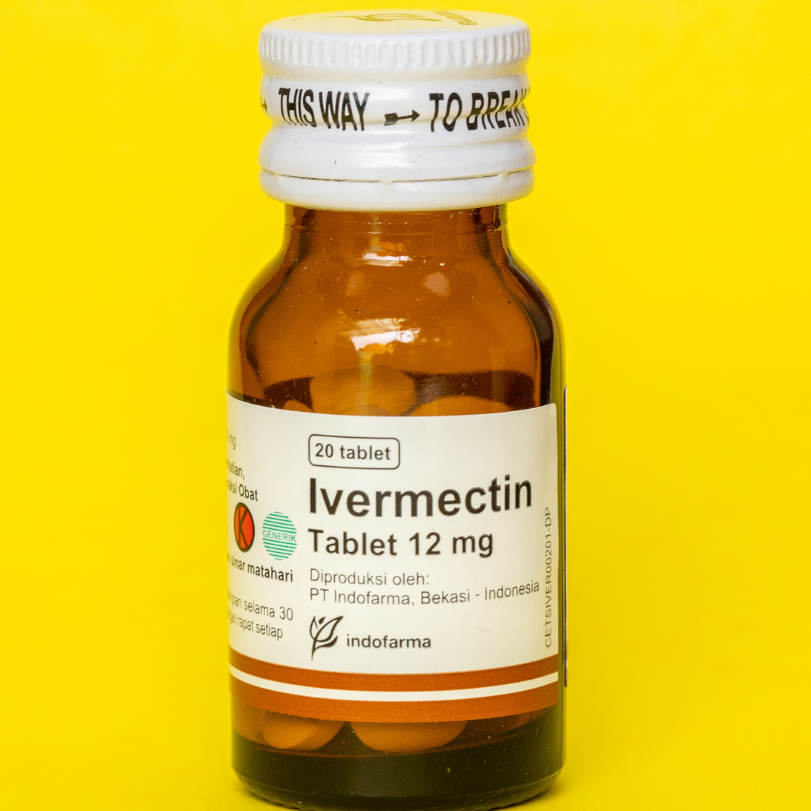
In humans, Ivermectin is a highly successful drug that fights parasitic infections like roundworm, lice, and scabies. It is effective against certain tropical diseases and has saved many lives around the world. However, a dangerous new trend is emerging. Driven by internet myths, podcasts, and social media influencers who know nothing about science, many patients are now turning to Ivermectin to treat cancer. The medical reality is simple: there is absolutely no evidence that Ivermectin is effective against cancer.
Because of this widespread misinformation, too many patients are refusing proven, life-saving cancer treatments and taking Ivermectin instead. As a result, doctors are watching these patients' tumors unnecessarily grow and spread. Cancer treatment decisions can be difficult, but adding politically motivated advice that conflicts with scientific evidence makes it worse. Why has Ivermectin become a political issue that deceives patients? We need to protect patients and save lives by keeping politics out of medical decisions.
Read more in KFF.
|
Why are colon cancer deaths rising in younger adults?
While overall cancer death rates for people under 50 have dropped significantly since 1990, one specific type of cancer is bucking the trend. A new study published in the Journal of the American Medical Association (JAMA) reveals that colon cancer is now the leading cause of cancer death for adults under the age of 50. This marks a dramatic shift, as colon cancer previously ranked fifth for this age group just three decades ago.
Doctors are still trying to understand exactly why colon cancer rates are increasing so rapidly among younger generations. However, research suggests that the rise is linked to a combination of higher rates of obesity, declining physical activity, exposure to pesticides, and diets heavy in ultraprocessed foods—all of which can negatively alter the bacteria in the gut microbiome. Because half of all younger adults diagnosed with the disease are between the ages of 45 and 49, experts now strongly recommend that everyone begin routine colon cancer screenings by age 45, or even sooner if they experience symptoms or have a family history of the disease.
Read more in NBC News.
| | |
Check us out!
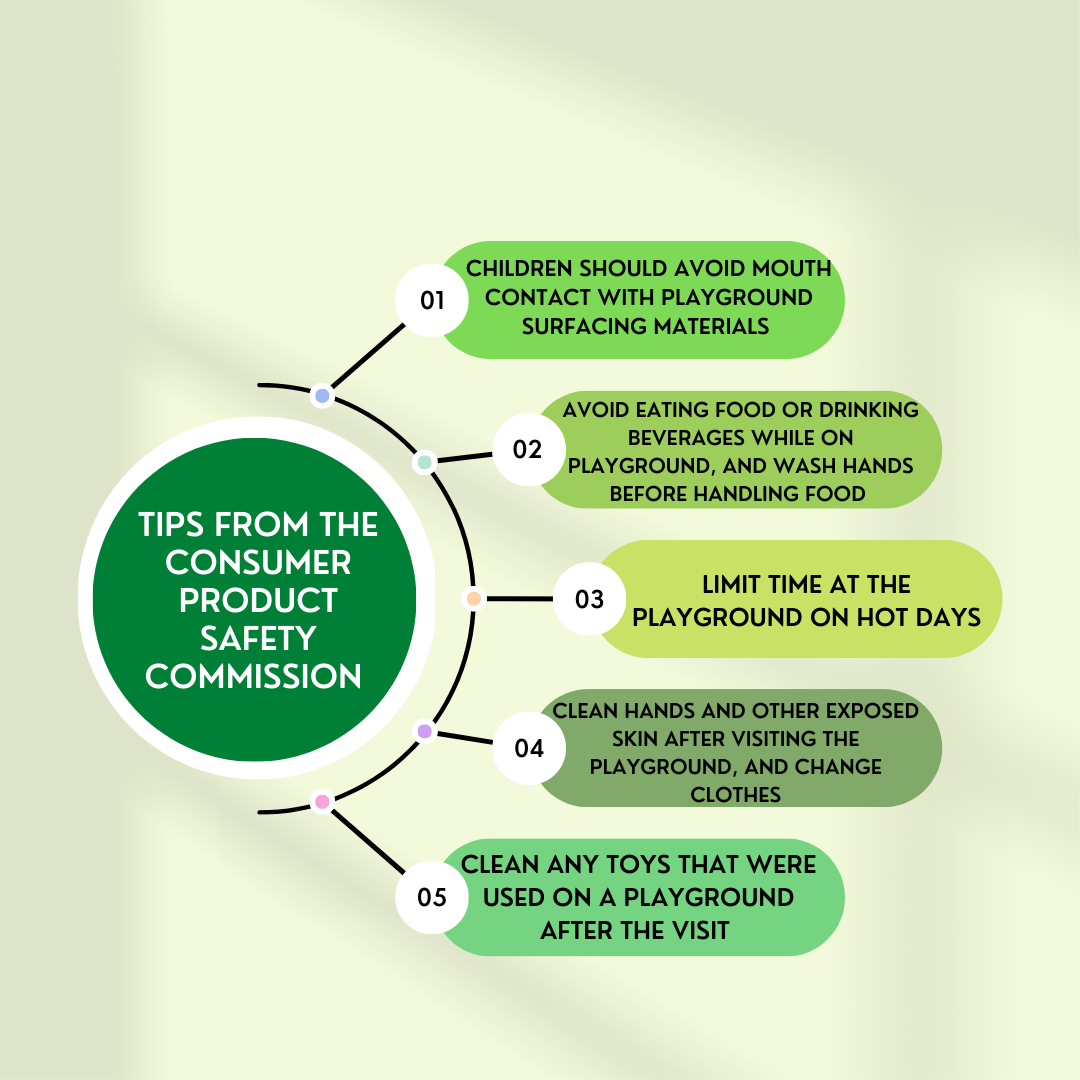
Did you know that artificial turf, rubber playground surfaces, and rubber mulch contain chemicals that can cause attention problems, obesity, early puberty, asthma, and cancer? Are your children or grandchildren getting exposed when they play? Follow us @safe.to.play
| Our main Instagram account and Threads provide free information about new medical research, programs, and policies to help health experts, patients, and the public improve the health of individuals and communities. Follow us @healthresearch4u | |
| Connect With Us on Our Other Social Media! | | |
Your Contribution Can Make a Difference
We do not accept any funding from drug companies, device companies, chemical companies, or other sources that could influence our work and compromise our integrity. That's why so many people turn to us when they need help. Donations of any size are greatly appreciated (and tax deductible.)
Please consider giving to the Cancer Prevention and Treatment Fund online or by mail to the address below.
| |
To sign up for these monthly updates, click here.
| |
Cancer Prevention and Treatment Fund | 1001 Connecticut Ave NW, Suite 1100
CFC# 11967
| | | | |