Process Water Technology
In mass finishing, there are several ways to treat, dispose of or recycle your process water. Recycling your waste water is ideal but in some cases not achievable. The systems mentioned here, are utilized to remove particulate from the waste stream while leaving the chemistry. This is great if you are using one compound as it will substantially reduce your volumes used. If you have more than one chemical in your mass finishing line, recycling would be difficult to easily achieve. If separating your chemistries is not an option, you can look to alternatives, such as, discharging treated water, further filtration or evaporation.
Types of Treatment Systems
Flocculation

Flocculation is a waste water treatment process that uses a clay polymer to coagulate the solids in the vibratory wastewater encapsulating the contaminates. In mass finishing these contaminates could be oils, grease, heavy metals and suspended solids. These encapsulated solids then need to be filtered out and dried. Then it may be sent to your local land fill in accordance with the local regulations. The remaining treated water can then be sent back to your finishing equipment for re-use or disposed of.

The system shown here is being used to treat water from a mass finishing installation and then is going to drain.

Centrifuge Separation

Waste water centrifuge uses centrifugal force to perform the solids separation. Typically down to the 5-10 micron range. There are many advantages to centrifugal separation. Most notably, there are no disposable filter medias. In some cases flocculant is not necessary but if it is determined that a liquid flocculant is necessary, this can be added automatically, within the normal operation of the centrifuge. The centrifuge will produce a relatively moisture free sludge for disposal. The water in the centrifuge system is continuously processed and there is no need to shut down to perform a treatment as in the flocculant systems. The Cost savings by utilizing a centrifuge over flocculation separation can be realized immediately.

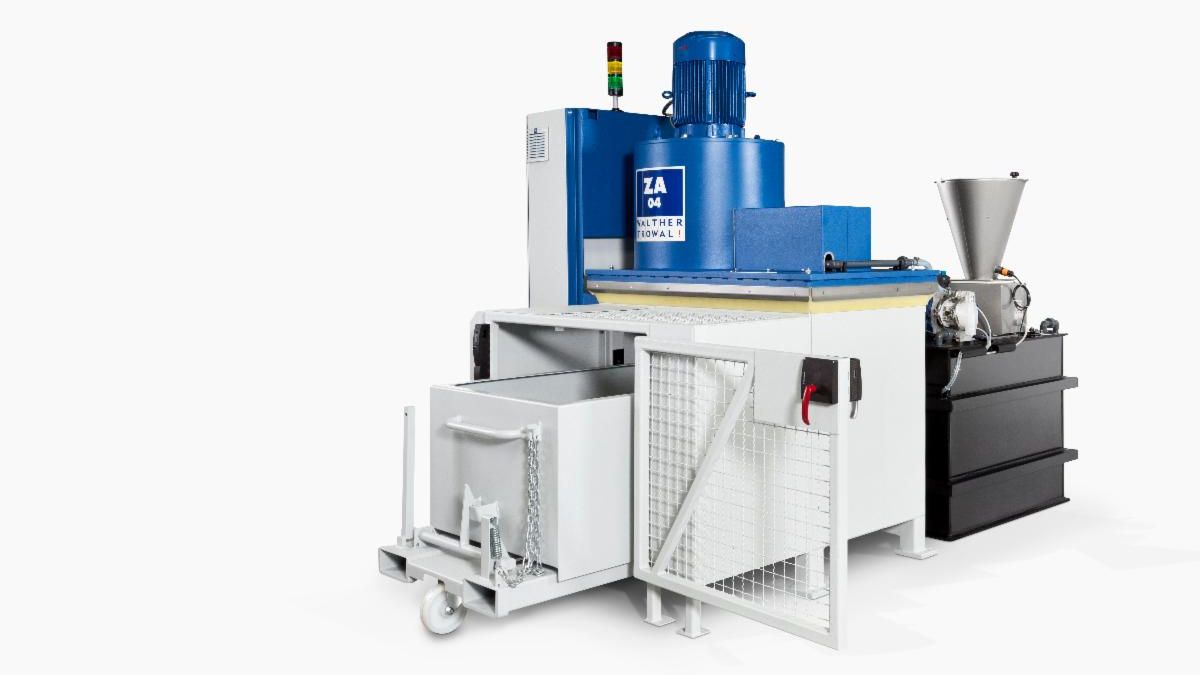
Shown above is the Walther Trowal ZA-04 Automatic Centrifuge. This unit is being used to treat effluent from both vibratory and centrifugal barrel machines. The entire finishing cell is close-looped.

Benefits of Centrifugal Waste Water Recycling:
  • Automated introduction of chemistry
  • No filter medias
  • Recycling of up to 90% of the compounds
  • Recycling of up to 98% of the water used in operation
  • Fully automatic systems with PLC controls
  • pH monitoring available
  • 24-hour operation, without any operator intervention, is possible

Shown here: Walther Trowal ZM-03 Manual Centrifuge
 
Walther Trowal has been the Technology Leader in the Mass Finishing Industry and has invented most of the equipment in our industry through the years.


Please visit our website and know that we are developing new processes everyday to meet ever changing manufacturing technologies. www.walther-trowal.com
Waste Water Centrifuge
Media and Compounds
Mass finishing technology · Shot blast technology · Waste water technology · Coating technology for small, mass produced parts

P Please consider the environment before printing this email! ü

See what's happening on our social sites
Facebook  Youtube  Linkedin