Rail & Labor News from RWU
| | Weekly Digest Number 13 - March 25th, 2025 | | Welcome to the RWU Rail & Labor News! This news bulletin is produced and emailed out each Tuesday morning. We hope you find each week's news and information useful. If so, please share with co-workers, friends, and colleagues. If you like, you can sign them up to get all the news from RWU HERE. Or forward them the link. Got a hot tip? Please forward the article and a link to raillabornews@gmail.com. Note: If you read over this news bulletin each week, you will be sure to never miss the important news of what is going on in the railroad world from a worker's perspective! | | THIS WEEK'S RAIL AND LABOR NEWS | | Editor's Note: The abrupt resignation of Amtrak CEO Stephen Gardner signals a troubling shift for public rail. With Elon Musk—now wielding influence in the Department of Government Efficiency—publicly pushing for privatization, Gardner’s exit feels less like a leadership change and more like a warning shot. Rail workers and advocates should take notice: the drumbeat toward profit-driven rail is growing louder, and the consequences for safety, access, and working conditions could be profound. | | Editor's Note: BMWED’s new five-year deal touts an 18.77% compounded raise and no added health costs—but stretched over five years, that wage growth may barely keep up with inflation. Gains like improved vacation accrual are welcome, but this agreement feels more like holding ground than breaking new one. | |
BMWED-IBT / March 19th
Brotherhood of Maintenance of Way Employes Division on UP and BNSF, represented by the National Carriers' Conference Committee, have ratified the tentative agreement reached in January.
The five-year Tentative Agreement ensures members 18.77 percent compounded wage growth over the next five years, protects health and welfare benefits without additional cost, and improves vacation accrual timing, amongst other gains.
| | Editor's Note: UP and the NCFO reached a tentative five-year deal, but with no details disclosed, it’s hard to know whether this is meaningful progress or more of the same. Vague promises of raises and benefits are no substitute for transparency—especially when trust in the process is already in short supply. | |
Trains Magazine / March 19th
Union Pacific and the National Conference of Firemen & Oilers have agreed to a tentative five-year contract, the railroad announced on March 19th.
The contract to be sent to union members for ratification includes wage increases, additional vacation time, health and welfare benefits, and minor work-rule changes, the railroad said.
Details were not disclosed. The railroad’s current agreement with the union expires July 1.
|
| Editor's Note: VTA workers remain on strike, and for now, the courts and the governor are staying out of it. That’s a small but important win for labor—proof that workers still have leverage when they stand together. The question now is whether management comes to the table ready to listen, not just wait it out. | |
FOX 2 - KTVU / March 17th
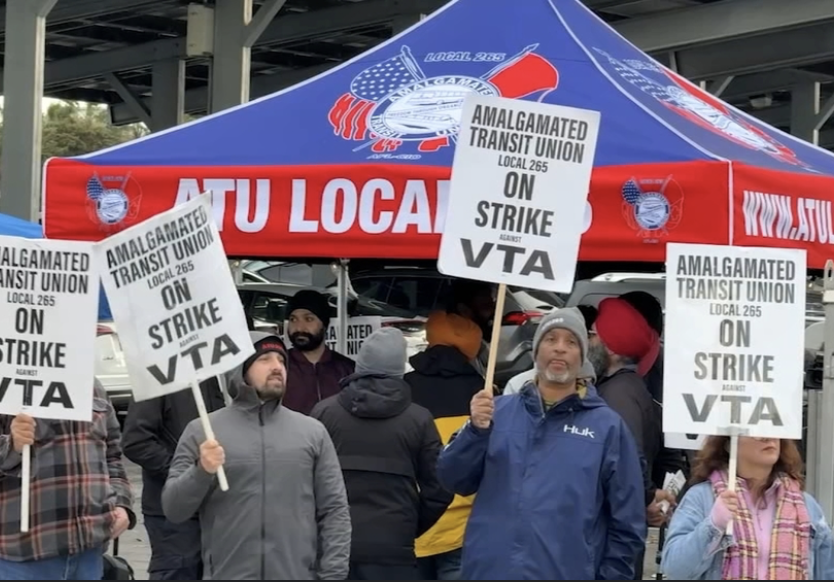
Santa Clara Valley Transit Authority workers are now in week two of their strike and on Monday, a Santa Clara County judge temporarily declined to issue an injunction to stop the strike.
Gov. Newsom also declined to get involved, asking both sides to come back to the table and start negotiations. Both sides say their main concern is serving their passengers, but the strike will continue after a judge temporarily denied VTA's request to stop the strike.
| | Editor's Note: Transportation Secretary Sean Duffy is threatening to withhold federal funds from the MTA unless it answers for rising crime and safety issues—a bold move that sounds more like political theater than a real plan to protect workers or passengers. Safety matters, but so does funding the system to make it possible. | |
Trains Magazine / March 19th
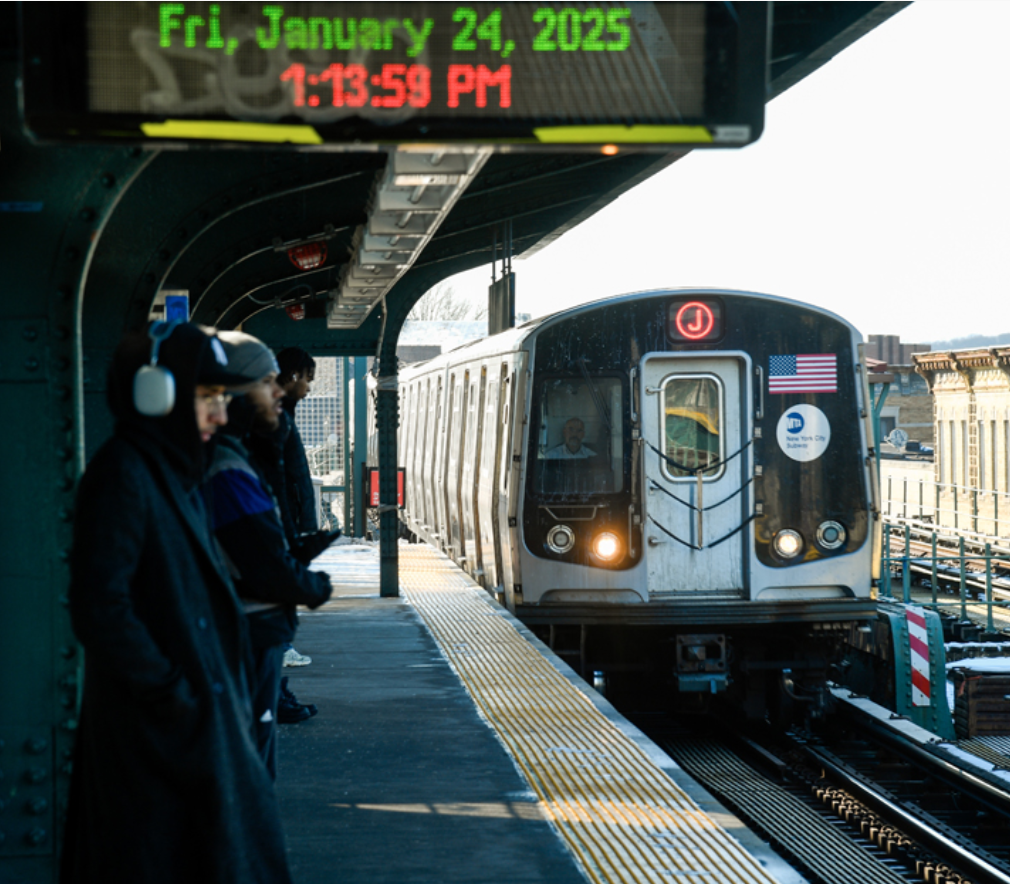
Transportation Secretary Sean Duffy has threatened to withhold federal funding to the MTA if the transit agency does not provide information on how it is addressing crime.
Duffy requested information on how the MTA’s New York City Transit is acting to reduce assaults on transit workers, fare evasion, crime against passengers, and efforts to address injuries and fatalities relating to trespassing, including suicides. He also asked for details on all funding the agency is using to address safety issues.
The expectation is that NYCT will address this matter promptly to ensure compliance and avoid further FTA enforcement actions up to and including redirecting or withholding funding,” the letter says.
| | Editor's Note: Washington state is pushing for a major boost in passenger rail, with HB 1857 mandating more daily trips between Seattle, Portland, and Vancouver. It’s an ambitious move that backs up talk of climate goals and rail investment with actual service expansion—now it’s up to lawmakers to fund and follow through. | |
Railway Supply / March 16th
On March 12, House Bill 1857 gained approval with a solid 68-29 vote tally. This decision met the deadline for bills to exit their origin chamber.
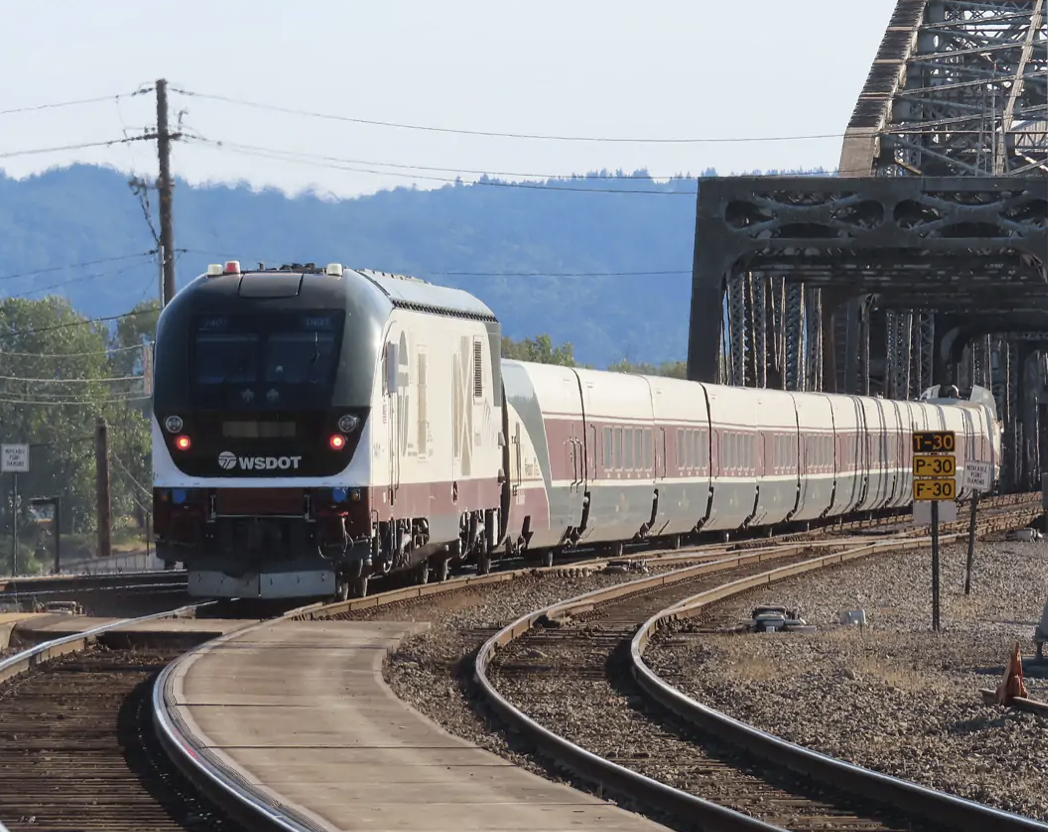
The bill demands a major increase in daily train trips for commuters and visitors. Specifically, it orders 14 round trips between Seattle and Portland, Oregon, plus more.
Additionally, lawmakers added five daily round trips connecting Seattle with Vancouver, British Columbia. They also approved infrastructure upgrades to reduce travel times effectively and quickly.
| | Editor's Note: Metra’s 2025 capital program is a welcome investment in long-overdue infrastructure, including 120-year-old bridges and dozens of stations and crossings. But with only a fraction of stations seeing improvements, the pace still feels too slow for a system this vital. Riders and workers alike deserve more than piecemeal progress. | |
Progressive Railroading / March 19th
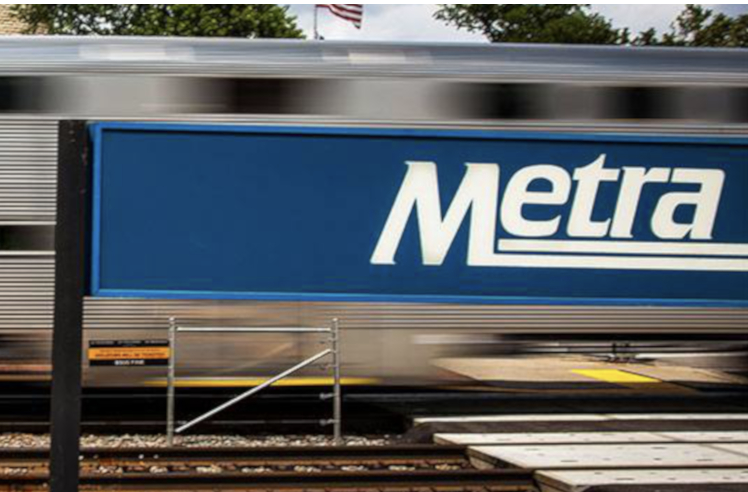
Metra announced its 2025 construction program includes improvements to 52 out of 243 stations and the replacement of 43 grade crossings.
The 2025 capital program allocates $34.9 million for station and parking improvements, $48.1 million for track maintenance, $46.2 million for bridge projects, $5.9 million for rail crossing replacements and $39.2 million for signal, electrical and communications maintenance and upgrades, Metra officials said in a press release. Metra also is continuing its replacement program for 11 bridges that are over 120 years old.
| | Editor's Note: The clock is ticking for legacy and enhanced Class 111 tank cars hauling flammable liquids—DOT and Transport Canada are banning their use by May 1, 2025. It’s a long-overdue safety move, but one that raises serious questions about industry readiness and whether companies will wait until the last minute to comply. | |
Railway Age / March 19th
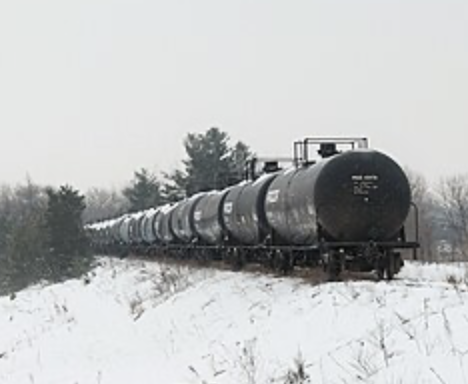
According to the U.S. Department of Transportation, all jacketed and unjacketed legacy Class 111 tank cars, as well as jacketed and unjacketed enhanced Class 111's will be prohibited from importing, offering for transport, handling, or transporting unrefined petroleum products, ethanol, and Class 3 flammable liquids effective May 1, 2025.
Under Transport Canada’s standard, these cars will be barred from importing, offering for transport, handling, or transporting Class 3 flammable liquids effective May 1, 2025.
| | Editor's Note: The ASLRRA’s new education and career portal is a smart step toward addressing the freight rail labor shortage—especially in the often-overlooked short line sector. Highlighting rail-specific programs could help build a stronger talent pipeline, but lasting change will still require better jobs, not just better marketing. | |
Progressive Railroading / March 19th
The American Short Line and Regional Railroad Association has completed another portion of its industry employment website: A list of educational institutions offering rail-specific programs that offer certificates, undergraduate and graduate degrees.
The education, employment and career opportunities page were created by ASLRRA’s human resources committee to raise awareness of the opportunities in the short line freight industry and support workforce development, ASLRRA officials said.
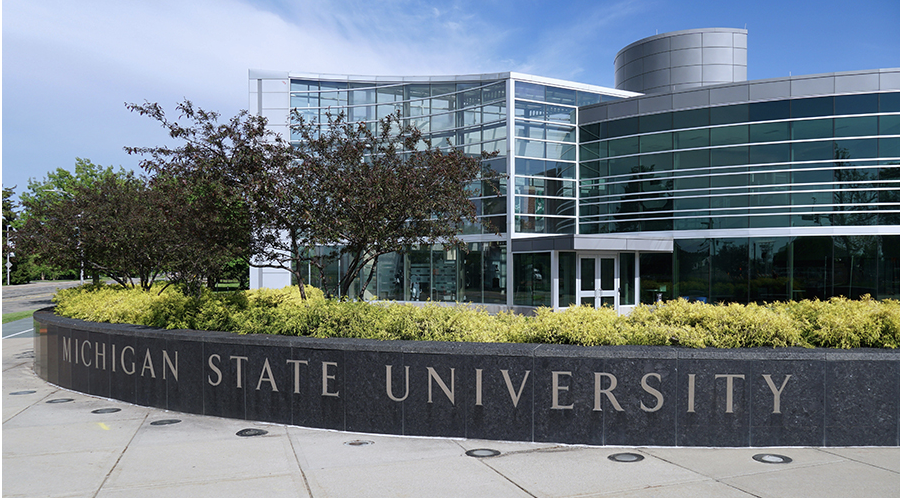
Schools listed on the page include the University of Delaware, Michigan State University, the University of Texas at Austin, and Tuskegee University.
| |
Trains Magazine / March 14th
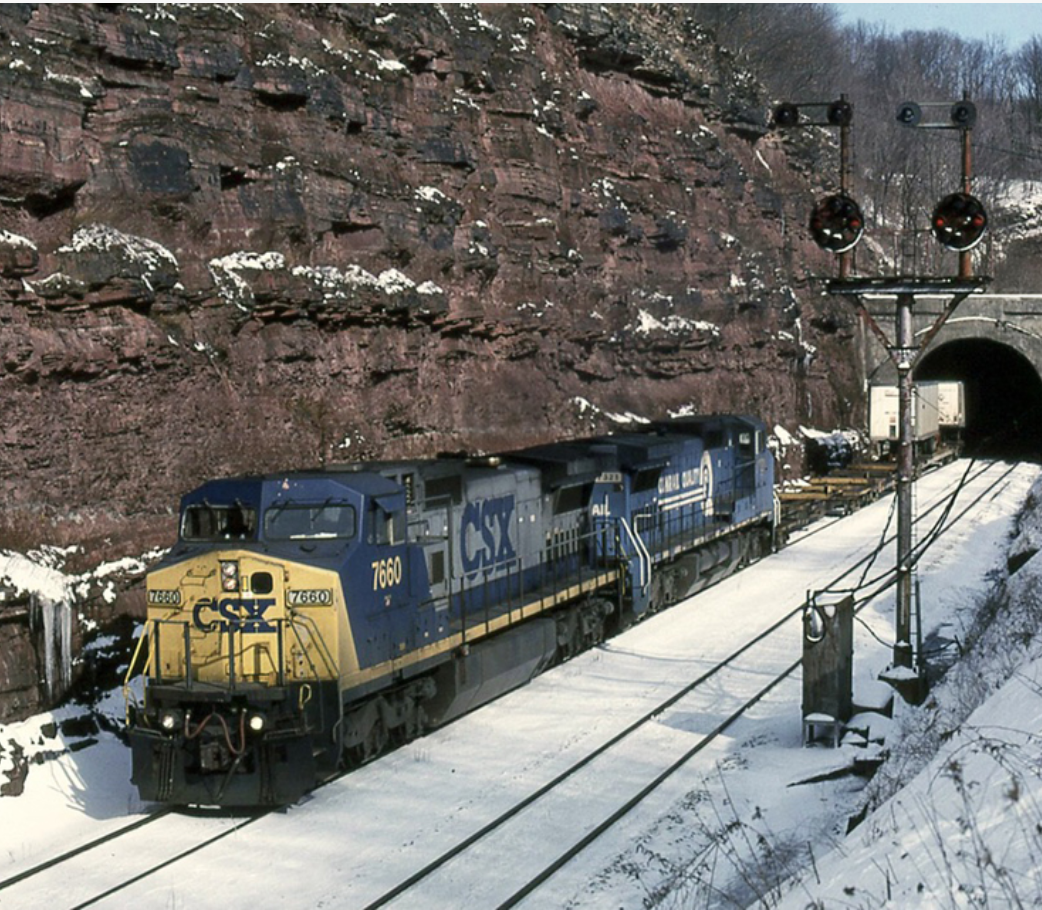
CSX has completed a reconfiguration of the yard in Cumberland, Md., that nearly doubles the flat-switching capacity of the former hump yard.
The railroad has reduced road train crew starts by 1,000 per week, or roughly 10%, which has pushed locomotive utilization to the highest level since 2016.
The train crew-start reduction is bringing cost savings of about $4 million per month, which helps offset some of the $10 million in monthly detour costs related to the Howard Street Tunnel project and the rebuilding of the Blue Ridge Subdivision, which has been out of service as a through route since it was damaged by Hurricane Helene in September.
| | Editor's Note: While every supporter of rail transportation should applaud this important accomplishment, we need to ask, why the hell did the double tracking of just one major truck line take more than three decades to achieve? Some of the Comments hint at the reasons; i.e., Wall Street’s clamor for immediate profits/low OR and the monopolistic nature of the Class One rail system. Had the exorbitant profits that have been milked from the industry since 1990 (complete with hundreds of billions in stock buy-backs) been instead devoted to double (and triple) tracking the nation’s major single track trunk lines – to say nothing of electrifying them – the U.S. would host a rail system that today would move infinitely more freight (and passenger) trains, employ hundreds of thousands of union workers. We would no doubt enjoy far cleaner air, less highway congestion, and a more robust and far greener economy. | |
Trains Magazine / January 16th
Normally the addition of a 3.5-mile stretch of the second main line isn’t a cause for celebration. But when those 3.5 miles happen to be the final section of regular double track added to BNSF’s 2,200-mile Southern Transcon, well, then it’s a major milestone. BNSF cut over the new trackage between Rose Hill and Mulvane, Kan., on Nov. 18 as the capstone to a 51-mile double-tracking project.
In 1992, Santa Fe CEO Rob Krebs saw those single-track gaps as a barrier to providing fast, frequent, and reliable domestic intermodal service for customers. Adding a second track year after year and decade after decade is a case study in persistence – not to mention confidence that traffic growth would justify the expense.
| |
Public Rail Now / March 12th
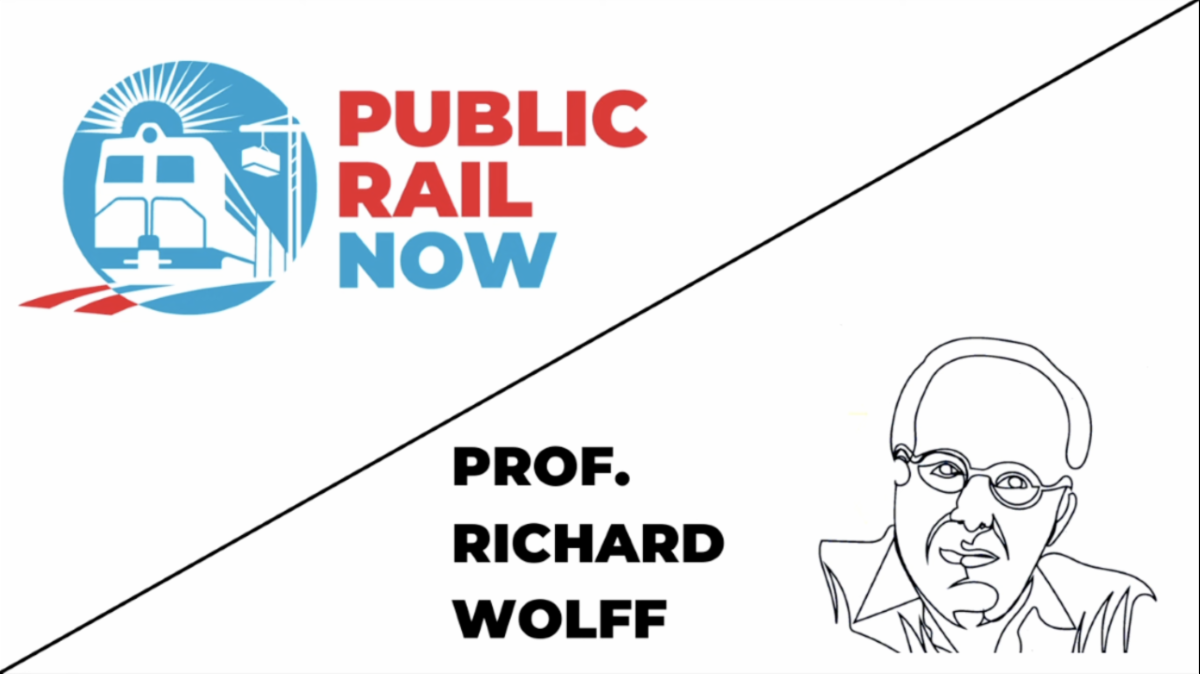
Public Rail Now national organizer Adam Barrington talks with economist, author, lecturer, and founder of Democracy at Work Professor Richard Wolff about privatization, 'free market' ideology, the inefficiency of the private sector, and prospects for the future of the U.S. rail system, among other subjects.
| |
Stephen Rodgers / March 6th
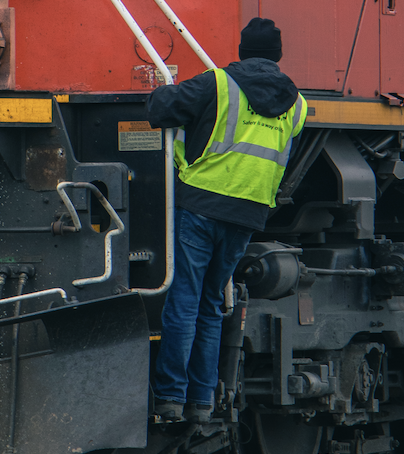
My name is Stephan Rogers and I am an Industrial Design student at The University of Cincinnati. I am currently doing a project on equipping railroad workers with new shirts, lanterns, and gloves to help in their duties.
I am primarily experimenting with new fabrics and methods of cooling for both the shirts and the gloves as well as incorporating better grip for the gloves. The gloves and shirts will also be incorporated with tech that can assist in health monitoring as well as power generation.
| | NEWS FROM AROUND THE LABOR MOVEMENT | | Each week, RWU includes a few articles about advances and developments in the larger labor movement that are of interest to railroad workers. Got an artcile to submit for possible inclusion next week? Email it along to raillabornews@gmail.com. Thank you! | |
Portside Labor / March 14th
In Fall of 2023, United Auto Workers President Shawn Fain called for unions around America to align their contracts with a May 1, 2028 expiration date, in order to align with the UAW’s next round of bargaining with the Big Three: Ford, General Motors, and Chrysler.
This was, in part, a call for class solidarity: to bring workers together across unions, labor and social movements, and geography.
Over the last year, Fain’s call has spread. Unions, base-building organizations, and political organizations are talking about how they can use May 1, 2028, as a compression point: bringing together a broad coalition of groups with bold demands, to share collaborative corporate campaigns and electoral work.
| |
Portside Labor / March 18th
Labor unions representing federal workers are facing another challenge to collective bargaining rights – and even their very existence – in a newly introduced Republican bill meant to prevent American taxpayer dollars from subsidizing union costs.
The Federal Workforce Freedom Act would prohibit federal employees from organizing or joining labor unions to collectively bargain, as well as forbid federal agencies from participating in collective bargaining negotiations with labor unions representing federal workers. The bill would also terminate all collective bargaining agreements between labor unions and federal agencies “established before, on, or after the date of enactment of this bill.”
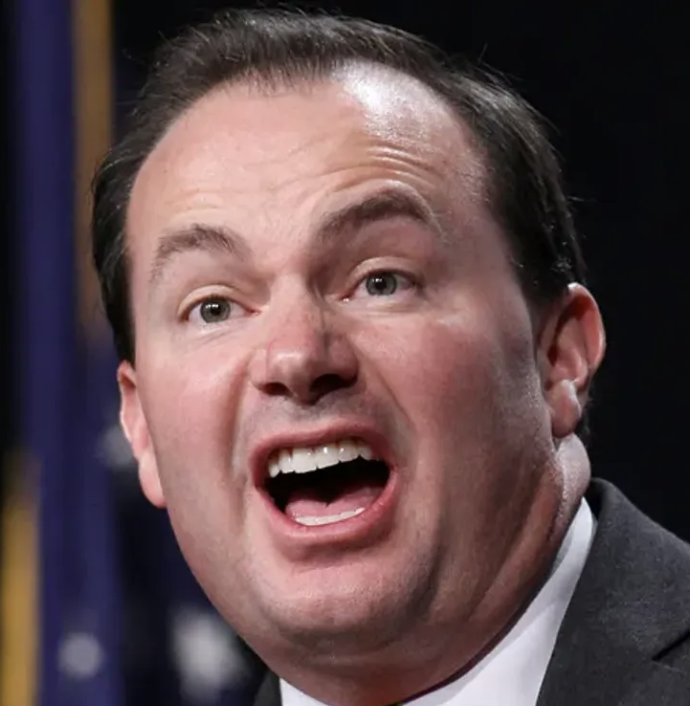
The sponsors of the bill, U.S. Sens. Mike Lee, R-Utah (pictured), and Marsha Blackburn, R-Tenn., argue that these kinds of collective bargaining agreements harm worker efficiency, increase labor costs, and charge taxpayers in the bargaining process.
| | WEEKLY DERAILMENT DEPARTMENT | | Each Tuesday in this news bulletin, RWU does our best to present a picture of what has been happening over the course of the previous week in terms of derailments in North America, and investigation determinations of previous accidents. NOTE: This list is by no means comprehensive. Smaller and less consequential mishaps are generally not reported here. If the wreck results in injury or fatality, or is especially damaging/extreme, a full article will appear as a feature in the dozen or so rail articles above. Know of a train wreck? Please feel free to forward a link to raillabornews@gmail.com for possible inclusion next week. Thanks! |
| | | |