|
|
Pacific Naturopathic Newsletter
Number 162 • March 2023
---------------
The Cuban Experience
|
|
IN THIS MONTH'S NEWSLETTER:
☞ Dr. Connie muses on Survival in Chaotic Times
☞ The Magic of the Myers Cocktail
☞ Dr. Marcel: Insights into Cuban Health Care
☞ Dr. Connie: Back to Basics: Reflections on Cuban Medicine and Minnie's Story
☞ Dr. Marcel: The Adjunctive Cancer Care Program at Pacific Naturopathic
☞ Our Hawaii Retreat Center: Medicinal Plants We Grow
☞ Anandini: Column will return next month
☞ Thermography: Increased Scheduling Opportunities
☞ Jane: How Do Those Cubans Continue to Find Joy?
|
|
COVID Rules for Patient Visits
Dear friends,
If you are even slightly symptomatic or have tested COVID positive in the past 10 days, please do not come to the clinic seeking care. We are not first responders and patients coming to the clinic for IV therapy or in-person appointments must be protected. Thank you for observing this important rule.
We are following the protocols as set by Sutter Health.
- We are still offering either in-person patient visits or consultations via Zoom or FaceTime. Your choice.
- Masks are required in the clinic. No more temperature checks upon arrival.
- Intravenous therapy is still being offered to non-symptomatic patients in our office. New IV patients are also welcomed.
Please phone for information: 650-961-1660
______________________________
|
|
What this newsletter is about...
Americans know very little about Cuba and the tragedy that is occurring on this lovely island. Cuban history is long and complex and its destiny has always been linked to the whims of the United States.
We (Dr. Marcel, Dr. Connie and his sister, Jane) just returned from Cuba. Dr. Marcel and Jane are Cubans and Dr. Connie is Cuban by assimilation. We were last in Cuba in early 2020, just before COVID. Until just a short while ago, Cuba had been on COVID lockdown.
Every time we go to Cuba we take suitcases full of clothing and medicines as Cuban people have limited access to many of the basic necessities of life. For example, for the first time, we were advised to bring our own toilet paper. We did, and our relatives were grateful to receive what remained of the rolls we brought with us when we departed. Here's the situation as it now stands:
-- Roads are full of massive holes and sidewalks are cracked and irregular. Driving offers a serpentine experience. Walking requires constant looking down. The people complain that instead of using funds to repair the infrastructure, more and more tourist hotels are being built, many in areas that lack tourist interest.
-- The once lovely and magnificent Spanish/Moorish architecture of Havana is in a shambles. Individual efforts are being made towards saving and restoration, but government bureaucracy sets roadblocks to every creative endeavor.
-- Protein is rationed. Each person receives five eggs a month. Milk is allotted only to children under two years old. In seafood-rich waters, fish is largely unavailable because fishing boats are in disrepair with no funds to restore them. Fortunately, there are vegetable stands scattered throughout Havana.
-- Basic medicinal and healthcare products, like aspirins, antacids, toothbrushes, toothpaste, antibiotics and everything else are totally unavailable.
-- If a Cuban has relatives that live outside the country and provide cash, limited protein and basics are available on the black market or in special stores where dollars are used.
-- Internet is unavailable to citizens. Tourists can access the internet in tourist hotels.
Why is this happening, just 90 miles off the coast of Florida?
Part of it is the trade embargo imposed by President Kennedy 62 years ago and made worse by Donald Trump when in his infamous last week in office he declared Cuba to be an exporter of terrorism, further tightening sanctions. But as one of Dr. Marcel' relatives pointed out, the main culprit is the Cuban government with its restrictive policies and misplaced fiscal priorities.
We are extremely grateful to our patients, friends and members of our church who donated money, clothing and medical supplies that we took with us and distributed to family and friends. This provided a small amount of relief and a great amount of joy.
The articles in this newsletter are all about our trip. Dr. Connie starts with a look on how Cubans adapt to survive in the midst of shortages and challenges; Dr. Marcel offers insights into various aspects of Cuban healthcare; Dr. Connie uses Dr. Marcel's and Jane's cousin, Minnie, as an example of how difficult it is to treat medical conditions in Cuba; and Jane writes of the incredible Cuban spirit that sustains them through their darkest nights.
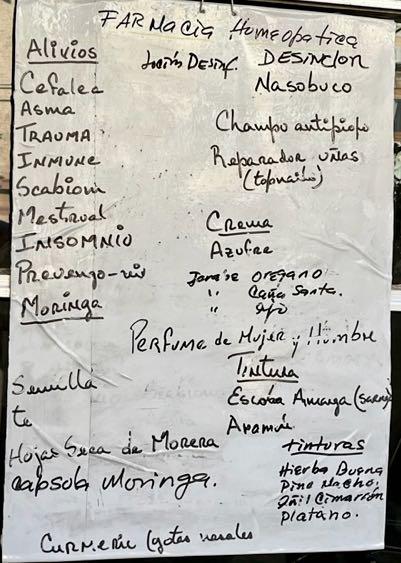
(Photo: This is a menu of services and products available at one of the few herbal pharmacies in Havana. The conditions addressed include asthma, insomnia, menstrual problems, scabies and others. The available herbs include mint, moringa, plantain and others. We waited on line to get in and speak with the sales clerk, who knew practically nothing about the products she was selling.)
--------------
FLASH -- FLASH
Dr. Marcel's new book on prostate cancer is now available! Scroll down to read more about it!
--------------
Of course, you'll find our regular updates on our Hawaii vacation rental, thermography, health products we like and the wonderful Myers Cocktail. Humor and and inspiration also have their own regular places in the newsletter.
-----------------
Think happy, healthy thoughts!
Find opportunities for laughter!
Express love and appreciation often!
Smile when you read this!
Dr. Connie, Dr. Marcel, Dr. Sage, Jane,
Anandini, Bridget, Gabe and Marina
Your Pacific Naturopathic Team
|
|
About Pacific Naturopathic |
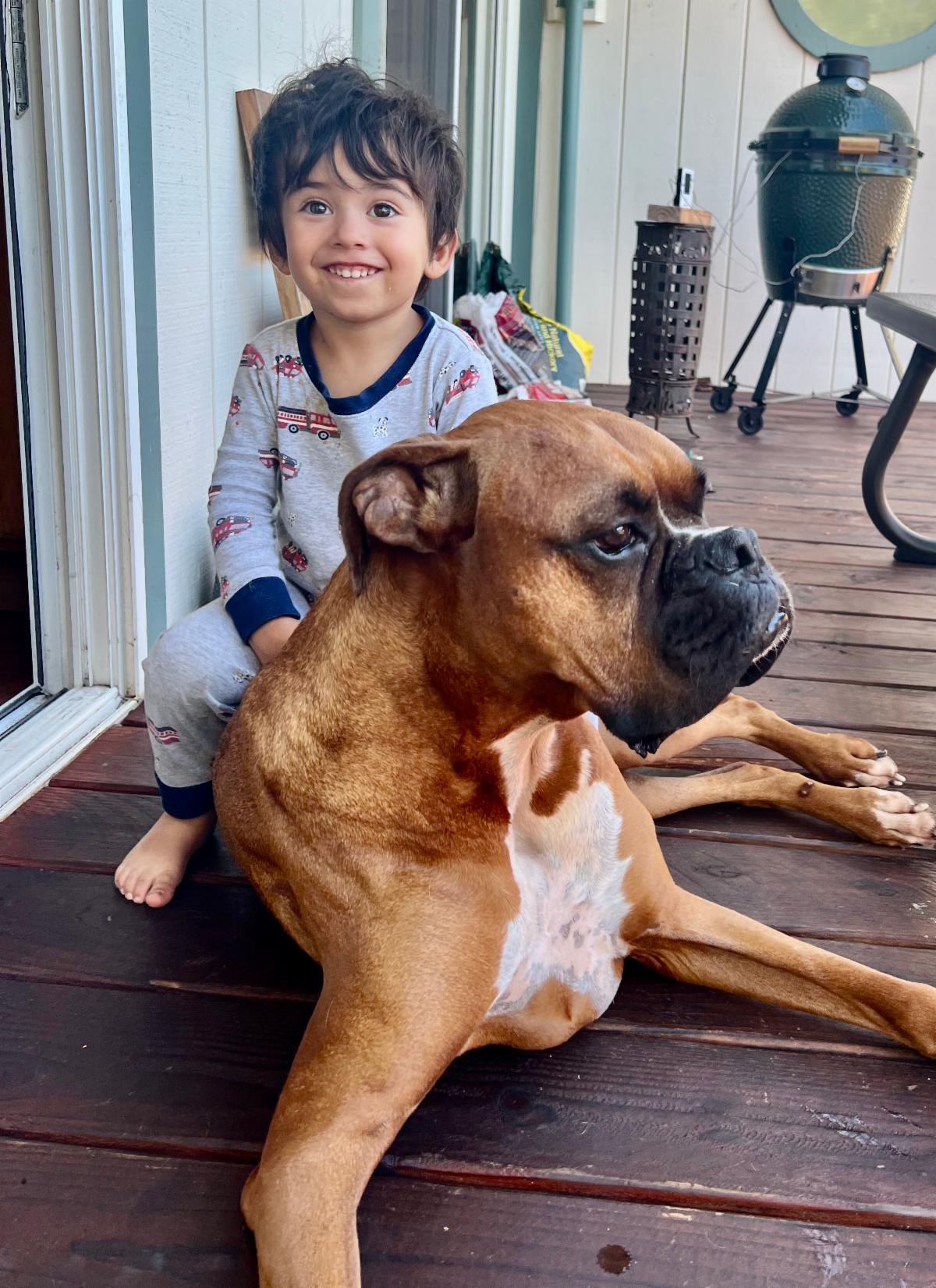
Pacific Naturopathic is a true, old-style family business. We've been serving in California since 1993. Dr. Marcel and Dr. Connie are the docs, their son, Gabe, is systems manager, Gabe's wife, Marina, is the thermography tech, Dr. Marcel's sister, Jane, is our mind/body specialist and our 32- month-old grandson, Quinn, (pictured here with his 80-pound boxer, Payton) is the minister of joy.
|
|
|
Our doctors have years of experience in helping provide information to our patients to help them make informed choices on which path to pursue. We are experts in evidence-based alternative and adjunctive cancer care.
|
|
Our lovely Hawaii vacation rental has woven its magic with our guests for 15 years!
Book through our office for special savings by phoning 650-961-1660.
Speak with Dr. Marcel for more information.
|
|
Serving the Bay Area since 1993. Experience counts in the field of medicine. We have also shared our knowledge by mentoring many other doctors over the years.
|
|
Dr. Marcel's just published book....
An Integrative Approach to Treating Prostate Cancer
by Dr. Marcel Hernandez, ND
• What is a prostate and what does it do?
• Is a prostate biopsy safe?
• What does the Gleason score mean?
• How is the PSA interpreted?
• What new therapies are available for treating prostate cancer?
• Is surgery the right approach for me?
• What are the side effects of conventional therapies for prostate cancer?
• What evidence-based natural treatments are available for prostate cancer?
This is a must-have book for men with prostate cancer, for their caretakers, for health care providers and anyone seeking to understand how an integrative approach combining both conventional and alternative therapies to treating cancer offers far better outcomes.
Available from Amazon HERE
|
|
Dr. Connie's musings...
Survival in Chaotic Times
______
by Dr. Connie Hernandez, ND
|
|
Recent cataclysmic earth changes have alerted us all to the need to prepare for emergency and chaotic situations.
Those of us living in affluent areas have the luxury of purchasing food supplies, storing clean water and preparing survival kits. Yet people in much of the world have no such resources and endure dismal conditions on an ongoing basis, whether through drought or flooding, extreme heat or cold, volcanic eruptions, poverty or warfare.
Visiting in Cuba at the beginning of the month, we saw the effects on the Cuban people of the ill-fated revolution, the ill-advised American trade embargo, and of the absence of tourism during COVID times. There are shortages of everything. Procuring needed medicines and medical supplies, basic food staples, and clean water can prove to be impossible. Electricity is off and on, the internet most often unavailable except in tourist hotels or to those who work for foreign countries. The people communicate with What’s App. We were asked for and brought vitamins and antibiotics, Tylenol, ibuprofen, powdered milk, women’s underwear, clothing and shoes, urinary catheters, as well as US dollars.
It is true that, on the face of things, tropical islands are paradisical. In Cuba, vacationers can enjoy lovely, well-fed holidays at government sponsored beaches, hotels and resorts, bask in the sun, rock out in the clubs, or wander through the picturesque streets of Old Havana. But Cuban people cannot buy foods that are there for the benefit of tourists, and some of the venues disallow Cubans themselves from visiting. The reality for the Cuban people is quite other than the reality presented to tourists.
Survival in these circumstances demands ingenuity, persistence and often illegal activities. Protein and provisions beyond that which the government provides in disbursements are obtained through barter or purchased on the black market with American dollars brought in by visitors.
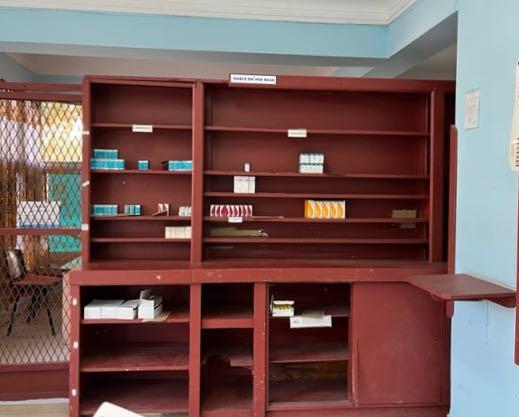
Across the street from our casa particular (Cuban style B&B) is a pharmacy. The shelves are bare, yet people form long lines early in the day in hopes of scoring needed medicinals. Though Cuban medical training and research is advanced and well regarded, medical supplies and pharmaceuticals are scarce. Poorly paid and discouraged doctors are driving cabs and leaving the country. Out of necessity, Cuba has re-introduced and integrated some traditional medicines into pharmacies such as this one. (We found a small homeopathic line, a few herbal teas, and packaged moringa leaves.)
Unfortunately, the older population that accepted pharmaceutical medicines as they were introduced and came into vogue, have lost touch with the inexpensive and available remedies that came before. We therefore attempted in our time in Cuba to accompany patients to traditional healers and herbal pharmacies and to develop treatment plans based on locally available resources.
In spite of these difficult times, the Cuban spirit prevails. Dance and music are everywhere. Laughter fills the air. People gather in the streets, take in the sea breeze as they walk the Malecon, assist each other as they can. This strength of spirit surely enhances survival in times such as these.
Those of you who supported the aid we delivered in Cuba have received more detailed day by day accounts of life in Cuba today. If you did not receive these travelogues, but would like to, please let us know. Thanks to all for your generosity.
(Photo: empty pharmacy shelves in Cuba)
Dr. Connie: 650-961-1660
|
|
Protect Yourself and Your Family
by Boosting Your Body's Reserves
of Immune System Supporting Nutrients
• • • • •
|
|
|
|
Myers Cocktail:
Safe, Powerful, Effective
|
The Myers Cocktail has been around for more than 40 years and is the most popular IV cocktail in our clinic. Read this detailed information sheet and you will see why.
• • •
Want to learn more about the Myers Cocktail? Alan Gaby, MD, has written the definitive, easy-to-read MONOGRAPH about it.
• • •
Please phone 650-961-1660 for more information. A full description of our intravenous therapy offerings is available HERE
|
|
|
|
Insights into
Cuban Health Care
_____________________
|
TexMarcel Hernandez, N.D.
|
|
There is so much I can say about our recent family trip to Cuba from which my sister, Jane (see her article, below), Dr. Connie and I recently returned. Each of us went to Cuba with large suitcases full of medical supplies and clothing – life necessities currently in short supply. Since this is an integrated medicine-oriented newsletter, I’ll focus my observations on a health perspective.
-- Medical care: Cuba has some of the best-trained doctors in the world. However, there is a critical shortage of medical equipment, medicines and medical supplies. Some doctors are forced to turn to jobs outside their training, like driving cabs, to make ends meet. Others leave Cuba to practice their specialties in countries with greater opportunities. One of my cousins is a radiologist with no imaging equipment.
Since there are shortages of IV catheters, antibiotics, anesthesia, syringes, sterile gloves, scalpels and everything else associated with in-patient care, only emergency surgeries are performed. Two of my cousins are trying to find ways to pay for needed surgeries in other countries.
-- COVID: Cuban medical research is revolutionary (no pun intended). The COVID experience passed quickly due to research that developed safe vaccines and treatment protocols. Before COVID, people from other countries traveled to Cuba for cancer treatment with medicinals derived from plants.
-- Pharmaceutical products: We stayed in a B&noB (no breakfast) across the street from a pharmacy that had mostly empty shelves. Periodically, a small amount of conventional medicinals was distributed to the pharmacy. A long line of people would develop before the pharmacy opened, hoping for availability of products to help address their medical needs.
-- Herbal products: Interestingly, although devoid of pharmaceuticals, the pharmacies we visited had a few homeopathic products and a supply of moringa, an herb that has generated much research interest for its density of nutrients and its benefits to the immune system and cancer care. However, Cubans have not been educated as to its uses and moringa products are among the few that remain on the otherwise empty pharmacy shelves.
-- Alternative healers: We asked in several pharmacies, including an herbal medicine pharmacy, about “curanderos,” traditional herbal medicine healers. The once-rich tradition of natural healers has all but disappeared in Cuba.
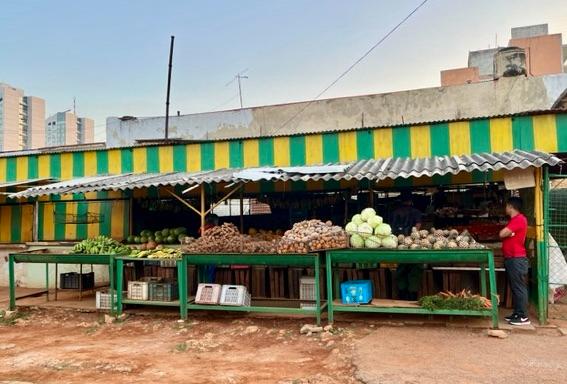
-- Nutrition: Woeful. Forget therapeutic dietary suggestions. Forget protein-rich meals. Fish is unavailable, except to tourists in some restaurants. Some of the chicken we were served came from the United States via Mexico. People eat what they can get. There are no grocery stores as we know them. The positive thing is that there are small vegetable markets scattered throughout Havana that offer farm-fresh produce at reasonable prices.
One of our taxi drivers (in a 1954 Chevy) spoke passionately to us about the state of affairs in Cuba. He was comforted by the knowledge that change is a constant in the universe and the overall situation in Cuba will eventually also undergo a transformation. As Jane emphasized in her article, below, the indomitable Cuban spirit and optimism remains undiminished amid the suffering and deprivation. In the midst of severe decay of quality of life, this alone has remained unalterable.
(Photo: small vegetable market in Cuban neighborhood)
-----
Dr. Marcel: 650-961-1660
|
|
Back to the Basics:
Reflections on Cuban Medicine and Minnie’s Story
by Connie Hernandez, ND
-----------------------
|
|
Prior to departing for Cuba, we learned of several people with conditions requiring medical attention.
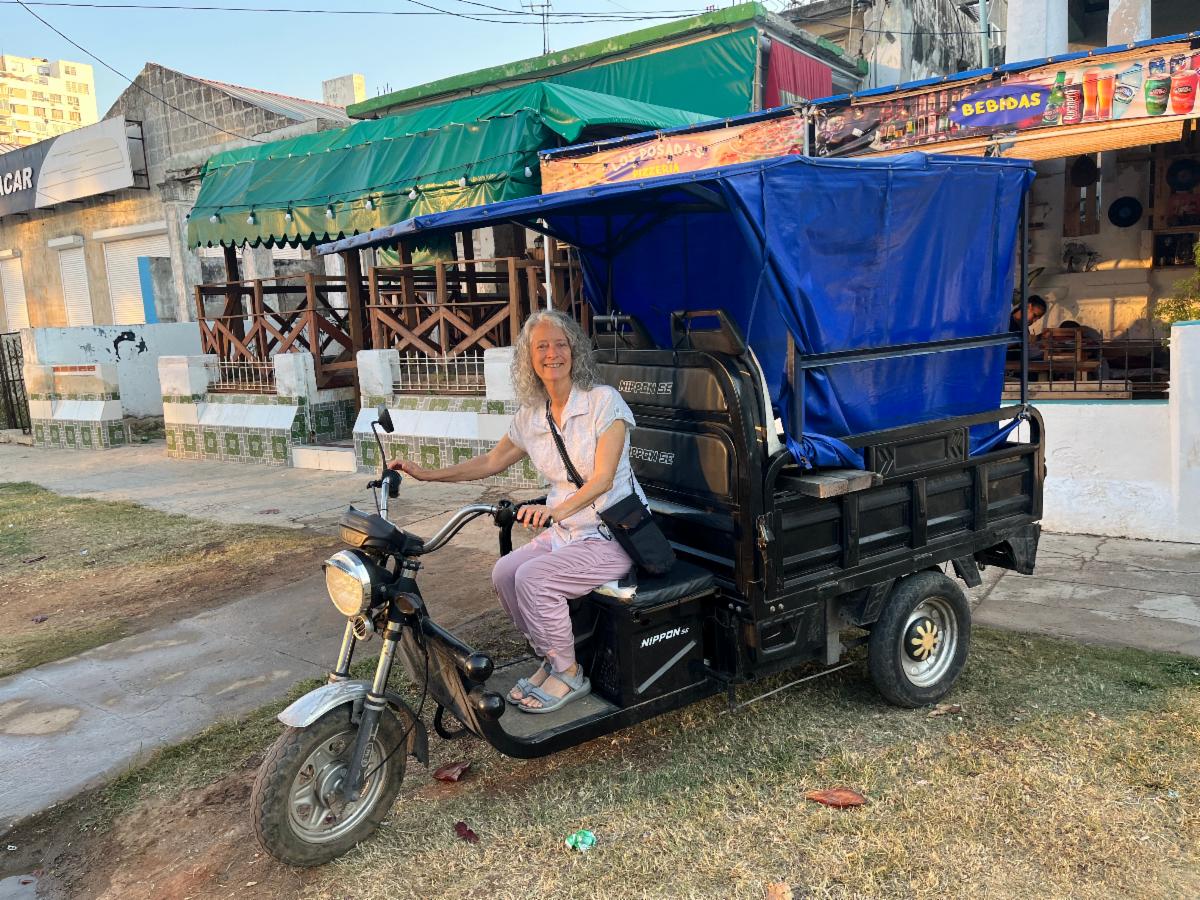
Minnie, Dr. Marcel's first cousin, had seen doctors due to fatigue, bleeding gums, and red and purple skin spots. Repeated blood tests revealed a dangerously low and decreasing platelet count, cause unknown. Low platelets have a myriad of causes including infection, autoimmune disorders, leukemia, and drug induction (as in chemotherapy) or radiation treatment. Infection seemed most probable as Dengue Fever and Chikungunya viral infections are endemic, though Minnie did not recall any illness.
Minnie’s gums stopped bleeding after treatment with iron and Vitamin C, and she had requested that we bring those nutrients with us, and add in further treatment. The challenge was to find remedies which would be appropriate regardless of the cause of the illness, and that could be found in Cuba so that Minnie could continue her therapy.
We started with the basics of which foods and medicines to avoid, and what to emphasize for specific nutrients, as well as an evaluation of potential environmental toxins and drug related issues. Papaya leaf treatments, beetroot juice and sesame oil topped our list. We emphasized plants that we thought would be available in Cuban gardens or through traditional healers (curanderos). We noted that the readily available moringa leaf could increase platelet count, and that specific homeopathics would be of value. We had thought to advise oranges and other tropical fruits for Vitamin C, only to find no fruit trees in sight. The thought of an orange brought tears to Minnie’s eyes as they had been unavailable for years. We did not see papayas on papaya trees, and the papaya fruits in the markets were in a sorry state.
Minnie is of the generation that had lost connection with traditional therapies when Western pharmaceuticals were introduced. We therefore made it one of our missions in Cuba to seek out the shops offering traditional and complementary medicines, and to find a traditional healer for Minnie. Already hampered by distribution issues, and then by shortages brought by the American embargo, the Cuban government promoted research of traditional and complementary medicines, encouraged farmers to grow medicinal plants, and pharmacies to integrate natural medicines. School gardens were grown to introduce elementary school students to herbs and vegetables. Homeopathic medicines like PrevengHO were used to promote immunity during COVID. But the government did not promote the "green medicines" and the people had no idea of how use them. There is still a very long way to go.
During our stay, we followed many leads, found frustratingly few natural medicines in the supposedly integrated pharmacies, and did not find the healer we sought for Minnie. However, we were able to bring her iron and B12/folate, Vitamin C and bioflavonoids, beet root powder and other items. By our last day, we had procured a ripe papaya and fresh papaya leaves, which we picked from a scrawny plant growing through sidewalk cracks. We prepared remedies from the leaves and gave Minnie instructions as to what would be beneficial in bringing up her platelet count.
While we had hoped for much more, our time in Cuba emphasized to us that learning about and growing natural medicines is imperative, particularly in these chaotic times where shortages are rampant. Complementary medicine is not alternative, it is foundational.
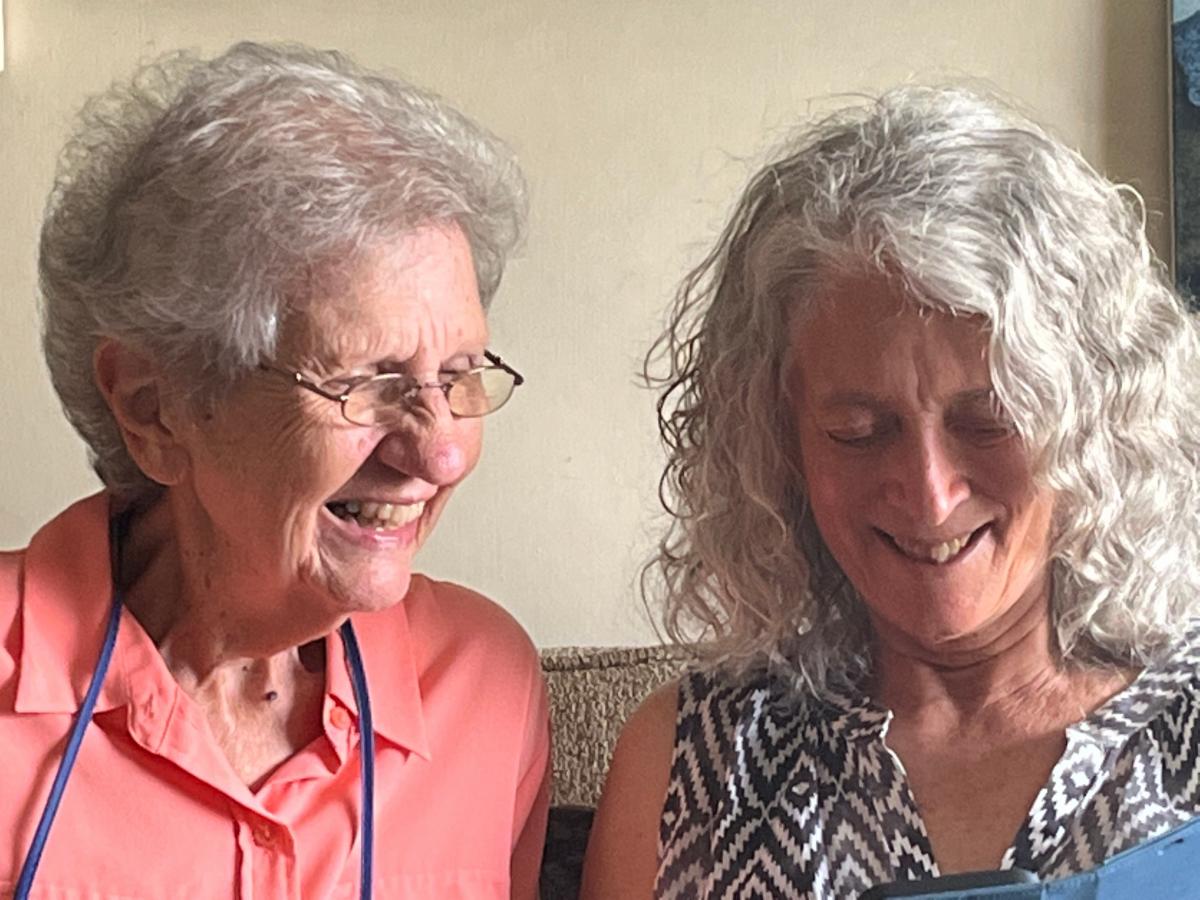
(Photo: Dr. Connie and Dr. Marcel's cousin, Minnie)
-------------
Dr. Connie: 650-961-1660
_______________________________________
|
|
The Adjunctive Cancer Program at Pacific Naturopathic
----------
by Marcel Hernandez, ND
|
|
When welcoming a new cancer patient into Pacific Naturopathic, I tell them that like the four legs of a chair offer support for the body, the four components of our adjunctive cancer care program offer support for the cancer experience.
The first leg of the program is oral supplementation. Regardless of internet hype, oral supplements are not going to cure cancer. Rather, they perform support functions like addressing nutrient deficiencies, decreasing inflammation, preventing angiogenesis, stimulating the immune system and, in some cases, causing some cancer cell apoptosis.
The second leg of the program is the mind/body connection. This part of the program is the most difficult for new patients to understand and implement as western medicine almost entirely addresses illnesses on the physical level. The scientifically proven fact is that stress undermines the immune system predisposes people to opportunistic illnesses. Also, old tapes playing in consciousness that are reflective of cancer-caused anxiety contribute to poor outcomes. We do have an extremely effective mind/body treatment program at Pacific Naturopathic, but few people take advantage of this opportunity. Working on the mental/emotional level is just not part of our society’s approach to dealing with cancer.
The third leg of the program is the nutritional component. The dietary approach for cancer developed at Pacific Naturopathic is mostly common-sense healthy eating – low carbs, lots of fruits and vegetables, adequate non-red meat protein, healthy oils, eating mostly organic and avoiding food additives of all kinds and more. The foundation of the cancer diet is a modified Mediterranean diet, long regarded as the healthiest diet in the world. For patients from ethnic backgrounds, we help them modify their traditional diets to be more in tune with cancer care.
The fourth leg is the intravenous therapy program. The heart of the IV program is intravenous vitamin C, regarded in countless studies as therapeutically effective in treating most cancers. We also offer IVs that address the peripheral neuropathy caused by chemotherapy and IVs that address nutrient deficiencies resulting from the cancer experience.
Not mentioned above are other elements essential to cancer therapy like a consistent exercise program, having a dedicated support community and the importance of integrating a spiritual component into the overall scenario.
------------
Dr. Marcel: 650-961-1660
|
|
Drs. Connie and Marcel's Big Island Vacation Rental
-- Medicinal plants we grow --
|
|
Observing the situation in Cuba, the need for low tech and sustainable culturally appropriate small-scale farming is painfully apparent. At our Hawaii retreat, we have been inspired by ECHO in Fort Myers Florida, an organization dedicated to just that.
At ECHO we learned about several of the species that now thrive in our Hawaii orchard. ECHO has an extensive library and seed bank, and trains college students, missionaries and others. At ECHO, you will see find wet and dry rice fields, gardens grown on corrugated tin roof tops and in old tires, clever irrigation methods, extensive resources and a seed bank. We learned about moringa (the powdered leaf is now a popular supplement) at ECHO, and we have many moringa trees. Moringa seeds can be used to purify water, and the leaves are high in protein and can save the lives of malnourished babies. We also learned about and grow jatropa, the seeds of which produce an oil which can be used as diesel fuel. Our neem trees have multiple uses, the simplest of which is the use of twigs from the tree as anti-microbial toothbrushes.
In our Hawaii vacation rental, you can make salads with moringa leaves, treat your teeth to neem toothpicks, and check out the jatropa trees.
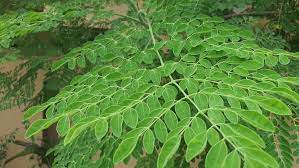
(photo: moringa tree frond)
--------------
and see if there’s an opening for you.
-----
Contact us directly at Pacific Naturopathic (650-961-1660) if you’re interested in staying at our Hawaii retreat. Please email Dr. Marcel directly at HawaiiND@mac.com with questions.
If you want to see more photos click HERE, but booking directly through us, not this site, will save you a chunk of money in fees.
______________________________________________________________
|
|
Breast Thermography at Pacific Naturopathic
- Increased scheduling opportunities -
-----
|
Good news for thermography patients! Due to an upsurge in both new patients and patients returning post COVID, and to our thermographic technician Marina being more available, we are
increasing scheduling opportunities, generally on Tuesdays and/or Thursdays. If you are interested, call Bridget at the front desk (650-961-1660) to put your name on the list of people to be called as dates become available.
• • •
Read more about
breast thermography at
Pacific Naturopathic HERE
To schedule an appointment: 650-961-1660
|
|
Chinese medicine perspective...
Anandini's column will return next month
by Anandini Wadera, LAc
|
|
To schedule with Anandini, please contact her directly at
anandiniw@gmail.com or 650-922-1129
Visit Anandini's web site: http://anandiniwadera.com
|
|
One of our favorite products....
This is so gentle and lovely! We rub it over our hearts before bed for calm, sweet sleep.
Aurum Lavender Rose Cream is a fantastic soothing support for staying centered and promoting well-being. For temporary relief and protection from stress and tension, rub over the heart area every morning and evening or as needed. Aurum Lavender Rose Cream is a great product to help with the stresses of the holidays, traveling, new experiences and any moment you may need emotional strength. Also a great gift idea for your loved ones. Contains homeopathic potencies of horse chestnut, horsetail, St. John's wort, gold and myrrh. Also contains peat extract, lavender oil, geranium oil, rose oil and frankincense in a nongreasy cream base.
Available in our office for $27.
|
|
|
|
Mind/body perspective...
How Do Those Cubans Continue to Find Joy?
by Jane Hernandez, CCHT
|
|
I find myself thinking with amazement about our recent trip to Havana to visit family. We have visited the island many times since the 1950’s and have witnessed the gradual degradation of a truly beautiful and vibrant city. Rubble gathers on street corners and city government can barely keep up with the detritus. Yet you can still encounter beautiful 18th and 19th century buildings that the government or individuals continue to restore and sustain.
You meet people in the street, in taxis, at restaurants, or as guides and there is still a unique joy. Instead of wallowing in loss, they appreciate what they have and always find ways to survive and be happy.
After 60 years of an embargo and enmity with the gorilla to the north, it is an amazing achievement. It must also be mentioned that the Cuban government is incompetent and limping along to non-functional Communist ideals. Yet the people go on.
How do they do it?
Could it be a positive mindset? Most Cubans have nothing, yet happiness is part of the culture. There is music and dancing everywhere. They make jokes about the shortages.
One night we were at our favorite restaurant and I heard a group singing in front. This surprised me because we were not in a big tourist area. I immediately went out and there was a quartet of musicians singing popular Cuban music. It was as if the Buena Vista Social Club had visited the restaurant.
I never realized before how this culture tends toward a positive mindset. How they appreciate anything they have in the midst of losing so much. Could it be that cultivating a positive mindset really is the main determinant of a happy life?
And how do you cultivate a positive mindset?
One thing you might do is take notice of the simple pleasures in life – such as enjoying a delicious cup of coffee in the morning, listening to birds sing, observing the first flowers of Spring – all of these can bring us joy. It’s important that we consciously notice these moments, savor them and hold on to them. And here is how hypnosis helps.
Negative thought patterns are endemic to humans and can become entrenched habits. But here’s the thing, any habit can be ‘unlearned’. I know this to be true and have done it in my own life. It takes practice, patience and a desire for change. Hypnotherapy can be an effective tool in automating a positive mindset that becomes an everyday response.
Imagine what a relief it would be to cultivate and enjoy a positive mindset.
To Cubans who suffer constant deprivation, their focus is on what they have and enjoy rather that what has been taken away. I love that.
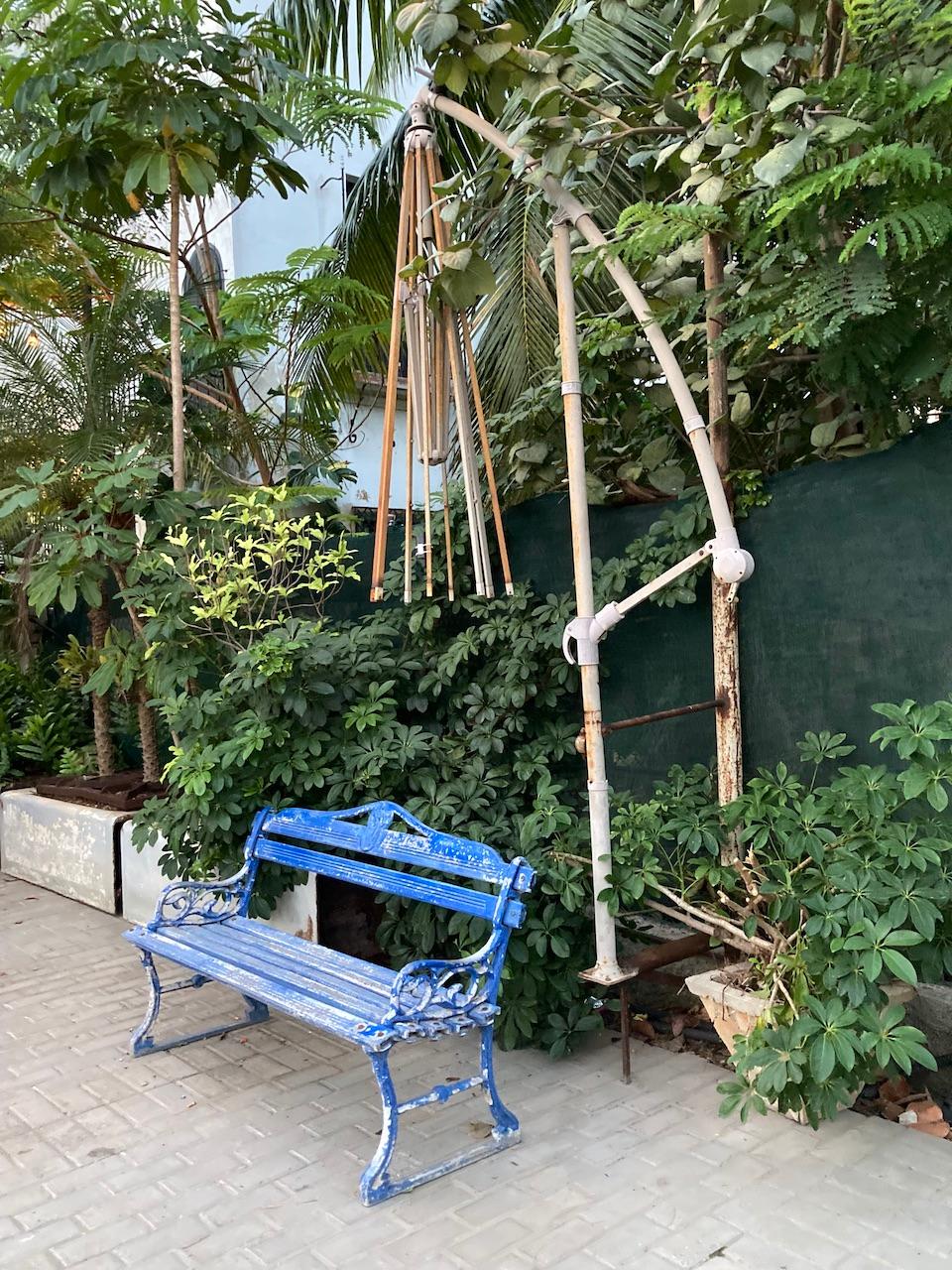
I took a picture of a bench and skeletal umbrella in someone’s front yard. To me, it represents so much of the Cuban attitude. They did not throw away the umbrella once it lost its cloth but kept it so that they could throw another cloth over it on a sunny day.
Nothing is wasted, what they have is appreciated. Imagine that.
"Now is no time to think of what you do not have. Think of what you can do with what there is." -- Ernest Hemingway, "The Old Man and the Sea"
• • •
For more information about Jane Hernandez and her work click HERE
• • •
Schedule directly with Jane at 510-676-1460
|
|
Unusual Medical Practices
_____________
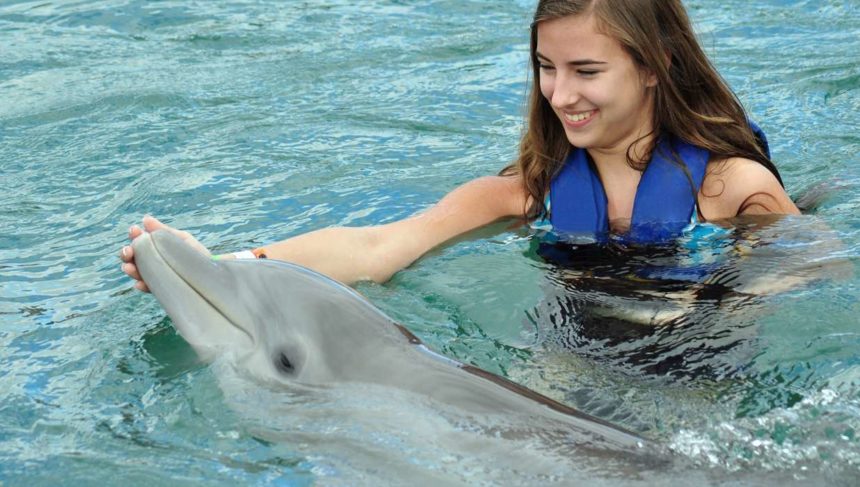
Dolphin Therapy
During the medieval period people in Peru believed that if a pregnant woman is touched by a dolphin, the neuronal development of the fetus is improved.
Dolphin therapy is believed to stimulate the brain of the baby inside the mother’s womb due to the dolphin’s high-frequency sounds which in turn helps in developing the baby’s neuronal abilities.
In the present day, this therapy is being used in children with disabilities. It helps them to relax and increase their attention span.
|
|
Medical Humor: A Break From Reality |
|
Pacific Naturopathic
&
The Hernandez Center
for Adjunctive Cancer Care
1580 W. El Camino Real, Suite 7
Mountain View, CA 94040
650-961-1660
|
|
|
|
|
|
|