Your County Connection

Welcome to County Connection, the official biweekly newsletter from your La Crosse County government. Send questions to ask@lacrossecounty.org.

“This Plan is Going to Work”

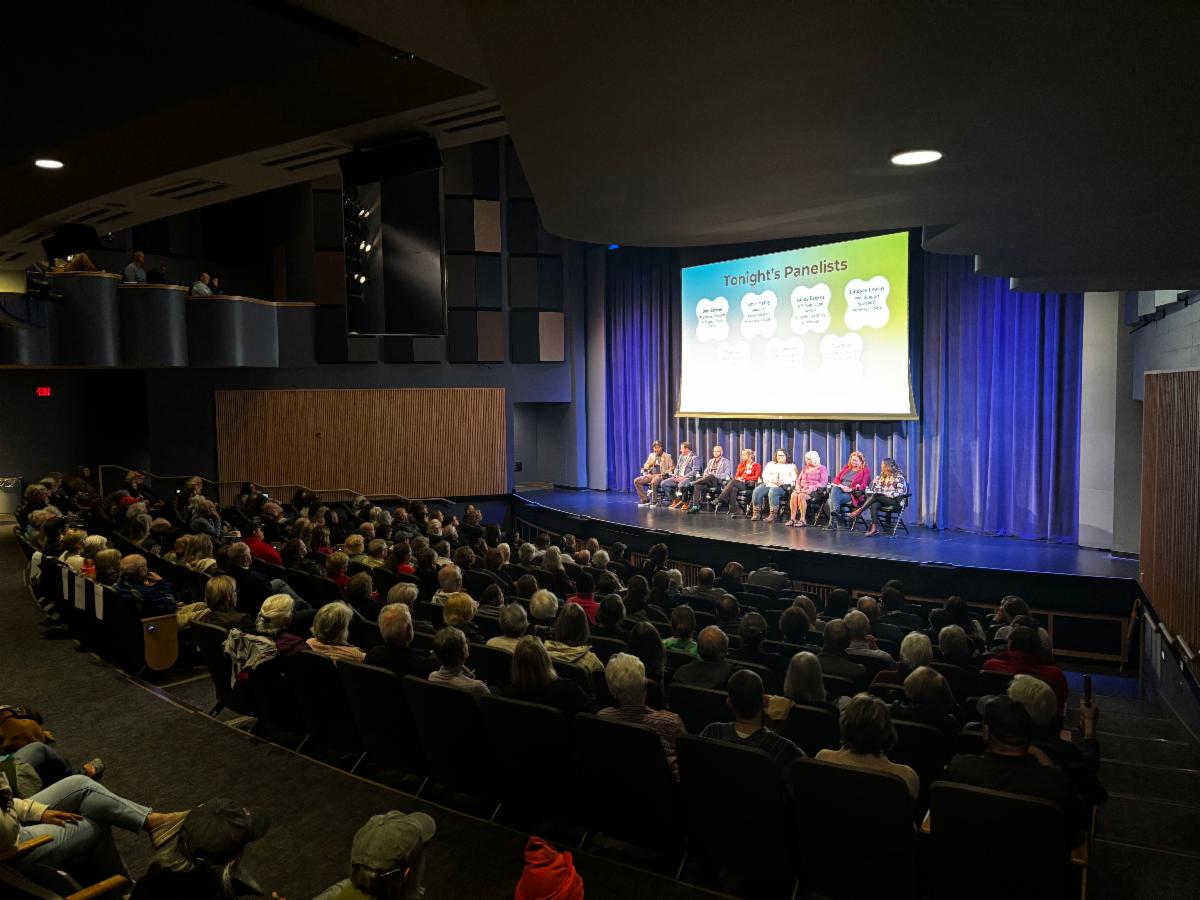
It was a packed house at the Weber Center last night for Beyond the Bridge: A Solution to Homelessness. The documentary highlights how Houston and Milwaukee dramatically reduced homelessness through coordinated housing, services, and collaboration — the same approach guiding our City and County's Pathways Home initiative.


After the screening, a panel discussion featured the filmmakers, local leaders, and Milwaukee County Housing Administrator James Mathy, one of the architects of Milwaukee’s Housing First program.


“I know you have homelessness fatigue,” Mathy told the crowd. “But this plan is going to work… It’s not about charity — it’s an investment.”


In the first five years of Milwaukee’s plan, unsheltered homelessness dropped by 92%, saving taxpayers more than $30 million. Here in La Crosse County, since launching Pathways Home last year, more than 240 people have been housed, and overall homelessness is down 27% since last November.


“The solution is here,” Mathy said about Pathways Home. “I think in the next year, you’re going to see real progress.”


Filmmakers Don Sawyer and Tim Hashko praised our community's efforts, saying what they observed here mirrors what works across the country: housing first, paired with services.


“Homelessness is solvable,” Sawyer said.

Styrofoam Recycling in Action

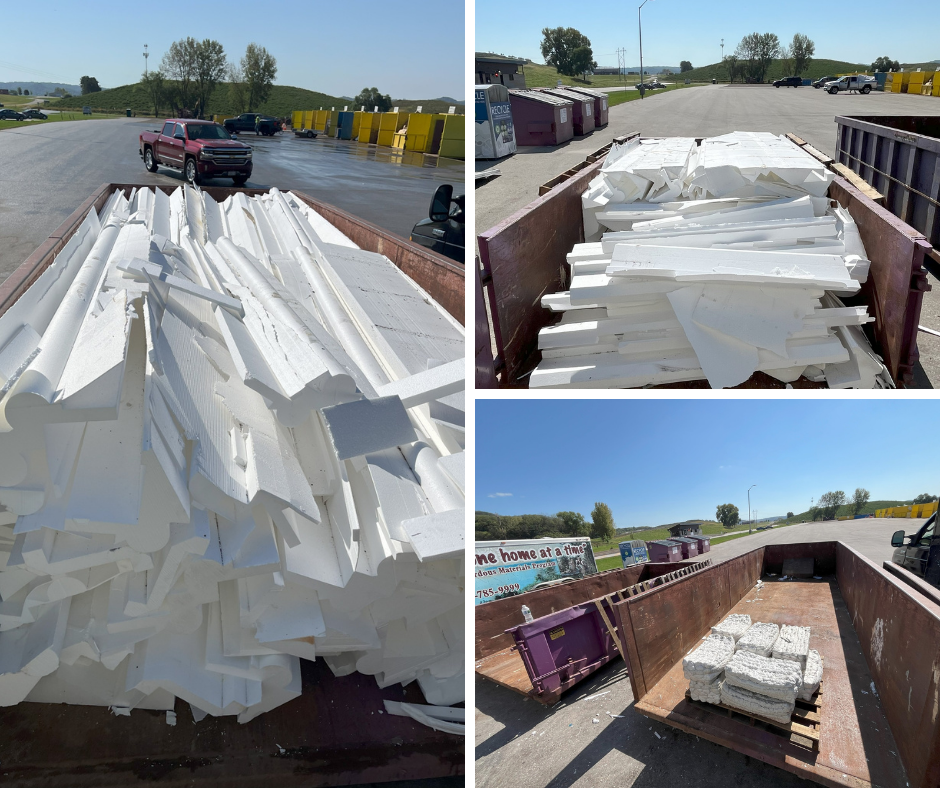
500 pounds of Styrofoam (about 32 yards) recently arrived at the La Crosse County landfill from a local project. As shown in the photo above, the foam was compressed to fit neatly on a single 48x48 pallet before being recycled for new uses.


La Crosse County launched one of the only Styrofoam recycling programs in Wisconsin in late 2023, in partnership with Hilltopper Refuse and Recycling and 7 Rivers Recycling. In under two years, the program has recycled over 10,000 pounds of foam. Styrofoam packaging, cups, plates, carry-out boxes, and more are now recycled into crown molding, which is used for window trim, picture frames, and other building materials.


This is just one of the ways our La Crosse County Solid Waste team and local partners are working to reduce and recycle as much waste as possible, benefiting both our environment and community.

Budget 2026: Funding and Revenue Breakdown

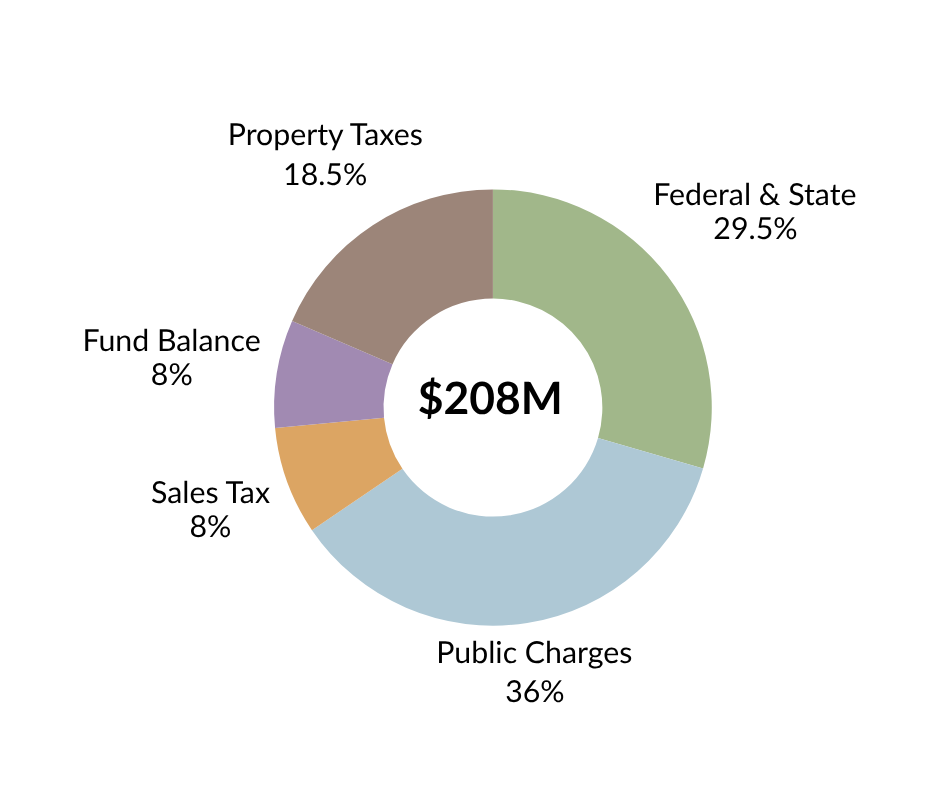
La Crosse County’s proposed $208 million 2026 budget reflects the County’s priorities, state mandates, and the services provided to our community.


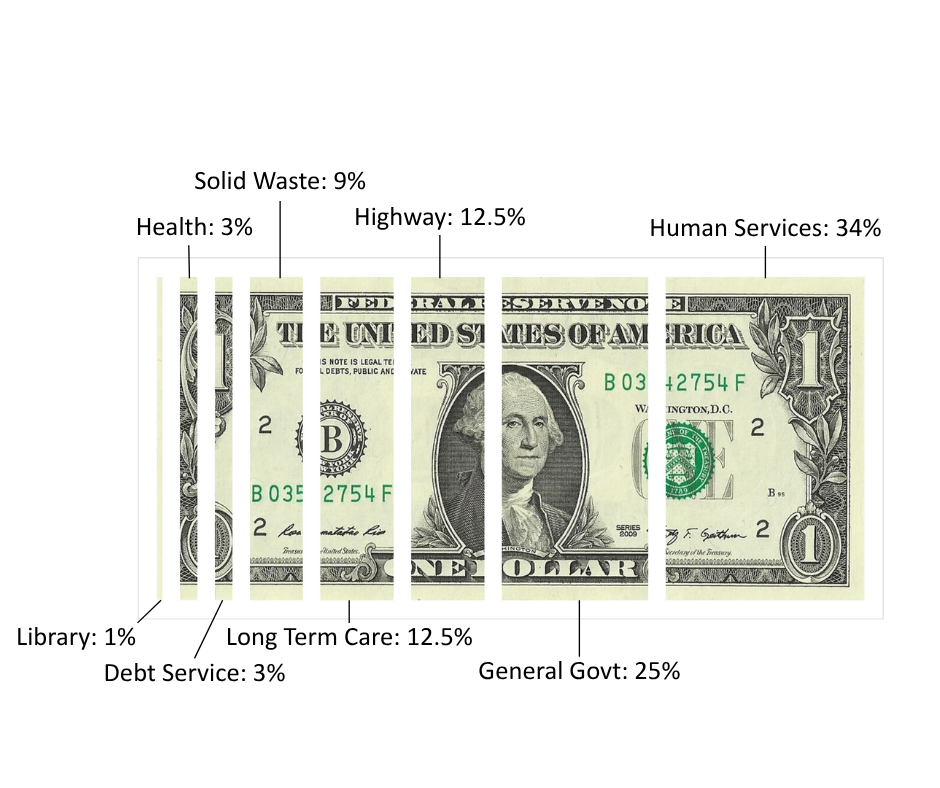
The largest portion, 34% of every dollar spent, goes to Human Services, which has a $70 million budget and more than 300 staff. Funded in part by Medicaid and local property taxes, Human Services supports a wide range of programs, including the ADRC, services for people with substance use disorders, and our Family and Children’s section.


The next largest share is allocated to general government, which includes the Sheriff’s Office ($16 million) and smaller departments such as the County Clerk, Register of Deeds, and Treasurer. Long Term Care (our Hillview and Lakeview campuses) and the Highway Department together represent a combined 25% of total spending.


Where the money comes from:

  • 18% – local property taxes
  • 29% – federal and state sources
  • 36% – public charges, including service fees and insurance payments for long-term care

The County's 2026 budget will have a public hearing, ahead of a vote by the County Board, on Monday, Nov. 10.

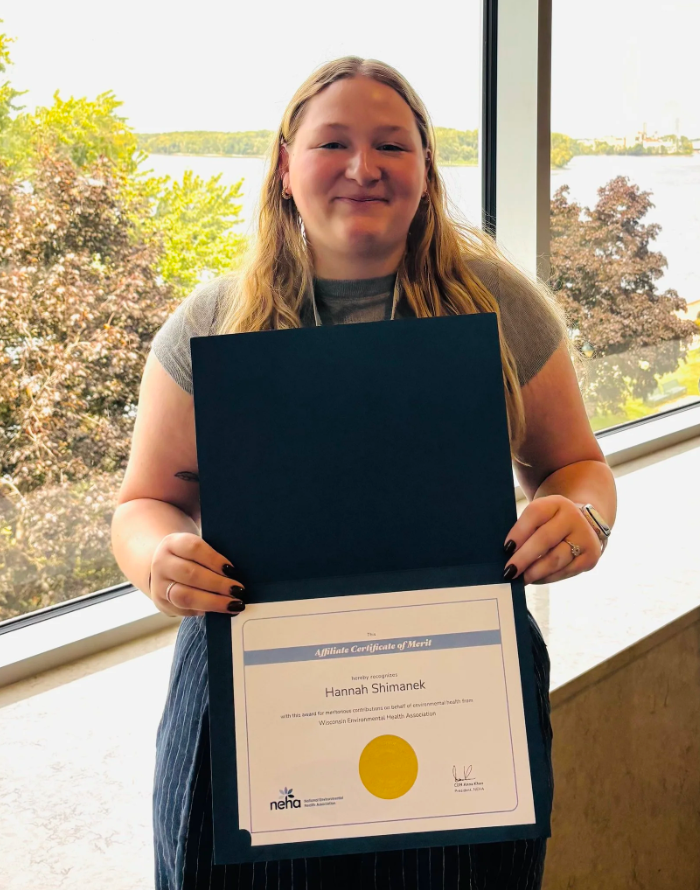
 Health Department’s Hannah Shimanek Honored 

Hannah Shimanek, a Sanitarian with the La Crosse County Health Department, was recently named a Rising Leader by the Wisconsin Environmental Health Association.


Hannah is part of the Health Department team that conducts food, recreation, and lodging inspections, helping keep our county safe for everyone. Well done, Hannah!

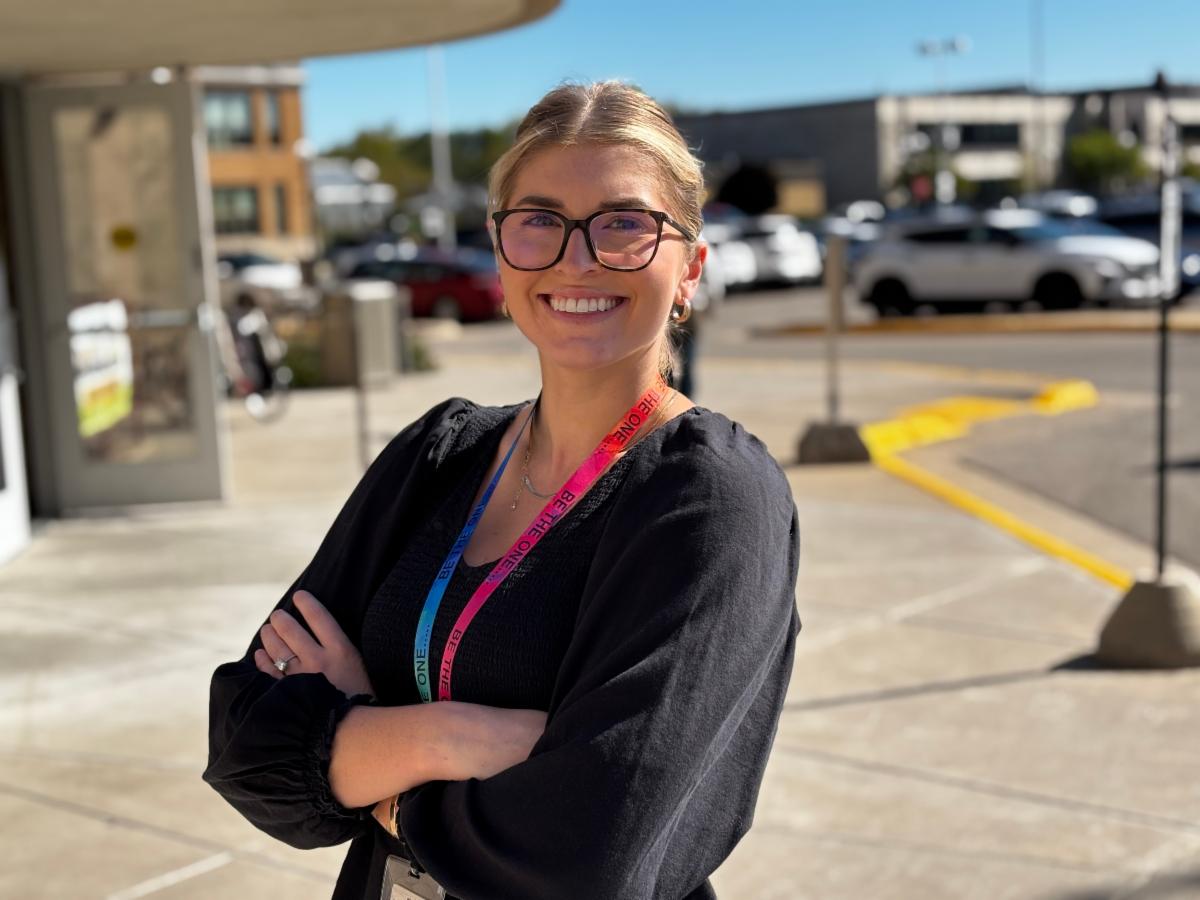
Employee Spotlight: Kaylee Cavanaugh

Can you tell us a little about your role and how long you’ve been with the County?


I’m a Clinical Therapist with Integrated Support and Recovery Services (ISRS) and the treatment provider for La Crosse County’s OWI Court. I’ve been with the County a little over three years.


For those who aren’t familiar, what exactly is OWI Court?


OWI Court is a treatment-focused alternative for some people facing repeat OWI (Operating While Intoxicated) charges. Instead of serving traditional jail time, participants go through a year-long, highly structured program that focuses on treatment, accountability, and rehabilitation. The goal is to address the underlying causes—mental health challenges, trauma, and substance use—so participants can make lasting changes and reduce the likelihood of reoffending.


What does your work with participants look like day to day?


I meet with participants to assess their substance use and mental health needs, create treatment plans, and coordinate care. Depending on their needs, that might include individual therapy, intensive outpatient programming, sober living, or residential treatment. I also do individual outpatient substance use and mental health therapy. I meet weekly with our OWI Court team—which includes a judge, probation officer, a prosecutor, and a defense attorney—to review progress and adjust plans as needed.


What kind of impact have you seen from the program?


We see real transformation. About 65–70% of participants successfully complete the program. In our fifth and sixth OWI track, only one person who completed the program has had a new OWI offense. La Crosse and Monroe County are the only counties in Wisconsin that have this as an option instead of mandatory prison time.


What would you want the public to know about OWI Court and your work?


Treatment courts work. We created this program because the old approach—jail time alone—wasn’t solving the problem. OWI Court gives people access to treatment and resources they might not seek out on their own. Many participants have experienced significant trauma, and this program gives them a way to rebuild their lives. It benefits not only participants but also our community—by improving safety, reducing costs, and helping people return to their families and jobs healthier than before.

Flu and COVID-19 Vaccines Update

Flu Vaccine: People over 6 months of age are recommended to receive the flu vaccine every year. Flu vaccine is available through your health care provider or local pharmacy. The La Crosse County Health Department also offers flu vaccine for children who are uninsured or covered by Medicaid. To request an appointment, please call 608-785-9872.


COVID-19 Vaccine: COVID vaccines are authorized for anyone over 6 months of age. The following groups are especially encouraged to get vaccinated:

  • Adults 65 years and older
  • Children 6 months to 2 years
  • Anyone with underlying health conditions

If you don’t fall into these groups but are interested in getting the COVID vaccine, contact your health care provider or local pharmacy.

How did you like this newsletter?
Positive        Neutral        Negative
 
Facebook  Instagram  LinkedIn