JULY 13, 2026

FOLLOW ME ON SOCIAL MEDIA @PATRIOTNHEELS

CONTRIBUTIONS HELP PAY FOR THE WEBSITE, CONSTANT

CONTACT, AND DUES TO ATTEND CLUBS TO HEAR

SPEAKERS. THANK YOU FOR YOUR CONTINUED SUPPORT!

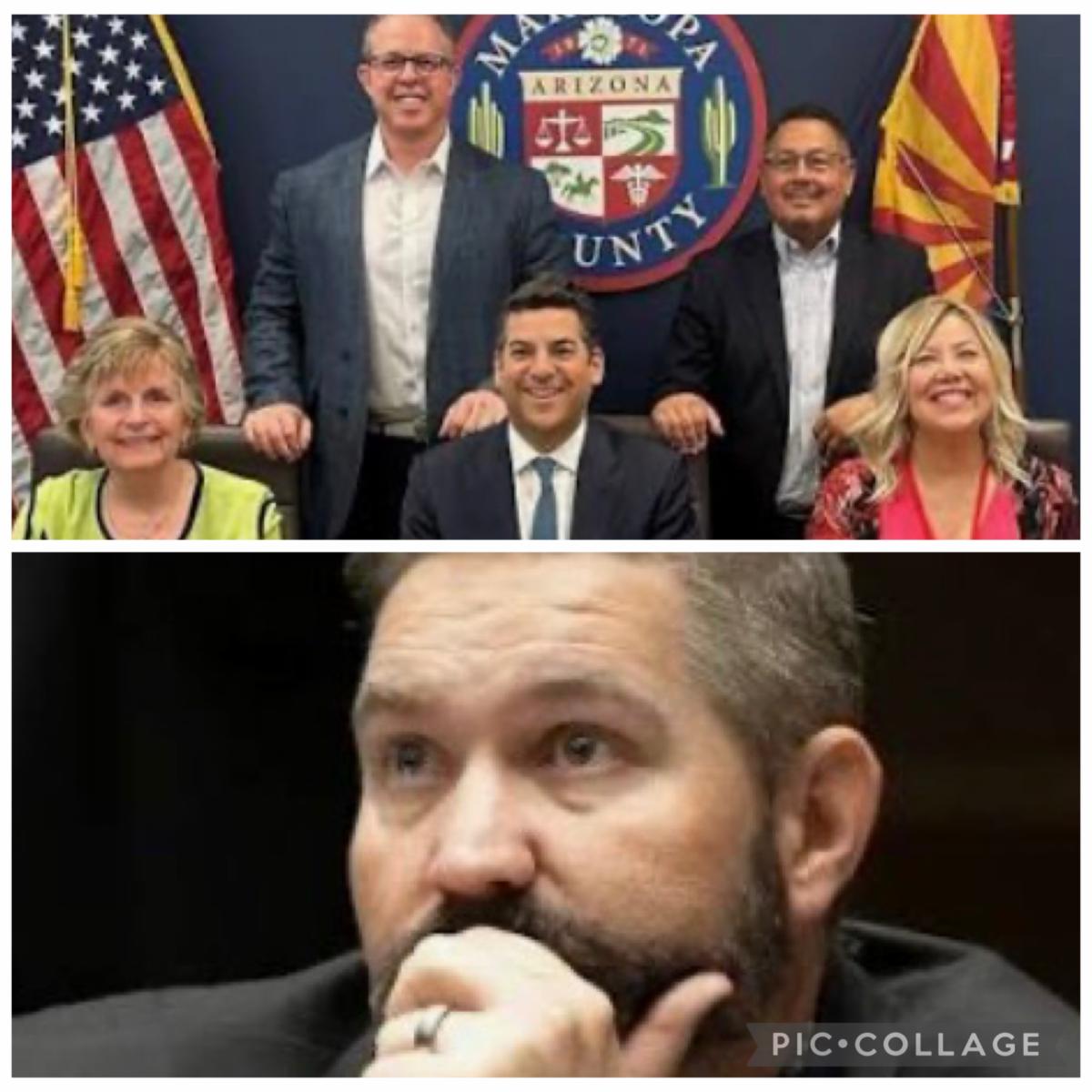
Arizona Supreme Court Restores Recorder Heap's Election Authority as Maricopa County Prepares for Transition


The latest development in the ongoing legal battle between Maricopa County Recorder Justin Heap and the Maricopa County Board of Supervisors was anticipated by many following the Arizona Supreme Court's decision to take jurisdiction of the case and order mediation between the parties.


On Tuesday, the Arizona Supreme Court vacated the Arizona Court of Appeals' stay and reinstated the Superior Court's orders restoring many election administration duties to Recorder Heap. The Court concluded that Arizona law assigns those statutory responsibilities to the county recorder or the recorder's designee—not to individuals appointed by the Board of Supervisors. The justices also ruled that while the Board controls the county budget, it may not use that authority to assume responsibilities that the Legislature specifically assigned to the recorder.


The decision immediately shifts final authority over voter registration, early voting, signature verification, and ballot chain-of-custody records back to the Recorder's Office. The Board of Supervisors retains responsibility for precinct and polling place establishment, ballot preparation, operation of the central counting facility, and canvassing election results. The Court also adopted a framework requiring the Recorder's Office and the Elections Department to jointly operate election command centers and provided a process for either side to seek expedited judicial review should disputes arise during election administration.


The ruling comes after the Arizona Court of Appeals had previously stayed implementation of the Superior Court's order, citing concerns about making significant administrative changes as Arizona's election cycle was already underway. That reasoning reflected concerns similar to those found in the federal "Purcell Principle," a doctrine developed by the U.S. Supreme Court that generally cautions courts against making changes to election procedures shortly before an election because of the potential for voter confusion and administrative disruption. The Arizona Supreme Court's latest order allows the transition to proceed despite early voting already being underway. While the Court did not directly address the Purcell doctrine in its order, it concluded that the statutory authority of the Recorder should be restored immediately.


Despite the legal changes, county officials emphasized that voters should notice little, if any, difference. Polling locations, vote centers, ballot drop boxes, voting hours, ballot design, election equipment, and election deadlines all remain unchanged. Election officials from both offices are expected to continue working together using the same Election Procedures Manual, voting equipment, and tabulation systems already in place.


Board Chair Kate Brophy McGee and Vice Chair Debbie Lesko issued a joint statement expressing disappointment with the ruling, noting that it requires operational changes during an active election. They also stated that the Board's highest priority remains ensuring a secure and orderly election for Maricopa County's 2.6 million residents and pledged to comply with the Court's order while looking forward to seeing how Recorder Heap exercises his restored authority.


Another significant development occurred behind the scenes. Earlier this week, the Arizona Supreme Court ordered the parties into mediation. According to county officials, those mediation sessions concluded with the parties reaching an agreement in principle. However, that agreement has not yet been formally signed.


On Thursday, July 9, the Maricopa County Board of Supervisors scheduled both an executive session and a special meeting. The executive session took place. The board waited several hours for Heap or the judge to deliver the agreement. It never came.

.

Although the legal dispute has generated significant public attention over the past year, election officials continue to emphasize that voters should experience no disruption during the July 21 primary election. The remaining questions largely concern how responsibilities will be divided between the Recorder's Office and the Board of Supervisors going forward and whether the parties can successfully implement the framework outlined by the Arizona Supreme Court while honoring the terms negotiated during mediation.

APS to Repower Cholla Plant with Natural Gas, Adding Reliable Energy to Arizona's Growing Grid


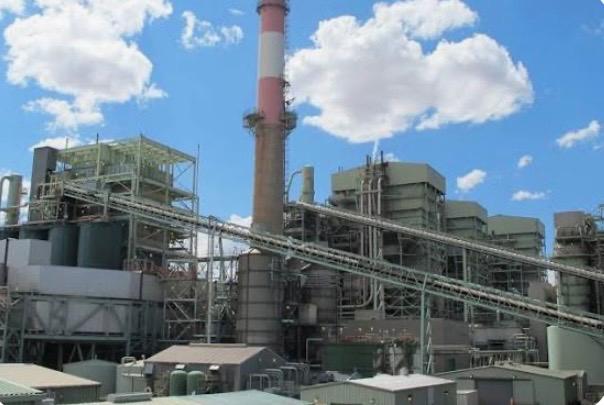
Arizona Public Service (APS) announced plans to repurpose two retired coal-fired units at the Cholla Power Plant near Joseph City into a modern natural gas generating facility, marking a significant investment in Arizona's electric grid and the economy of northeastern Arizona.

If approved, construction is expected to begin in 2028, with the new generating units entering service in 2029.


The project will add approximately 380 megawatts of dispatchable electricity—enough to power an estimated 61,000 Arizona homes—using existing transmission lines and infrastructure already in place at the Cholla site.


Originally commissioned in 1962, the Cholla Power Plant supplied electricity to Arizona for more than six decades before its coal-fired units were retired in March 2025 as federal environmental regulations and changing market conditions made continued coal operations uneconomical.

APS officials say converting the plant to natural gas allows the company to preserve valuable infrastructure while meeting Arizona's rapidly growing demand for electricity.


"Repurposing the Cholla Power Plant for natural gas allows us to build on that legacy—supporting reliable, affordable energy for our customers while continuing to invest in the communities who have long supported this plant," said Johnny Penrod, APS Vice President of Generation.


Navajo County Supervisor Jason Whiting praised the decision, noting that the project is expected to strengthen the local economy, create construction and permanent jobs, generate tax revenue, and provide continued support for local schools.


The announcement comes as Arizona experiences unprecedented growth in electricity demand. Population increases, new semiconductor manufacturing, industrial expansion, and the rapid development of data centers have significantly increased the need for reliable, around-the-clock power. Utilities across the Southwest have warned that while renewable energy continues to expand, additional dispatchable generation is needed to maintain grid reliability during periods of extreme heat and high demand.


Natural gas plants are valued because they can operate 24 hours a day and respond quickly when solar generation declines in the evening or when electricity demand spikes. APS says the Cholla facility will complement its diverse generation portfolio, which includes the Palo Verde Generating Station, natural gas, solar, wind, battery energy storage, and the remaining Four Corners coal facility.


The project also reflects a broader national trend. As older coal plants retire, many utilities are converting existing sites to natural gas rather than constructing entirely new facilities. Reusing transmission infrastructure often shortens development timelines, reduces costs, and minimizes the need for additional land disturbance.


While environmental groups continue to advocate for greater reliance on renewable energy and battery storage, many grid operators, including the North American Electric Reliability Corporation, have cautioned that retiring dispatchable generation too quickly could create reliability challenges as electricity demand continues to climb.


For northeastern Arizona, the Cholla conversion represents more than an energy project. It preserves an important industrial site, restores employment opportunities, and ensures the region continues to play a meaningful role in powering one of the nation's fastest-growing states.

As Arizona balances reliability, affordability, and environmental goals, the future of the Cholla Power Plant may serve as a model for how existing energy infrastructure can be adapted to meet the state's changing needs.


Coal has played an essential role in powering Arizona and the nation for generations, and President Donald Trump has been a strong advocate for expanding the use of coal-fired generation. However, energy policy often shifts with changes in presidential administrations and Congress. Investing billions of dollars to modernize aging coal infrastructure could become a costly gamble if future federal policies once again discourage coal-fired power. Natural gas offers a practical middle ground—providing reliable, around-the-clock electricity with lower emissions than coal while enjoying broader support across changing political administrations. By converting Cholla to natural gas rather than attempting to revive coal operations, APS is making a long-term investment that strengthens Arizona's energy reliability, supports local jobs, and positions the state to meet its growing electricity needs regardless of future changes in federal energy policy.


At the LD27 meeting earlier this year I heard Ralph Heap and Kevin Thompson speak on this issue. Heap doubled down on coal. Thompson smartly said we should repurpose the plant as a natural gas plant to avoid taxpayers possibly having to pay twice. That is the kind of person we need to keep on the Arizona Corporation Commission. Vote Kevin Thompson and Kinck Myer.

Social Media Exchange Sparks Controversy Among Arizona Conservatives


On July 6, X (formerly Twitter) was buzzing as a public disagreement among several prominent Arizona conservatives quickly turned into one of the most discussed political conversations of the day. Not everyone uses X, so because of the seriousness of the exchange, I wanted to share what was publicly posted and allow readers to draw their own conclusions.


The discussion began when Tyler Bowyer, Chief Operating Officer of Turning Point Action, posted the organization's legislative scorecard for Arizona Representative Quang Nguyen. Nguyen received a score of 86.44, which Bowyer described as "one of the worst scores in the state."


Representative Nick Kupper then responded by pointing out what he viewed as an inconsistency in the organization's endorsements.


Kupper wrote:

"To be fair, my TPA score isn't much different than Quang Nguyen's yet I'm endorsed by TP Action. Not trying to make waves, but there does appear to be an inconsistency here."

Kupper also posted his own Turning Point Action scorecard showing a score of 88.95.


His comment immediately generated significant discussion online.


Bowyer replied:

"OK we can unendorse you and run someone against you next cycle."

Kupper responded simply:

"Whatever floats your boat."

From there, the conversation expanded as numerous elected officials, activists, and supporters joined the discussion, debating the value of legislative scorecards, endorsements, and political consistency.


Later that evening, however, the conversation took a more controversial turn when Bowyer directed a question at Nguyen, posting:

"Can you speak English?"

The remark quickly drew criticism from many users who viewed it as inappropriate and racially insensitive.


On July 7th from Tyler Bowyer:


"We have removed @realnickkupper as an endorsement. Vote for hom now but

remember to never vote for him again in 2028 and beyond. There will be a better, smarter

candidate."


The timing also raised eyebrows because it came only days after a California-based political action committee released an advertisement attacking Kimberly Yee, focusing in part on her ethnicity. Turning Point Action publicly condemned that advertisement. Critics argued that Bowyer's comment appeared inconsistent with that earlier condemnation.


Representative Nick Kupper is an Air Force veteran, married to his middle school sweetheart, and the father of five children. Representative Quang Nguyen is a Catholic, husband, father, a strong supporter of the right to life, and an advocate for Second Amendment rights.


The only personal opinion I will offer is this: the entire situation is it is unfortunate that Tyler Bowyer felt it was OK to make these comments while representing TPA. Beyond that, I encourage readers to review the public posts for themselves and draw their own conclusions.

Want to Better Understand Arizona Elections? Check This Out


My friend Marcus Milan has been putting together some great information about elections and election law here in Arizona.


Election laws and procedures can be complicated—and with Arizona elections continuing to generate legal questions, court challenges, and plenty of public debate, understanding what the law actually says matters.


Marcus does a great job breaking down these issues and sharing information that helps readers better understand Arizona's election system.


If elections, election law, and how the process works in Arizona interest you, I encourage you to check out his Substack. Take some time to read his work and follow along.


Great information from someone who has taken the time to dig into the details. Check it out!

Judge Rules David Marshall Can Remain Navajo County Recorder


A Maricopa County Superior Court judge has ruled that former Arizona State Representative David Marshall can continue serving as Navajo County Recorder, rejecting a legal challenge brought by Arizona Attorney General Kris Mayes over his appointment.


Marshall, a Republican, resigned from the Arizona House of Representatives in April just before the Navajo County Board of Supervisors appointed him to replace former Recorder Timothy Jordan. Jordan stepped down after pleading guilty to charges stemming from a road rage incident.


Almost immediately after Marshall's appointment, questions arose over whether the move violated the Arizona Constitution. Article 4, Part 2, Section 5 prohibits members of the Legislature from being appointed to another state or county office "during the term for which he shall have been elected."


Attorney General Kris Mayes argued that Marshall's resignation did not eliminate the constitutional restriction because he had been elected to serve through January 2027. Her office filed a quo warranto lawsuit seeking his removal, arguing the constitutional prohibition applies to the entire elected term, regardless of whether a legislator resigns before accepting another office.


Judge David McDowell disagreed.


In a seven-page ruling, McDowell relied on Arizona Supreme Court precedent to conclude that the constitutional provision was designed to prevent lawmakers from using their legislative position to influence or create offices they might later seek to occupy. Once a legislator resigns, the judge reasoned, that concern no longer exists.


McDowell noted that after resigning, Marshall no longer had the ability to participate in committee meetings, introduce legislation, vote on bills, or otherwise influence state law.


The ruling effectively finds that resignation removes the potential conflict the constitutional provision was intended to prevent.


Marshall's attorney, Linley Wilson, welcomed the decision, saying it provides long-needed clarity for future appointments.

"This ruling also protects the constitutional rights of all legislators in Arizona and sets judicial precedent going forward," Wilson said. "Instead of conflicting attorney general opinions with little analysis, we now have a clear, judicial ruling establishing that legislators who lawfully resign from their legislative positions to accept appointments to other public offices have not violated the Arizona Constitution."

The Attorney General's Office responded that it is reviewing the ruling and has not yet announced whether it will appeal.


Why the Decision Matters

The ruling extends beyond one county office. It establishes judicial guidance on how Arizona courts interpret the constitutional restriction on legislators accepting other public positions after resigning.


If the decision stands, future legislators who resign before accepting appointments to state or county offices may rely on this precedent, reducing uncertainty surrounding similar appointments.


However, the case may not be over. Should the Attorney General appeal, Arizona's appellate courts could ultimately provide a statewide, binding interpretation of the constitutional language. Until then, Judge McDowell's ruling allows David Marshall to continue serving as Navajo County Recorder while the legal questions surrounding the constitutional provision appear, at least for now, to have been resolved in his favor.

BNSF's Wittmann Project Is Far From Over


When the Maricopa County Board of Supervisors unanimously denied BNSF Railway's Comprehensive Plan Amendment in November 2025, many residents believed the proposed Wittmann freight hub had been stopped.


It wasn't.


While the Board's decision was a significant setback for the project, it did not end BNSF's long-term plans for western Maricopa County. Instead, the company appears to be moving forward with a phased strategy.


Earlier this year, BNSF began construction activities on approximately 350 acres of its property, work the railroad believes falls under federal authority governing railroad operations. BNSF has consistently maintained that the intermodal rail facility is subject to federal preemption, meaning local governments have limited authority to regulate railroad operations.


However, the proposed 4,320-acre Logistics Park Phoenix includes much more than an intermodal rail yard. The overall project also envisions warehouses, distribution centers, and rail-served industrial development. Those portions of the project are generally expected to require local land-use approvals before they can move forward.


That means BNSF will likely find itself back before Maricopa County at some point.

When the Board denied the Comprehensive Plan Amendment, supervisors cited concerns about transportation infrastructure, compatibility with surrounding rural communities, public services, and consistency with the County's Comprehensive Plan. None of those concerns have disappeared.


If BNSF intends to build the warehouse and logistics portions of the project, the company will almost certainly need to address those issues through a new application or revised development proposal.


From BNSF's perspective, the investment remains too significant to abandon. The company has acquired thousands of acres in the Wittmann area and continues to describe Logistics Park Phoenix as a critical part of its long-term freight network. Arizona's continued population growth, expanding manufacturing sector, and increasing freight demand only strengthen the business case for additional rail capacity.


For nearby residents, however, many of the original concerns remain. Traffic congestion, air quality, noise, water resources, public safety, and the preservation of the area's rural character continue to be major issues.


The question is no longer whether BNSF is still interested in Wittmann. The company has answered that by continuing construction on the rail portion of the project.


The real question is when BNSF will return to Maricopa County with plans for the remaining thousands of acres—and whether those plans will adequately address the concerns that led to the project's rejection in 2025.


One thing is becoming increasingly clear: the debate over Logistics Park Phoenix is not over. It has simply entered its next chapter. We will continue the fight to preserve the western coulture of Wittmann. We will continue standing in the way of BNSF turning the rural west valley into an industrial hub.

A Personal Note: Thank You for Helping Me Reach This Milestone


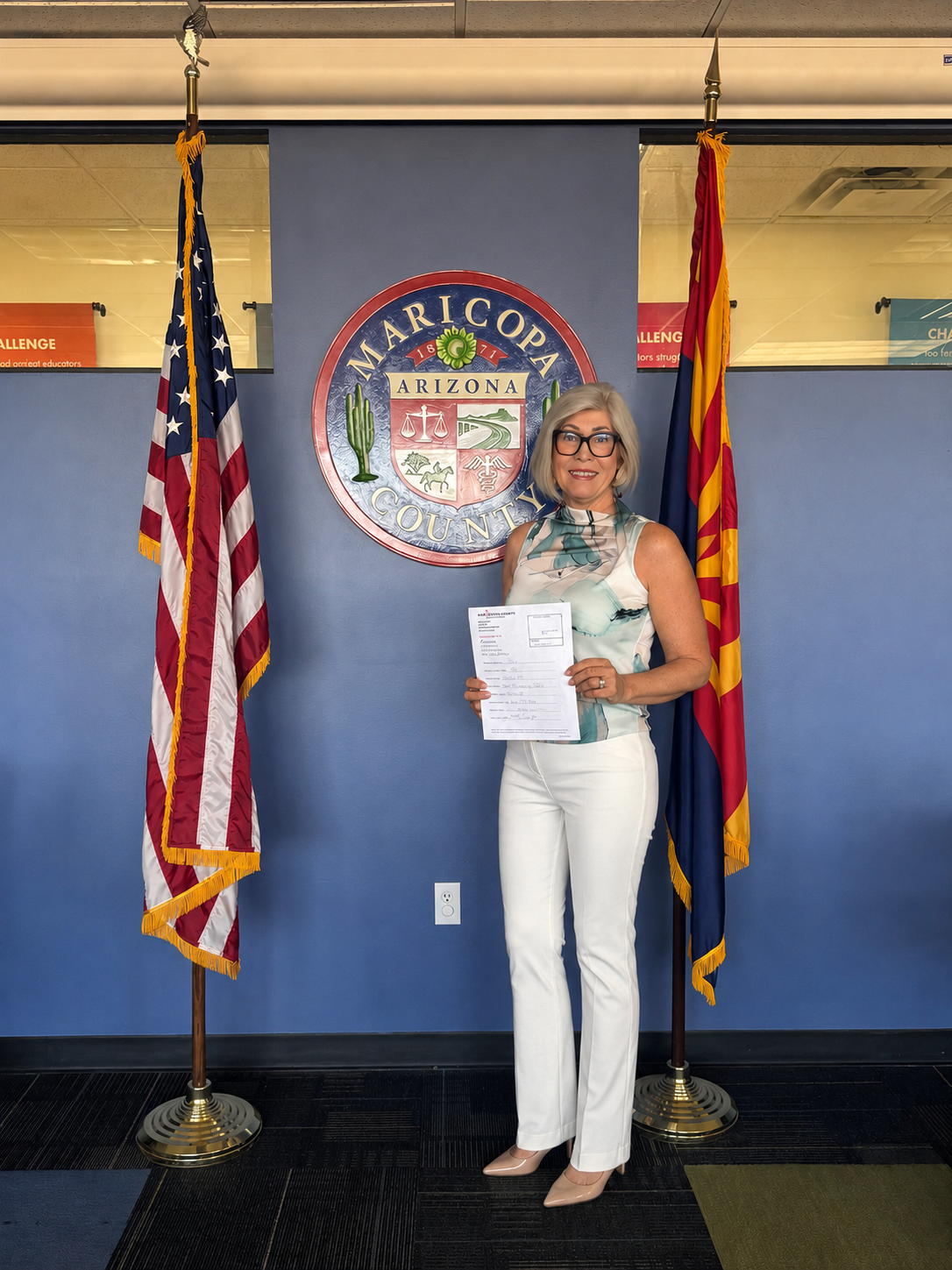
Last week marked an important milestone in my campaign as I officially submitted my nomination petition signatures to Maricopa County, allowing my name to appear on the ballot as a candidate for the Dysart Governing Board.


I wanted to take a moment to personally thank everyone who made this possible.


Over the past several weeks, many of you welcomed me into your neighborhoods, invited me to community events, signed my petition, volunteered your time, offered words of encouragement, and prayed for the success of this campaign. Every signature represented more than just a requirement to qualify for the ballot—it represented confidence in my vision for the future of Dysart Unified School District.


Running for office is truly a community effort, and I could not have reached this milestone without your support. I am humbled by the trust you have placed in me and grateful for the opportunity to continue earning that trust over the coming months.


While qualifying for the ballot is an exciting achievement, the real work is just beginning. I remain committed to listening to parents, supporting our teachers, ensuring fiscal responsibility, promoting transparency, protecting students, and preserving the excellence that has made Dysart one of Arizona's top-performing school districts.


Arizona's 1st Congressional District Candidate: John Trobough Brings Business and National Security Experience to Republican Primary


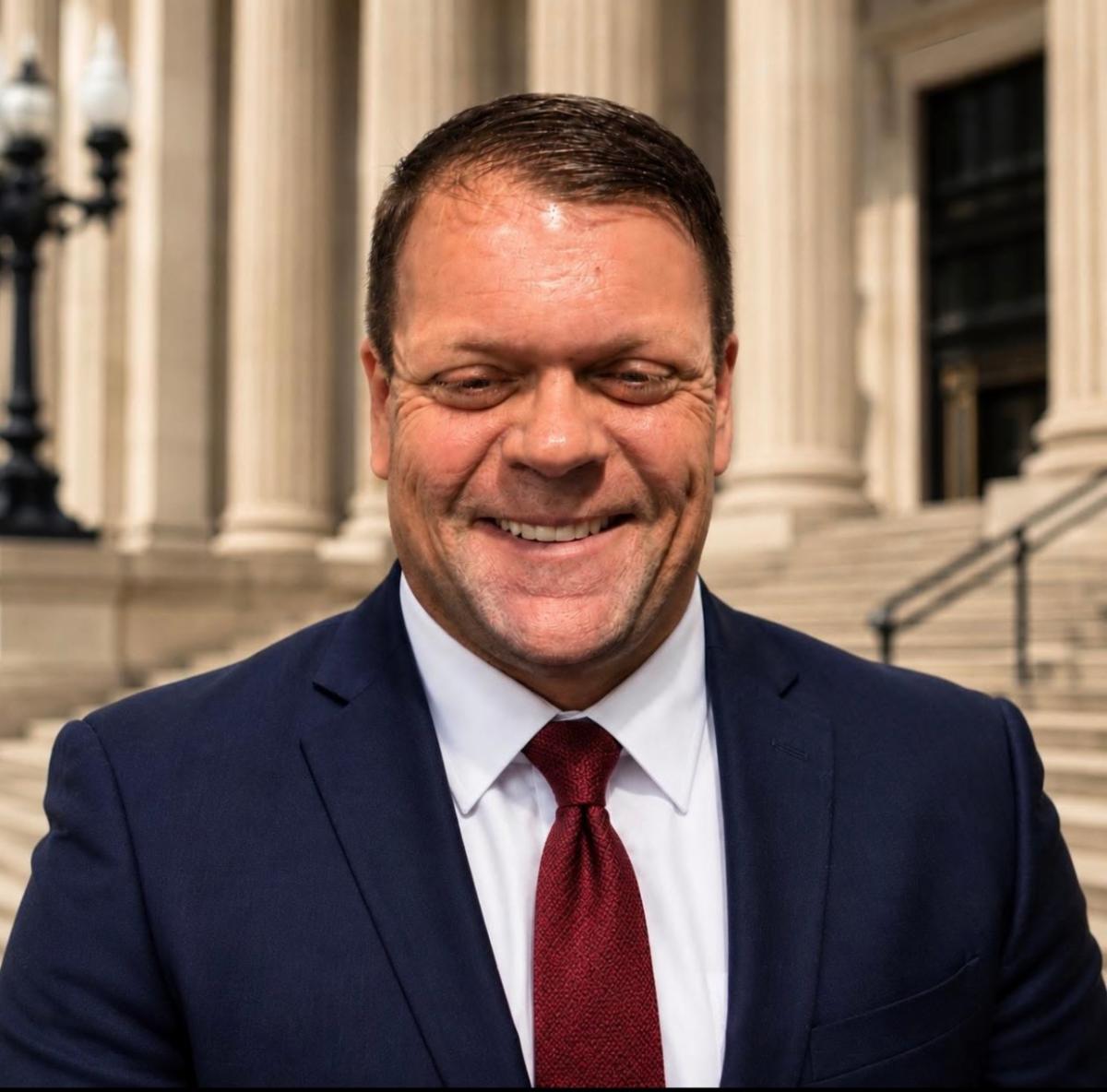
Arizona's 1st Congressional District will feature a competitive Republican primary in 2026, with three Republican candidates seeking the nomination to represent one of the state's most closely watched congressional seats. Among them is John Trobough, a technology executive whose campaign emphasizes private-sector leadership, fiscal conservatism, and national security experience.


Unlike many candidates who have spent years in elected office, Trobough's background comes primarily from business and the technology sector. Trobough also has government experience as he is the only one of the three candidates that has actually worked in D.C.


From Humble Beginnings to Technology Executive

Trobough's personal story begins far from the executive boardroom. At age sixteen, he left what he describes as an unstable home and completed high school on his own while working a series of blue-collar jobs. During those years, he often relied on friends for a place to sleep while working to support himself.


His determination eventually led him to earn a degree in Business Administration from Washington State University before attending Stanford University's Graduate School of Business.


Career Built Around Innovation

Trobough spent more than three decades building companies in telecommunications, cybersecurity, artificial intelligence, and national defense.


His resume includes serving as President and CEO of Narus, a Boeing company specializing in cybersecurity and national security technologies. Under his leadership, the company expanded its analytical AI capabilities before ultimately being acquired by Symantec.


Earlier in his career, he helped guide technology initiatives at Teleca, where he worked on the early development of Android and Android Automotive alongside Google.


Today, he serves as Founder and Managing Partner of JLA Advisors, providing strategic consulting to corporate boards, private equity firms, and technology companies specializing in artificial intelligence, cloud computing, cybersecurity, and telecommunications. His clients have included major investment firms such as Macquarie Capital, Silver Lake, Kleiner Perkins, and The Carlyle Group.


Trobough brings firsthand experience in national security and government service to his campaign. As a White House Presidential Innovation Fellow, he focused on strengthening America's national defense while addressing the growing strategic threat posed by China. Working alongside federal agencies, Trobough helped develop technology-driven solutions to enhance U.S. security and better prepare the nation to compete with one of its greatest geopolitical challenges. His experience gives him a unique perspective on the importance of protecting America's economic, technological, and national security interests.


He also currently serves as an advisor to Airbus Defense.


Service Beyond the Private Sector

In 2016, Trobough was selected as a White House Presidential Innovation Fellow, a competitive federal program that brings experienced leaders from the private sector into government to improve public-sector operations.


During that fellowship, he worked on initiatives designed to strengthen national defense through technology and innovation.


Throughout his career, he has also served on numerous advisory boards spanning defense, higher education, artificial intelligence, and emerging technologies.


Campaign Focus

Trobough describes himself as a traditional conservative and fiscal hawk, arguing that his experience solving complex business and national security challenges prepares him for Congress. He calls himself a Reagan Republican.


His campaign centers on several key priorities:


Border Security: He supports stronger border enforcement, increased security measures, and a merit-based legal immigration system while emphasizing enforcement of existing immigration laws.


Water Security: Recognizing Arizona's long-term water challenges, Trobough says ensuring sustainable water supplies for residents, agriculture, and future economic development would be one of his priorities in Congress.


Economic Growth: He advocates reducing federal spending, lowering deficits, and pursuing pro-growth economic policies aimed at helping families and small businesses while addressing inflation.


Arizona First

Trobough says moving his family to Scottsdale nearly a decade ago reinforced his belief in Arizona's economic future.


With one son graduating from Arizona State University, another attending the University of Arizona, an autistic son benefiting from Arizona's educational opportunities, and a daughter in high school, he frequently points to his family's experiences as part of his motivation for seeking office.


He describes Arizona as "the Silicon Desert," arguing that the state is positioned to become one of the nation's leading technology and innovation hubs.


His campaign message focuses on preserving that momentum through economic growth, technological innovation, strong national defense, and conservative fiscal policies.


Looking Ahead

Republican voters in Arizona's 1st Congressional District will have three candidates to evaluate during the primary election. Each brings a different background and perspective to the race. Trobough's campaign distinguishes itself by highlighting decades of executive leadership in technology, cybersecurity, and defense, along with a personal story of overcoming adversity through hard work and entrepreneurship.


As the campaign progresses, voters will have the opportunity to compare the candidates' experience, priorities, and vision for representing one of Arizona's most competitive congressional districts in Washington.


July 21st is the last day to vote in the Arizona primary. CD1 is a critical race for the future of Arizona and the future of the United States.


John Trobough is a true patriot. Watch the video below.

Thank you,

Lisa Everett


www.patriotnheels.com


Follow me on:

X - @patriotnheels

Facebook - @patriotnheels

Instagram - @patriotnheels