Remembering our roots and revisiting why ASIPP has been The Voice of Pain Management since 1998. |
|
The important aspects of Omnibus include proposed pay cuts of 2% in 2023 for physicians, a reduction from 4.5%, and in 2024, the cuts will increase to 3.5%.
The Wall Street Journal described this as the ugliest Omnibus bill ever with a 4,155-page bill that most members will never read. This bill includes multiple provisions affecting healthcare providers:
1. Reduce the physician fee schedule cut from 4.5% to 2% for 2023 and 3.5% for 2024
2. Prevents the 4% statutory pay as you go sequester for 2 years
3. Provides extension of telehealth services for 2 years
4. The worst news is that:
- There is no mention of a 2% sequester cut from ACA. Consequently, the 2% sequester cut will continue. Obviously, this will result in a 4% cut for the physician fee schedule from 2022 (2% new cut + 2% sequester cut = 4%).
- For facilities, a sequester cut of 2% will be implemented through 2023.
There are also multiple changes to the Medicaid policy, which will remove ineligible of their Medicaid roles in April, regardless of when the COVID-19 public health emergency ends.
As you well know, the American Society of Interventional Pain Physicians (ASIPP) advanced advocacy to prevent all cuts permanently. Obviously, we are extremely disappointed, along with almost all physician organizations. ASIPP will soon be providing you with appropriate activities for upcoming months and years as the new Congress steps in to remove these cuts permanently.
The new fee schedule, based on 2% and 4% cuts for 2023 for physicians and a 2% cut for facilities, is available at asipp.org. Sample schedules are as follows:
|
|
Increased injection drug use has led to a spike in cases of the life-threatening heart condition endocarditis, with cases rapidly accelerating since the onset of Covid-19.
The increased case count is one of the lesser-known side effects of the deadly addiction epidemic. But patients with endocarditis, an inflammation of the heart lining caused by infection, require complex, thoughtful care — care that the U.S. health system is ill-equipped to provide.
With drug deaths hovering at an all-time high and endocarditis cases among drug users up nearly tenfold in the last decade, physicians, researchers, and health officials have begun to confront the problem with more urgency. In particular, doctors are coming to terms with a basic reality: Their hospitals often have few protocols for treating endocarditis patients who use opioids and the withdrawal they’ll likely experience upon admission.
|
|
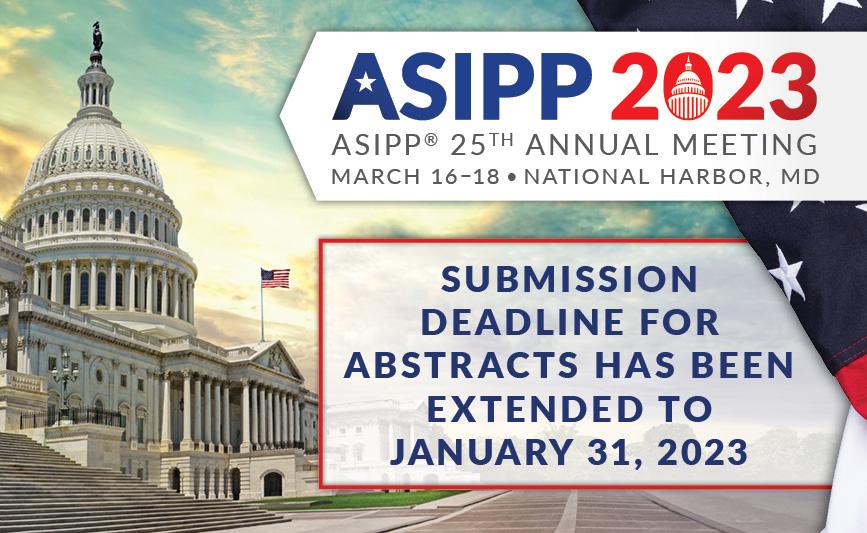
Submit your abstracts by January 31, 2023
Questions should be directed to Savannah Gold at
|
|
So let’s put this latest CDC and FDA announcement into proper perspective. It shouldn’t be the cause of any panic. A “safety signal” is when a greater than expected number of people have some type of adverse outcome. In this case the CDC found in their Vaccine Safety Datalink (VSD) surveillance system that among those 65 years and older, a higher than expected number of people had suffered ischemic strokes within 21 days (compared to 22 to 44 days) after getting the Pfizer-BioNTech Covid-19 bivalent vaccine. They didn’t find the same kind of signal in other Covid-19 vaccines such as the Moderna bivalent booster.
Keep in mind this observed bump in ischemic strokes alone does not prove anything. It’s not enough to conclude in any way that the Pfizer-BioNTech Covid-19 bivalent vaccine somehow caused those additional strokes. That would be like saying that Donald Trump’s release of his digital trading card non-fungible tokens (NFTs) somehow led to the mudslides that have been occurring in California simply because the latter occurred after the former. Just because things have happened around the same time doesn’t mean that they were linked in any way. The bump in ischemic strokes could have been purely coincidental.
|
|
Resident/Fellow News and Updates |
|
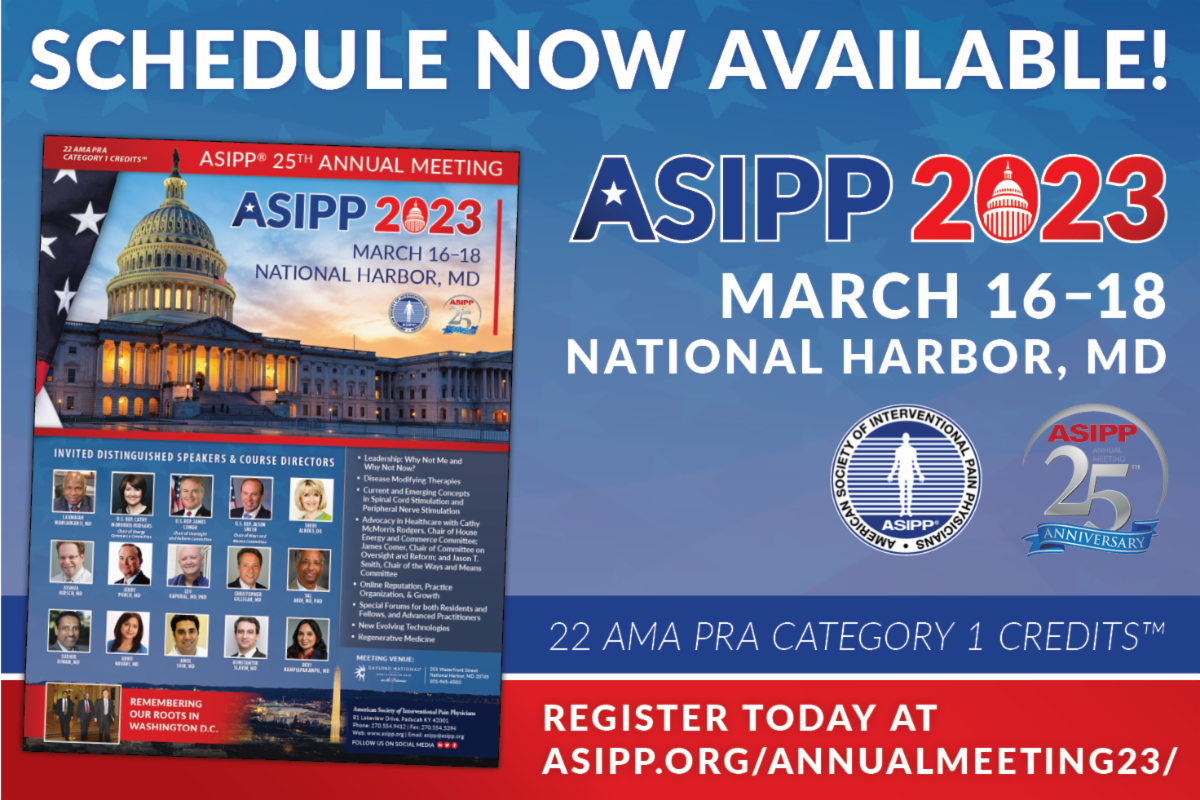
A limited number of qualifying residents/fellows will receive a travel scholarship to attend the ASIPP 25th Annual Meeting, March 16-18, 2023 at the Gaylord National Harbor, MD.
Recipients of this scholarship will receive reimbursement for up to three nights' stay at the host hotel at the official ASIPP single-occupancy room block rate. This includes room, tax, and resort fees.
Qualification Requirements:
• Residents and Fellows must register for the meeting to be eligible for reimbursement (The meeting fee is only $25 for Residents and Fellows) Click here to register for the meeting.
• Residents and Fellows must be active participants in their fellowship or residency programs during the meeting dates.
• Residents and Fellows must be active ASIPP members.
• A letter of recommendation from the (non-industry) residency or fellowship program director must include:
- Proof that the resident or fellow is an active participant in the program during the meeting dates.
- A statement verifying that no other travel scholarships for the ASIPP 2023 Annual Meeting have been or will be awarded.
• Must be willing to share your email with sponsoring company of the scholarship program.
Deadline to apply is February 20!
|
|
|
|
Limited number of scholarships available.
|
|
|
Especially true for hyperglycemia-related hospital visits, NIDDK-funded study found
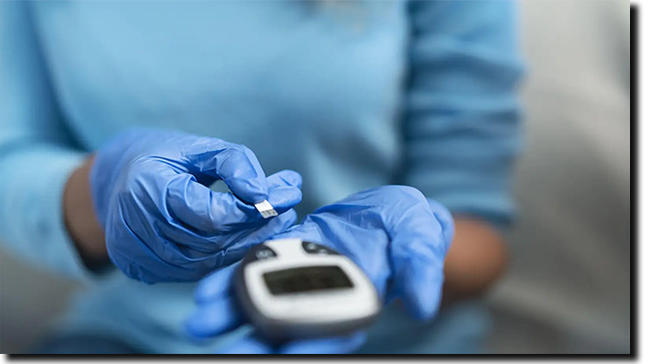
Switching to high-deductible health plans (HDHPs) spelled trouble when it came to diabetes complications, a retrospective cohort study found.
In a group of over 40,000 patients whose employers forced a switch to an HDHP from a non-HDHP, the health plan pivot initially wasn't linked with an overall increased odds for a hypoglycemia-related emergency department (ED) visit or hospitalization (OR 1.01, 95% CI 0.95-1.06, P=0.85), reported Rozalina McCoy, MD, MS, of the Mayo Clinic in Rochester, Minnesota, and colleagues.
But this risk didn't exactly remain flat, the researchers reported in JAMA Network Open.
|
|
It's time to stop letting insurers dictate what we can prescribe to our patients
No. Just no.
As the start of the new year has come around and gone, I'm sure you all, like me, have been inundated with the ritual beginning of the year change of prescription requests.
- "The Lantus (glargine insulin) that you prescribed for Mrs. Jones is no longer covered by her insurance; please change it to Basaglar (glargine insulin), which is covered and the new preferred formulation."
- "Patient's Xarelto, a direct oral anticoagulant, is no longer being covered by their insurance plan this year; please change them over to warfarin."
- "Your prescription for Mr. Smith's Valsartan is no longer valid; it was rejected when he attempted to fill it at the pharmacy. Please change to an alternate covered therapy."
- "The mesalamine that your patient has been using for 20 years now has a $600 co-pay; please change her medication to something -- anything -- else."
All very nicely worded, all very polite, and all completely ridiculous. This process highlights just one more example of how we have let ourselves be railroaded into being told how to take care of our patients.
|
|
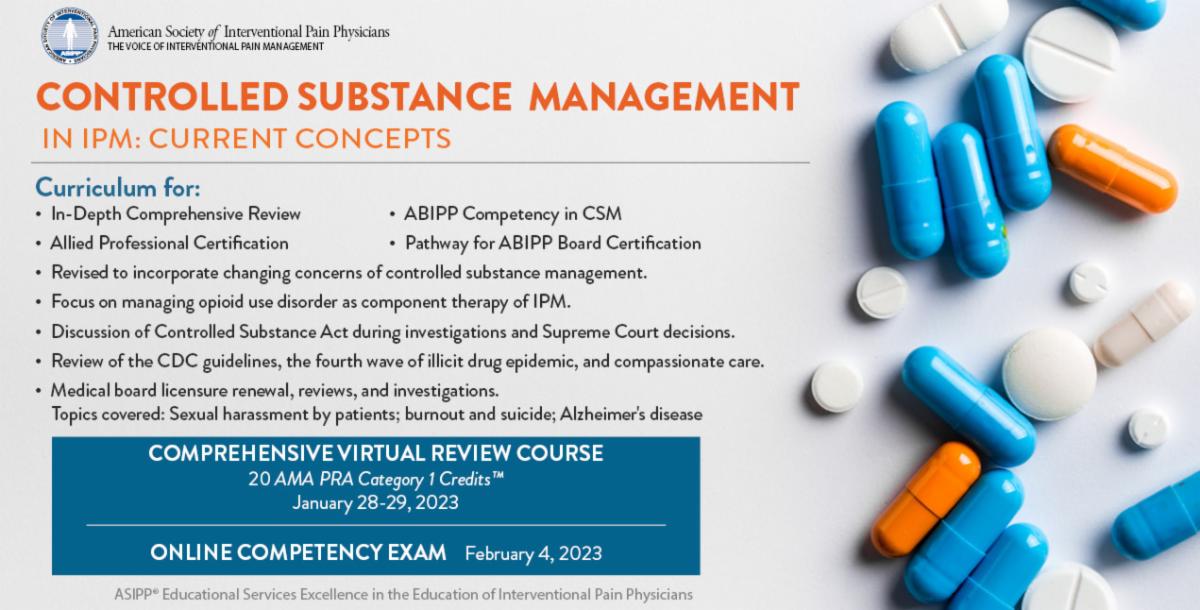
ABIPP Part I; ABIPP Path - Combined DCCPM/CSM virtual exam; ABIPP Competency Exam in IPM; ABIPP Competency Exam in Regenerative Medicine
|
|
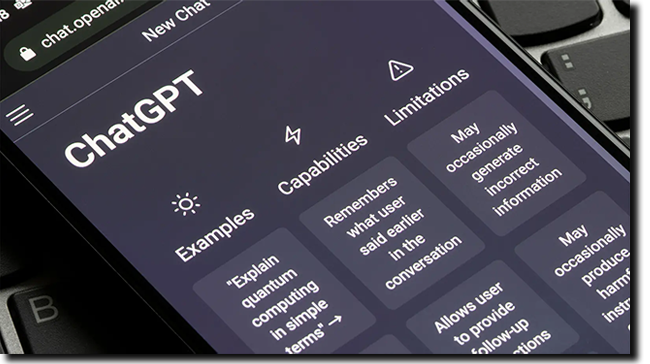
Two papers show that large language models, including ChatGPT, can pass the USMLE
Two artificial intelligence (AI) programs -- including ChatGPT -- have passed the U.S. Medical Licensing Examination (USMLE), according to two recent papers.
The papers highlighted different approaches to using large language models to take the USMLE, which is comprised of three exams: Step 1, Step 2 CK, and Step 3.
ChatGPT is an artificial intelligence (AI) search tool that mimics long-form writing based on prompts from human users. It was developed by OpenAI, and became popular after several social media posts showed potential uses for the tool in clinical practice, often with mixed results.
|
|
- ASIPP Members Only Site Information - |
|
-
To log in for the first time you will need to click “forgot password” at the bottom of the login window.
- Check your email and then log in as directed.
-
If you have problems logging into your account, click here.
|
|
Pain control feasible even when dropping to zero opioids
Given the long- and short-term harms of opioids, cardiac surgeons stressed that it is feasible to put strict limits around perioperative opioid use without giving up pain control and patient satisfaction.
Approximately one-third of patients do not need opioids on discharge after cardiac surgery, according to Kathleen Clement, MD, of Tripler Army Medical Center in Honolulu, in a discussion at the Society of Thoracic Surgeons (STS) annual meeting.
Standardization of opioid prescribing can reduce the excessive perioperative opioid use that is a major modifiable risk factor of new persistent opioid use after heart surgery, she said, citing work from the Michigan group that created prescribing recommendations for postdischarge opioids (e.g., around-the-clock acetaminophen). This experience effectively reduced opioid prescribing by 40% and brought postdischarge opioids from a median three to zero pills. Importantly, there was no increase in opioid refills or increase in patient-reported pain levels the first week after surgery.
|
|
Pain Medicine Case Reports (PMCR) and Editor-in-Chief Alaa Abd-Elsayed, MD, PhD would like to invite you to submit case reports and case series to the PMCR journal. Your article will be published free of charge.
Open access journals are freely available online for immediate worldwide open access to the full text of published articles. There is no subscription fee for open access journals. Open access journals are no different from traditional subscription-based journals: they undergo the same peer-review and quality control as any other scholarly journal.
Interested in becoming a member of the PMCR Editorial Board?
Editorial board members are asked to review 2-6 manuscripts per year. Please submit your most up-to-date CV to sgold@asipp.org for consideration.
For more information or to submit your articles, click here.
|
|
| CASE REPORT |
Rinoo Vasant Shah, MD, Wade Anthony Wyckoff, MD, Mauricio Jonathon Portillo, MD, Rutvij J. Shah, MD, Sathyadev Kikkeri, DO, and Alan D. Kaye, MD, PhD
Abstract
Background: Obesity is increasing at an alarming rate worldwide, with some estimates at a 40% rise in prevalence between 2000 and 2018. Recent data indicates that 42.2% of adults in the United States are obese. Obesity can increase morbidity and mortality as a consequence of complex physiologic changes, and as a result, has many consequences for health care delivery and management of these patients. Patients who are obese often need interventional pain procedures; however, perception of higher risk can lead to less opportunity for these often very needed procedures.
Case Report: The present case report reviews technical aspects, safety, and efficacy of successful kyphoplasty in a morbidly obese patient.
Discussion: This case helps expand the current knowledge base of kyphoplasty in the morbidly obese.
Conclusion: Morbidly obese patients, in general, should have access to kyphoplasty similar to normal body mass index patients.
Key words: Kyphoplasty, morbidly obese, obstructive sleep apnea, sedation, super-super obesity, vertebral fractures
|
|
| RANDOMIZED TRIAL |
Hyun Seung Jin, MD, Geon Hyeong Bae, MD, Eun Joo Choi, MD, PhD, Joon Woo Lee, MD, PhD, and Pyung Bok Lee, MD, PhD
Abstract
BACKGROUND: Lumbar transforaminal epidural injection (TFEI) effectively decreases low back pain and radicular pain in herniated intervertebral disc (HIVD) and spinal stenosis (SS). The precise delivery of drugs to the target is important for pain control and minimizing complications.
OBJECTIVES: We aimed to evaluate the efficacy and complications of the subpedicular (SP) and retrodiscal (RD) approaches by analysis of contrast spread patterns into the pathologic target on the basis of a newly established specific criterion. We also investigated whether the severity of patients’ spinal disease influenced this pattern.
STUDY DESIGN: A prospective, randomized, observational study.
SETTING: Interventional pain management center at a university-affiliated hospital.
METHODS: Among patients who showed lumbar spinal stenosis or HIVD at the L4/5 level, participants were randomly assigned to undergo TFEI with the SP approach (SP group) or RD approach (RD group). Pain relief in terms of the visual analog scale (VAS) score and complications such as intravascular or intradiscal uptake were also analyzed. The contrast image was analyzed as the contrast media was injected, starting from 0.5 mL up to 3.0 mL. The spread patterns of contrast media were graded into 4 categories, which were newly defined in this study.
RESULTS: Both groups demonstrated a significant decrease in pain relief (P value < 0.01) at 2 and 4 weeks after the procedures, but no significant difference was found between the 2 groups. In the intergroup analysis between the RD and SP groups, with a 1.5-mL contrast media injection, more patients in the RD group (17.2%) showed a grade 3 spread than those in the SP group (8.2%). In the subgroup analysis, the RD group showed superior spread (more grade 3 and 4) with 1.5-, 2-, and 2.5-mL contrast media injections (P values = 0.02, 0.03, and 0.04) in severe central stenosis, and 1.5- and 2-mL contrast media injections (P values = 0.01, 0.02) in severe foraminal stenosis.
LIMITATIONS: The follow-up period was only 4 weeks after TFESI, and higher contrast injection was used for procedures.
CONCLUSIONS: The RD approach for TFEI showed a better contrast spreading pattern than the SP approach, especially in patients with severe central and foraminal spinal stenosis. The RD approach might be more beneficial for patients with severe central and foraminal spinal stenosis in the short-term follow-up.
KEY WORDS: Contrast media, epidural injection, epidural space, intervertebral disc herniation, radiating pain, spinal stenosis
|
|
| RANDOMIZED CONTROLLED TRIAL |
Jingjing Yuan, MD, Shuhan Chen, MD, Yanle Xie, MD, Zhongyu Wang, MD, Fei Xing, MD, Yuanyuan Mao, MD, Jingping Wang, MD, Jianjun Yang, MD, Yize Li, MD, and Xiaochong Fan, MD
Abstract
BACKGROUND: Postoperative thoracic surgery is often accompanied by severe pain, and opioids are a cornerstone of postoperative pain management, but their use may be limited by many adverse events. Several studies have shown that the perioperative application of esketamine adjuvant therapy can reduce postoperative opioid consumption. However, whether esketamine has an opioid-sparing effect after thoracic surgery is unclear.
OBJECTIVES: To explore the opioid-sparing effect of different doses of esketamine infusion during thoracic surgery and its impact on patient recovery.
STUDY DESIGN: Randomized controlled study.
SETTING: A single-center study with a total of 120 patients.
METHODS: Patients were randomly allocated to 1 or 3 groups receiving intraoperative intravenous infusions of esketamine 0.15 mg · kg-1· h-1 (group K1), esketamine 0.25 mg · kg-1· h-1(group K2), or placebo (group C). Postoperative opioid consumption, and postoperative indicators like extubation time, PACU stay time, and adverse events were recorded for each group.
RESULTS: The consumption of hydromorphone during the first 24 and 48 postoperative hours was significantly reduced in patients of group K2 compared to those of group C and group K1. The time to extubation and post anesthesia care unit (PACU) stay were significantly shorter in group K2 than in group K1 and group C. The time to first feed and off the bed time after surgery were shorter in groups K1 and K2 than in group C. Patients in group K2 were significantly satisfied with patient controlled intravenous analgesia (PCIA) than in groups K1 and C.
LIMITATIONS: The sample size calculation was based mainly on the index of hydromorphone consumption.
CONCLUSIONS: Intraoperative intravenous esketamine at 0.25 mg · kg-1 · h-1 reduced postoperative opioids consumption by 34% in postoperative 24 hours and 30% in postoperative 48 hours in patients undergoing thoracic surgery. It also improved the quality of perioperative recovery.
KEY WORDS: Anesthetics, thoracic surgery, esketamine, opioid savings
|
|
ASIPP is now in collaboration with Curi Medical Liability Program
Since this malpractice insurance program officially launched in November 2018, ASIPP has signed up hundreds of providers with an average savings of 30%. This is professional liability insurance tailored to our specialty and will stand up for us and defend our practices.
Curi is a full-service advisory firm that serves physicians and their practices. Their valued advice is grounded in your priorities and elevated in your outcomes. They are driven by a deep understanding of your specific circumstances in medicine, business, and life. To read a few important points to keep in mind about the program, including discounts, administrative defense, cyber coverage, aggressive claims handling, and complimentary risk management CME activities, visit our website.
|
|
ASIPP® has formed a partnership with Henry Schein and PedsPal, a national GPO that has a successful history of negotiating better prices on medical supplies and creating value-added services for independent physicians. Working with MedAssets, PedsPal provides excellent pricing on products like contrast media that alleviate some of the financial pressures you experience today.
|
|
ASIPP® is now offering our members the benefit of a unique revenue cycle management/ billing service.
We have received a tremendous amount of interest in the ASIPP® billing and coding program.
Click here to learn more about the negotiated rate for practices and more!
|
|
|
up-to-date news related to you, your practice, and your patients!
|
|
|
|
|
|
|