|
Happy Friday, Everyone—and Happy New Year!
As we step into the year together, we want you to know how grateful we are for the trust you place in us each day. It is truly an honor to be part of your lives and to walk alongside you and your children as they grow, explore, and discover the world through early childhood education. Thank you for allowing us to share in these precious early years—they mean so much to us.
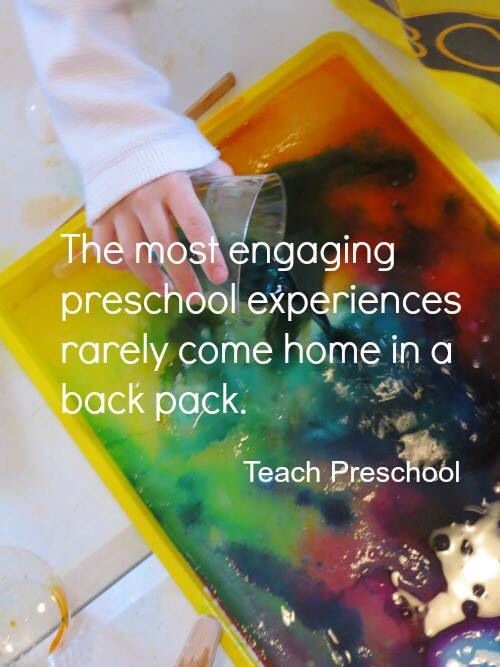
As we kick off a new year filled with learning, laughter, and little moments that matter, we’re diving into one of the most magical (and sometimes messy!) parts of early childhood—sensory play. This type of hands-on learning invites children to explore, create, and connect with the world in joyful, meaningful ways.
What Is Sensory Play?
Sensory play engages your child’s senses—touch, sight, sound, smell, and taste—encouraging them to investigate, imagine, and make sense of their surroundings. It may look simple, but it’s powerful learning in action.
Why Sensory Play Matters
- Builds Brain Connections: Hands-on experiences strengthen neural pathways essential for learning.
- Develops Fine Motor Skills: Pouring, squeezing, and pinching support growing muscles and coordination.
- Boosts Language: Children learn new words by describing textures, actions, and sensations.
- Encourages Self-Discovery: Sensory experiences help children learn what they enjoy—and what they don’t.
- Fosters Social Skills: Messy play invites cooperation, sharing, and conversation.
- Supports Regulation Through Touch: Squishing, kneading, and exploring textures helps children calm and focus.
- Muscle Activation (Proprioception): Pushing, pulling, and crawling build body awareness and strength.
- Movement & Balance (Vestibular Input): Swinging, hopping, spinning, and dancing develop balance and spatial awareness.
Try This Sensory Favorite at Home: Homemade Playdough!
Making playdough together is a wonderful way to bring sensory play into your home—and children learn so much when they help!
What Children Learn While Helping:
- Fine motor strength through stirring, kneading, and squeezing
- Early math skills by measuring and counting
- Language development as they follow directions and describe textures and colors
- Science concepts as they watch ingredients change
- Confidence and independence from contributing to a meaningful task
Ingredients:
- 2 cups flour
- 4 teaspoons cream of tartar
- ½ cup salt
- 2 tablespoons vegetable oil
- 2 cups warm water
- Liquid food coloring
Directions:
- Add all ingredients to a large pot—perfect for little helpers to pour and measure.
- Cook over medium heat, stirring constantly. It will look watery at first, then thicken and come together in about 5 minutes.
- Remove from heat and place in a bowl.
- Once cool enough to touch, knead until smooth.
- When it’s safe for little hands… let the play begin!
Tip: Ask open-ended questions like, “What color should we make it?” or “How does it feel?” to deepen learning and connection.
Embrace the Mess
Sensory play can get a little messy—and that’s part of the magic. When children feel free to explore without worry, they gain confidence, joy, and a sense of discovery that lasts long after play is over.
“If it hasn’t been in the hand… and the body… it can’t be in the brain.” — Bev Bos
Here’s to a year filled with curiosity, connection, and lots of joyful learning—mess included!
Warmly,
Clare Carter
Preschool Director
|