Logo.png

Europe 2023

October 18

Veste Colburg

CURRENCY EXCHANGE INFO: The currency exchange rate is nearly equal: €1 euro = 95¢ US.

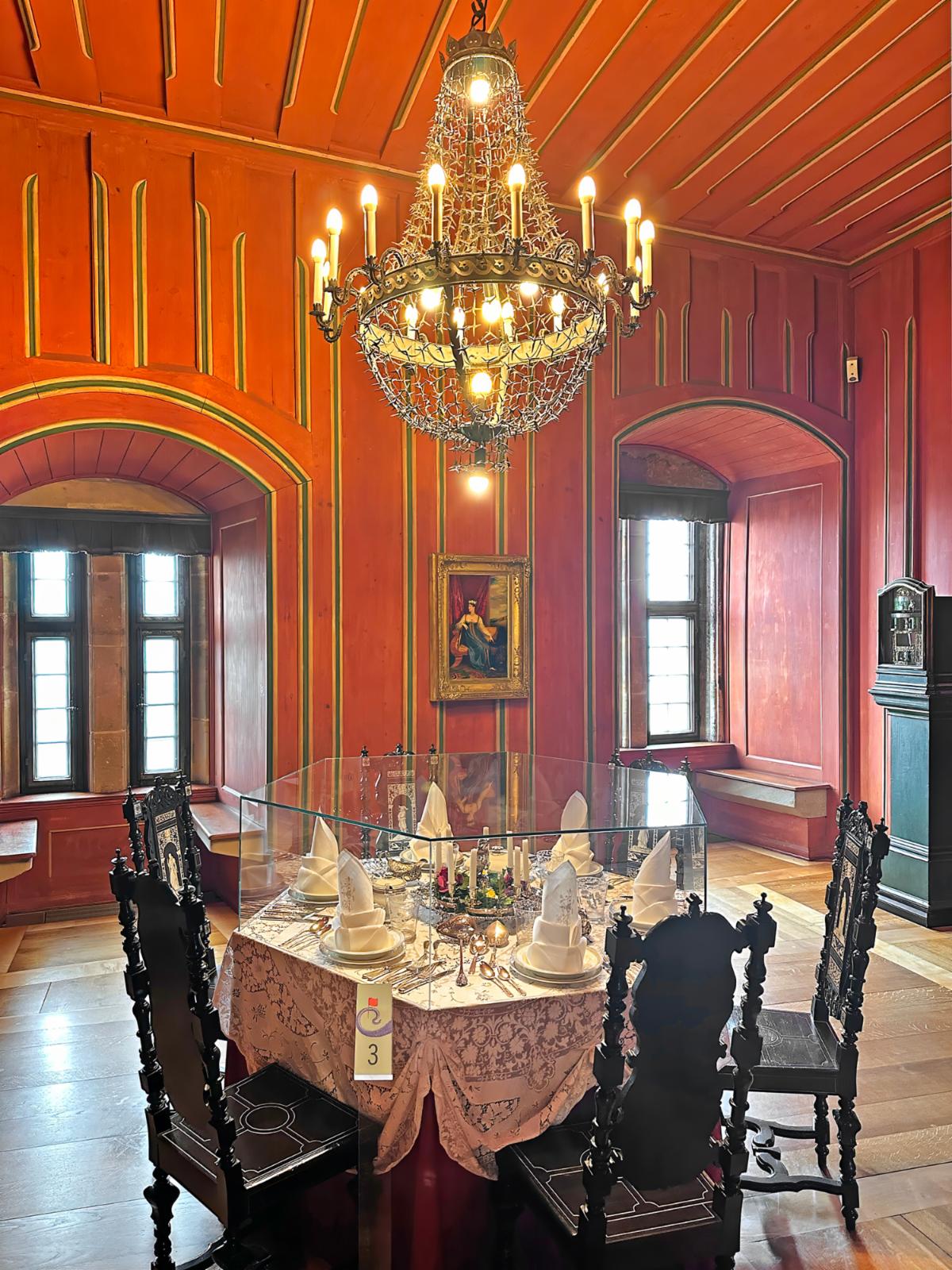
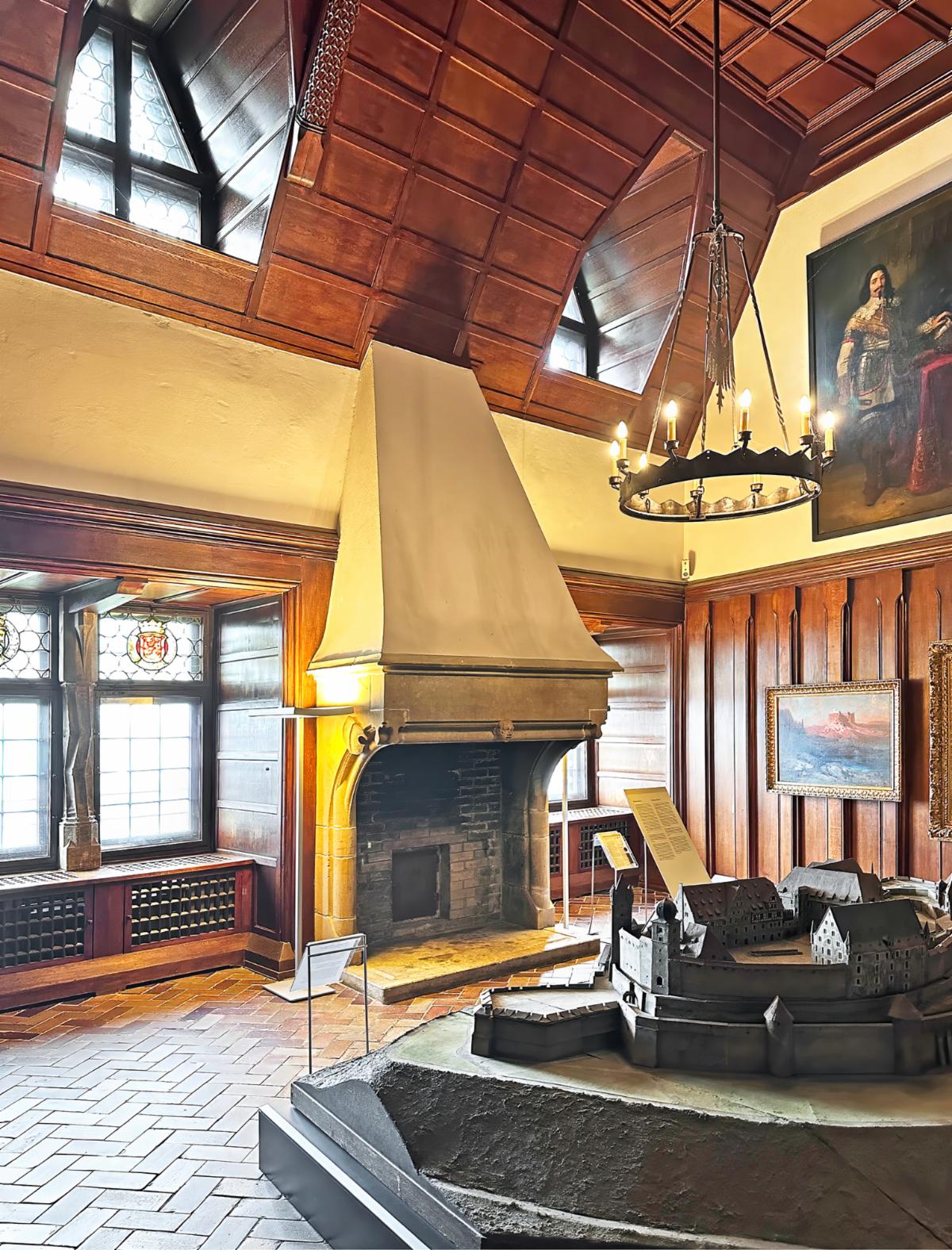
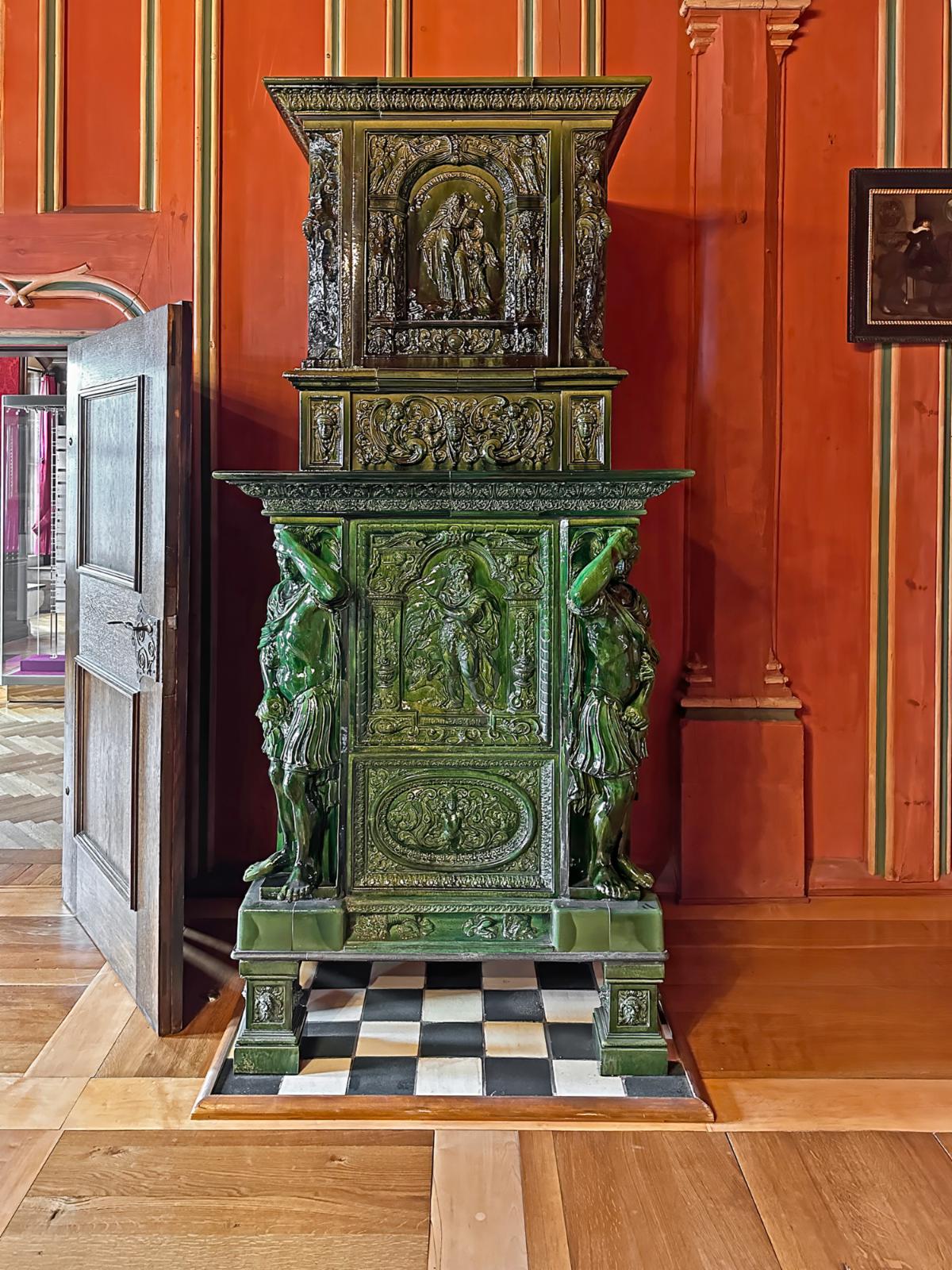
Wanda and I visited the amazing Veste (Castle) Colburg. The entire castle was a museum containing an eclectic mix of fine antiques.

WEDNESDAY, OCTOBER 18, 2023


COBURG - VESTE COBURG


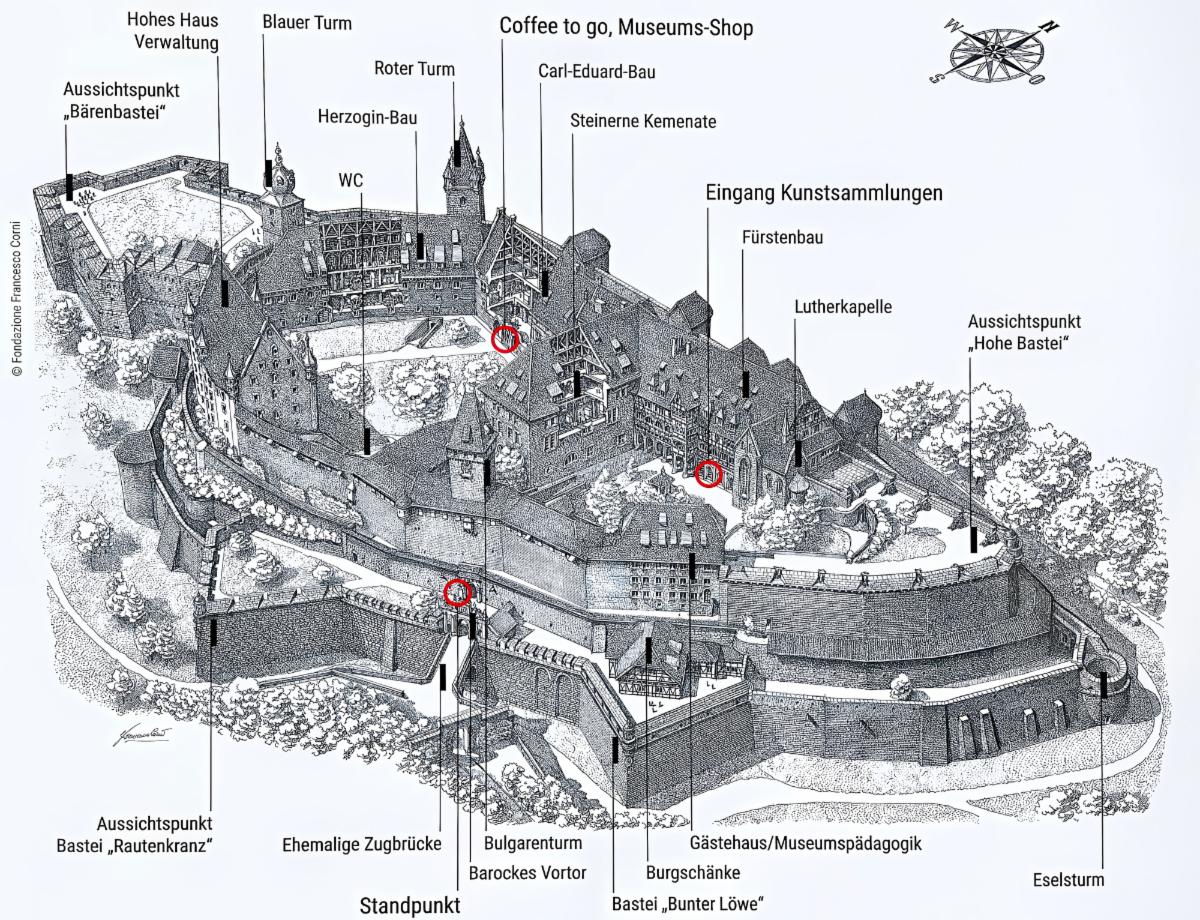
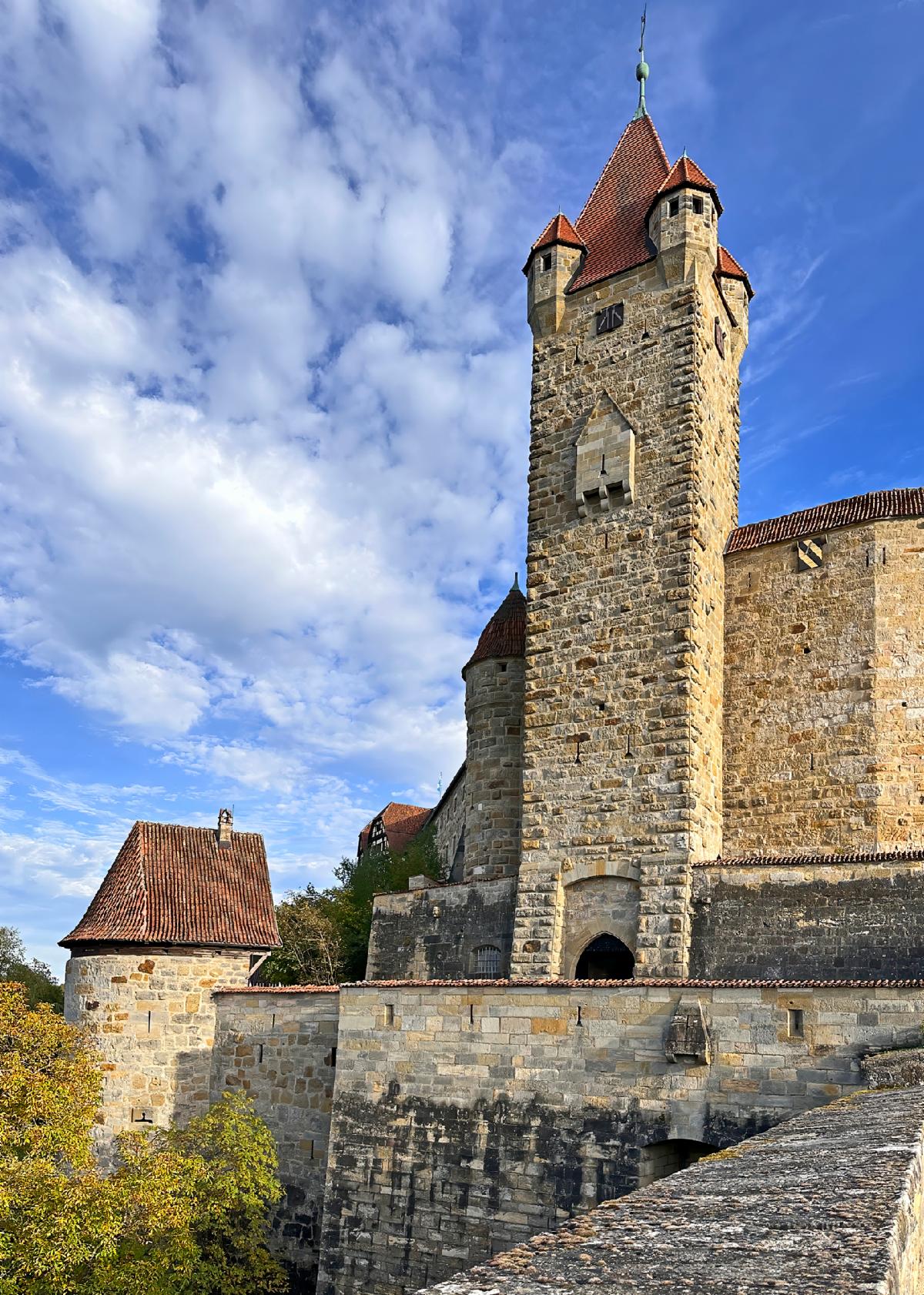
We rolled into Coburg around 11 a.m. This city is deep in a mountain valley overlooked by a medieval castle, appropriately named Veste (Castle) Coburg. The fortress was started in 1420, mainly as a residence for the upper-upper crust. In 1530, Martin Luther hid out here for six months as he translated the Bible into German. His reformation spurred the 30-year war, 1618 - 1648, between Catholics and Lutherans. The residence was turned into a fortress due to the war. (The peace treaty was signed in Augsburg at St. Ulrich Cathedral in 1648.)


According to Heinrich, a 'Veste' is more of a defensive fortress kind of castle. It usually has a wall that circles the castle grounds. A 'Schloss' is more of a palace or fancy residence kind of castle. It often does not have a defensive wall. In the city of Coburg, there is a schloss without walls. We will visit that mansion tomorrow.


Diane and Heinrich visited the Veste Coburg in 1969 when my parents visited Germany. They knew it was a tough slog up the hill, so after hyping the castle tour to us, they sent us on our way. I Google Mapped a walking route that promised a mere 27 minutes. We merrily started on our quest.


Soon, the steep street narrowed. Then it turned to gravel and further steepened. We reached a sign that Google translated to "Commit At Risk," which sounded ominous. The gravel turned into a dirt path, which morphed into a barely perceptible path. It steepened even more. Where did Google get this info from? Finally, the path ended. We had to bushwhack our way straight up into thick woods, under fallen trees, and through a thicket of bushes. Just then, a pack of angry-sounding dogs chimed in with some vicious barking. I would have feared Billy Bob's shotgun if we were in Arkansas. 


When we reached another gravel road, which Google promised to be a street, we found another "Commit At Risk" sign and a gate. We had come way too far to go back. We ventured forward. At least the dogs seemed to have calmed down. 


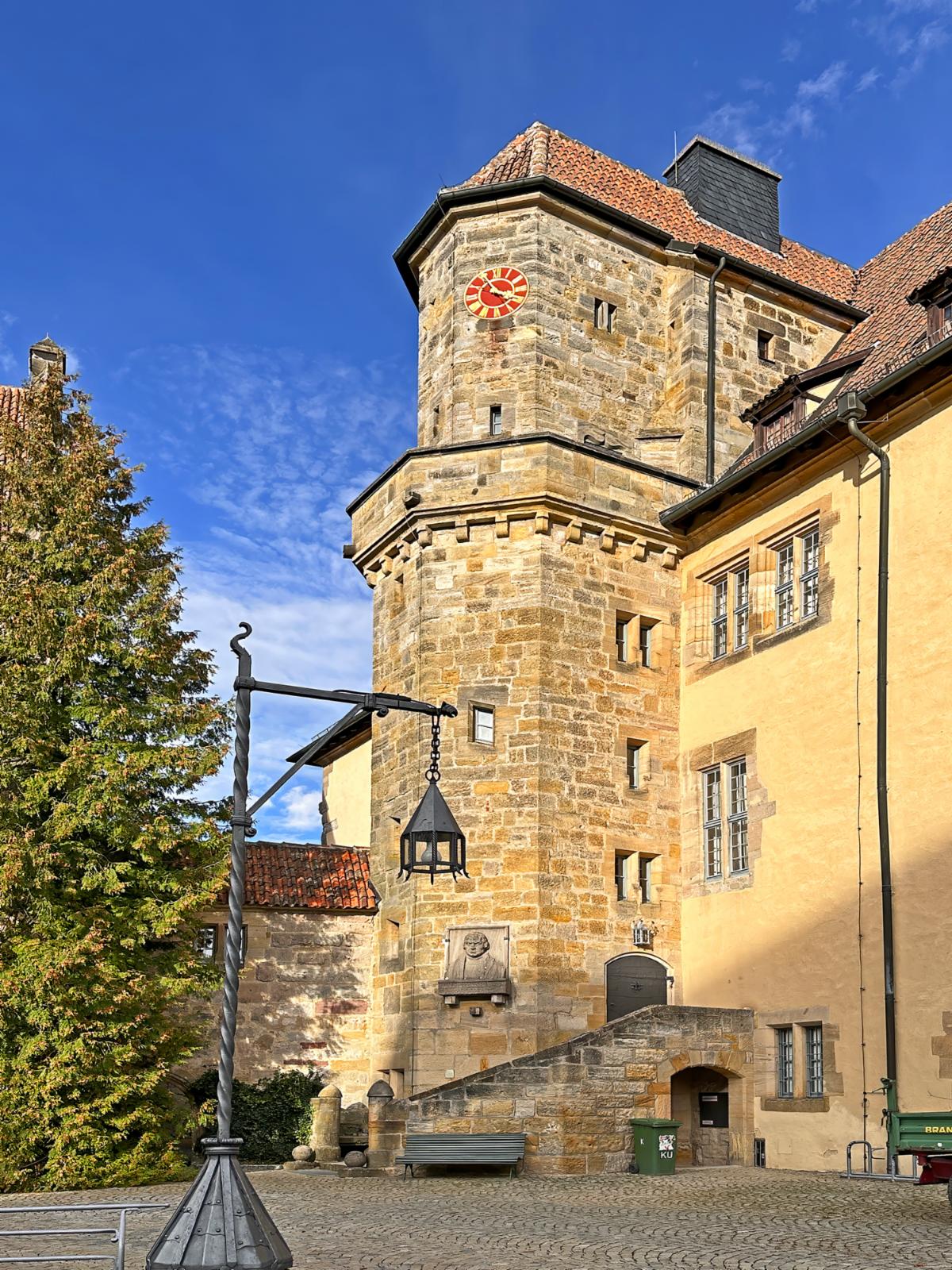
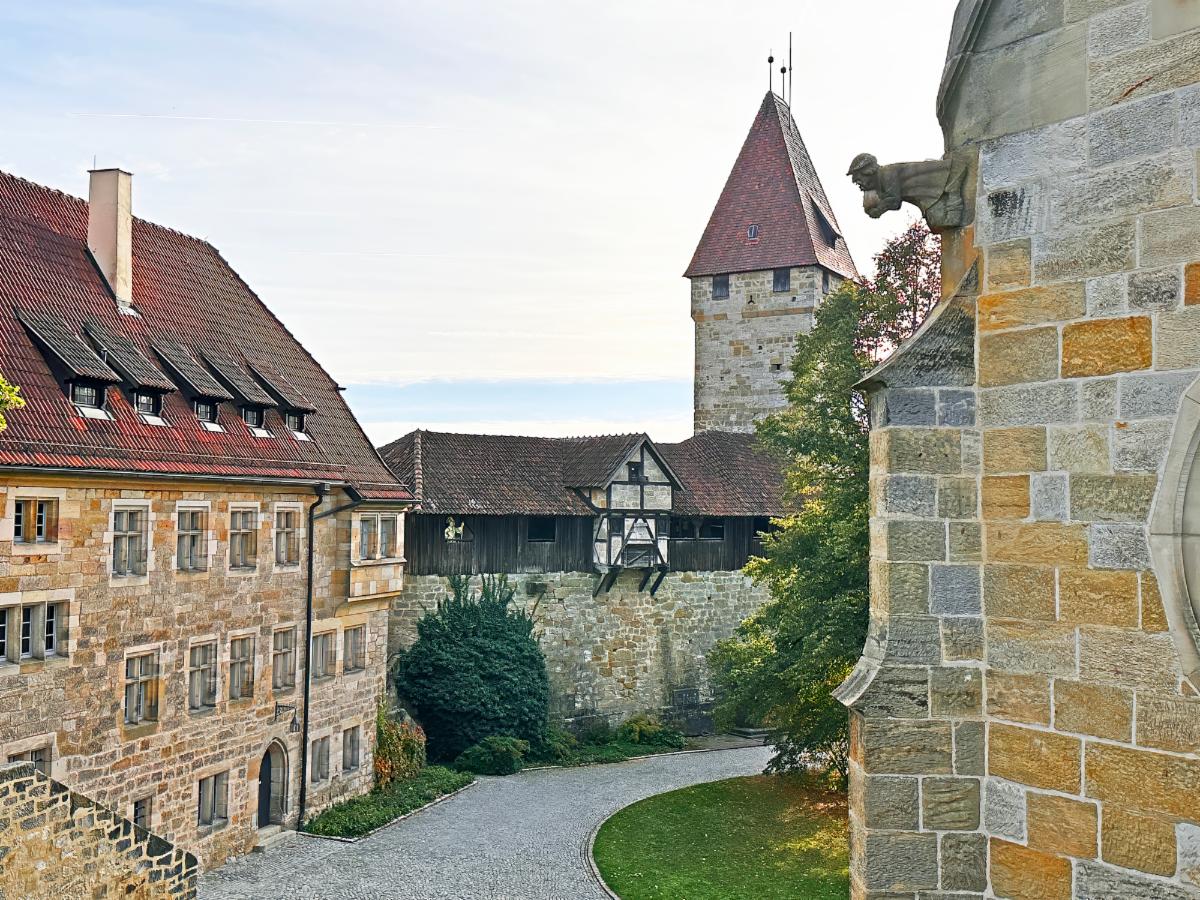
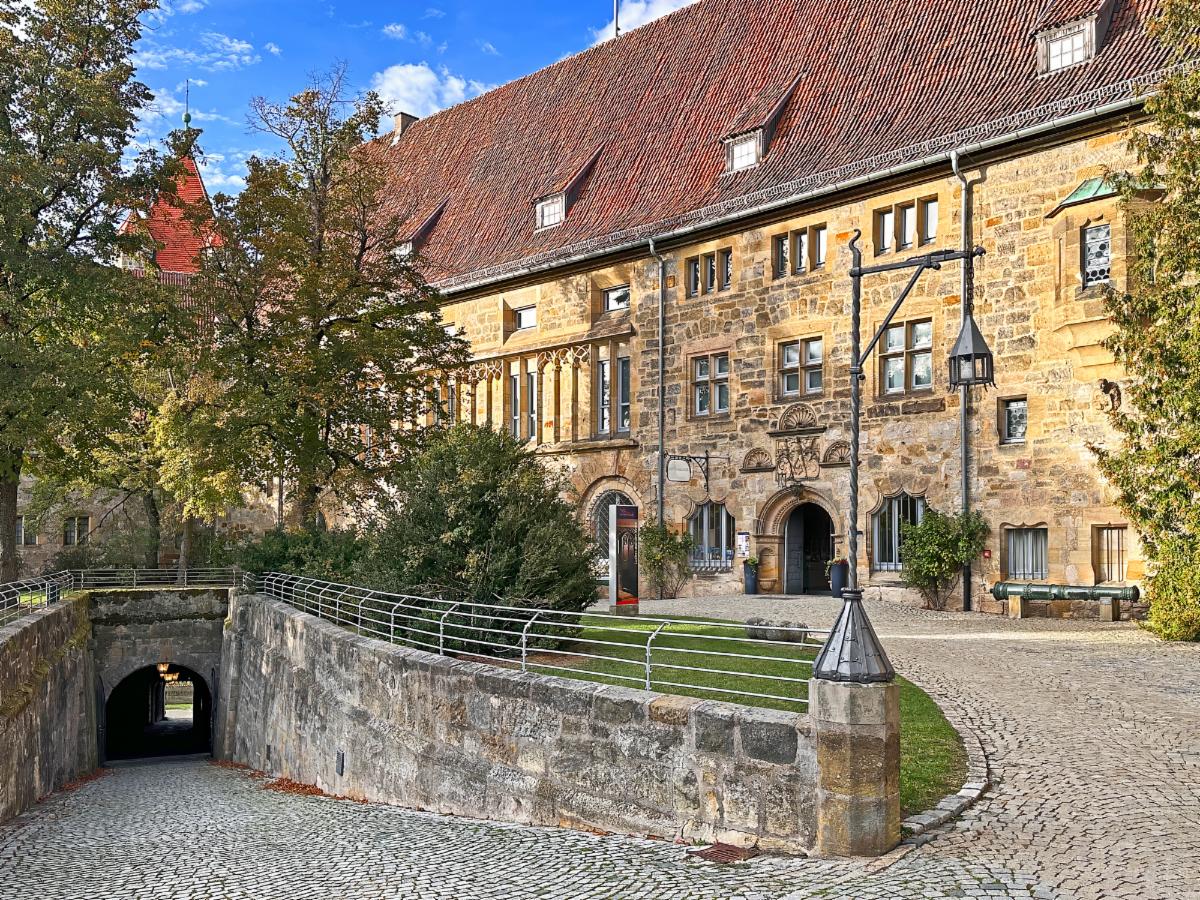
At last, we reached an actual street that led directly to the castle. With another steep climb, we found the entrance. The walled-in castle grounds were extensive. Several substantial stone buildings surrounded a middle courtyard. It all looked medieval.

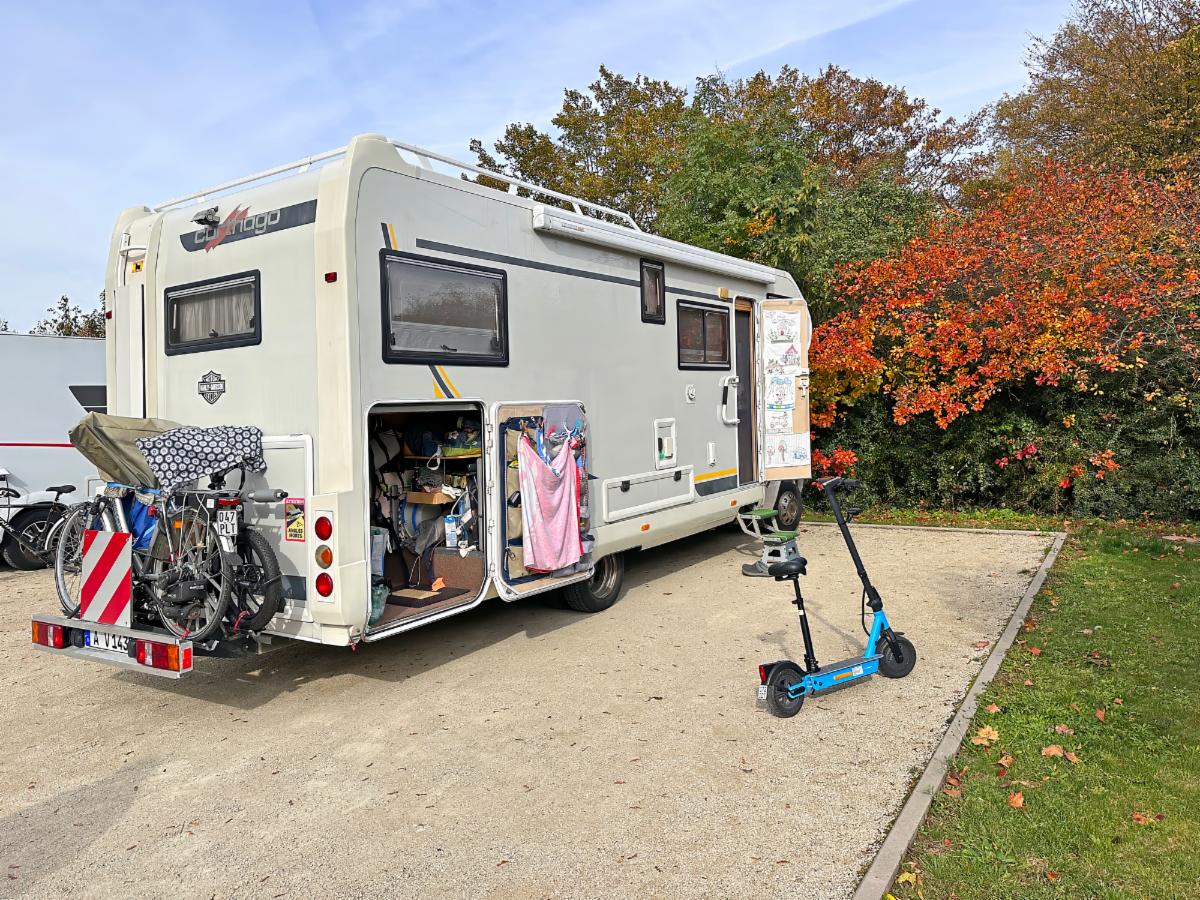
Around the corner from the RV park was a thermal spa. The spa was in charge of operating the RV park. The bathrooms and showers were in the spa. Being a hefty hike from the RV, Diane's scooter again came in handy.

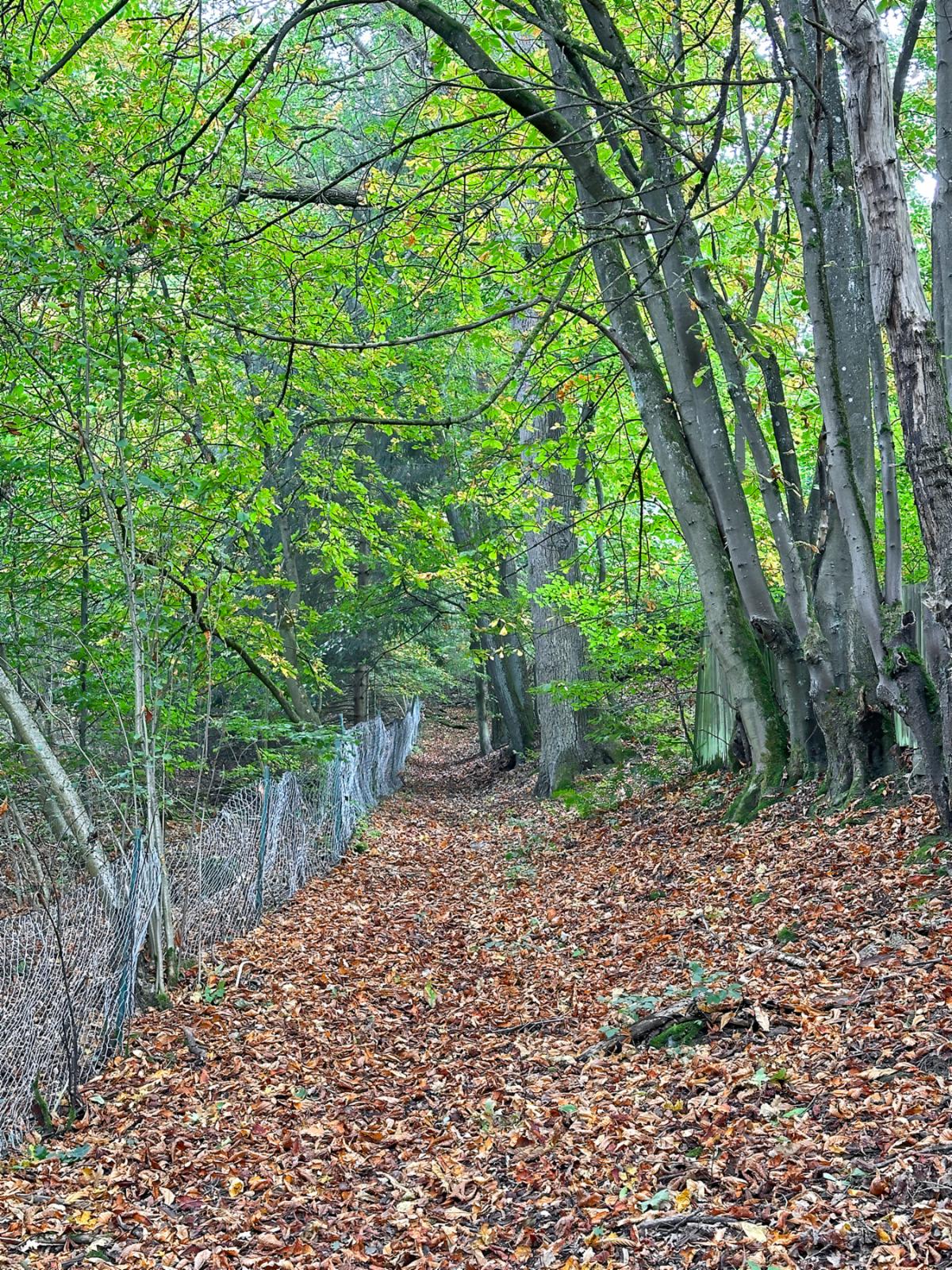
We knew Google Maps was giving us a bum steer when the street turned into this path. It only got worse. We eventually had to bushwhack our way through a thicket.

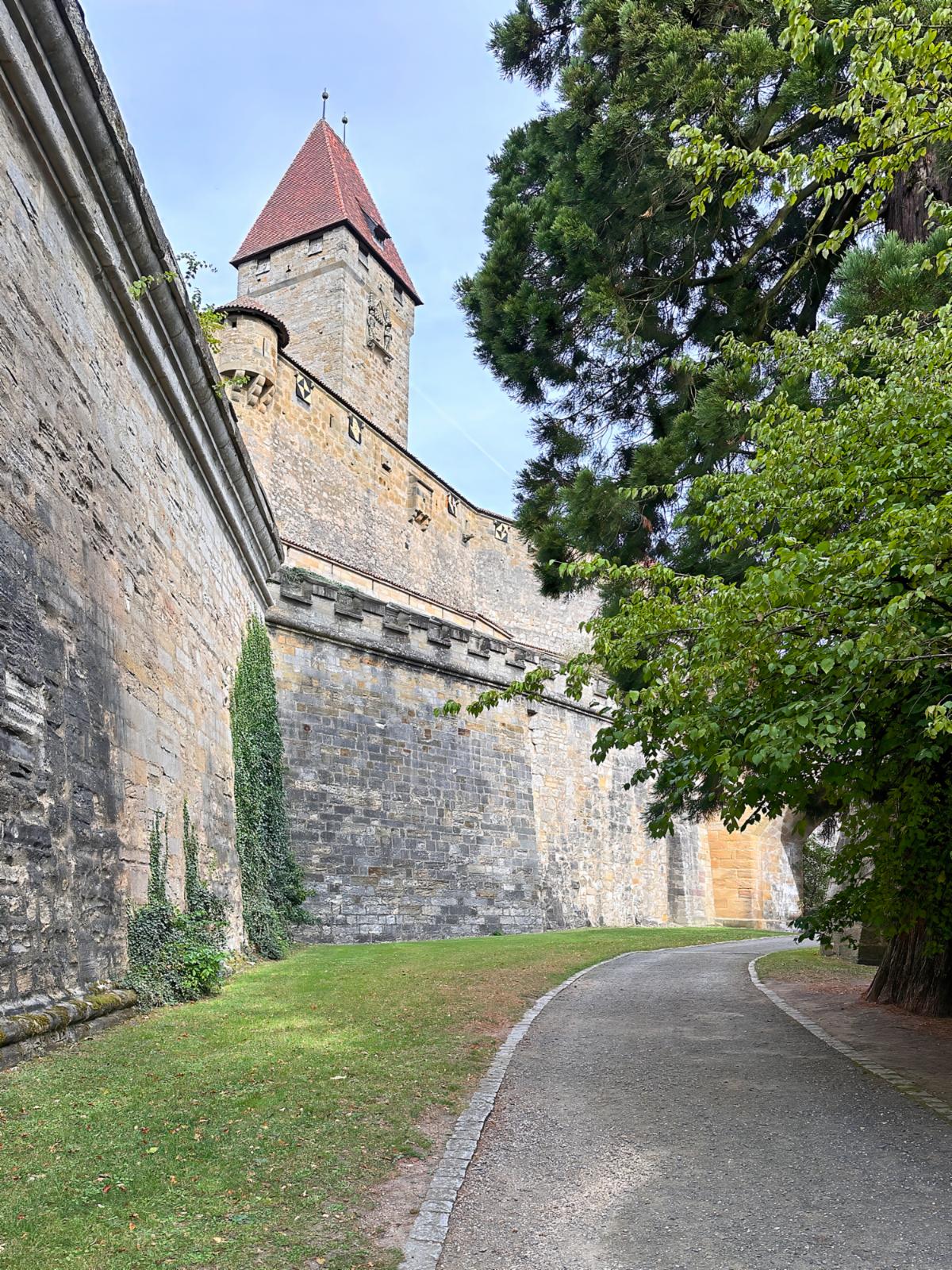
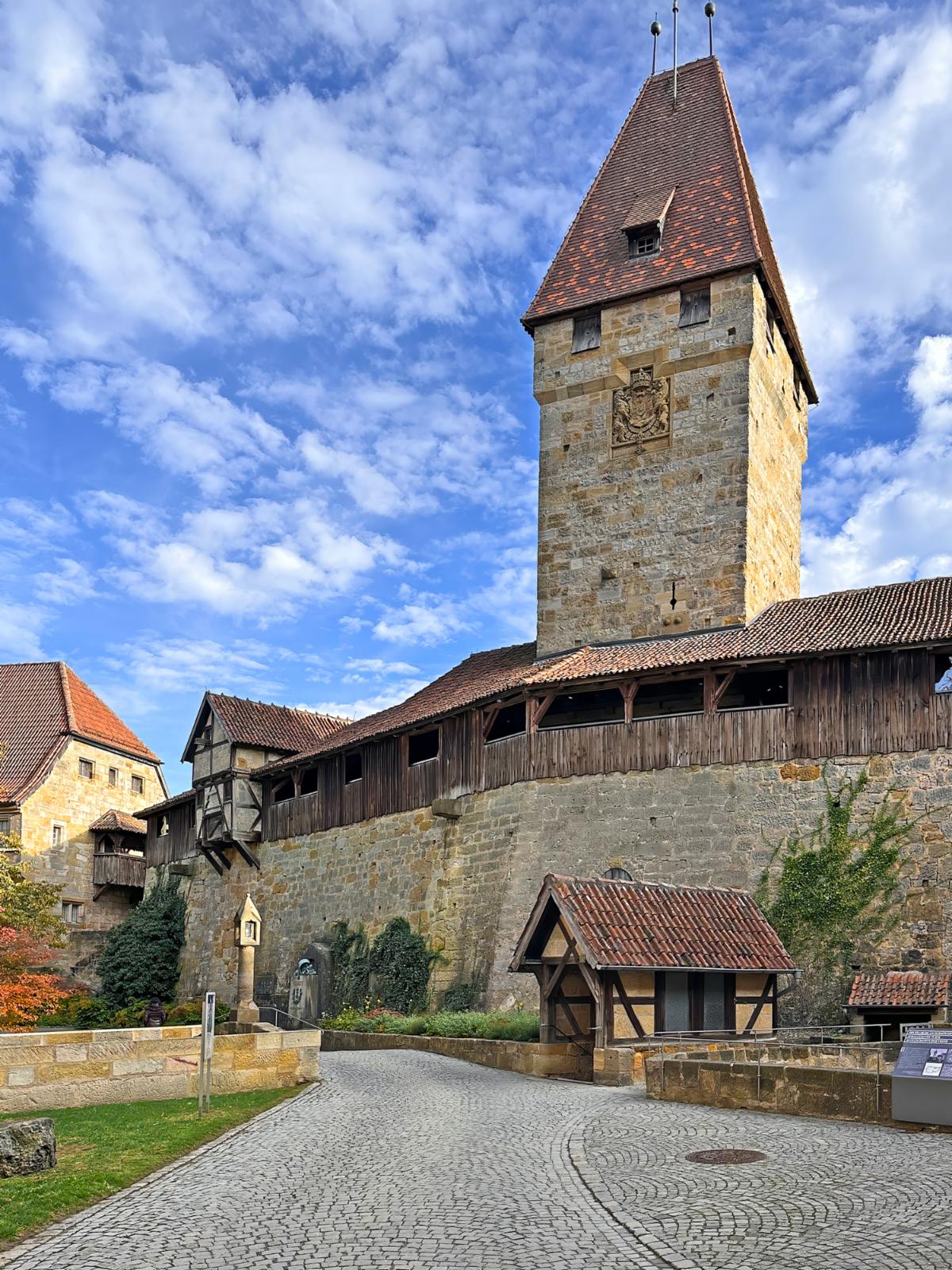
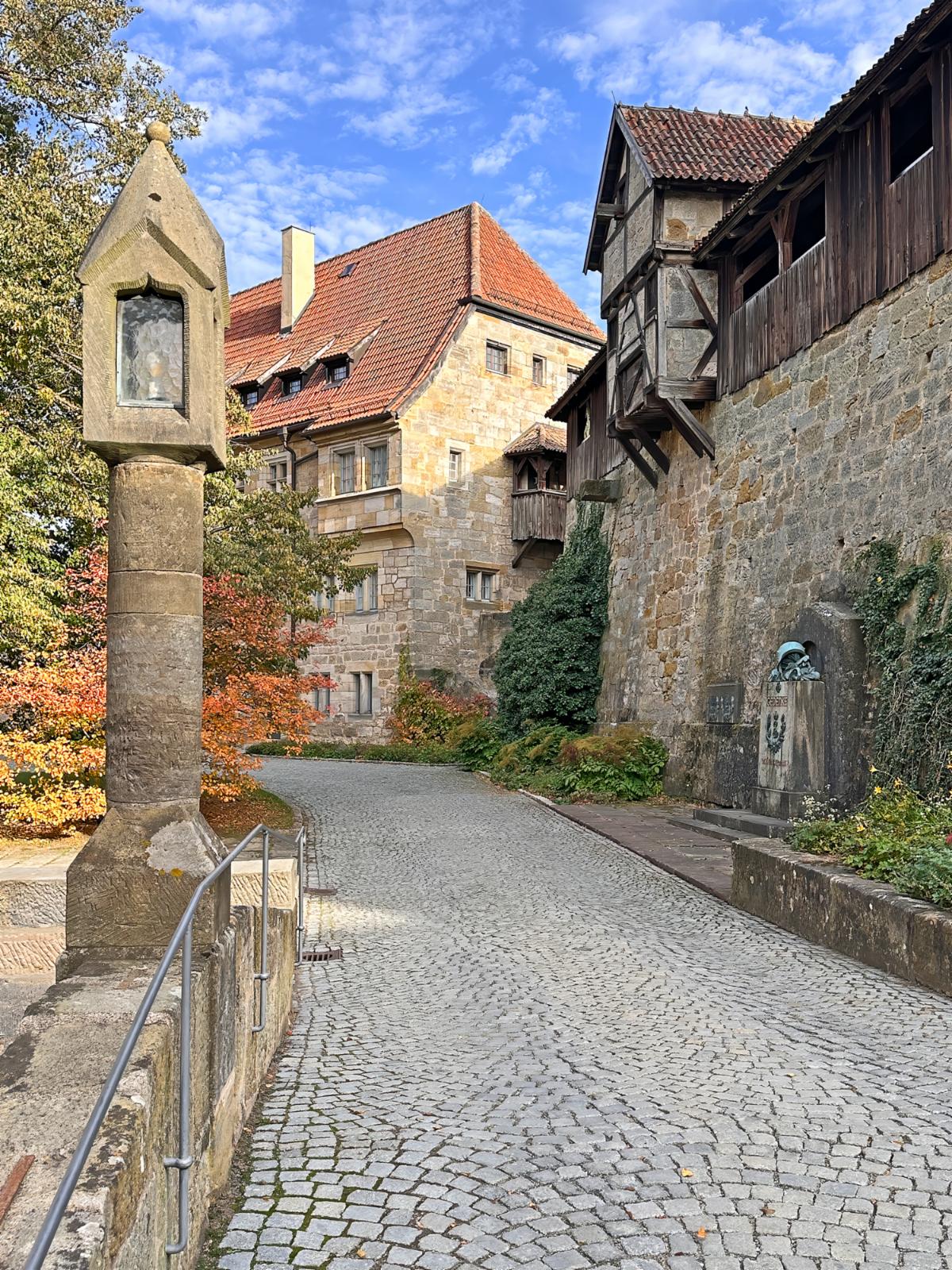
We emerged from the thicket onto a gravel road that led to a street that led to this path around the castle wall.

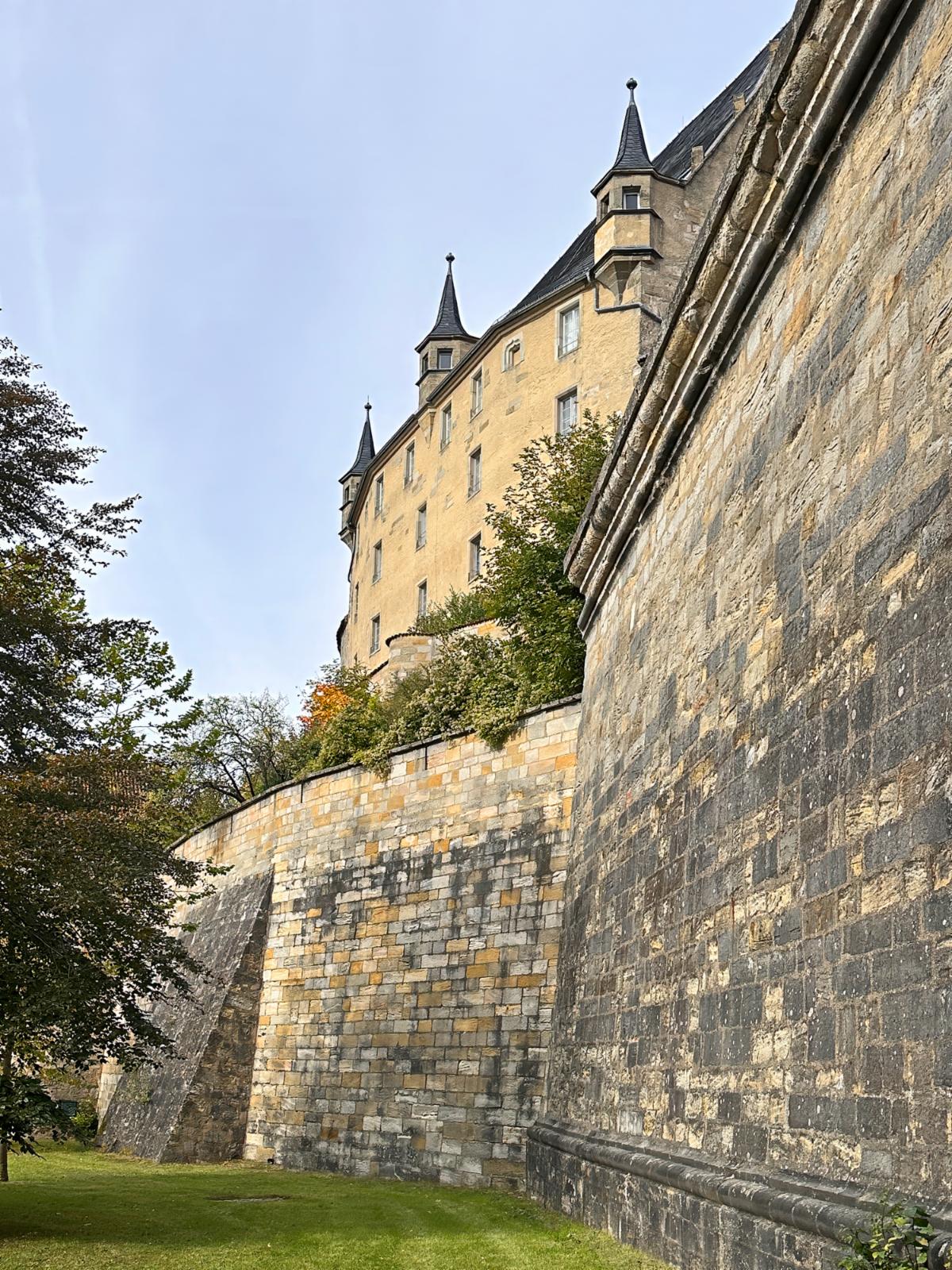
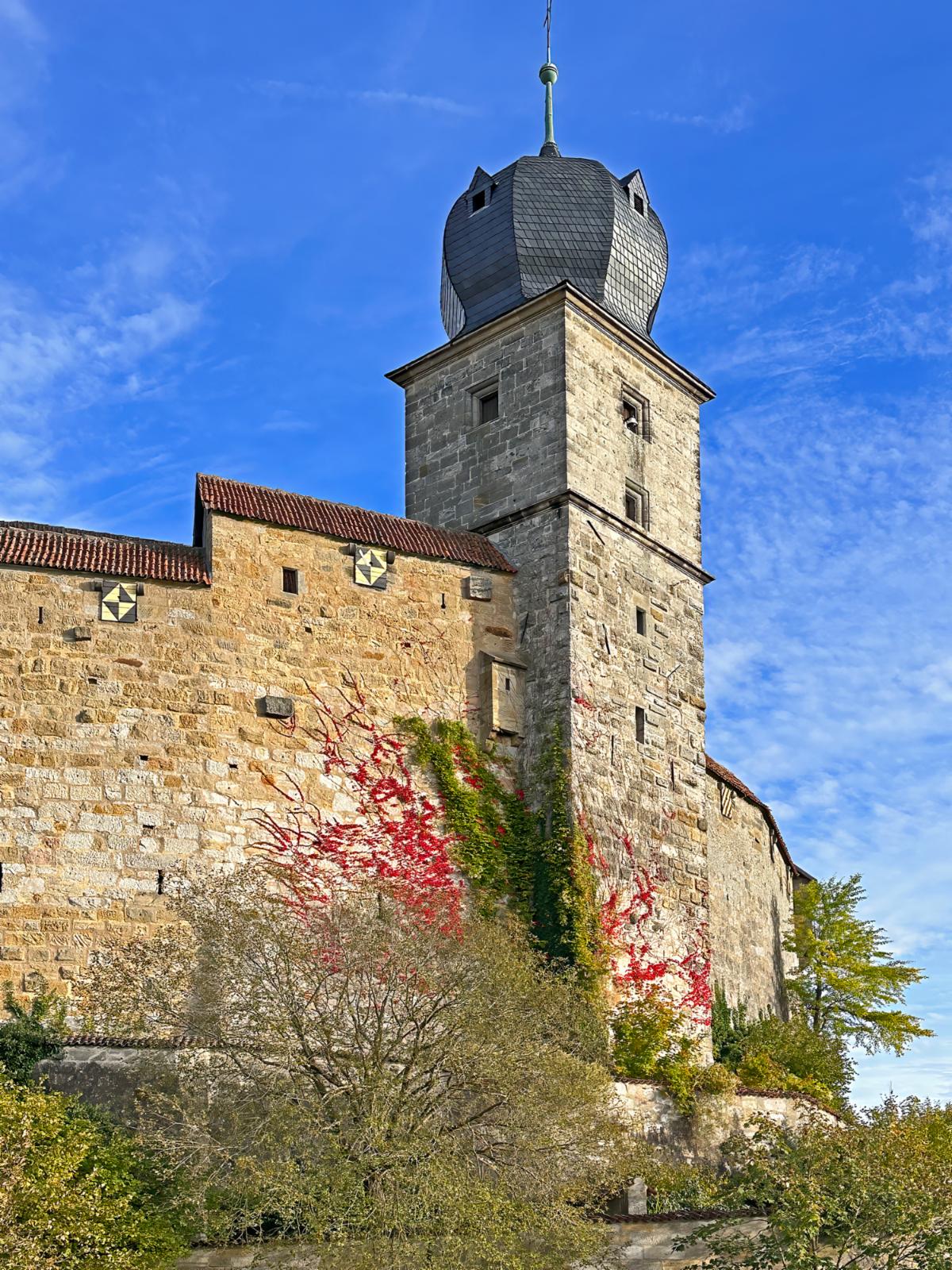
Next, we had to circle the castle wall to find the entrance.

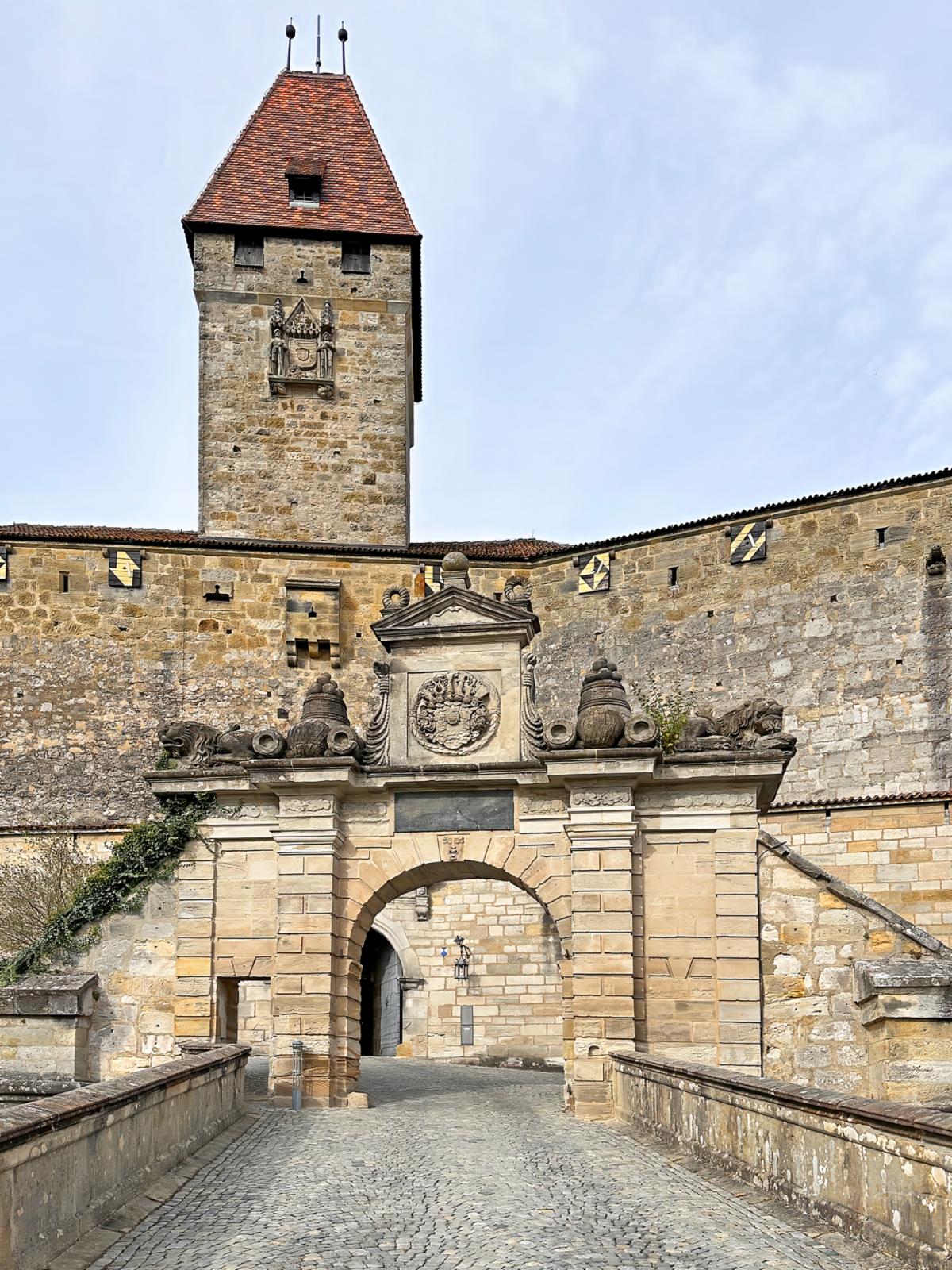
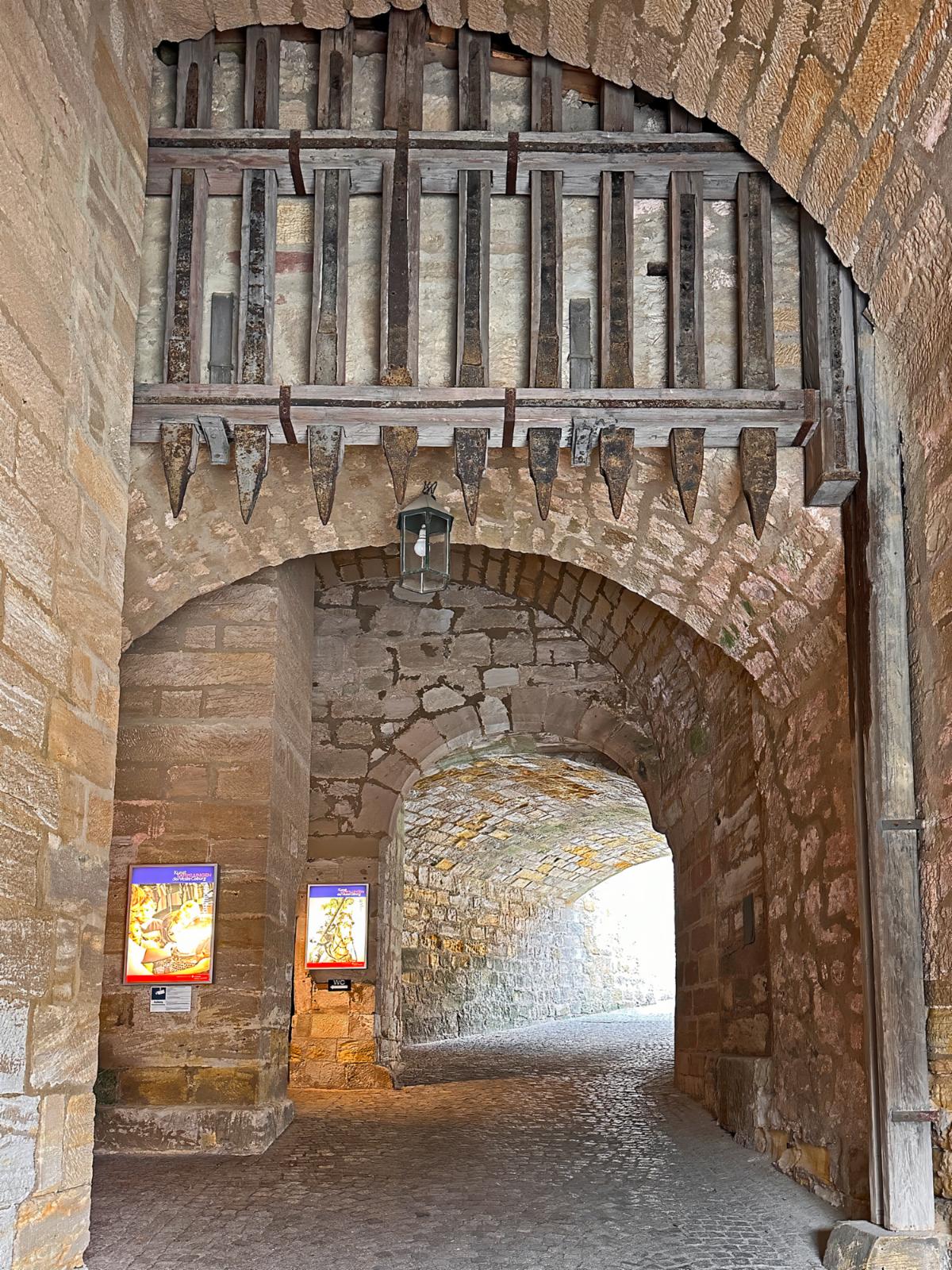
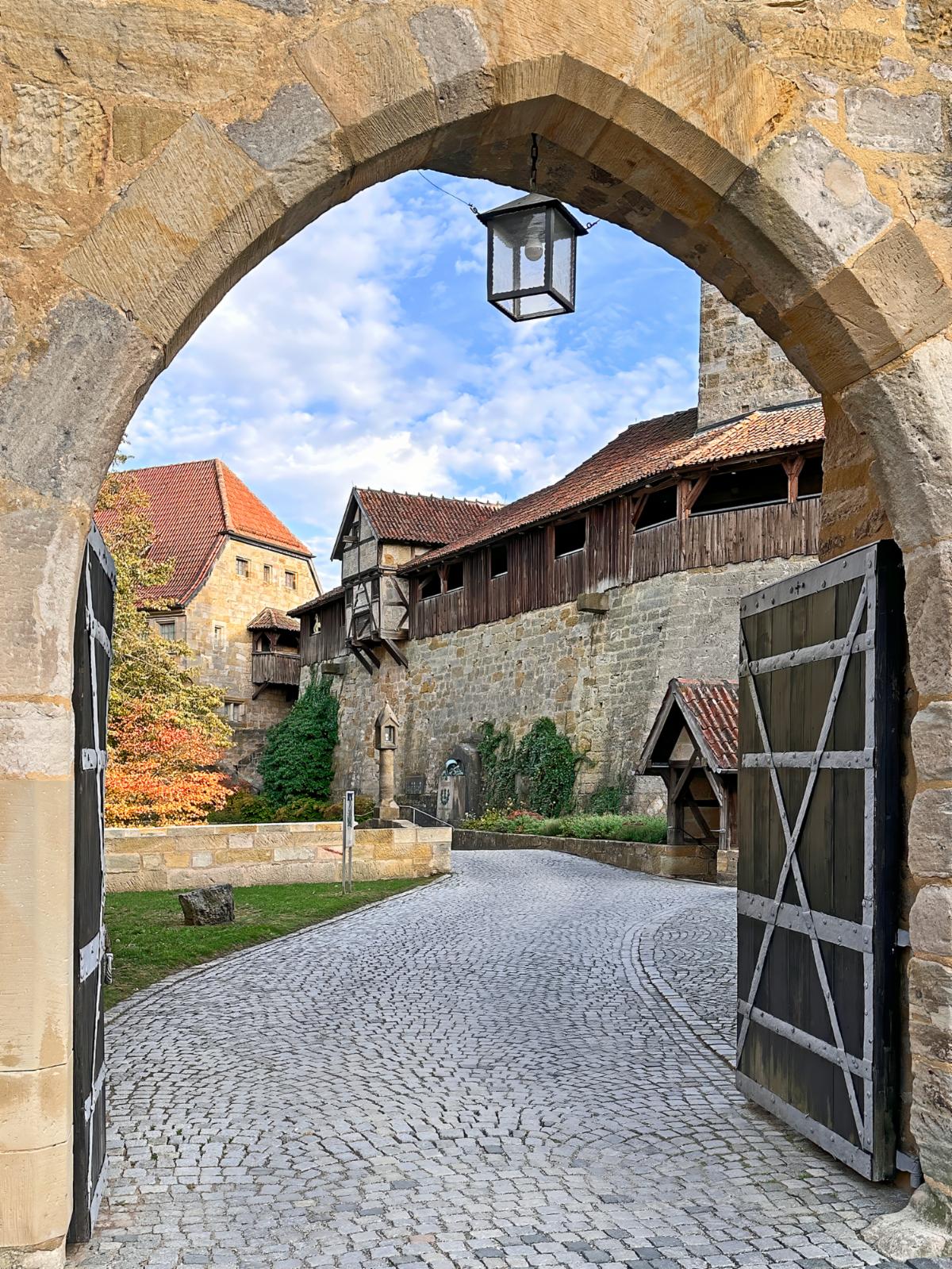
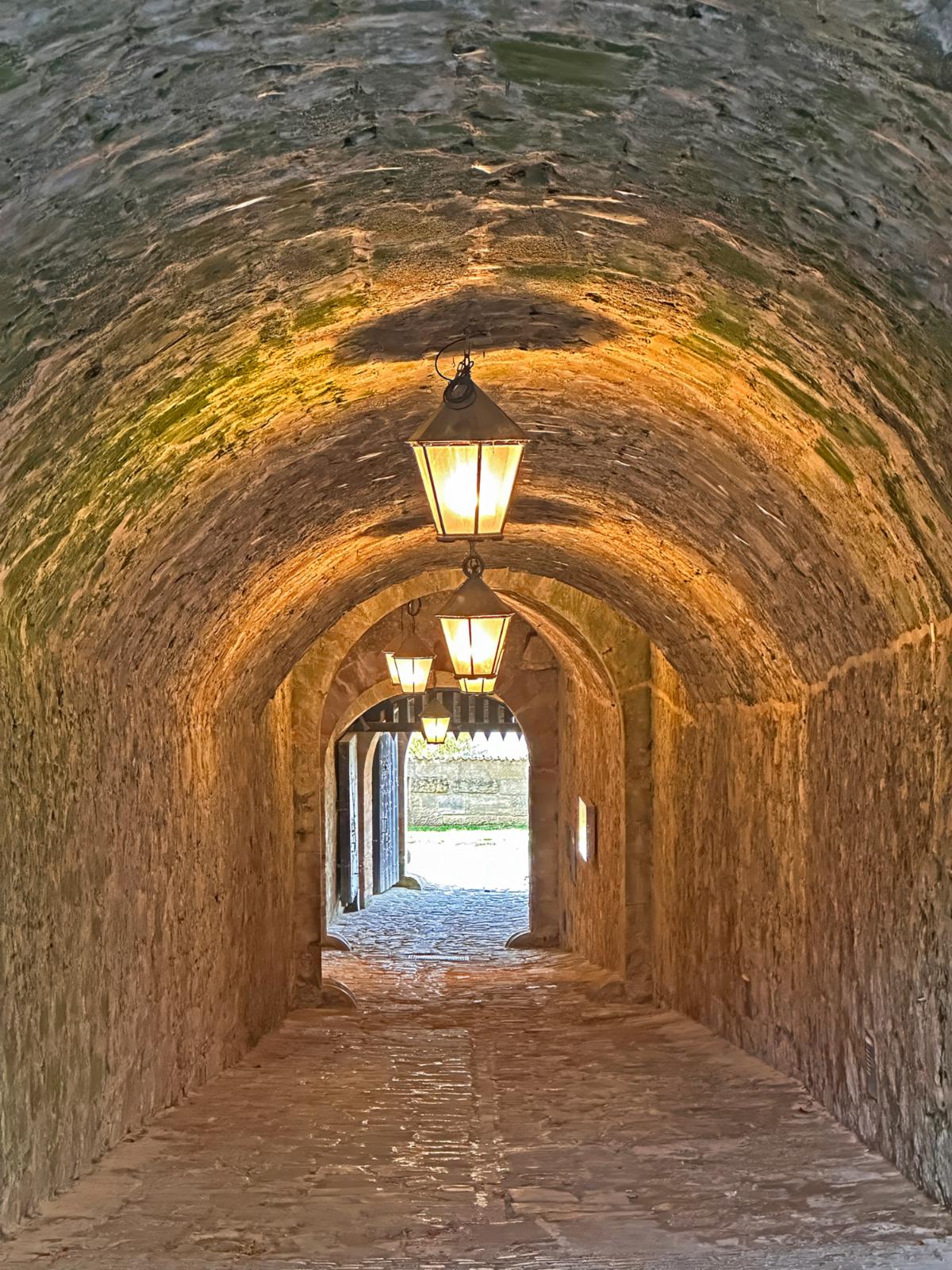
Finally, the front gate.

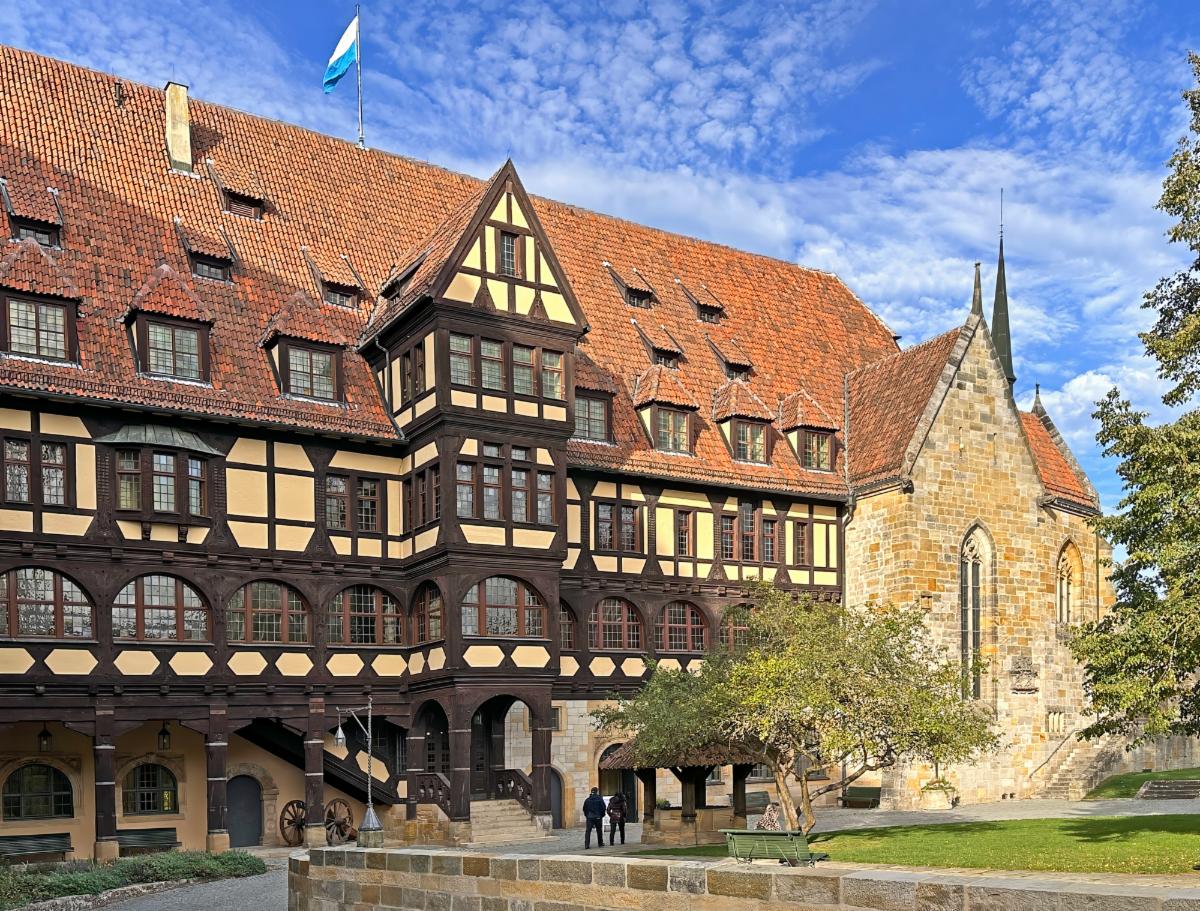
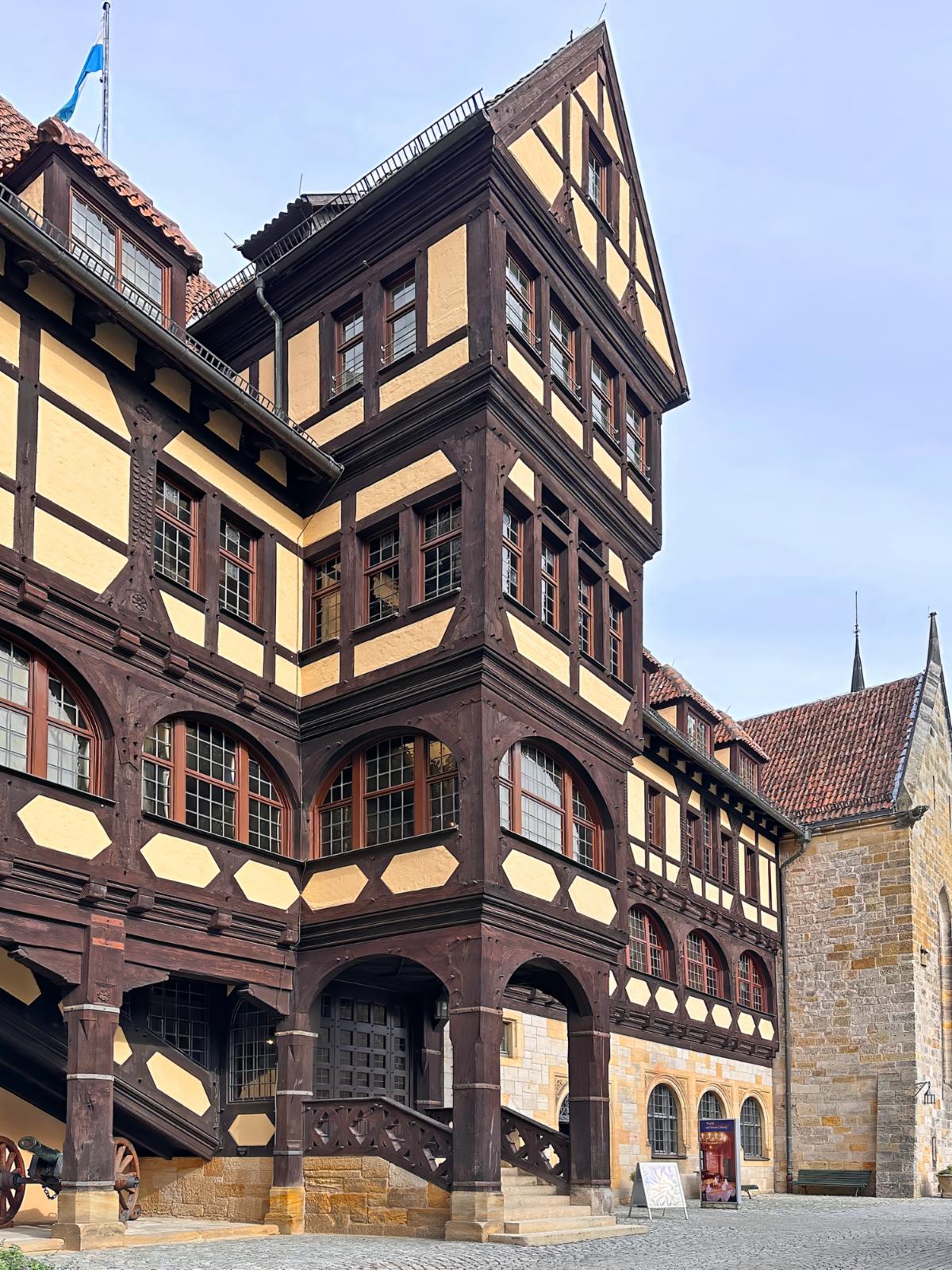
The main building.

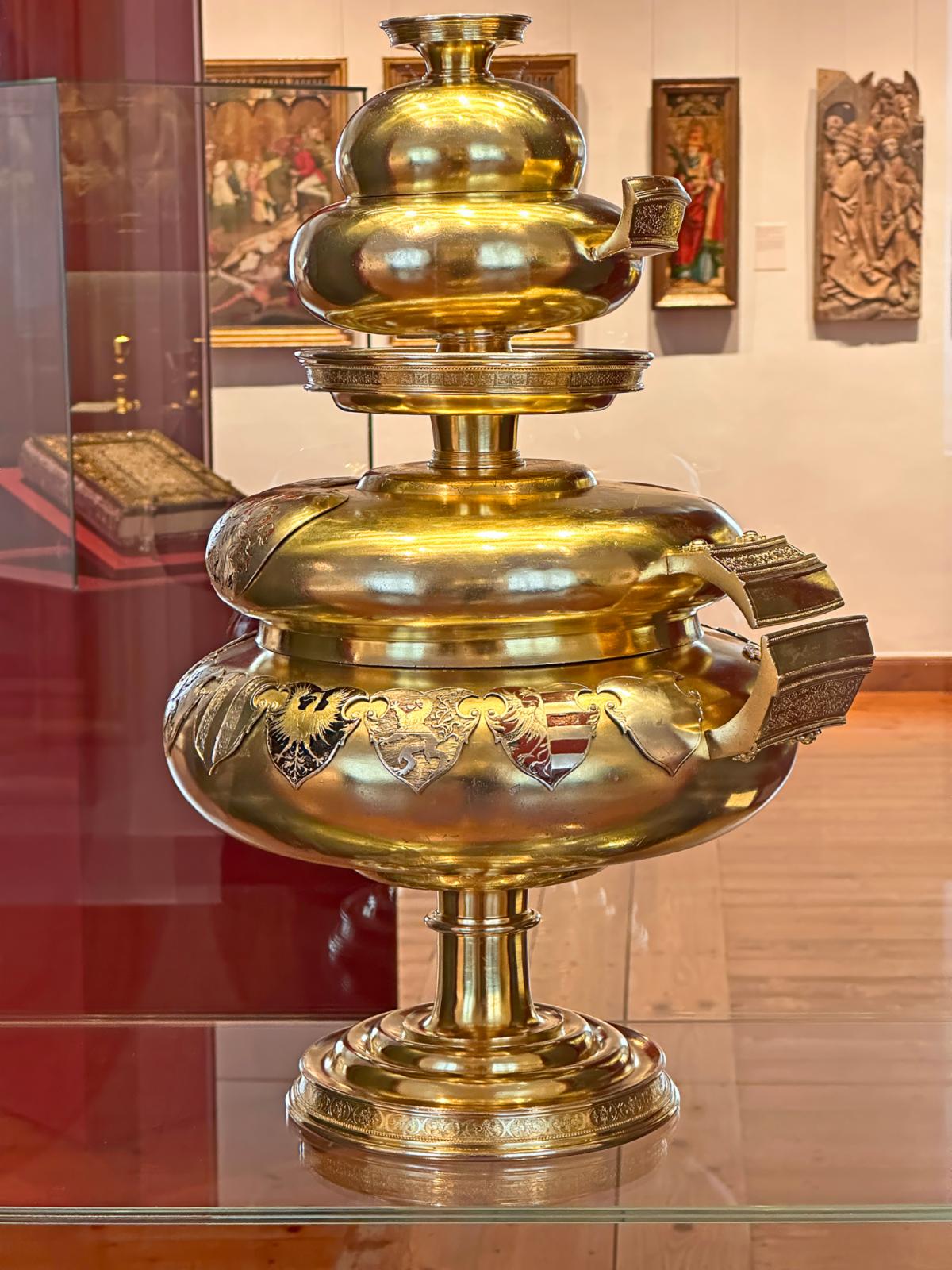
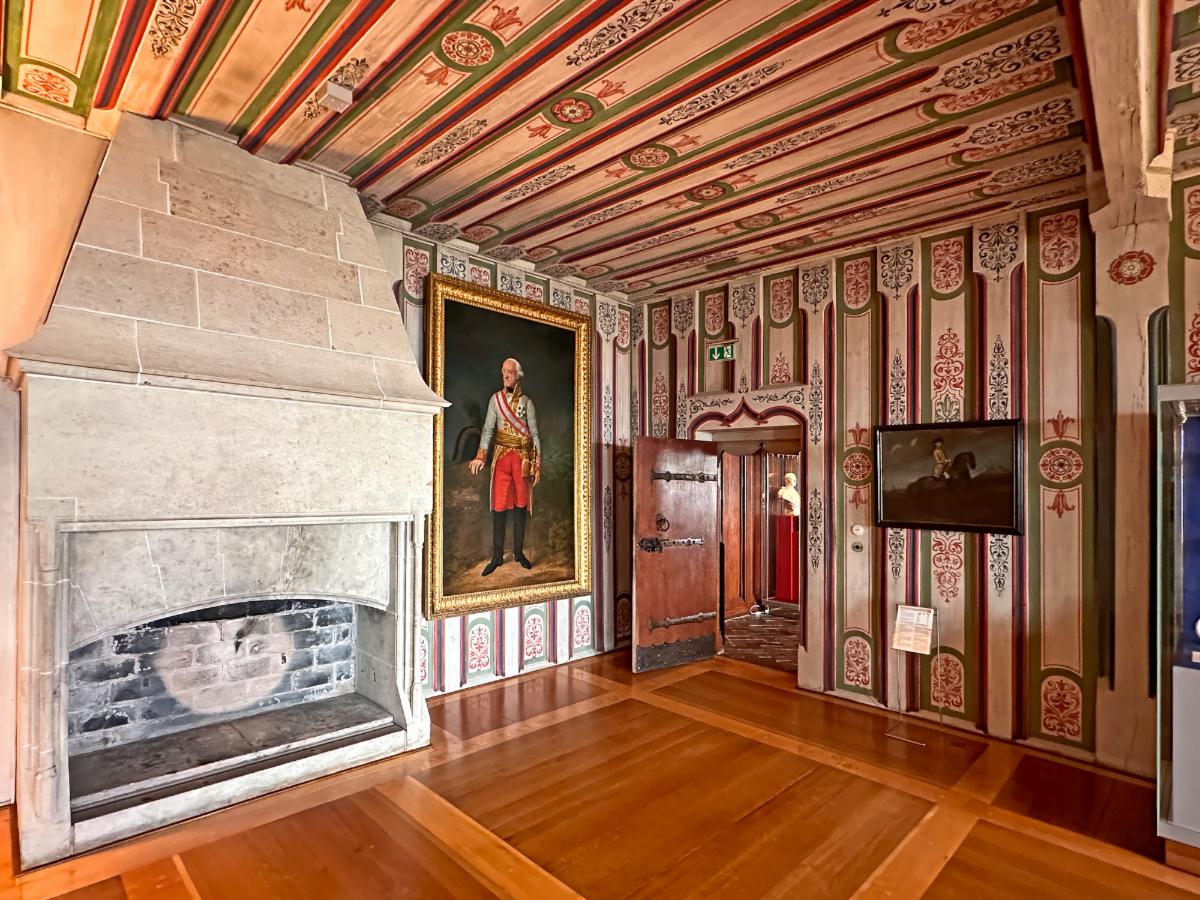
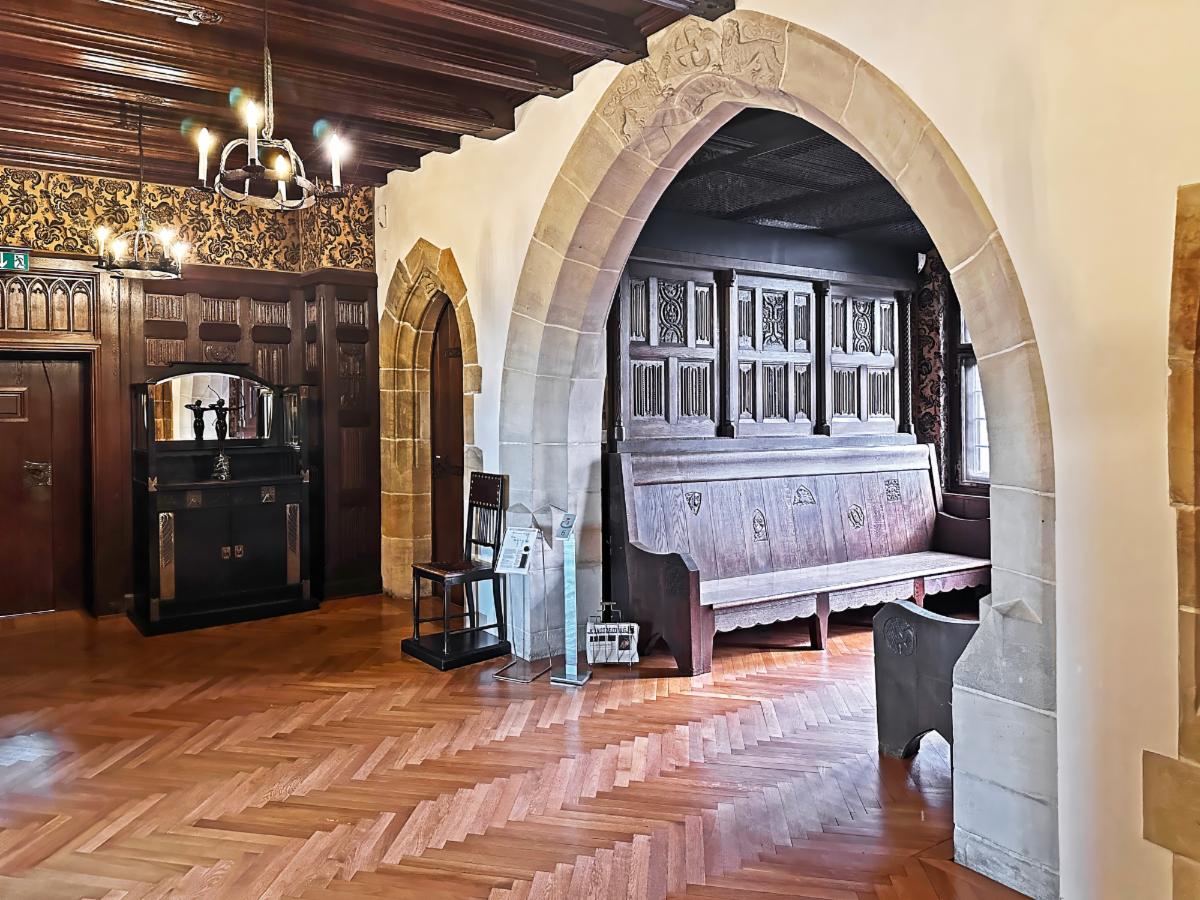
For us seniors, it was €7 for a self-guided tour of the palace and chapel. All I can say is that this museum delivered. All the 300 to 500-year-old artifacts were in mint condition.


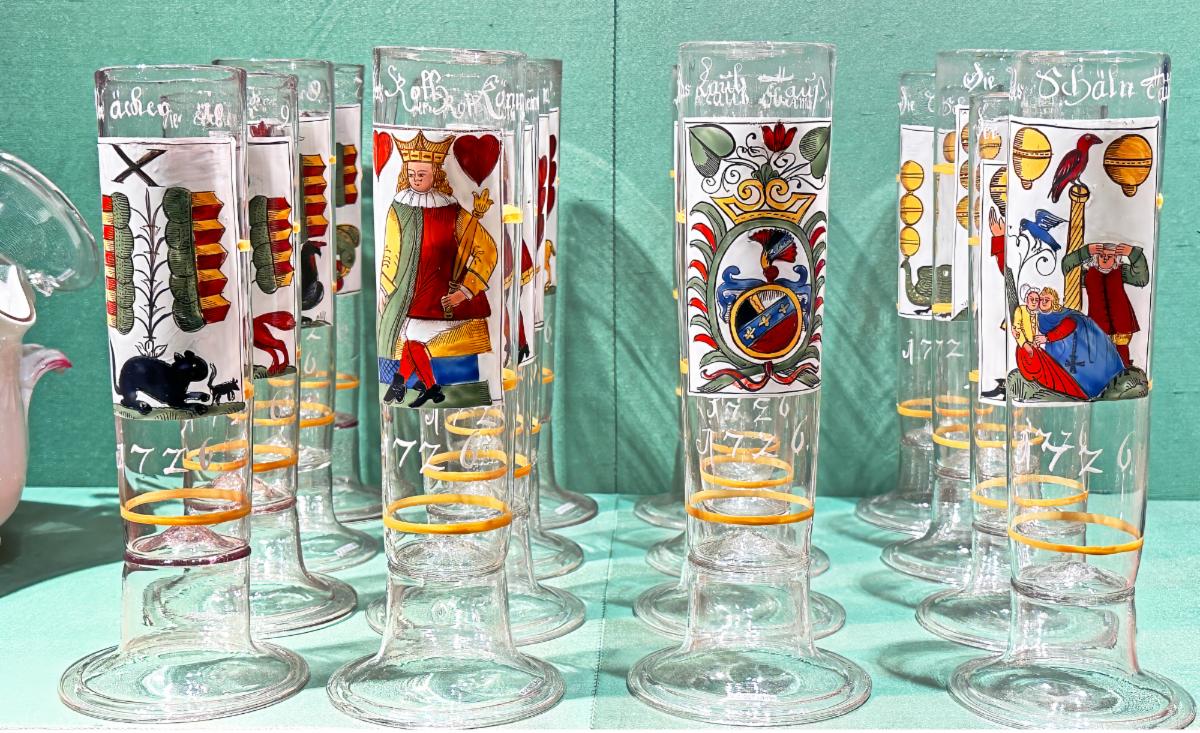
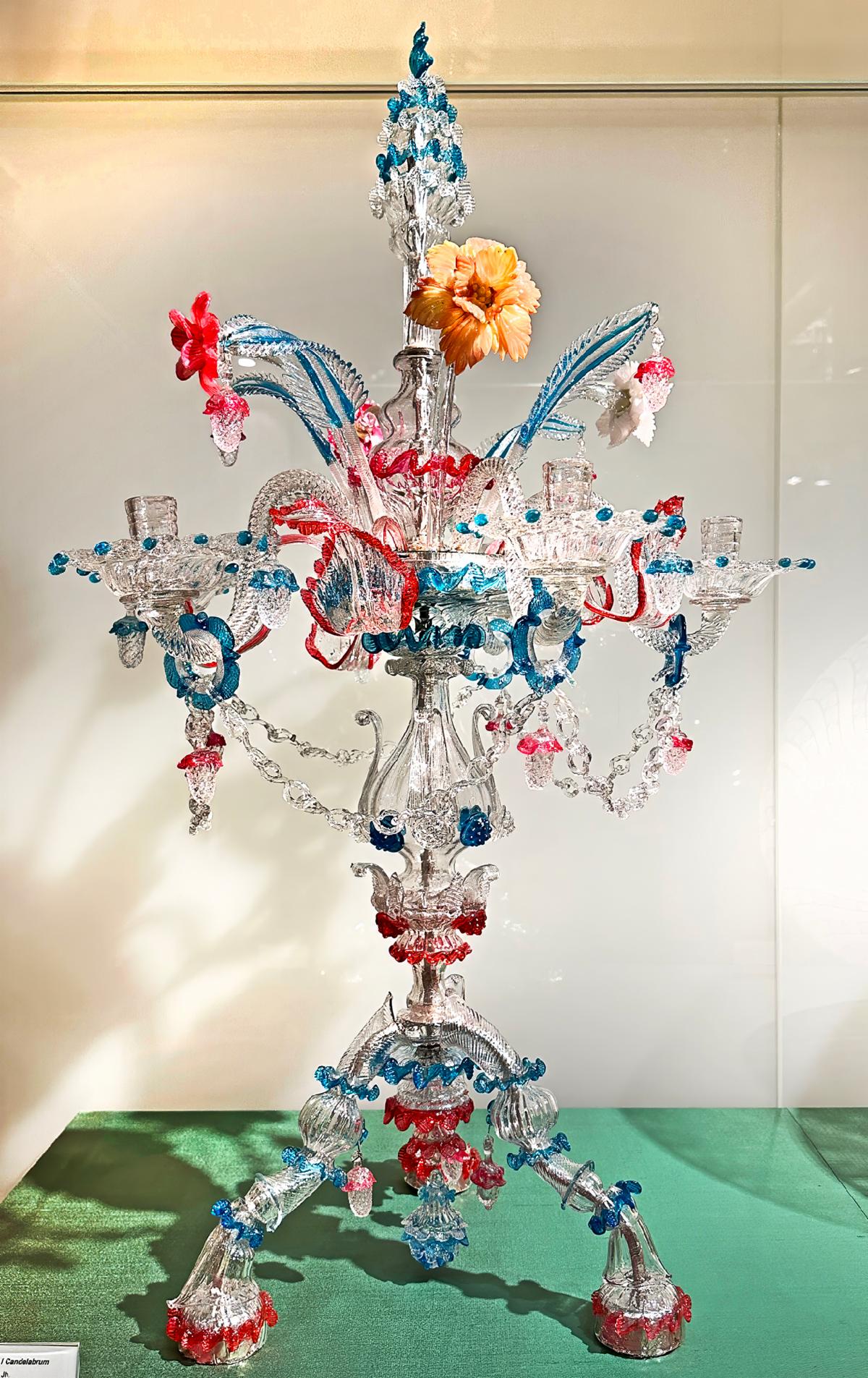
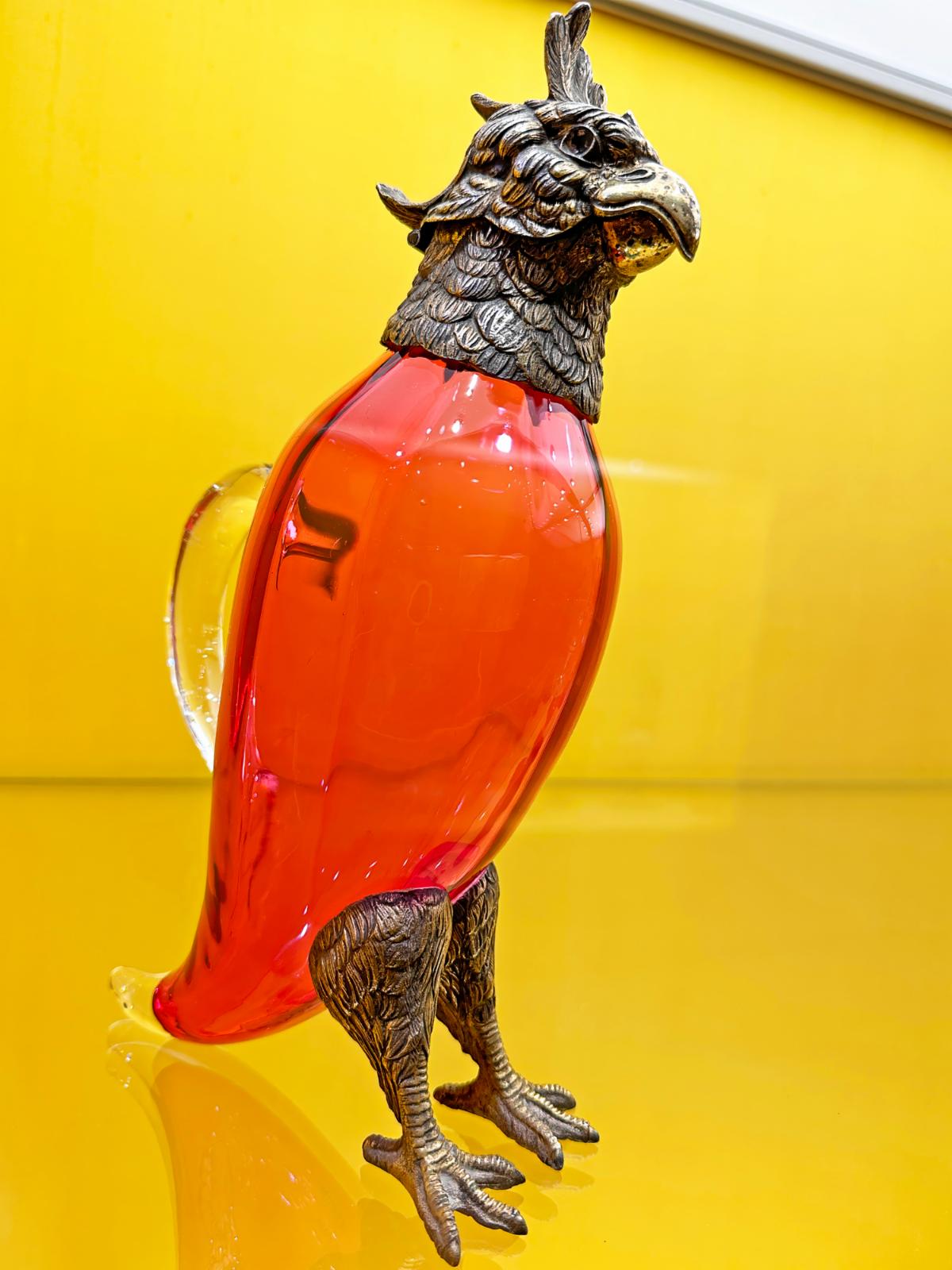
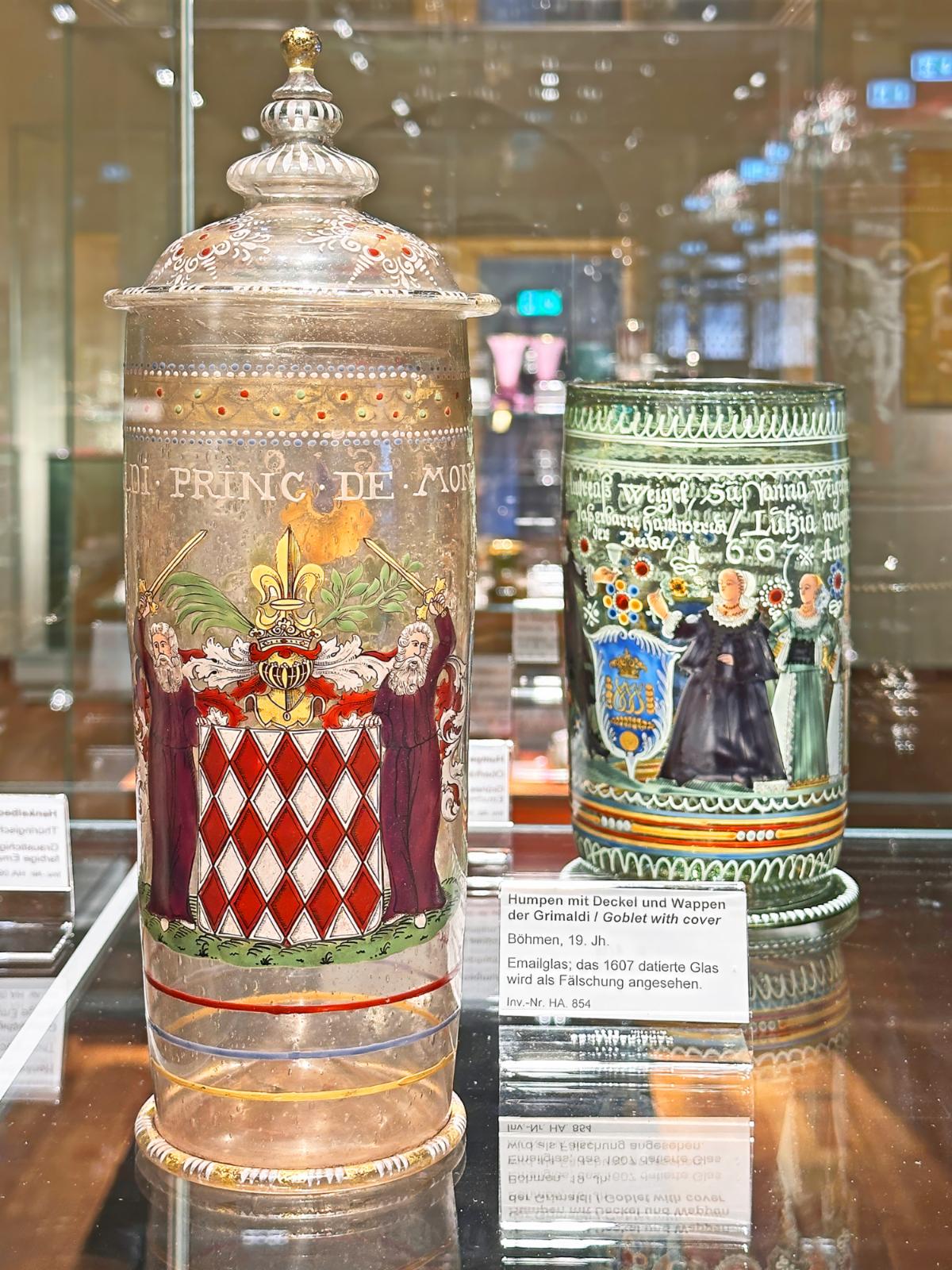
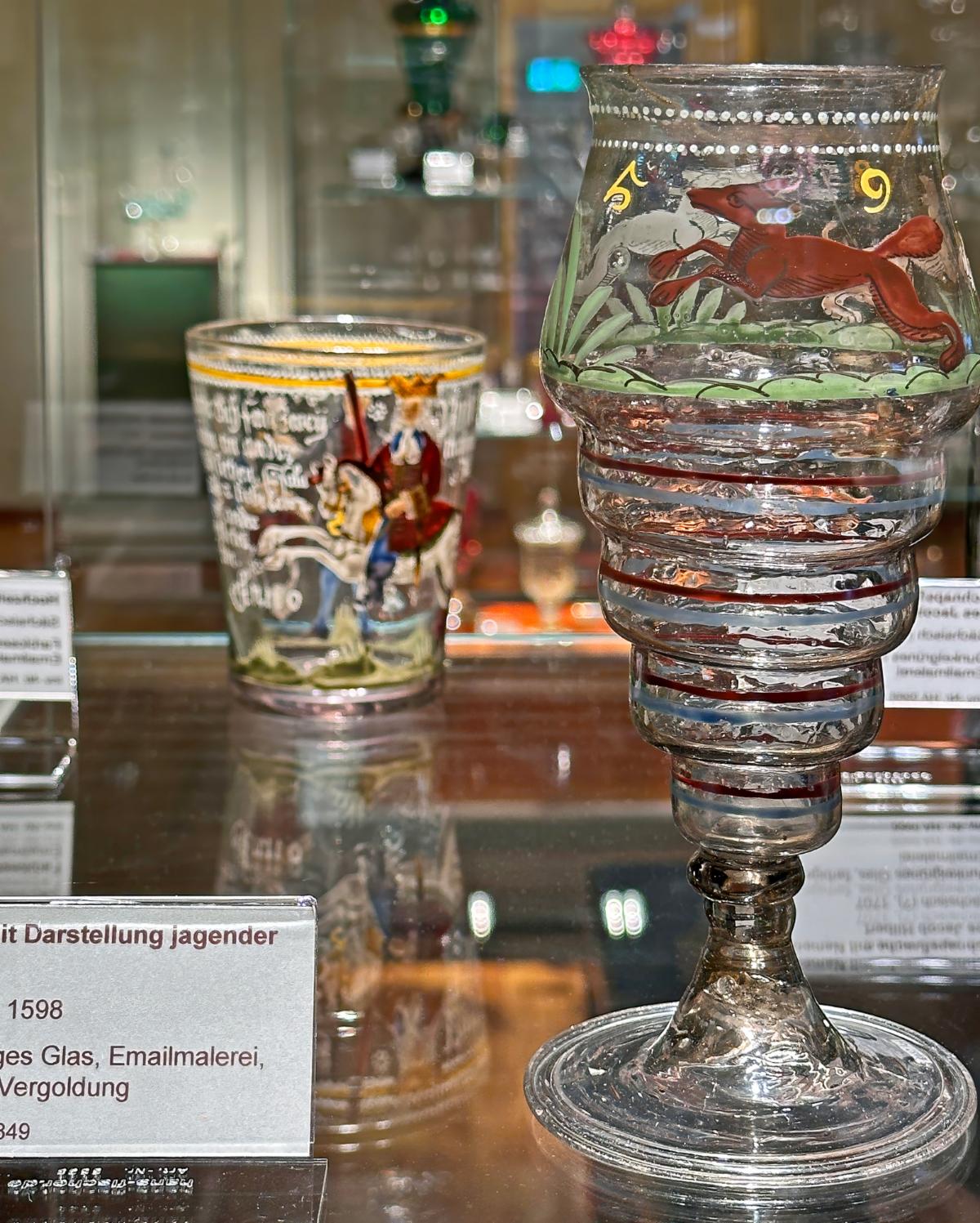
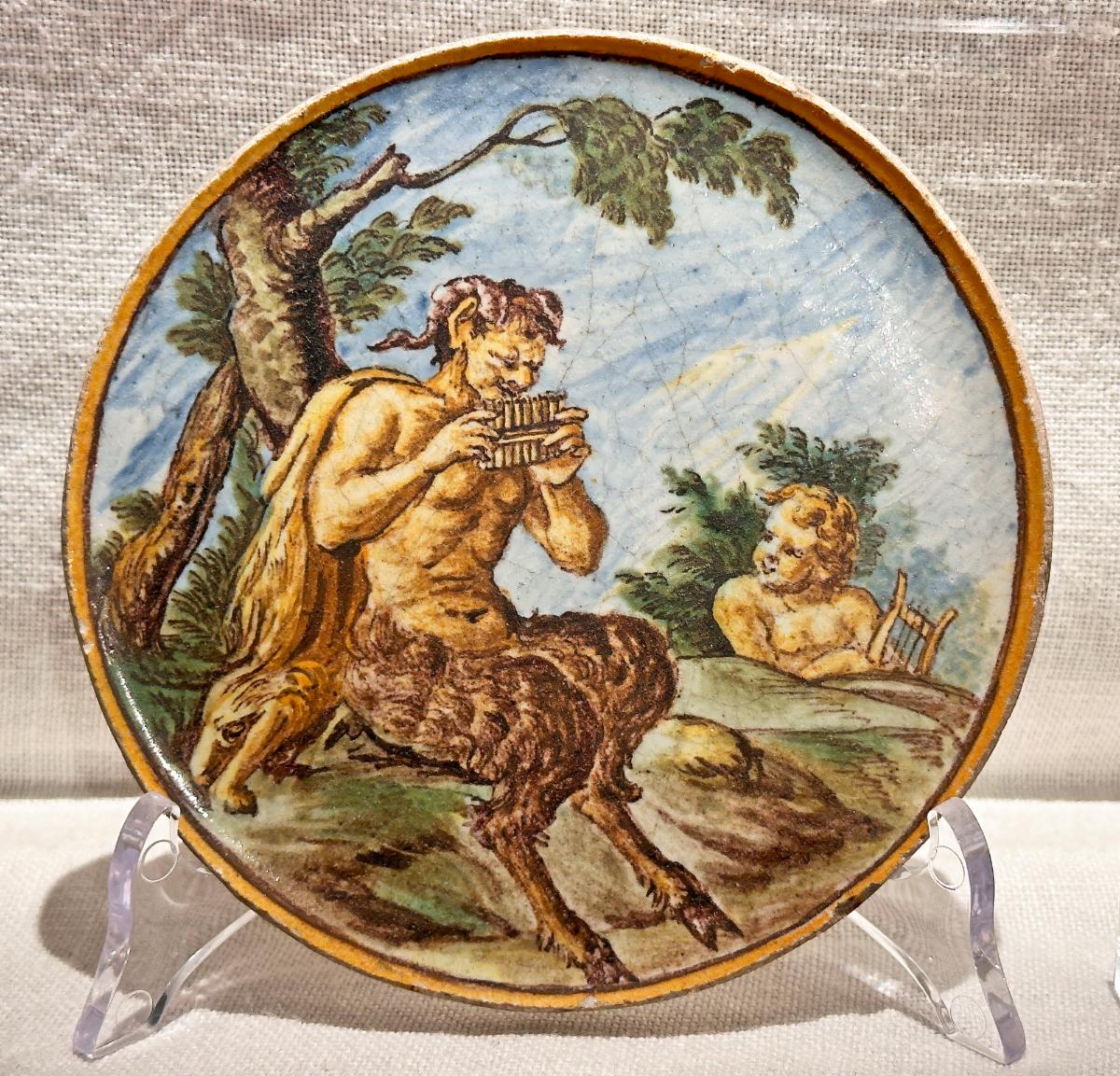
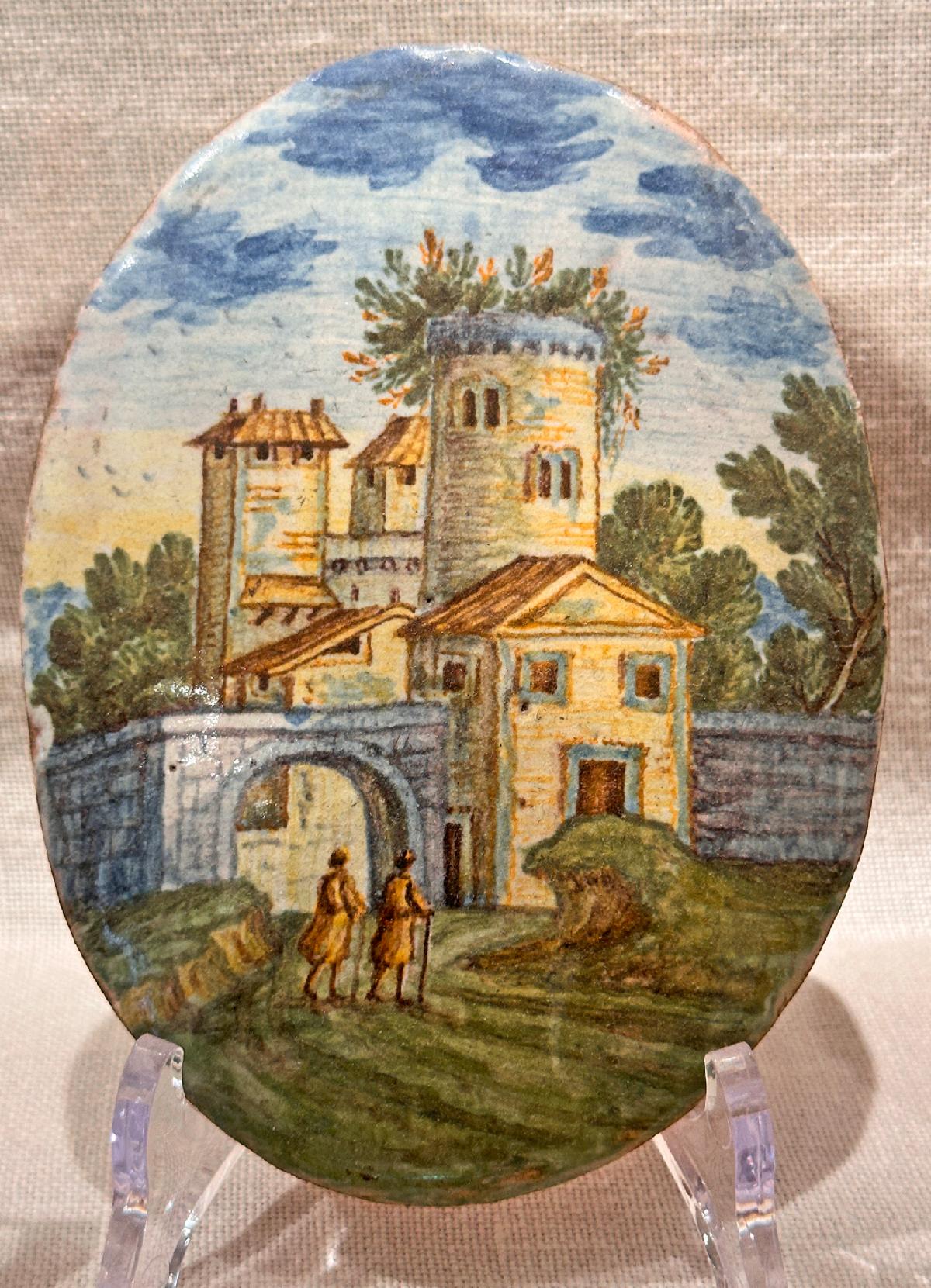
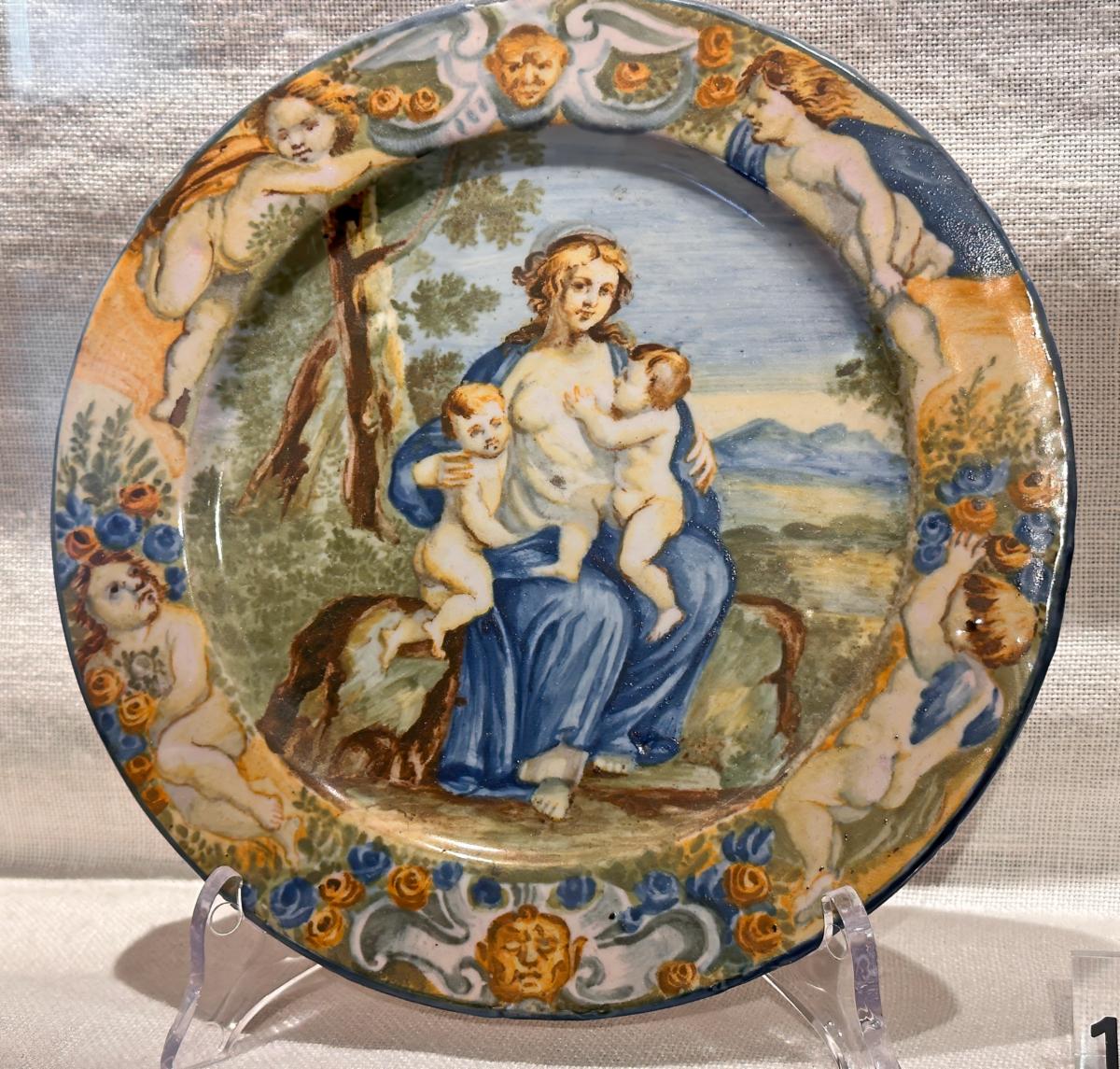
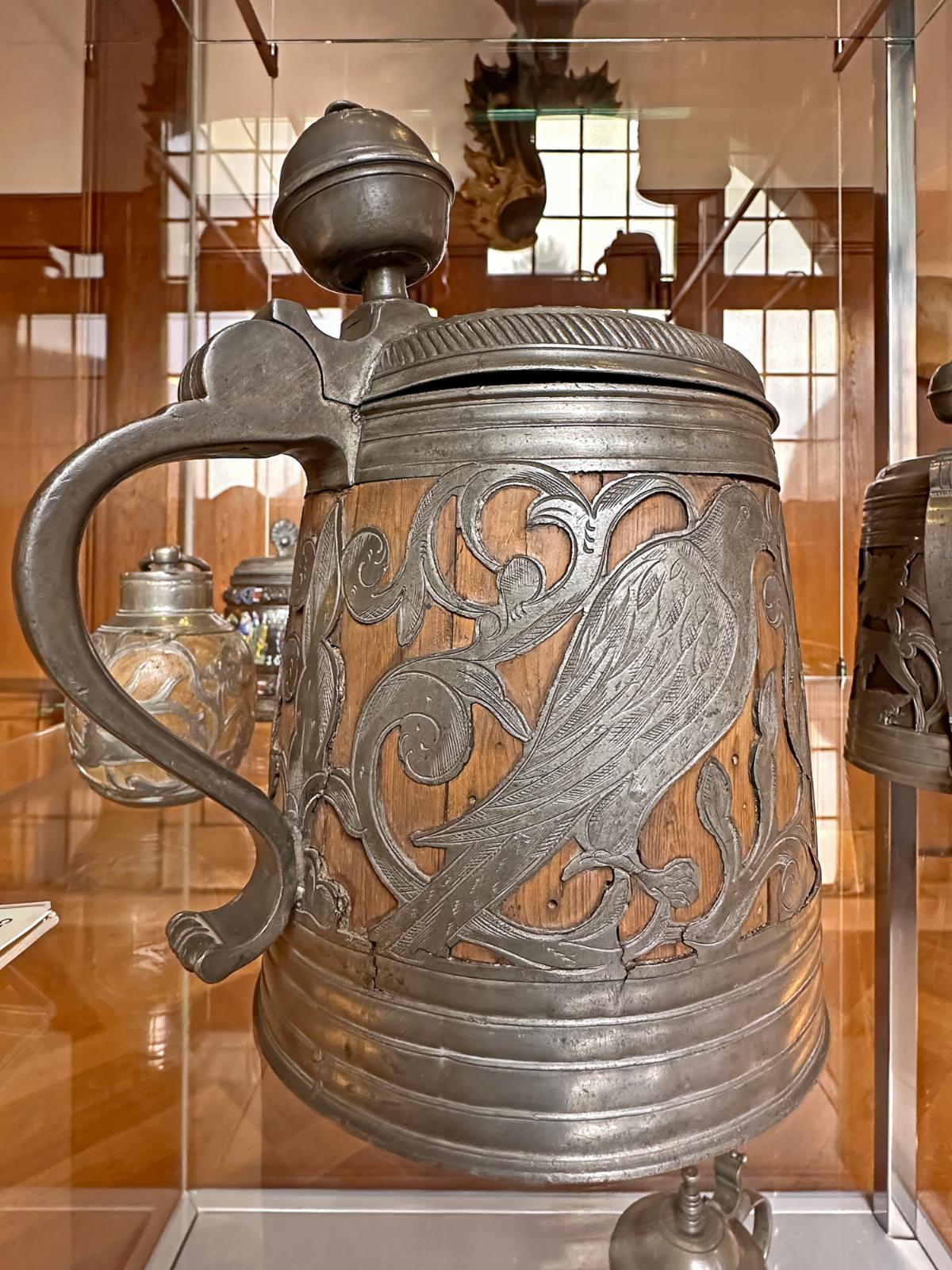
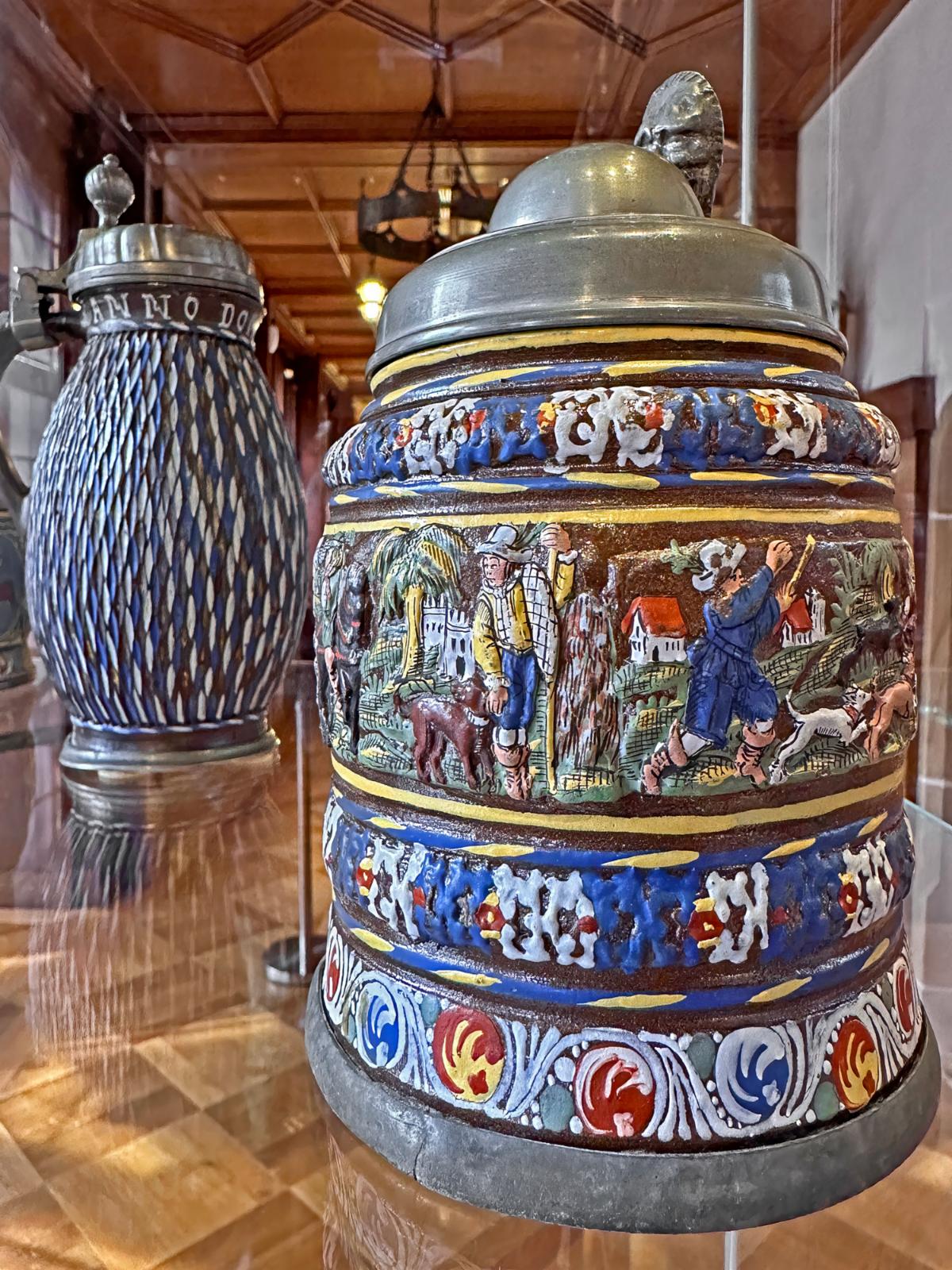
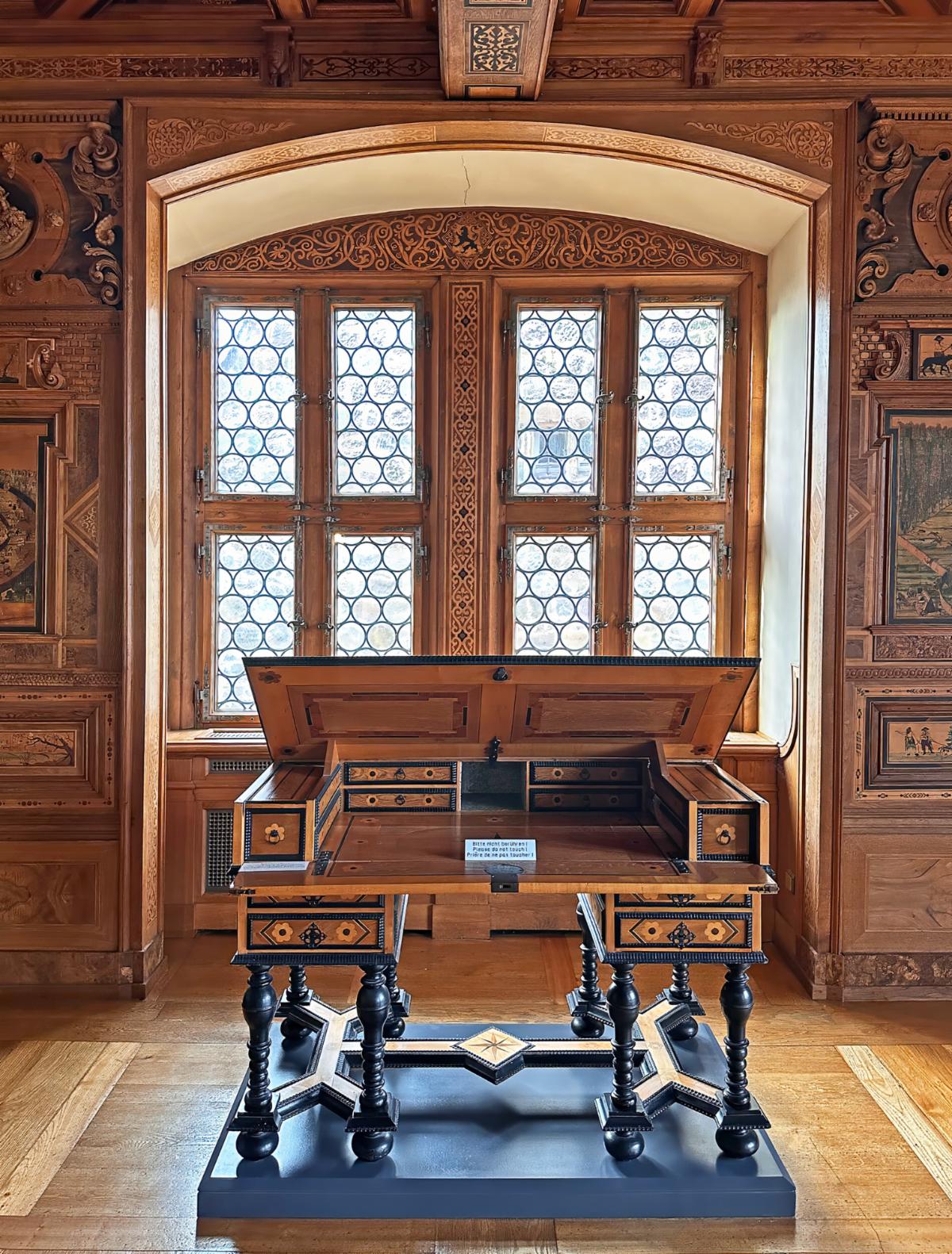
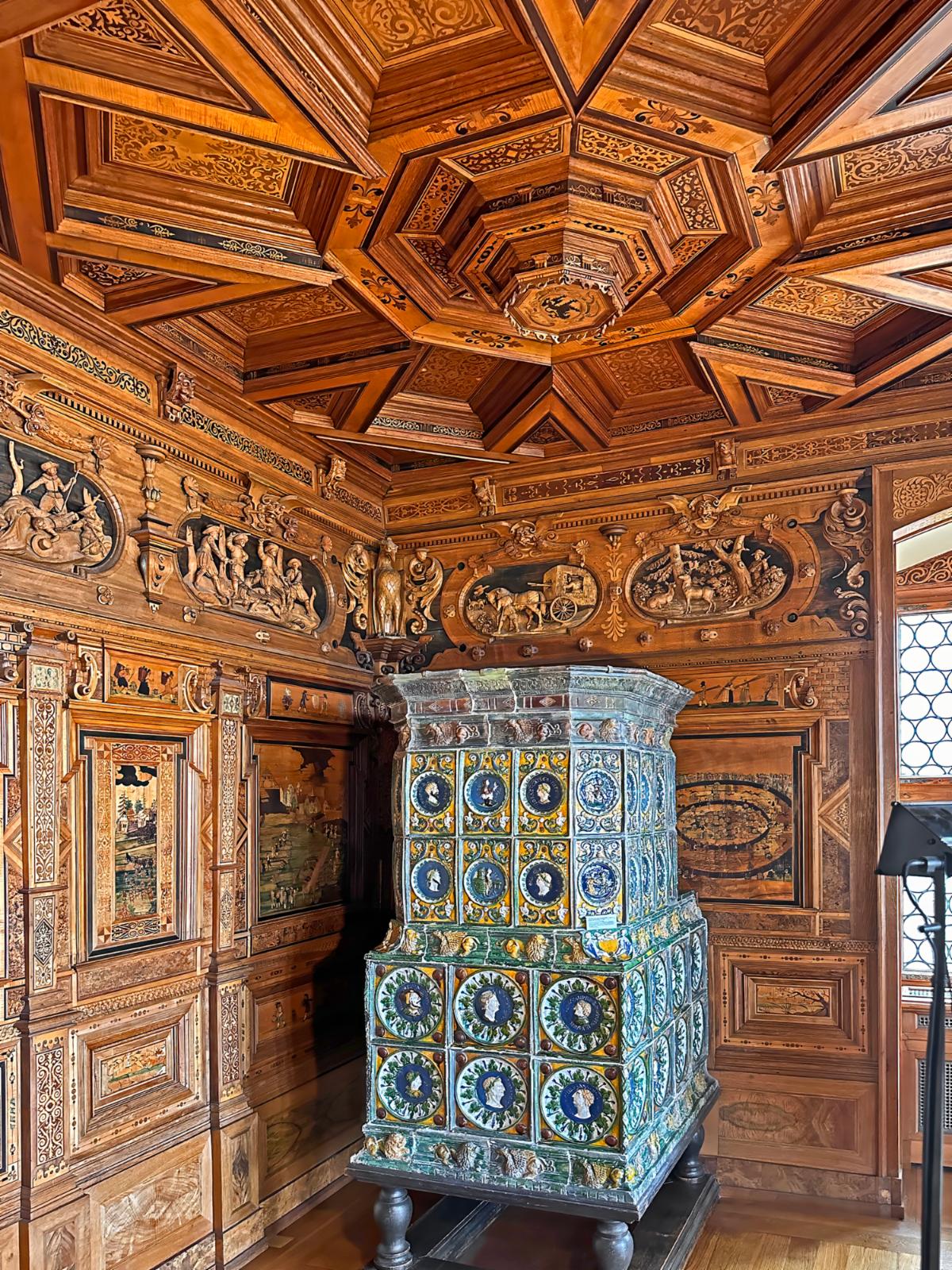
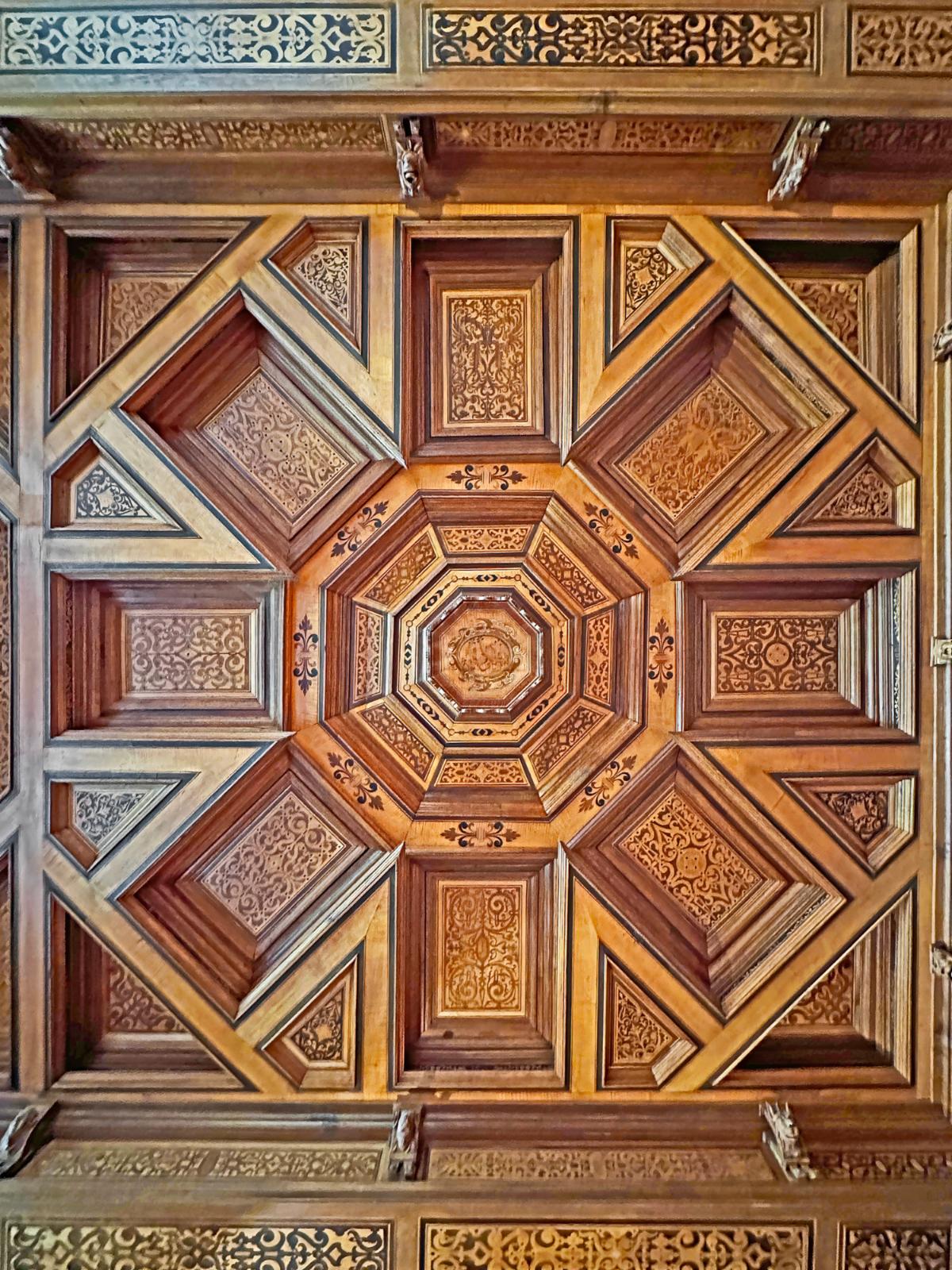
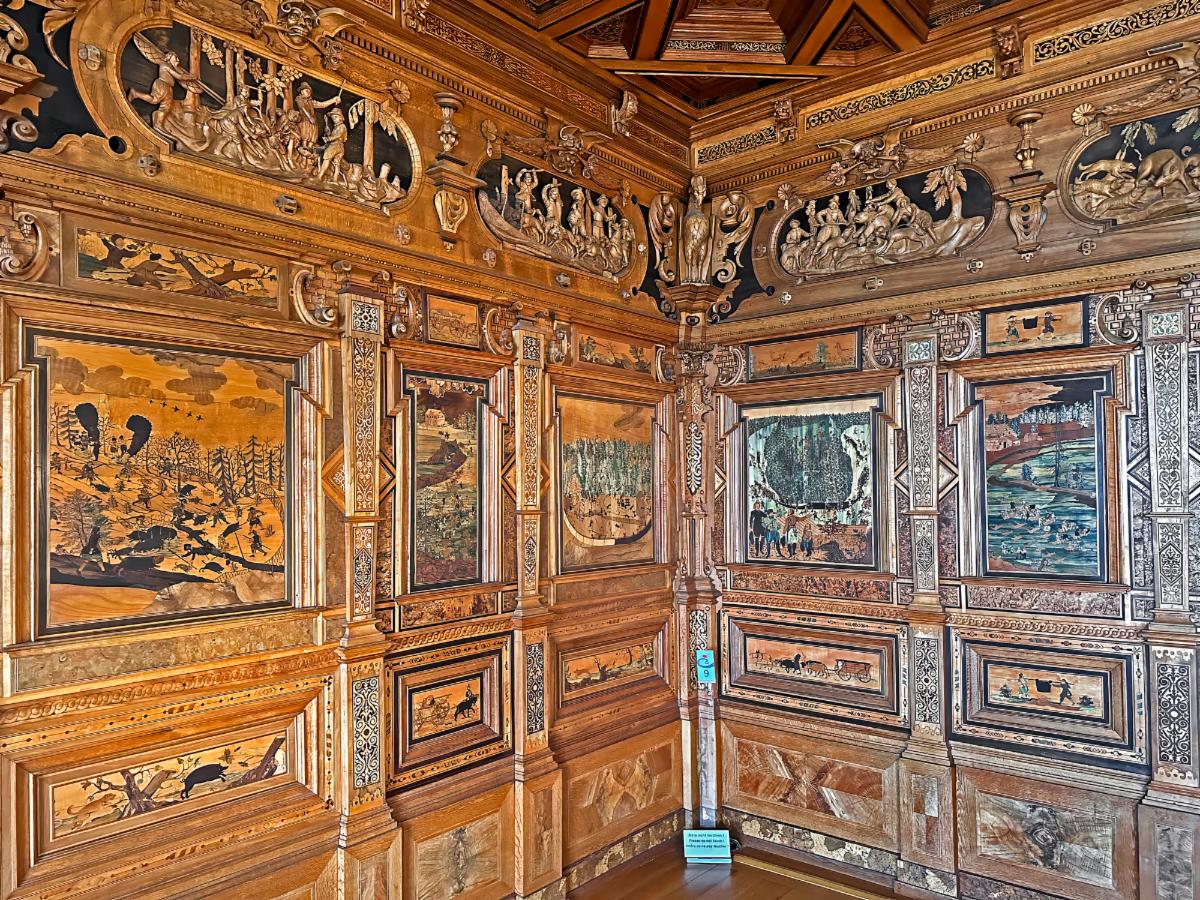
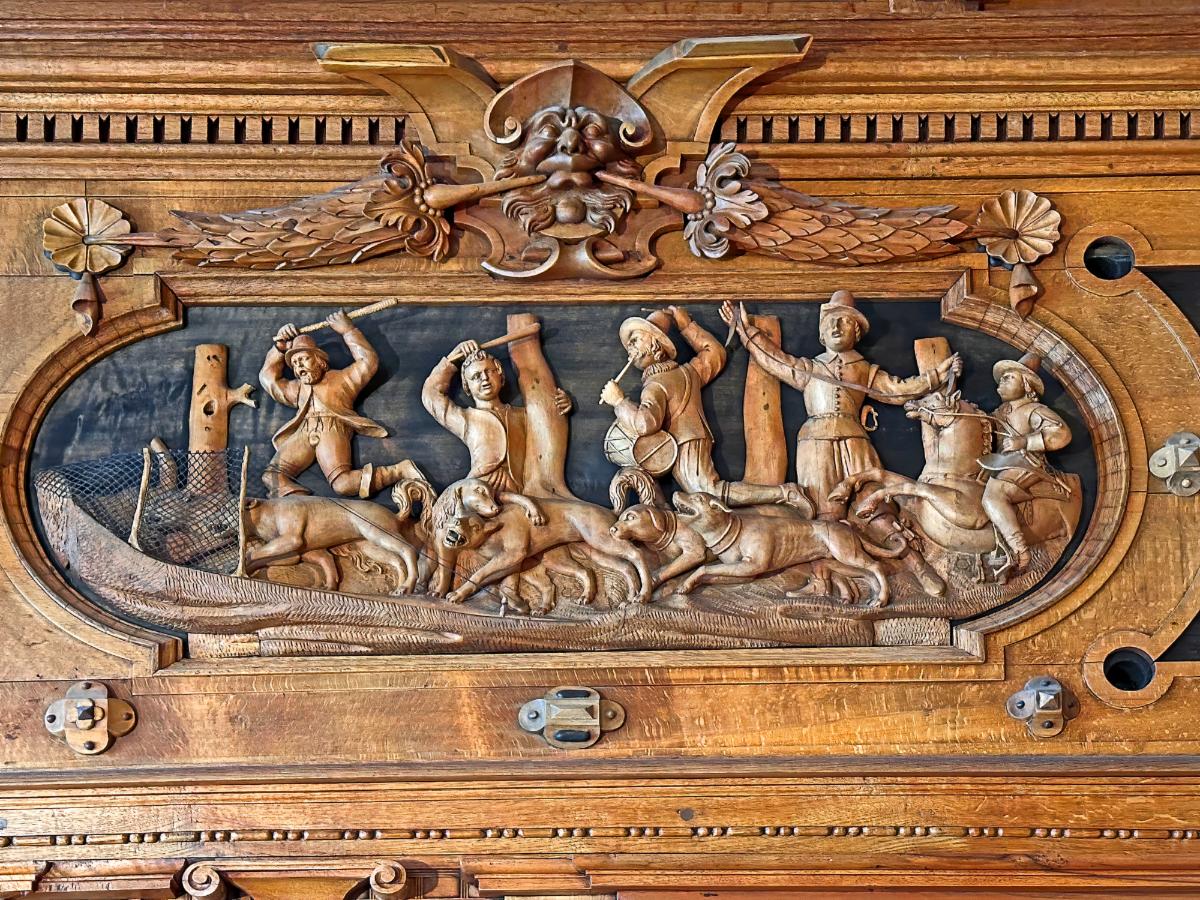
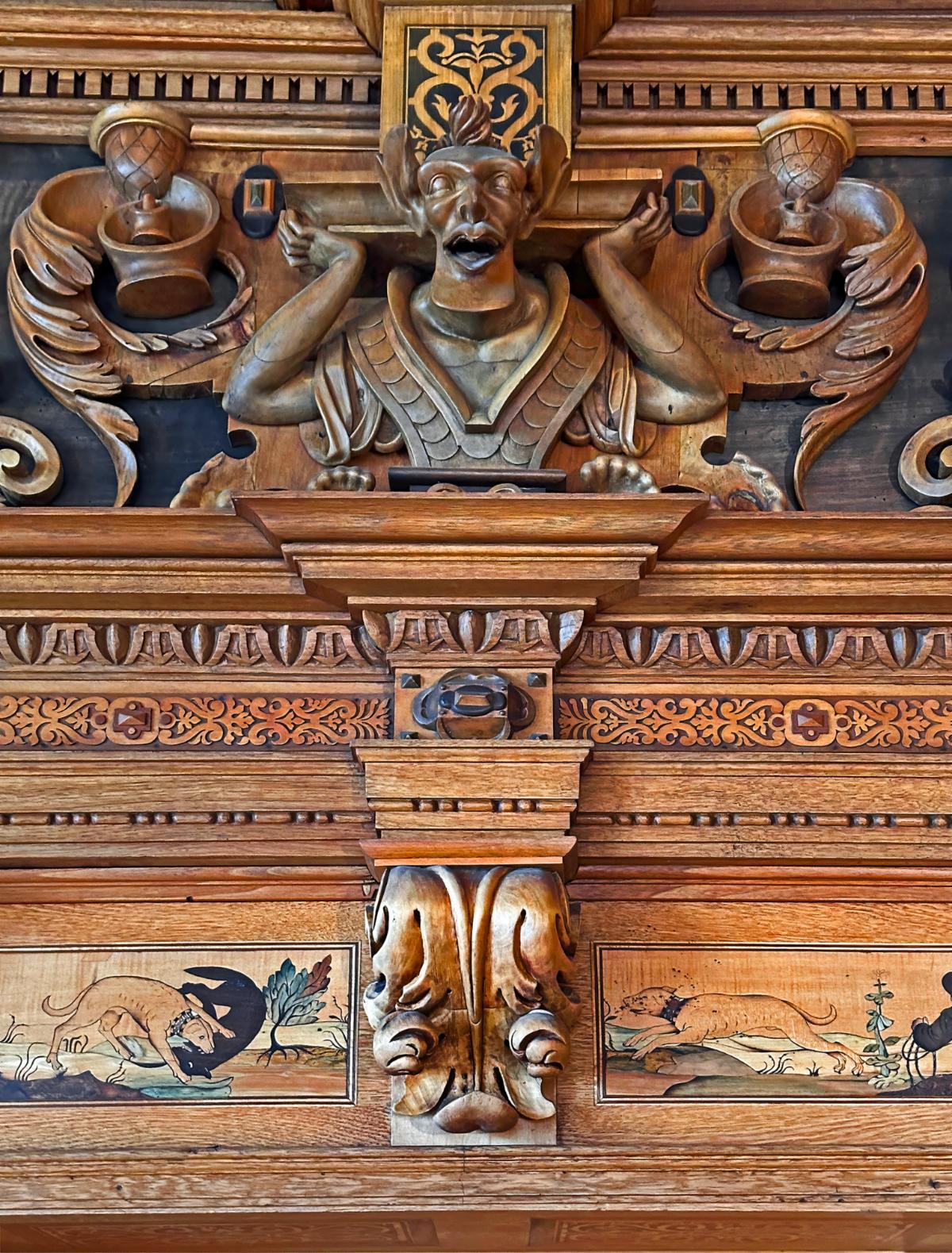
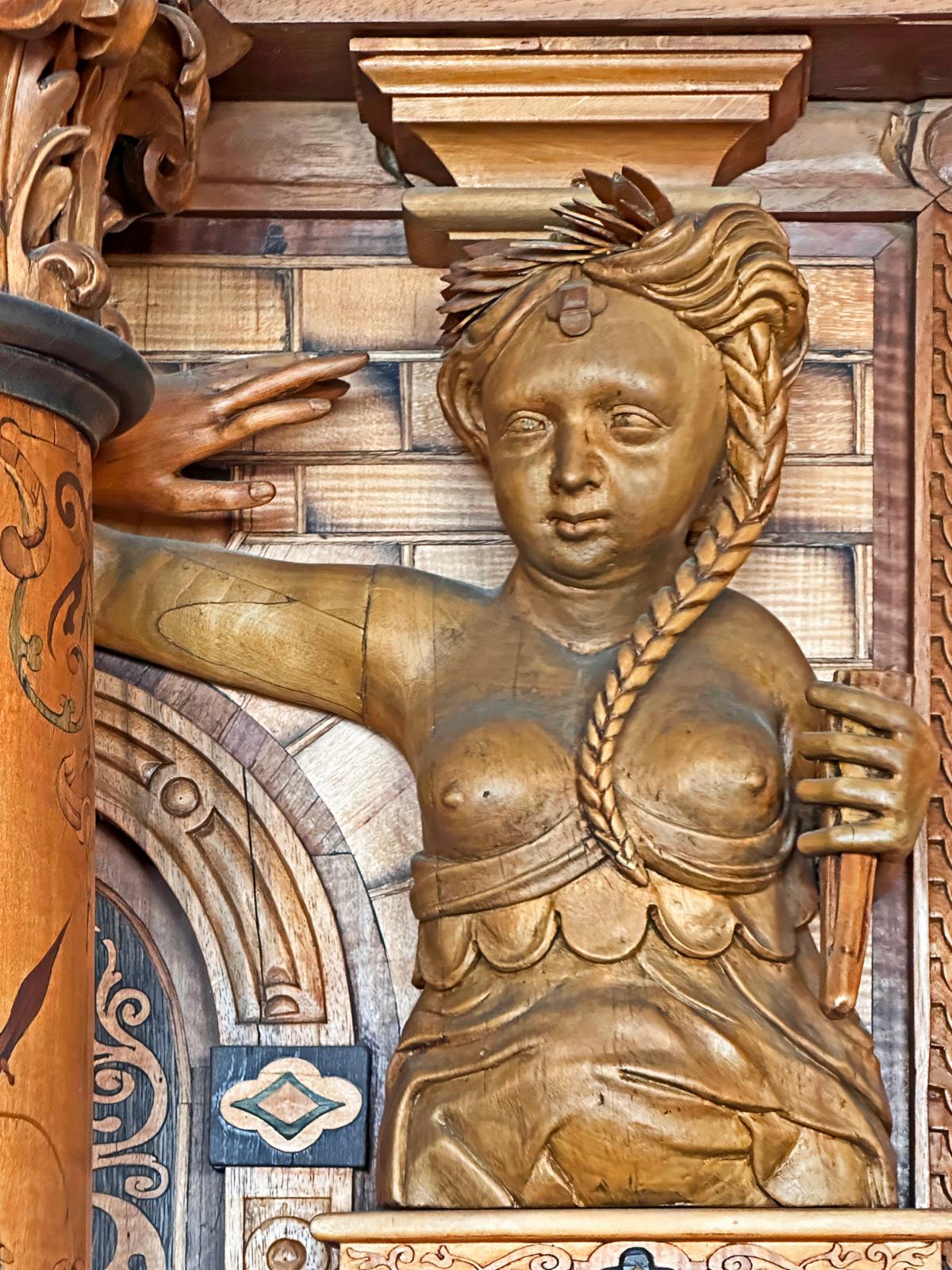
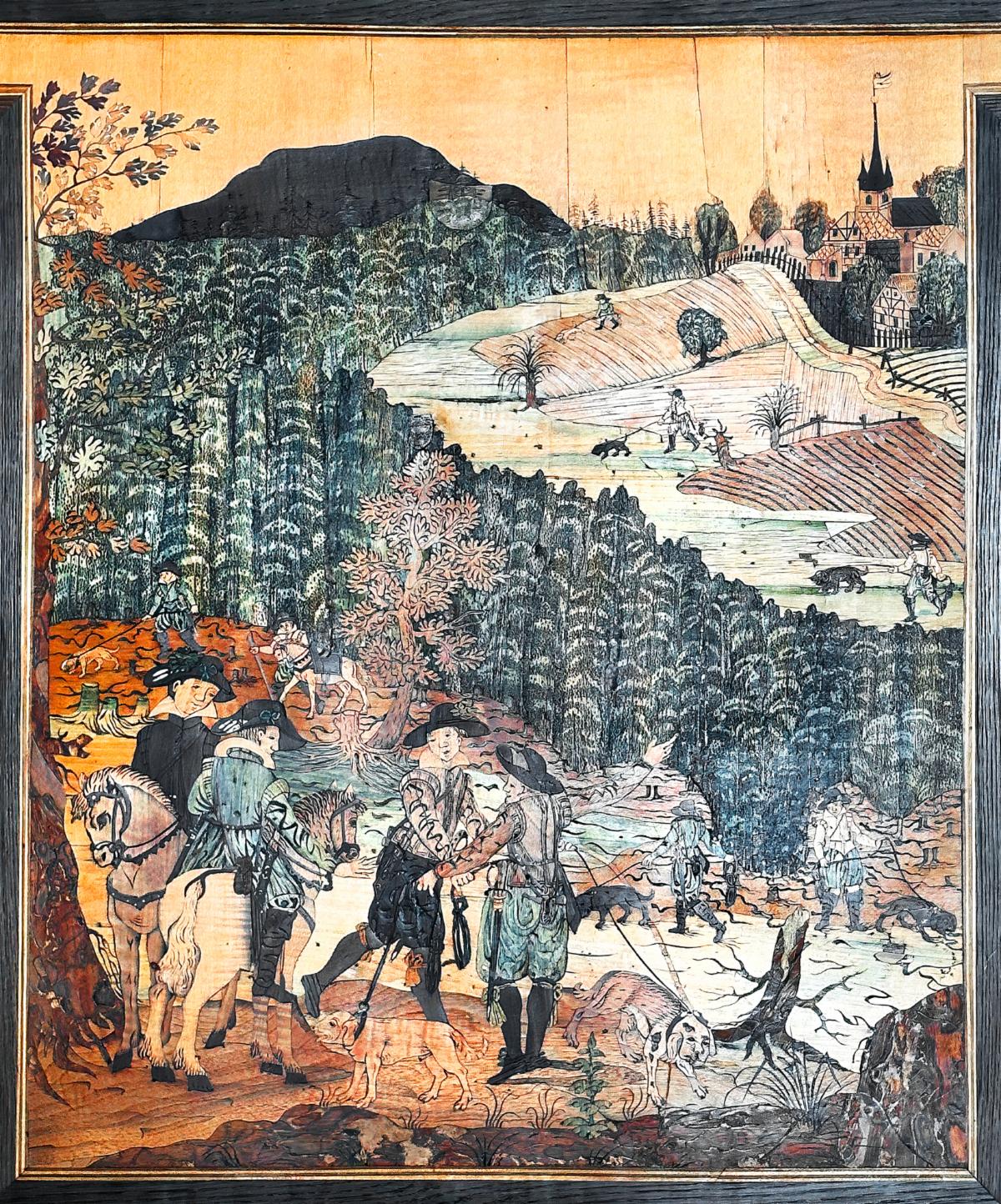
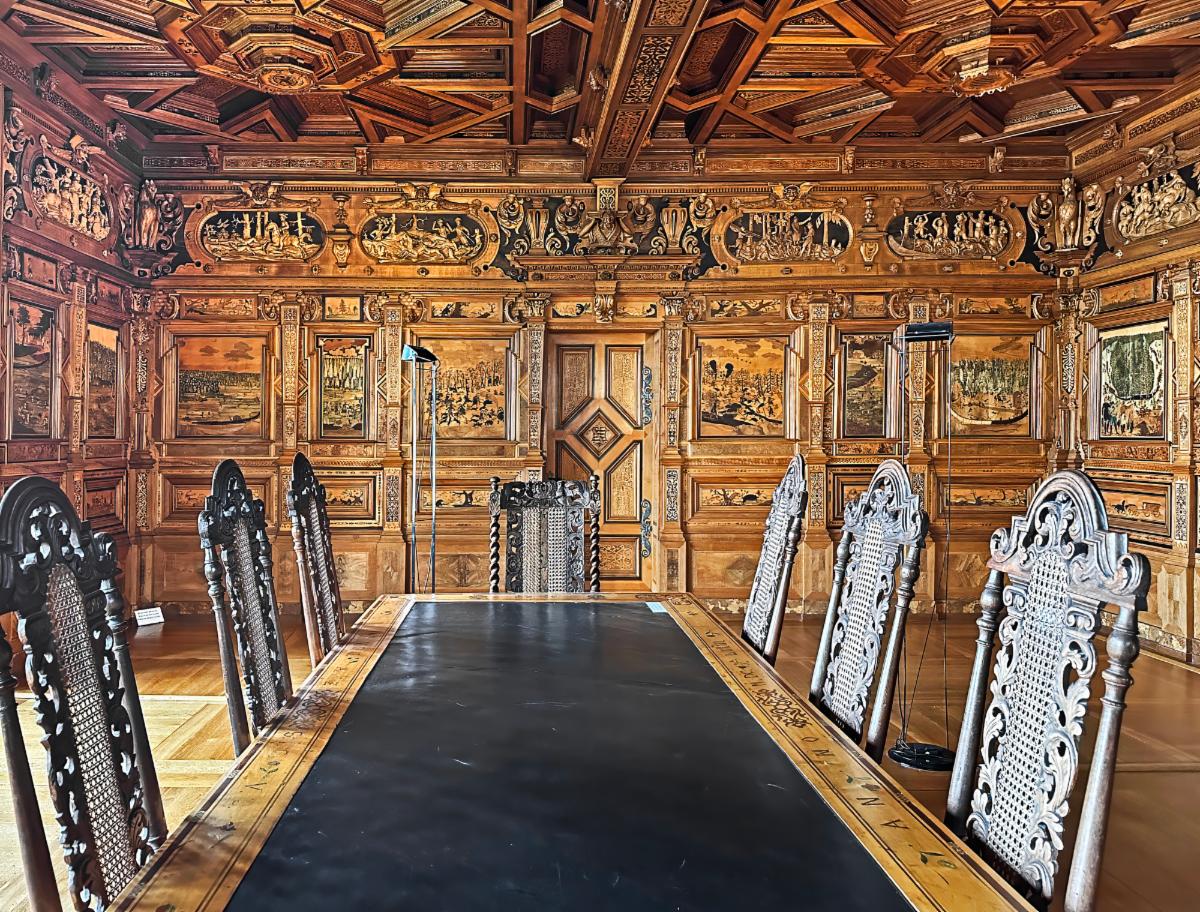
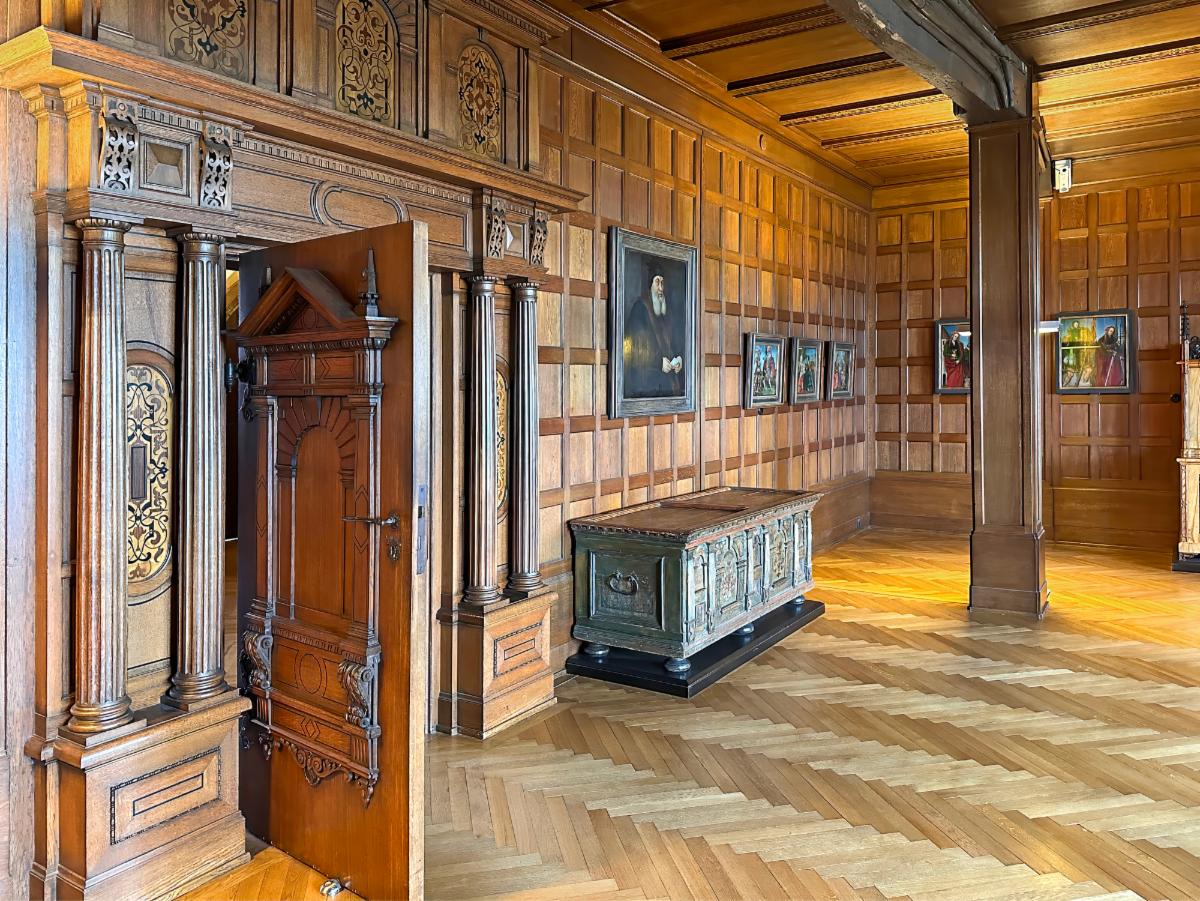
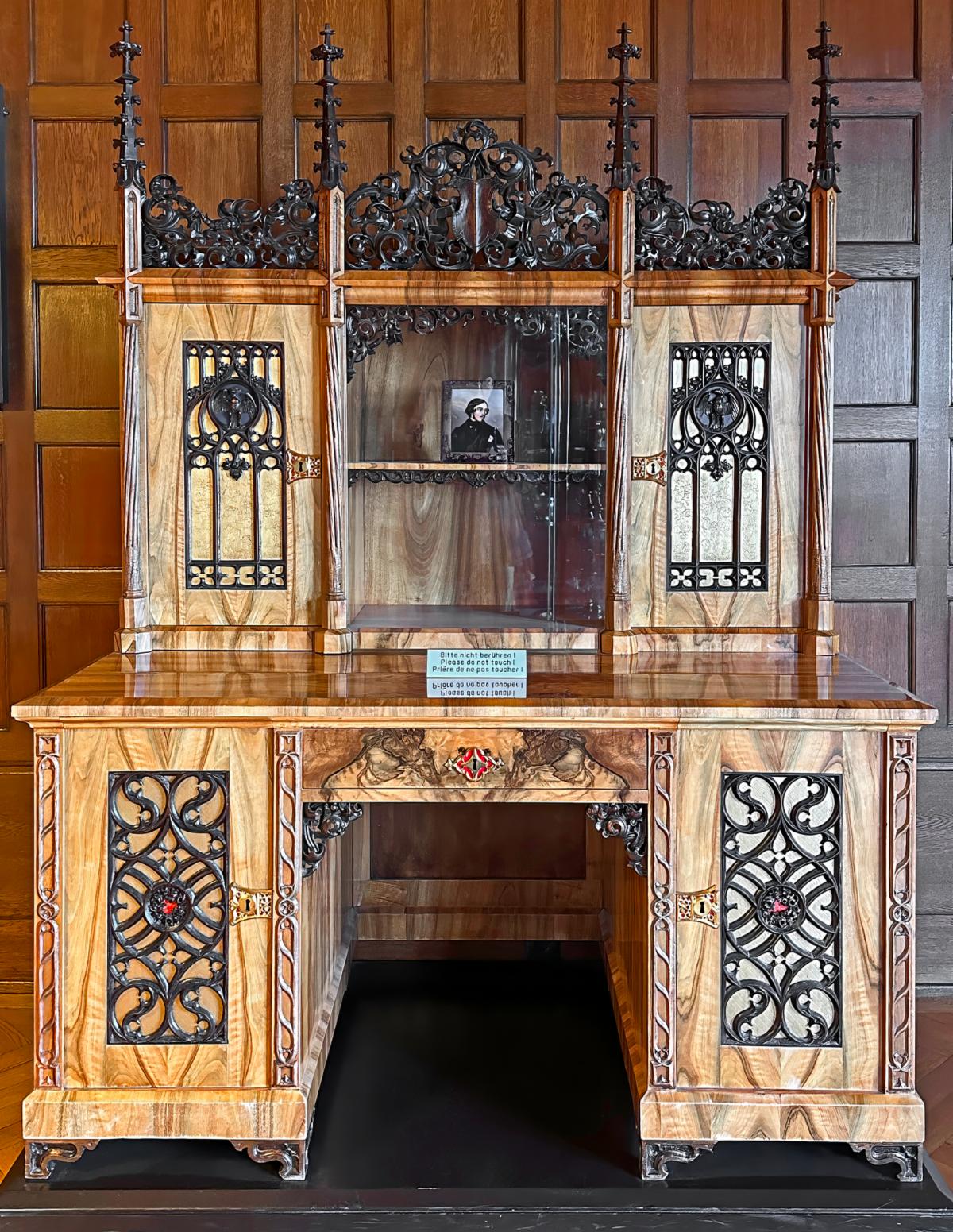
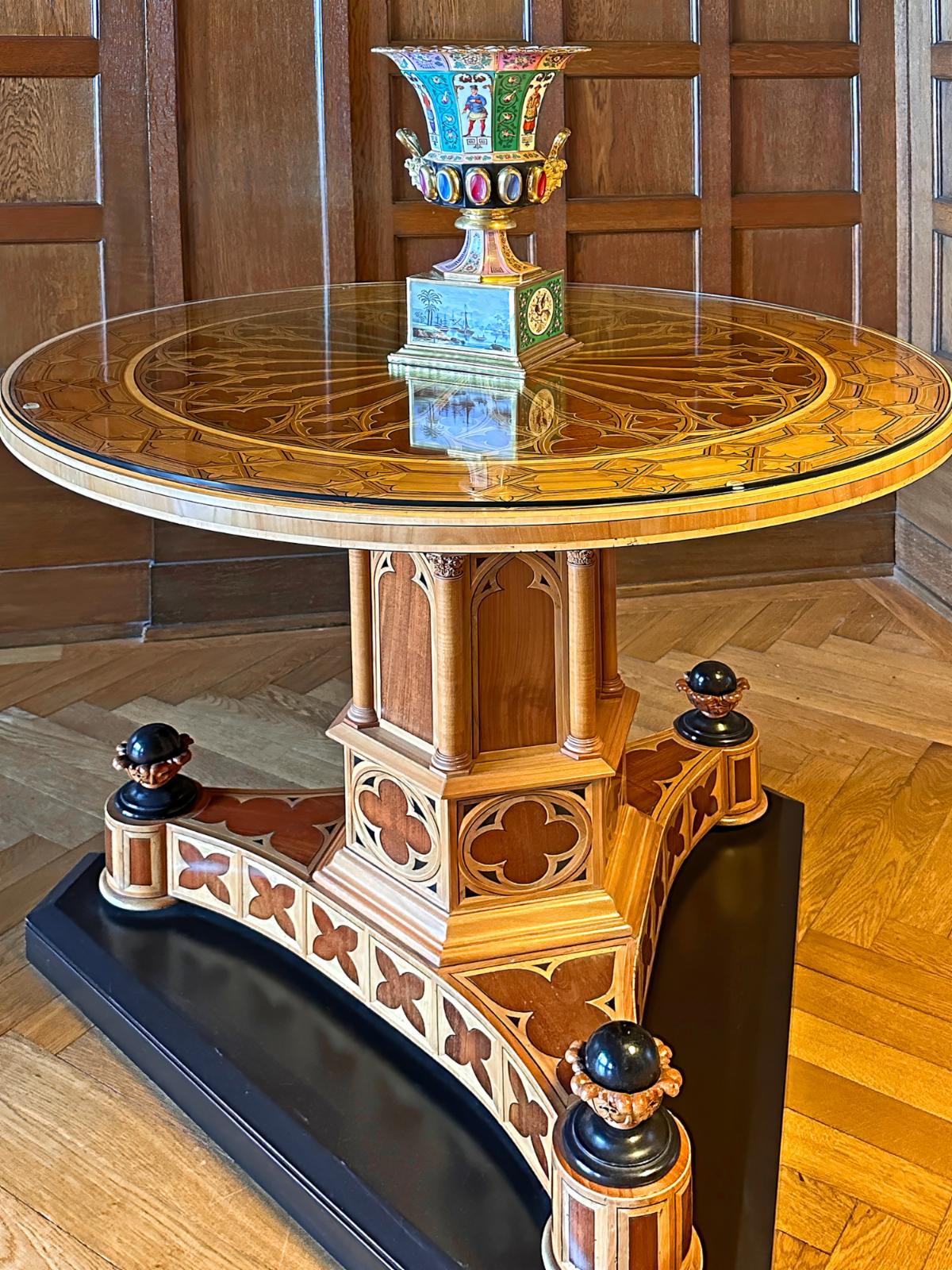
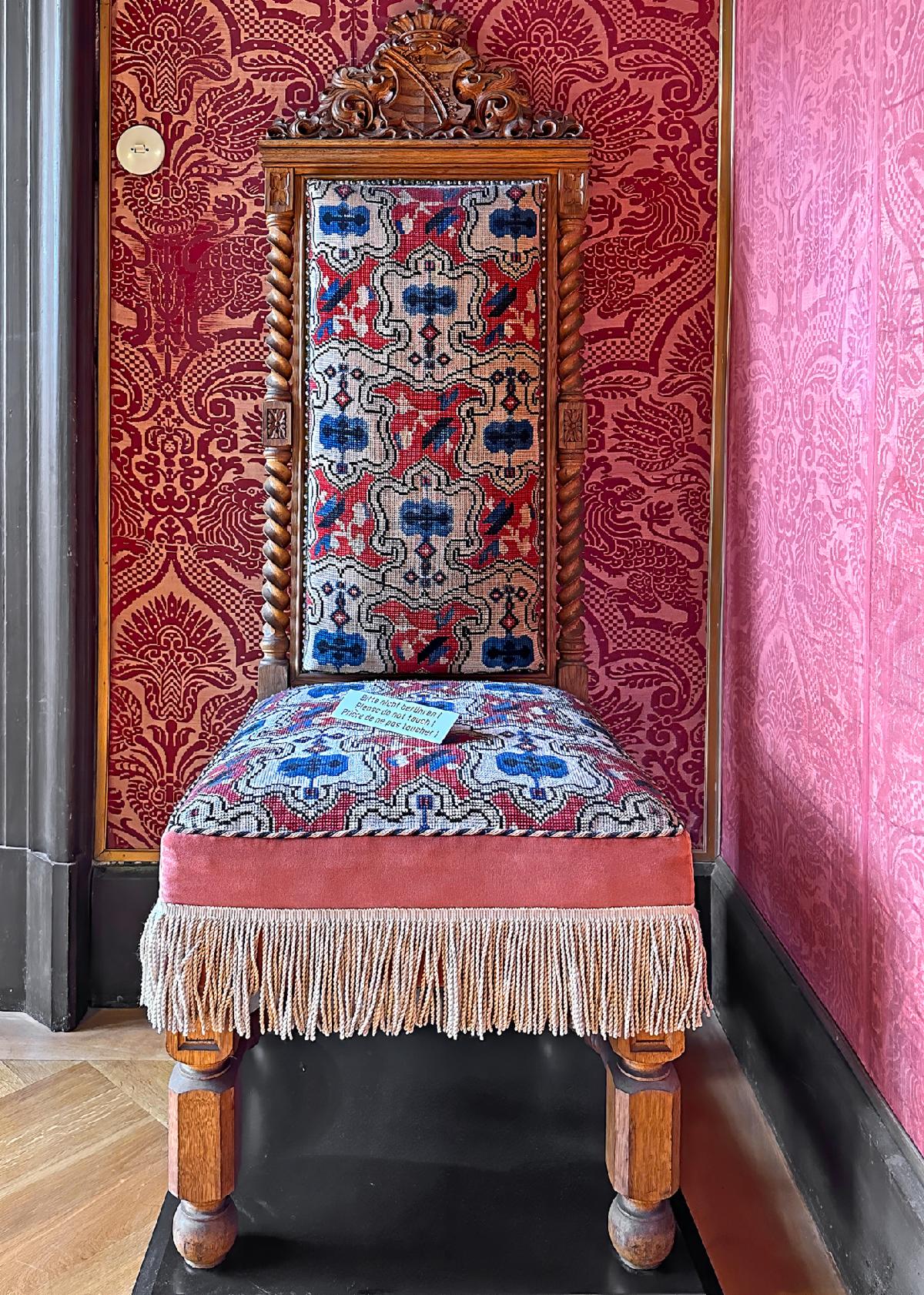
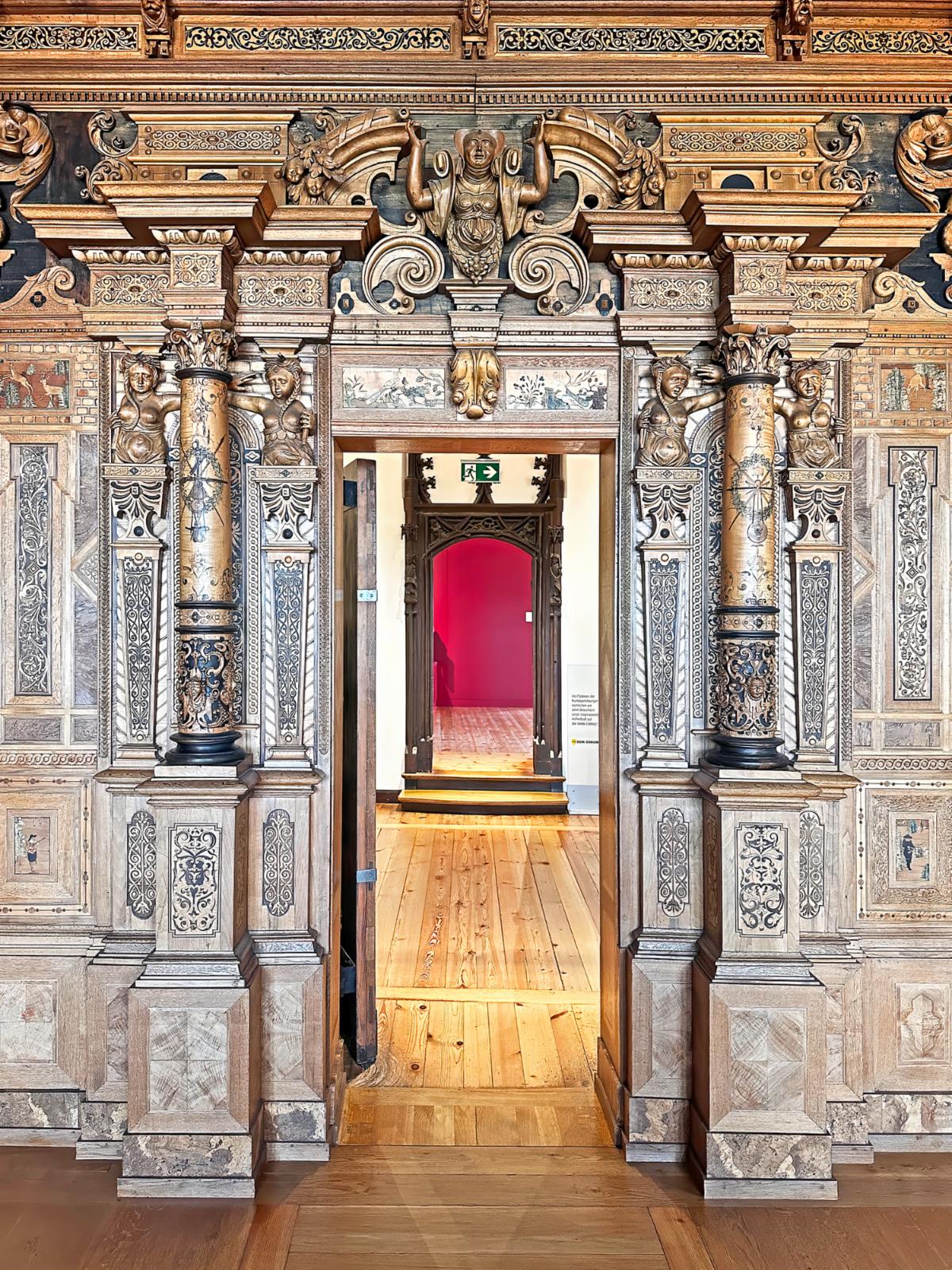
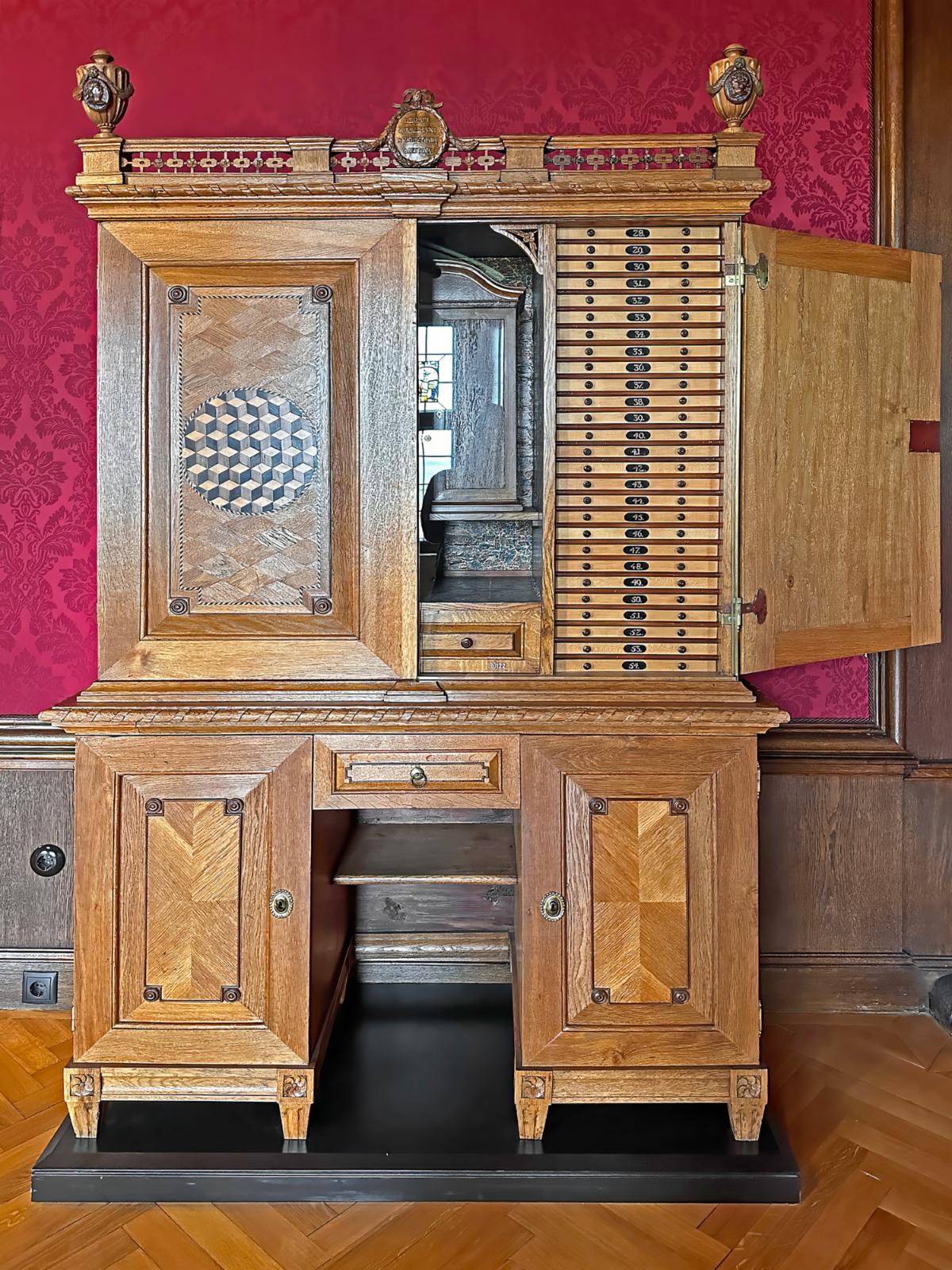
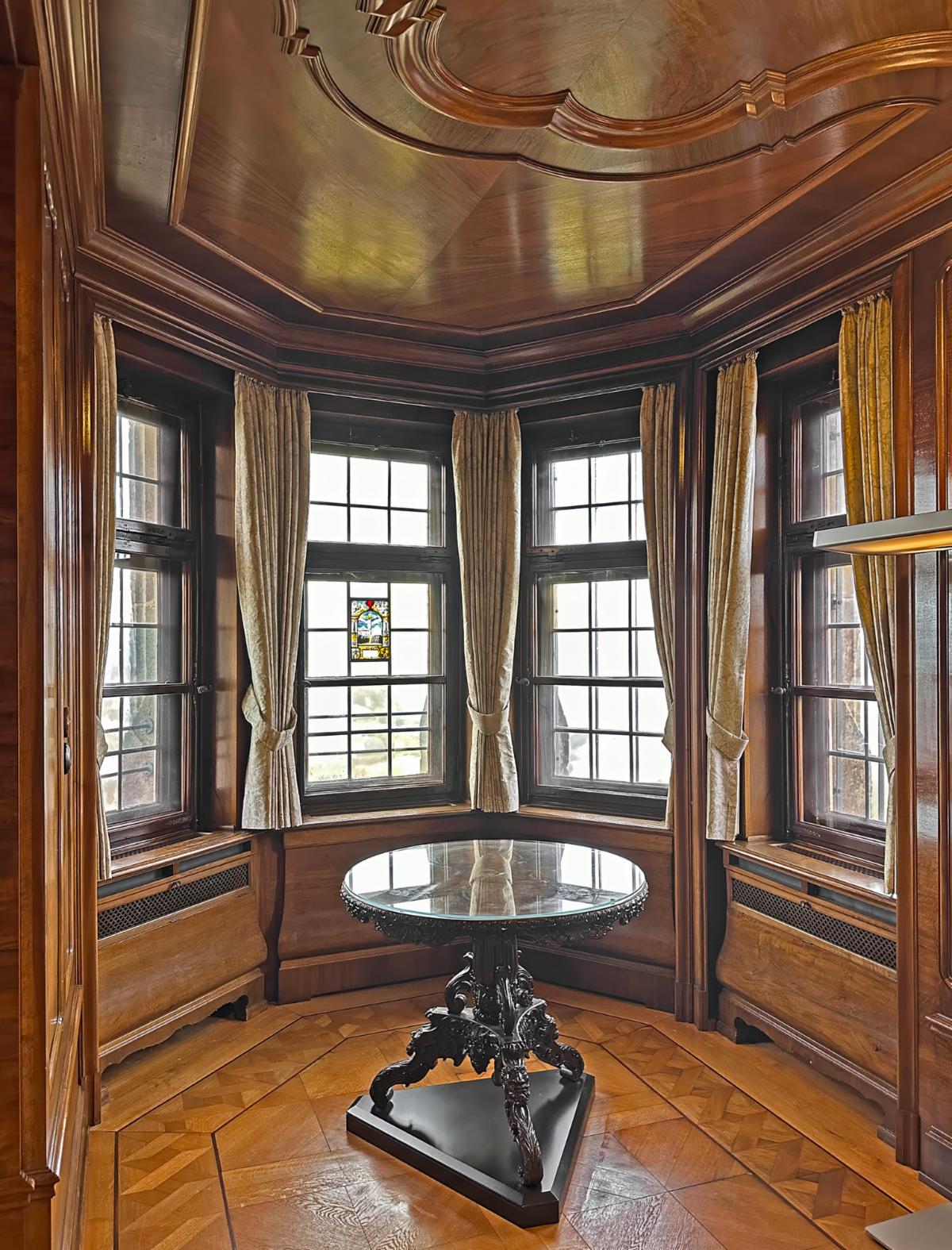
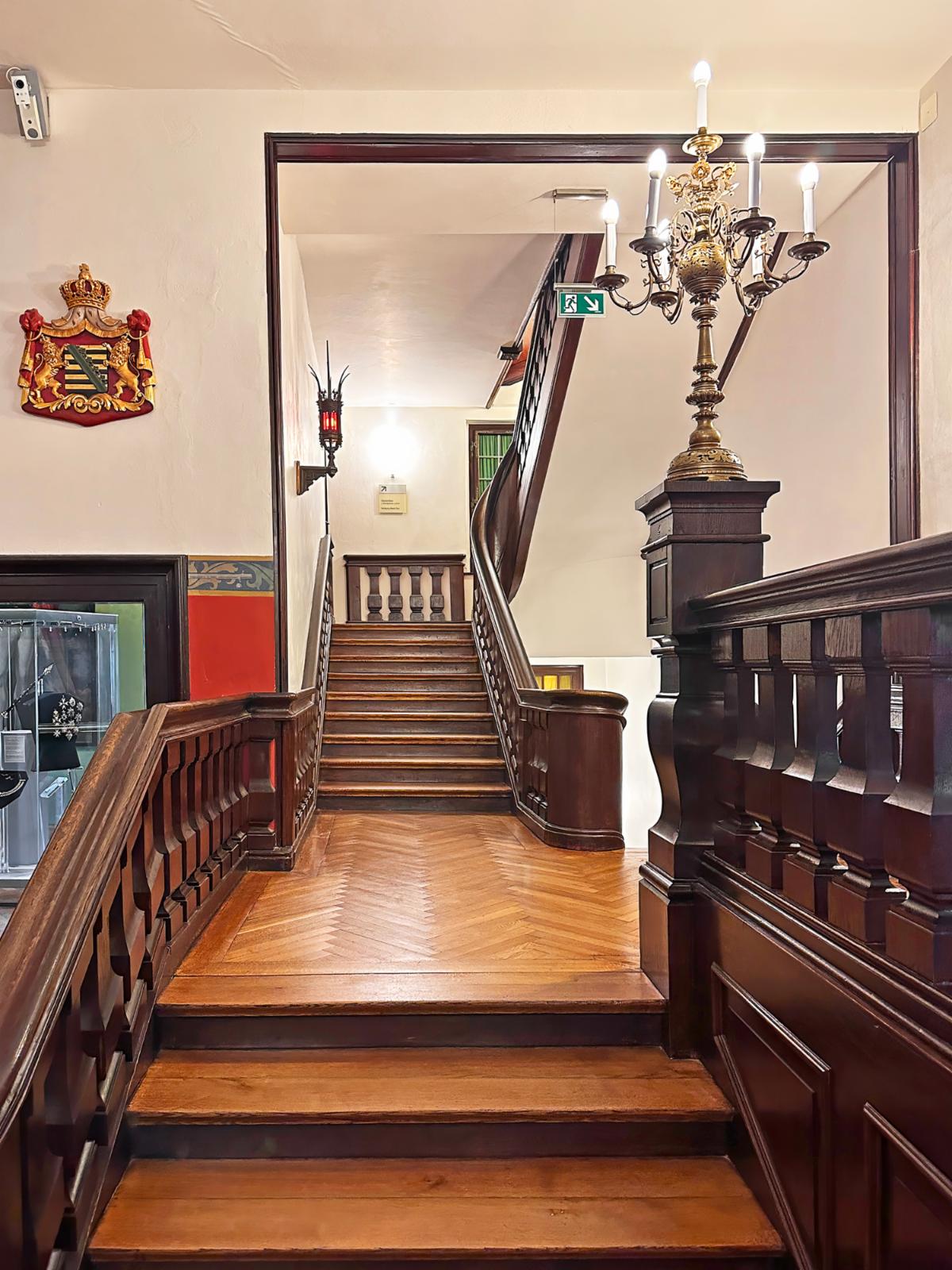
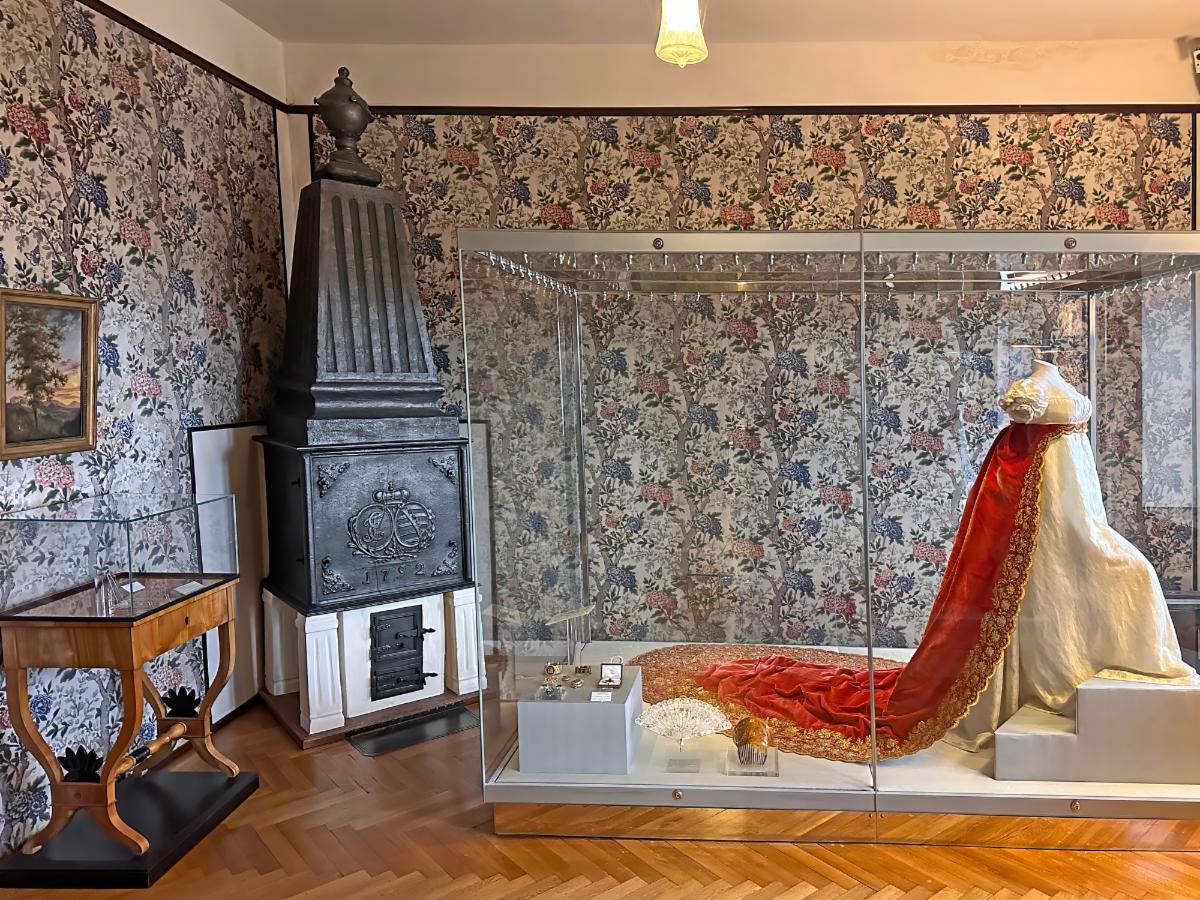
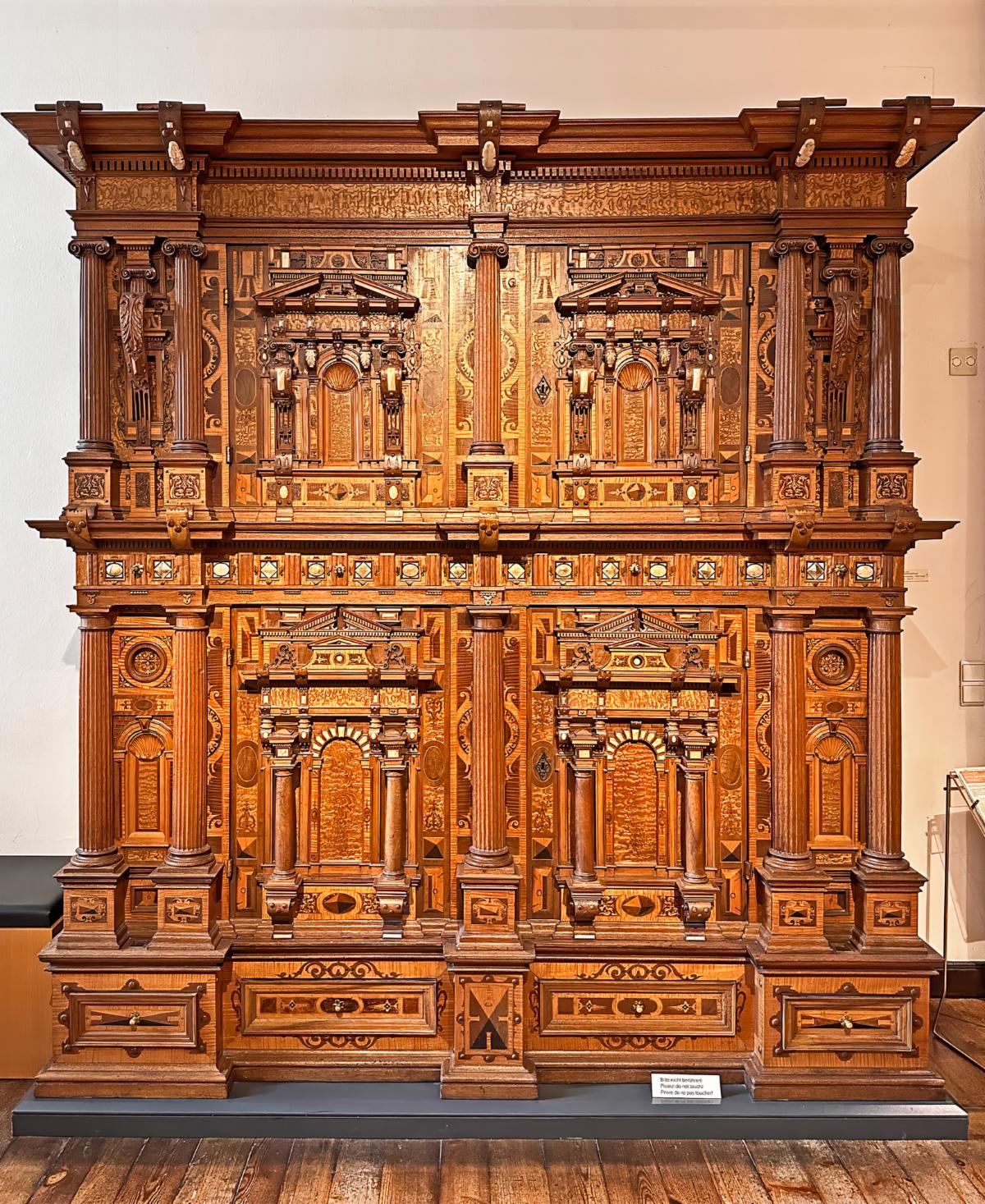
Glassware from the 1600s appeared to have been made yesterday. I didn’t know they could make such intricate glassware back then. Finely crafted wood cabinets with the most detailed inlaid designs in mint shape took my breath away. Intricately carved wooden ceilings and walls present a 3D fantasy world.

Above and below: No German museum could be without beer steins.

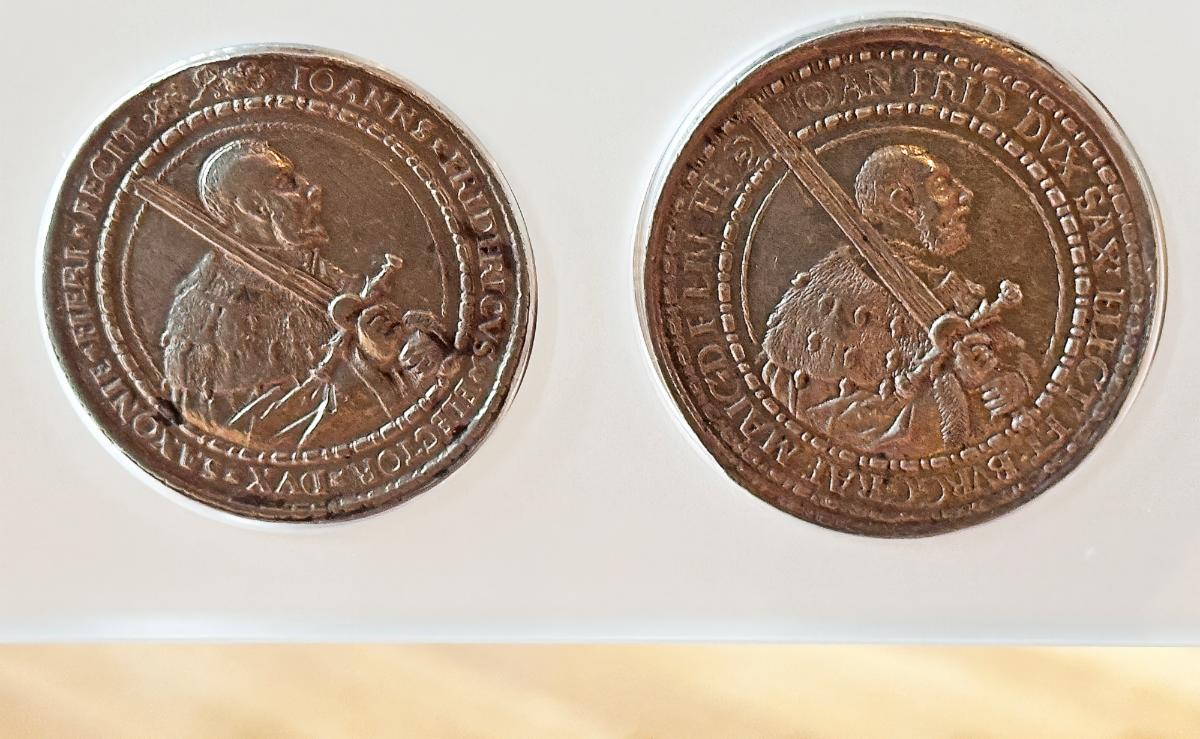
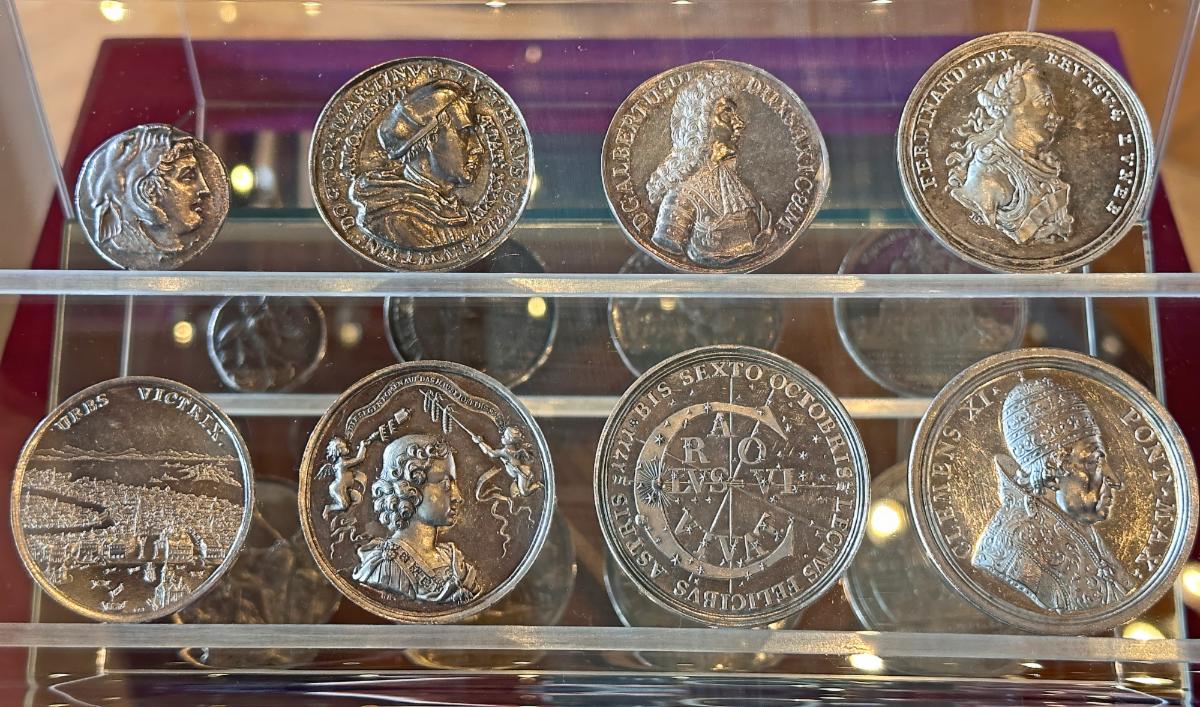
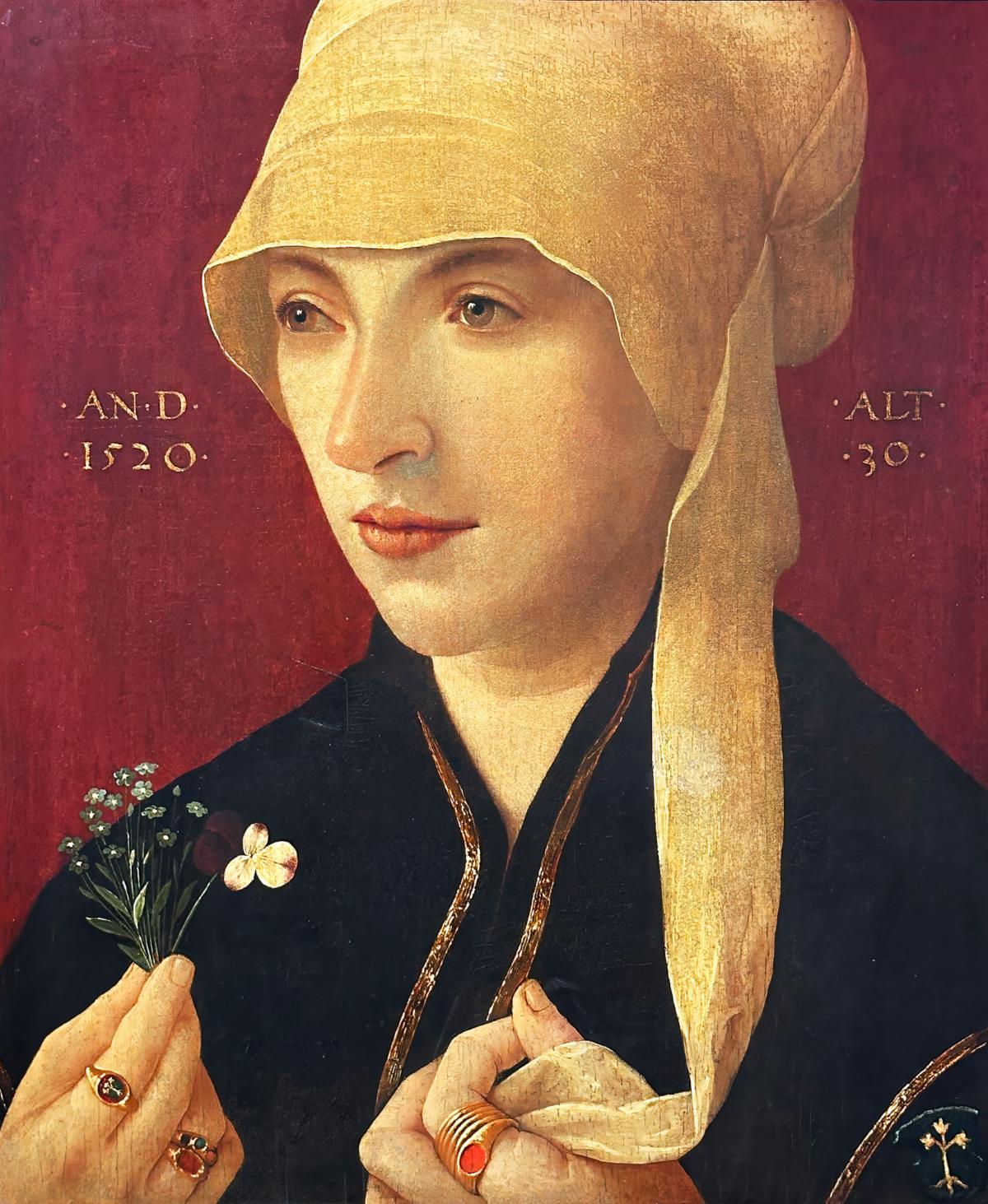
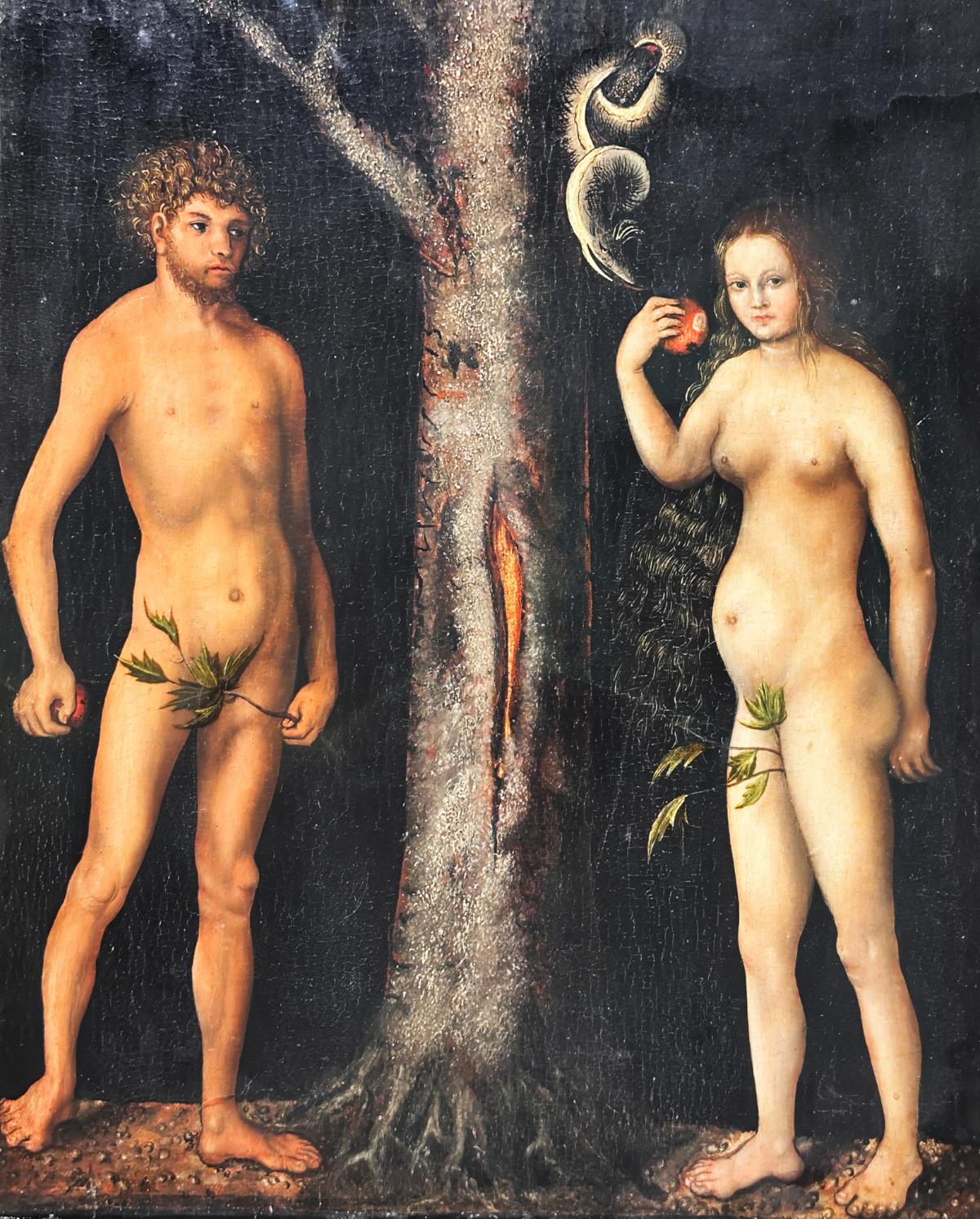
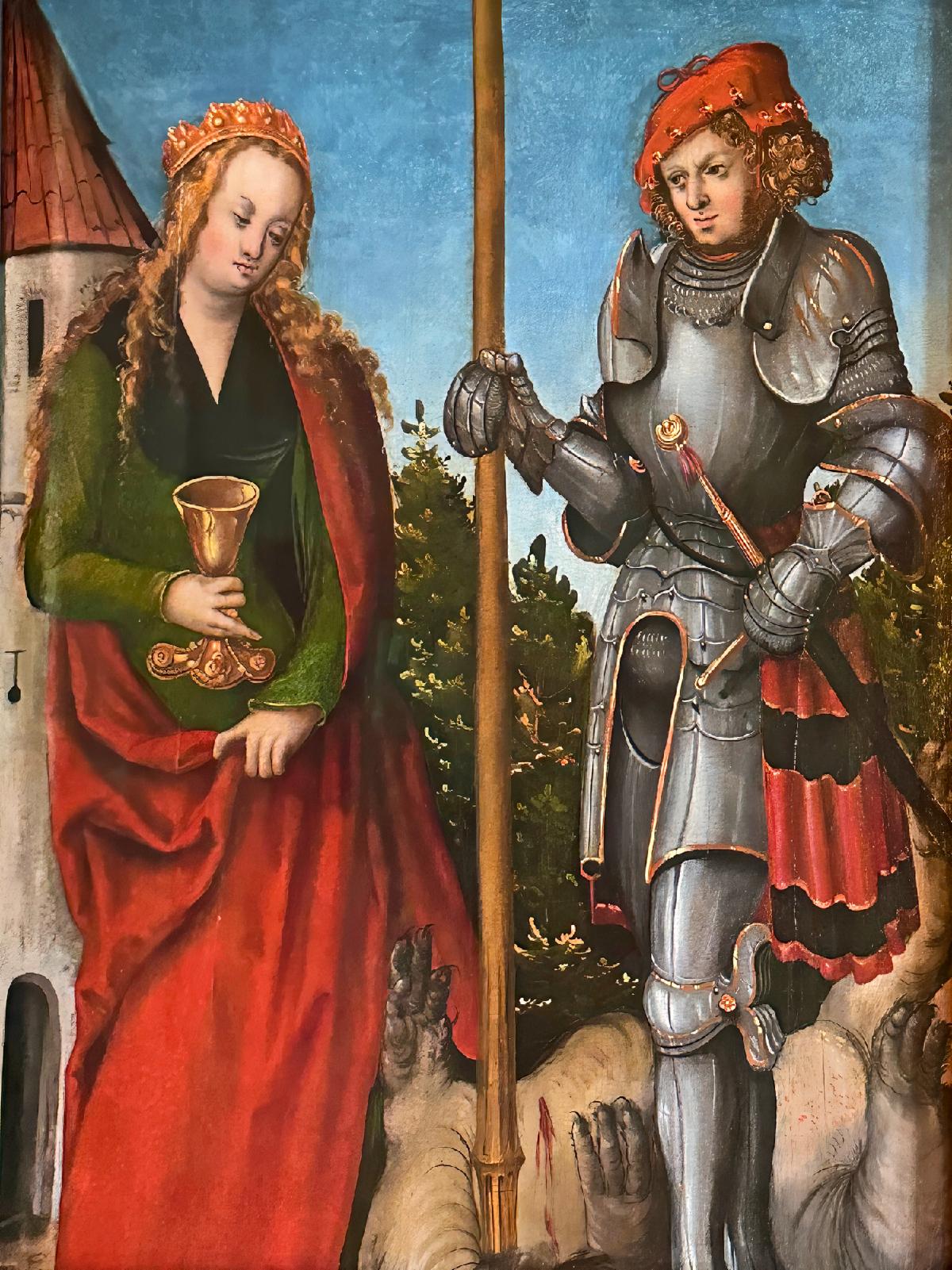
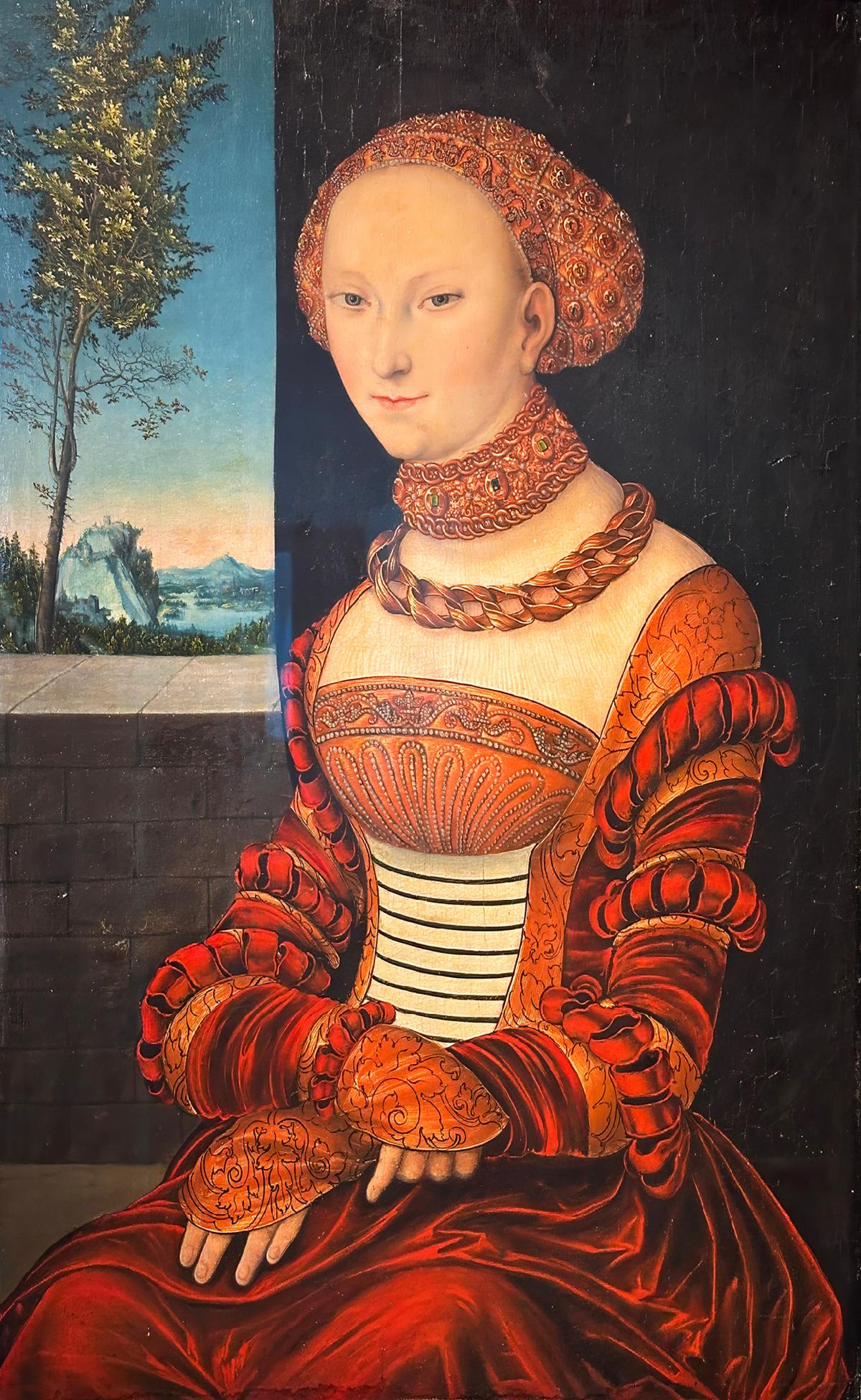
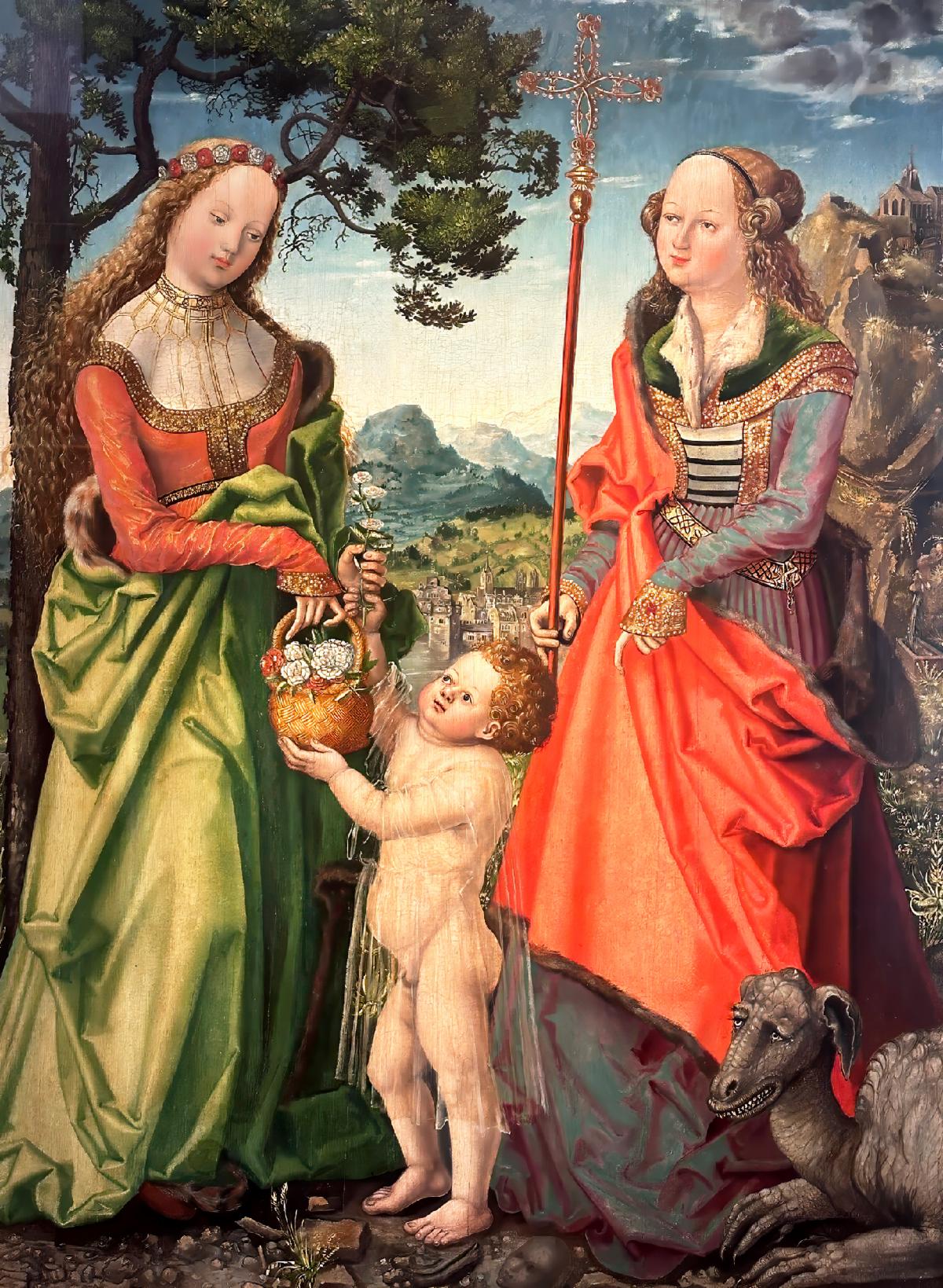
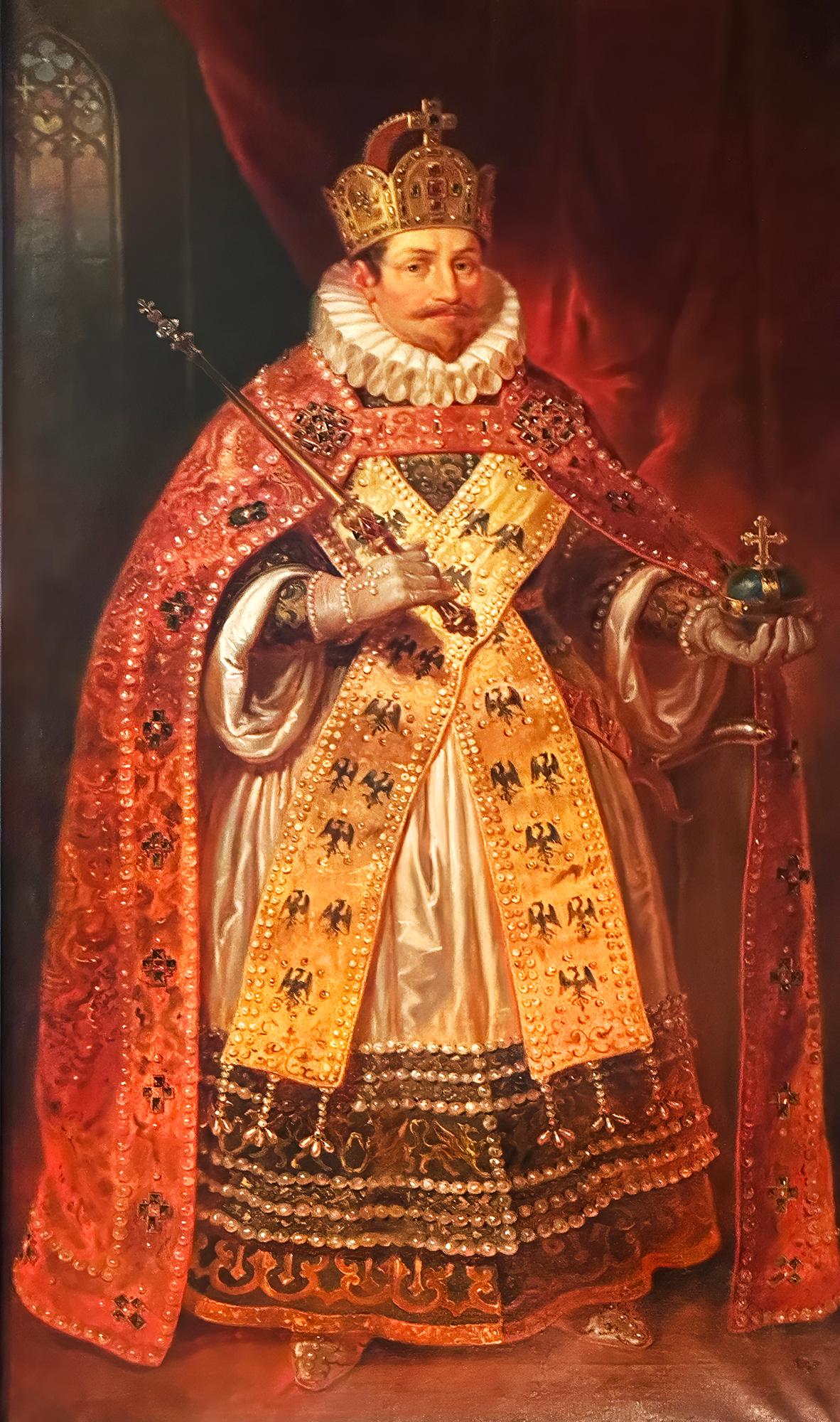
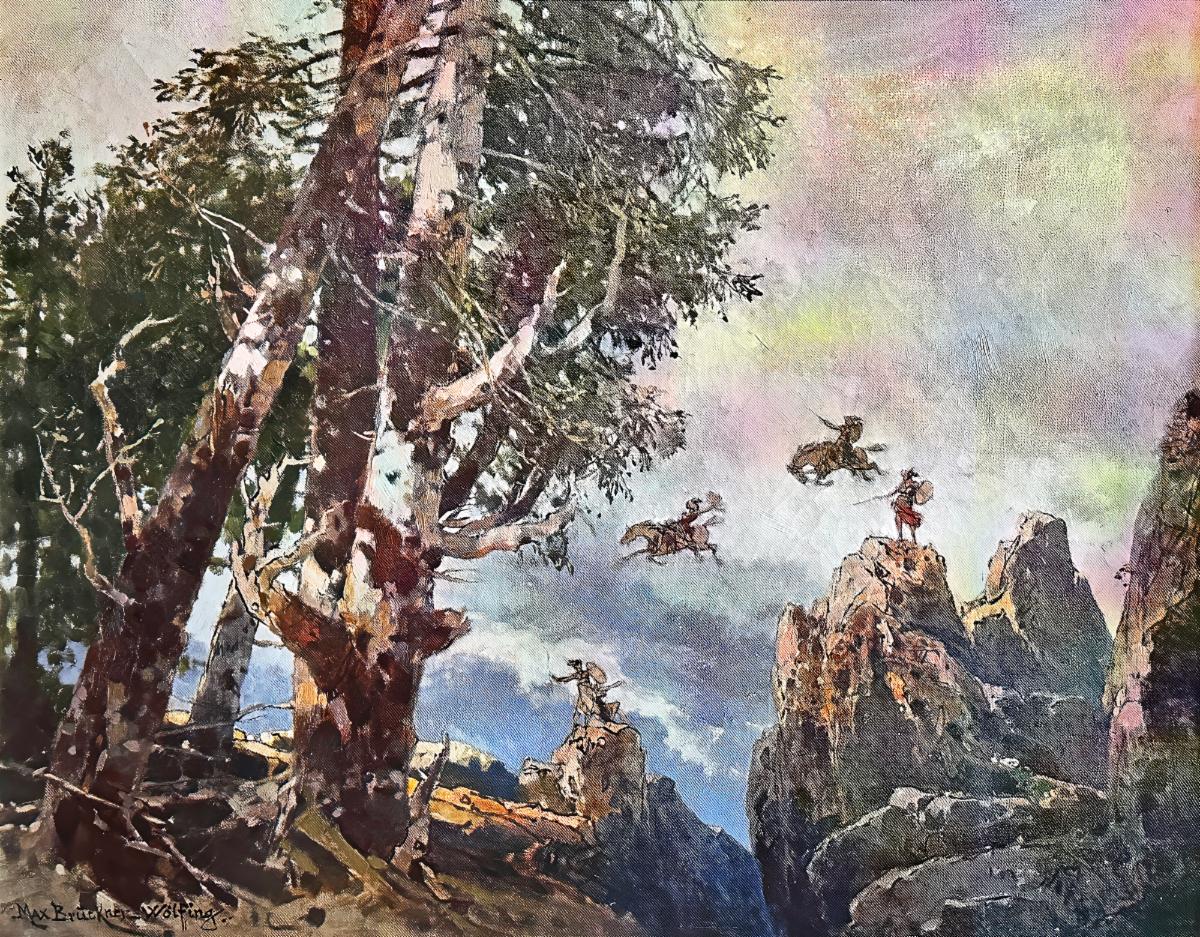
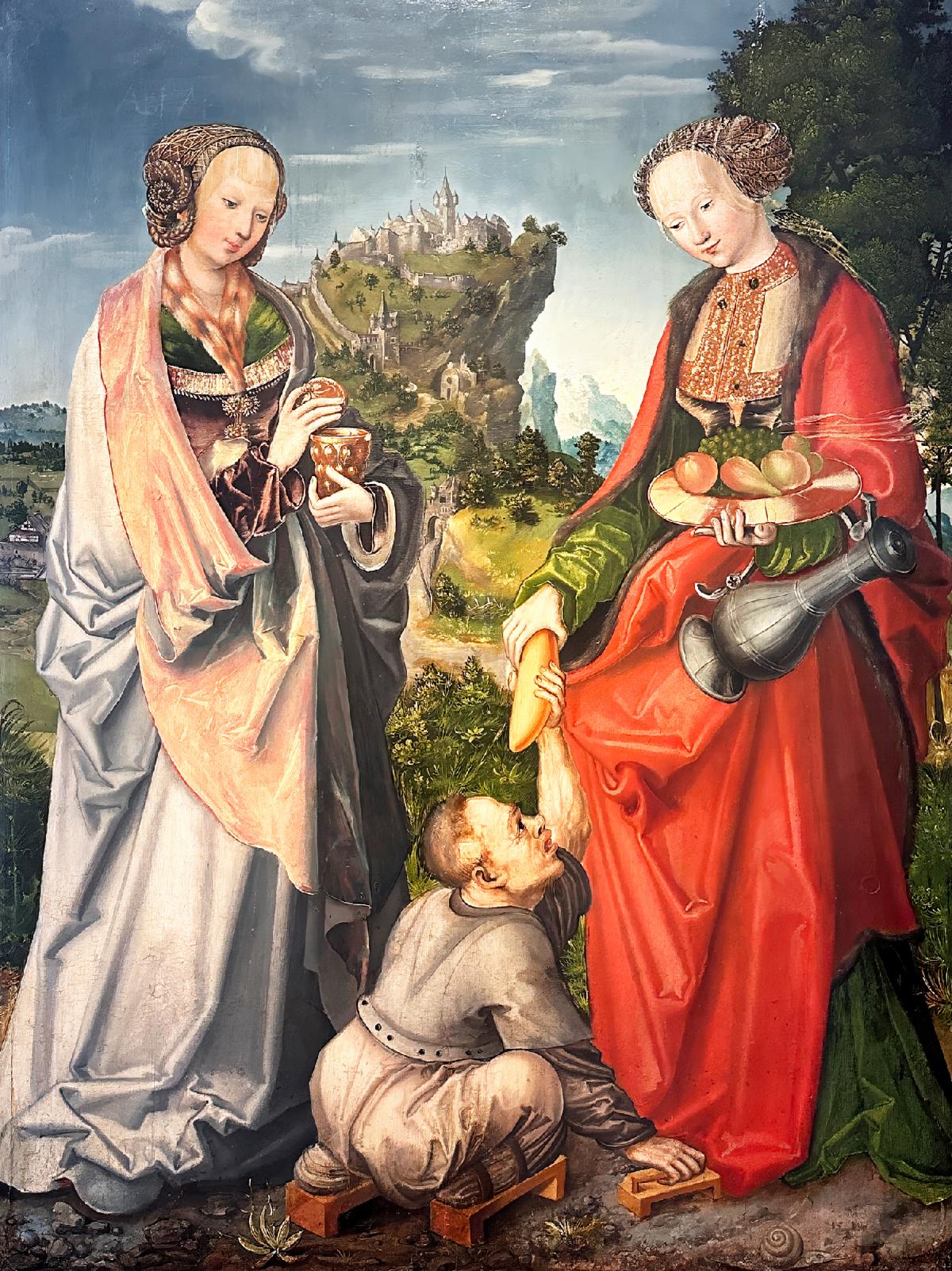
Another room was filled with vintage coins. I’ve seen ancient coins before, and they usually are so worn that you can barely make anything out, not in this collection. All were near mint condition, with one dating back to 300 BC that appeared to have been struck yesterday. Then there were the paintings. These are considered a good representation of German art.

I couldn't find anything out about these coins. Heinrich believes they are commemorating owners of the castle. But which ones?

Upper Row - left to right: 1) Alexander the Great. 311 BC. 2) Martin Luther's 100-year Anniversary. 1617. 3) Duke Albrecht III. 1684. 4) Duke Ferdinand of Braunschweig-Lüneburg. 1766

Lower Row - left to right: 1) Commemorate military successes of the Republic of Venice. 1686. 2) Coronation of 9-year old Joseph I as King of Hungary. 1687. 3) Planetary constellation for election of Charles VI. 4) Pope Clement XI. 1721.

Adam and Eve.

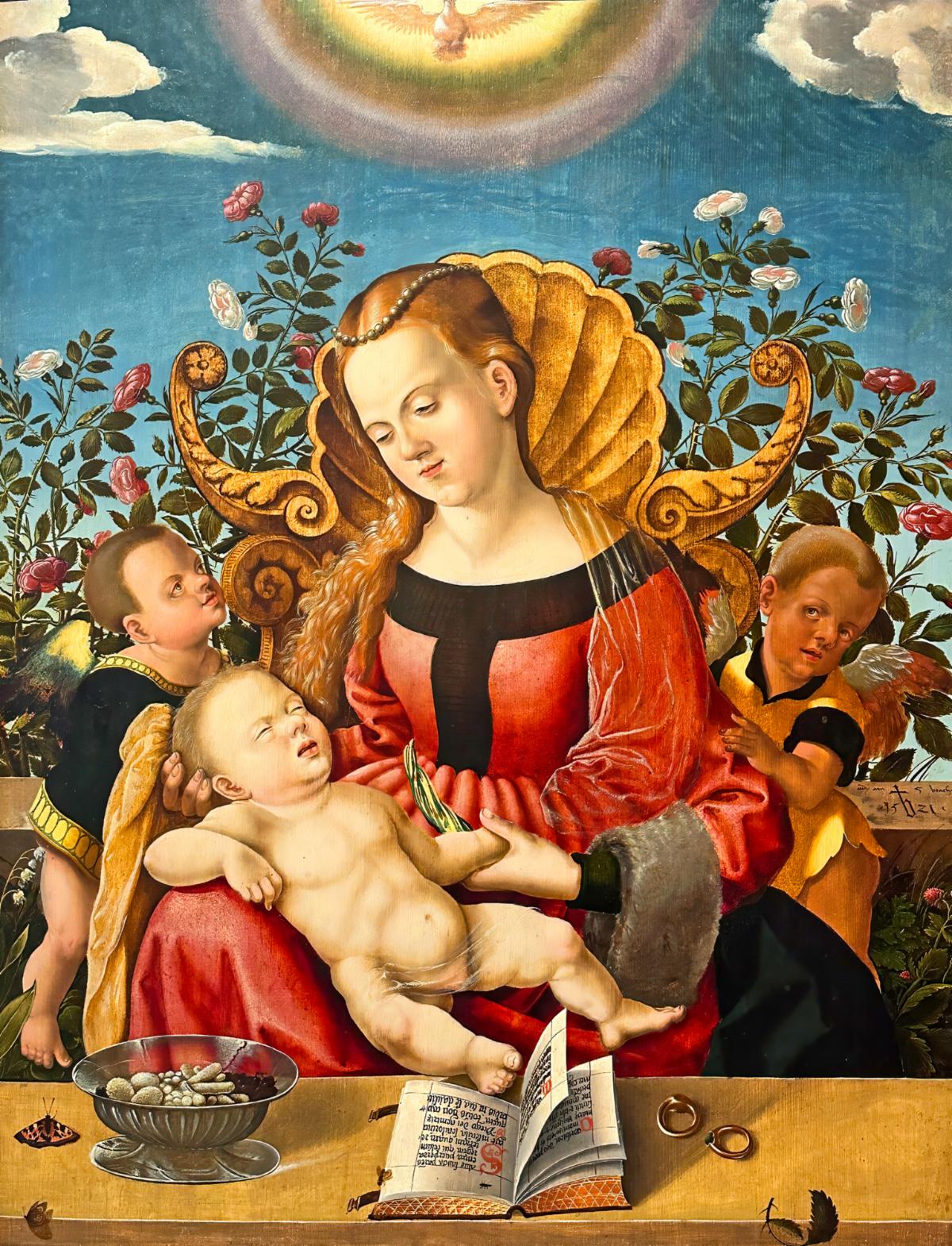
Mary, Jesus, and two angels.

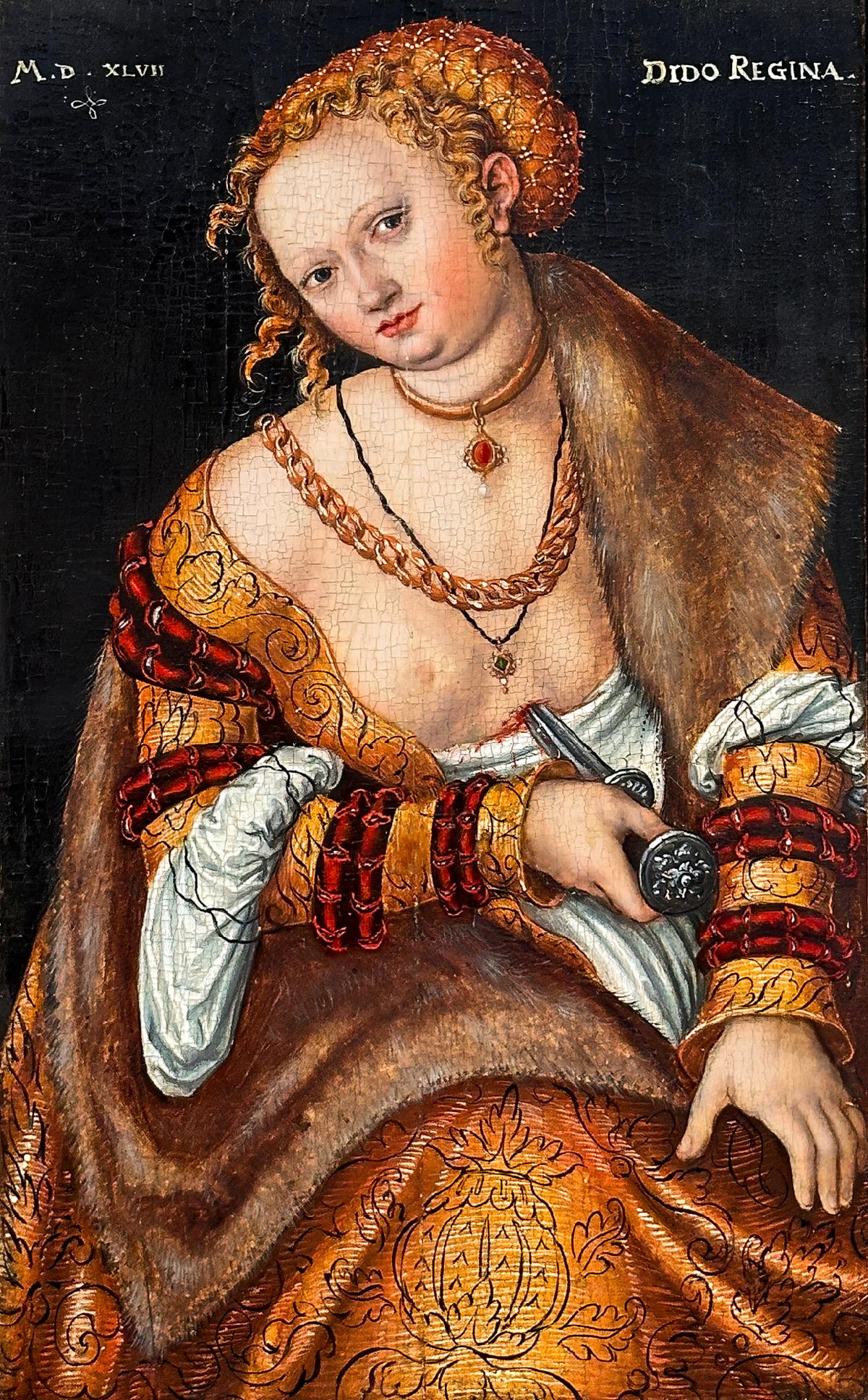
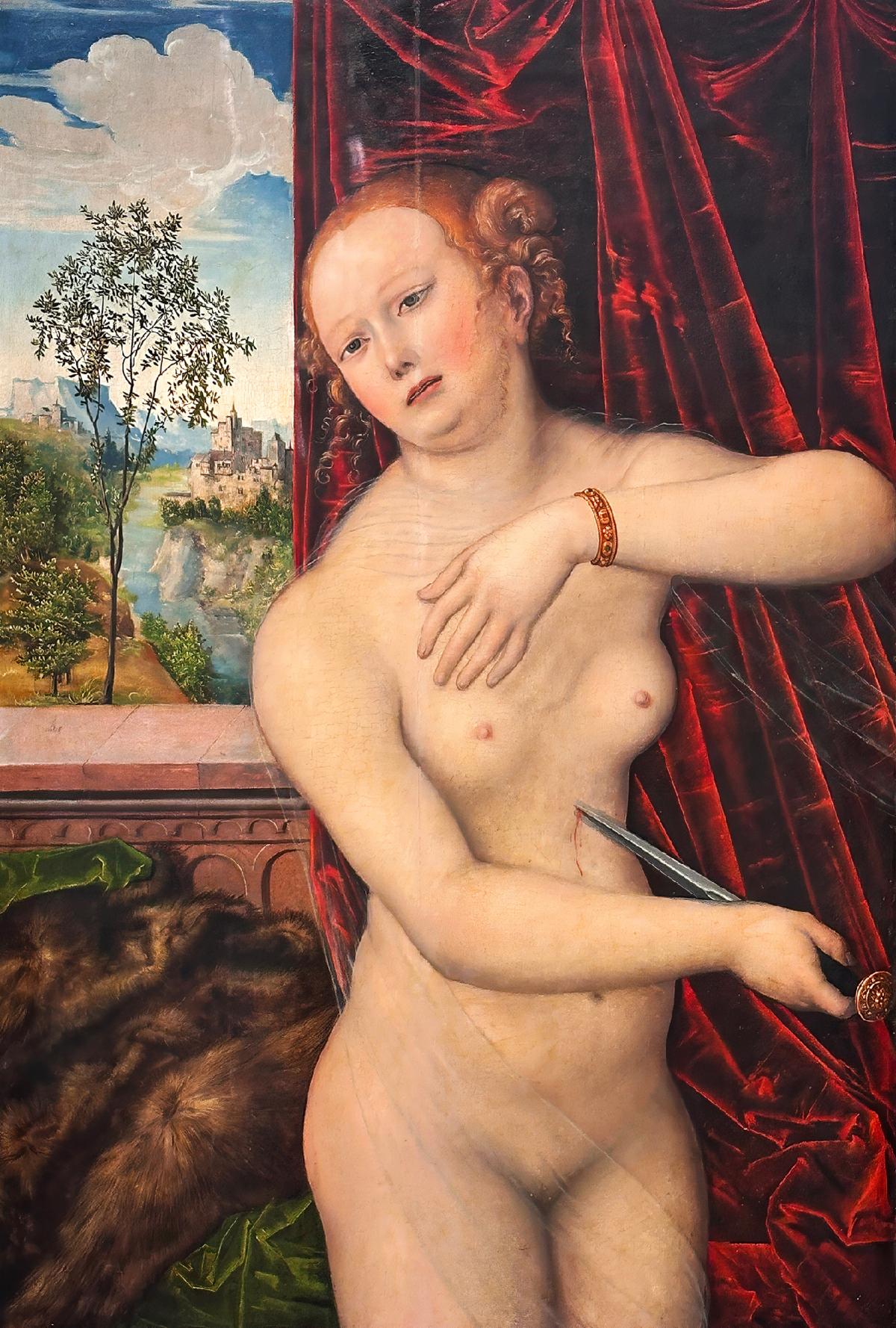
German artists were fascinated with the story of Lucretia, the lady who committed suicide after being raped by the son of the Roman King in 510 BC. There were many more paintings of Lucretia stabbing herself than the two I have provided.

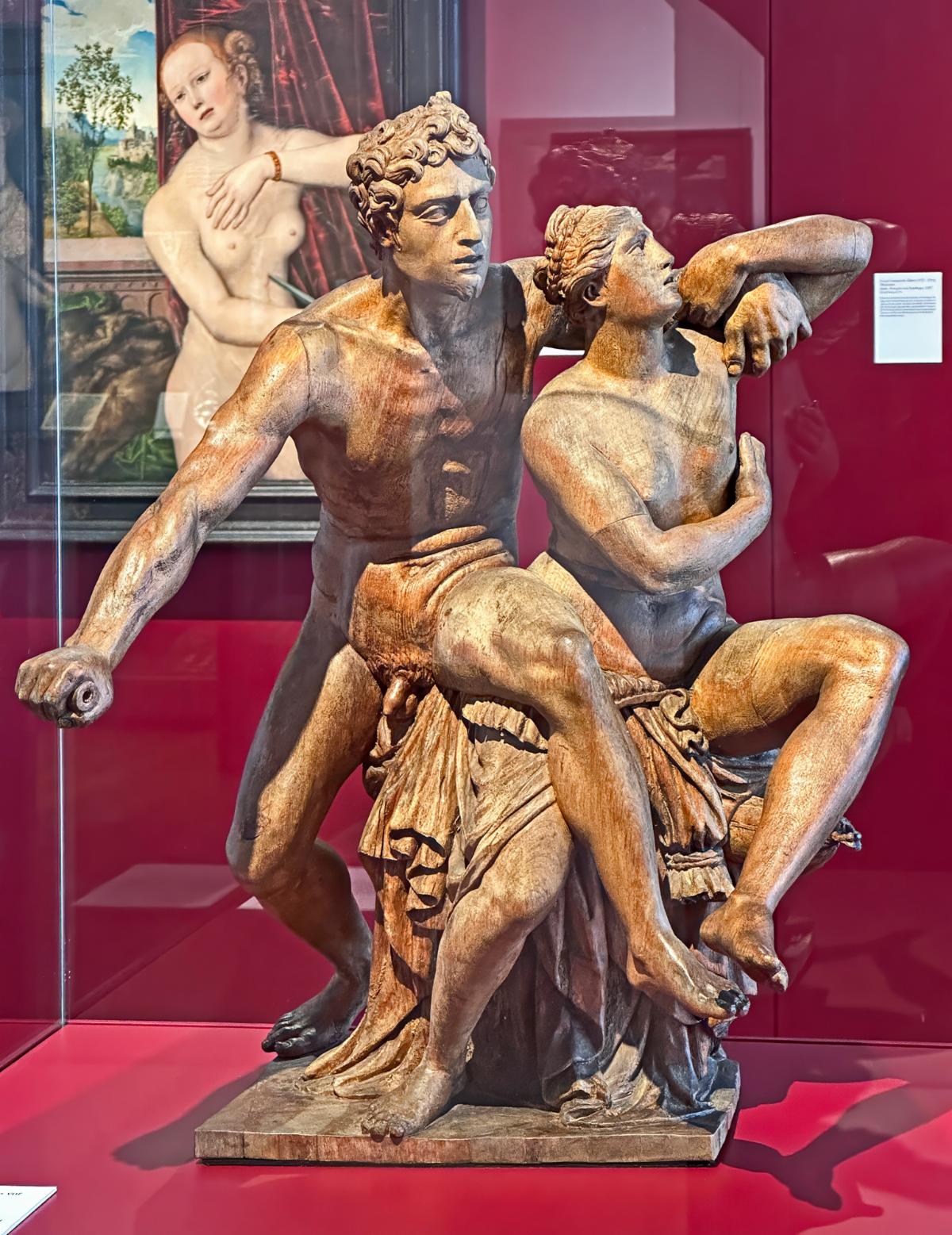
This piece depicts the violence of the rape of Lucretia.

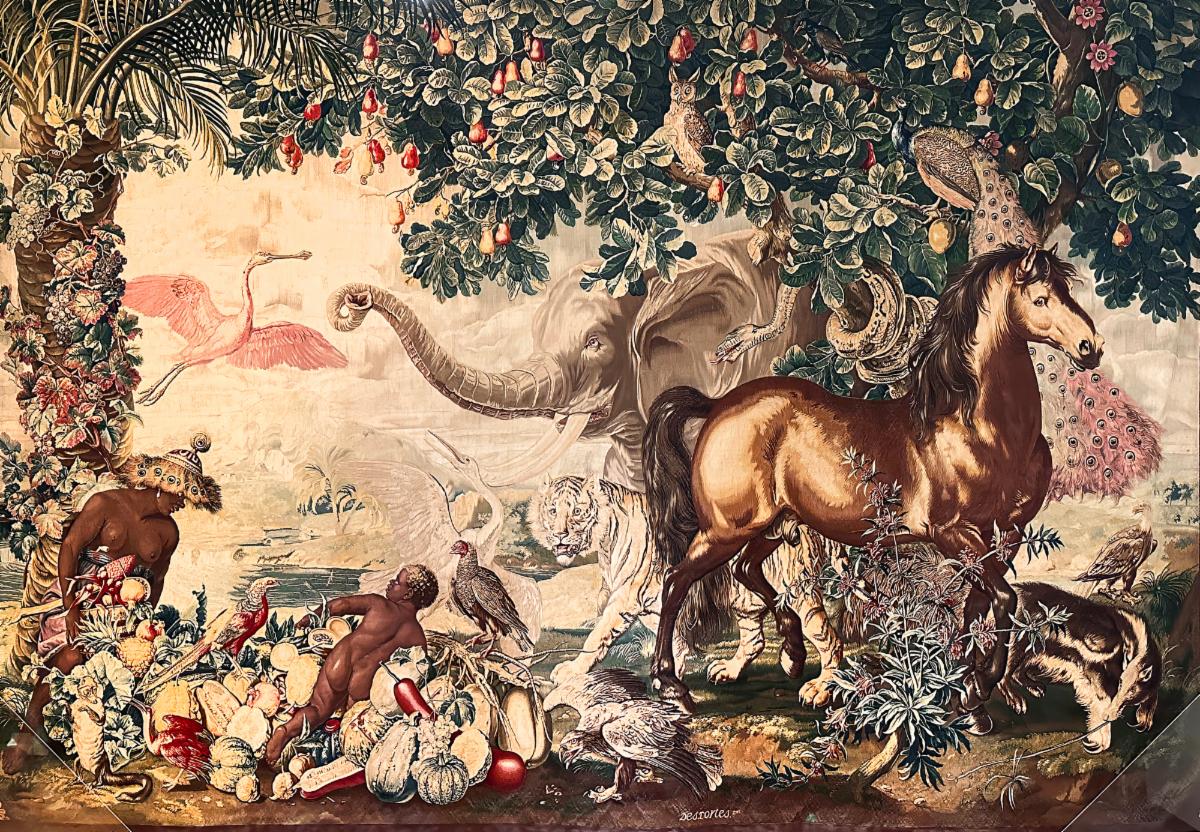
A wall-hanging tapestry.

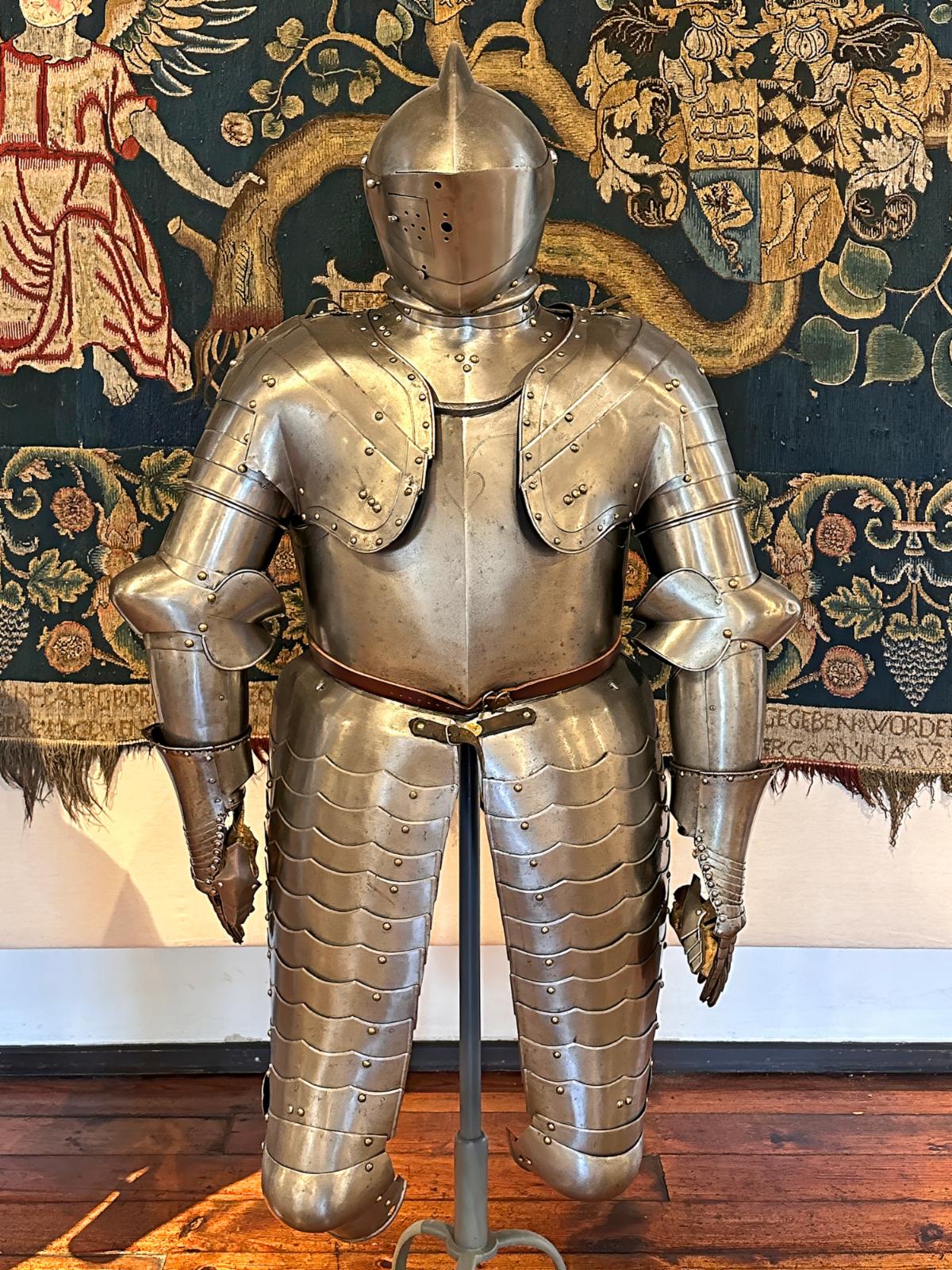
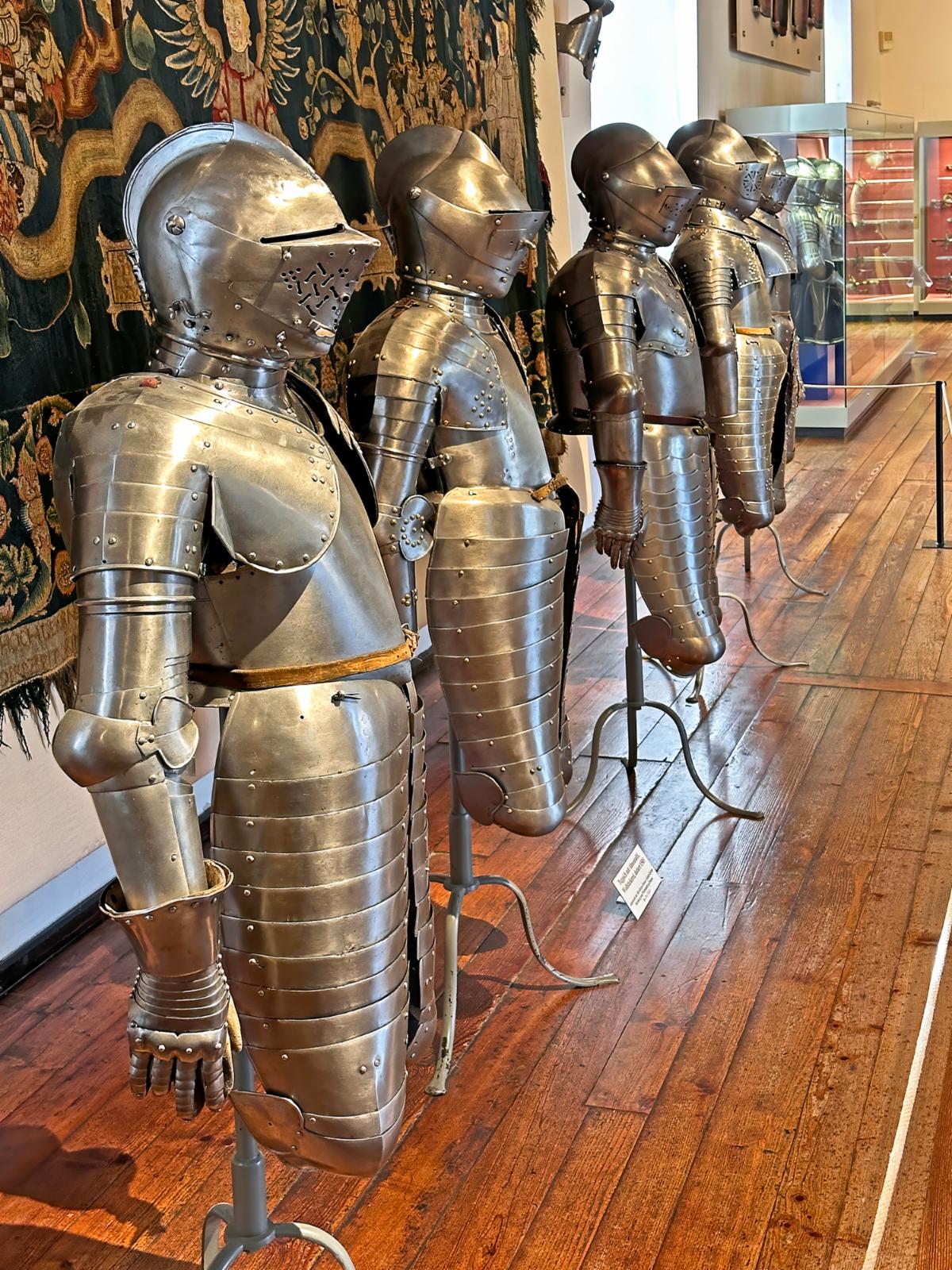
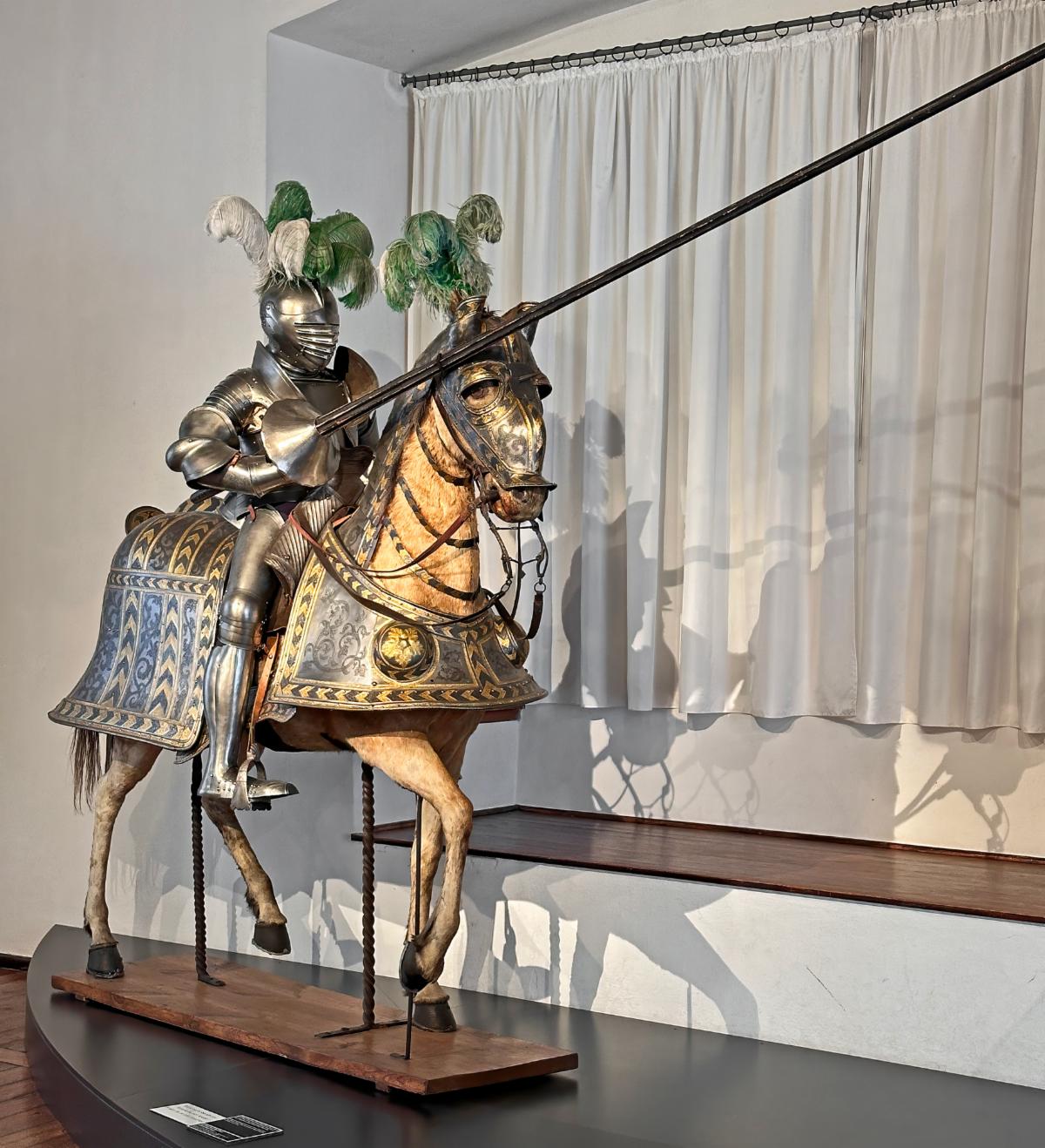
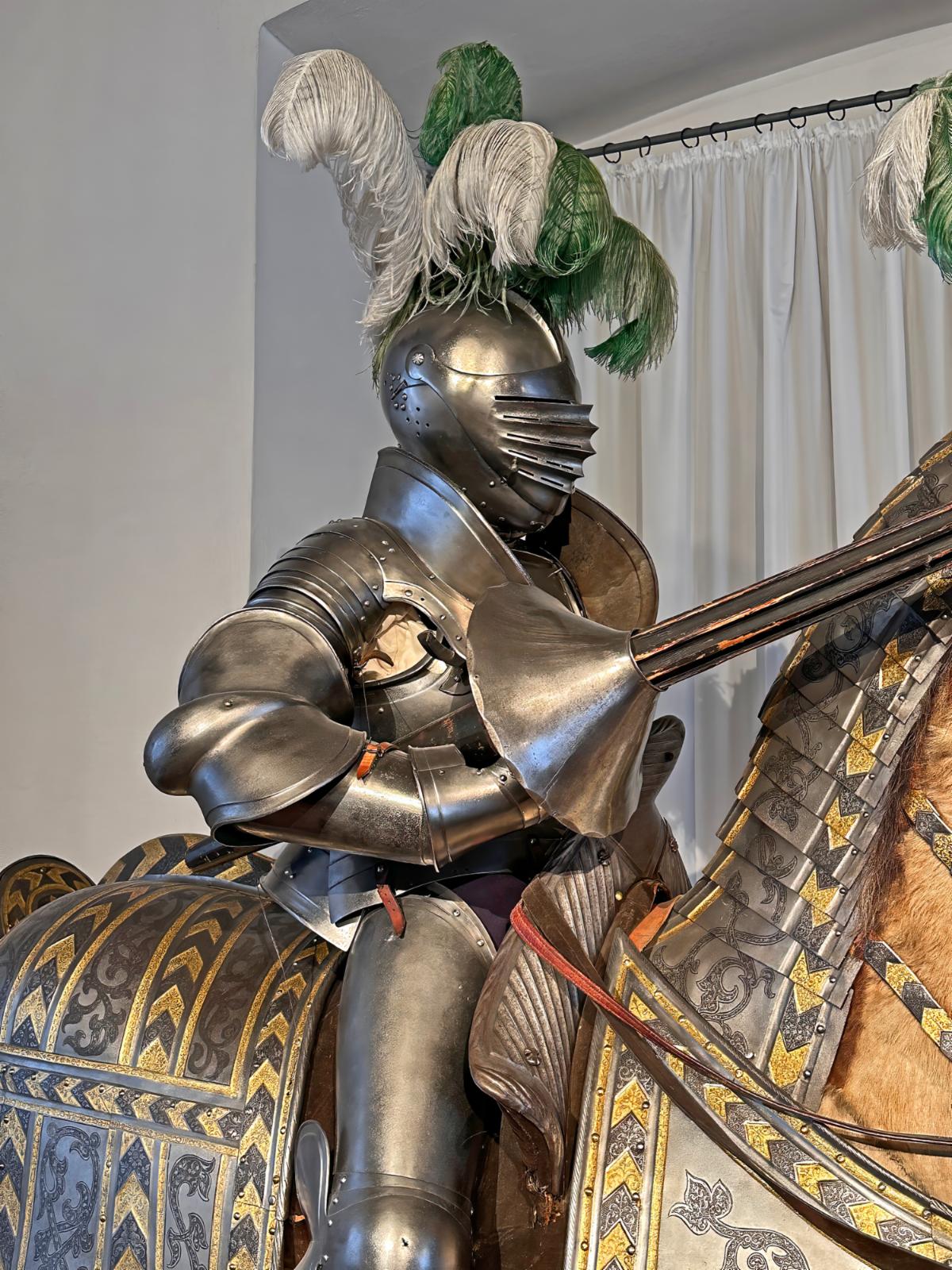
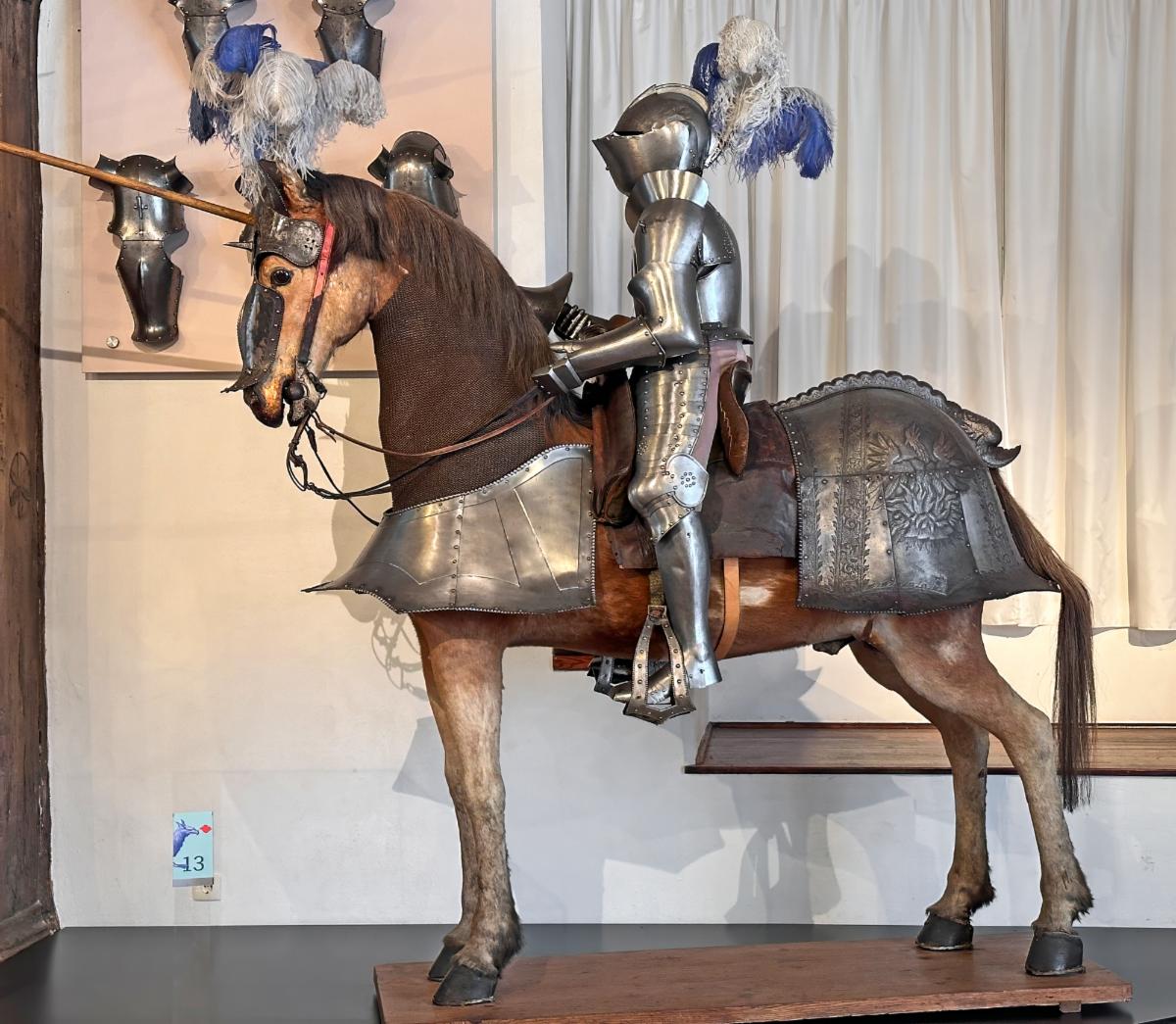
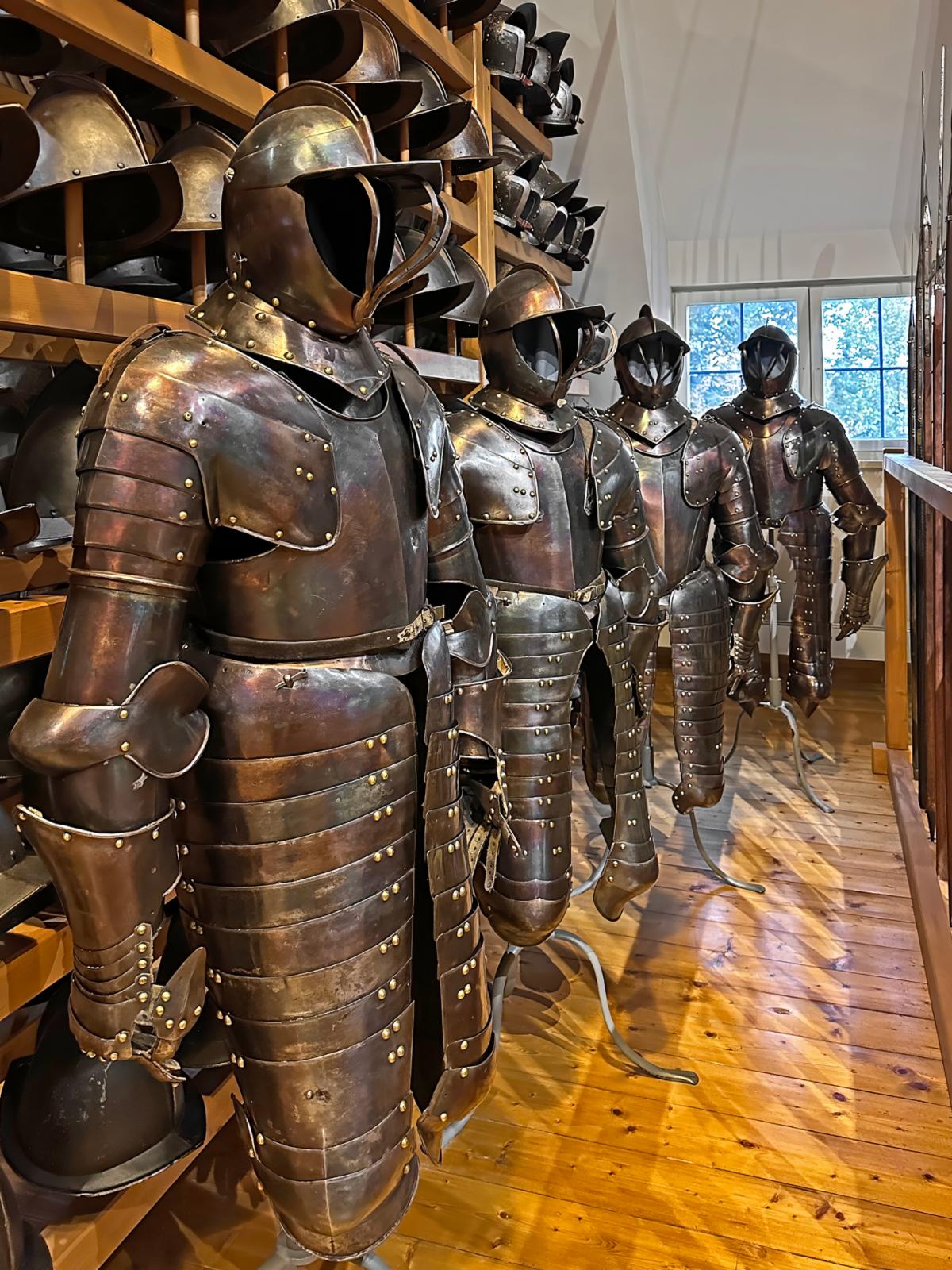
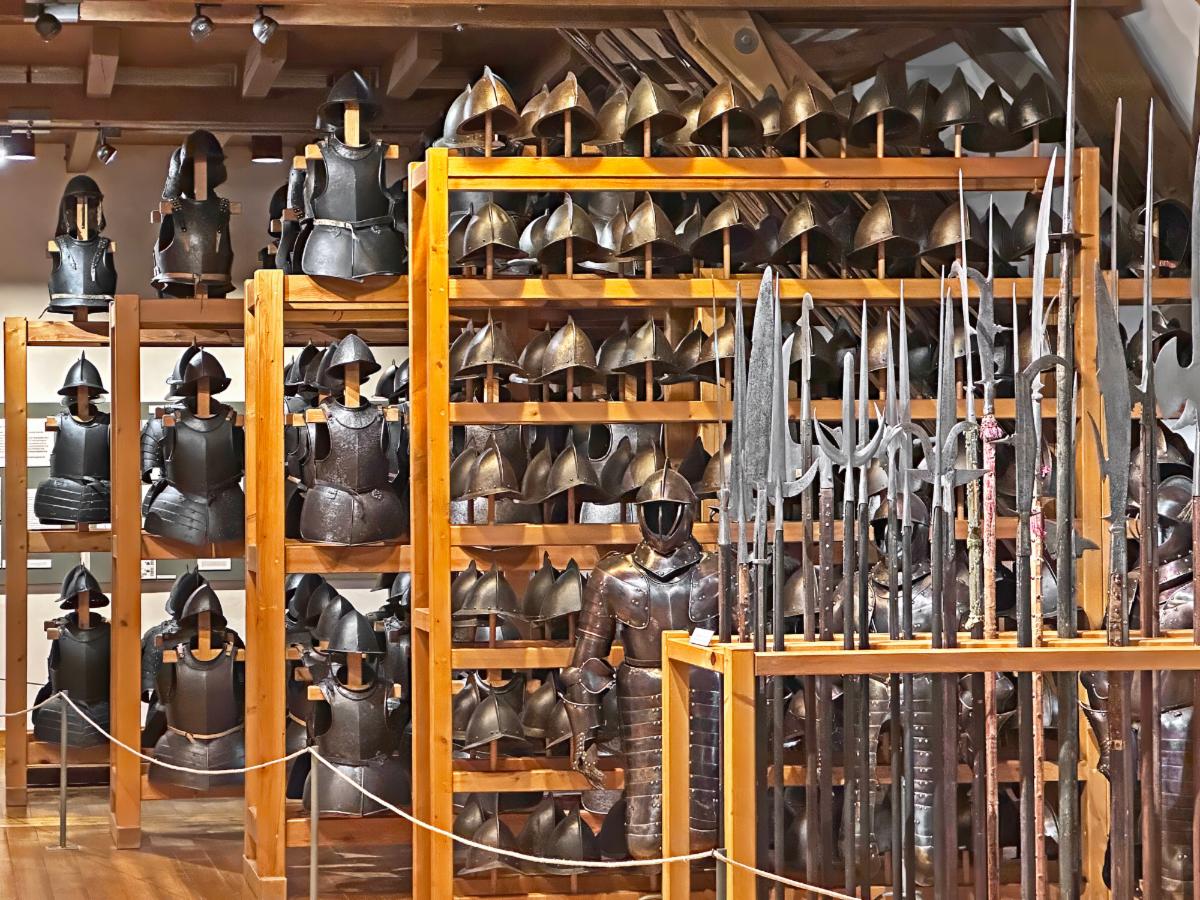
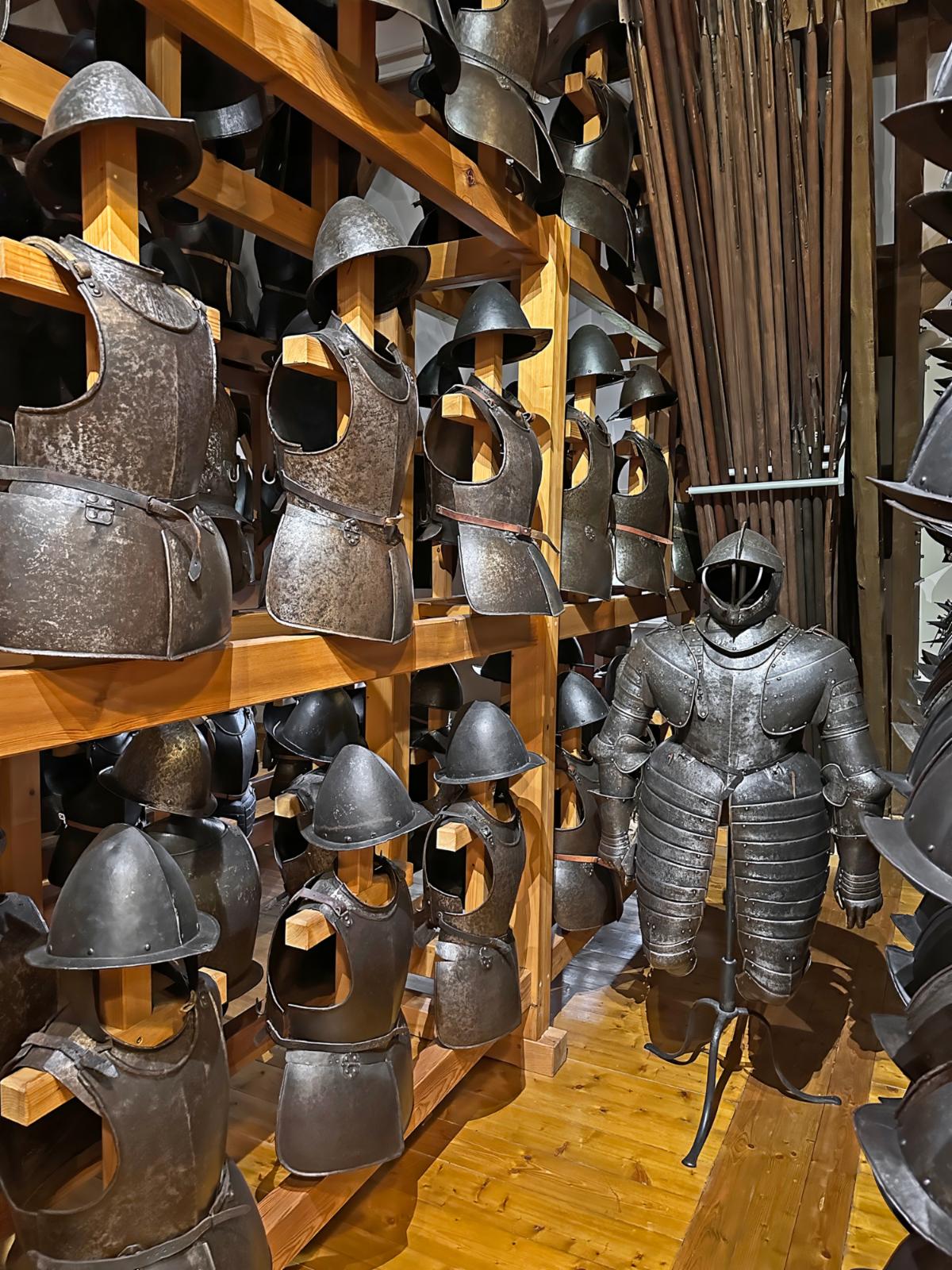
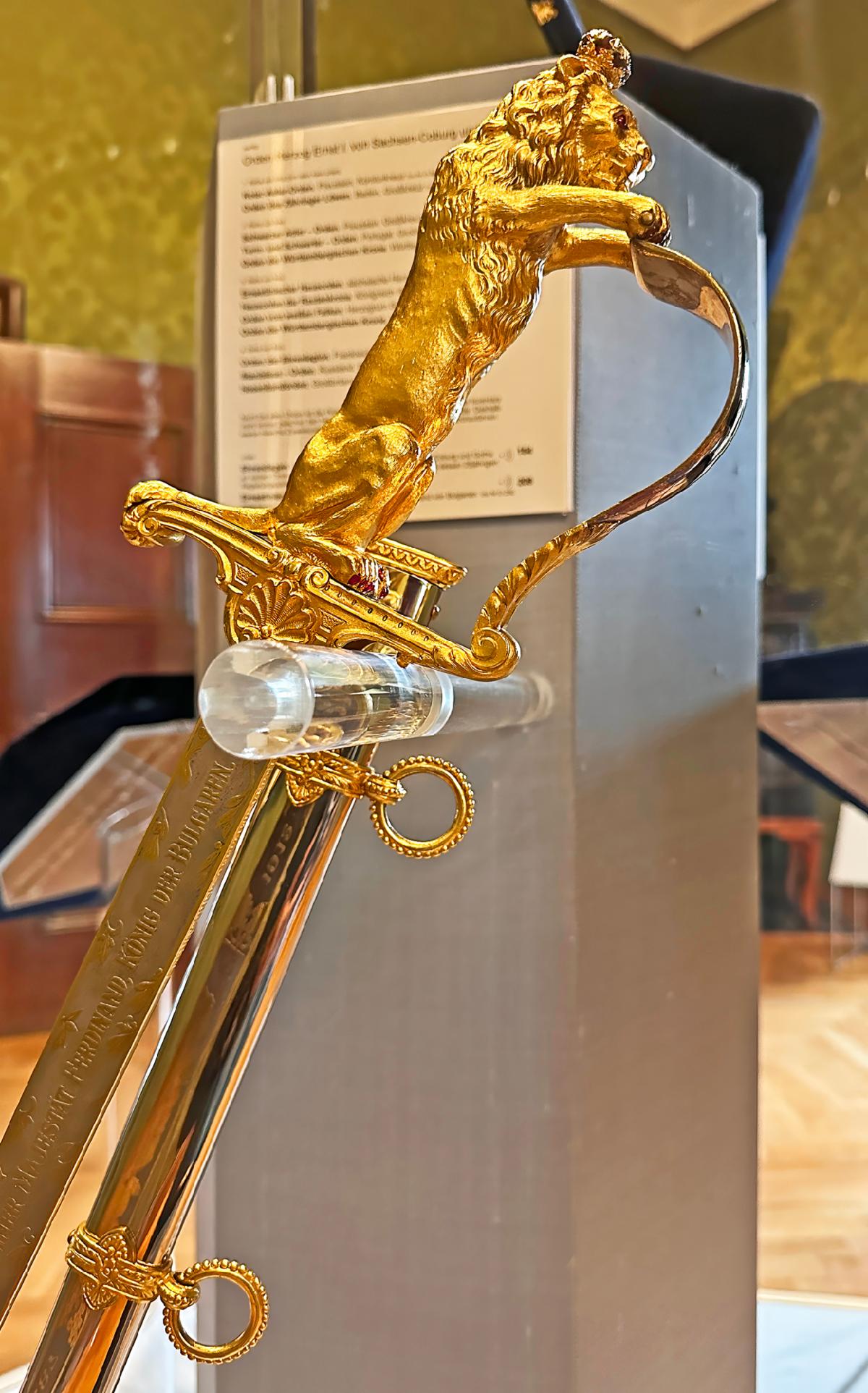
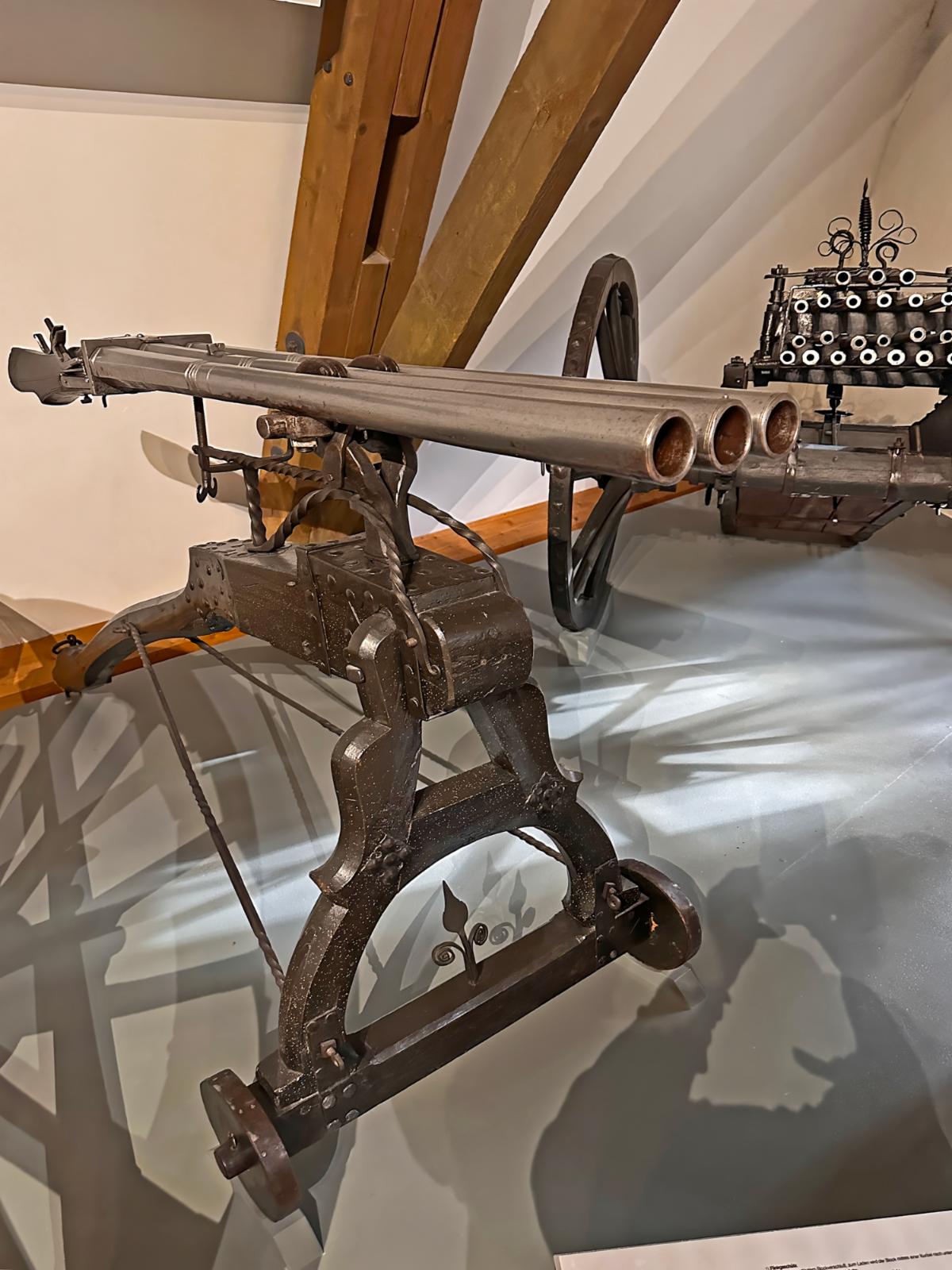
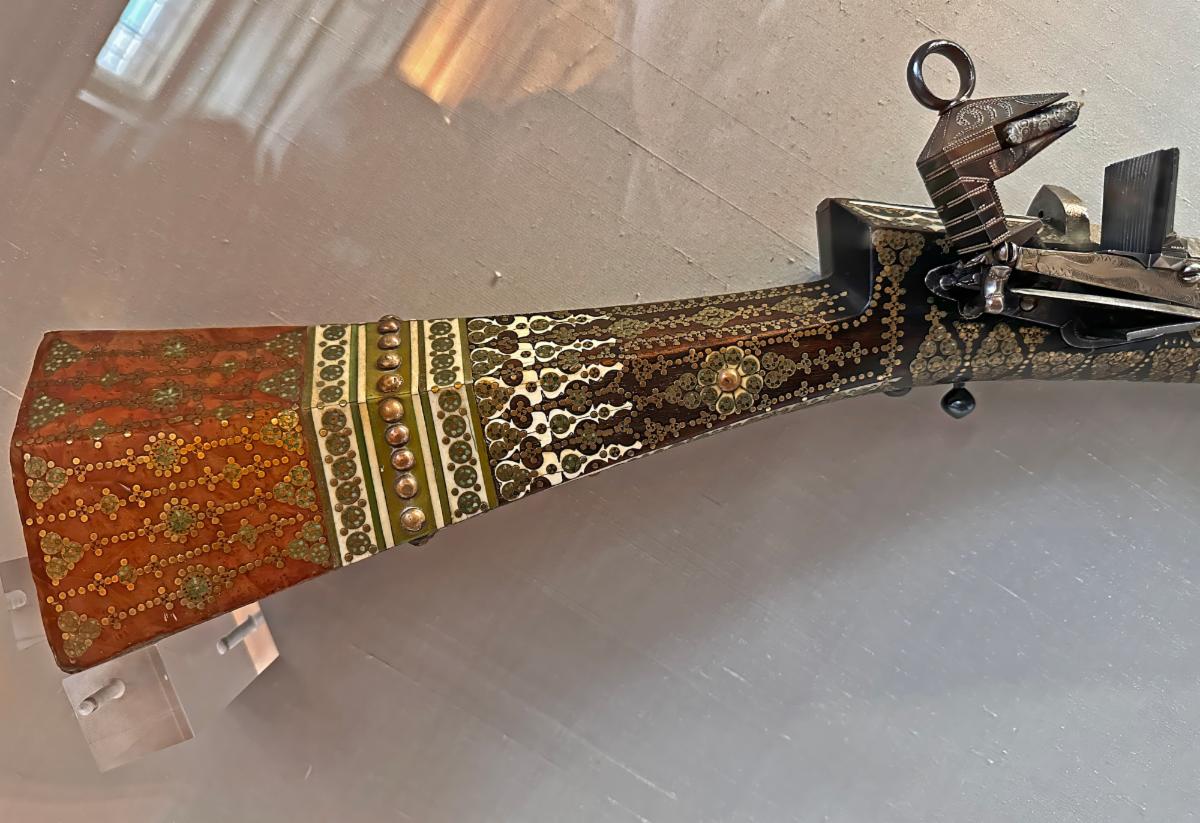
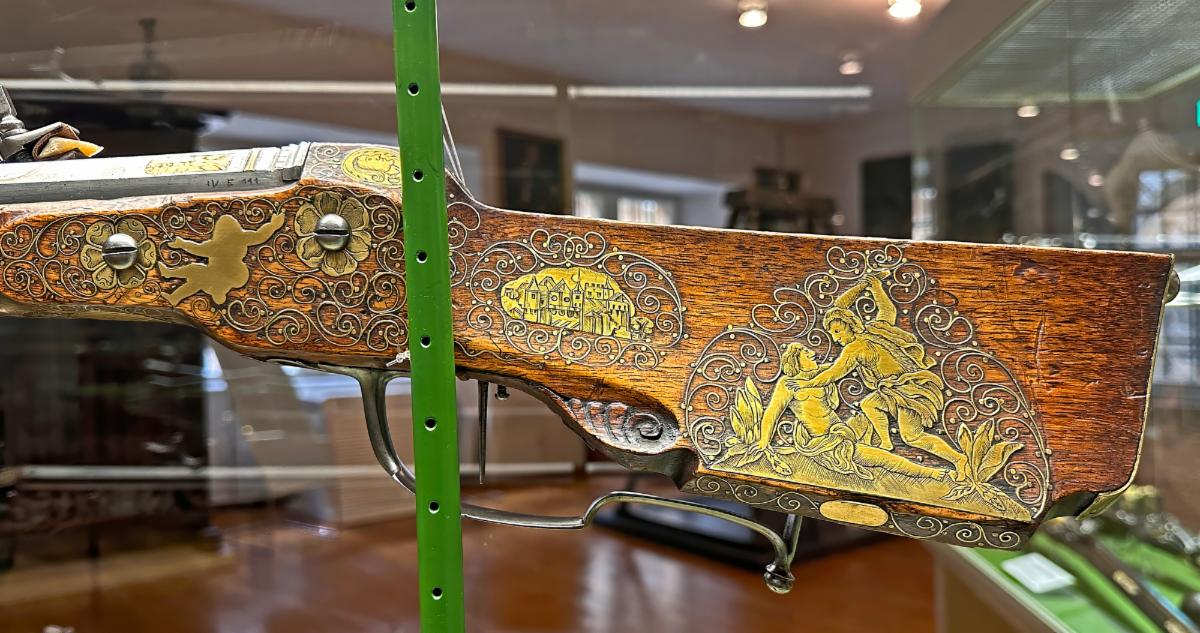
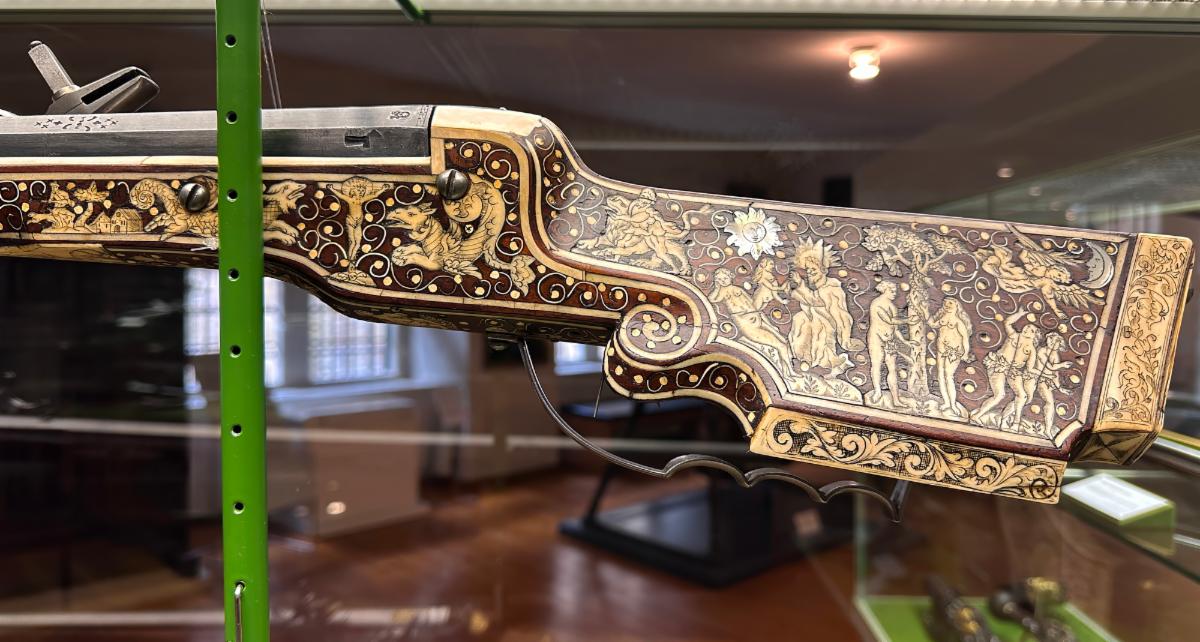
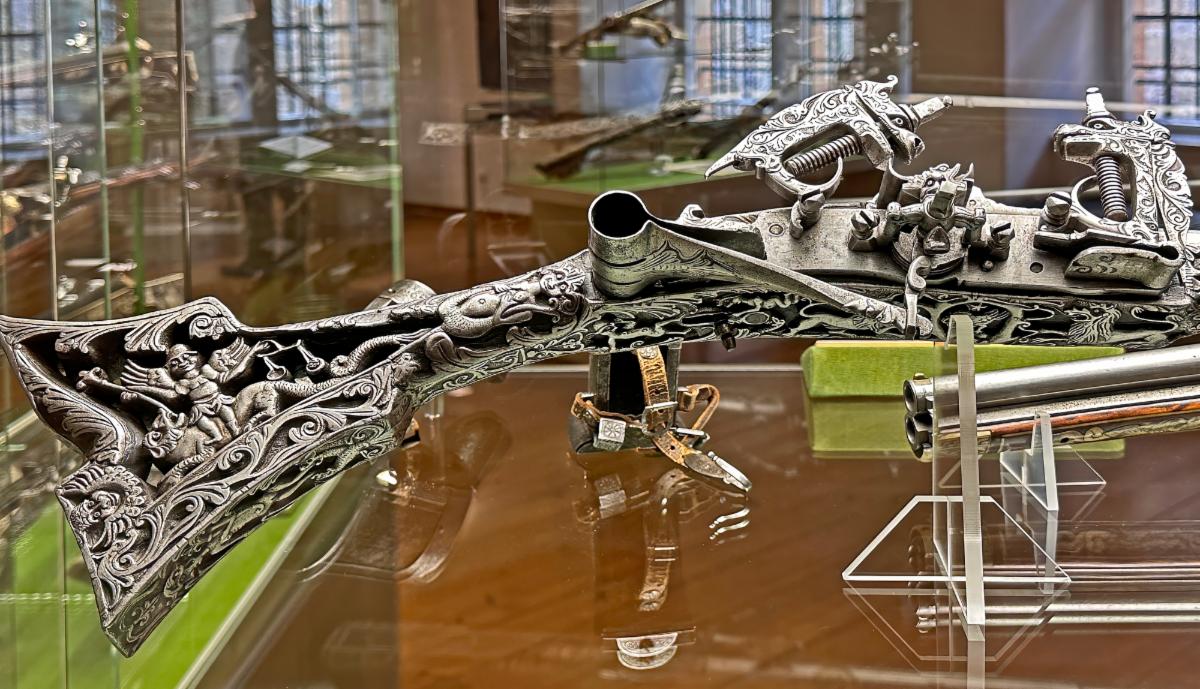
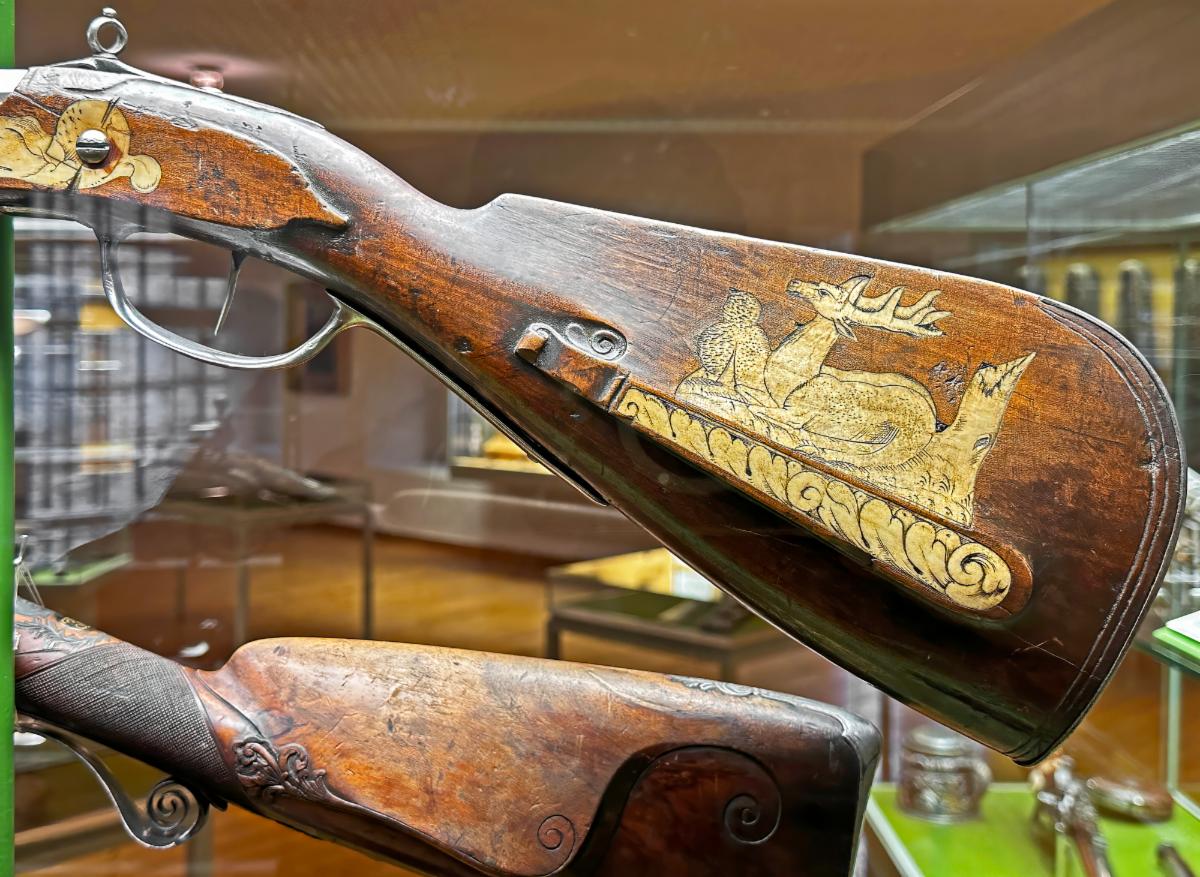
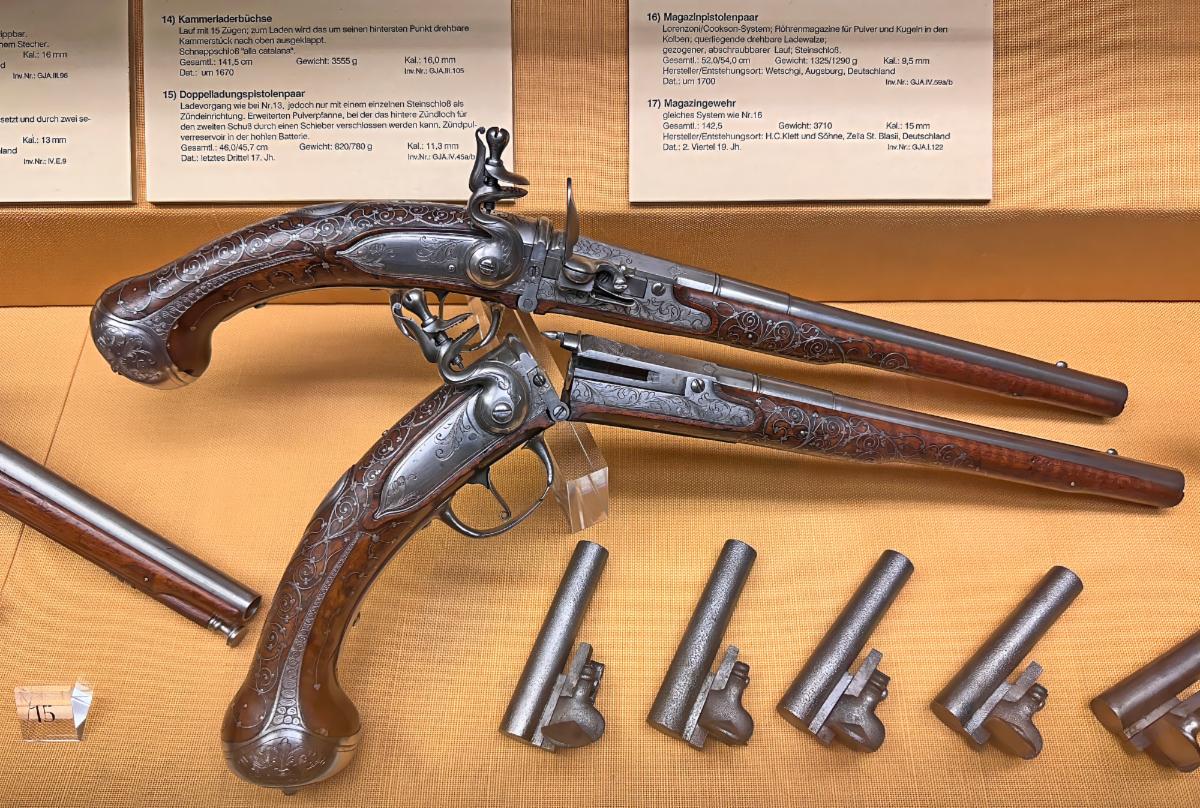
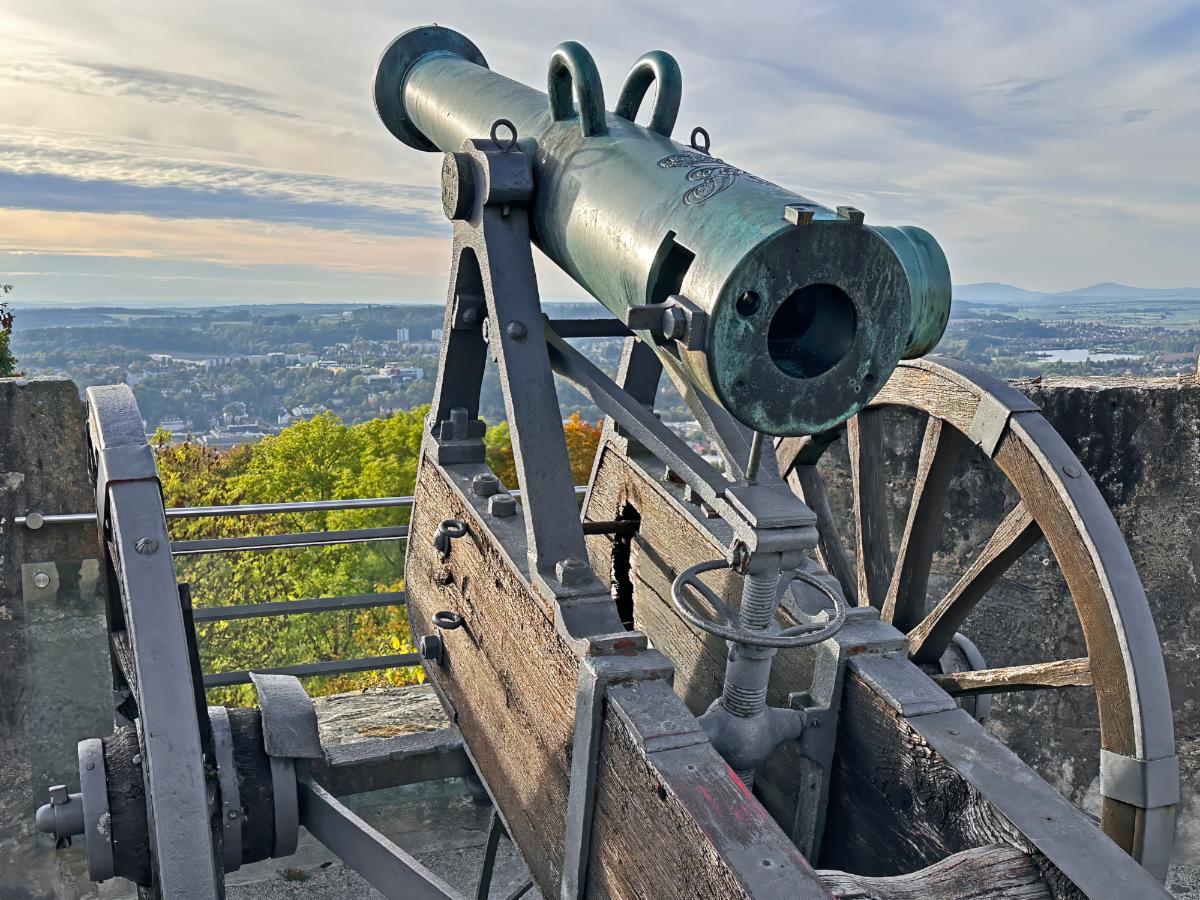
My favorite room was the armory. From suits of armor, lances, golden swords, fancy crossbows, and early ornate guns, I was fascinated with the craftsmanship. The suits of armor, made obsolete by guns, were both beautiful and awkward. On horseback, suited-up knights must have been the 'tanks' of their day.


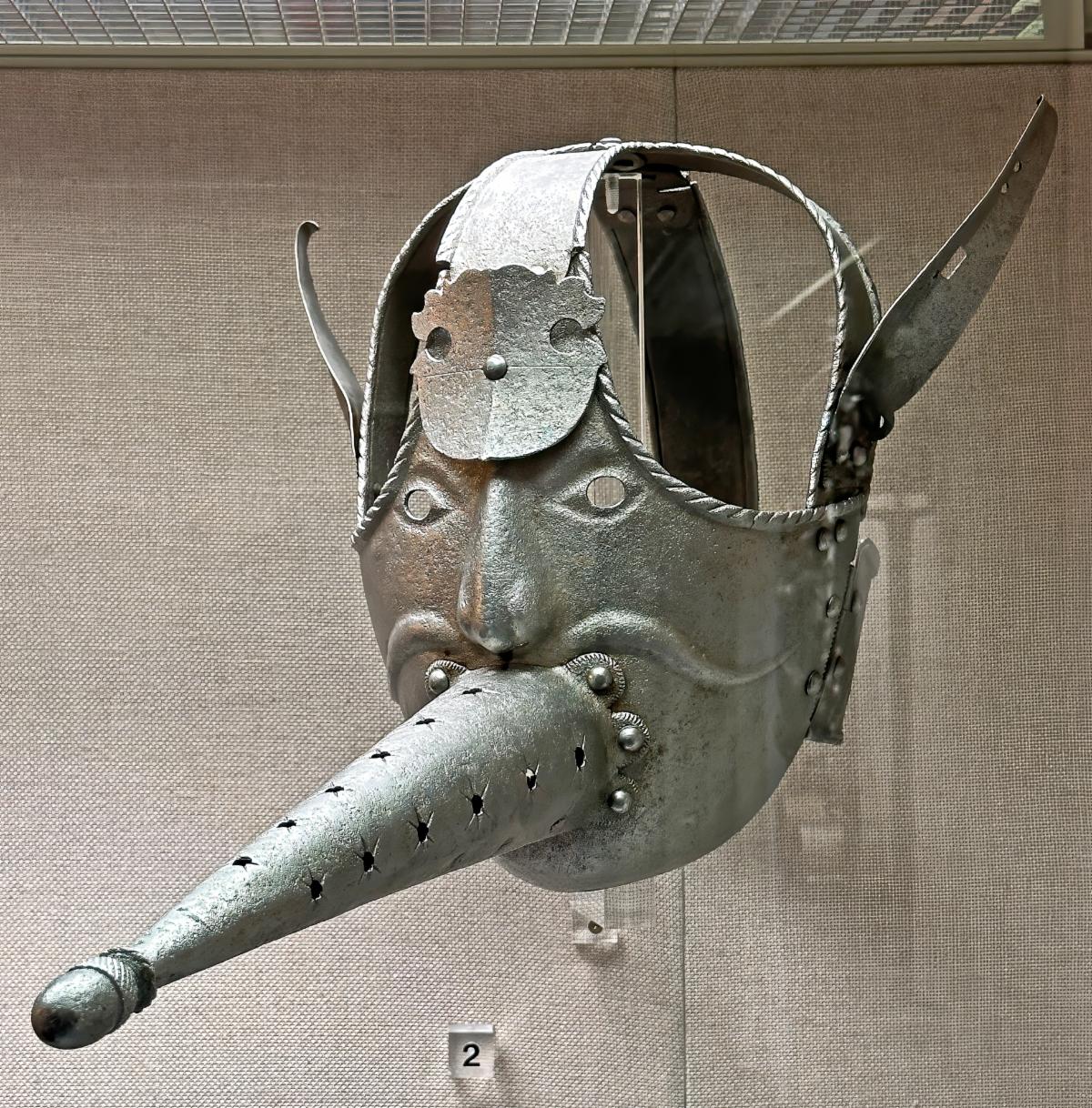
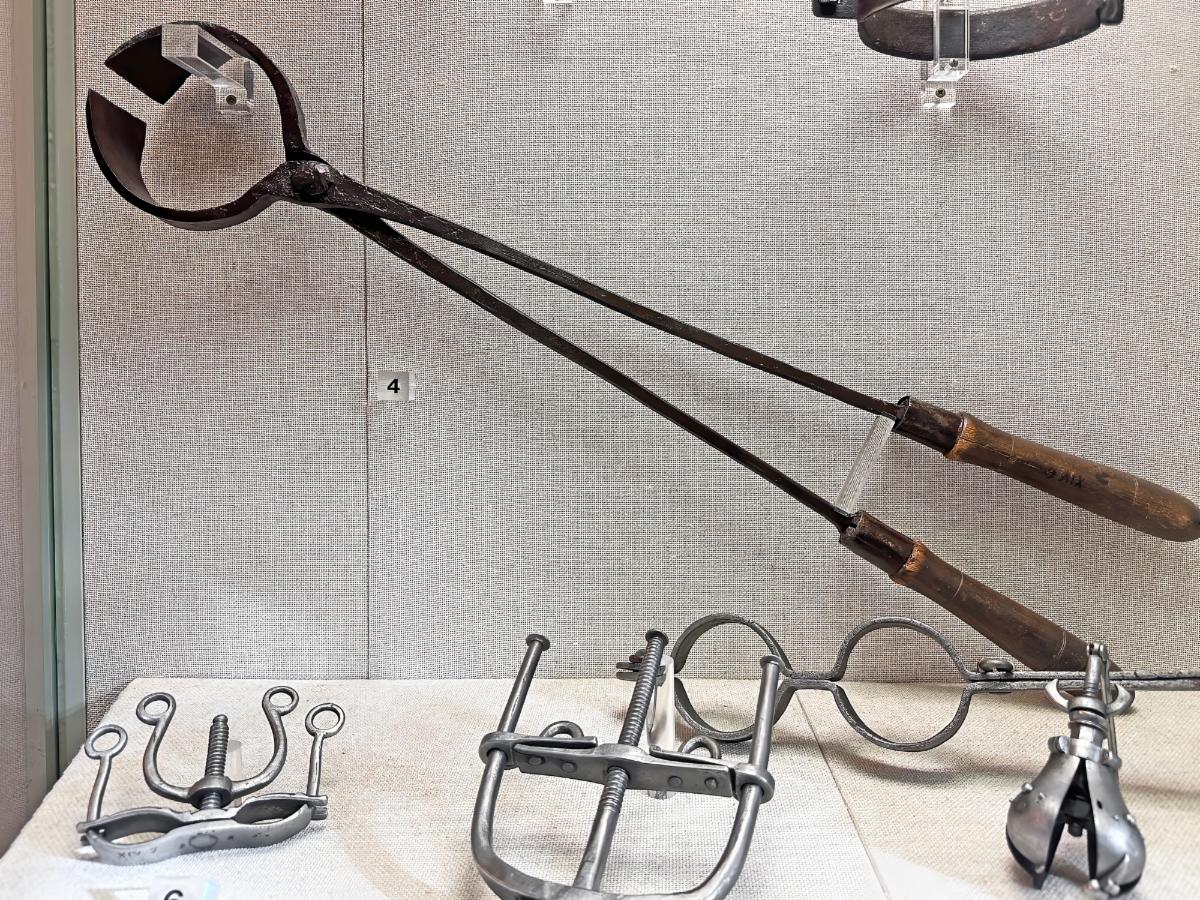
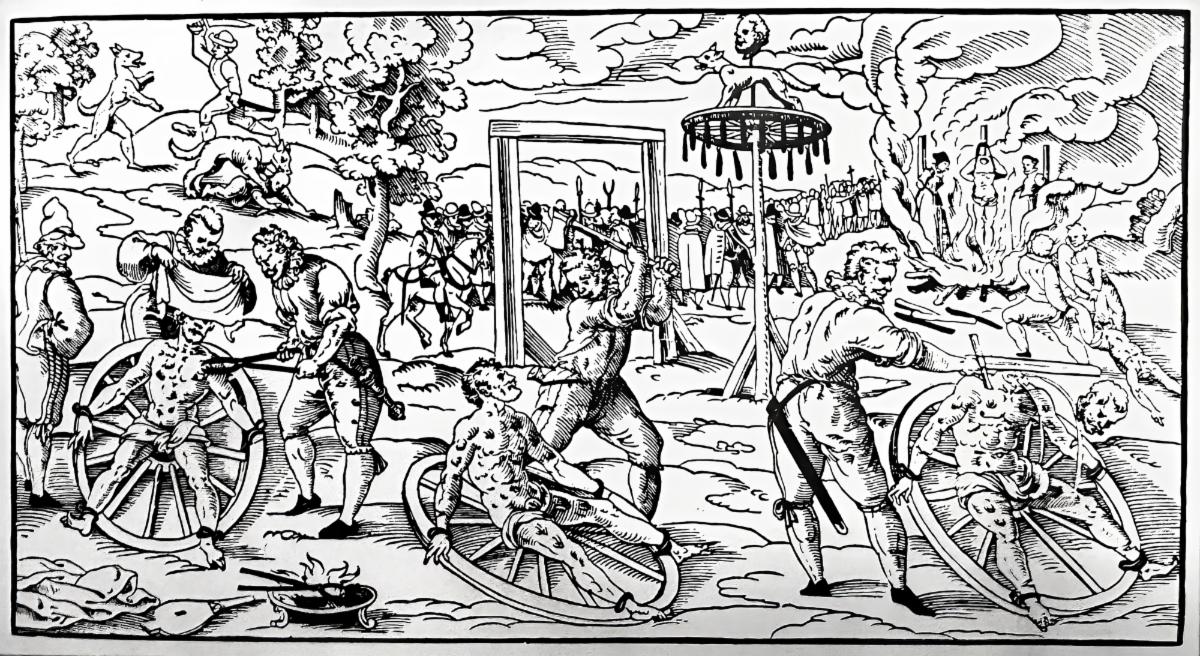
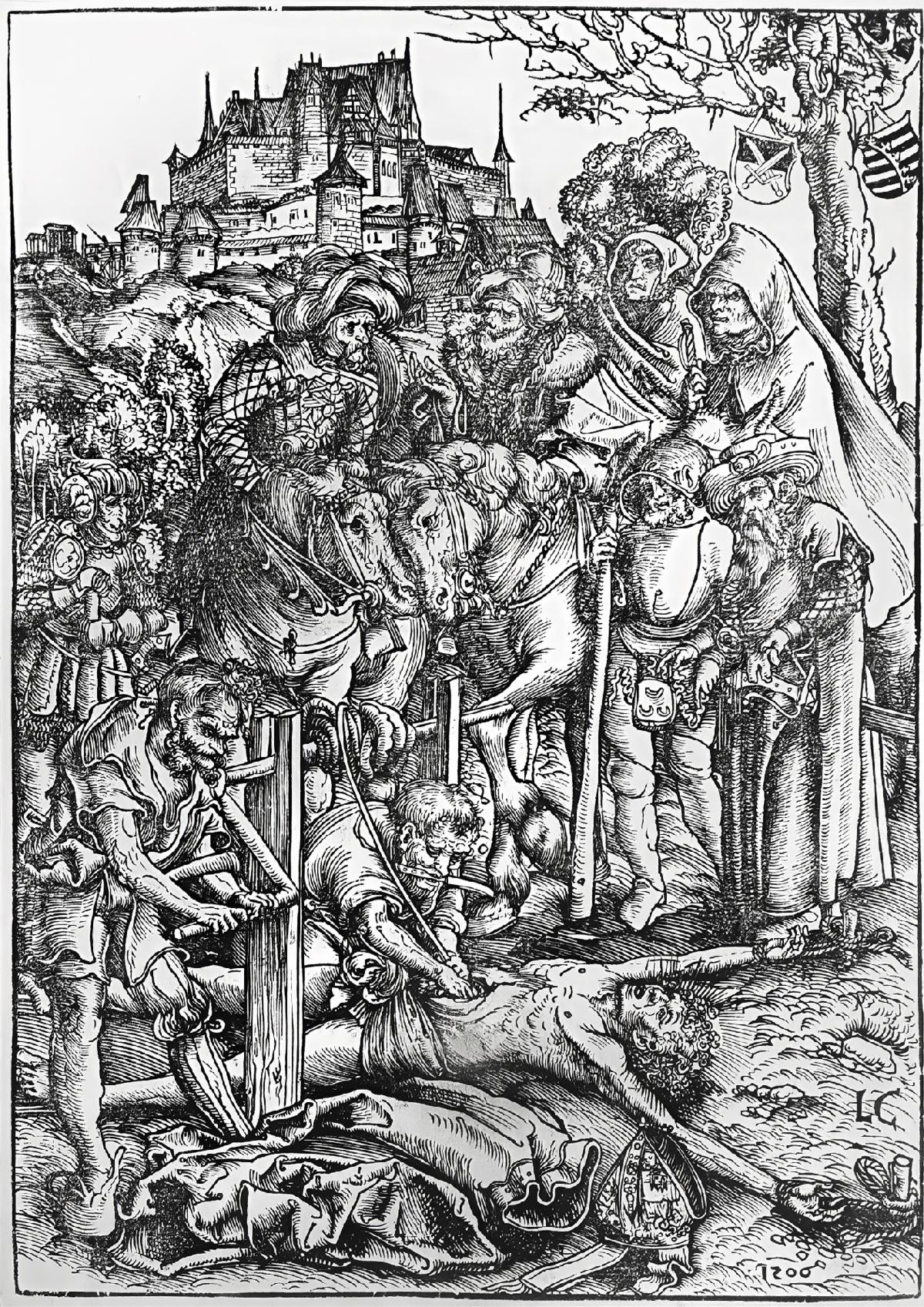
There was a small display devoted to torture. The medieval mind sure could think up some inhumane treatments for people who strayed outside the conventional norms. (There is a museum in Rhonda, Spain, with far more torture implements on display.) 

Building one of these suits of armor must have been quite the endeavor.

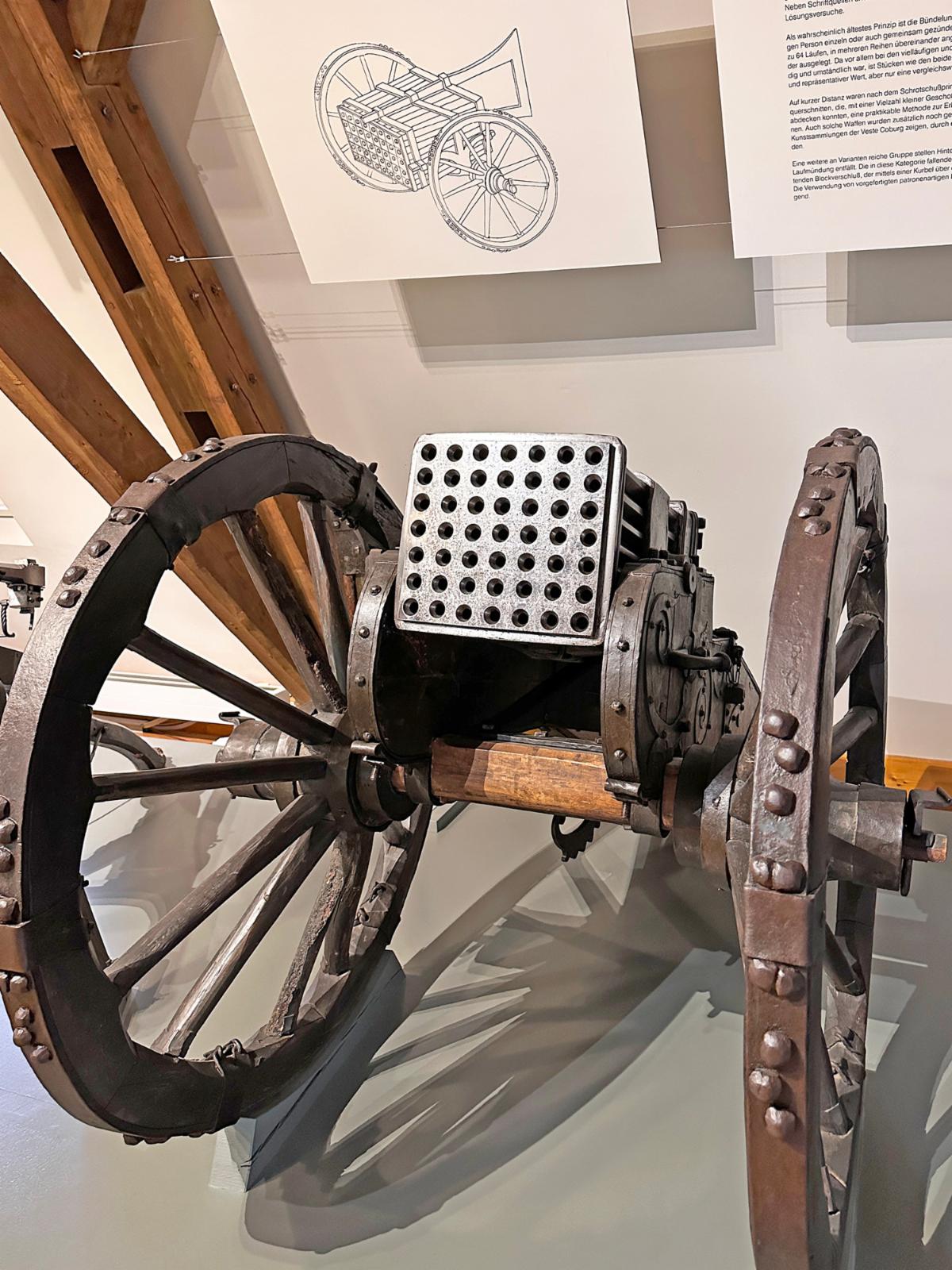
One of the first mass-destruction guns. A forerunner to the Gatling gun or machine gun.

This would teach you to keep your mouth shut.

The tongs were put into a fire, got red-hot, and then used to pick away at a person's flesh. Yikes, that is horrible.

Above and below: A couple of drawings showing torture methods. What kind of a mind thinks up this stuff? Imagine if they had electricity. Hmm, is modern man much better? Even America resorted to so-called 'enhanced interrogation' methods in Iraq.

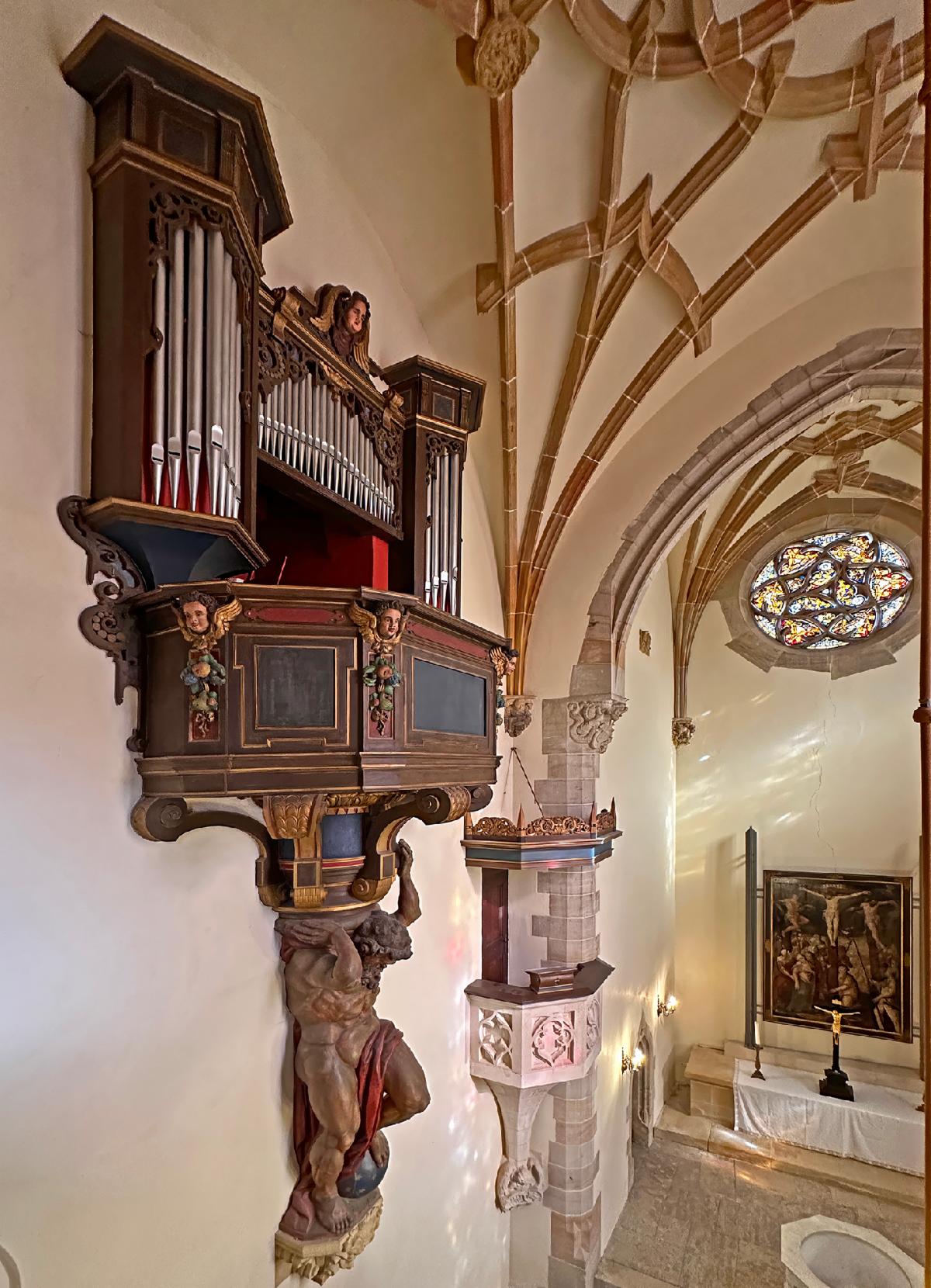
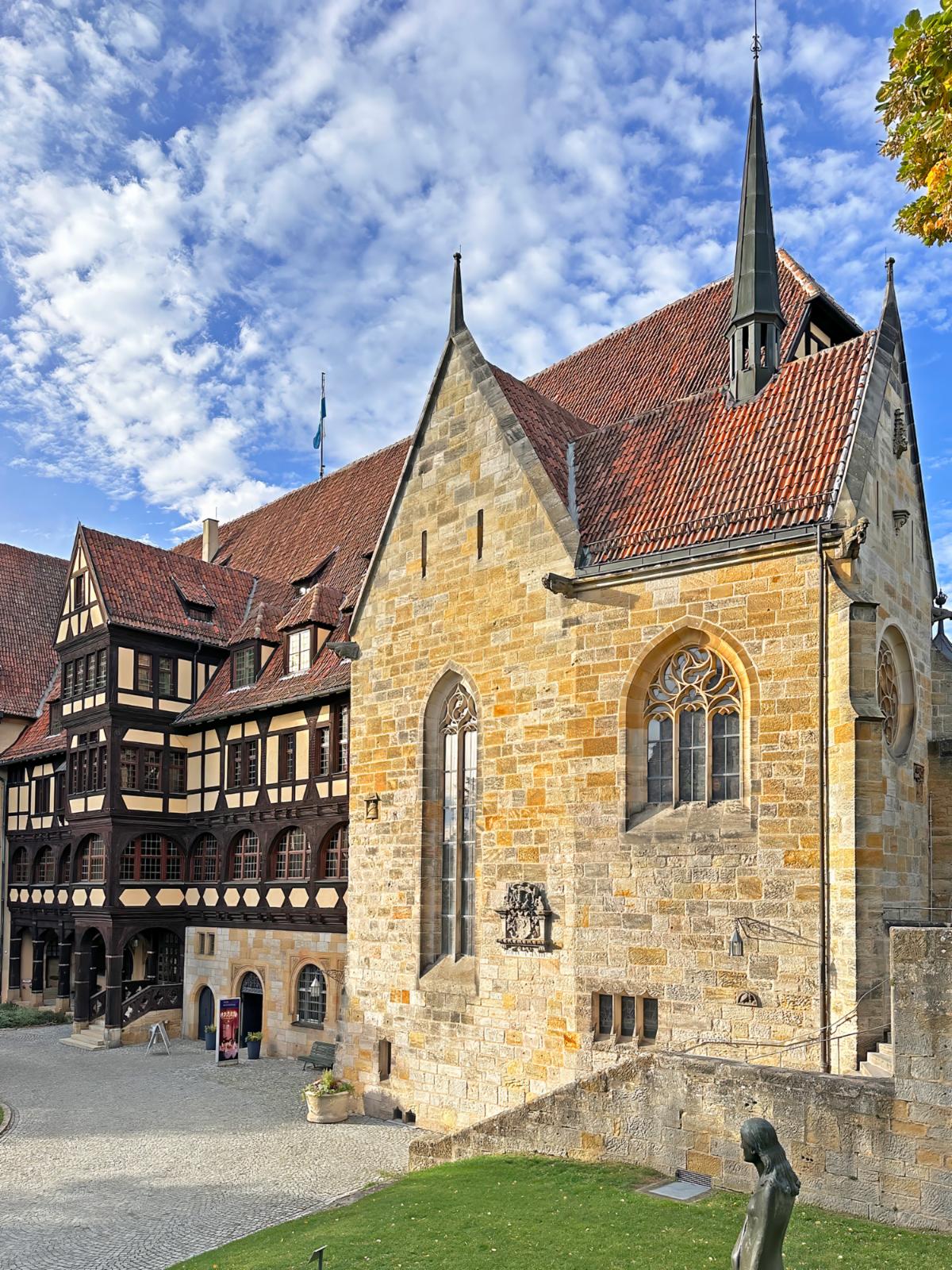
In 1530, Martin Luther hid out at Veste Coburg for six months while he worked on translating the Bible into German. He was fortunate that so many influential people were willing to protect him. The castle chapel was a sanctuary for him.

Above: The interior of the chapel.

Below: The stone section of the building is the exterior of the chapel.

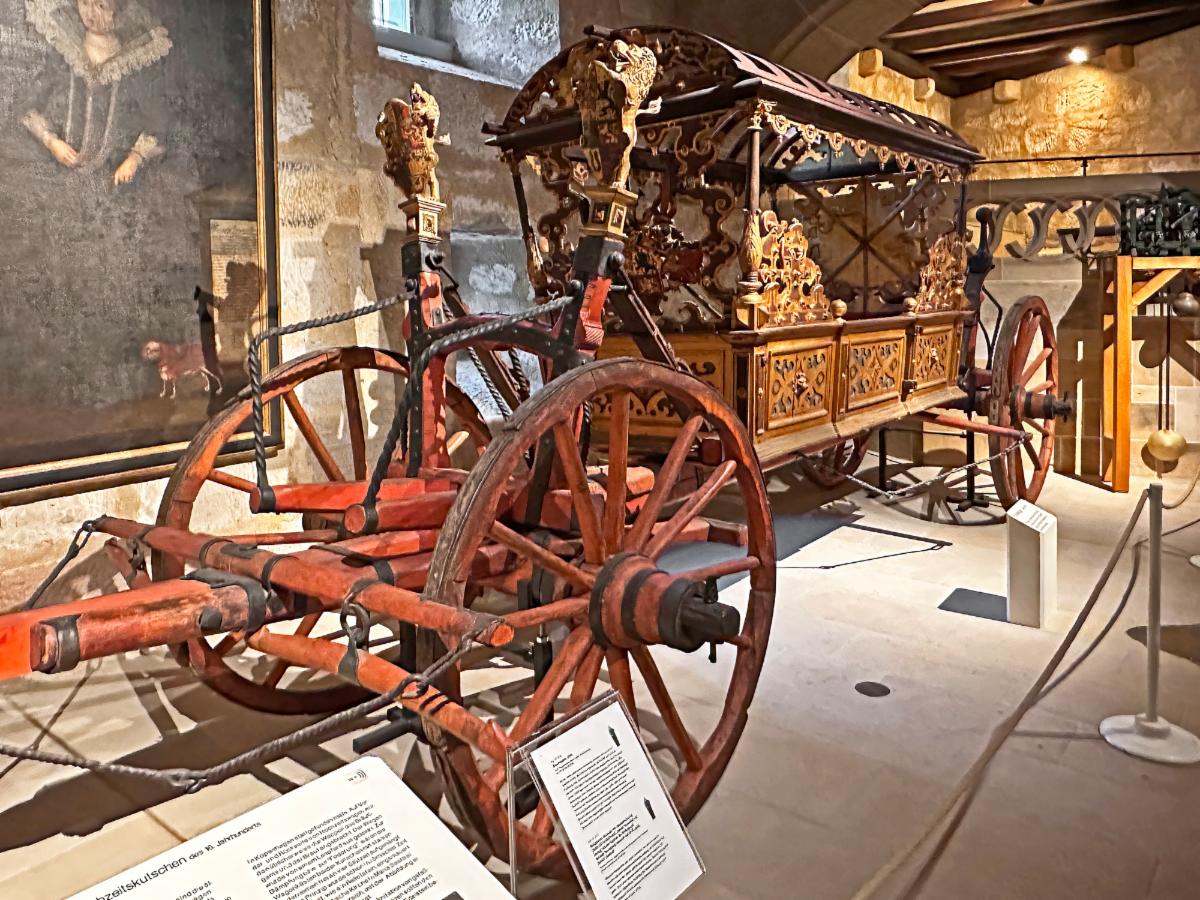
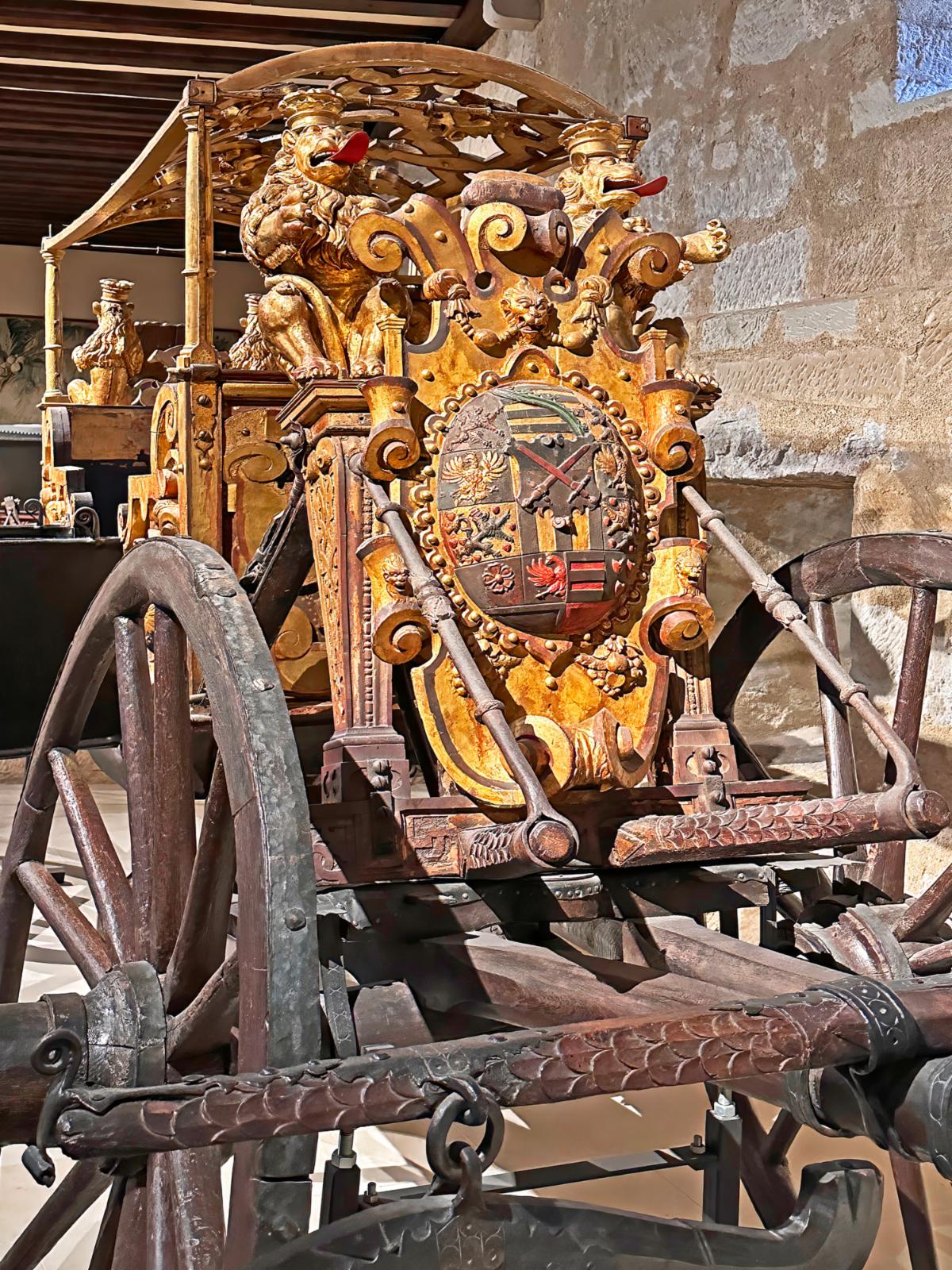
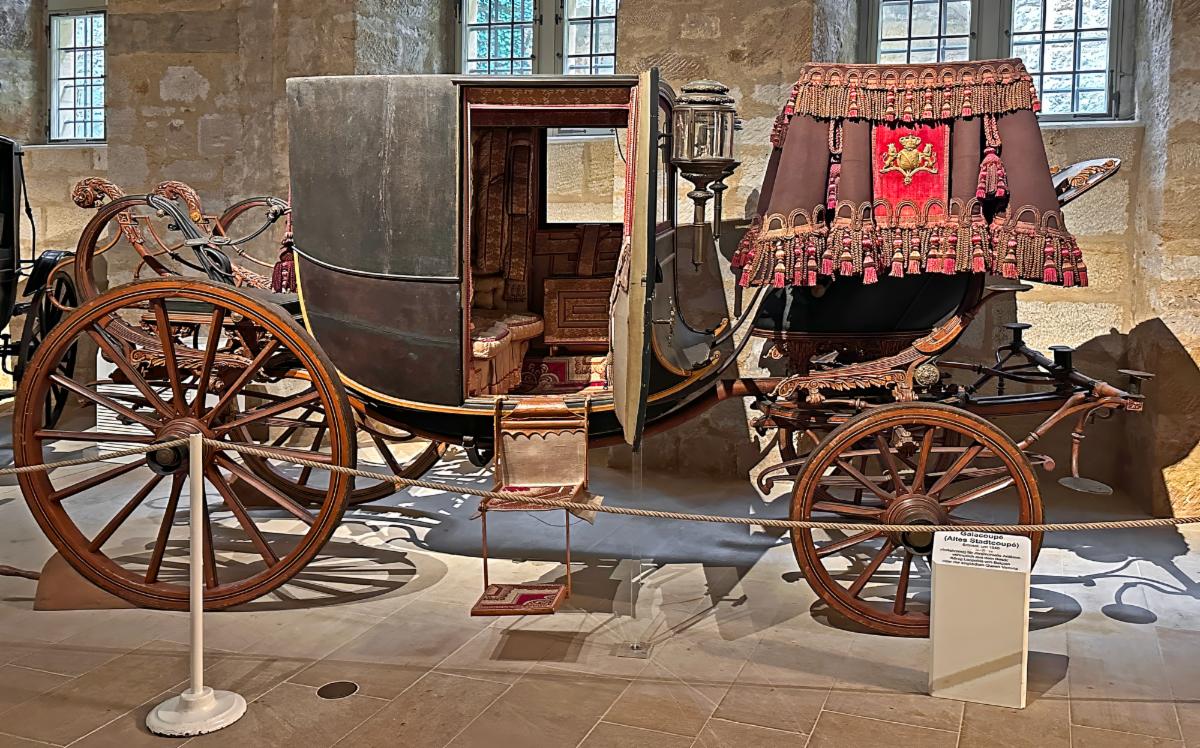
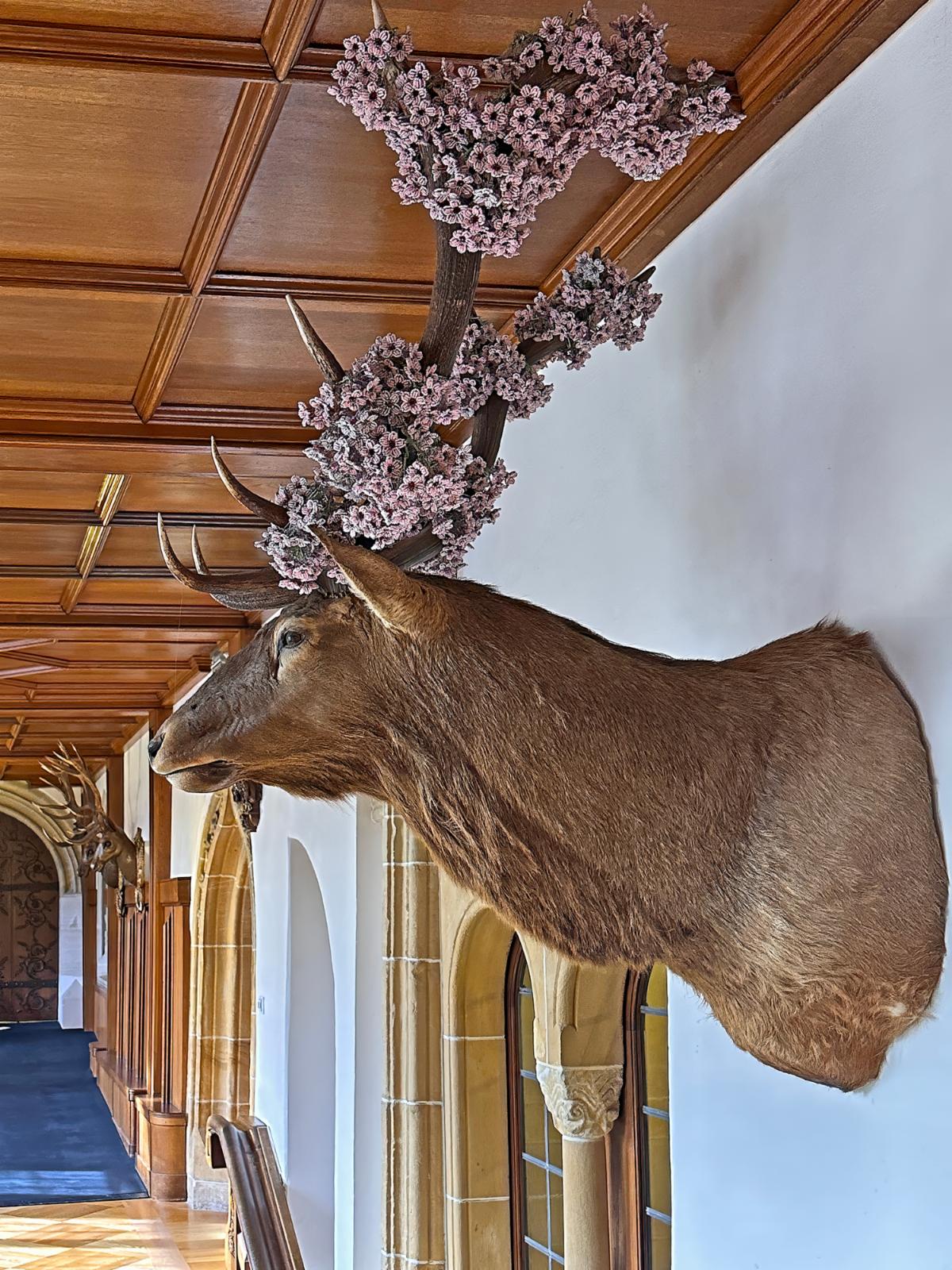
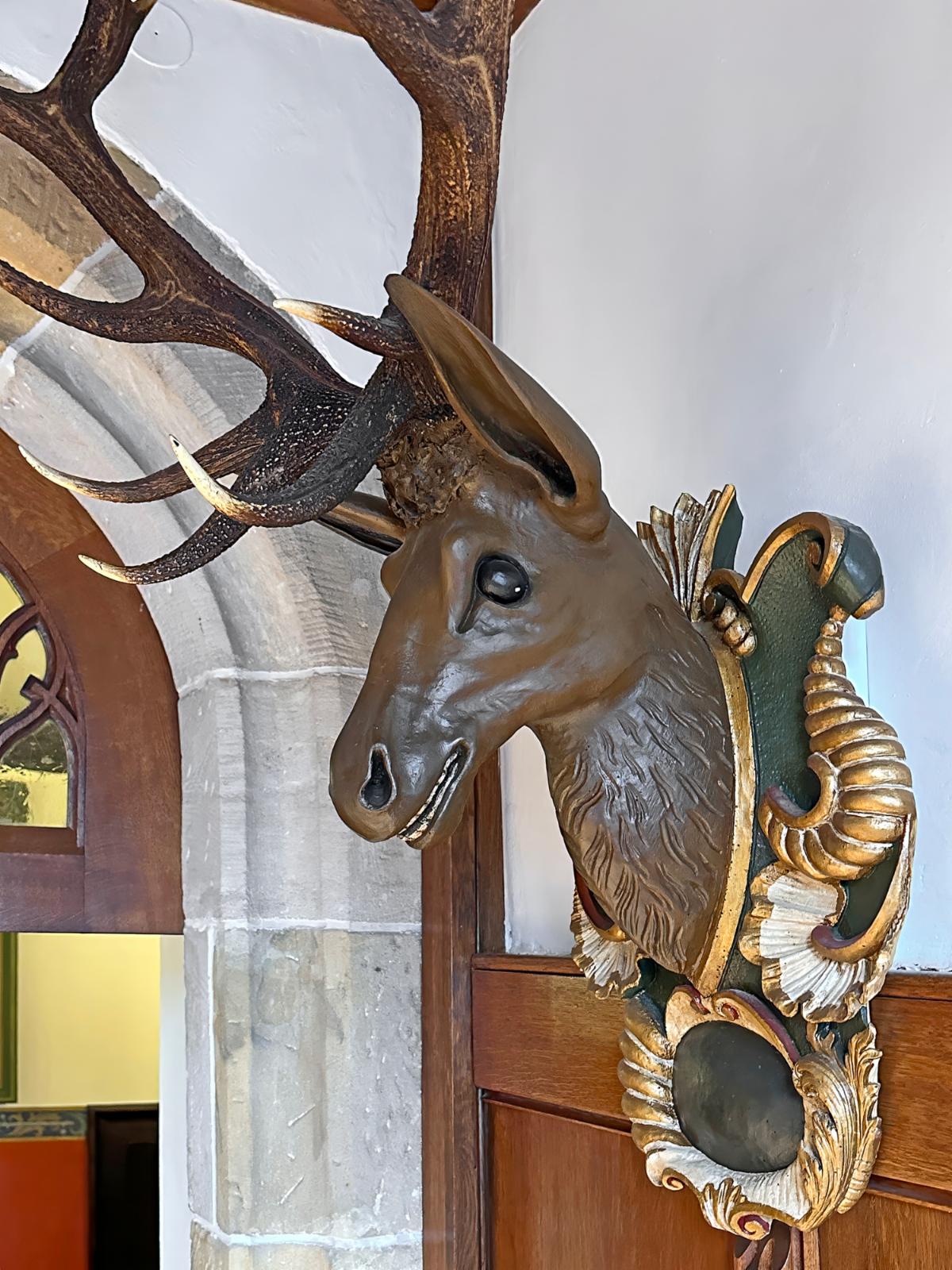
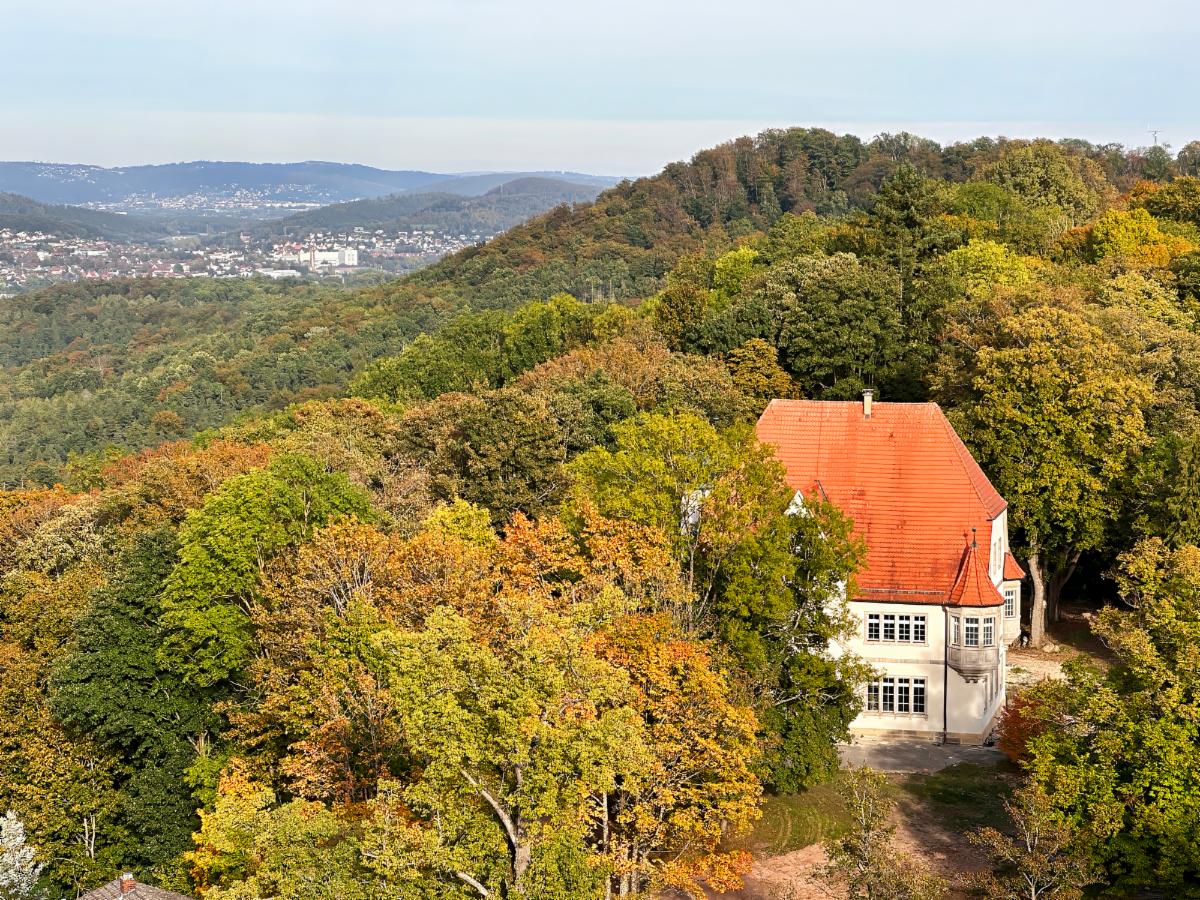
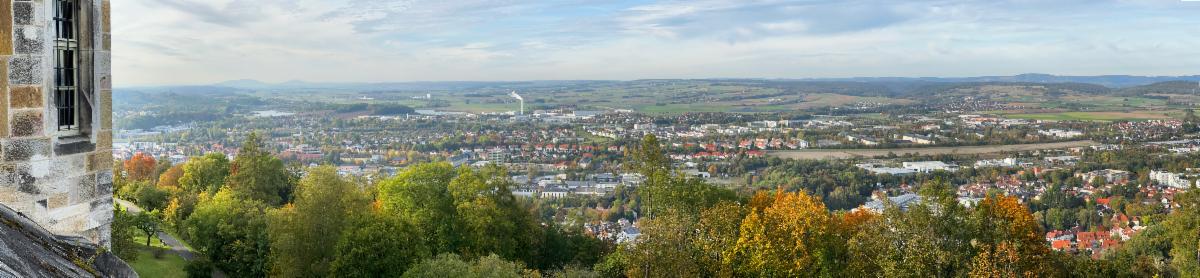
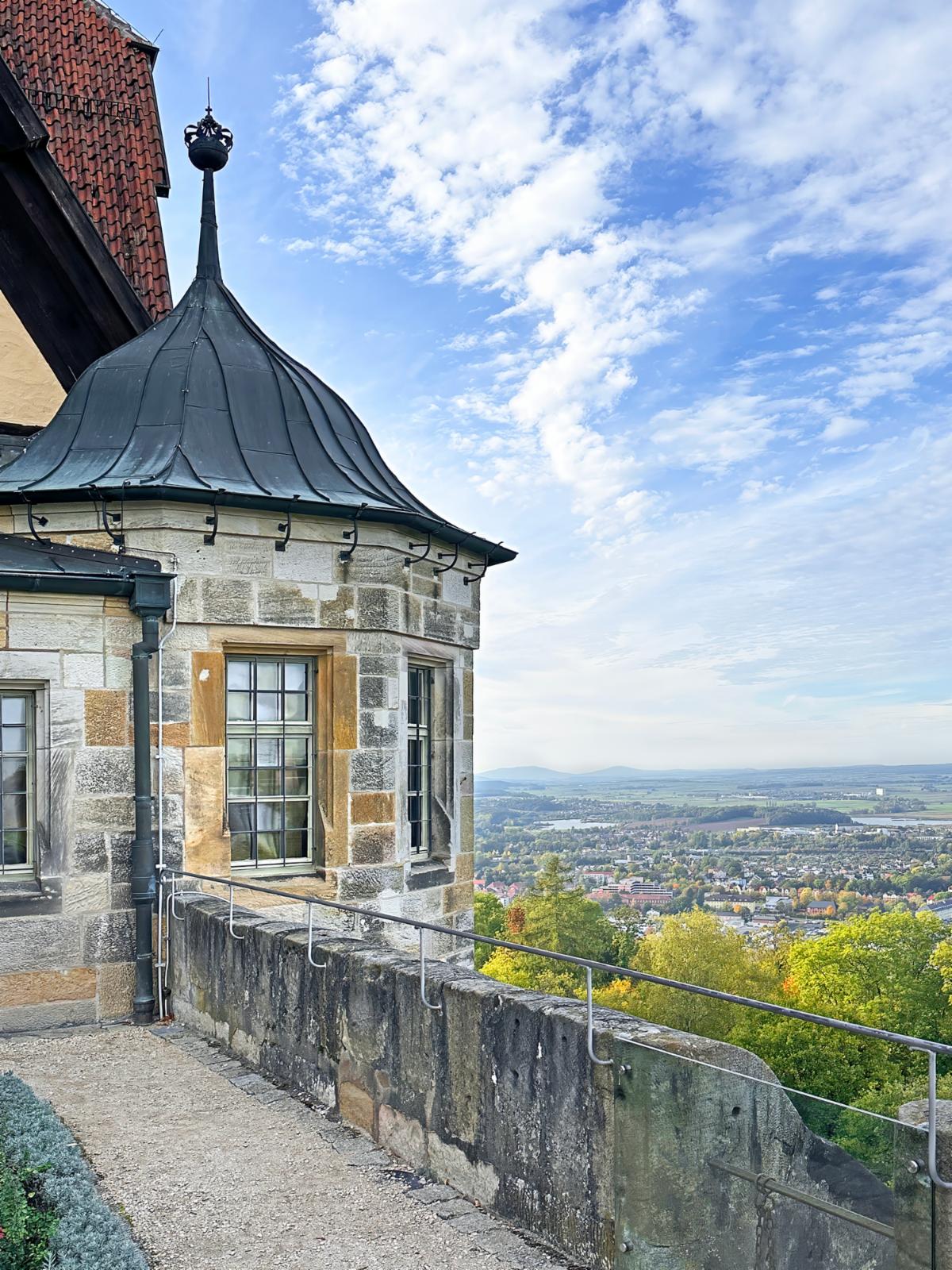
After catching several more displays, like the carriages, sleighs, and hunting rooms, we walked around the grounds. The castle was strategically placed on top of the highest ground in the area. This offered us great views of the city of Coburg below and the surrounding countryside. 

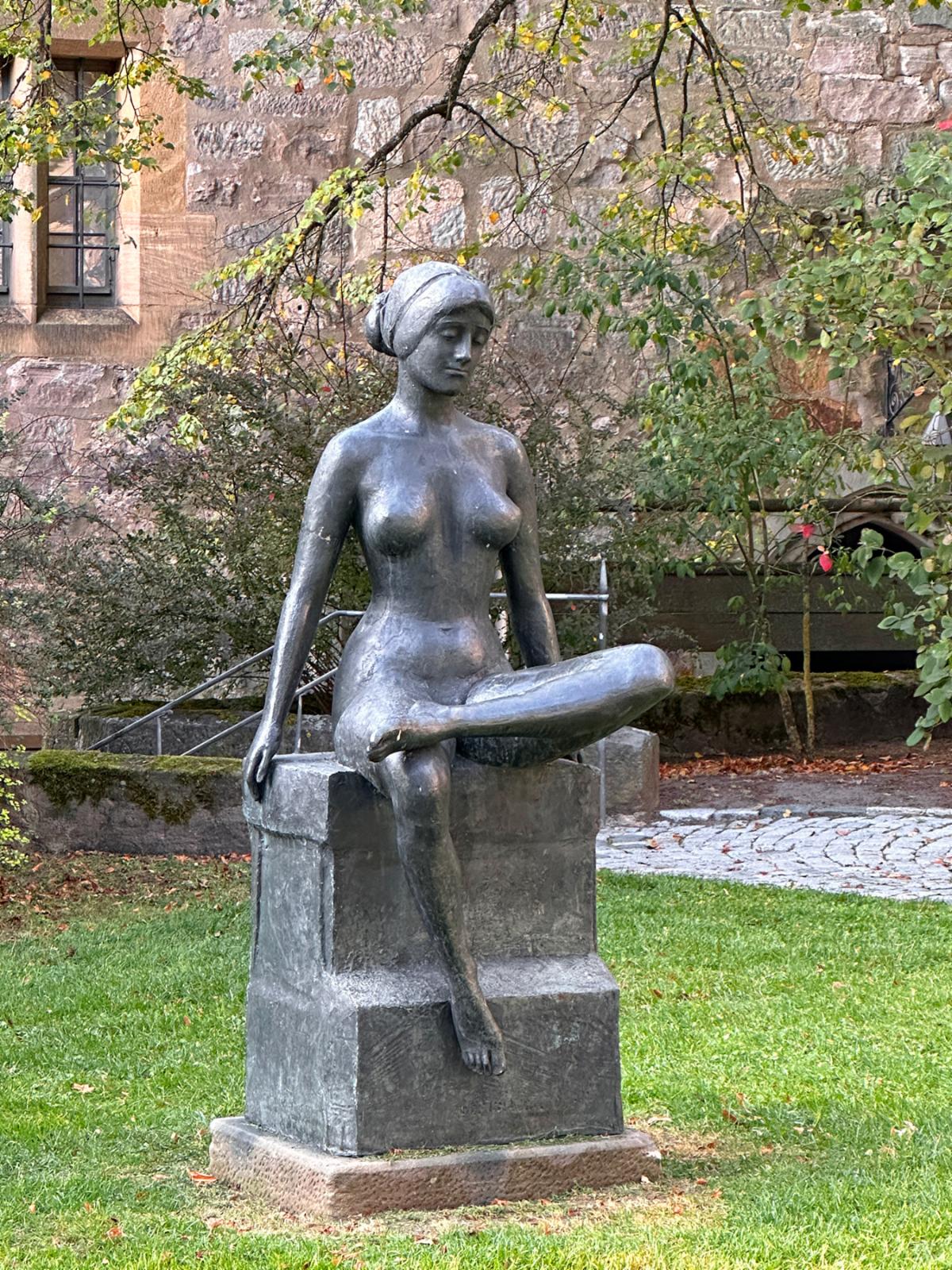
The guy's smile drew me in.

On our return down the mountain to the RV park, we purposely took a different route even though Google tried to trick us into taking the same path. We weren’t gullible enough to be suckered into that twice. Our route was a bit long, but we avoided a lot of trespassing and bushwhacking.

Dave and Wanda

Vaccines: Your ticket to safe world travels.


Virtual Business Card

North America. Europe. Mexico. Asia. Product Reviews. Books & Maps.


We are on an RVing adventure through Europe that could last as long as six months. Traveling with family, we will start in Germany and explore several countries. We are excited to explore all that Europe offers and share our travels with you through this blog.


Share if you know someone who would enjoy tagging along. Please join our email list if you haven't already done so. On the slightest whim, tap 'reply' to this email and drop us a line. We'll get back to you whether you need travel help, have ideas, or just want to say hello.


Please send us your thoughts and any errors we may have missed. We're on the road, and cellular service is intermittent in the remote areas. We are eager to read your messages as soon as we get online.


Message us: 715-252-6664 | 715-252-3326
Email: alloverthemaptravelventures@gmail.com

Visit our Website