|
Hot Topics
PGANE's Marketing Committee has put together this monthly marketing newsletter to assist in the continuity of the propane industry's social media presence. In creating this resource we hope it can provide our members with an easily accessible collection of themed posts for each month.
The month of April's topic is Earth Month! Simply copy and paste the writing accompanying each post to your own social networks with the provided pictures. When clicking the download button it will open the picture on your screen. Right click on your mouse, click "save image as" and save to your desktop. Upload it into the desired social network and hit that post button!
| |
|
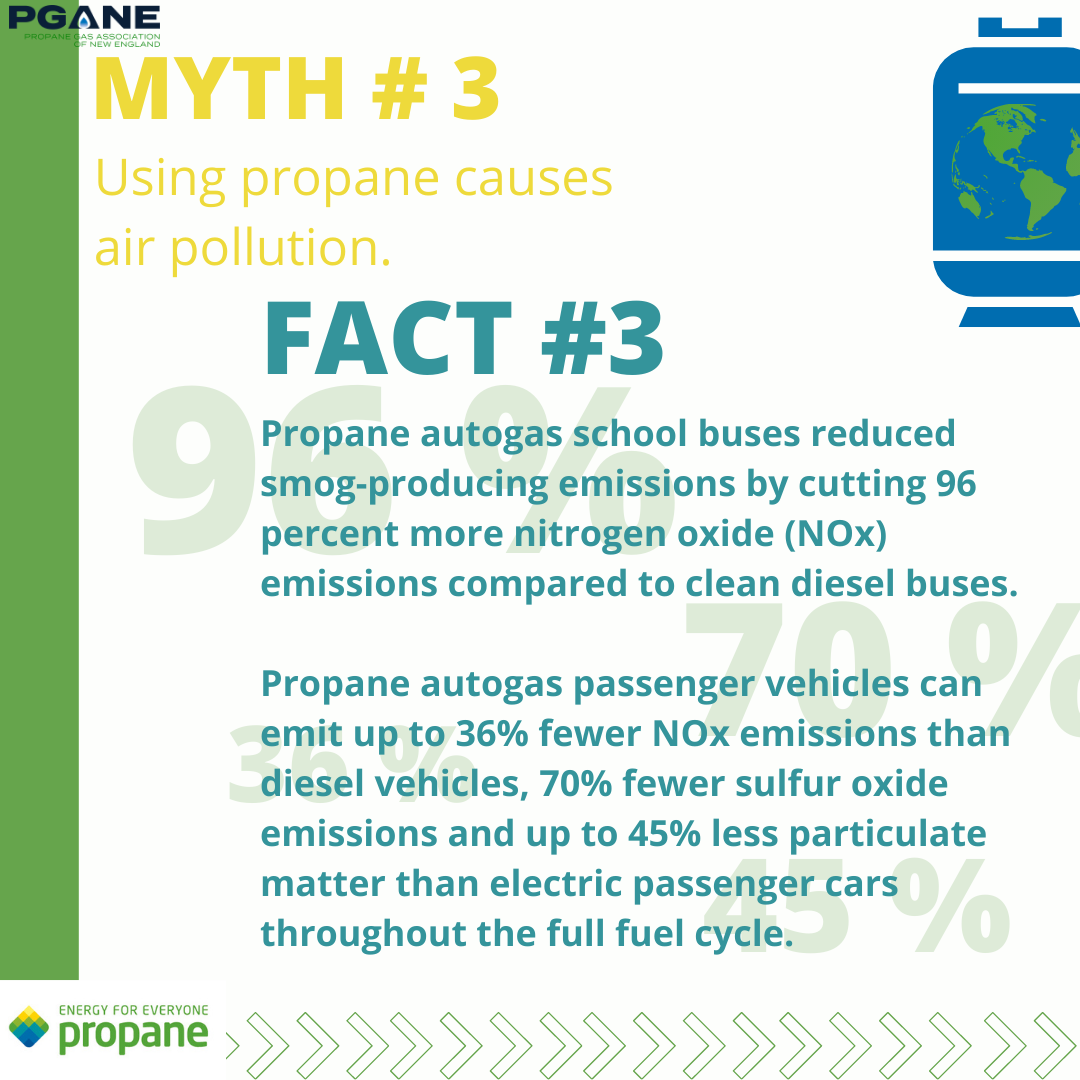
Myth # 3
COPY: Not only does propane not cause air pollution, it actually reduces smog-producing emissions by cutting 96% more NOx emissions compared to clean diesel buses. 🚌
| |
|
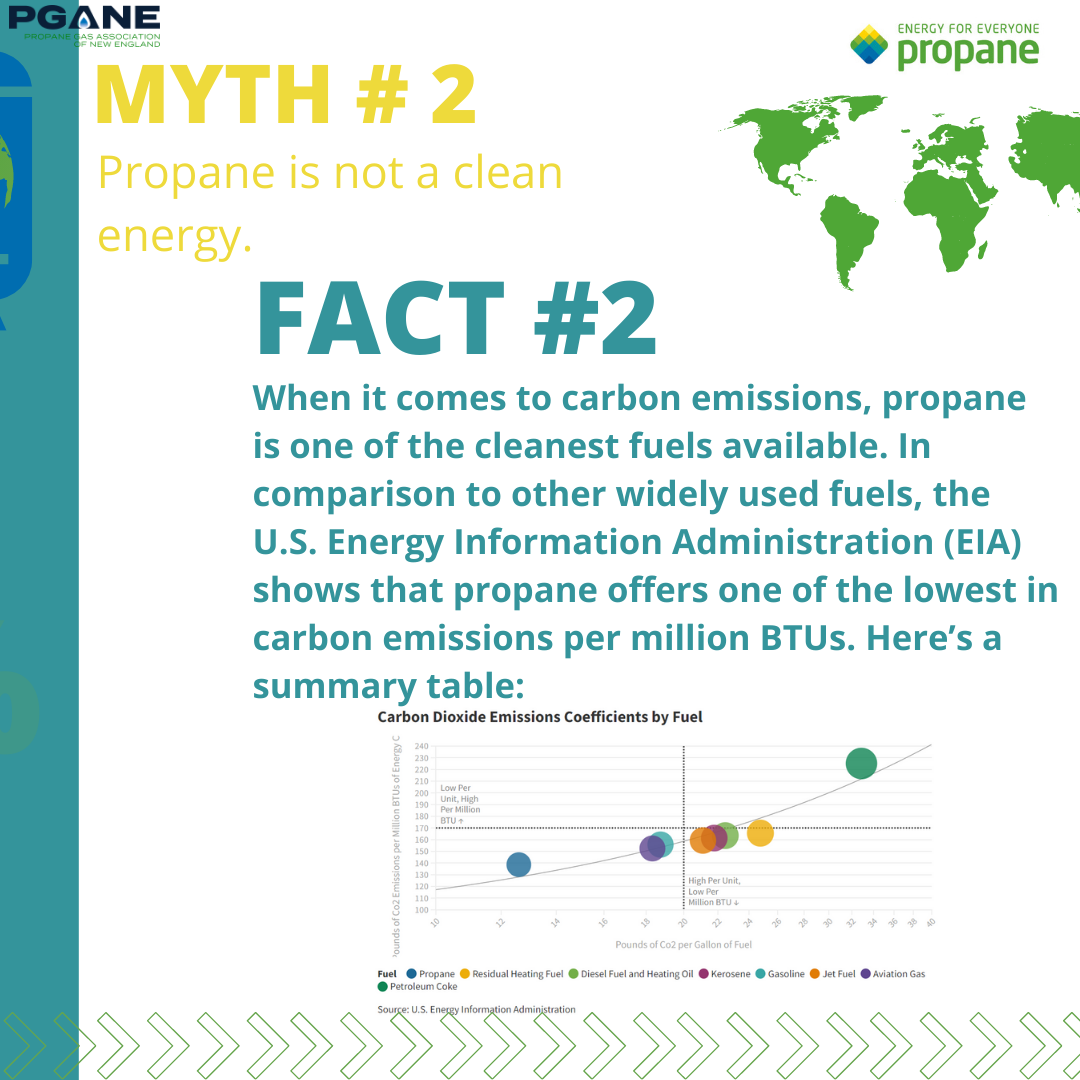
Myth #2
COPY: We're here to debunk some of those myths we've been hearing about propane. Specifically, that it's not a clean energy.
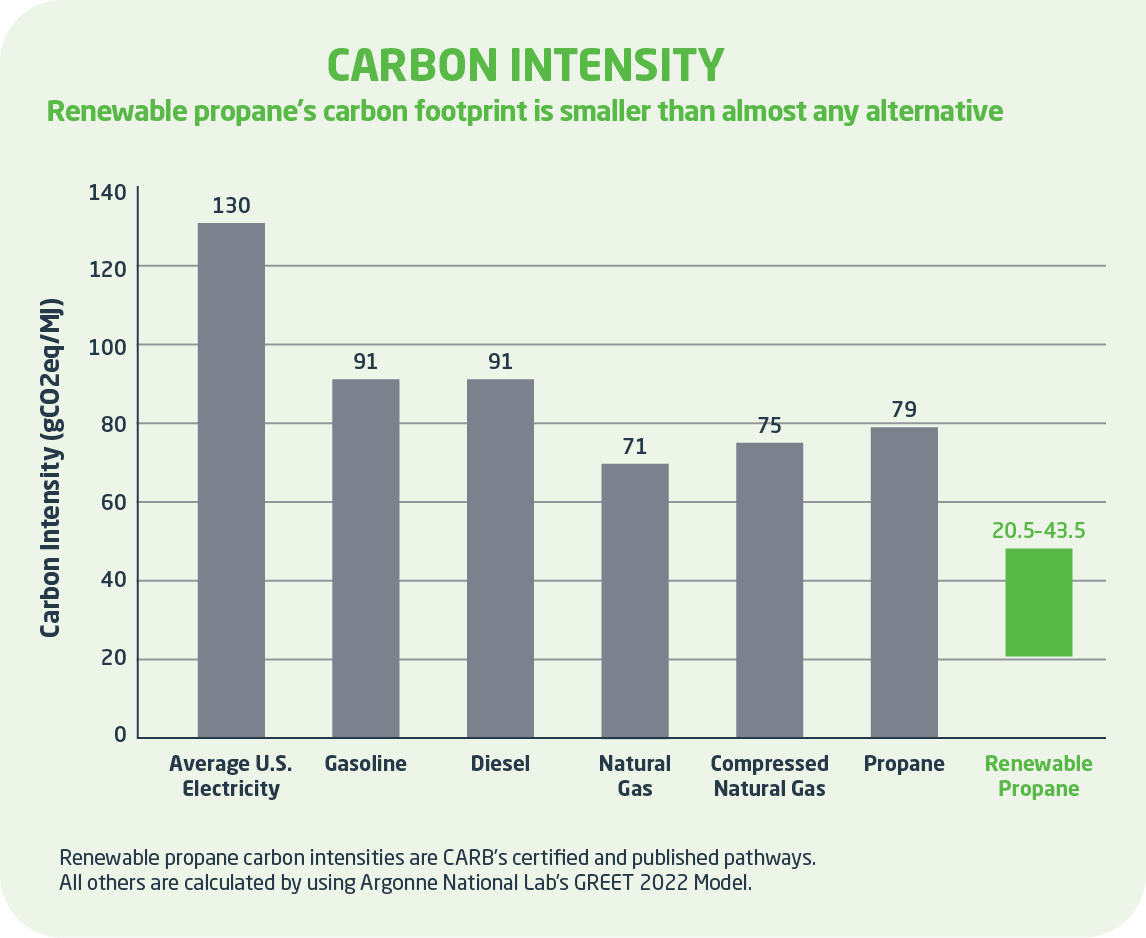
When comparing carbon dioxide emissions, propane is one of the cleanest fuels out there, take a look!
| |
|
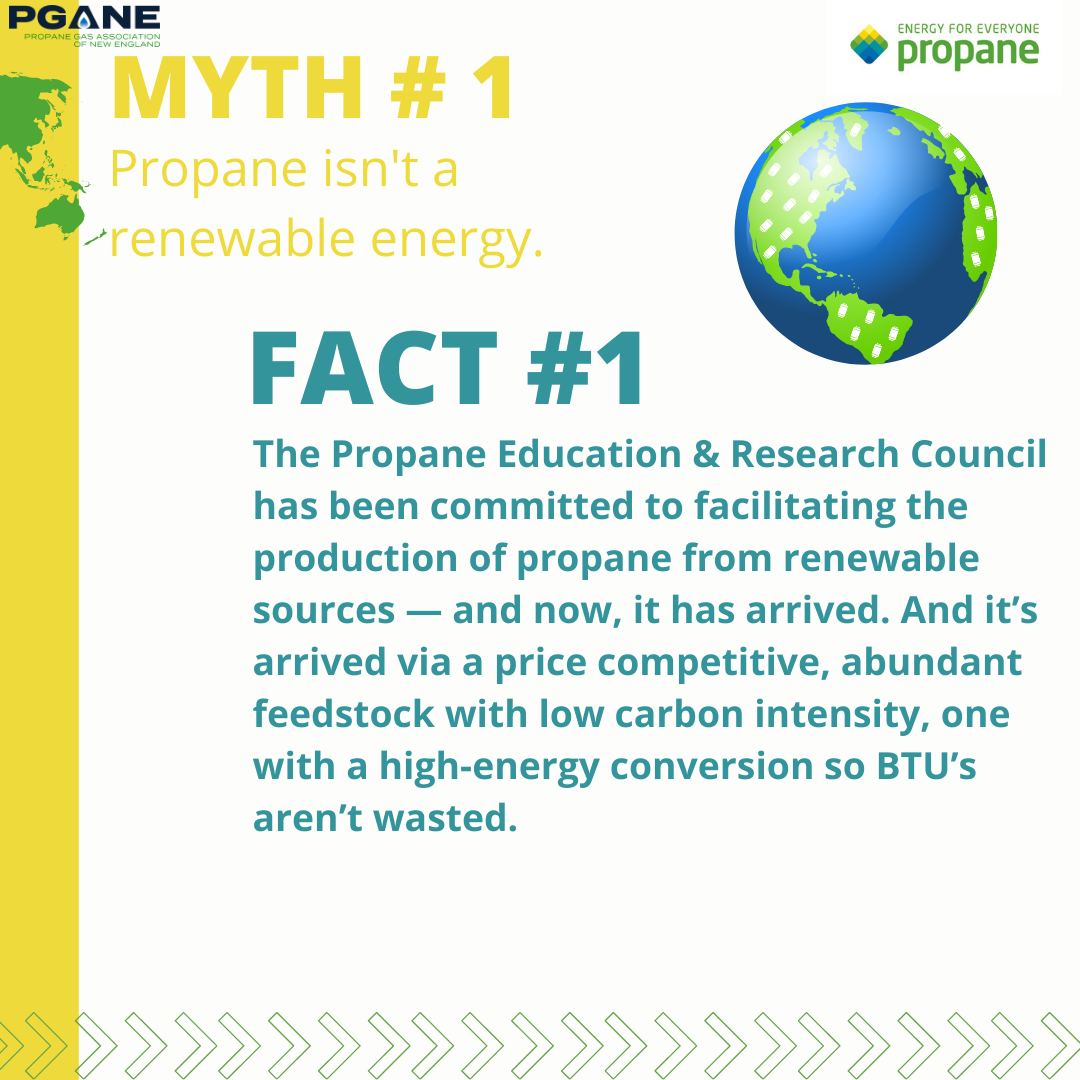
Myth #1
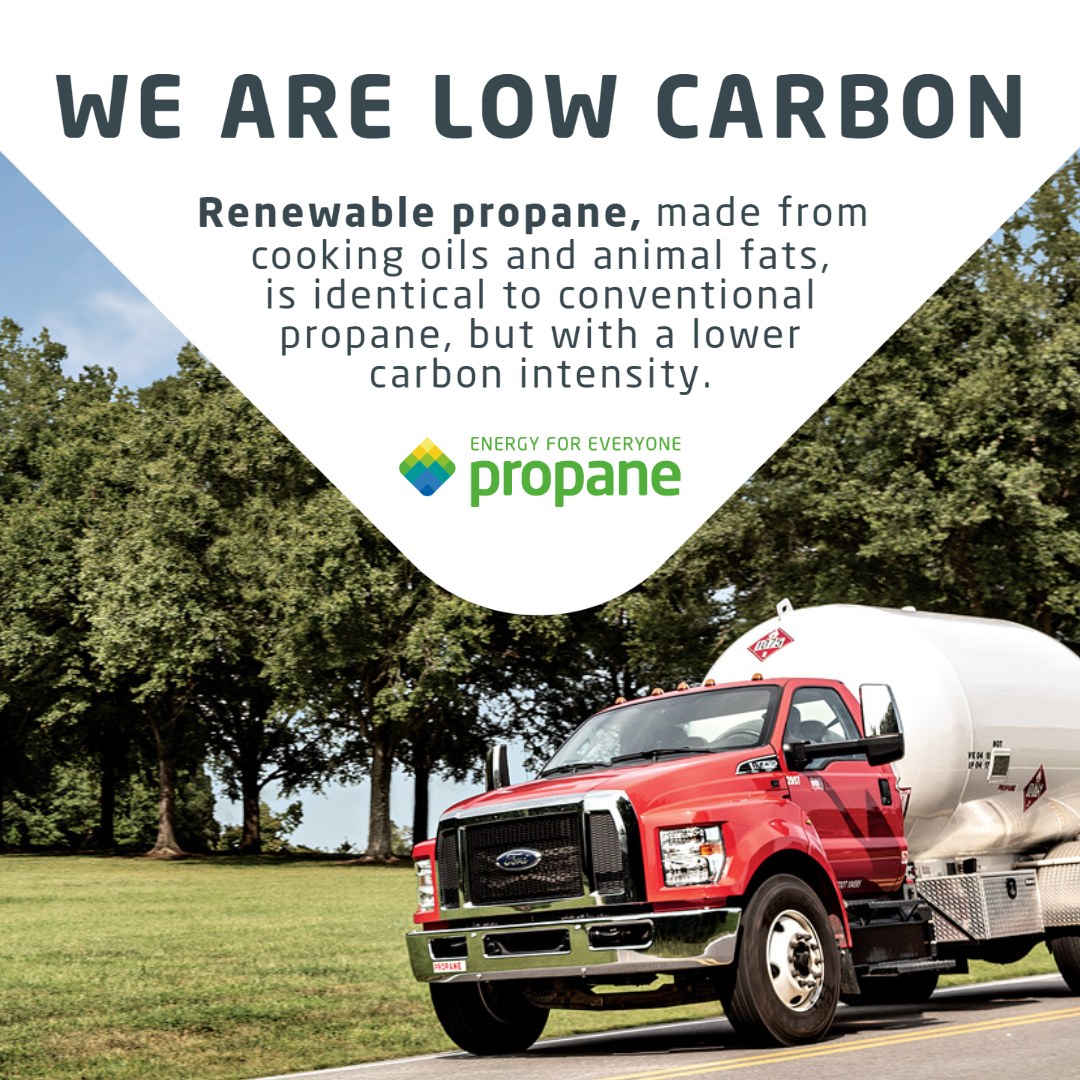
COPY: In honor of Earth month we think it’s important we share that renewable propane is here, today. Made from a mix of cooking oils and animal fats, propane, an already clean energy, just got cleaner. We're here for you Mother Nature! 👏
| |
Earth Day Print Ads – Homeowner Social Media | |
|
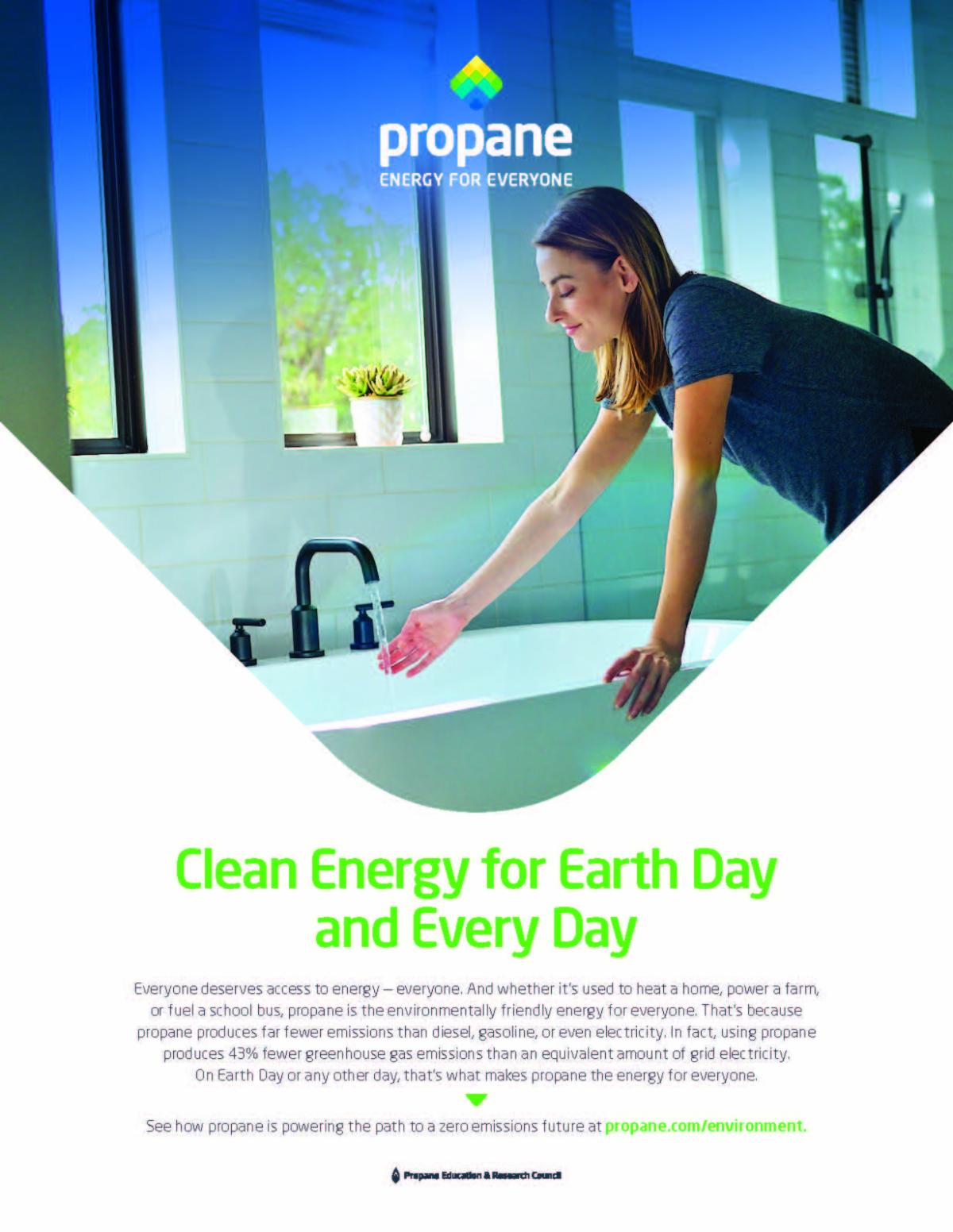
COPY: Everyone deserves access to energy — everyone. And whether it’s used to heat a home, power a farm, or fuel a school bus, propane is the environmentally friendly energy for everyone. That’s because propane produces far fewer emissions than diesel, gasoline, or even electricity. In fact, using propane produces 43% fewer greenhouse gas emissions than an equivalent amount of grid electricity.
On Earth Day or any other day, that’s what makes propane the energy for everyone. See how propane is powering the path to a zero emissions future at propane.com/environment.
| |
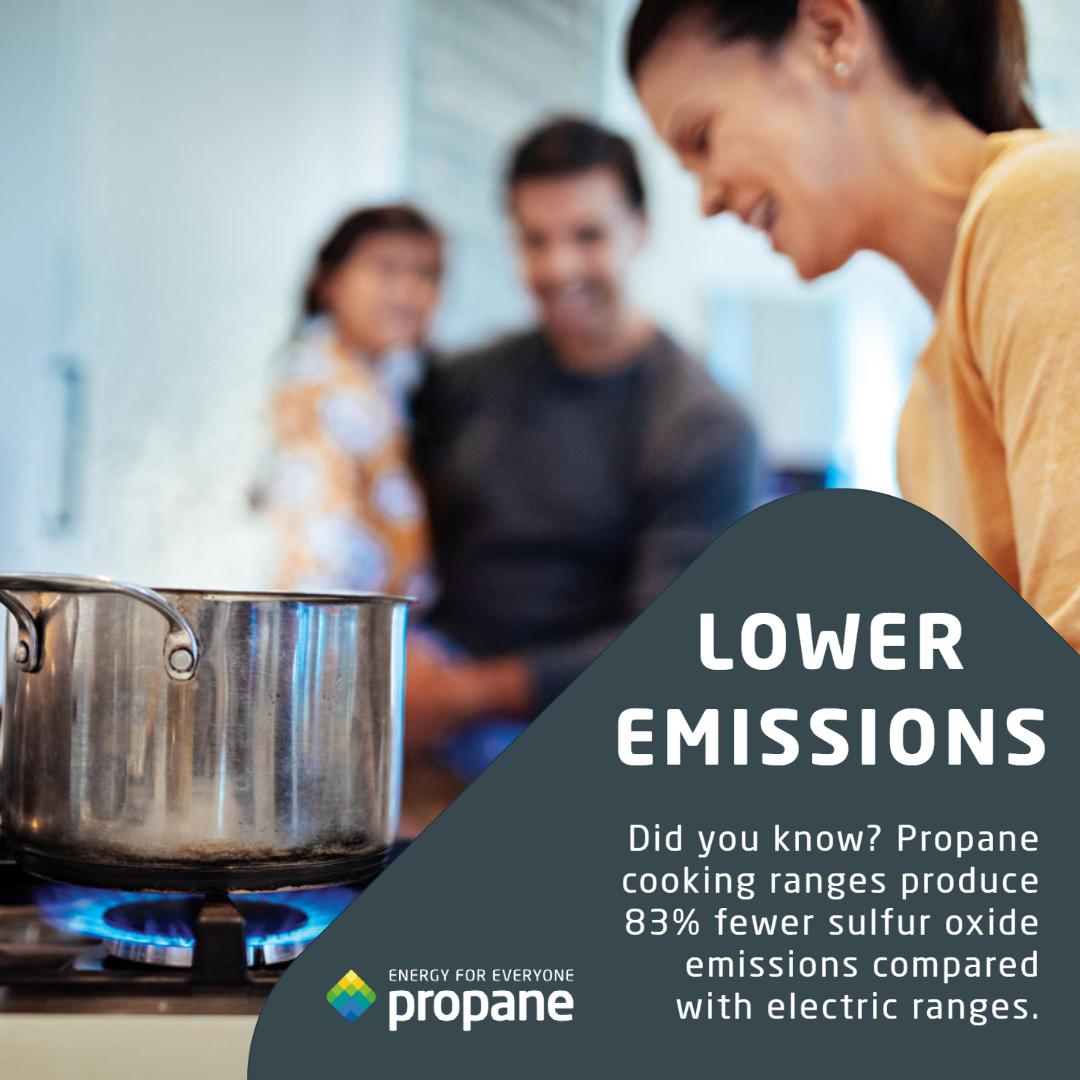
COPY: Happy Earth Month! Did you know propane ranges serve up the perfect recipe of efficiency and environmental benefits? When source emissions are considered, they produce fewer emissions than electric ones. | |
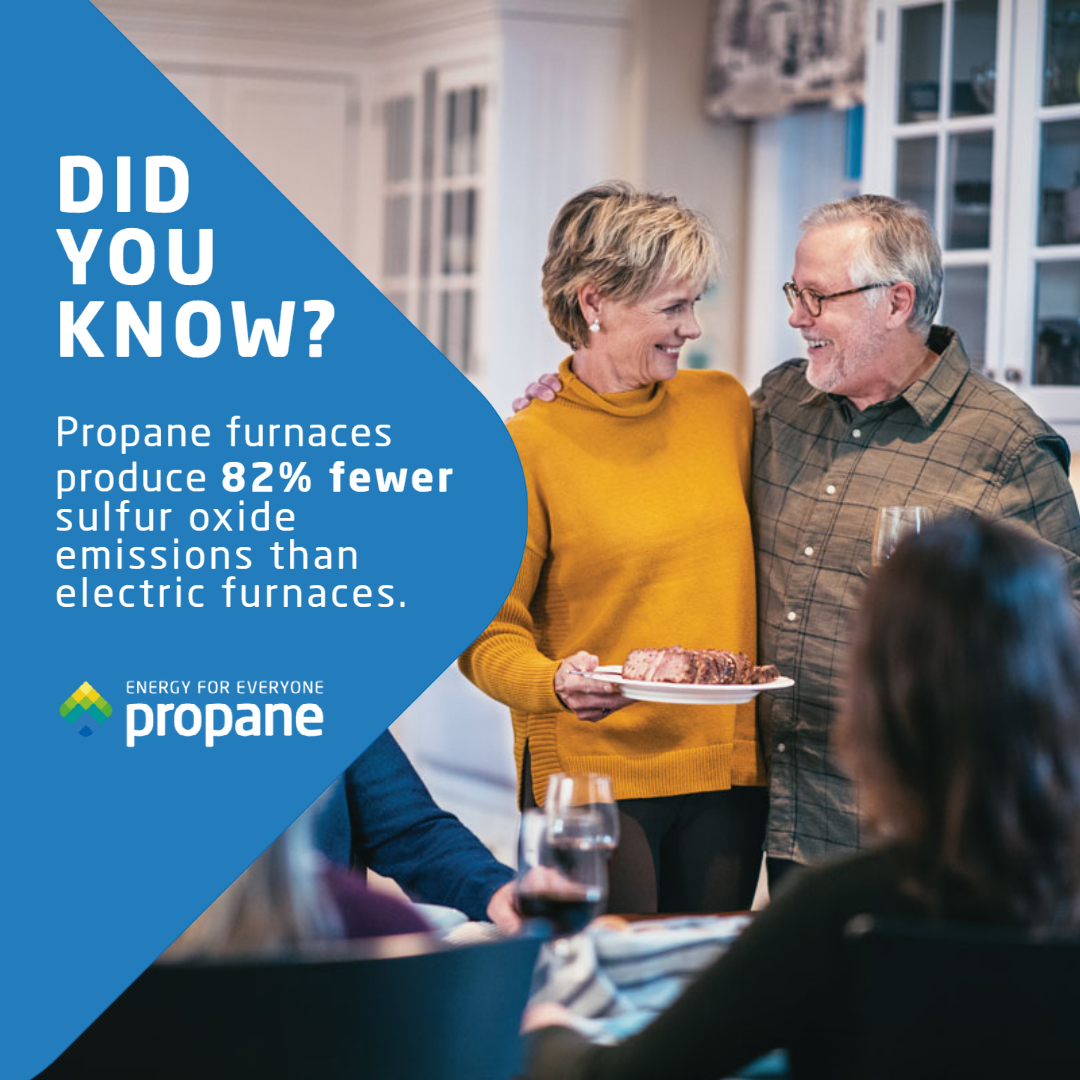
COPY: Because coal-fired power plants still generate a significant portion of electricity, when those source emissions are taken into account, propane furnaces come out cleaner. | |
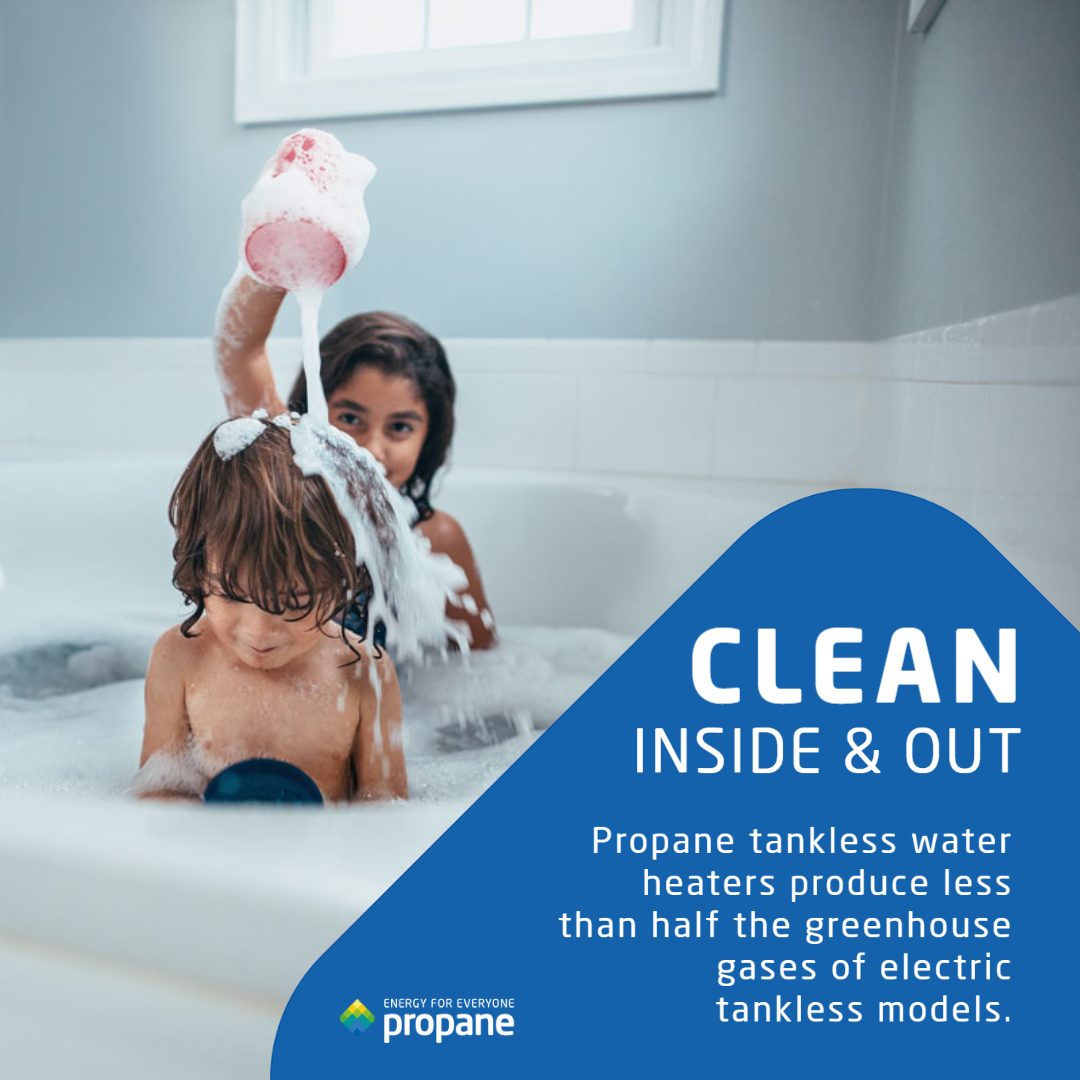
COPY: Propane-fueled tankless water heaters emit over 50% fewer greenhouse gas emissions than electric tankless water heaters. They deliver abundant hot water, without the source emissions from coal-fired power plants used to generate electricity. | |
COPY: Propane furnaces offer best-in-class efficiency, and provide comfortable, reliable, and consistent heat during even the coldest weather. Pair that with reduced emissions over electric models, and propane furnaces are the smart choice for your home. | |
|
COPY: This Earth Month we're spreading the good news of propane's benefits for our environment!
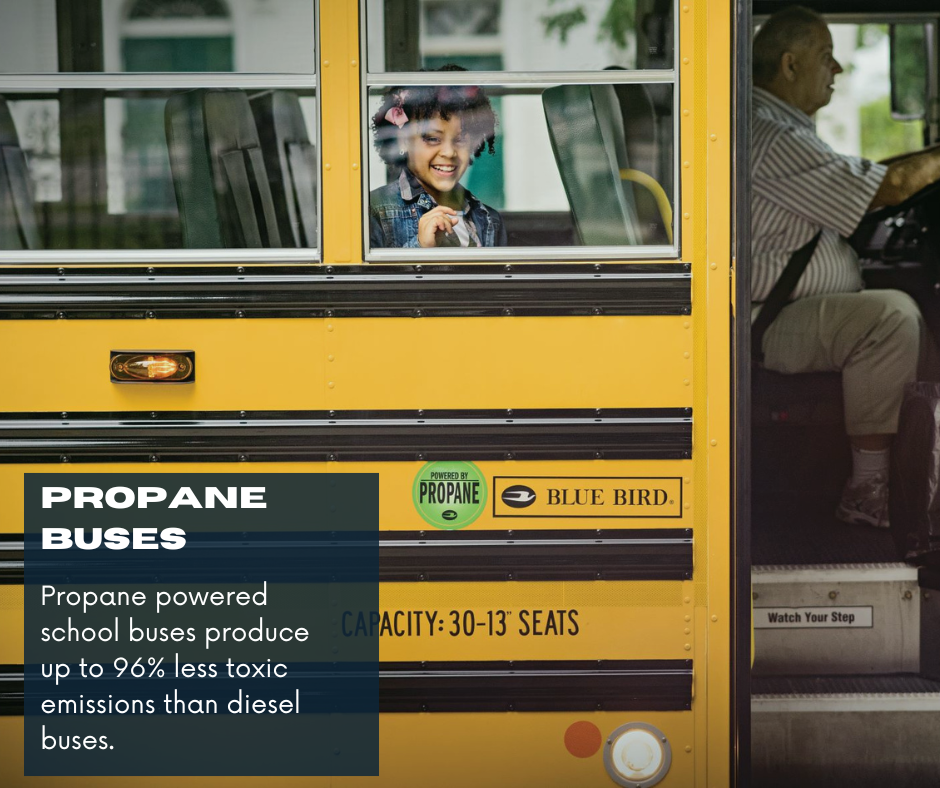
Did you know that propane powered school buses produce up to 96% less toxic emissions than diesel buses? With propane autogas buses, students aren’t exposed to the emissions that can aggravate asthma and cause other health issues.
| |
|
COPY: This Earth Month we're spreading the good news of propane's benefits for our environment!
Propane buses offer many of the same environmental benefits of electric — but at a fraction of the cost. They travel farther, refuel quicker, and even have a smaller carbon footprint. 🚌
| |
The Propane Education and Research Council put together some social content for Earth Day that are relevant for any day of the month. There are 4 photos with suggested captions, click below to access them. | |
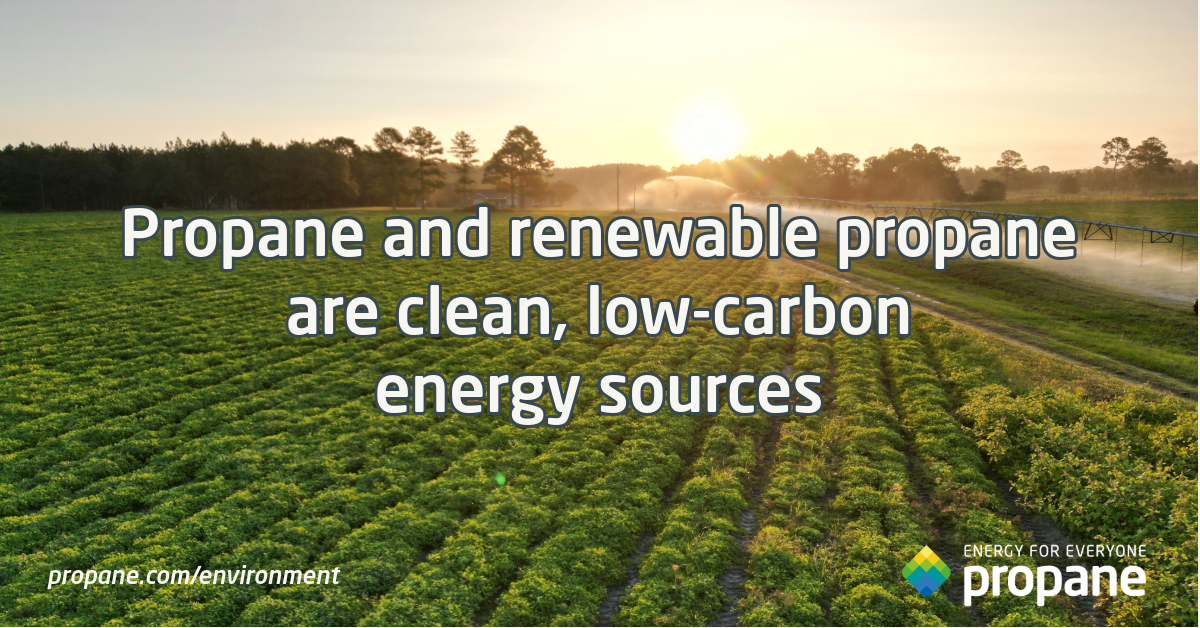
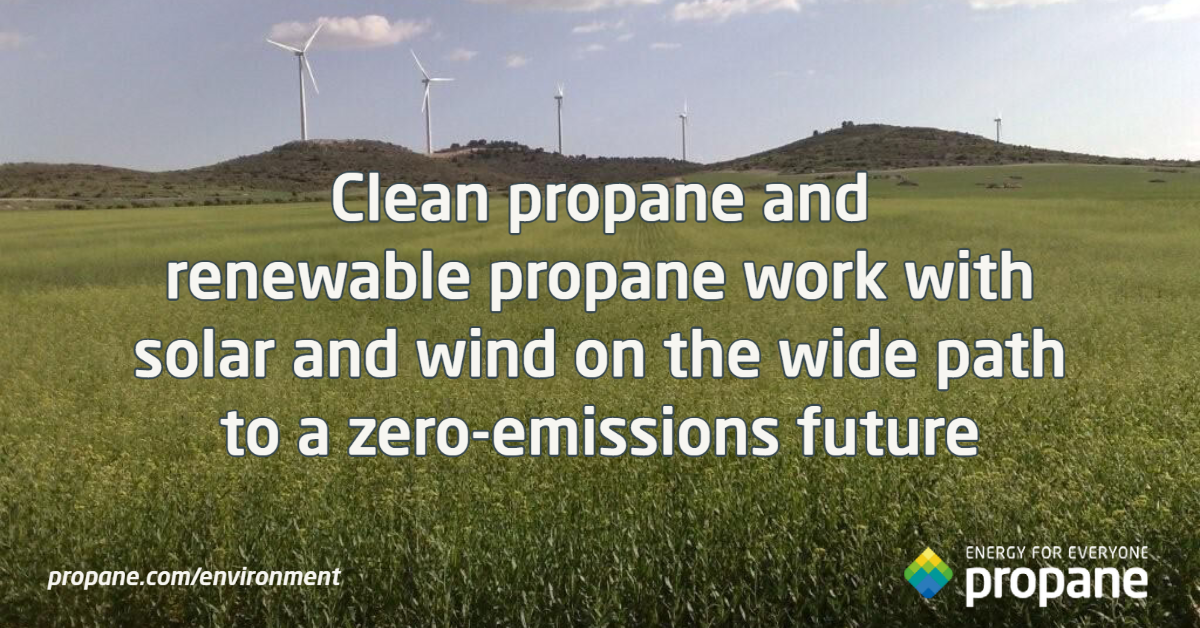
COPY: April is Earth Month and we’re celebrating propane and renewable propane – clean, low-carbon energy sources that millions of Americans rely on every day! Learn about these earth-friendly energies at propane.com/environment. | |
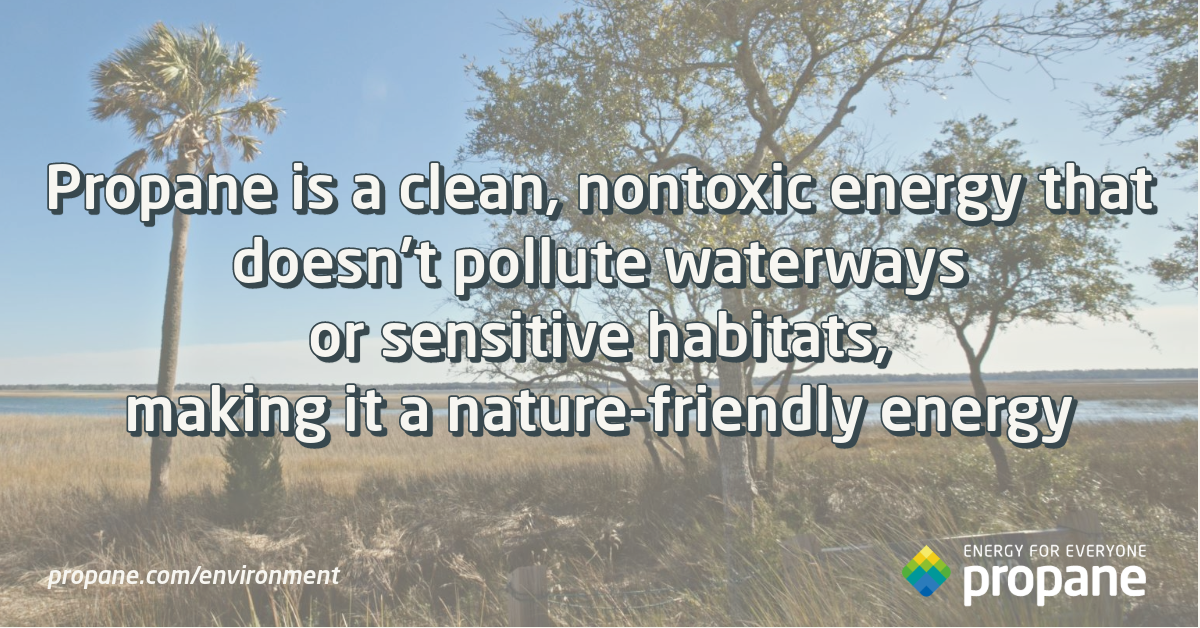
COPY: Propane can be used nearly anywhere, including in sensitive ecosystems that many plants, animals, and people call home. Because propane is nontoxic, it doesn’t pollute soil or groundwater, making it a safe, environmentally conscious energy choice. Learn more about propane’s environmental benefits at propane.com/environment. | |
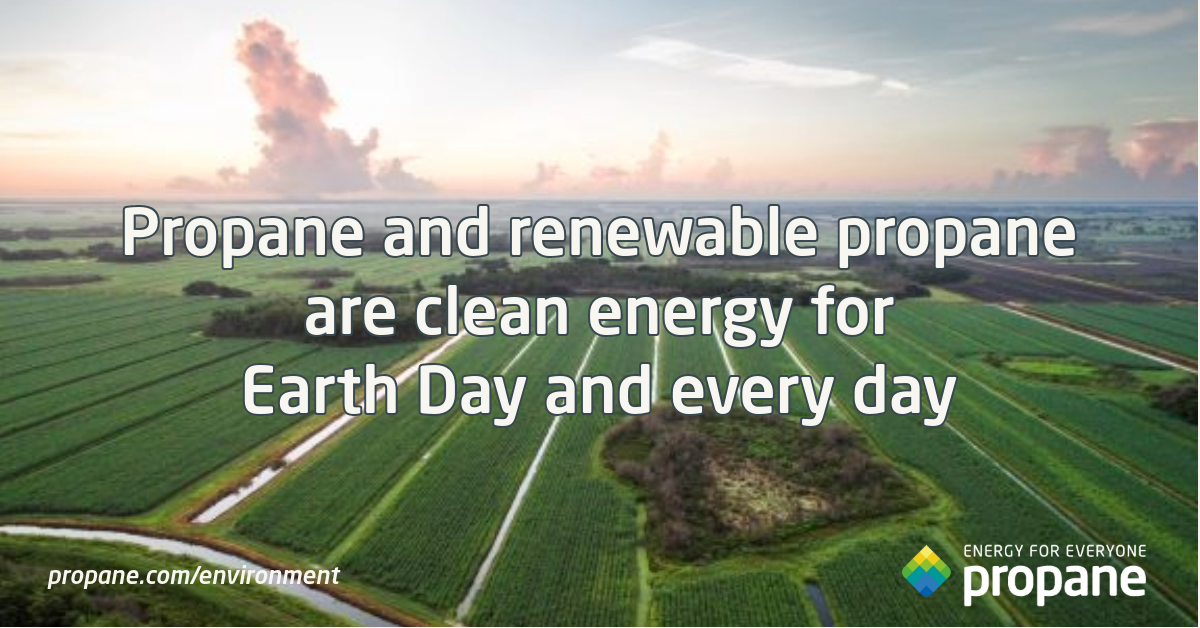
COPY: [April 22nd/Today] is Earth Day! Everyone deserves access to clean, reliable, affordable energy. Whether it’s used to heat a home, power a farm, or fuel a school bus, propane and renewable propane provide environmentally friendly Energy for Everyone. Learn more about propane’s benefits at propane.com/environment. | |
COPY: No single energy source can solve every environmental challenge. Propane and renewable propane complement electricity and renewable energies to reduce emissions while providing reliable power. Learn more about the role propane and renewable propane play in a sustainable future at propane.com/renewable-propane. | |
Downloadable Marketer Materials | |
|
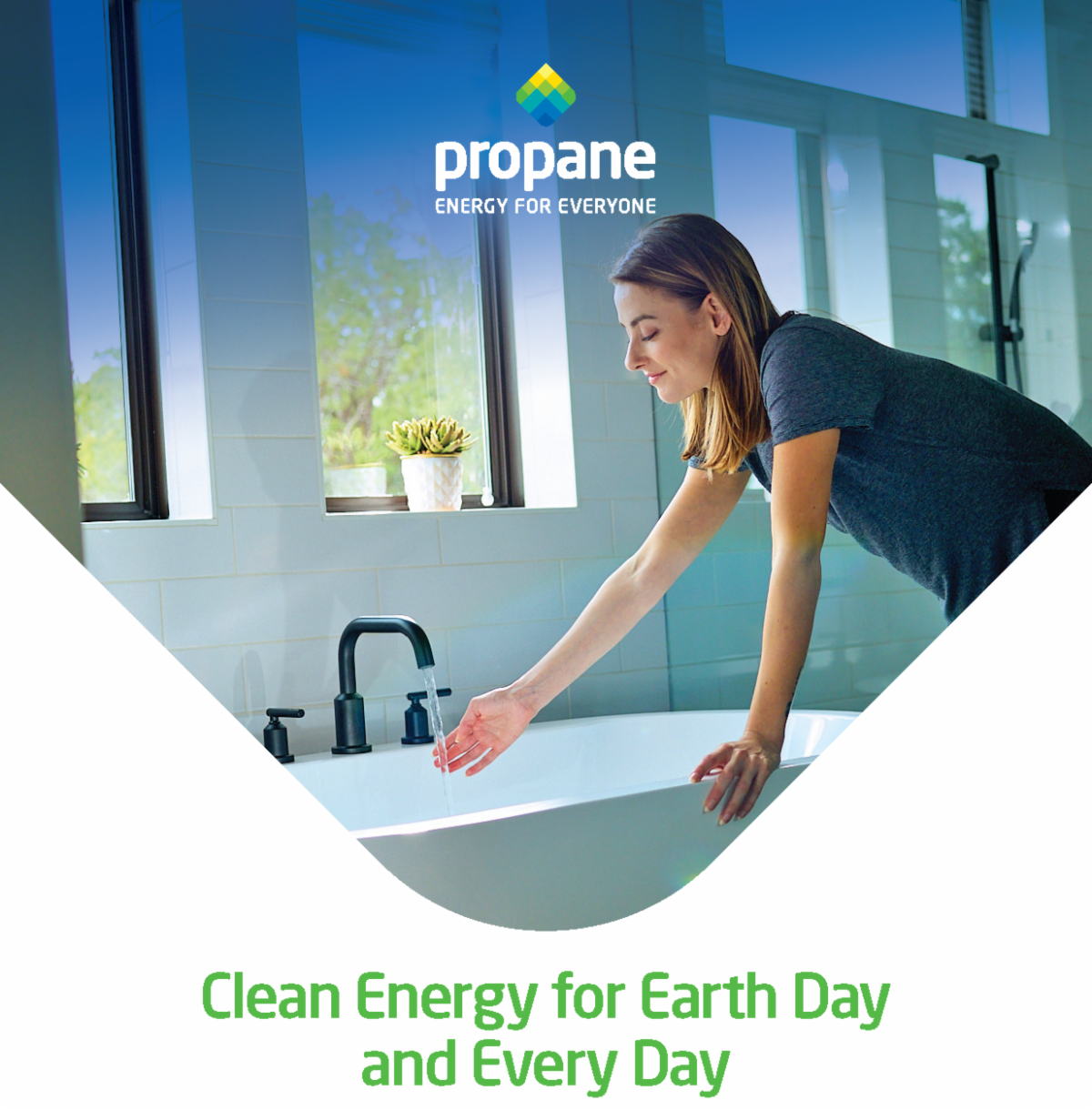
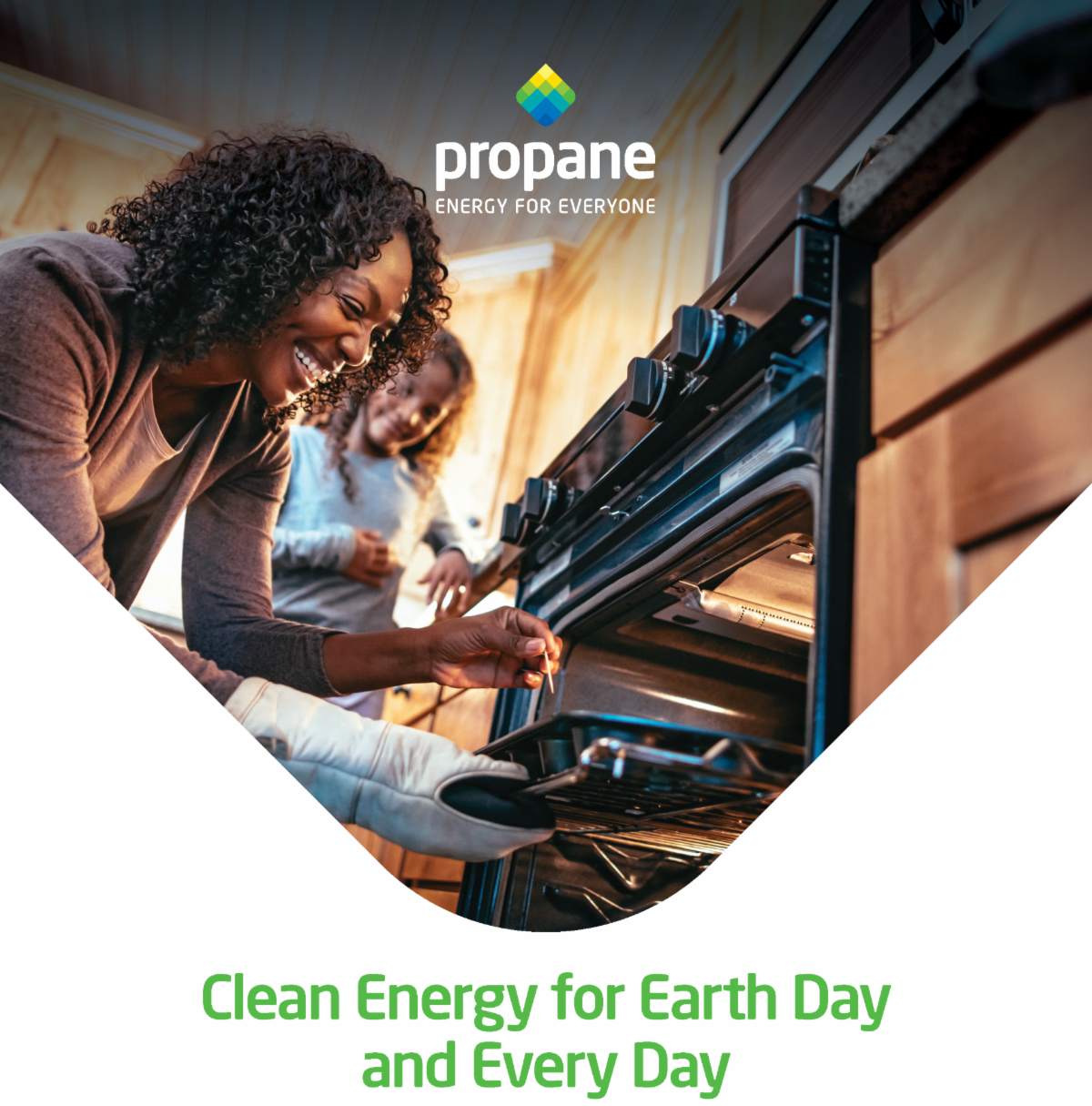
Earth Day Print Ad – Homeowner Full Size
Clean Energy for Earth Day and Everyday. Share the message this Earth Day with this full page ad featuring propane appliances / applications in the home.
| |
|
|
Marketer Math Guide
This guide focuses on how to calculate the cost difference between electricity and propane and prepare for conversations with customers and partners. Use this guide to help you:
- Provide valuable information to and strengthen your relationship with customers and partners.
- Establish your consultative expertise in the fuel/energy industry.
- Promote benefits of propane when compared to electricity.
| |
|
Finding the Right Words for the Right People
In a world where people are ready to "electrify everything" to minimize their carbon footprint, it's more important than ever that we share propane's environmental story. To make that message as impactful as possible, everyone in the propane industry should stick to consistent talking points.
It's more important to remember that propane will resonate with different audiences for different reasons. Click below to learn more.
| |
|
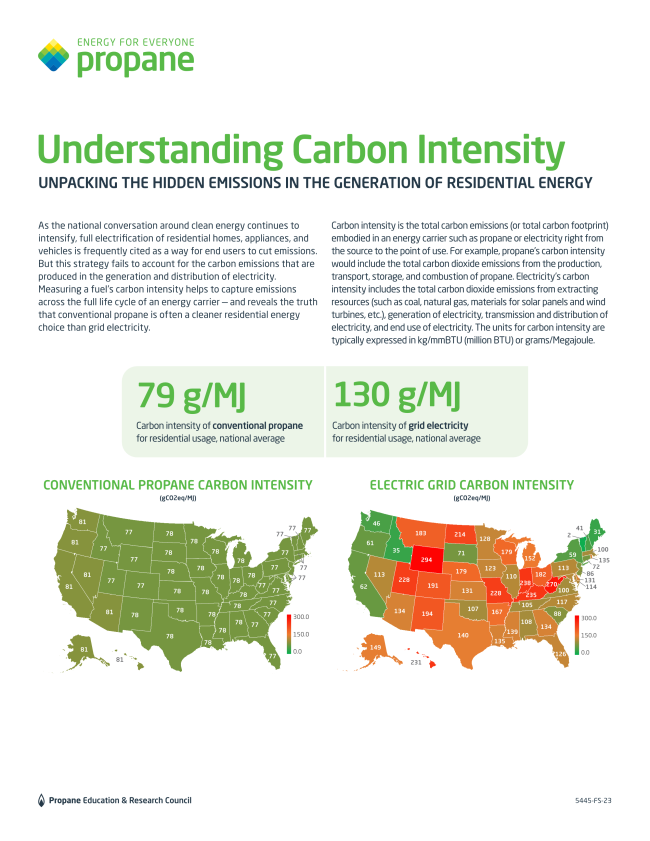
Understanding Carbon Intensity in New England
As the national conversation around clean energy continues to intensify, full electrification of residential homes, appliances, and vehicles is frequently cited as a way for end users to cut emissions. But this strategy fails to account for the carbon emissions that are produced in the generation and distribution of electricity. The document below explains more about this in detail, share it with your customers!
| |
|
Renewable Propane Repeats | |
Renewable Propane 30 Second Clip | |
According to the California Air Resources Board, renewable propane made with domestic, non-rendered, used cooking oil has a carbon intensity score of 20.5 (grams CO2 equivalent per megajoule), whereas conventional propane has a carbon intensity score of 80, still lower than most other energy sources.
Clean just got cleaner.
| |
Renewable Propane 90 Second Clip | |
Major advances in renewable propane production are helping to convert waste products into an energy that adds no new carbon to the environment, further reducing harmful emissions.
Clean just got cleaner.
| | |
|
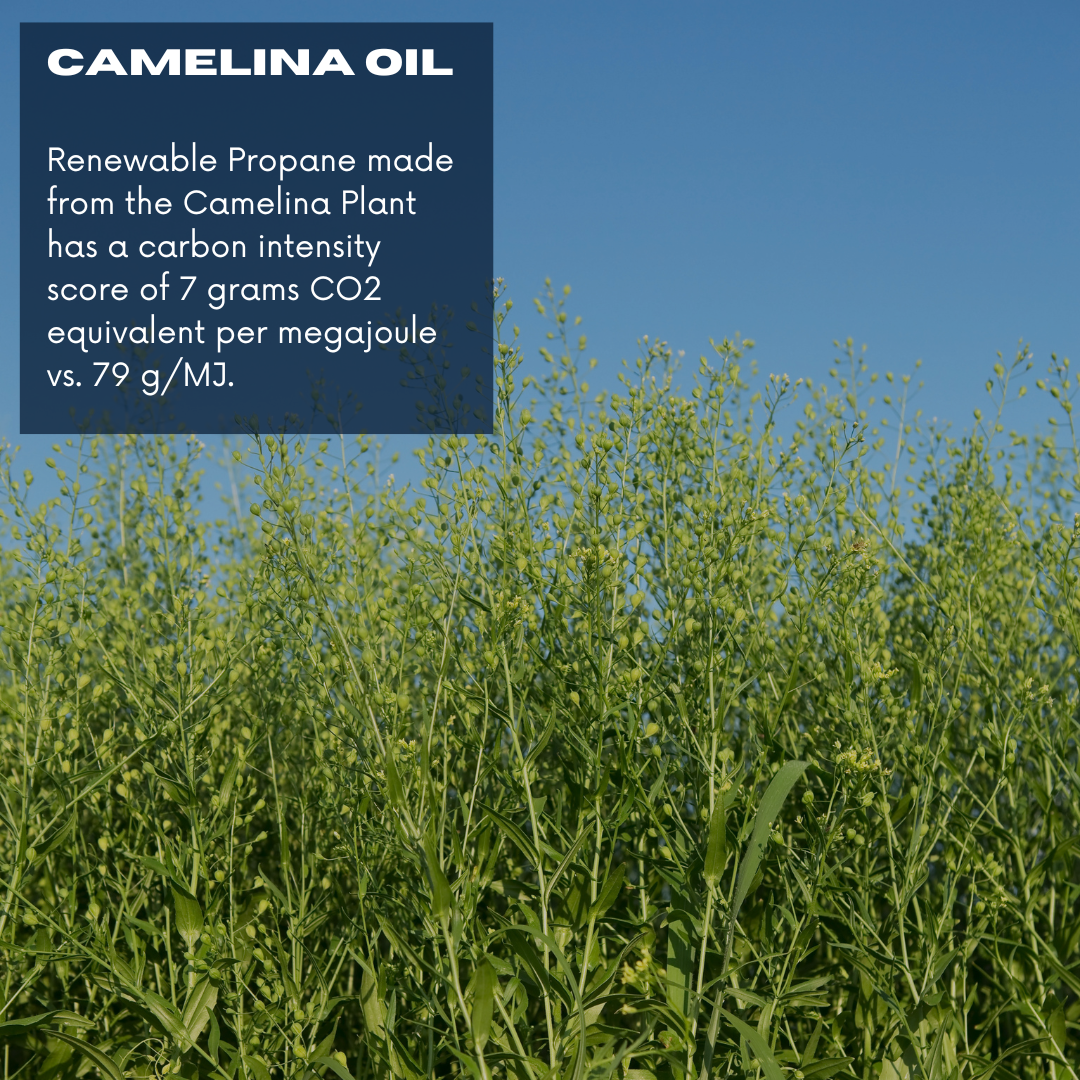
Did you know that renewable propane can be generated from the seed oil of the camelina plant? Camelina has a lower carbon intensity than soybean oil and other seed oils. Once cleaned and purified, camelina oil then undergoes alcoholysis, a natural bioreaction where it is mixed with water and ethanol, or other plant-derived alcohols. A byproduct of this reaction is renewable propane, which is identical to conventional propane on a molecular level but with a carbon intensity score of 7 grams CO2 equivalent per megajoule vs. 79 g/MJ. | |
Renewable Carbon Intensity
Renewable propane’s carbon intensity — or the carbon emitted for every unit of energy it produces — is lower than conventional propane because it’s produced from bio-based or renewable sources.
| |
|
Did you know renewable propane is derived from the processing of agricultural products such as vegetable oil and animal fat? This means that combustion of renewable propane is net carbon neutral, and does not contribute to atmospheric carbon levels like the combustion of fossil fuels does. | |  |
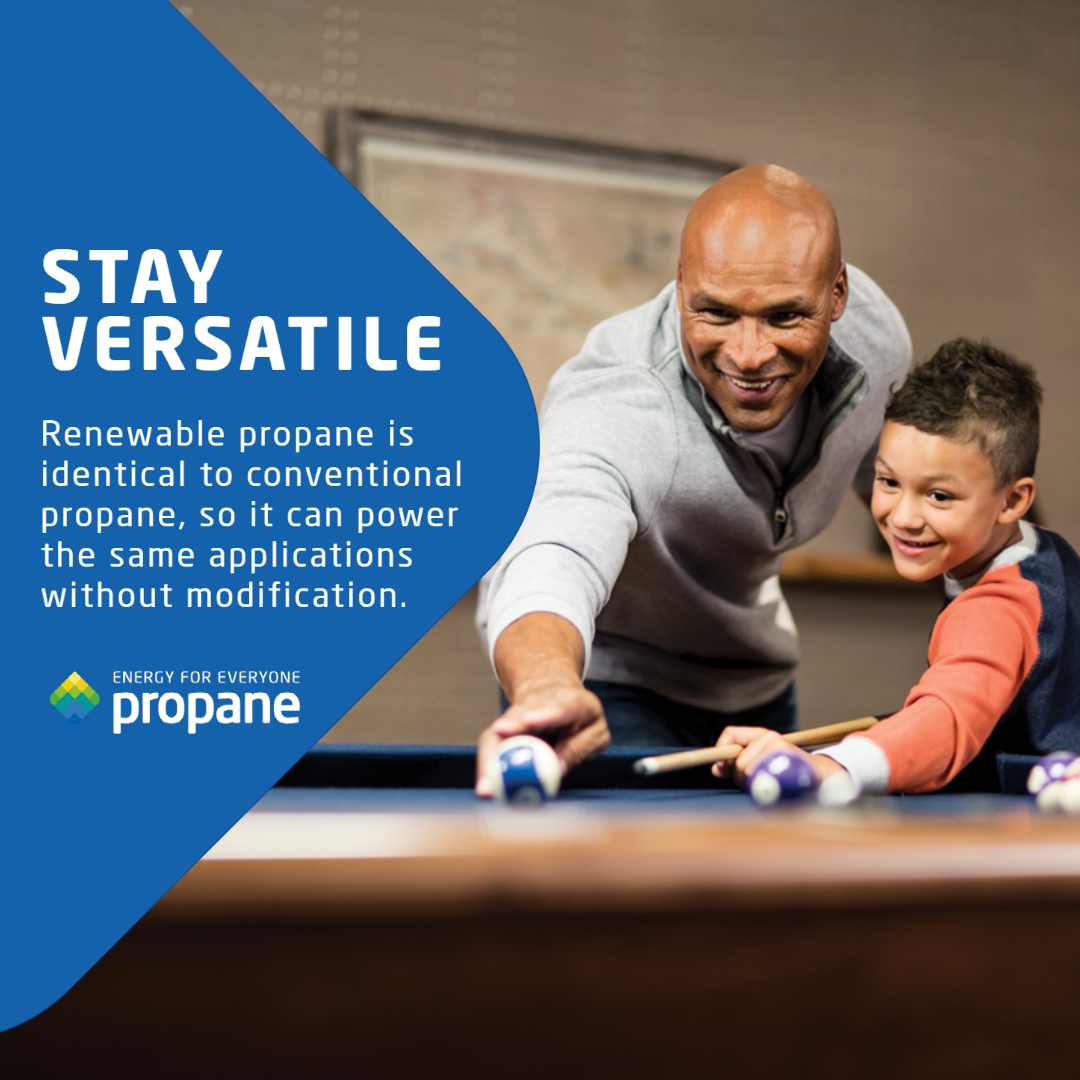
Because renewable propane's chemical structure and physical properties are the same as conventional propane, renewable propane can be used for all the same applications. Learn more about the future of renewable propane at propane.com/renewable. | | |
|
PERC Resource Catalog Tutorial
Struggling to access the PERC Resource Catalog? Click the play button on the video below to learn how it works!
| |
| What topic would you like to see as the "Hot Topic" of May? | | | You can also follow PGANE at the links below and share any content posted to those platforms! | Our Company | Contact Us | FAQs | Privacy Policy |
| | | |