Introducing LTSS Compass: A Tribal Long-Term Care Website |
The National Indian Council on Aging (NICOA) has created a comprehensive website on eldercare services in Indian Country. This website seeks to make the idea of long-term services and supports (LTSS) something each tribal community can learn about, as well as find ways to make these services a reality for their elders.
In this video, NICOA Executive Director Larry Curley (Navajo Nation) introduces the NICOA LTSS Compass website and emphasizes the importance of protecting our American Indian and Alaska Native elders. He discusses advocacy, the continuum of care, and the needs and changes of today’s elder population.
It is our hope that the NICOA LTSS Compass will empower tribal communities to develop or expand LTSS for American Indian and Alaska Native elders and persons with disabilities within their local communities.
|
|
|
|
Webinar: Misinformation in the Time of COVID-19 |
Sometimes the things we read are so fantastic we dismiss them right away. Other times they can actually cause you to stop and wonder if there could be a kernel of truth buried within.
Have you ever been misled by a Facebook post? A video on YouTube or TikTok? People have felt negatively about both the COVID-19 pandemic, and the vaccines developed to help stem the tide of infections.
It can be hard to know what to believe. How can we sort out what is true and what is not? Let the National Indian Council on Aging (NICOA) and their invited speakers guide you during our webinar.
Watch our webinar for an overview on misinformation and listen to a discussion on how to make sense of this confusing online world we live in. Discover the different types of misinformation that exist, how it’s faced in Indian Country and the best strategies to counter it to protect yourself and others.
|
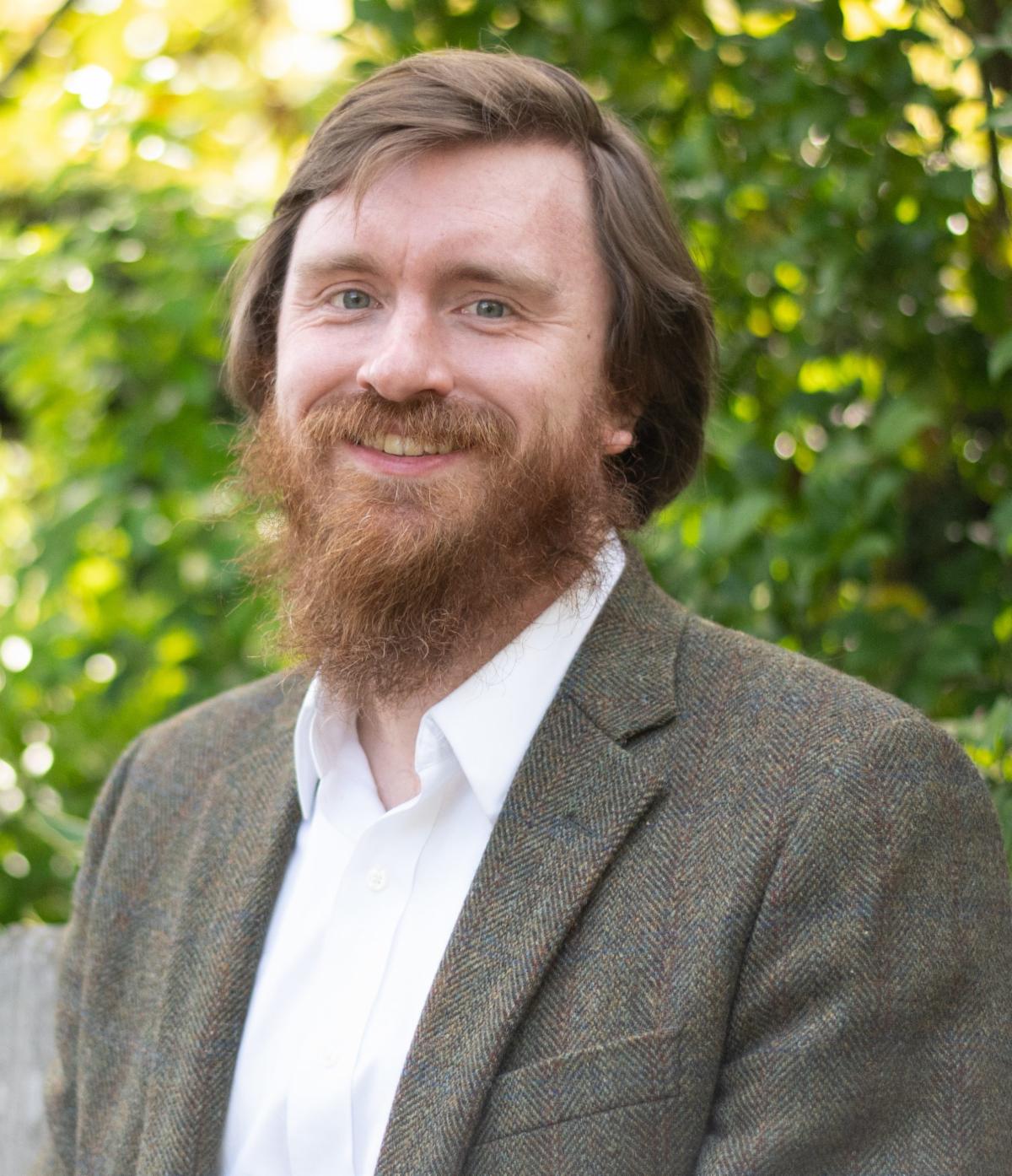
Speakers include NICOA’s Executive Director Larry Curley (Navajo Nation) and Project Coordinator Rebecca Owl Morgan (Eastern Band of Cherokee Indians); along with Ahmer Arif, assistant professor in the School of Information at the University of Texas at Austin; and Jason Young, senior research scientist and affiliate assistant professor at the Information School at the University of Washington. |
|
|
|
Happy Native American Heritage Month! |
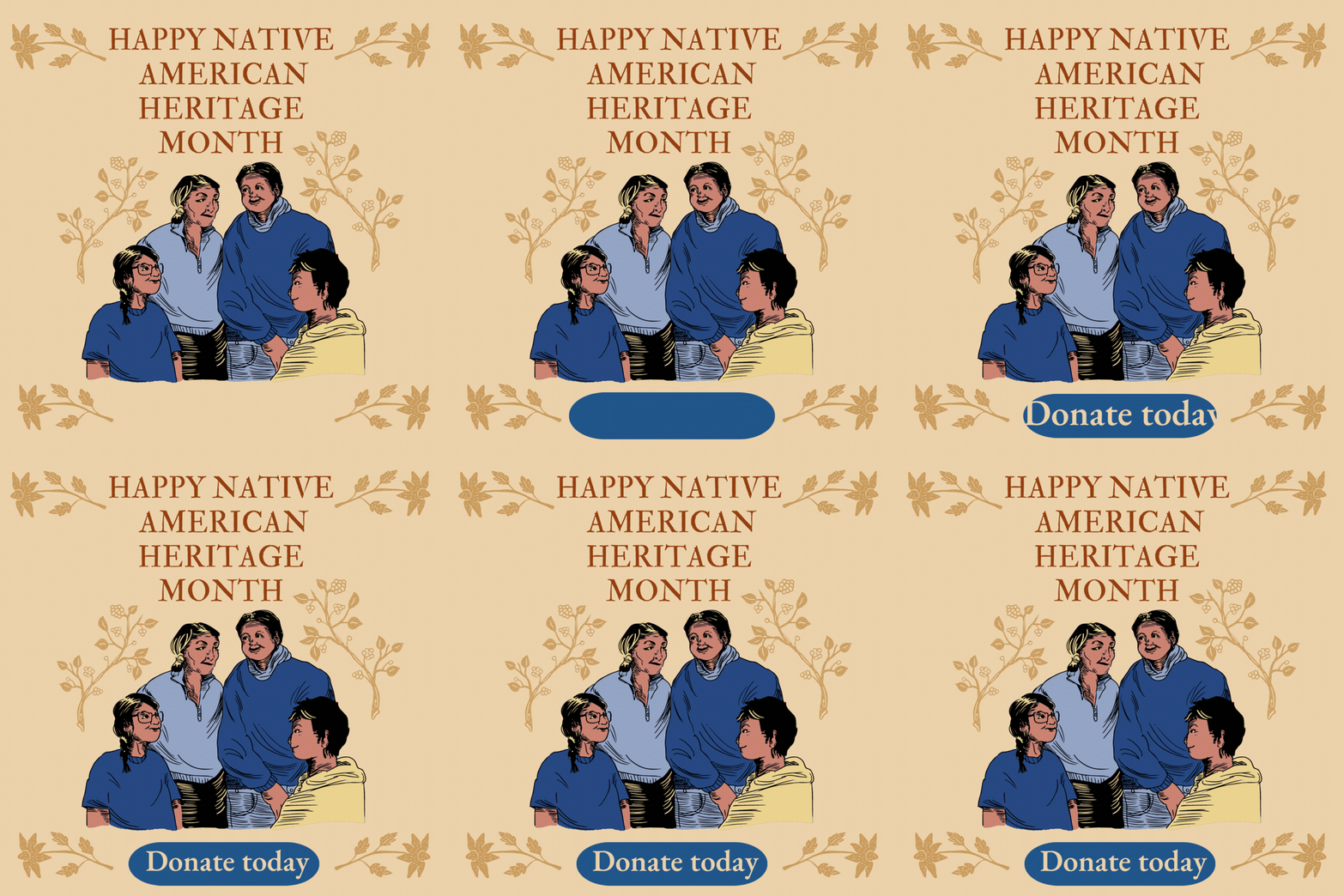
November is American Indian and Alaska Native Heritage Month, or as it is commonly referred to, Native American Heritage Month. This is a time to learn about, reflect on, and celebrate the history, knowledge, cultures, traditions, languages, and people indigenous to this land.
During Native American Heritage Month, find out what activities and celebrations are happening in local tribal communities. National Native American Heritage Month is celebrated with community gatherings, festivals and government and educational activities.
|
|
|
|
Living Treasures: Tribal Traditions & Native Rights
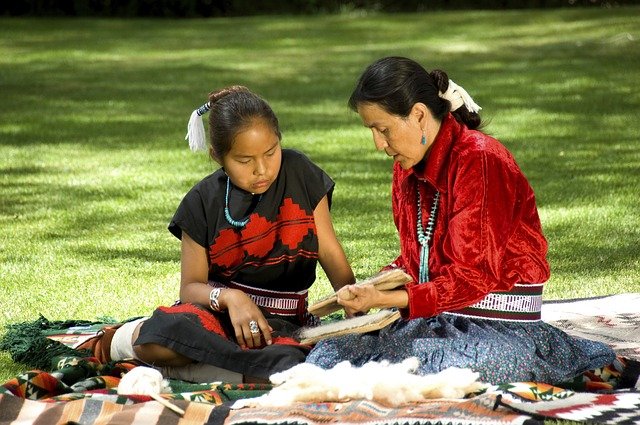
A Native elder shares her journey, along with skills and wisdom her grandmother taught her
|
|
Beverly F. Owens was the oldest of four children born in Anchorage, Alaska to Karen Rae Hopkins. For over 20 years, she has worked for the Nisqually Indian Tribe as the executive secretary of the Public Works Department.
She graduated from West High School in 1984 and business school in 1987. She has continued her education, not only to improve upon her skills, but to role model the importance of learning to her three sons. She enjoys learning new things and teaching people and children the skills she knows.
She moved to Washington 28 years ago and now lives in Onalaska with her husband and youngest son. She also has a beautiful 1-year-old grandson, who is her pride and joy. Watching her three boys grow into honorable men has been her greatest source of satisfaction.
|
She has taught her children the very same tribal traditions that she learned from her grandmother. Read about Beverly’s journey, the skills and wisdom her grandmother imparted, and the importance of standing up for your rights as Native people:
“Every day is a new day and we as a united gathering need to move forward to improve opportunities for Native peoples. We need to push for better schooling, housing, and medical care, as well as any other issues that may arise.
We must strive to stay informed about Native issues happening throughout the country because they affect us all. What happens in Indian Country has an impact on all Native communities. We will only have a promising tomorrow for our Tribal people if we work together as a whole. Without our unity, strength and wisdom, there will be no tomorrow for us as a people.
We need to look back at our ancestors and thank them for their hard fight. Because of them, we exist as a people today! I never forget to tell my sons where they come from, what they are, and how proud we are of their heritage."
|
|
|
|
The Native Elder Storytelling Project |
National Native American Heritage Month pays tribute to the rich traditions of American Indians and Alaska Natives, and one of those traditions is storytelling. NICOA’s collection of digital stories share the personal journeys and experiences of Native elders as they relate to current issues, programs, and how to integrate them with Native ways of life.
The stories were created, written, and voiced by elders and paired with their personal photos and other media to provide a visual storytelling aspect to the traditional oral storytelling. Through this project, NICOA seeks to help educate and encourage tribal communities, the Aging Network, and policymakers to positively impact the future of American Indian and Alaska Native elders.
|
|
|
|
How to Use AmazonSmile to Give Back Today (Cyber Monday) |
Today is Cyber Monday, a day originally marketed as the online shopping equivalent to the well-known Black Friday sale, and one of America’s biggest online shopping days of the year.
When you're doing your shopping today, don't forget that when you shop on Amazon, you can use smile.amazon.com to generate donations to support the National Indian Council on Aging (NICOA). AmazonSmile is the same thing as Amazon, however, it’s created to help charities that you like to support!
It has the same products, prices, and shopping features as Amazon.com. The difference is that when you shop on AmazonSmile, the AmazonSmile Foundation will donate 0.5 percent of the purchase price of eligible products to the charitable organization of your choice (such as NICOA!).
|
|
|
|
Tomorrow is #GivingTuesday: How Will You Give? |
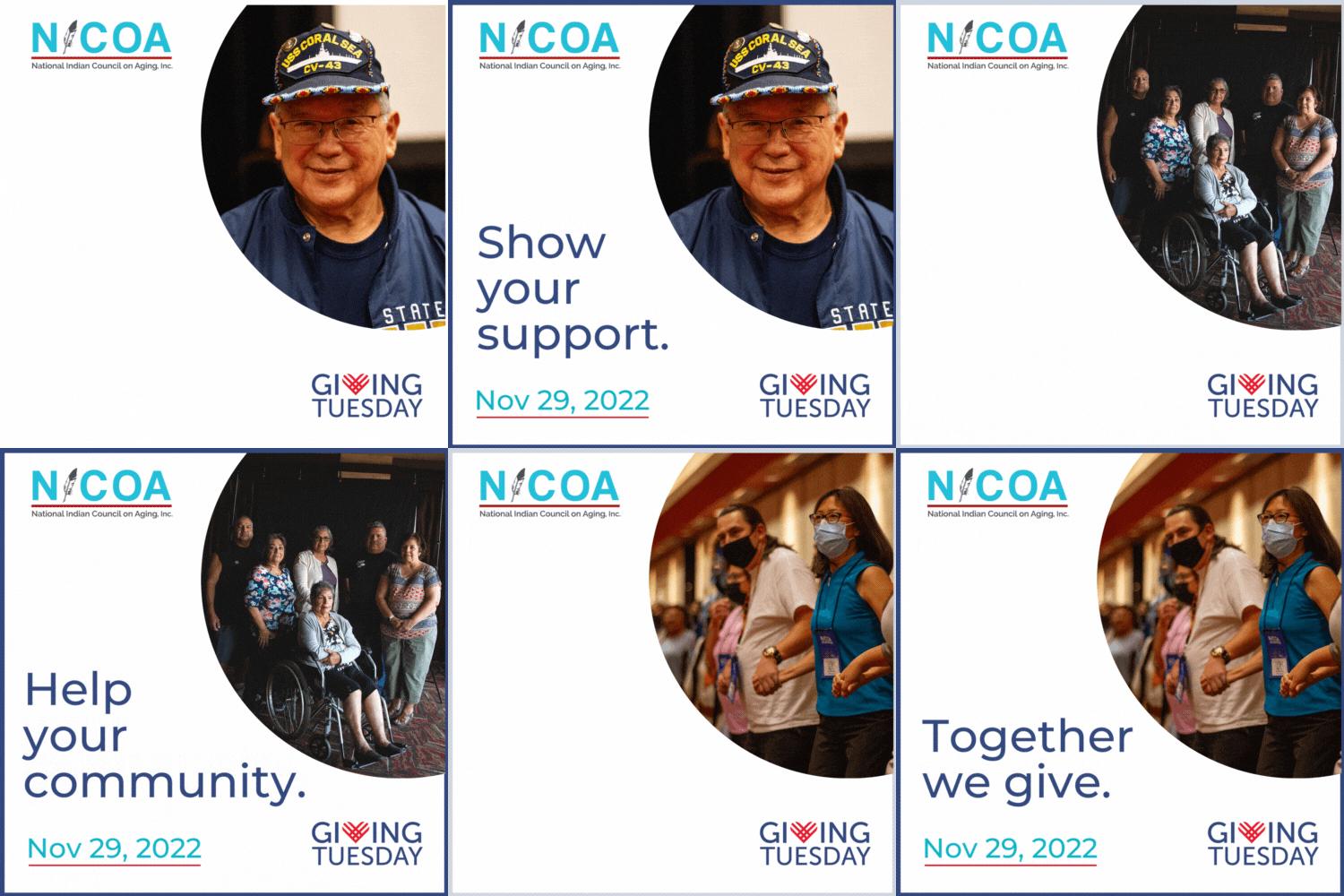
Tomorrow, NICOA is participating in GivingTuesday, the global day of unity and giving. As you know, for over 45 years, our organization has worked to ensure the best for our American Indian and Alaska Native elders, their families, and communities.
But we can’t do this without you!
|
|
|
|
Investors Wary of Tribal Communities |
The report says gaps in business data are a major obstacle preventing tribal communities from attracting the capital necessary to grow and thrive. Presently, there is no comprehensive overview on American Indian and Alaska Native markets.
No primer exists that defines tribal economies, describes the industries tribes operate in or provides a breakdown of how tribally owned businesses are structured. Tribal leaders, Native finance practitioners and economic development officials understand the businesses that drive tribal economies, but they face challenges when making the business case for investment in tribal communities because they are largely unnoticed by institutional investors and corporate America.
Tribal communities are unique because in America, entrepreneurs create the businesses and jobs that drive economic activity, while in Native America, tribal governments and the businesses they own – not individual entrepreneurs – are the primary economic actors. This distinction is important for devising potential solutions to attract investment.
|
|
|
|
Native American Workforce Report Shows Disability Data |
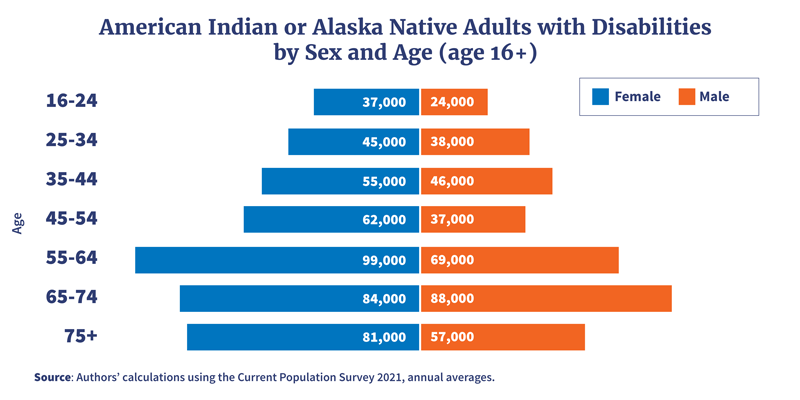
Over 500,000 working-age American Indian or Alaska Native adults in the United States have at least one disability. Researchers at the U.S. Department of Labor’s Office of Disability Employment Policy recently analyzed workforce data on Native representation in various industries and occupations. The calculations were made using the Current Population Survey 2021 annual averages and include civilian, non-institutionalized American Indian or Alaska Native adults ages 16-64.
Over 250,000 Native people have a single disability type and 232,000 have multiple disabilities. Of those with single disabilities, 79,000 have a cognitive difficulty, 104,000 have an ambulatory difficulty, 47,000 have difficulty with hearing, 31,000 have difficulty with vision, and 18,000 have difficulty with errands or self-care.
American Indian or Alaska Native people with disabilities are present in all stages of working life, with the highest numbers among those over the age of 55. According to the survey, approximately 237,000 Native adults with disabilities are currently working or want to work. Approximately 139,000 are working full-time and 49,000 part-time. Additionally, 22,000 are currently looking for work and 27,000 are currently not seeking work but want a job. |
|
|
|
Native Americans Left Out of Remote Work |
When it comes to working from home, American Indians and Alaska Natives, on average, have the lowest, remote work access rate. A study published recently by the Brookings Institution and the Federal Reserve Bank of Minneapolis found that Native employees are being consistently left behind other workers in the work-from-home trend. The authors note that even as media outlets and researchers have begun to emphasize the benefits of remote work, fewer analyses have focused on its racia l disparities.
At the height of the COVID-19 economic crisis, Native people worked remotely 8 percent less than white workers, the report found. As workers returned to the office in 2021 and 2022, that gap closed but never disappeared, and by early summer 2022, Native employees were still working remotely 2 percent fewer white workers.
The researchers cited a variety of factors, ranging from the lack of high-speed internet to a decent desk and other furniture, as well as an overrepresented in certain frontline occupations. On top of that, multigenerational families often share a home and, by extension, a workplace. Native people are more likely to live in overcrowded housing, and likely have fewer rooms available to convert into workspaces, the report said. |
|
|
|
|
|
The National Indian Council on Aging, Inc. (NICOA) is a not-for-profit 501 (c)(3) charitable organization. Please consider adding NICOA to the charities you support.
NICOA needs your financial support as the advocacy and political work we do for our elders is not free. Grants that have helped fund NICOA are under threat in Washington, D.C., but you can help.
Your financial support will go directly to support our mission to improve health, social services and economic wellbeing for all American Indian and Alaska Native elders. Donations are tax deductible.
|
|
|
The National Indian Council on Aging | 8500 Menaul Blvd. NE, Suite B-470, Albuquerque, NM 87112 | 505-292-2001 | www.nicoa.org
|
|
|
|
|
|
|