EAST ASIAN STUDIES CENTER
image
Learn more
image

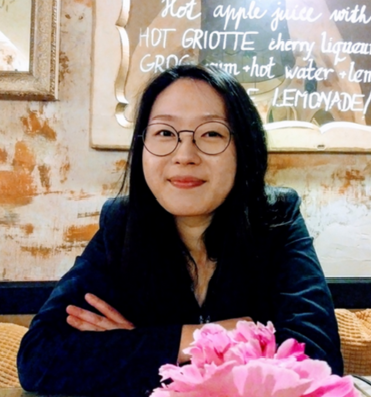
The Institute for Korean Studies will present a lecture featuring Jieun Lee, Emory University, on Friday, November 8 from 2:20 - 3:40 p.m. via Zoom. Prof. Lee will present "Performing Korean Transnational Adoption: From Screen to Stage."

Abstract: Since the end of the Korean War (1950–53), South Korea (hereafter Korea) sent approximately 150,000 Korean babies and children for transnational adoption to the United States, France, and Denmark, among many other countries. Starting from the 1990s, Korean transnational adoptees, now adults, have notably appeared in Korean fiction and non-fiction media especially in the narrative of birth search and reunion. In this lecture, Dr. Jieun Lee will talk about the genealogy of performing transnational adoption from Korea as it delves into the (re)presentations of Korean transnational adult adoptees’ birth search and reunion on and off stage. Comparing contemporary Korean TV and cinematic depictions to Korean theatrical portrayals, Dr. Lee will discuss the selected theater productions, Airport Baby (2020) and Ilgopzipmae (2013). These plays unsettle the ethnonationalist discourse of Korean transnational adoption that has essentialized adoptees as well as birth mothers. Dr. Lee’s lecture will underscore theater as a crucial site that challenges the myths about Korean transnational adoption, and reimagines Korean adoptees’ identity, kinship, and belonging in the twenty-first century. This lecture will include original materials from her forthcoming book Unsettling Acts: Performing Transnational Adoption in which Dr. Lee examines twelve contemporary Korean, US, UK, Belgian, French, and Danish theater and performance art works from the 2010s portraying Korean adoptees’ birth search and reunion.

image

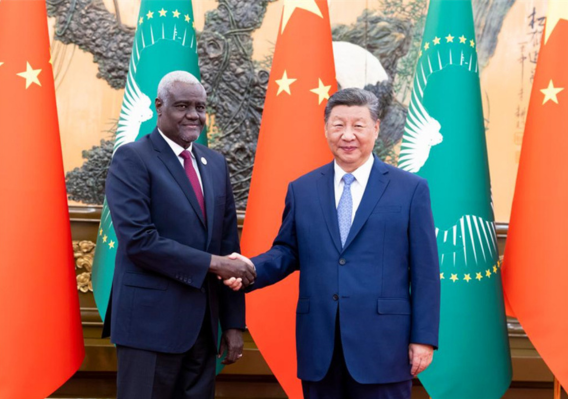
The East Asian Studies Center and Center for African Studies will present "New Perspectives on China and Africa" on Friday, November 15 from 10:30 - 2:30 p.m. in 132 Hale Hall and via Zoom (registration required).

Abstract: The September 2024 Forum on China-Africa Cooperation turned the world’s attention to the strategic connections between China and African nations. This forum, which was held in Beijing, featured 51 African heads of state, indicating the increasing importance of these relations. China is also hoping to expand relations with African states, through its Belt and Road Initiative (BRI) and soft power ambitions. While positive aspirations seem abundant on both sides of the Africa-China links, there are a number of challenges and complicated tensions. Balancing trade and security concerns, developing infrastructure in a way that does not handicap nations with overwhelming debt, and enhancing knowledge and education in a culturally sensitive framework are some of the issues facing China-Africa relations. How these two regions continue to develop in a multipolar global economy will have an enormous impact on the world economy and geopolitical state of affairs. This symposium gathers experts who will discuss the status of Africa-China ties from multiple perspectives. Topics covered include how military engagements may mitigate or enhance security concerns, the effects in African nations of Chinese infrastructure loans, the influence of the African Diaspora in the US on China-Africa relations, environmental risks that Chinese investment brings to some regions of Africa, and how Chinese diplomacy utilizes “relational power” through training African government officials. Through these talks, this symposium hopes to further promote informed discourse on Africa-China connections and the implications of these for global governance and the rest of the world.

image

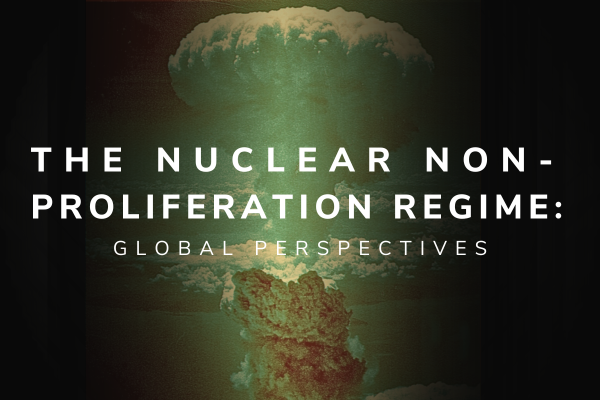
The East Asian Studies Center and others will present "Nuclear Non-Proliferation Regime: Global Perspectives" on Friday, November 15 from 12 - 4 p.m. in the Ohio Union Student Alumni Council Room (registration required).

Abstract: Touted as "one of history's greatest success stories," this 20th-century ensemble of treaties, organizations, rules, and protocols is struggling with a host of 21st-century challenges. A rise in asymmetrical warfare and global terrorism has raised the possibility of dirty bombs. Rogue states are pursuing nuclear weapons capabilities and boasting of their successes. Not least, nuclear-armed great powers have evaded and violated treaty obligations or withdrawn from treaties altogether; they are exploring a revival of weapons testing and threatening tactical nuclear attacks to resolve escalating geopolitical conflicts. Disarmament and prohibition campaigns continue, as does the Global South critique of the environmental and human costs of nuclear weapons , but in 2023 the world saw a record 13% rise in global spending on nuclear weapons, 56% of this from the United States. Elections around the globe and domestic political contestation add another layer of instability, and rising nationalisms challenge the legitimacy of global governance and cross-national cooperation.

This panel assembles regional experts to explore the present and future of the nuclear non-proliferation regime. Our panel will situate US debates among those taking place in other global regions: South Asia, Europe, and the Koreas. From these regional stances, panelists will assess the efficacy of the non-proliferation regime: the extent to which it has achieved its stated goals of non-proliferation of nuclear weapons, nuclear disarmament, and the peaceful use of nuclear technology. They will also examine its gaps, contradictions, abuses, and unintended consequences. They will assess the threats and opportunities that shape how actors in their region are likely to engage with the global nuclear regime; they will also offer their recommendations for US and international actors seeking to reduce global nuclear tensions.

image

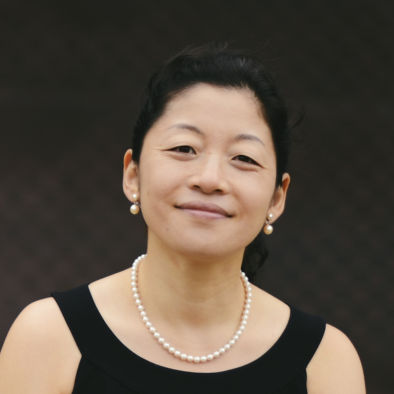
The Institute for Japanese Studies will present a lecture featuring Kay Shimizu, University of Pittsburgh, on Monday, November 18 from 4 - 5:30 p.m. in 250 Pomerene Hall (registration required). Prof. Shimizu will present "Betting on the Farm: Institutional Change in Japan's Agriculture."

Abstract: Betting on the Farm takes a fresh look at the conditions for change among agricultural coops and in the Japanese agricultural sector more broadly. We explore the effects on formal and informal rules, organizations, and strategies of two sets of slow-moving structural changes that challenge many countries today: market liberalization and demographic decline and aging. With its gradually liberalizing markets and oldest population in the world, Japan is an optimal laboratory for examining these interactions. And the Japanese farm sector, where the population is shrinking and aging at rates much faster than the national average, offers us a unique laboratory for exploring these processes up close.

image

EASC will hold online information sessions for the 2025-26 Foreign Language and Area Studies (FLAS) Fellowship competition throughout Autumn 2024. Each session will include a presentation on the fellowship and application process and an opportunity to ask questions.

Prospective students are encouraged to attend one session.

Registration is required.

image

The Offices of International Affairs and Outreach and Engagement will host the first meeting of the Globally Engaged Scholars Community of Practice on Wednesday, November 13 from 11:30 - 1 p.m. in 301 Pomerene Hall (registration required).

The Globally Engaged Scholars Community of Practice is open to all university members who are interested in advancing conscientious engaged scholarship, global exchange, learning and service partnerships around the world.

This community of practice seeks to amplify collaborations, share best practices, and provide opportunities for globally engaged scholars to be in conversation with one another.

Friday,
October 25
2:20 - 3:40 p.m.
IKS Lecture: Sung Un Gang

"Rediscovering Audience Publicness: Korean Female Spectators and the Challenges of Postcolonial Theater Historiography"

Friday,
November 1
2:20 - 3:40 p.m.
IKS Lecture: Ingu Hwang

"1974, Watershed Moment in Transpacific Human Rights Activism and Politics for Korea"

Saturday,
November 2
1 - 3:30 p.m.
EASC-Supported Event: Mieko Avello, Kazue Masuyama

"OATJ Fall Meeting 2024"

Monday,
November 4
6 - 7 p.m.
EASC Event

"2025-2026 FLAS Fellowship Information Session"

Wednesday,
November 6
2:20 - 3:40 p.m.
IKS Lecture: Kee-Yoon Nahm

"Interrogating the Nation-State in Contemporary South Korean Theatre"

Friday,
November 8
2:20 - 3:40 p.m.
IKS Lecture: Jieun Lee

"Performing Korean Transnational Adoption: From Screen to Stage"

Friday,
November 8
3:30 - 5 p.m.
ICS Lecture: Jesse Rodenbiker

"Ecological States: Politics of Science and Nature in Urbanizing China"

Tuesday,
November 12
12 - 1 p.m.
EASC Event

"2025-2026 FLAS Fellowship Information Session"

Friday,
November 15
10:30 - 2:30 p.m.
EASC/CAS Event

"New Perspectives on China and Africa"

Friday,
November 15
12 - 4 p.m.
EASC-Supported Event

"Nuclear Non-Proliferation Regime: Global Perspectives"

Monday,
November 18
4 - 5:30 p.m.
IJS Lecture: Kay Shimizu

"Betting on the Farm: Institutional Change in Japan's Agriculture"

Wednesday,
November 20
2:20 - 3:40 p.m.
IKS Lecture: Seungsook Moon

"Prefigurative Activism with Foreign Migrants: The Intertwining of Democracy and Neoliberalism in South Korea"

Wednesday,
November 20
4 - 5 p.m.
EASC Event

"2025-2026 FLAS Fellowship Information Session"