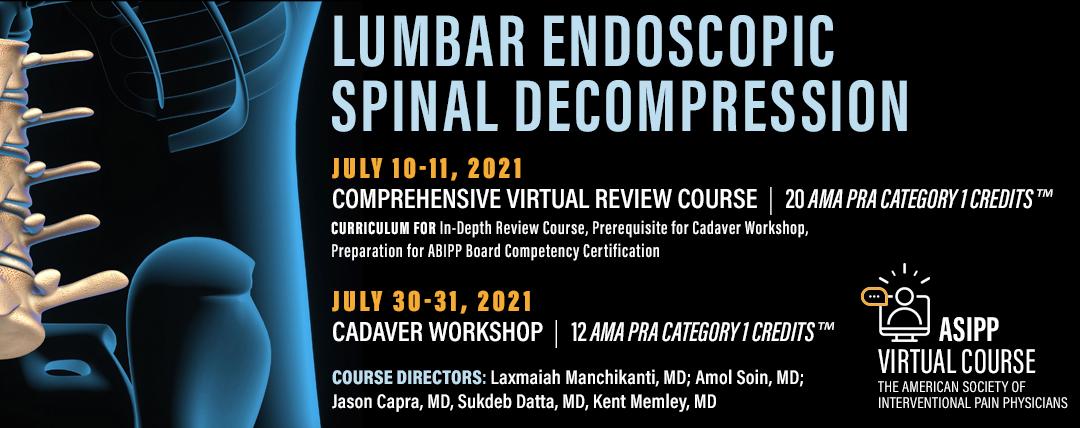
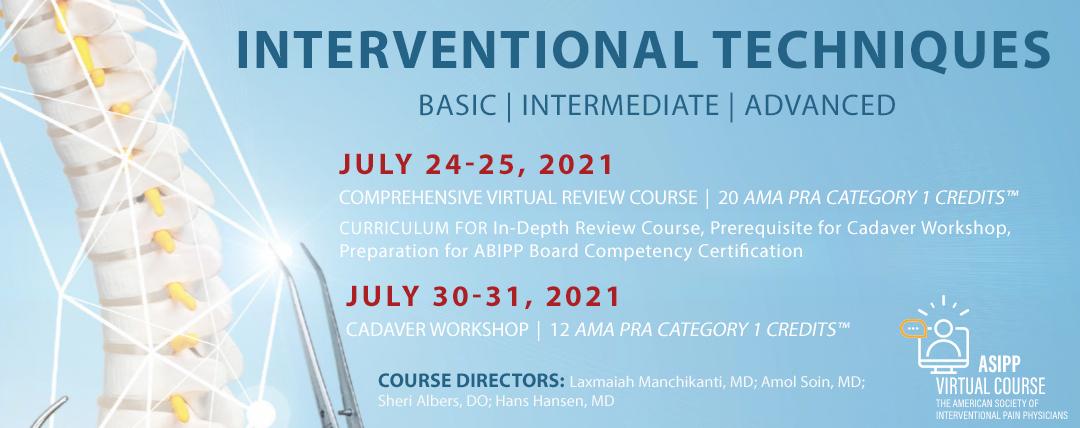
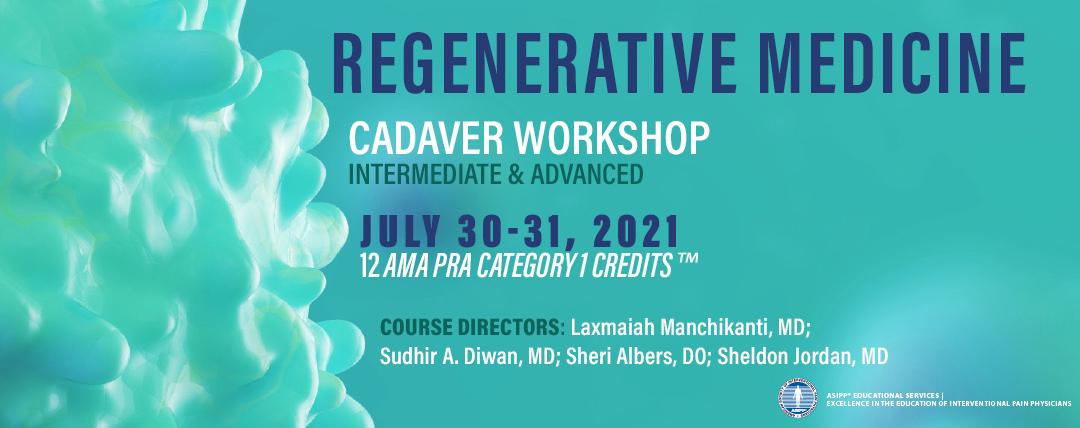
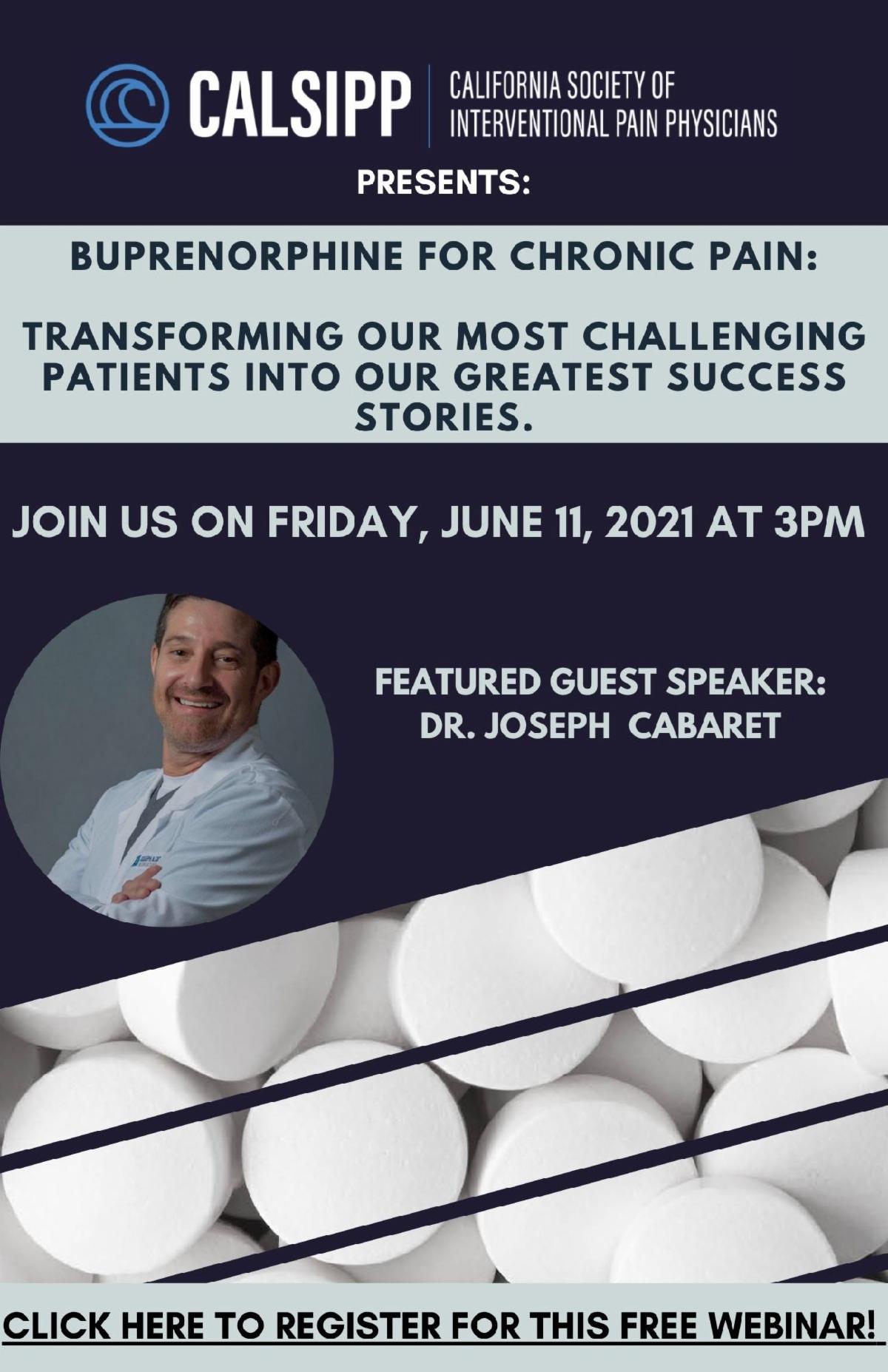
You are invited to attend our 23rd
Annual Meeting, June 24-26 in NOLA!
|
|
Topics will include COVID-19, ECONOMICS, BURNOUT, SOCIAL MEDIA, METABOLIC HEALTH, REGULATORY ISSUES, SCIENTIFIC ADVANCES
in IPM, and MUCH MORE!
|
|
The ASIPP Annual Meeting will feature
THREE INNOVATION SUMMITS during the afternoon breakout sessions each day.
Learn about the
LATEST TECHNOLOGICAL ADVANCEMENTS
to help you in your practice.
Multiple technologies will be highlighted in the areas of SPINAL CORD STIMULATION,
PERIPHERAL NERVE STIMULATION, and
MINIMALLY INVASIVE TECHNOLOGIES.
|
|
Antibody testing and proof of prior infection can allow more people to return to normal
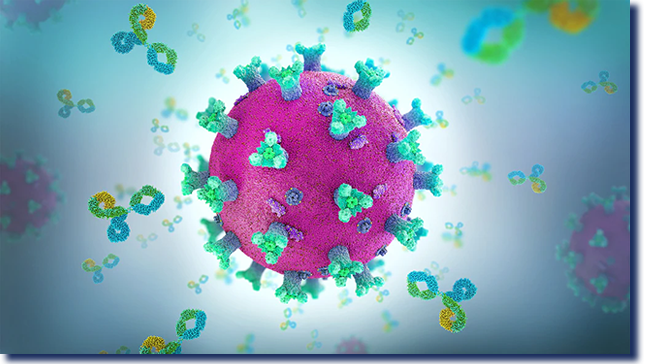
Epidemiologists estimate over 160 million people worldwide have recovered from COVID-19. Those who have recovered have an astonishingly low frequency of repeat infection, disease, or death. That immunity from prior infection protects many people now where vaccines are not yet available.
Earlier this month the World Health Organization released a scientific update stating that most people who have recovered from COVID-19 develop a strong protective immune response. Importantly, they summarize that within 4 weeks of infection, 90% to 99% of people who recover from COVID-19 develop detectable neutralizing antibodies. Furthermore, they conclude -- given the limited amount of time to observe cases -- that the immune response remains strong for at least 6 to 8 months after infection.
|
|
The CDC's new, more relaxed mask guidance for fully vaccinated people was met with joy and relief by many U.S. residents. But the May 13 announcement has the medical community divided on whether it was the right move, according to new WebMD/Medscape poll results.
Out of 660 U.S. doctors surveyed, 57% said the CDC jumped the gun by easing restrictions prematurely. Other medical professionals took a similar position, with 63% of 1,330 nurses agreeing the mask shift came too soon.
|
|
People who consume a diet high in inflammatory foods may be at a significantly higher risk for low back pain (LBP), according to a recent study.
The study data were presented in poster form at the virtual Association of Academic Physiatrists annual meeting, Physiatry ‘21.
According to Valerio Tonelli Enrico, PT, MSCE, a research assistant and doctoral student at the University of Pittsburgh, inflammation is increasingly being studied as a possible cause of chronic pain conditions such as LBP.
|
|
Stem cell injections, other unproven treatments have injured more than 300 patients
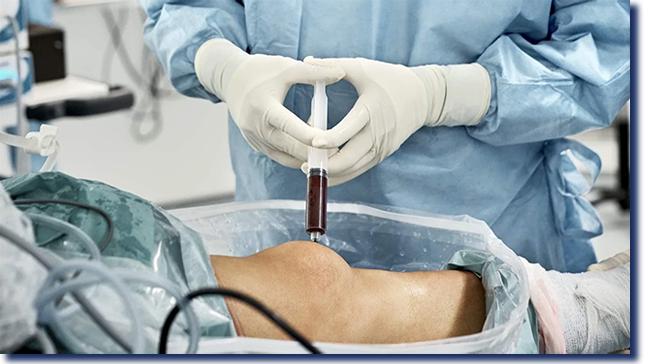
The Food and Drug Administration has pledged that after May 31, 2021, the agency will broadly enforce requirements that developers of regenerative medicine products—therapies intended to repair or replace damaged cells, tissues, and organs—follow relevant approval rules for new drugs, medical devices, and biologics. FDA’s increased enforcement comes not a moment too soon: Hundreds of businesses continue to sell unapproved—and unproven—regenerative therapies directly to consumers, leading to patient injuries and deaths.
New research by The Pew Charitable Trusts underscores the need for aggressive FDA enforcement against such businesses and for the agency to monitor online consumer reviews for signs of potentially dangerous products that need investigation. Pew found that from 2004 to September 2020, at least 360 people were reportedly harmed by regenerative therapies not approved by FDA nor offered through clinical trials. The products involved were often derived from cells taken from patients or donated sources, such as umbilical cord blood and placental tissue. Individuals suffered injuries including life-threatening infections, blindness, cardiac arrest, and the growth of tumors and lesions. In at least 21 cases, patients died.
|
|
Fewer doctors are opting to run their own small private practices, with more seeking jobs in hospitals or larger medical groups, according to a new report.
These patterns likely reflect broader trends toward consolidation in health care, with both insurance companies and hospitals also having grown in size in recent years.
The latest biennial analysis of doctors' practices by the American Medical Association showed an acceleration of a trend away from private practice, defined as a practice wholly owned by physicians. The 2020 results found less than half — 49.1 % — of doctors involved in patient care worked in a private practice, the AMA said in a report released this month.
|
|
Pain Medicine Case Reports (PMCR) and Editor-in-Chief Alaa Abd-Elsayed, MD, PhD would like to invite you to submit case reports and case series to the PMCR journal. Your article will be published free of charge.
Open access journals are freely available online for immediate worldwide open access to the full text of published articles. There is no subscription fee for open access journals. Open access journals are no different from traditional subscription-based journals: they undergo the same peer-review and quality control as any other scholarly journal.
Interested in becoming a member of the PMCR Editorial Board?
Editorial board members are asked to review 2-6 manuscripts per year. Please submit your most up-to-date CV to sgold@asipp.org for consideration.
For more information or to submit your articles, click here.
|
|
| LITERATURE REVIEW |
Nitish Aggarwal, MD, Kushboo Baldev, MD, and Robert Chow, MD
Abstract
BACKGROUND: The erector spinae plane (ESP) block is a novel technique that allows for acute and chronic pain control in the cervical, thoracic, and lumbar regions. The authors seek to explore the application of the thoracic-level ESP block in treating cancer-associated thoracic pain.
CASE REPORT: All of the patient charts from a US cancer clinic were reviewed. Patients with a diagnosis of thoracic pain who received an ESP block were selected. In our case reports, 2 of the patients who underwent an ESP block had a pulmonary lobectomy and the other 2 patients had metastases to their ribs and lungs. In all of the patients, the single-level ESP block was performed under ultrasound guidance. The patients who received an ESP block for chronic thoracic pain reported effective analgesia after the procedure.
|
|
| PROSPECTIVE STUDY |
Qing-Da Li, MD, Jun-Song Yang, MD, Han-Lin Gong, MD, Jian-Min Wei, MD, Xiang-Fu Wang, MD, Peng Zou, MD, Bo Zhang, MD, Ding-Jun Hao, MD,
Yuan-Ting Zhao, MD, and Lei Chu, MD, PhD
Abstract
BACKGROUND: Percutaneous kyphoplasty (PKP) has been reported to provide a favorable analgesic effect for pain caused by osteoporotic vertebral compression fractures (OVCFs). However, a systematic review demonstrated that pain relief was only reported for approximately 86% of kyphoplasty treatments.
OBJECTIVES: To explore whether an additional facet joint block (FJB) can minimize pain and improve the clinical outcome of PKP in patients with acute OVCFs.
|
|
| RETROSPECTIVE STUDY |
Yongchao Li, MD, Xiaofei Feng, MD, Jie Pan, MD, Mingjie Yang, MD, PhD, Lijun Li, MD, PhD, Qihang Su, MD, and Jun Tan, MD, PhD
Abstract
BACKGROUND: In clinical practice, we have found that the pain caused by thoracolumbar osteoporotic vertebral compression fracture (OVCF) is sometimes not limited to the level of the fractured vertebrae but instead occurs in areas far away from the injured vertebrae, such as the lower back, area surrounding the iliac crest, or buttocks, and this type of pain is known as distant lumbosacral pain. The pathogenesis of pain in distant regions caused by thoracolumbar OVCF remains unclear.
OBJECTIVES: To compare the clinical efficacy and imaging outcomes of percutaneous vertebroplasty (PVP) and percutaneous kyphoplasty (PKP) in the treatment of distant lumbosacral pain accompanied by thoracolumbar OVCF and to explore the possible pathogenesis of distant lumbosacral pain caused by thoracolumbar OVCF.
|
|
Since this malpractice insurance program officially launched in November 2018, ASIPP has signed up hundreds of providers with an average savings of 30%. This is professional liability insurance tailored to our specialty and will stand up for us and defend our practices.
Norcal Mutual is 'A' Rated by AM best and is license in all 50 states. To read a few important points to keep in mind about the program, including discounts, administrative defense, cyber coverage, aggressive claims handling, and complimentary award-winning risk management CME activities, click here.
|
|
ASIPP® is now offering our members the benefit of a unique revenue cycle management/ billing service. We have received a tremendous amount of interest in the ASIPP® billing and coding program.
Click here to learn more about the negotiated rate for practices and more!
|
ASIPP® has formed a partnership with Henry Schein and PedsPal, a national GPO that has a successful history of negotiating better prices on medical supplies and creating value-added services for the independent physician. Working with MedAssets, PedsPal provides excellent pricing on products like contrast media that alleviate some of the financial pressures you experience today.
|
|
up-to-date news related to you, your practice, and your patients!
|
|
|
|
|
|
|