Bright Spot
 

BRIGHT SPOTS


Here’s a great read explaining how experiencing awe and wonder can help kids (and adults) learn.


Tuned In is taking a brief summer break — look for us in your inbox on July 11.


QUOTABLE & NOTABLE

“Reducing or eliminating funding for Head Start would have wide-reaching consequences — some visible right away, others unfolding over time. 


“The impact will be felt at kitchen tables, in classrooms and even in corner offices. This program does much more than prepare children for kindergarten; it helps sustain our workforce, reduces strain on social services and supports long-term community well-being. 


“Families will feel it. 


“Employers will feel it. 


“Children will feel it. 


“And communities will carry the cost for years to come. Head Start and early learning programs aren’t luxuries, they’re lifelines. Backed by decades of data, these modest investments deliver powerful returns, lifting families out of poverty, stabilizing the workforce and igniting long-term growth for our children.”

Who:

Erica C. Crawley, Franklin County commissioner

Where:

“Head Start is a lifeline for American families, children. We must keep investing” opinion piece published in The Columbus Dispatch


FACT OF THE WEEK

 
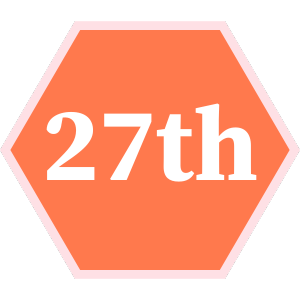
27th

According to the Annie E. Casey Foundation’s 2025 KIDS COUNT report, Ohio ranks 27th in children’s economic well-being, one of four indices measured. The economic well-being indicator is based on the proportions of each state’s 1) children in poverty, 2) children with parents who lack secure employment, 3) households with a high housing cost burden, and 4) teens not in school or working. Ohio ranks in the lower half of states in all indicators except for its education index.


POLICY RADAR

Ohio

House Bill 307 proposes to replace all public and private lead service lines within 15 years of the bill’s start date at a cost of $5 billion. The bill charges the Ohio Environmental Protection Agency to implement the “Lead Service Line Replacement Program.” According to coverage by Dayton Daily News, “Ohio ranks third in the nation for the most lead pipes delivering water to families, with an estimated 745,000 still in use; and the Dayton region is home to hundreds of known lead service lines and many more that could contain lead.” A related editorial by The Plain Dealer in Cleveland describes the gravity of Ohio’s lead poisoning crisis and the moral imperative to act: “It’s time to get mad and to work with urgency, focus and diligence to clean up Cleveland’s lead-poisoned homes before more kids have their futures stunted by toxic lead exposures, and federal funds are lost for good.” 

Ohio lawmakers tasked to be part of the conference committee to resolve differences in the biennial budget bill passed by each chamber have a week-and-a-half left to make those final decisions and agree on a version to be signed by Gov. Mike DeWine by the statutory deadline. Cleveland.com discusses the status of a handful of child-related proposals that hang in the balance, including: a child care cost-sharing proposal, DeWine’s refundable child tax credit, and the threshold for eligibility to receive publicly funded child care — a ceiling of 145% of the federal poverty level that puts Ohio at the lowest level in the nation.


BEYOND THE BUCKEYE STATE

Lawmakers in Connecticut passed several early childhood related bills, one of which (SB1) establishes an early childhood endowment fund that would cover child care expenses for families earning less than $100,000 while capping other family expenses at 7% of their income. The fund will begin on July 1, 2025, and draw from $300 million in surplus state funding.

The Prenatal-to-Three Policy Impact Center recently published a brief highlighting how state policy choices can lead to vastly differing resources and levels of support for families and children. “A Tale of Two States” summarizes family-related policy choices made in Colorado and Idaho over the past five years. Since 2020, Colorado implemented a higher minimum wage, paid family and medical leave, lowered out-of-pocket child care expenses, and state tax credits for families with children. Idaho has taken steps to increase access to child care subsidies but has not invested in similar family support policies. The brief argues that the difference in family resources between residents of the two states — of nearly $34,000 annually — is “driven entirely by state policy choices.”


WHAT WE'RE READING

Children are attuned to the reality of environmental changes and catastrophes via the media, overhearing adult conversations, lessons in school, or worst-case scenario — experiencing a climate crisis firsthand. This can lead to what the American Psychological Association defines as “eco-anxiety.” Chalkbeat Colorado highlights tactics that early educators are using to help children combat it, like creating natural playgrounds, teaching students how to care for plants, and recycling plastic into art. One early childhood consultant advises that teaching children about caring for the environment early on can compound into “collective impact” down the road.

The 74 describes how states are using federal Preschool Development Grant Birth to Five (PDG-5) funding and what's at risk if the decade-old grant program is cut. President Donald Trump’s budget proposal aims to eliminate PDG grants, despite many recipient-states using the funds to improve child care access and quality, and increase parent choice — which were priorities during his first administration.


RESEARCH ROUNDUP

The 74 rounds up five research studies that demonstrate the complex processes of young children’s brain development and language acquisition. Dr. Patricia Kuhl of the University of Washington comments, “No computer, no matter how sophisticated, can do what a baby can do in listening to language input and deriving the words, grammar and the sound contrasts that create language.”


Check out the studies here:


This edition was written by Jamie O’Leary and Janelle Williamson.

If you like this newsletter, forward to a friend! Subscribe here.


crane.osu.edu

X  LinkedIn