September 2026


A Different Side of Las Vegas

X Share This Email
LinkedIn Share This Email

Dear Friends,


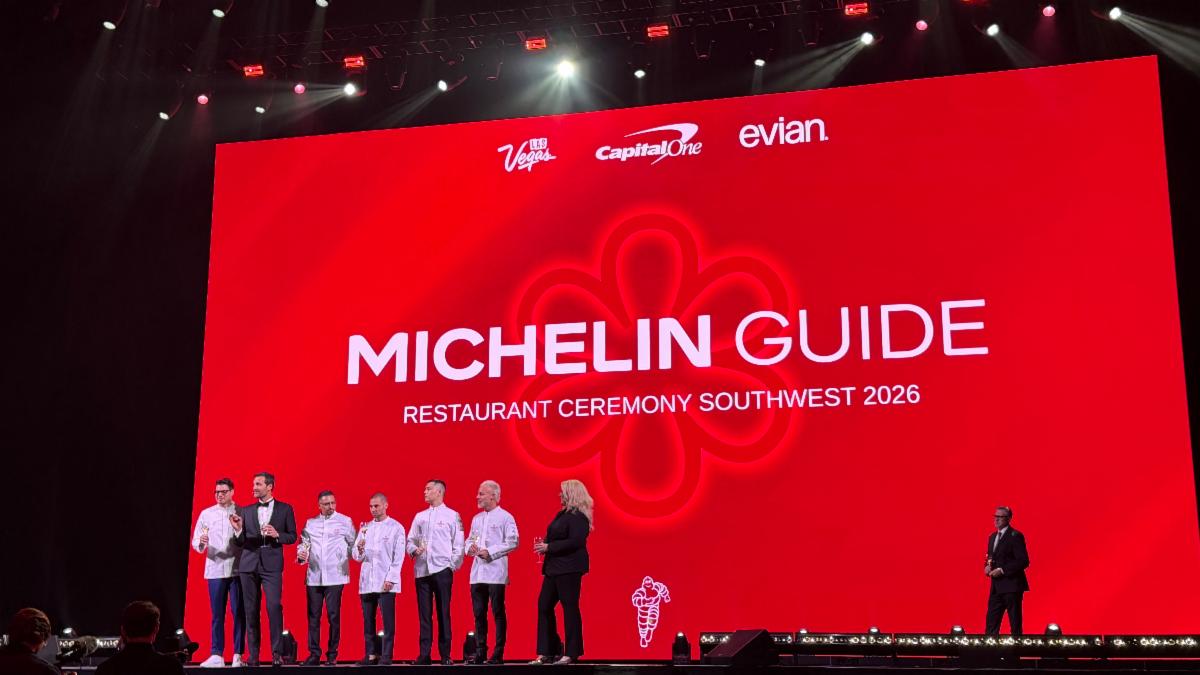
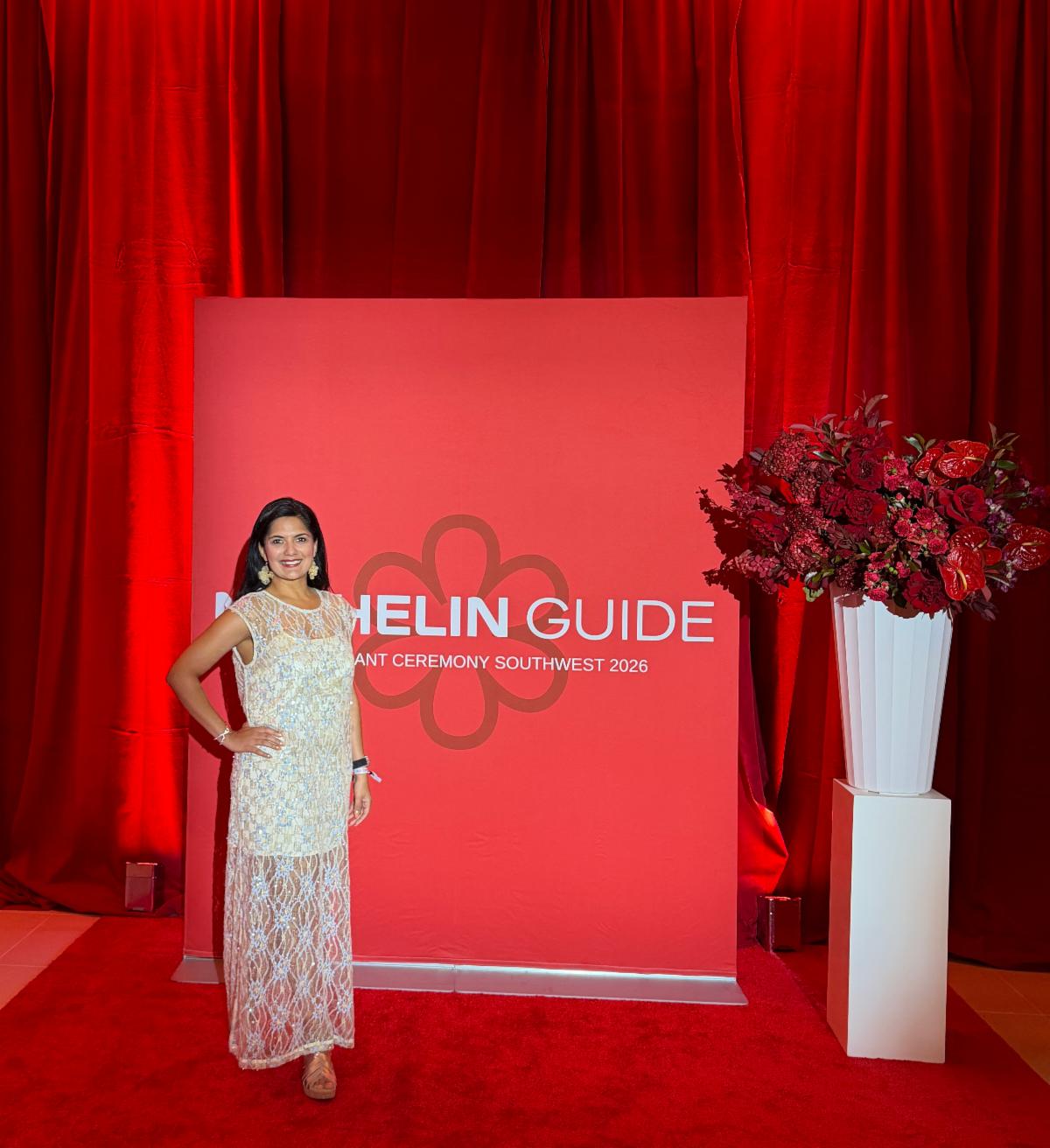
This month, I attended the inaugural MICHELIN Guide American Southwest ceremony at Fontainebleau Las Vegas. The event marked Michelin’s return to Las Vegas after a 17-year absence and introduced a new regional guide covering Arizona, Nevada, New Mexico, and Utah.


The energy inside Fontainebleau was palpable. Chefs arrived with their teams, restaurateurs greeted friends and competitors, and tourism leaders waited to see how their cities would be represented. Everyone knew one announcement could change a restaurant's course overnight.


Gwendal Poullennec, international director of the MICHELIN Guide, spoke about the role Michelin plays in attracting quality tourism to a destination. His point made me think about how remarkably the brand has evolved. Michelin began as a tire company, and in 1900, brothers André and Édouard Michelin published a free guide to encourage motorists to drive more. It included maps, practical travel information, and places where people could safely eat and sleep. More driving meant more demand for tires, but the little red book eventually became an authority of its own.


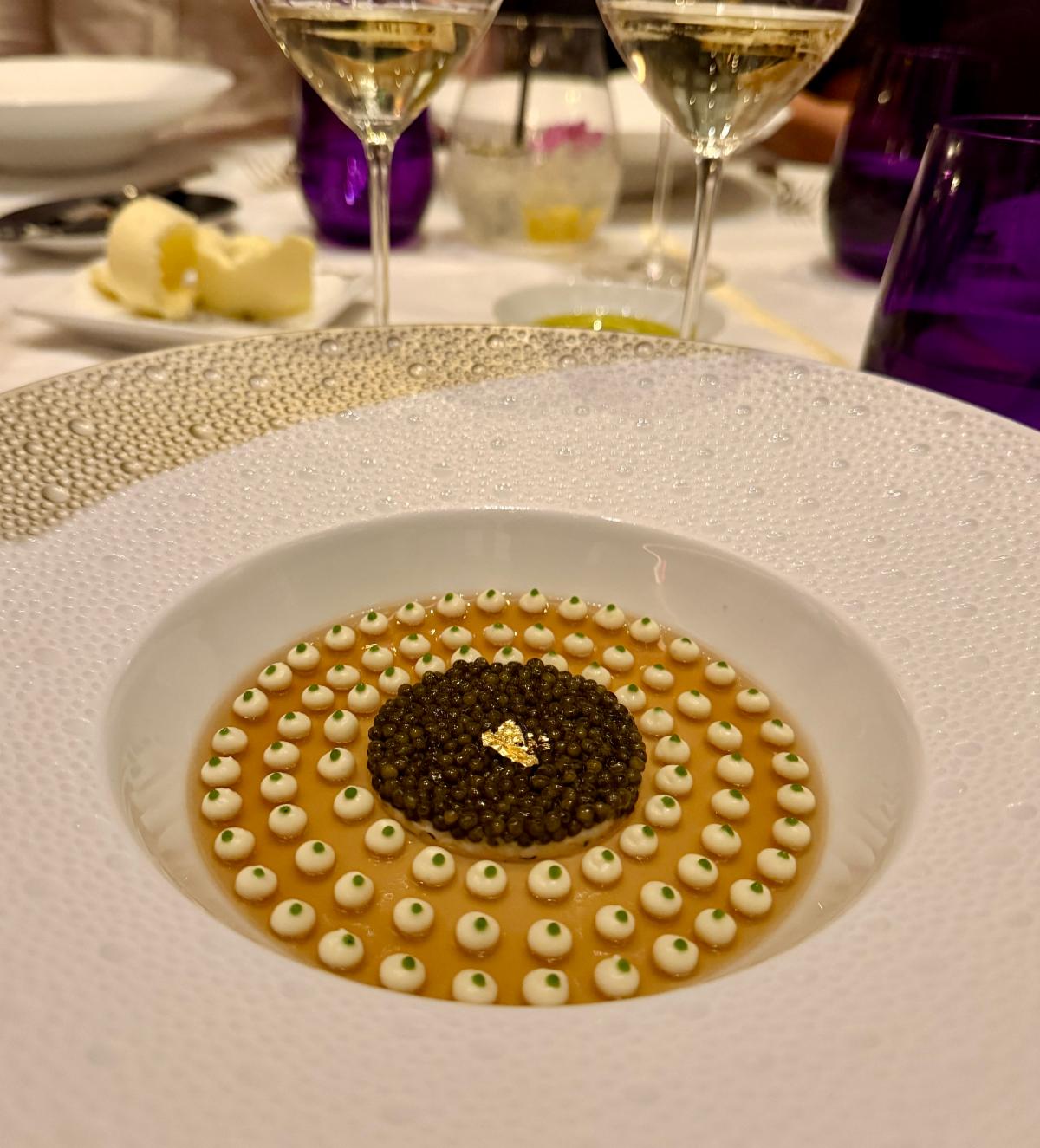
Today, the MICHELIN Guide covers nearly 60 culinary destinations and markets worldwide. People plan vacations around its recommendations, make reservations months in advance, and sometimes save for years to dine at a starred restaurant. The guide offers a sense of trust that an independent third party has evaluated the quality of the ingredients, technique, and consistency.


As a food and travel writer, I do not always agree with Michelin’s choices. Food criticism is subjective, even when inspectors follow a defined system. I have also found the guide historically weighted toward French and Japanese fine dining, often favoring tasting menus, technical precision, and formal service over the warmth, generosity, and cultural context that make many other cuisines exceptional.


That is beginning to change, even if slowly. Michelin now includes a wider range of restaurants through its Bib Gourmand designation, which recognizes good food at a more accessible price, as well as its broader recommended selections. Indian restaurants such as Semma in New York, Indienne in Chicago, Musaafer in Houston, and Rania in Washington, D.C., have earned stars. Korean, Mexican, Thai, Vietnamese, and regional American restaurants are also receiving greater recognition.


For the businesses, even being included in the guide is an honor. Yet, it was the joy on the faces of the chefs who earned stars and the way they celebrated with the people standing beside them. Every award represented years of demanding hours, personal sacrifice, creative risks, and teamwork. Watching entire restaurant families embrace, cry, and cheer reminded me that the human story behind an award is often more compelling than the award itself.


I have been traveling to Las Vegas for decades for work, conferences, and visits with family who live in the area. During that time, I have watched the city evolve from a destination known primarily for gambling and adult entertainment into a place with serious art, culture, world-class dining, and attractions designed for many different ages and interests.


Today, you can explore the Arts District, immerse yourself in the colorful Museum of Ice Cream at AREA15, experience the world of racing at Grand Prix Plaza, or revisit the daredevil legacy of Evel Knievel. Las Vegas is adding more thoughtful, interactive, and family-friendly experiences without abandoning the spectacle that made it famous.


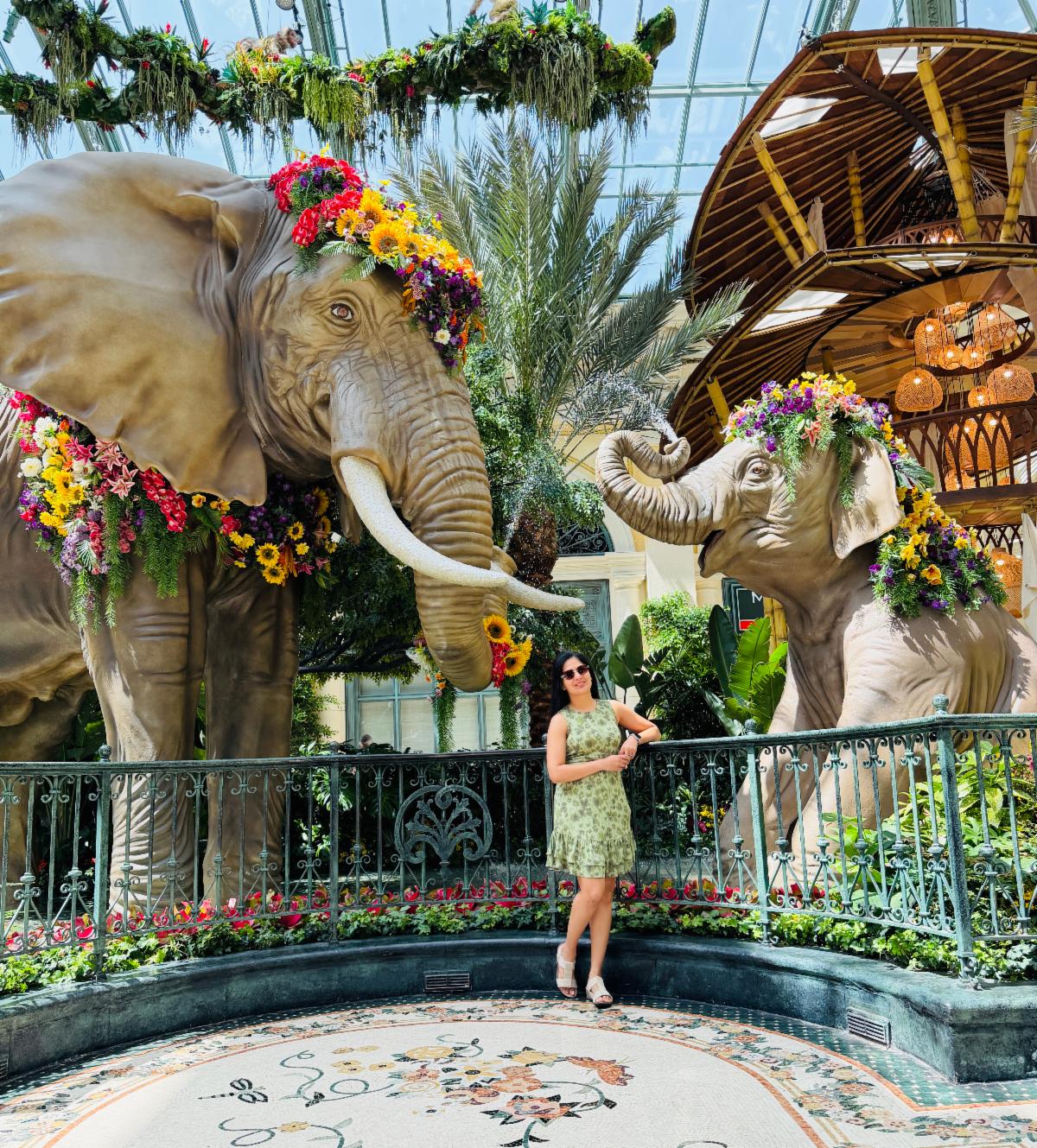
I do not gamble. I cannot stand cigarette smoke, and bars and late-night parties have never interested me. Yet I never run out of things to do in Las Vegas. I look forward to seeing the seasonal displays at the Bellagio Conservatory & Botanical Gardens, soaking in the saunas at the Fontainebleau spa, and dining at restaurants such as José Andrés’ Bazaar Mar and Kwame Onwuachi’s Maroon.


When I look around Las Vegas now, I notice more conference attendees, families, and young couples than partygoers and high rollers. Perhaps that is because I go to bed too early to see the other side of the city, but it is also evidence that Las Vegas can be something different to each of us.

That is also why I hope you continue to trust my voice at Go Eat Give.


Awards, guidebooks, and star ratings can help us decide where to go, but they can never tell the entire story. I will continue looking beyond the official lists, asking who is in the kitchen, whose culture is being represented, and whether an experience creates a meaningful connection to a place. Michelin may award the stars, but ultimately, you and I must decide what is worth traveling for.


Happy travels,


Sucheta Rawal

Founder, Go Eat Give


Written by Sucheta


Read my latest work published in local and national outlets.

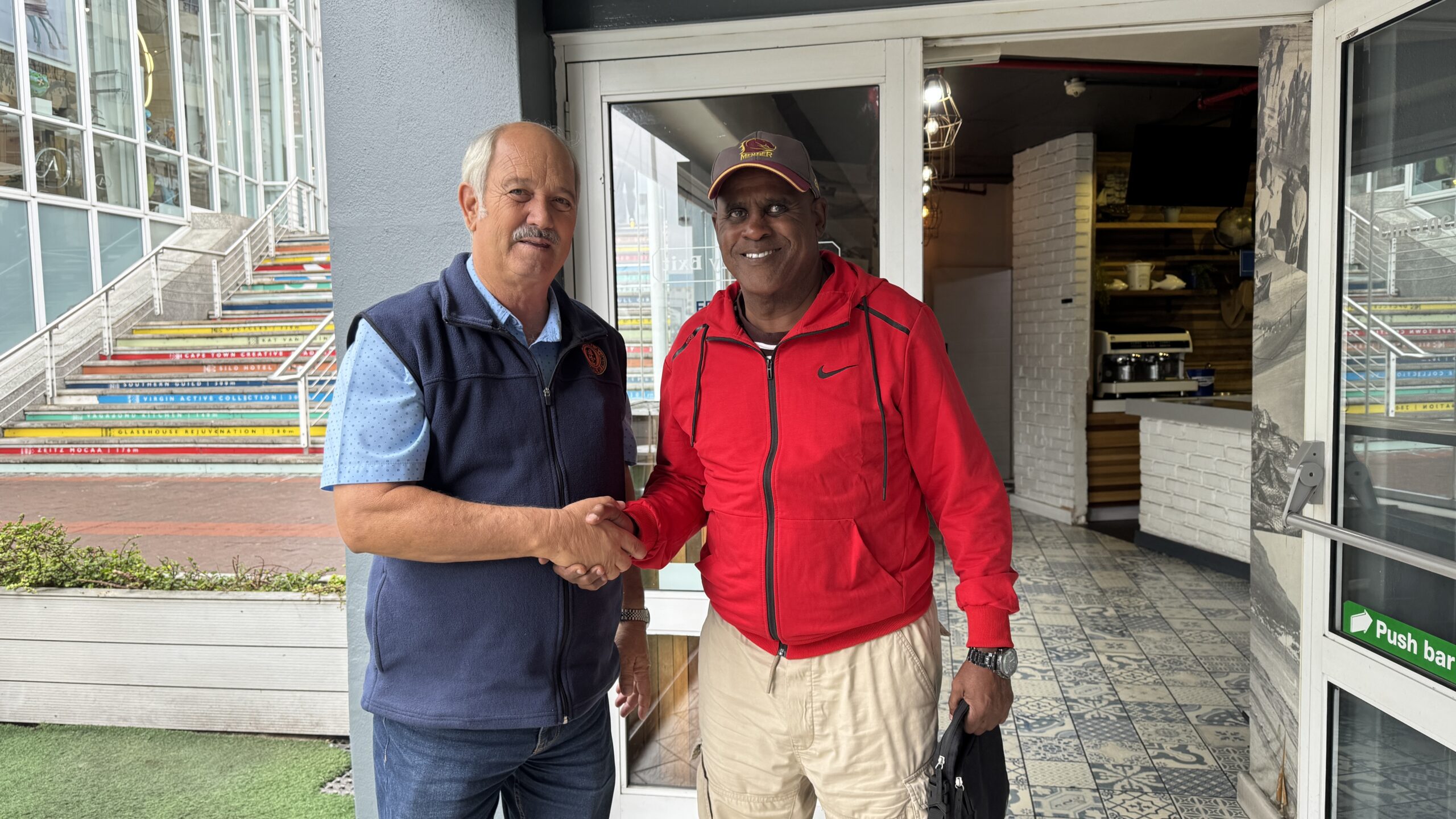
Nelson Mandela: Meeting His Prison Guard and Secretary

Explore the life-changing stories of Nelson Mandela through the eyes of his former guard, Christo Brand, in Cape Town.

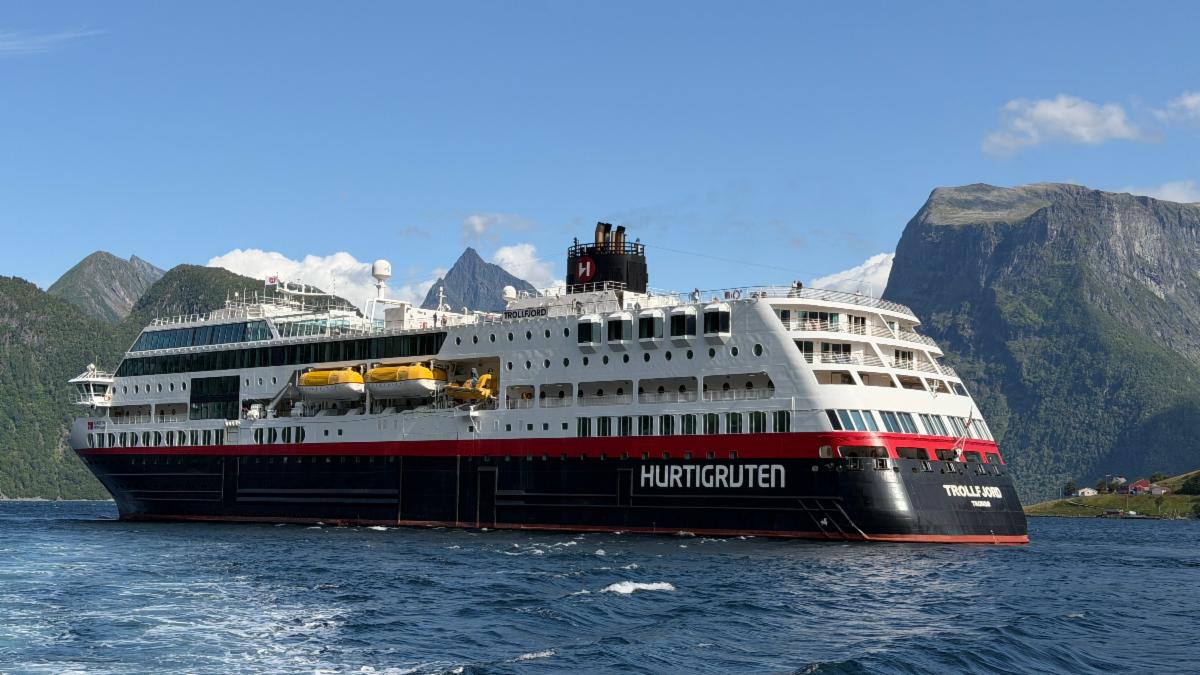
This Landlocked Country Has a Navy, and the Reason Will Surprise You

Fodor's provides expert travel content worth exploring so you can dream up your next trip. The world is a weird and wonderful place-we want to show you around.

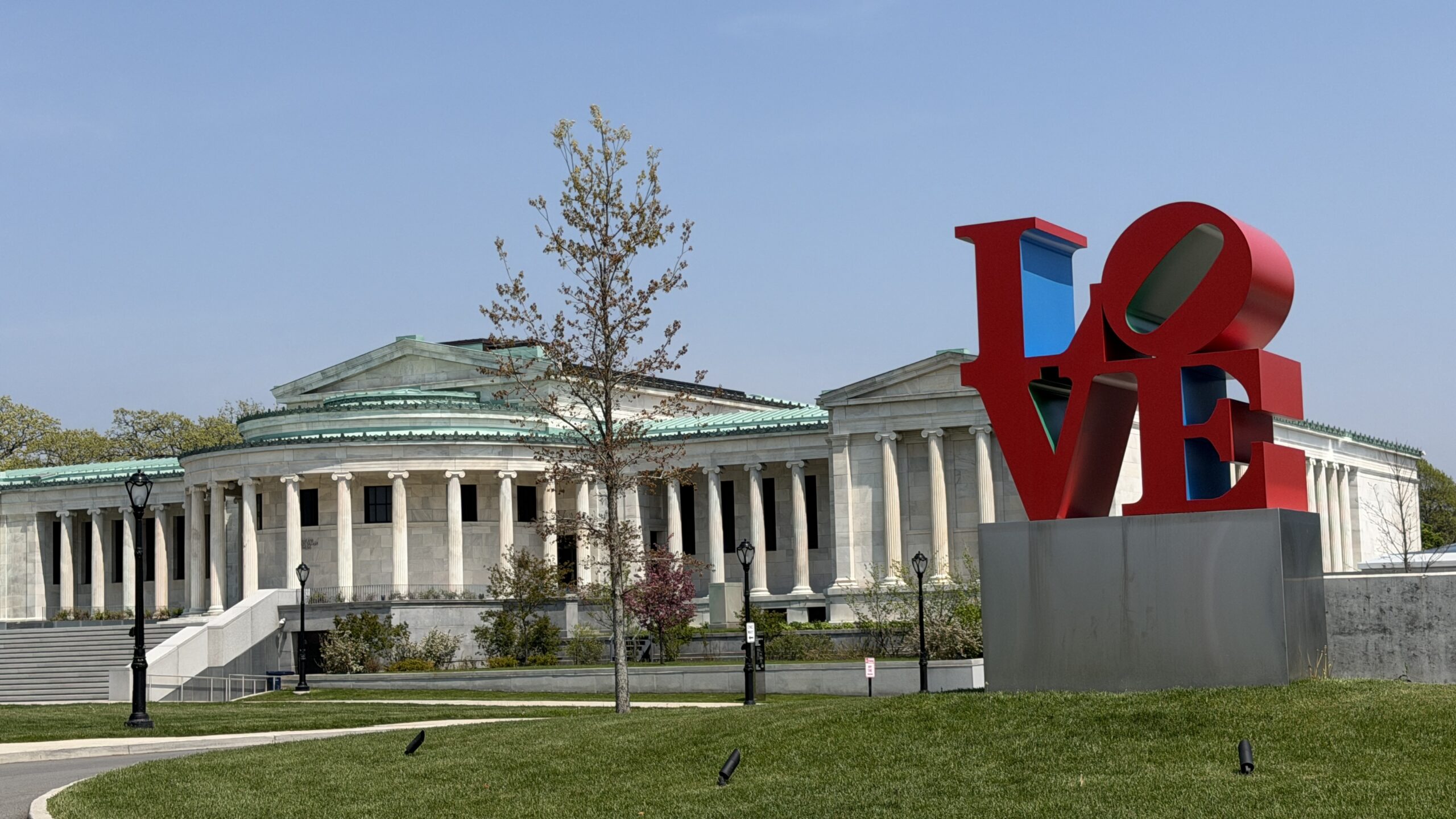
Why Buffalo, New York Deserves More Than a Stop on the Way to Niagara Falls

Discover why Buffalo is worth more than a quick stop. Explore its museums, neighborhoods, and delicious restaurants.

From Makhana to Truffle Masala Truffles: My New Indian Snack Obsession

From chocolate boondi to truffle peanuts and fizzy jal jeera, familiar flavors are finding clever new forms. For years, I have walked past enormous transparent bags of makhana at Indian grocery stores without buying them. I knew what they were: those pale, puffy water lily seeds that look a little like popcorn.

 
Facebook  X  Instagram  LinkedIn  YouTube