|
|
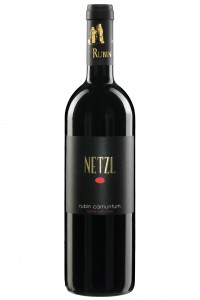
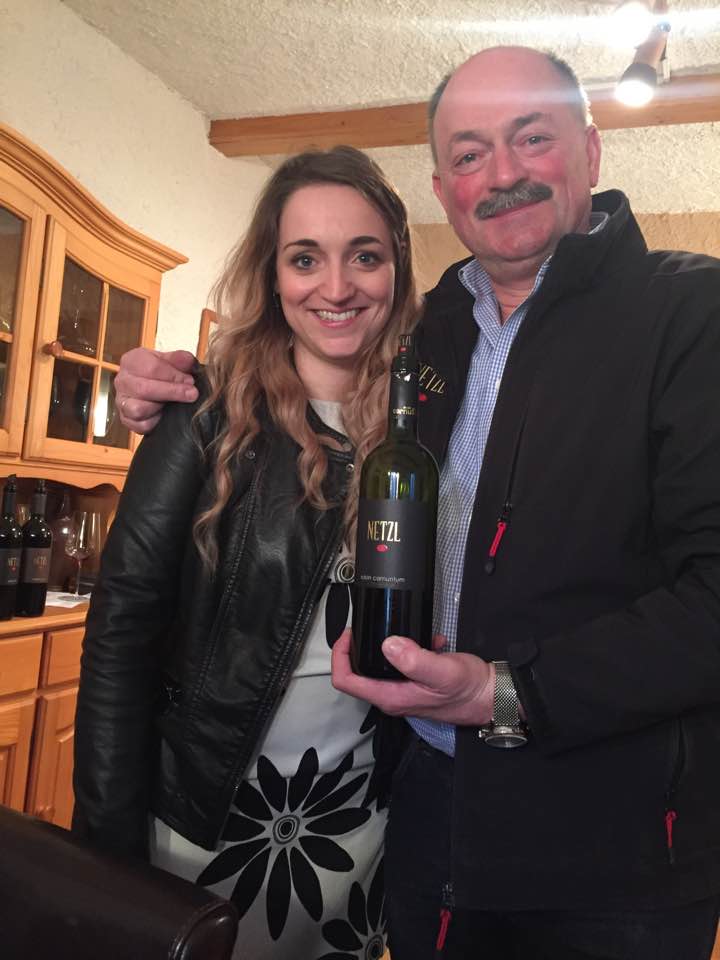
Netzl Rubin Carnuntum 2015
|
|
Zweigelt Selection dark ruby-garnet red with youthful reflection, black cherry in the nose, juicy berries and roasted aromas on the palate, well balanced and fresh and soft tannins, a wine with charm and potential for aging Serving Suggestion: beef (loin, T-Bone-Steak, Roast beef), lamb, venison (in a heavy sauce), chicken in red-wine, cheese, nuts – but also ideal for long and relaxing hours without a meal
For more info about the wine click below on Wine of the Week
|
|
|
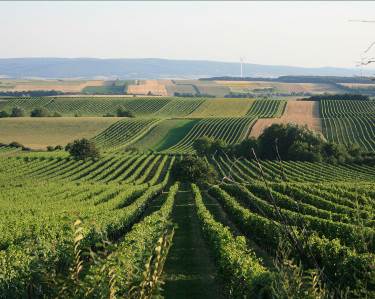
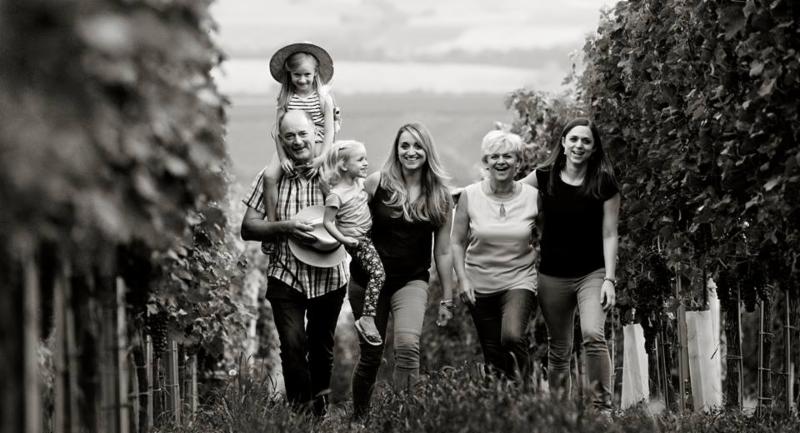
26 ha of vineyards in the best sites of the 'Arbesthaler Hügelland' around the town Göttlesbrunn are the basic of the Netzl winery. The reason for the unique climate of the region is the combination of the warm influences of the pannonian lowland and the lake Neusiedl in the South-East and the cool winds from the close river Danube in the North. The chain of hills keeps the warm air in the valley and on the same way prevents the grapes from the very cool air coming from the river.
Therefore the grapes grow and thrive with a very ripe, but fresh fruit and lots of finesse. Ideal conditions for Zweigelt, which variety grows on the half of their vineyards, but as well for the international red-wines-varieties, which get enough sun here in Carnuntum. Also the white grapes are getting very aromatic, but fresh and fizzy. However, in general, the focused on red wines with 75 % of the production.
|
|
|
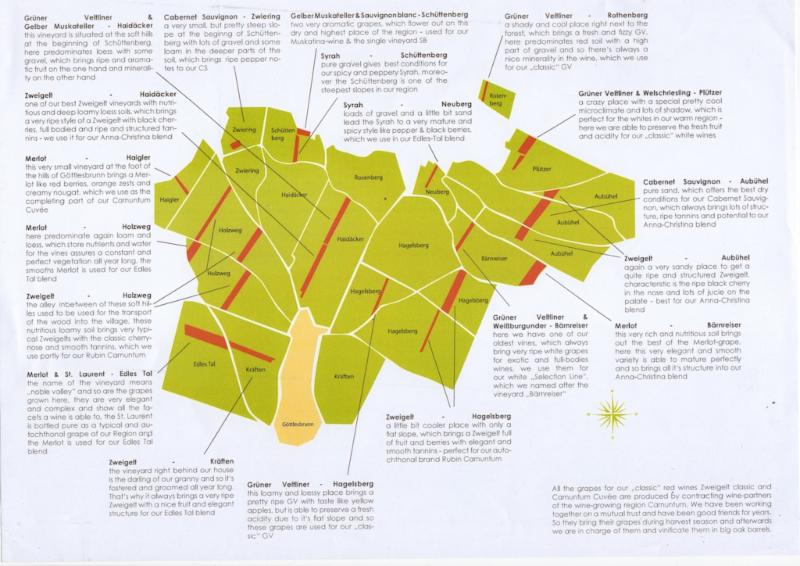
The vineyards of
Göttlesbrunn
|
|
|
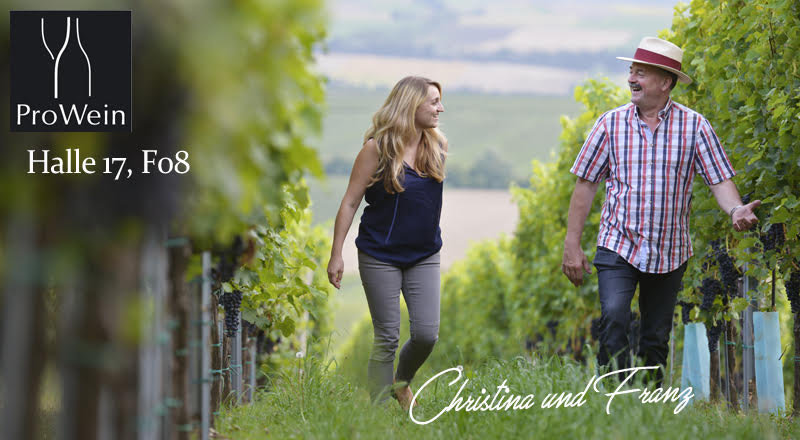
vist and taste the Netzl wines
@ ProWein in
Düsseldorf
Hall 17 F08
|
|
26 hectares (64 acres)
varieties:
40 % Zweigelt 5 % Grüner Veltliner 10 % St. Laurent 5 % Welschriesling 10 % Cabernet Sauvignon 5 % Chardonnay 10 % Merlot 5 % Weißburgunder 5 % Syrah 5% Muskateller
Wine-Region Carnuntum:
Carnuntum (the largest Roman population concentration outside of Italia) is a historic wine-producing area along the southern banks of the Danube River in far eastern Austria. Rolling hills and a warm Continental climate characterize the terroir and give rise to modern, elegant red wines made from Cabernet Sauvignon, Merlot, Blaufrankisch and Zweigelt.
Carnuntum"s official winegrowing area stretches from Austria"s border with Slovakia to the eastern outskirts of Vienna. The Danube River neatly delimits the region"s northern border, and the Leithagebirge hills in the south separate Carnuntum from Burgenland in the south, Austria"s other key red wine-producing region. Vineyards can mostly be found on the gently rolling hills of the Leithagebirge, the Arbetshaler Hugelland hills, and the Hainburger Berge.
Archeology, along with wine, is one of Carnuntum"s key tourist attractions. A bustling Roman army camp became an important center in Upper Pannonia (as the region was once known) and its inhabitants became the first to plant vines. The Roman legacy lives on today in more than just Carnuntum"s name – the region is home to several important ruins, including the Heidentor (Heathen"s Gate), which is depicted on bottles that carry the "Rubin Carnuntum" title, the region"s answer to a DAC classification.
The climate here offers Carnuntum a point of difference – the influence of the wide, sunny Pannonian Plain that covers much of Hungary gives a much warmer temperature than is usually associated with Austria. Warming easterly breezes and high sunshine hours provide plenty of ripening opportunities for the grapes, but the climate is still moderated by the presence of the Danube and the Neusiedlersee lake to the south (around which Neusiedlersee DAC wines are made). Ripening happens slowly and evenly here, allowing for a balance between sugar and acidity in the grapes and, in turn, making balanced wines.
The Danube has had a further influence on winegrowing in the region, as its ever-shifting path over the centuries has brought a wealth of soil types, making careful site selection a must for vignerons. Generally, rich, deep soils composed largely of loess lower on the hills give fruit-forward, heavy wines, while thinner soils made up largely of free-draining gravel give more refined, ageworthy wines.
As there is no DAC-level appellation here, Carnuntum vignerons are freer to experiment with grape varieties and blends. Zweigelt is Carnuntum"s particular specialty, but it is often found blended with Merlot, Cabernet Sauvignon or Blaufrankisch. Rich, full-bodied white wines are also made in Carnuntum, usually from Gruner Veltliner, Sauvignon Blanc or Chardonnay.
|
|
|
|
|
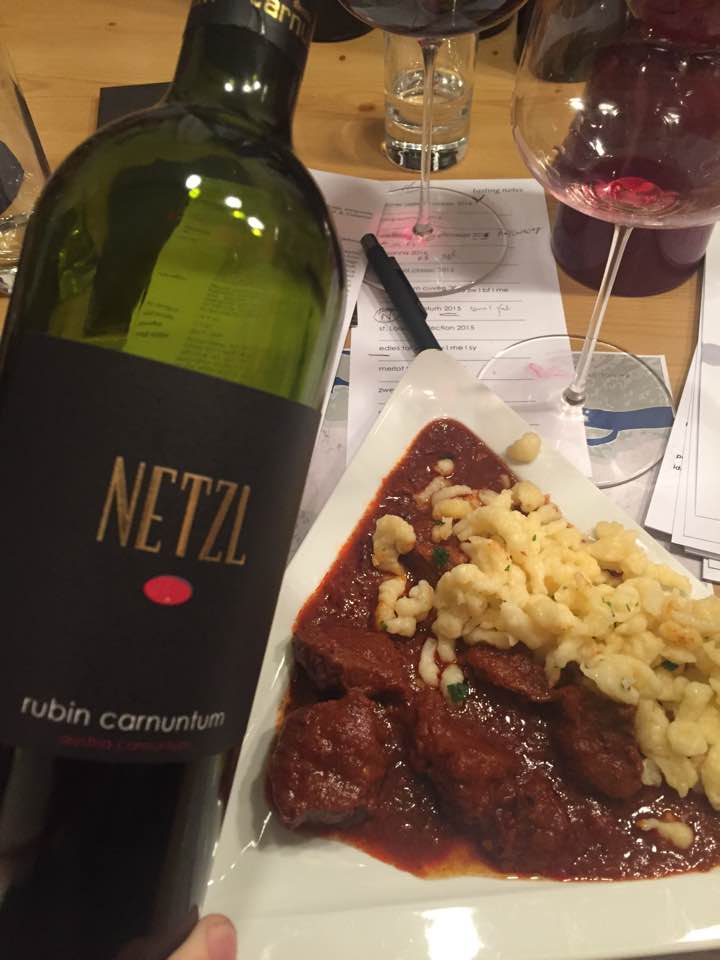
Netzl "Gulasch" from yesterday with a bottle of the Rubin Carnuntum
KWSelection.com Importer trip 2017
|
|
Your Passport to
Austrian wine is immensely popular and a perennial favorite of sommeliers throughout the world. Austrian wines are known for their wide diversity of styles, aromas, and terroirs.
|
|
|
|
https://www.facebook.com/klaus.wittauer#
|
|
|
|
|
|
|
|