Center for the Developing Mind July 2023 Newsletter

Center for the Developing Mind

Center for the Developing Mind celebrates America's 257th year of Independence,

Happy 4th of July!

Flying american flag in little girl s hand. Selective focus_ blurred background. Independence Day_ Flag Day concept. Vintage and retro toning. Instagram filters

Dear Readers,


July is typically the peak of both summer fun but also holds our Nation's recognition for our country being launched into independence. Keeping both of these themes present in our minds, Center for the Developing Mind is pleased to present two pertinent articles that thoughtfully touches both of these subjects. In our first article, colleagues have put together a list of 10 best vacation destinations for individuals impacted by autism spectrum disorder. While the list varies widely, there are thoughtful explanations on how to turn vacations into a positive experience for every family member. Speaking of family, our second article is a reflective piece submitted by a parent who discusses how they helped their child move from dependency to independent possibilities as they overcame the 'autism cliff'. Good reading for all. As always, we at the Center continue to wish you a summer filled with joy!


Sending best wishes for your health and safety,


Esther Hess, Ph.D. and the staff at Center for the Developing Mind

10 Best Autism Friendly Destinations to Vacation


By Sandra Caplesc


For parents of children with autism spectrum disorder, coming up with ideas for a family vacation is exciting—and stressful. You dream of a magical time on the beach, but then you remember your autistic child never went on a vacation before. You start to wonder how he’ll react when you put him on a plane or when he sees crowded places. These troubling thoughts are what kept you away from planning anything special—until now.


Finding autism-friendly vacations is not that hard, especially now that autism awareness is on the rise. Planning a vacation dramatically alters everyone’s daily routines and, for a child with autism, this might be somewhat overwhelming. If he’s not ready for it, he might bolt out of the overwhelming situation or cause a fuss. Before selecting your vacation spot, why don’t you read these Tips for an Autism-Friendly Holiday Season to efficiently handle going on a vacation with your autistic child?


We all need a break. You might think that a vacation will only bring more stress and anxiety, but taking a family vacation is hugely beneficial. It provides a change of scenery, a time to bond as a family, and it gives a new experience for your child, even if it’s different from their routine. Besides, planning a family vacation takes a lot of time and effort to make it perfect.


Nowadays, going out with an autistic child is more accessible than before. More and more facilities offer autism-friendly services for the whole family. The hospitality industry is better equipped to help families with autistic children. Most hotels and resorts are creating programs and training staff to deal with guests with special needs. Museums, water parks, zoos, aquariums—all are committed to offering certified autism-friendly services. So finding a place to go on a family vacation is not that hard anymore.


10 Best Autism-Friendly Destinations


Be careful, though. One destination may work for a child, but it might not work for another. We’ve included a variety of places you can check that satisfy any budget or destinations you can visit in a day. Each of these destinations is autism-friendly and accommodates autistic children.

Let’s take a look.


Disney


Disney is a leader in entertainment, so you won’t be disappointed no matter where you go. While you might not think it’s a good idea since it’s crowded and active every day, Disney will go to great lengths to accommodate people with special needs. Disney cast members can assist those with cognitive, visual, hearing, and mobility disabilities and have quiet zones where autistic children can take a break. Their tagline is, after all, “The happiest place on Earth.” Alternatively, if your child likes Sesame Street, you can go to Sesame Place.


Yellowstone National Park


Welcome to the hydrothermal and geological wonder! If your child on the autism spectrum loves nature and animals, then Yellowstone National Park is undoubtedly a thrilling experience for your little one. Your youngster will see colorful hot springs, mud pots, and the famous Old Faithful geyser. These are all fascinating things to see, but be careful: some have a sulfur smell that might be disturbing. While the place has autism-friendly lodging, they tend to fill up quickly, so make sure you book in advance.


Morgan’s Wonderland


This is the first theme park where EVERYONE can play. It was born out of the heart of a person who wanted to create opportunities and places where those with disabilities and autism spectrum could come together for fun and better understand each other. Many are experiencing the sensation of flying through the air, so this amusement park offers more than 30 adaptive rides, playgrounds, and a water park. It even has an indoor sensory village that encourages creative play and a giant sand play area.


Myrtle Beach


Myrtle Beach, South Carolina, is one of the best family vacation spots in the US. Beaches resorts bend over backward to offer families with children the best summer vacation. A beach vacation sounds fantastic in the summer, and it’s the perfect retreat where you can avoid stimulation. It’s also a certified autism center, making the city autism-friendly. A unique thing about Myrtle Beach is the CAN Card (Champion Autism Network), a no-questions-asked pass for families at places where overstimulation is an issue. You can use this card to skip lines, get private seating, or avoid check-in at hotels. Myrtle Beach has many sensory-friendly features, and you can find many quiet places beside the beach.


Royal Caribbean Cruises


Royal Caribbean is the first autism-friendly cruise ride. In a fun yet controlled environment with various activities, your autistic child will surely enjoy the ride. Make sure to book in advance. The cruise has many modified kids programs, autism-friendly movies, and sensory toys available onboard. In addition, the staff members received training in autism awareness. The children can explore the different parts of the ship and relax in quiet and easily accessible rooms.


San Diego Zoo


The San Diego Zoo is a wonderful autism-friendly destination if your child loves animals and wildlife. There is a lot to see, and since animals don’t like crowds either, there are plenty of quiet zones where your kid can admire the animals without overstimulating. The zoo also has an Easy Access Pass. With it, you can skip lines and receive information about appropriate rides and attractions.


TradeWinds Island Resort


It’s one of the only five hotels in America declared autism-friendly by the Center for Autism & Related Disabilities. Staff members are trained in autism awareness and are always willing to lend a hand and a worry-free experience for the entire family. The resort offers many family-friendly amenities, such as a water park, pirate show, parasailing, and dolphin-spotting cruises. The hotels provide safety kits, and the doors have safety alarms to prevent wandering.


Snow Mountain Ranch


More of a resort than a ranch, this place is perfect for spending time around animals. Horseback riding is therapeutic for children with autism, and the programs are designed to entertain kids. You can let your child’s imagination run wild while running with the huskies, learning about the great outdoors, or building forts. And even if the cooking is traditional cowboy-style, dietary adjustments can be made quickly. This camping experience is perfect for your little explorer.


Splore


Splore is great for an outdoor adventure that has no match. This non-for-profit program provides wonderful experiences at affordable prices for families with children on the autism spectrum. The staff organizes events such as rock climbing, river rafting, horse rides, hikes, mountain biking, and scenic flights. Special accommodations can be made at mealtimes, so everyone is happy.


LEGOLAND


LEGOLAND Florida has recently partnered with Autism Speaks to become entirely dedicated to autistic people. There is a quiet space where there are a lot of sensory-stimulating activities for those who need it. Of course, staff members receive training in autism awareness and sensitivity, and passes can be arranged.


Make New Memories


It’s normal to feel pressured and worry about ten million things. You don’t want to spend a lot of money on stuff your child won’t enjoy. But it’s imperative to have fun. You never know what your child will like, so it’s best to explain beforehand what he should expect and what he can see. More and more destinations understand the importance of an autism-friendly approach, so it takes a load off your back.


Your dream vacation is waiting for you—you have to search for it!

One Parent's Journey to Help their Special Needs Child Overcome the 'Autism Cliff' Into a More Independent Life

For an autistic young person and their parents, transitioning into adulthood can be an exciting yet challenging time in their lives.  Here is the story of my experiences with transitioning my autistic son into adulthood. I also talk about navigating certain legal aspects and the “autism cliff” that many autistic young people and their families experience during this transition.

By Kimberly Drake


Like many parents with young autistic children, my focus suddenly changed when my son received the diagnosis of autism spectrum disorder (ASD). After a long and arduous diagnostic process, I shifted from wondering if he had autism to searching for the services he needed to learn, grow, and manage autism-related challenges. This included in-home therapy, school-based services, and nutritional therapies.


Because of the time invested in researching and implementing various treatments, and the effort invested in advocating for my son, I didn’t have the mental bandwidth to think too far into the future.


But as he grew, I realized that even though he had experienced incredible progress throughout his journey, the challenges associated with autism would likely not end when he became a legal adult. This realization made planning for his future a new and urgent priority.


IEP, transitions, and approaching the ‘autism cliff’


Like many autistic students in the United States, my son’s educational journey from pre-school to high school graduation was mapped out with an Individualized Educational Program (IEP). An IEP is a legally binding document developed and instituted when a child meets the public school’s criteria for specialized education.


This document outlines the child’s needs and designs an educational program to meet those needs best, whether through speech and language therapy, occupational therapy, or the addition of support people like paraprofessionals to assist the child throughout the day.


With an IEP in place, a child’s educational journey does not have to end at 18. Instead, the young person and their parents can decide to continue attending school up to age 21.


This 18–21 period is considered one of “transitions”— and is designed to shift the young person from educational-centered to adult-oriented learning. Much of this includes teaching independent living and job skills.


In the United States, statistics suggest that 500,000 young adults with autism will transition into adulthood over the next 5 years.


Unfortunately, many schools don’t have the resources to develop transitions programs that fully address the needs of autistic students entering the adult world.


A Centers for Disease Control and Prevention (CDC) surveyTrusted Source using parent-reported data from the National Survey of Children’s Health found that autistic students were less likely to receive transition planning than children with other emotional or behavioral conditions.

Furthermore, even if a transitions program exists, it may not cover all the gaps in services that suddenly occur when the child reaches 18 years old. Parents often refer to this sudden loss of services as the autism cliff.


Building a bridge over the ‘autism cliff’


When faced with a sudden reduction or loss of services, parents of autistic children must build a bridge over that gap. And they may not always have the information and resources needed to construct it, which leaves them unsure about what to do next.


Fortunately, my son’s experience has been different due to the charter school for autism he attends. His school, Lakeland STAR School/Academy, was created in 2018 by a group of dedicated parents, educational professionals, and community members and supported by generous donors. STAR serves diverse learners in grades 7–12 and has a transitions-focused curriculum.


However, because autism ratesTrusted Source continue to rise, the school has seen tremendous growth. As space to enroll new students became limited, a need for a separate transitions program emerged.


To address this need, Lakeland STAR is now developing a transitions center with the help of community-based organizations, including Aspirus Health, Lakeland Union High School (LUHS), the Howard Young Foundation (HYF), and the HYF Women’s Legacy Council.


Scheduled to open in the fall of 2022, the center will offer transitions-based education, including independent living skills, job skills training, and related services. The new center will help my son and other autistic young adults bridge the gap over the autism cliff and into the adult world.


Still, through my experiences, I’ve learned that transitioning is more than just transition programs. It also includes critical legal aspects of becoming an adult regarding healthcare and finances.


Depending on the level of support the young person needs, these legal aspects may include deciding whether to pursue legal guardianship, financial power of attorney (POA), or power of health (POH). In the U.S., a parent must complete these documents before the young adult’s 18th birthday.


Why are these legal documents critical?


Over the years, I’ve heard many parents and caregivers explain the incredible challenges of navigating finances and healthcare after their autistic child reaches adulthood. And this is especially true if there are no legal documents in place that allows parents to have some oversight in their child’s decision-making after they turn 18.


Legal documents may be necessary because autism often affects executive functioning, expressive and receptive language skills, and social skills — leading to unforeseen challenges in the adult world.


For example, executive functioning challenges may make it difficult for an autistic person to organize their finances and pay bills on time. This could lead to loss of housing or referrals to debt collection agencies.


Autistic individuals may also have a higher risk of exploitation and victimization from others due to social difficulties. Because of this, they could experience fraud or other financial abuse without essential legal safeguards in place.

Additionally, expressive and receptive language challenges could lead to miscommunication with authorities, resulting in unwarranted legal issues.


Challenges with healthcare can also occur. For instance, in the U.S., medical professionals cannot discuss an adult’s medical situation with parents or caregivers without guardianship or active power of attorney for healthcare. So, an autistic person may not have the support they need in a medical emergency.


Although autistic adults who need minimal support can often handle many aspects of adult life on their own, it’s not always easy to determine this by the time they turn 18. Therefore, it’s often in the child’s best interest to establish legal documents until support people can fully understand the young person’s abilities.


Differences between guardianship and POA/POH


For some parents in the U.S., especially those who support an autistic child with significant verbal communication challenges, guardianship is the answer to this legal dilemma. However, obtaining this level of legal oversight can be a complicated process.


Often, you need a medical professional to declare that the autistic young person is unable to make their own decisions and then go through a detailed court process.


In addition, becoming your child’s guardian involves managing their finances and medical needs as a separate individual. Other parents have told me that managing guardianship is like a full-time job, but most consider it a labor of love.


Still, for many autistic adults, an active power of attorney for healthcare and finances is adequate because it allows some oversight on decisions yet leaves individuality and decision-making intact. These documents are drawn up by a lawyer and signed by the autistic person soon after reaching the age of 18.

In my son’s situation, although he needs minimal support, he was welcoming of the idea of giving his father and myself the ability to assist him financially and medically when required.


This acceptance of help may be partly due to his self-awareness — something that began evolving soon after I was transparent with him about his diagnosis at a young age. I believe this knowledge has helped him understand himself better and more easily identify areas in his life where he may need more assistance.


Transitioning into employment or post-secondary education


Autistic individuals have many strengths that make employment or attending college more than possible. Still, research from 2017 suggests that about 38%Trusted Source of autistic adults are unemployed. In addition, estimates indicate that only 17%Trusted Source of autistic students graduating from high school attend a 4-year university.


Still, a transitions program can help increase employment and post-secondary attendance for autistic individuals.


In my son’s situation, his school has helped by searching out job experiences in the community. However, these job experiences are slightly different than a typical employment experience.


For example, the employer is aware their new employee has ASD and will make accommodations to support their needs. In other cases, a job mentor will accompany the autistic employee when they start their job and slowly withdraw support as needed.


Fortunately, our community has been highly supportive of autistic employees. For example, no local business has turned down the opportunity to participate in the Lakeland STAR job experience program.


In addition to employment, attending college or a technical school may also be an option for my son. Like many autistic peers, he has specific interests and passions that can transform into a rewarding career. His happen to be history and the visual arts, such as filmmaking and creating documentaries.


However, just like neurotypical people, autistic individuals have diverse interests and skillsets. For example, some of my son’s schoolmates are interested in auto mechanics, computer coding, or the culinary arts.

Thankfully, post-secondary schools are becoming more accommodating to autistic students, making college a more attainable goal. However, I am just beginning to navigate this process, which includes plans to contact various visual arts and filmmaking schools to inquire about their autism-specific support services.


Living independently


Statistics suggest that about 87% of autistic adults live with or have lived with a parent at some point in their life. Yet, even when living independently, some autistic adults still need support.


Because independent living requires many skills, my son’s father and I have begun the process of teaching my son things like doing laundry, paying bills, and shopping for and preparing food. In addition, his school’s independent living classes have addressed these skills, which will continue when he attends the new transition center.


Also, with the help of others, I was fortunate enough to acquire a small house close to me. This dwelling will eventually serve as my son’s home while adjusting to adult life and learning to live independently.


However, I realize that my son’s situation is not typical, as the fact remains that housing for adults with ASD is difficult to find. Therefore, future goals for our community include a plan for supportive housing that caters to people with special needs like autism.


Through my eyes


As for me, my son, and his father — we are just beginning to build a bridge over the “autism cliff.” And so far, I’d say we have an excellent foundation to support its construction.


Still, because of the ongoing challenges associated with ASD, I am not sure this bridge will ever be complete. Instead, we may have to modify it as our son’s needs change.


Hopefully, someday soon, every autistic young person will have a well-defined path to cross as they transition into adulthood.


To be most effective, this pathway needs to include transition programs, expanded employment opportunities, and appropriate and supportive housing.

Although it seems like a momentous task, I have learned that it is possible. Especially with the support of friends, family, and community members dedicated to creating a world where autism is accepted and woven through the fabric of society — as I believe it should be.

Fun Photo Shot!

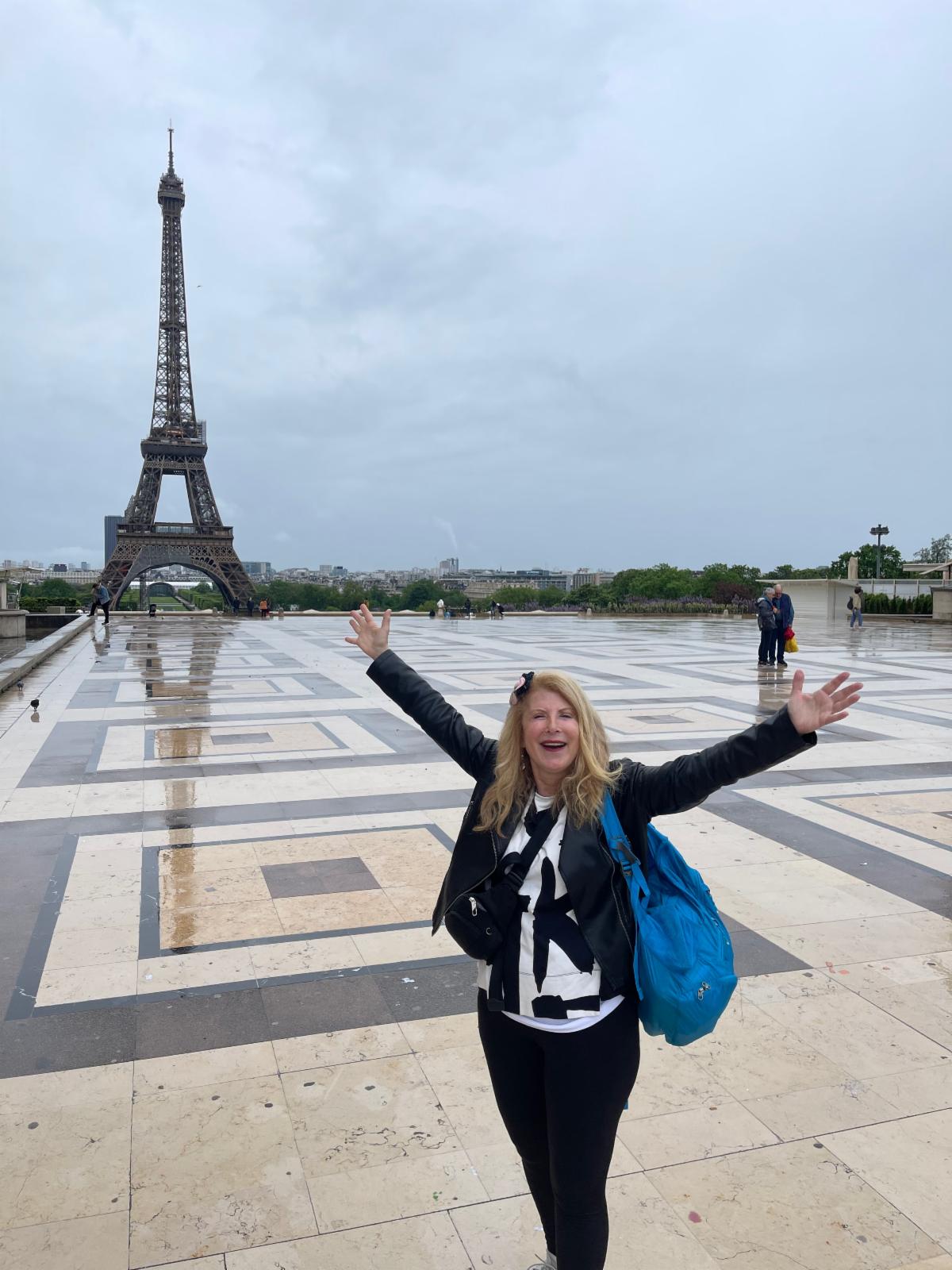
Fun photo shot of Dr. Hess and Allen Samson's recent trip Paris. Here Dr. Hess is seen posing in front of the Eiffel Tower!

Announcements

Ongoing: Dr. Hess is continuing her work with the special needs community in Lodz, Poland. She now meets virtually on a weekly basis with the staff and parents associated with the Centrum Futurum Pre-School.


This week's topic: Creating creative summer programs for families with limited budgets.

Groups
Friends Hipster Teenager Buddies Concept

Last month's subject matter was of such great interest that requests have been made that facilitator Allen Samson continue similar themes as he facilitates an in-person young adult Men's Group for Neuro-Diverse Men ages 25-40 years at Center for the Developing Mind. This month's topic discussion will continue to include finding and keeping a job; extensive opportunity to role play social scenarios. Timely topics include; how to successfully find and hold onto a Summer Job and Extend it Into a Permanent Postion!


For more information and to register please contact Allen at http://www.centerforthedevelopingmind.com.

Two More spots available for Thursday evening group: Dr. Hess has expanded the original support group for parents/grandparents of children newly diagnosed with ASD/ADHD to a regular support series on Tuesday and now Thursday evenings. There are both in-person and virtual options for attendance. Topics covered include the first 100 days after the initial diagnosis and how to thoughtfully choose therapeutic supports for your child, including exploring autism spectrum vacation destinations and long-term planning towards independence.


For additional information please contact Dr. Hess directly at Drhess@centerforthedevelopingmind.com.

Dr. Hess continues to facilitate a Thursday morning social support group for caregivers sponsored by Ogden Manor Home Care.


For additional information please contact Dr. Hess directly at Drhess@centerforthedevelopingmind.com.

25+ SUMMER BUCKET LIST FOR KIDS WITH AUTISM (AWESOME IDEAS FOR 2023)

25+ Summer Bucket List for Kids with Autism (Awesome Ideas for 2023) - Special Learning House


Summer is the perfect time to help your child cut back on screen time. Some of the best Summer activities are outside, so help your little one become engaged in an outdoor activity. If you have additional ideas for great summer fun activities for your special needs child, we at the Center can't wait to hear. 


Please contact Drhess@centerforthedevelopingmind.com with all your great thoughts!

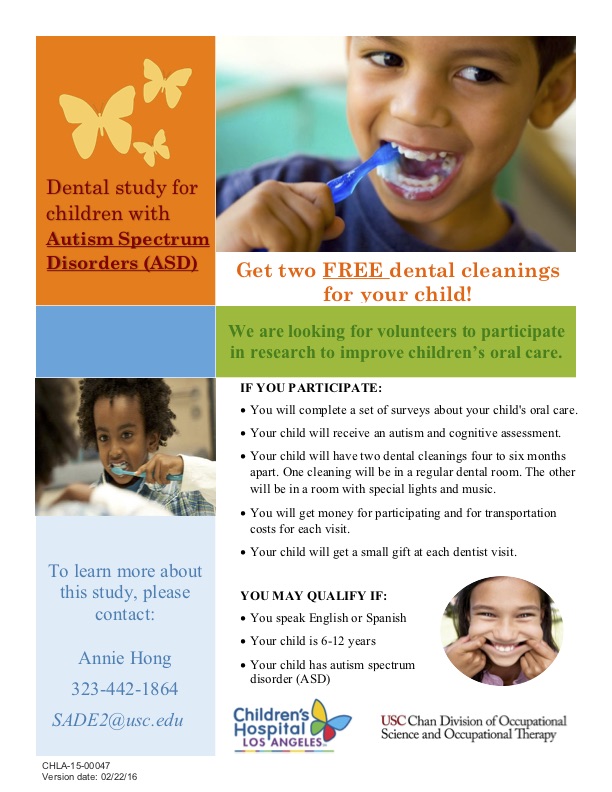
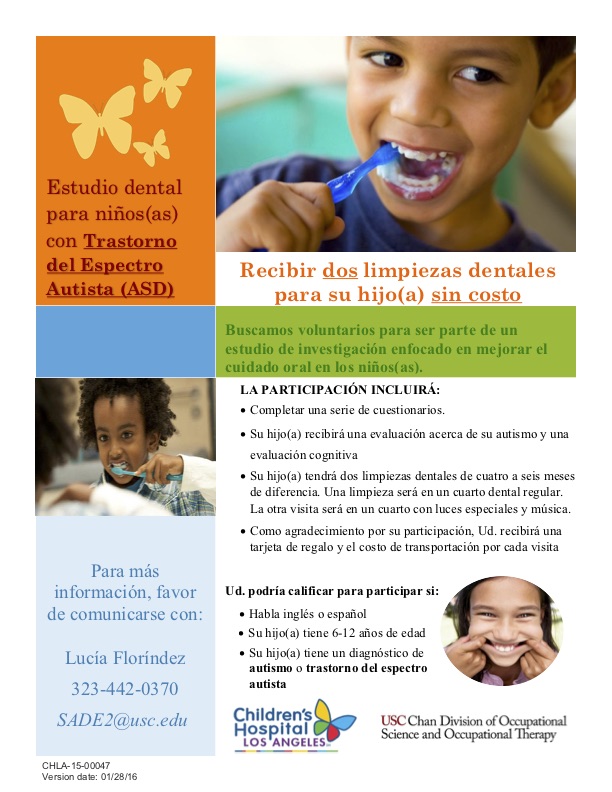
FREE Dental Cleanings for Children
Career Opportunities

Center for the Developing Mind is Seeking Occupational Therapists

There are immediate openings at Center for the Developing Mind for California licensed occupational/physical therapists. Ability to work weekends, a plus. Salary and benefits are compensatory to experience.


For more information, please contact Dr. Esther Hess at (310) 652-7581 and/or Drhess@centerforthedevelopingmind.com

Center for the Developing Mind is Seeking Speech and Language Therapists

Center for the Developing Mind is Expanding It's Speech and Language Services. We are looking for licensed SLPs to work in our state of the art facility. Treatment model based on DIR/Floor Time. Ability to work weekends, a plus. Salary and benefits are compensatory to experience.


For more information, please contact Dr. Esther Hess at (310) 652-7581 and/or Drhess@centerforthedevelopingmind.com.

Are You Looking To Expand Your Own Private Practice While Being Part of a State of the Art Team For Children?
Center for the Developing Mind is now licensing space within a multidisciplinary facility. Suites available for speech pathologists, occupational therapists, physical therapists, and educators. For more information please contact Dr. Esther Hess: (310) 652-7581
Support Center for the Developing Mind

Center for the Developing Mind Foundation is the non-profit arm of our clinic, servicing children, adolescents and young adults with developmental and/or regulatory delays who might otherwise not get the support they need. Your donation during these precarious times can make all the difference in the world.


Thank you, in advance.


To learn more or to make a donation please visit centerforthedevelopingmind.com/non-profit.