January 21, 2026


R E G I O N


Is Brooklyn Basin Emblematic of Regional Development Vision?


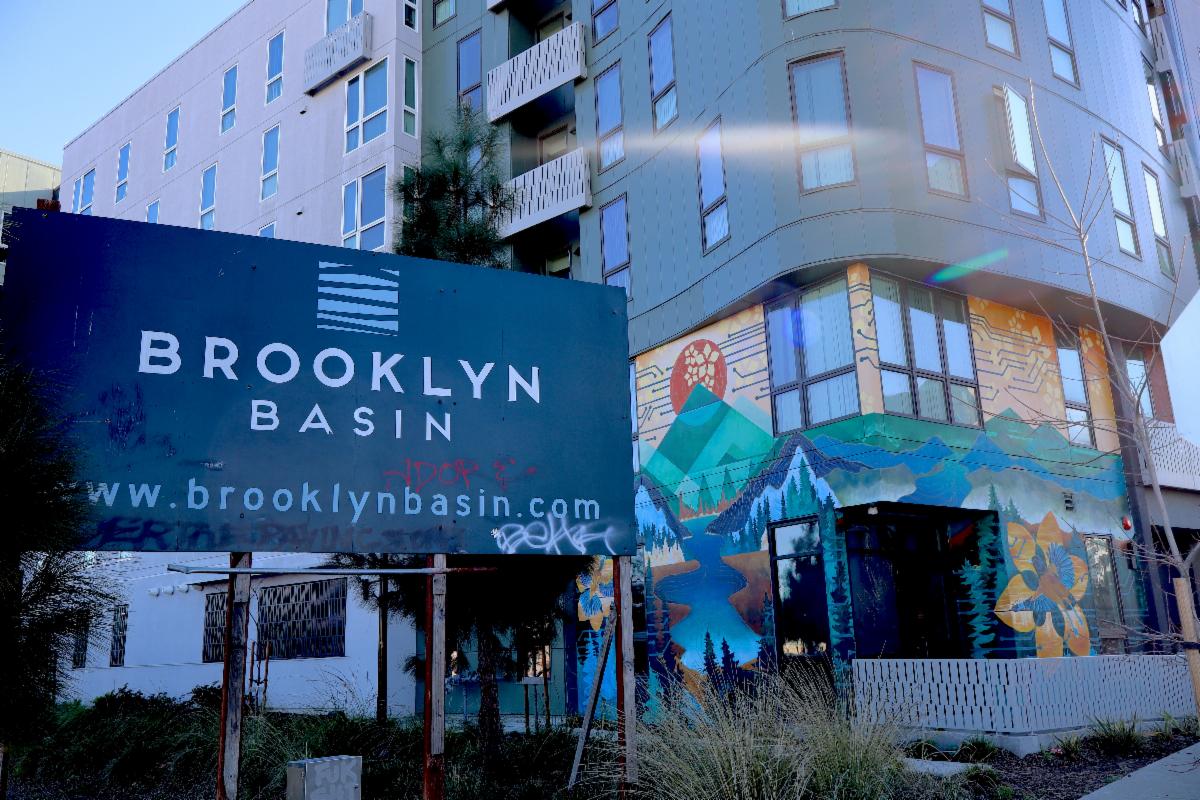
A small city of eight-story apartment buildings has popped up at Brooklyn Basin on the East Oakland waterfront. Just looking at it, you wouldn’t know this development — which will eventually include a mix of 3,235 luxury and 465 affordable units when all is said and done — is the result of a 20-year push for more housing in one of the world’s most expensive regions. While the Bay Area’s regional planning agencies may have good intentions when they identify places like Brooklyn Basin as “priority development areas,” experts say that once a project wins approval, how it proceeds is still largely left up to the developer. It takes community pressure to shape and mold the plans so that they are more green, more affordable, more resilient. Photo: Duncan Agnew


KEEP READING


C I T Y & COUNTY


Reforming Rules to Speed Adaptation


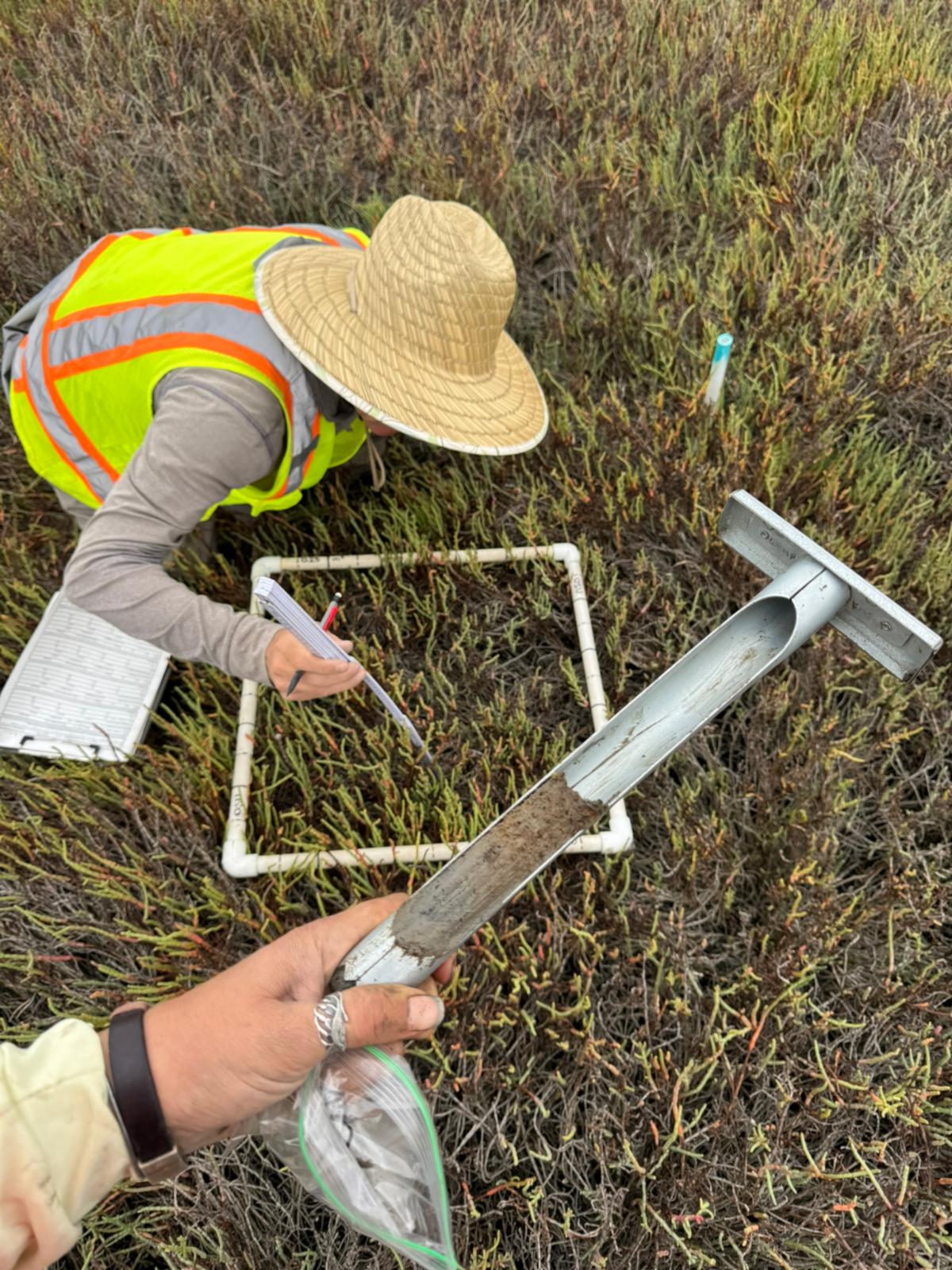
As the Bay Area races against time to protect itself from rising seas, the San Francisco Bay Conservation and Development Commission is poised to consider a package of amendments to its permitting regulations aimed at accelerating the development of shoreline adaptation projects. The effort is one of several regional and statewide initiatives designed to tackle rules and regulations that can impede progress on wetland restoration, levees, and other flood-buffering projects. Photo: Aviva Rossi


KEEP READING

Coordinate or Fall Short:

The New Normal


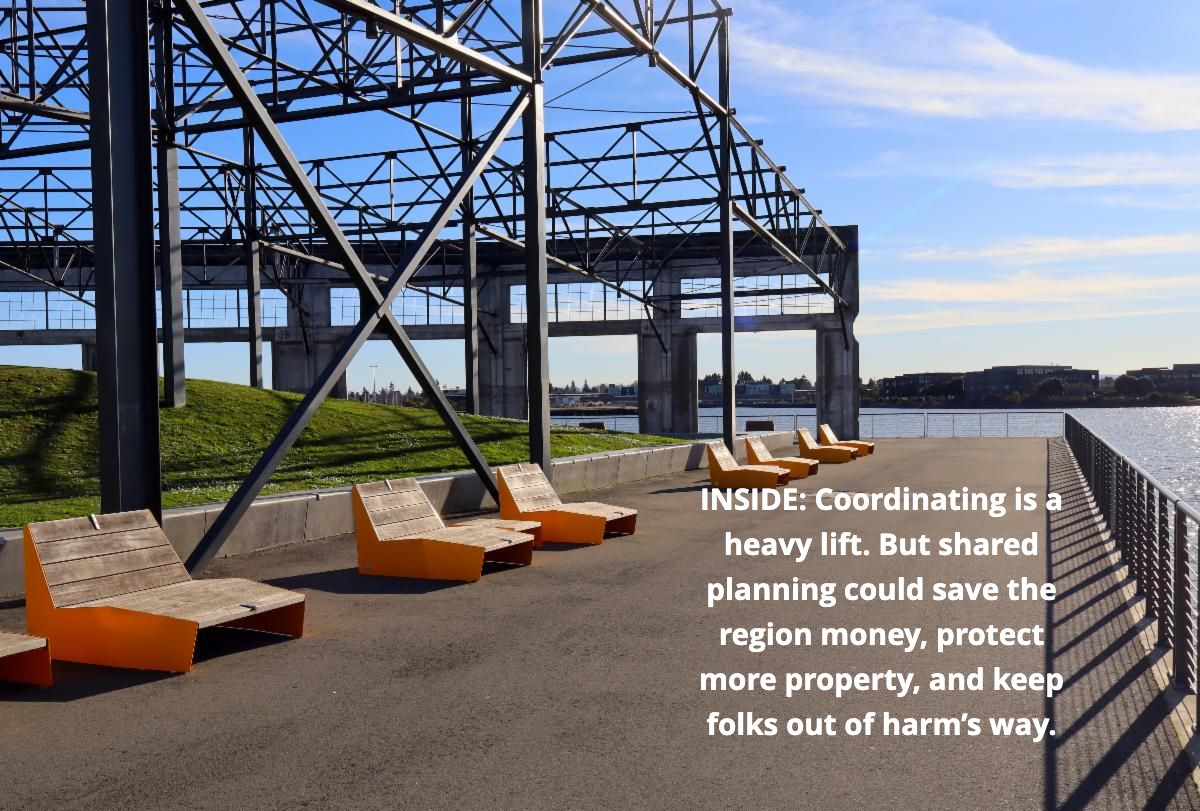
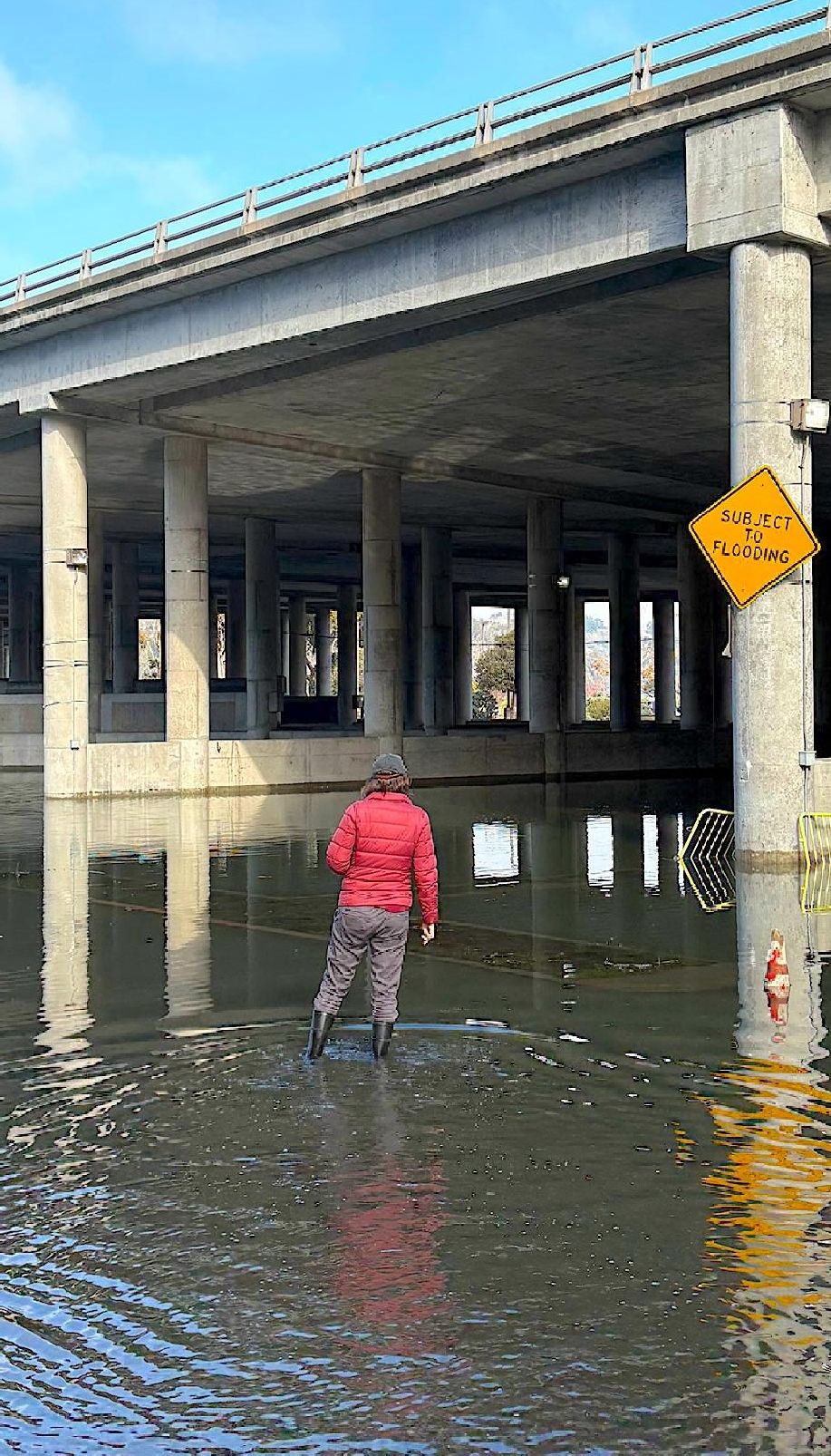
Bay Area jurisdictions are coming together to merge their hazard management and climate adaptation efforts as they see significant overlap in the types of risks they must address — from fires and drought to dam failures and flooding that impact their shared roadways, powerlines, streams, and more. This type of coordination is not new, and few municipalities have the bandwidth to do it, but working together can help cities and counties pool resources and money to complete projects. The plight of five mobile home parks in Redwood City offers an example. Photo: Marin County


KEEP READING

Pleasant Hill Commuters Navigate Sustainable Street Improvements


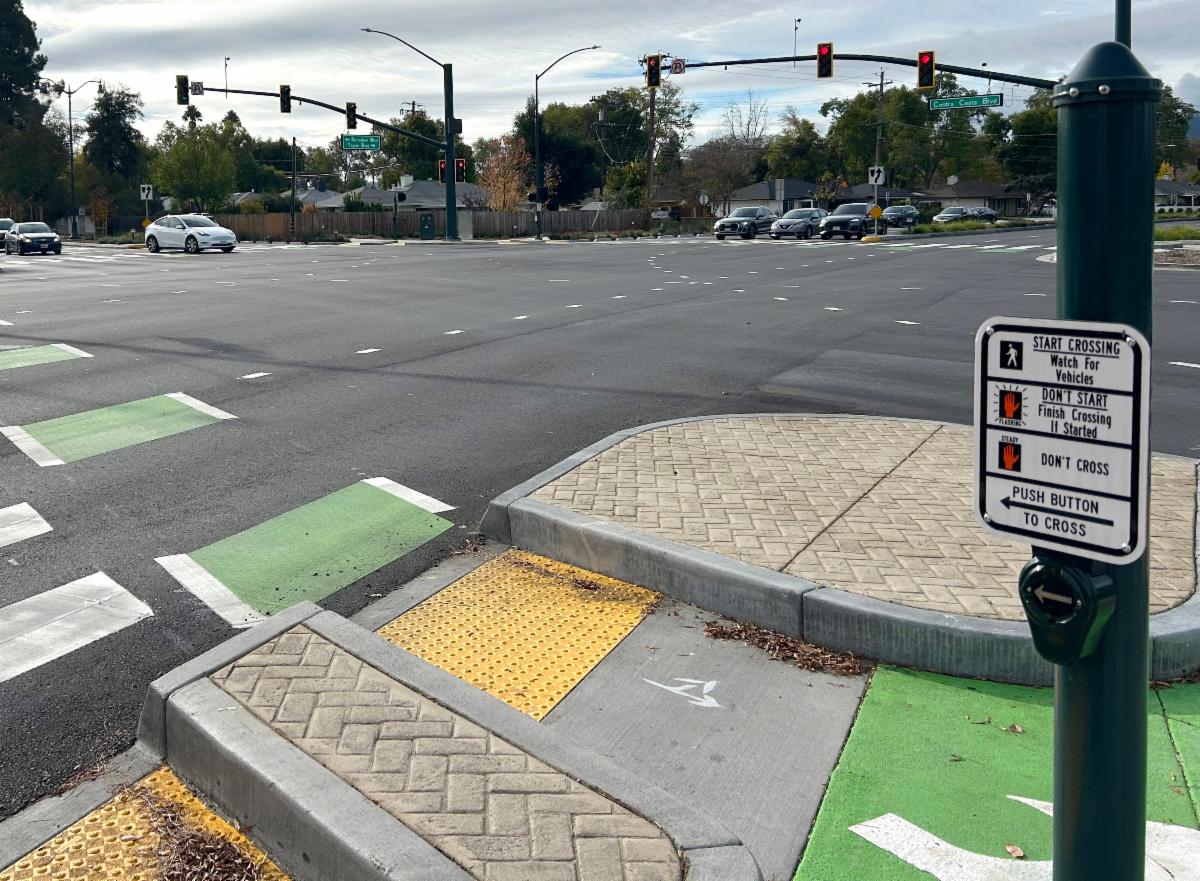
In the East Bay’s Pleasant Hill, the corner of Contra Costa and Taylor boulevards was long a chaotic intersection for drivers, pedestrians, and cyclists alike, says longtime resident Colleen Noland. “I never felt comfortable walking or biking this intersection due to high traffic speeds in all directions,” she says. But today, a completed improvement project has made several modifications to this problematic site in an attempt to improve safety for walkers and bikers — while simultaneously reducing car speeds.  Photo: Gracebelle Ma’ake


KEEP READING

P E O P L E


Warner Chabot Shifts Gears


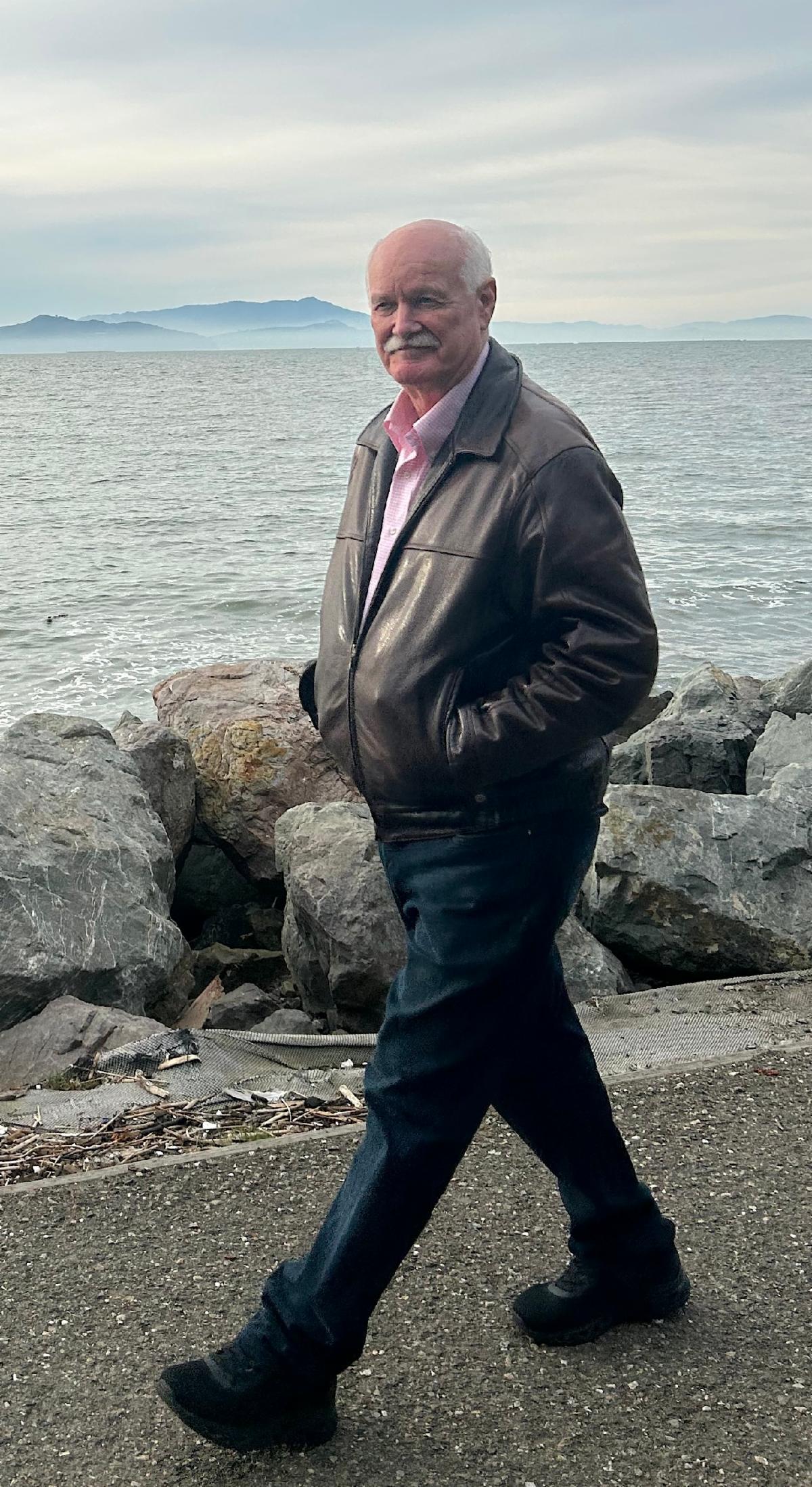
Retirement is often glossed over as a mere moving on. Seldom does that cliché fit the facts better than in the case of Warner Chabot, exiting this month, after 11 years, as Executive Director of the San Francisco Estuary Institute, “the science geeks of the Bay.” The early directors of the Institute had all been “geeks.” Chabot was not. He had decades behind him as a policy advocate, publicist, even prankster. “I came out of the policy advocacy world,” Chabot remarks, “to work for an organization that could not do policy advocacy.” In his decade of service, Chabot defended what he calls “the platinum reputation” of SFEI’s results. At the same time, he made those findings, if not universally known, a good deal harder to ignore.


KEEP READING

P I C T U R E of the M O N T H


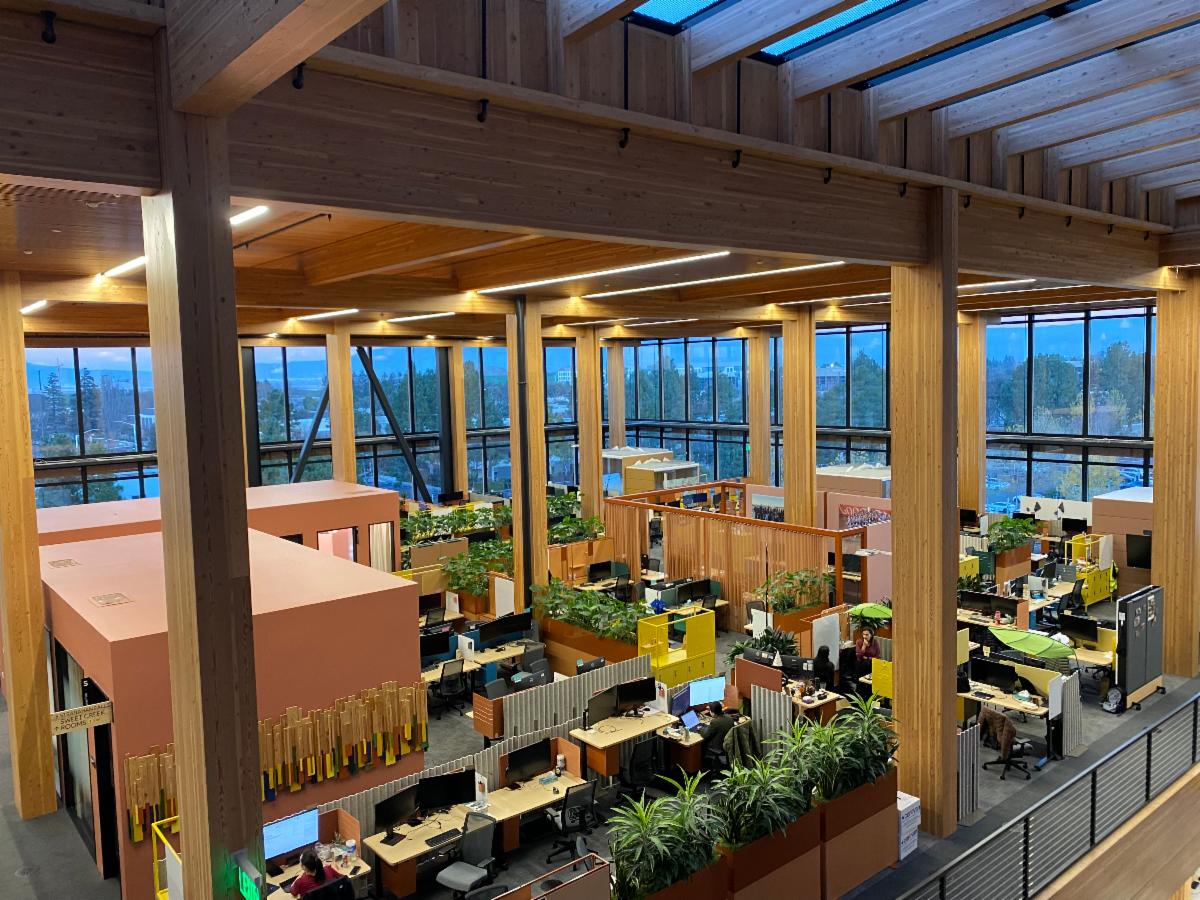
January 2026: Google’s new office space in Sunnyvale was built with mass timber — a technique using digital technology to prefabricate small pieces of wood (2 x 4s and 2 x 6s) into a structural system that is code approved for midrise and highrise buildings. This has an enormous potential to transform the construction industry away from the exorbitant use of concrete and steel. Mass timber framing is lighter, fire-rated, and sequesters carbon, thereby tremendously reducing embodied carbon, an important tactic to combating climate change. Photo: Paul Okamoto

C H A T T E R


Citizen Marketing Spread the Zine


 Place our new January issue in your local free library, then send us a picture. Just email us with "Zines for my library" in the subject line and we'll send you some copies for distribution.


Email Editor

See Tiny Library Gallery


Subscribe to our Paper ZINE


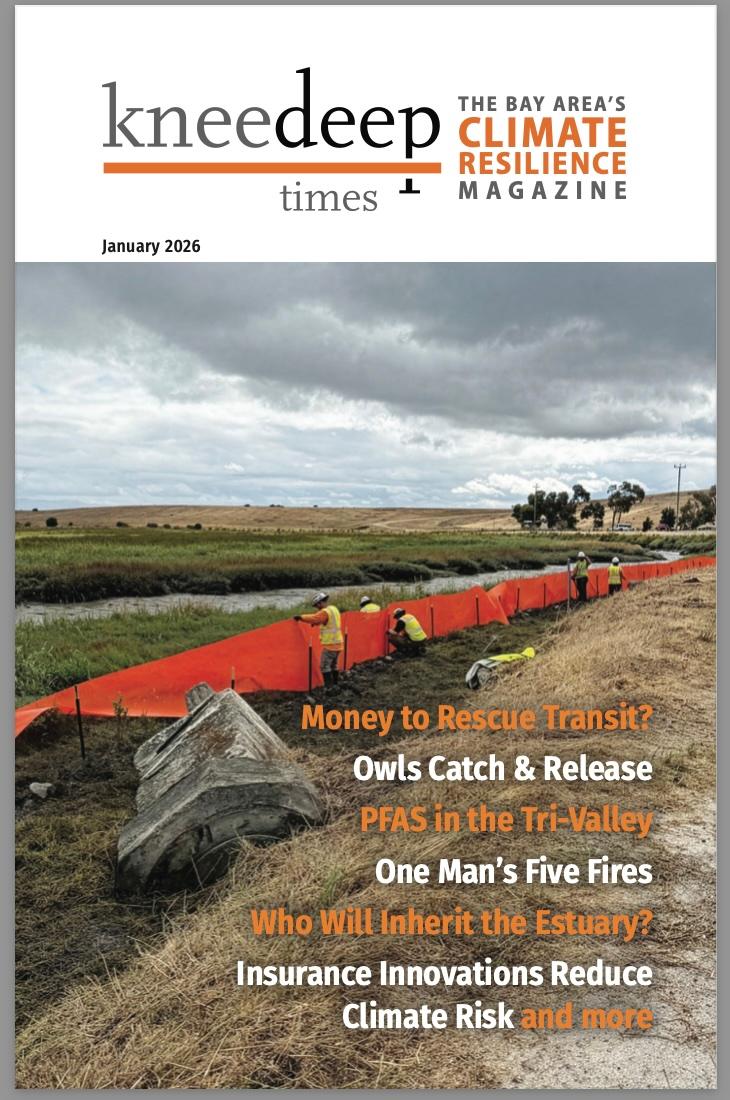
Tired of screen scrolling? Receive our paper zine four times a year (Jan 2026 issue just released!). The fee helps fund all our free online stories. 


SUBSCRIBE ZINES


Share our stories, and follow us on your favorite platforms.

Facebook  Instagram  LinkedIn

Bluesky

KneeDeep Times shares stories from the frontlines of climate change resilience and adaptation action.

All stories are available for republication free of charge. See our guidelines.


Views expressed are independent of all funders and collaborators.


Managing Editor: Ariel Rubissow Okamoto

Assistant Editor: Duncan Agnew

Neighbors Editor: Sonya Bennett Brandt

Community Editor: Meredith Brown

Research & Social Media Editor: Isabella Eclipse

Art Director: Afsoon Razavi


Send us your story ideas and subscribe us to your newsletter lists.

news-team@kneedeeptimes.org

KneeDeep Times | 73 Water Street | San Francisco, CA 94133 US