Happy New Year
By Tony Weller
|
|
A decade ago on January 6th, Weller Book Works opened in Trolley Square following the two-week move from Main Street that included time off for Christmas and New Year’s Day. Bookstore activities have kept me so busy, I barely noticed the years passing. We are pleased that new generations of readers discovered us here and like the bookstore we operate, and that Main Street customers value what we do as well. |
|
This August we will celebrate 93 years in the book trade. We are a very different bookstore than the one of our founding, and would not have endured had we not evolved with the culture. One must be very stubborn to avoid influence in a bookstore. Reading, like true education, chips away at cultural assumptions. I suppose this is why so many traditional cultures feel threatened by freedom of the press and educators. Until I was grown, I didn’t know how much my outlook had been formed by this cornucopia of culture, where no knowing is sufficient and the vastness of human knowledge is a constant nagging and humbling portent. In my reading I discovered Zen, and for nearly forty years now I cannot wreck it. The One and The 10,000 things shape my bookselling.
I worked on Main Street for nearly 40 years. The neighborhood felt like home. It was then the heart of Salt Lake City’s cultural and commercial district, crowded with shops and eateries, mostly of local ownership. When we left downtown, there were no retail neighbors left around us at all.
|
|
Now we have sold books from within Trolley Square for a decade and it feels like home. We enjoy the historic architecture and easy parking that attracted us initially. I like the vaulted ceilings—high enough for our antique streetlights—the Water Tower, and the old trestle bridge from Tooele’s Anaconda Mine that crosses Martin Luther King, Jr. Boulevard. In Trolley, we are once again members of a community where we provide real-world shopping experiences to shoppers we share with neighbors. I am particularly fond of Tabula Rasa and Spark. Sometimes, after a day of bookselling, Catherine and I walk around the corner in our building to enjoy a meal and drink in The Desert Edge.
I have always felt that selling books was much more than retail work, that the curation and dissemination of ideas, stories, art and dreams is a cultural mission of important calling. Choosing books, we choose influence, to grow our minds, enrich our souls, and deepen wisdom. It is mind-bogglingly and breathtakingly propitious.
|
|
COVID’s disruptions – Can COVID lessons disrupt destructive dogmas?
Last year, I truly believed that 2021 just had to be better than 2020, but I overestimated the efficacy of our pandemic response, thinking it might be about what we know and what we’re able to do versus the colors of our shirts. Civilization is presently challenged by many troubles, some of which are fully apathetic about our beliefs, our pride, and our cultures. Possibly the impersonal and unbiased threats of the coronavirus and climate change will compel the disparate and feuding cultures of our stressed planet to see beyond cultural differences to our mutual interests in addressing these urgent concerns. Cultures and economies constructed around traditional premises of subordination and unregulated growth will not only fail our environmental needs, but are systemic causes of our climate degradation.
Shared hardship can bring people together. I am not so fond of hardship, but I suppose if humanity cannot move forward the smart way, we must hope for progress the old-fashioned, tragedy-ridden way. We can learn from the past but, we do not get to live there.
Our collective wisdom is available in books. Reading them, one discovers commonality and difference, and one’s mind, soul and vision grow. There are very real challenges in our future. They will require reconsideration of nearly everything our cultures take for granted. With proper wisdom, we can build bridges of love. Let’s break the walls of fear and become citizens of Earth.
• • •
Weller Book Works is in compliance with the January 2022 Salt Lake County public health order requiring face masks or respirators in indoor spaces.
As always, we are happy to provide curbside and shipping services.
|
|
Rare Book Acquisitions
By Tony Weller
|
|
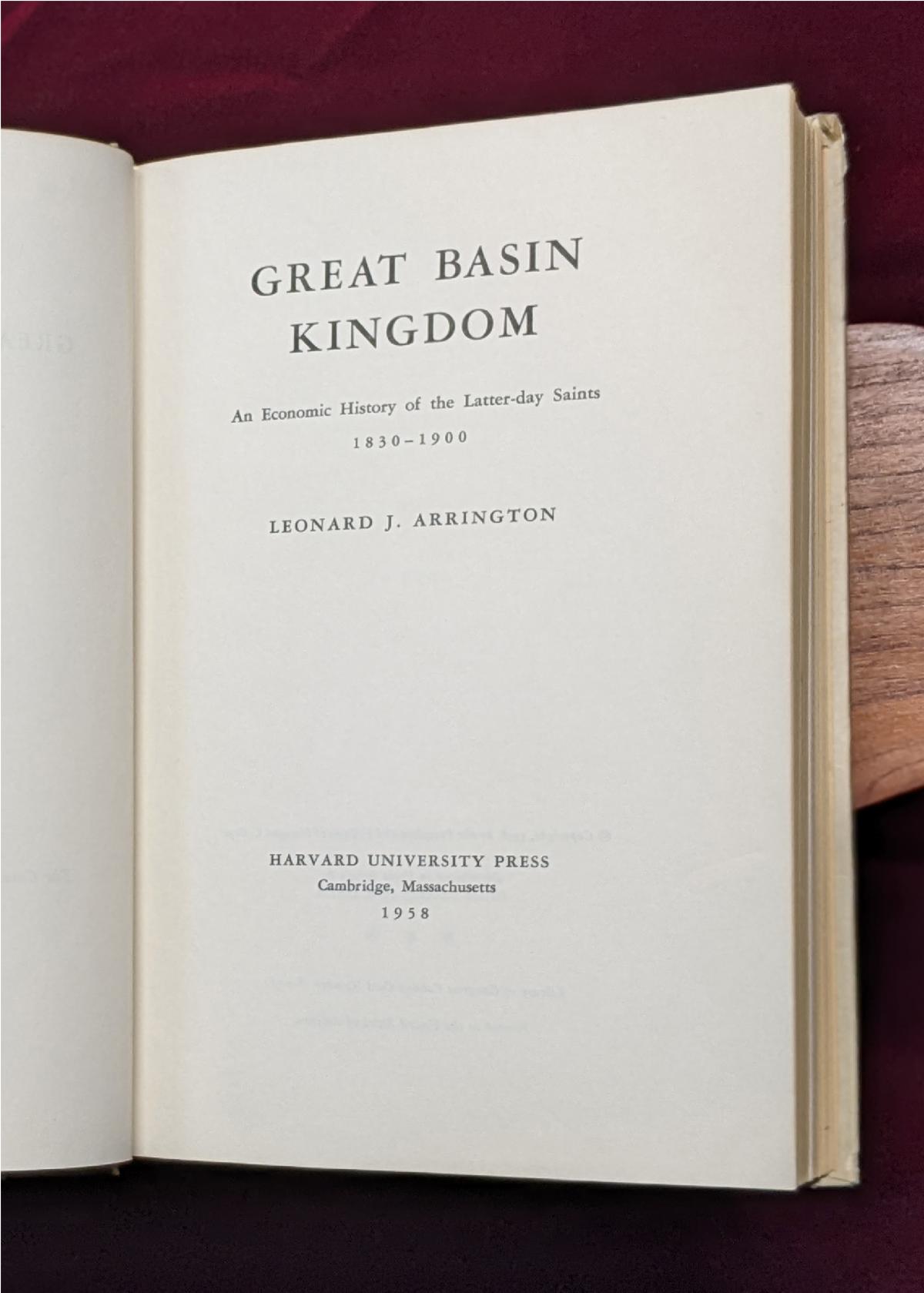
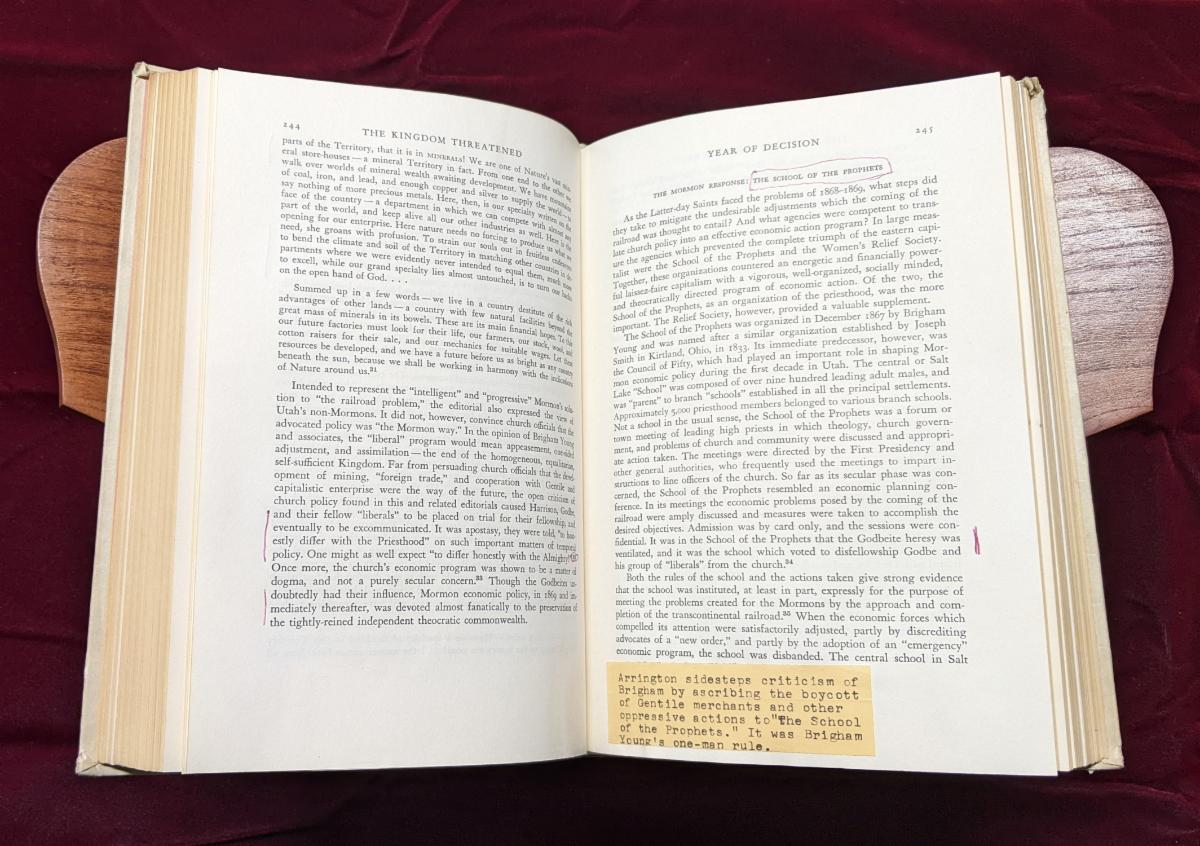
Historian and author Samuel W. Taylor’s 1st edition copy of Leonard Arrington’s Great Basin Kingdom, bought by his friend Sam Weller in 1995. This jacketless copy of Arrington’s noted 1958 Harvard Press publication has Taylor’s notes and criticism in red ink and pencil. Laid in is a three half-page typescript essay, likely by Taylor, titled “Mining in Utah.” $125 |
|
|
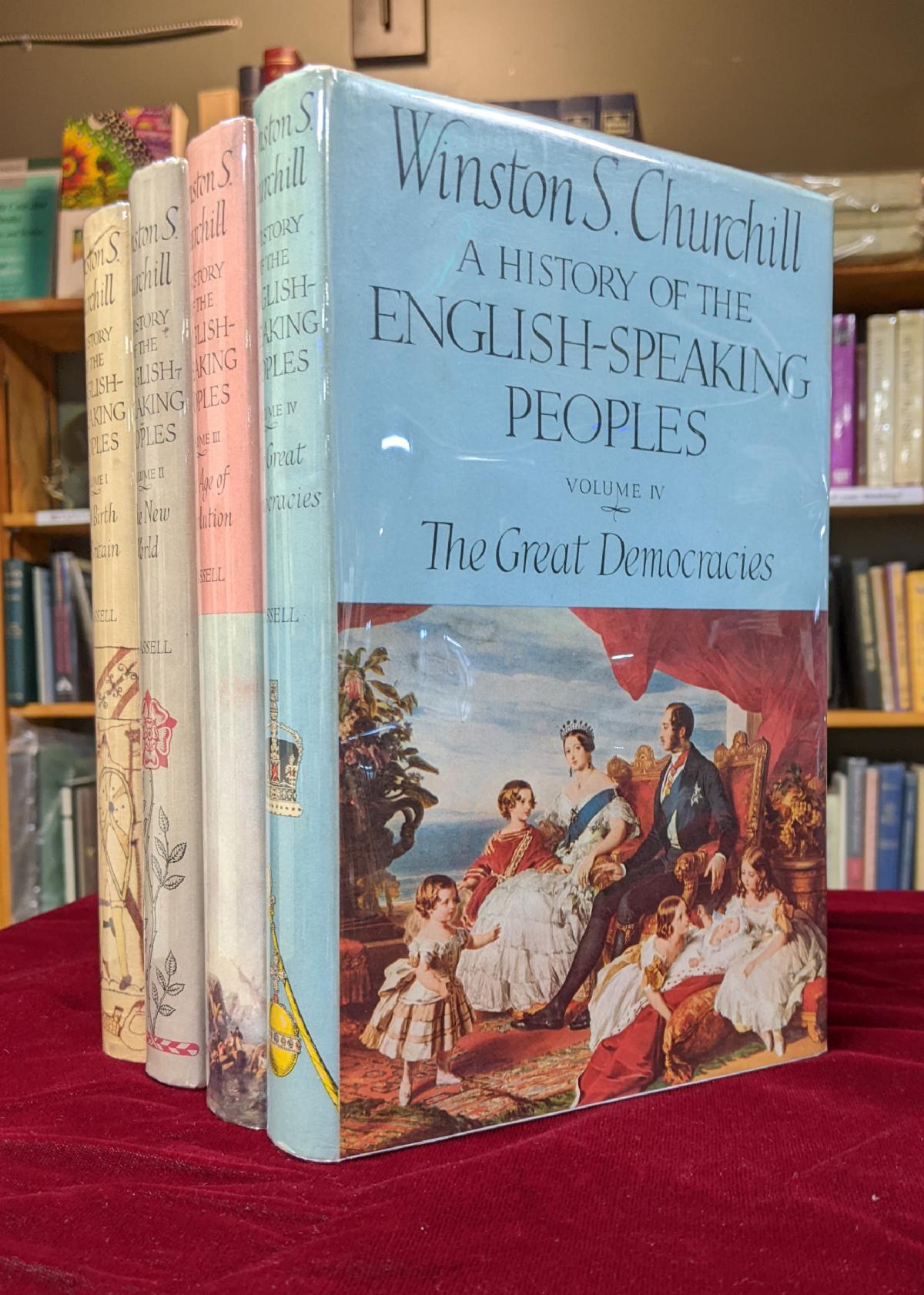
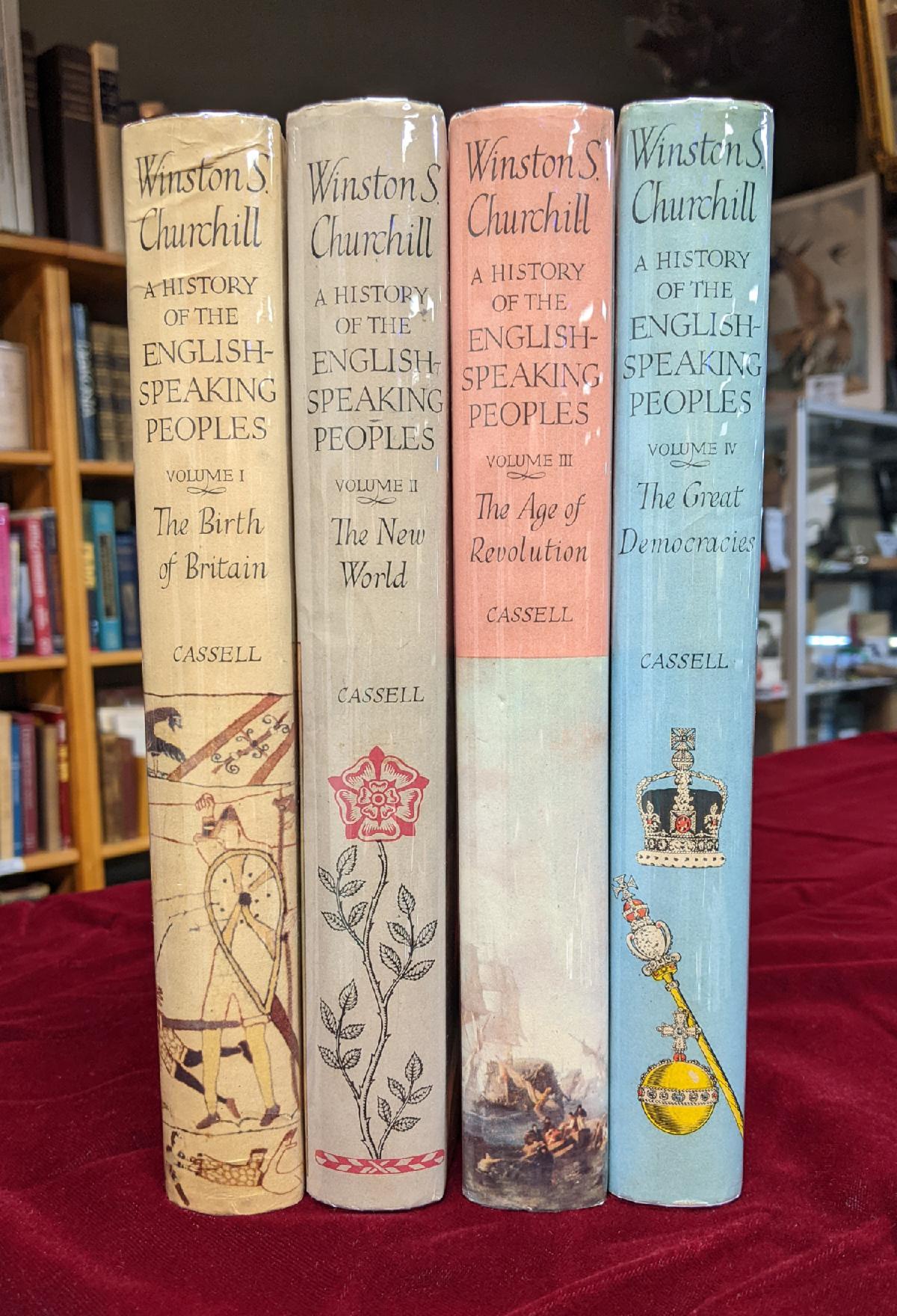
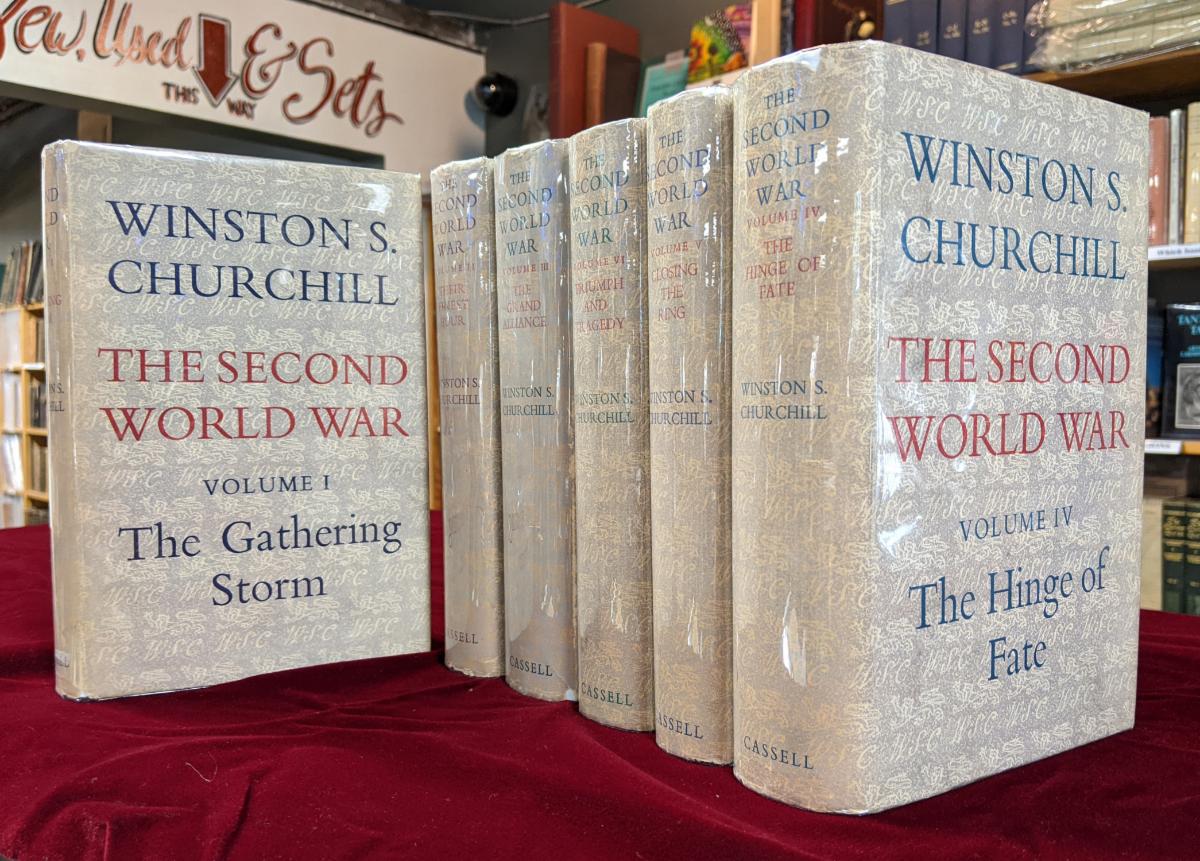
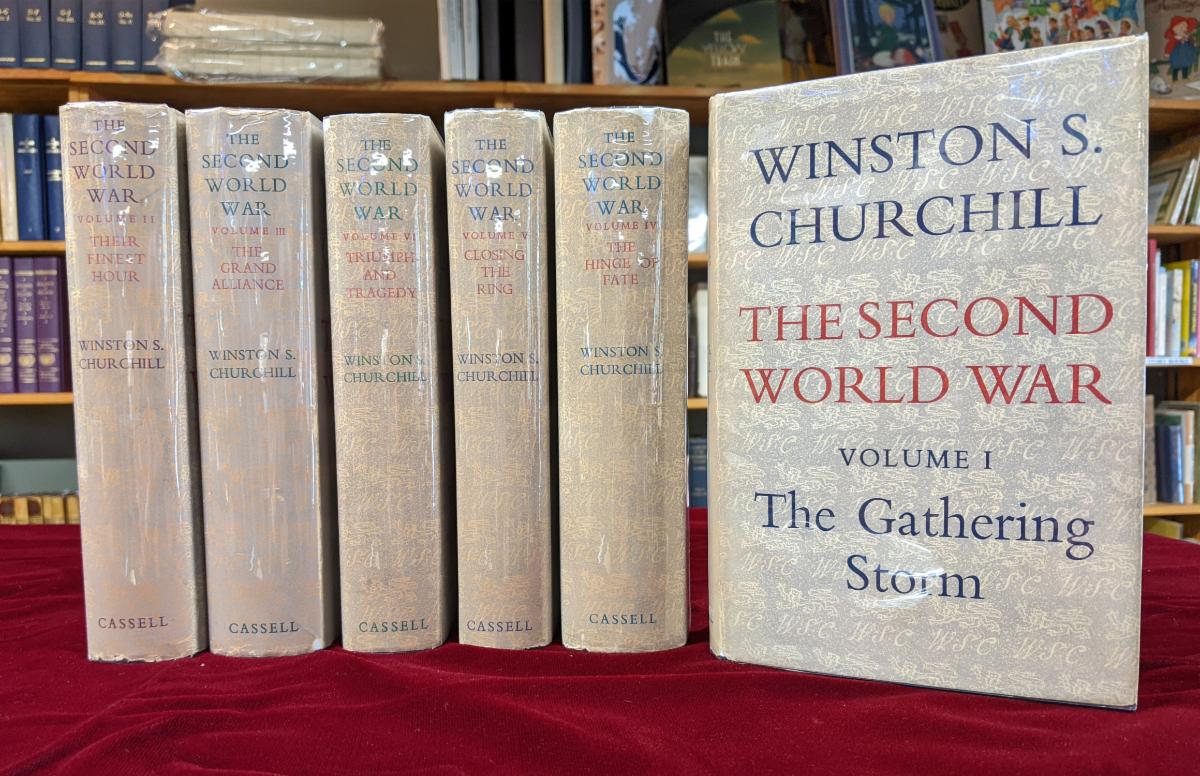
Two important Winston Churchill sets, first editions in their domestic UK editions and in excellent condition in bright dust jackets. |
|
-
A History of the English Speaking Peoples. Four volumes. London, Cassell, 1956-1958. $550
|
|
-
The Second World War. Six volumes. London: Cassell, 1948-1956. $1000
|
|
|
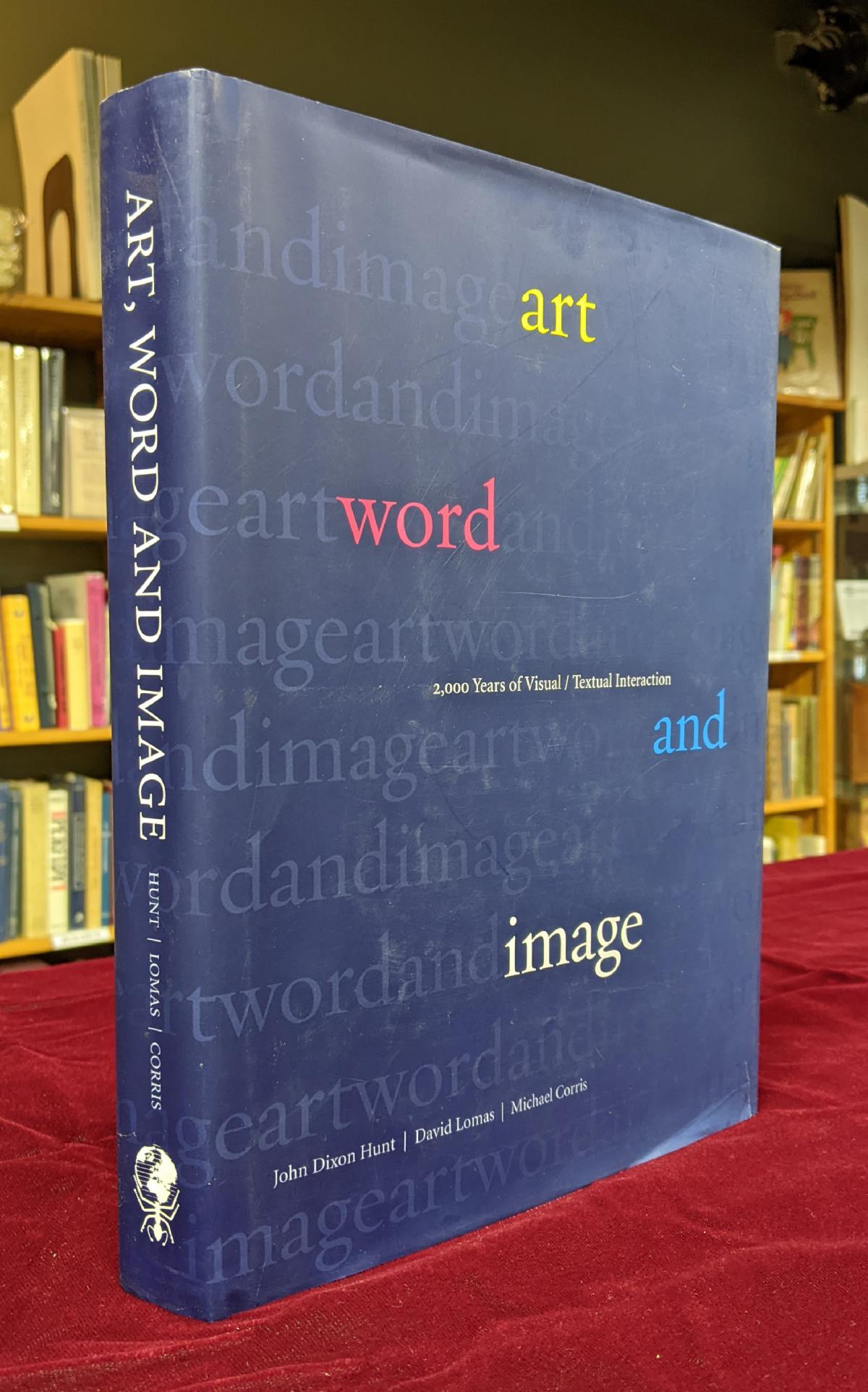
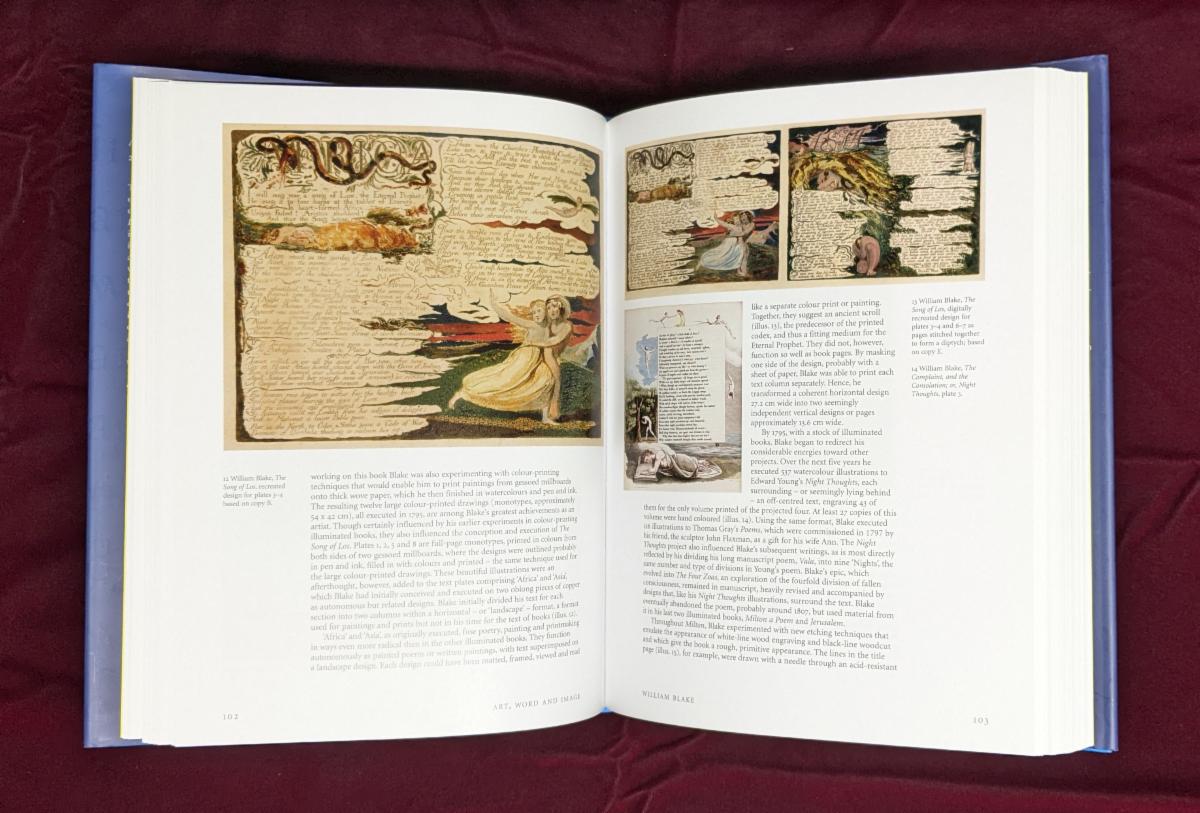
Art, Word and Image: 2000 Years of Visual / Textual Interaction. A thought-provoking history of art merging language and image. Edited by John Dixon Hunt, David Lomas and Michael Corris. Nicely illustrated. Fascinating. $85 |
|
|
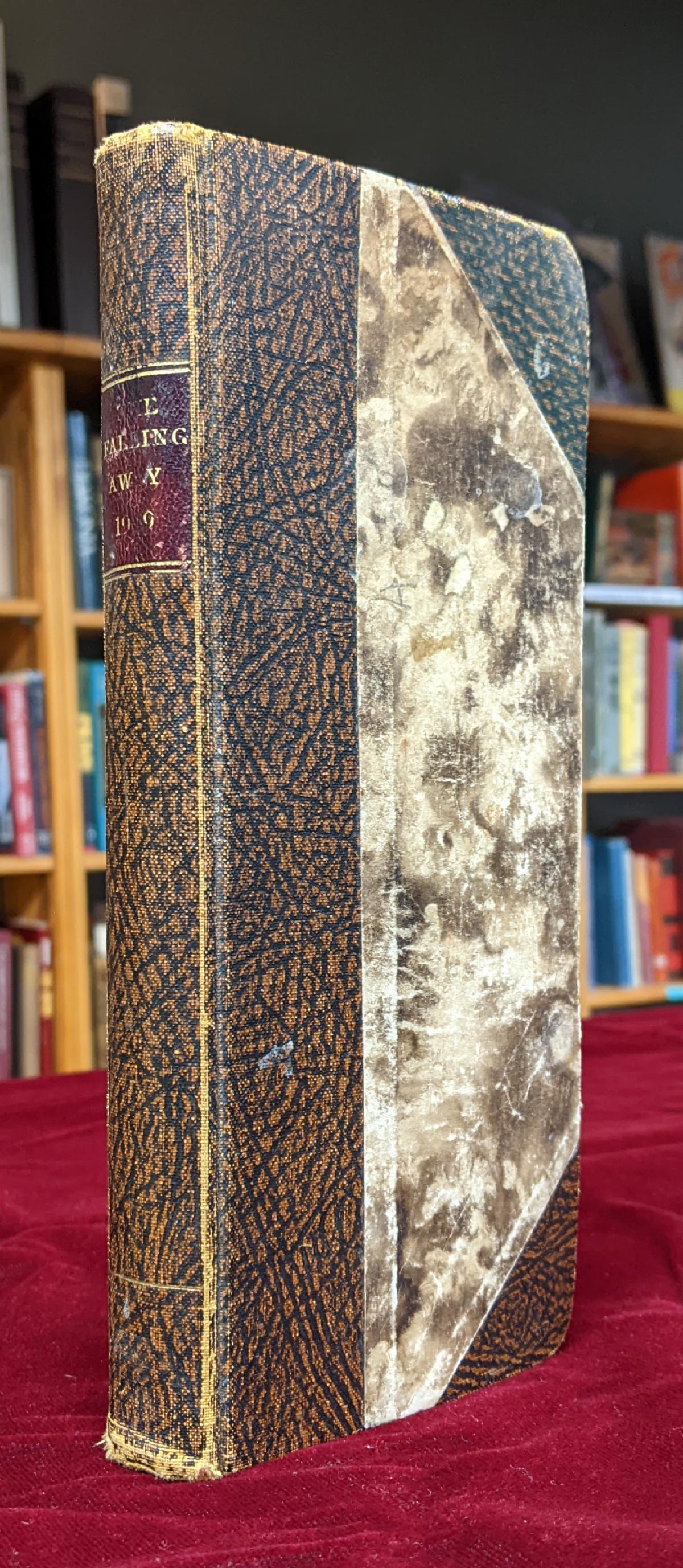
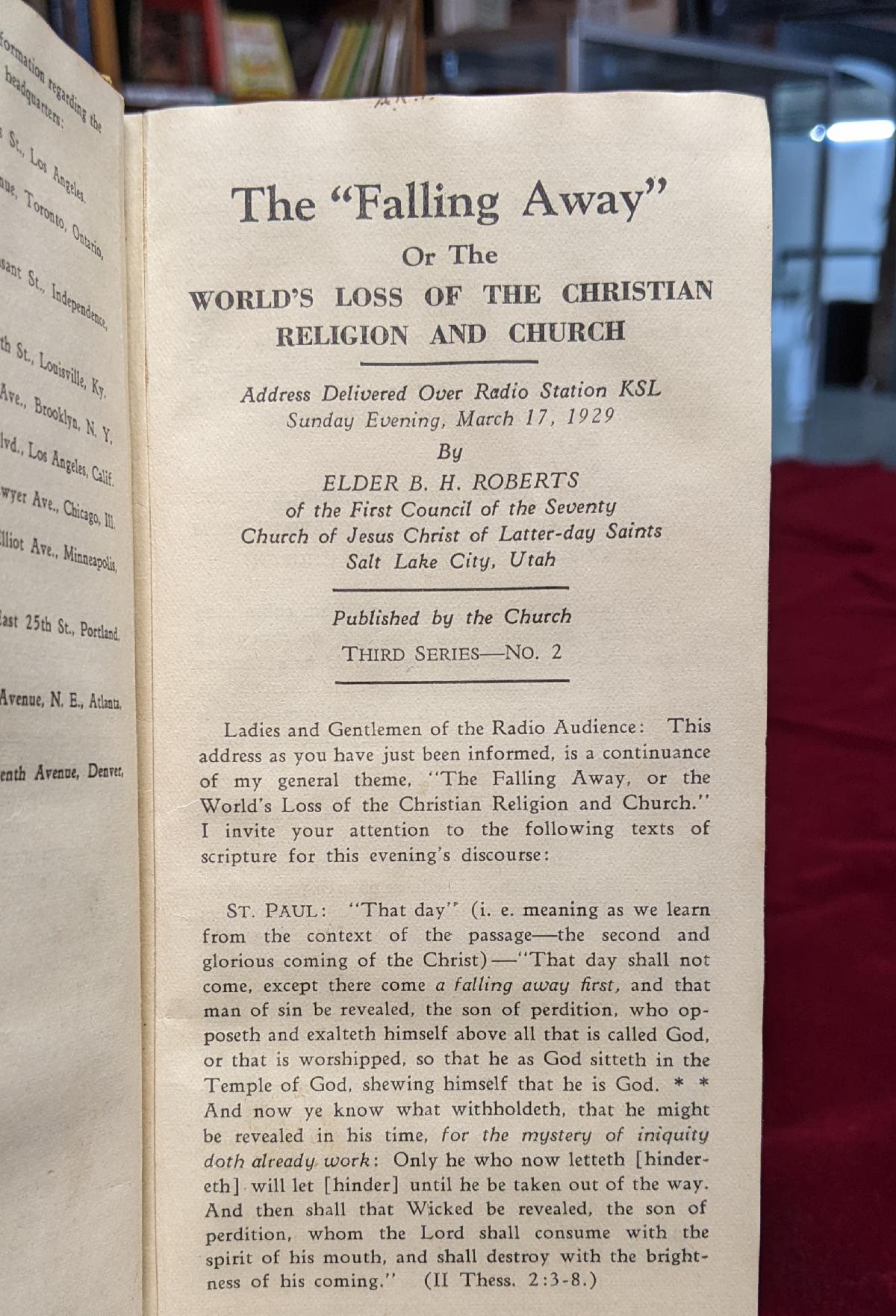
A copy of B.H. Roberts' rare 1929 title, The Falling Away, a narrow volume made of twenty 12-16 page transcripts of addresses made over KSL radio by B. H. Roberts between March and November 1929. The Flake/Draper bibliography describes content consisting of 16 numbers from March through June but this copy contains four additional numbers from October and November. ¾ textured cloth over marbled paper boards with gilded leather label. Rare. $275 |
|
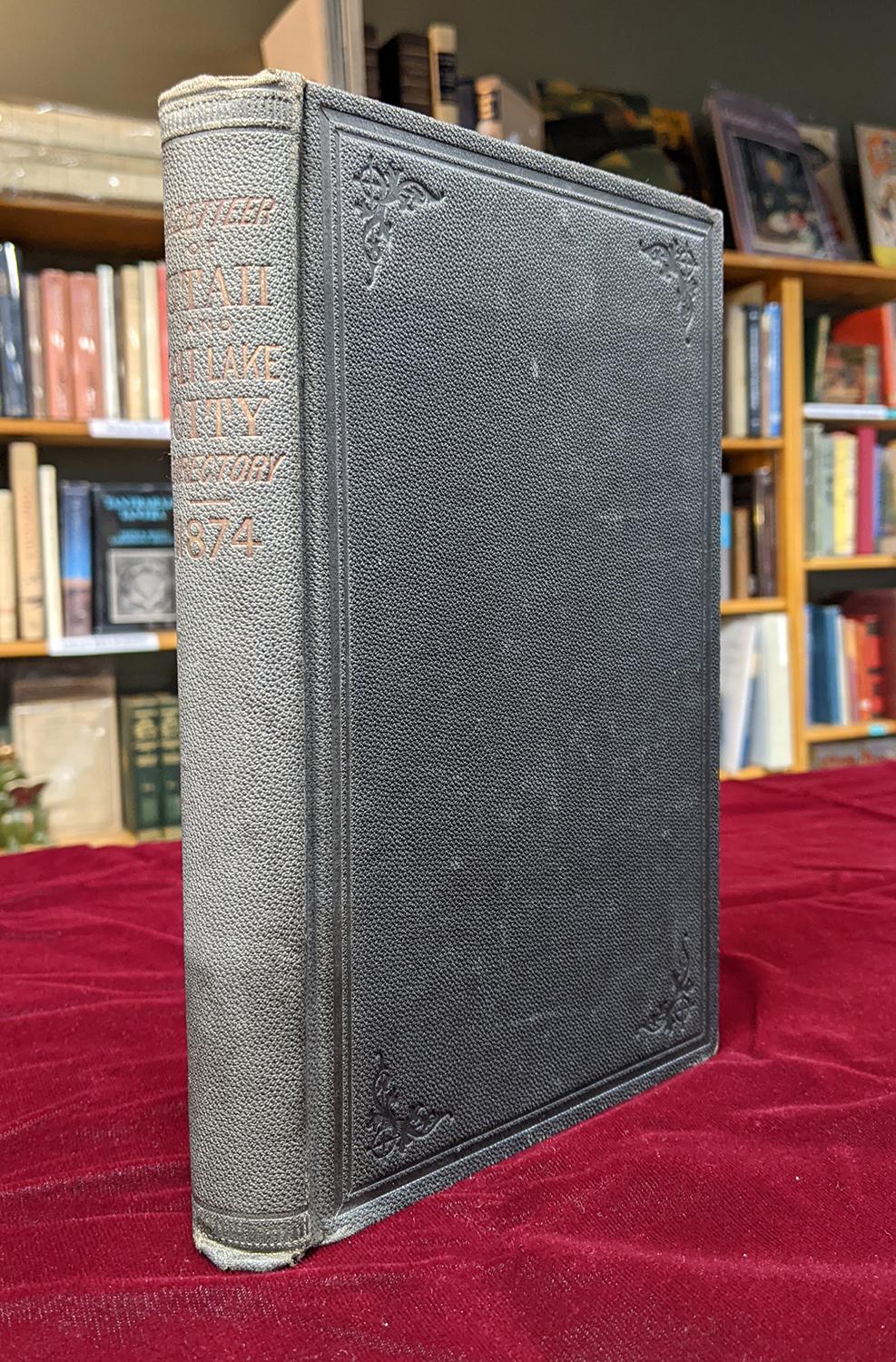
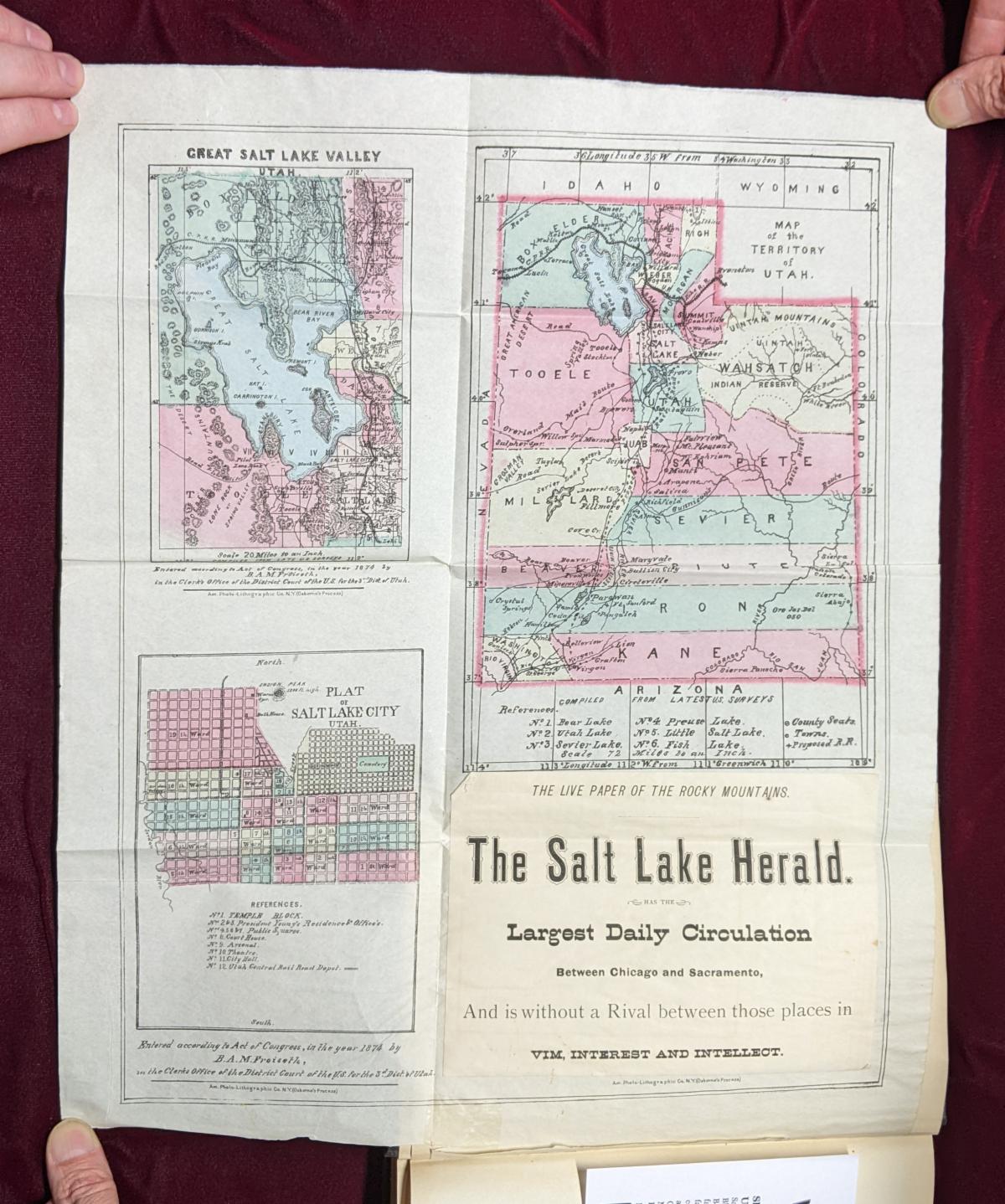
Another great emergence from the Sam Weller library is his superior copy of Edward l. Sloan’s 1874 Gazeteer of Utah and Salt Lake City Directory with a great copy of the color-tinted fold-out map that is usually missing. The 14x16-inch fold-out sheet contains three maps: the whole State and Counties; the Great Salt Lake Valley; and a City plat map showing blocks from the Jordan River to 12th East, and from 11th North west of City Creek and the Avenues down to 9th South. Rare in this condition. $1250 |
|
|
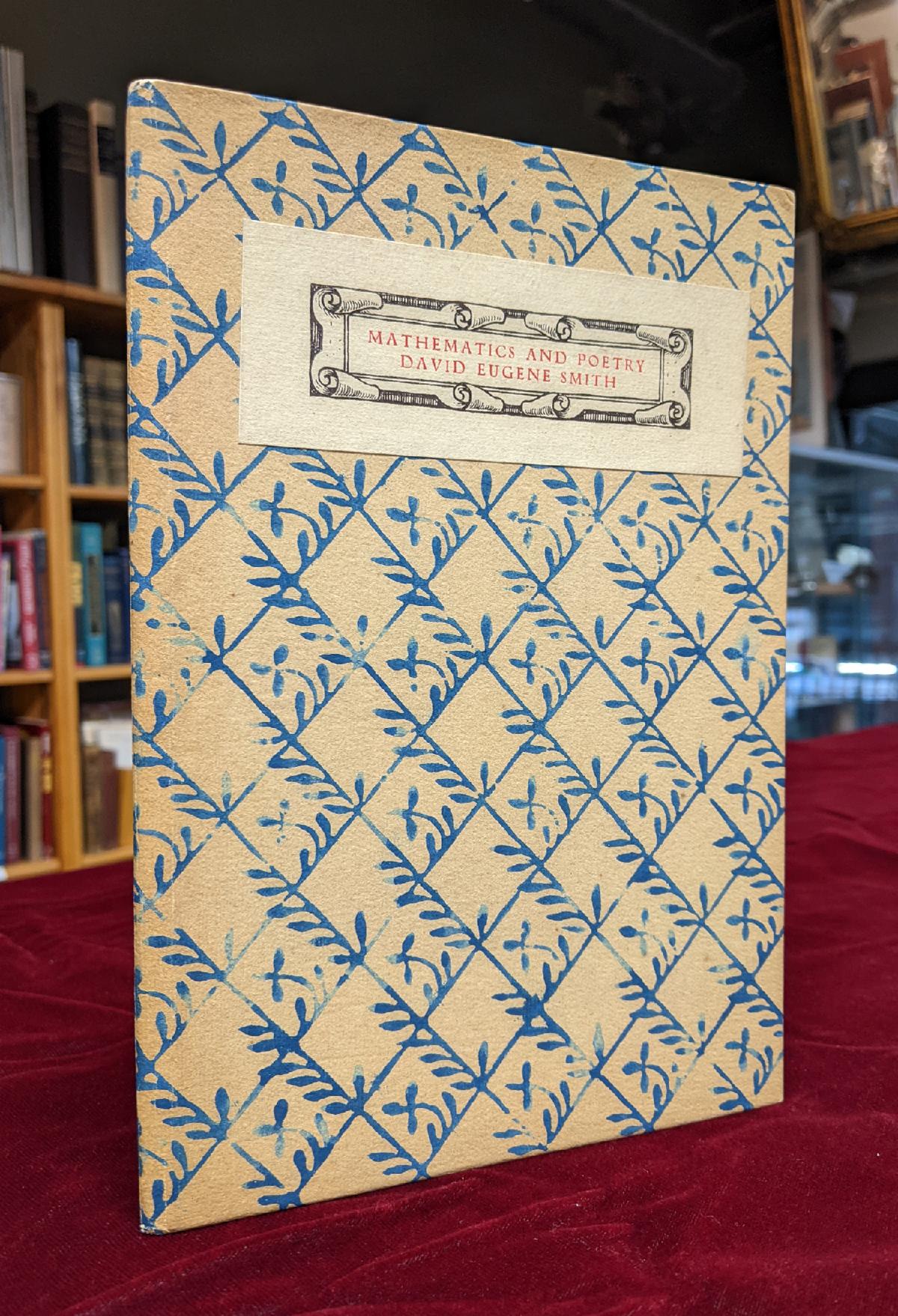
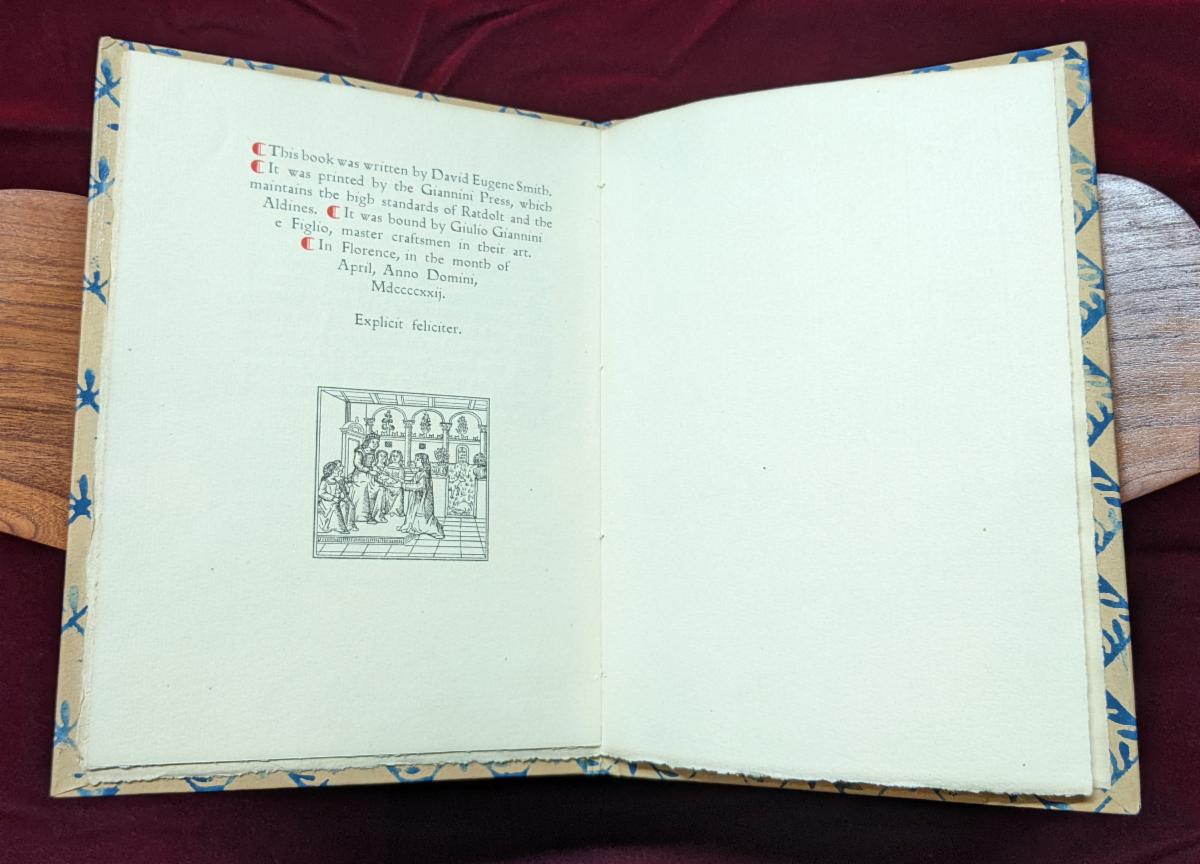
Mathematics and Poetry is a beautiful Italian fine press book of this five-page English essay by David Eugene Smith. It was printed with red ornaments at the Giannini Press in Florence in April 1922. Set in the style of the master craftsmen of the Renaissance. Bound in decorative pochoir stenciled paper-covered boards with paper label. $275 |
|
|
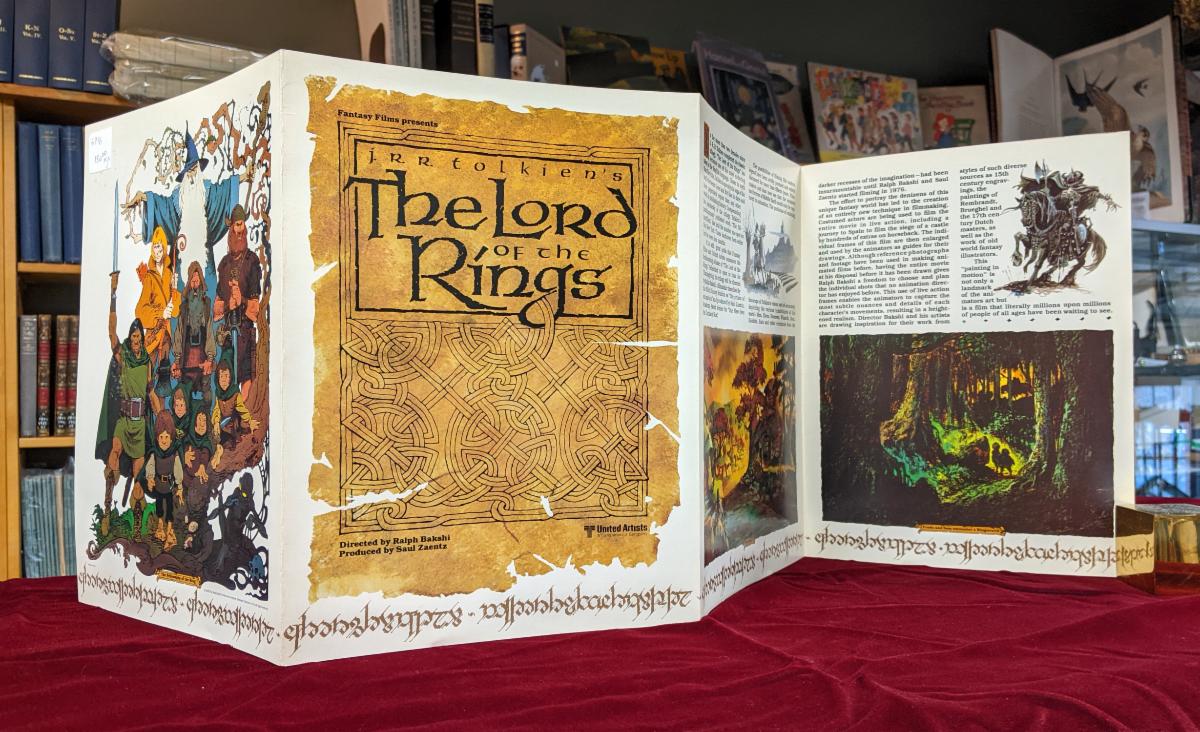
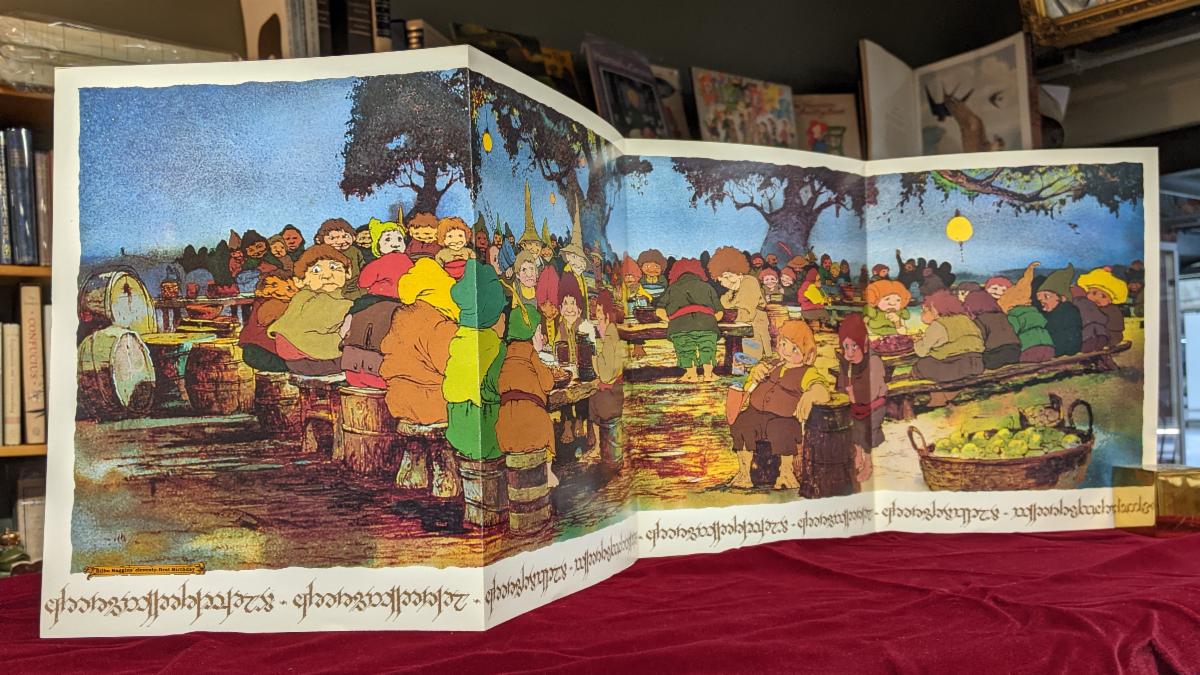
Fantasy Films presents J.R.R. Tolkien’s Lord of the Rings. Bilbo Baggins Eleventy-First Birthday, a four-panel color panorama measuring 35.5 x 11.5 inches, produced in conjunction with the 1978 animated film. $150 |
|
|
January-February Best Wellers' Pick |
|
Receive 20% off when you purchase during January & February
|
|
Farrar, Straus and Giroux
Hardback
Sale price $28.00
|
|
Just to be clear: The Dawn of Everything: A New History of Humanity by the late anthropologist David Graeber and archaeologist David Wengrow is the most profound book I've read in fifty years as a bookseller. When I read Patricia Limerick's The Legacy of Conquest: The Unbroken Past of the American West in 1987, my mind was opened to a new way of experiencing history; the paradigm of white male imperialism that dominated published accounts of the American West was being unmoored by a wave of writing that became known (or reviled) as revisionist history.
"The opening and closing of the frontier were set up like flags . . . to give the West its significant chronology," Limerick wrote. But as her book's subtitle indicated, the exploitative frontier had no end zones. She knew how the game of history had been played; she toppled the imaginary goalposts, erased the arbitrary boundaries, and invited everyone else in from the sidelines.
The standard narrative of "big history" that Graeber and Wengrow address in The Dawn of Everything—and which represents another set of conceptual goalposts that are begging to be toppled—is the "Agricultural Revolution," which begat private property, which begat cities, which begat concentration of wealth, which begat a ruling class elite. As they point out, "3,000 years of human history," the time it took for grain domestication, is "far too long to constitute an ‘Agricultural Revolution.’"
Typically, such Eurocentric, global histories as the Agricultural Revolution are full of unexamined assumptions that relegate Native American cultures to footnotes and appendices. In contrast, The Dawn of Everything foregrounds the history of the First Nations of the Americas, highlighting their diversity and offering an abundance of counter-narratives to the conventional.
Graeber and Wengrow relate the influence on Western thought of Wendat chief and orator Kandiaronk (who may have actually travelled to France), whose critique of European culture was published and popularized by one of Jean-Jacques Rousseau's fellow aristocrats. It significantly influenced the concept of the "noble savage" in Rousseau’s "State of Nature" in A Discourse in Inequality, a book that became foundational to the Age of Reason.
The authors also discuss the preliterate society of Teotihuacan, which, a thousand years before the Aztecs, raised monumental stone pyramids on a foundation of hundreds of sacrificed human bodies. Eventually the people of the city overthrew their ruling-class priesthood, sacked and burned the Temple of Quetzalcoatl, and built thousands of egalitarian apartments, leaving no evidence of underclass ghettos or elite mansions. And they kept building those comfortable apartments for hundreds of years. So much for the one way street of cultural evolution.
These are just two samples of the wealth of alternative human histories presented in abundance in The Dawn of Everything.
|
|
Bookseller Recommendation |
|
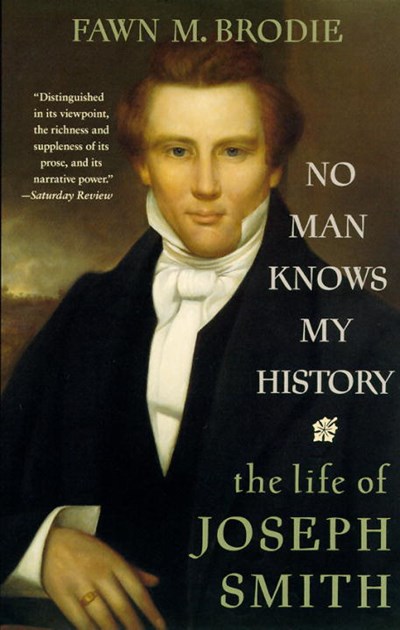
By Fawn Brodie
Vintage Books
Paperback
$21.00
Reviewed by Emma Fox
|
|
|
As we move closer to understanding the true history of America through books like Graeber & Wengrow’s The Dawn of Everything, I recommend reading or revisiting No Man Knows My History for a connecting piece of the puzzle. This biography of Joseph Smith, Jr., founder of the Church of Jesus Christ of Latter-Day Saints, begins with literally and metaphorically digging among the bones of an ancient civilization that provoked much speculation among the new American settlers.
No Man Knows My History recounts the evolution of LDS theology as much as the biography of the prophet. The author, Fawn Brodie, was one of our own, born and raised in Ogden to an LDS family with deep roots in the faith. This hometown girl pursued a master’s degree in English, married a fellow scholar, and worked late nights in the library at the University of Chicago where she carefully researched material for No Man Knows My History. In a 1975 interview, Brodie told historian Shirley E. Stephenson that she sourced collections at the New York Public Library and the library of the Reorganized Church of Jesus Christ of LDS. She also visited an archive in Albany, New York to read the newspapers Joseph Smith would have read in his youth. The Palmyra newspapers revealed frequent speculation about the origin of the American Indians as one of the lost tribes of Israel, and a plethora of articles concerning the gold and treasure hidden within the Indian mounds.
Through source documents, Brodie traced the pathways Smith took in creating his theology, and for her unflinching scholarship she was excommunicated for heresy by the Church of Jesus Christ of Latter-Day Saints. But Brodie’s book is not an exposé on Smith; according to Mormon scholar Newell K. Bringhurst, it was not meant to shock or harm, but to provide insight into the origins of a truly American faith and its place in American history. The persecution of the Saints in Ohio and Missouri was intimately tied to high tempers over the “slavery issue,” as settlers feared the Mormons would swing votes pro- or anti-slavery, and the eventual expulsion of the Saints forged westward trails that a land-hungry nation would follow.
What surprised me about No Man Knows My History is that I came to respect Joseph Smith after reading, even if I cannot revere him. In Brodie’s book I found a portrait of a prophet who drank liquor (though never to excess), whose rich laughter scandalized the more Puritanical members of his flock, and who gleefully wrestled on the lawn with his children. The myth of Joseph the deified prophet is thoroughly dispelled and supplanted by an honest look at someone who was truly loved by his followers, a man who made mistakes, but whose vigor and vision carried not just his church but a nation westward. Brodie’s prose has a gentle rhythm which makes reading what may be sensitive or difficult accounts of violence easier to bear. I recommend it as finely-crafted history but also as plain good reading about a divisive figure in American history, and as a peek into some of the early ideas that shaped enduring misinformation about the first American civilizations.
|
|
Click here for our January events newsletter.
We host both virtual and in-person events, and we look forward to seeing you soon.
WBW is in compliance with the January 2022 Salt Lake County public health order requiring face masks or respirators in indoor spaces. Disposable face masks are available if you do not have one.
|
|
EVENT SAFETY & ACCESSIBILITY SURVEY |
|
Help us make our events better!
Our events team is working hard to create a safe, accessible, and equitable environment, and we want to hear from you! The heart of our events is you, our audience, and your responses will help shape the future of events to come.
|
|
Come visit us!
SUNDAY 12-5
MONDAY-THURSDAY 10-8
FRIDAY & SATURDAY 10-9
|
|
Can't make it to the store?
Support your local indie from home!
|
|
Order by phone or online, then pick up at the store or the curb!
We also ship!
|
|
Give us a call at 801-328-2586
|
|
Thanks for supporting your local, independent bookstore!
|
|
Weller Book Works | 801-328-2586
Store hours: Sunday 12PM-5 PM | Monday-Thursday 11 AM-8 PM | Friday & Saturday 10 AM-8 PM
|
|
|
|
|
|
|