Learn21's Weekly EdTech Update
January 30, 2025
| |
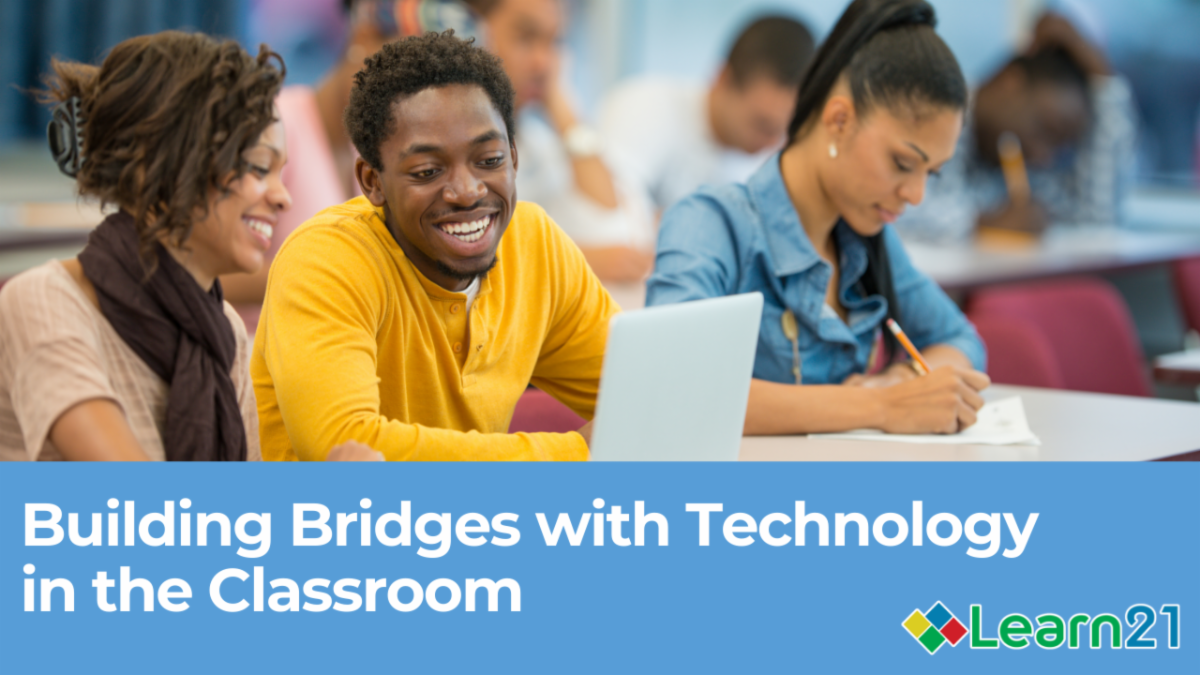
Building Bridges: Using Technology to Strengthen Relationships in the Classroom
by Carly Ghantous
| |
 | | In an era of digital learning, technology often takes center stage for its ability to enhance academic performance and provide access to endless resources. It is often under fire, though, for taking away connection and diminishing students’ abilities to participate in real human interaction. Despite these perceptions, technology’s most transformative potential may actually lie in fostering relationships—between students and teachers and among students themselves. With 16 years of teaching experience split almost evenly between in-person and online classrooms, I am in a unique position to make this claim. The relationships that I have been able to nurture in my online classroom are deeper and more rewarding than my previous experiences with in-person classrooms. While the format of the classroom is relevant (my online classroom follows a unique flipped model where students work synchronously through content and meet throughout the week for scheduled live sessions that focus on application and discussion), it is not the sole determining factor in how those relationships are forged and allowed to grow. In any classroom, meaningful connections are the foundation of effective learning, and technology –when used thoughtfully– can be a bridge to strengthen those bonds, not as a barrier to real connection.
Consider the ways in which technology facilitates communication. I recall a student who was incredibly shy and hesitant to speak up in class. Through a shared discussion board, she began posting her thoughts on our readings. Her insights were sharp and thoughtful, and seeing her peers engage with her posts boosted her confidence. By the end of the semester, she was participating in live discussions with enthusiasm. Teachers, too, can engage more personally, creating an ongoing dialogue that extends beyond classroom walls, and removes barriers that would prevent students from opening up. In this situation, the perceived anonymity of technology-assisted communication allows for more open and honest conversations, leading to stronger relationships and an opportunity to build trust.
Collaboration, an essential skill for both academic success and life, is also enhanced by technology. In one project, I had students work together to create a lesson and teach part of a novel to the class. I teach at a fully online school, so these students were geographically scattered across the country. Despite the physical distance, they brainstormed ideas and edited content using collaborative technology. And, because they used these tools, I was able to monitor their progress and interaction, providing assistance and coaching when needed. Watching them navigate challenges, solve problems together, and celebrate the final product was a reminder of how technology can build not just skills but also community.
Empathy, a cornerstone of meaningful relationships, can also be nurtured through digital storytelling. One memorable activity involved students creating digital time capsules that symbolically represented the five largest values in their lives. As these were shared, I saw a shift in the class dynamic. Students who rarely interacted began connecting over shared experiences, interests, and values, and a newfound sense of understanding and respect emerged.
Even play, often underestimated in its importance, finds a place in the digital landscape. During a review session, I introduced a gamified quiz to reinforce key concepts. Students were laughing, encouraging each other, and even offering virtual high-fives. What struck me most was how this lighthearted activity fostered bonds that carried into more serious academic discussions.
Technology also supports social-emotional learning by providing avenues for students to articulate their feelings and build self-awareness. I use digital check-ins to gauge how students are feeling at the start of the week. One student’s response—an emoji that conveyed stress—opened the door to a private conversation where I learned he was struggling with balancing school and family responsibilities. That simple interaction helped me offer the support he needed to thrive, and gave him an opportunity to share his feelings without feeling like a burden or making an awkward first move.
Finally, virtual meetups offer unique opportunities for connection. Last year, I organized a virtual book club where students could discuss their favorite novels. What began as a casual experiment turned into a weekly highlight, with students eagerly sharing their thoughts and bonding over shared literary adventures. Now, this book club is offered as an elective course for students to take during their regular school day. These moments reminded me that meaningful relationships can flourish even in digital spaces.
When used thoughtfully, technology can amplify the human connections that lie at the heart of education. It’s not just about efficiency or access; it’s about creating classrooms where every student feels valued and supported. By integrating these approaches, educators can ensure that technology doesn’t just enhance learning but also strengthens the relationships that make learning possible. As you plan your next lesson, consider how these ideas might help you build those bridges, preparing students for the digital age while teaching them the timeless value of connection.
| |
|
Year in Review: Media Bias Trends of 2024
AllSides provides a comprehensive review of where readers perceived the most media bias in 2024. The article highlights major news stories, including political coverage and AI-related topics, and analyzes how media outlets with varying perspectives presented them. The report emphasizes the importance of media literacy in identifying bias and encourages readers to engage with diverse viewpoints to combat misinformation. It’s an excellent teaching tool.
ICILS Report Highlights Critical Computer and Information Literacy Skills
eSchool News covers the findings of the International Computer and Information Literacy Study (ICILS), which assesses students’ ability to use computers effectively for research, communication, and learning. The report highlights disparities in access and skill levels across countries and emphasizes the need for schools to integrate digital literacy into their curricula to prepare students for the modern workforce.
Why AI Literacy Matters for Leaders in the Digital Age
Forbes outlines the growing importance of AI literacy for organizational leaders, explaining how understanding AI can enhance decision-making and innovation. The article provides actionable strategies, such as fostering a culture of curiosity, encouraging collaboration between technical and non-technical teams, and offering AI-focused training to ensure teams are well-equipped to navigate AI’s impact.
| |
EdTech Hasn't Failed: A Call for Balance in K-12 Technology Integration
by Stacy Hawthorne, Ed.D.
| |
|
Educational technology has sparked heated debates in recent years, with critics quick to spotlight stagnant test scores, concerns over screen time, and the uneven performance of digital tools. These discussions, often amplified by narrow or incomplete studies, have fueled skepticism about EdTech’s role in classrooms. However, a closer look reveals a much more nuanced picture—one where technology, when thoughtfully implemented, can play a transformative role in education.
The recent CoSN Member Brief, The EdTech Debate: A Call for Balance, unpacks these challenges and provides evidence-based responses to common criticisms. While detractors argue that EdTech fails to deliver clear returns on investment, the brief emphasizes that such evaluations often overlook key factors like teacher preparedness, implementation quality, and the targeted use of technology to address specific student needs.
Clarifying the Debate
One of the most prevalent critiques of EdTech is its perceived minimal impact on standardized test scores. But as the brief highlights, standardized tests are just one metric of success. Research shows that when technology aligns with instructional goals, it can foster personalized learning, improve accessibility, and promote equity. Specific examples include blended learning, skill-specific tools, and assistive technologies, which underscore the importance of viewing technology as a complement to high-quality teaching, not a replacement.
Moving Beyond Test Scores
The true potential of EdTech lies in its ability to prepare students for a technology-driven economy. Tools like augmented reality (AR), virtual reality (VR), and flipped classroom models foster experiential learning, collaboration, and critical thinking—key competencies for the 21st century.
But success requires intentionality. Frameworks such as the Value Add of Technology on Teaching (VATT) guide educators in evaluating tools based on how well they enhance learning outcomes. Likewise, professional development for teachers remains a cornerstone of successful EdTech adoption.
Overcoming Challenges Together
CoSN’s brief also highlights the persistent challenges schools face with EdTech integration - teacher training, strategic implementation, and equity/access. By embracing these strategies, schools can move beyond skepticism and maximize the potential of EdTech as a tool for growth, inclusion, and innovation.
A Call to Action
EdTech isn’t a silver bullet, but it hasn’t failed. When implemented intentionally, it can elevate teaching and learning while equipping students with the skills they need to thrive in a connected world. The CoSN Member Brief provides invaluable insights and strategies to guide this journey, making it an essential resource for education leaders.
Want access to resources like this? Engage with CoSN or your state-level chapter, such as the EdTech Leaders Alliance (ETLA) in Ohio, to deepen your understanding of EdTech's role in modern education. Join the conversation, shape the future of learning, and equip your district with the tools and strategies to succeed. Visit CoSN Membership Overview to learn more.
| |
|
Glitter Pickles: Instagram's Newest Obsession?
Ever wondered what happens when pickles meet edible glitter? Glitter pickles are taking social media by storm with their sparkly, vibrant appeal. While they don’t add any flavor, they’re turning simple snacks into dazzling conversation pieces. Beyond the fun, this trend reminds us how aesthetics can redefine even the most traditional items. [Author’s note - this one is specifically included for my family, Love Dr. Pickle.]
AI in the Classroom: Friend or Foe for Teens?
Teens are increasingly relying on tools like ChatGPT for homework, raising concerns among educators about originality and critical thinking. But with proper guidance, AI can become a partner in learning rather than a shortcut. This article explores the need for schools to embrace AI thoughtfully, equipping students with skills to navigate a tech-infused world responsibly.
Biocubes: Visualizing Earth's Balance
Imagine everything on Earth—plants, animals, fungi, and human-made materials—scaled down into a single infographic. The Biocubes project illustrates how technomass (man-made materials) now outweighs Earth's total biomass. This staggering perspective calls us to rethink humanity's footprint and its long-term impact on our planet.
LG’s Bendable OLED Monitor: The Future of Gaming Is Flexible
The LG 45GX990A is the world’s first bendable OLED monitor, offering gamers the ability to switch between flat and curved displays on demand. With its ultrawide screen, vibrant colors, and fast refresh rates, it’s a true game-changer—literally. This innovation is not just about performance but about personalization, redefining what immersive gaming experiences can look like.
| |
We’re Headed to TCEA – Come Visit Us at Booth #2225! | |
|
We’re thrilled to be part of TCEA 2024 in Austin, Texas, from February 1–5! Whether you’re looking for game-changing tools, cutting-edge insights, or personalized professional learning, we’ve got something for you.
Stop by Booth #2225
Let us introduce you to our innovative solutions:
- Tech Director Toolbox: Everything you need to streamline your work.
- edWise: Turn your data into actionable insights.
-
Professional Learning Services: Inspire and empower educators to thrive in today’s digital age.
Don’t Miss Our Session
Don’t Be Spooked by Student Data Privacy!
- Presenter: Dr. Stacy Hawthorne
- When: Sunday, February 2, 11:30 AM – 1:00 PM CST
- Where: Room 19B
Join Stacy for a thrilling dive into student data privacy. Learn how to empower teachers as defenders of student data and build a rock-solid data privacy framework with governance, compliance, and risk management.
Meet the CoSN Chair Elect
Meet CoSN Chair Elect, Dr. Stacy Hawthorne, at the Learn21 booth on Monday and Tuesday, February 3rd and 4th at 2:30pm CT. This will be a great opportunity to ask questions and learn more about how to get more out of your CoSN membership.
Let’s Connect!
Mark your calendar, visit our booth, and don’t miss Dr. Hawthorne’s session! Together, we can elevate the future of education technology.
See you in Austin!
| |
If you'd like to take a hiatus from Bytes & Insights, please use the Update Profile link below. This will allow you control over which emails you receive from Learn21. | | | | |