News and information to help journalists serve the public and stay safe. |
|
Austin Tice
Photo courtesy of the Tice family
|
|
Marc Tice, Austin’s father
Photo by Melissa Lyttle
|
|
Austin Tice turns 39 years old today. He should be celebrating with friends & family, looking ahead to his next decade. Instead, he's entering his 9th year of unjust detention in Syria. A veteran Marine Corps captain, Georgetown University graduate, and award-winning journalist, Austin was taken in Syria in 2012, days after his birthday, while reporting for the Washington Post, McClatchy, and other news organizations.
“With each day that Austin remains imprisoned, his captors continue to insult the pride and principles of the United States,” wrote Washington Post publisher Fred Ryan today. “More than a single young man is being held hostage: An entire nation is.”
Austin has been detained longer than any U.S. journalist in history. "Every single day, Austin needs his colleagues in journalism to ask questions about what is being done to bring him home, to dig for answers when they meet with obfuscation, and to hold U.S. government officials accountable for their actions or lack thereof," say the Tices. Help bring him home.
|
|
First appearance, Washington Post / Sept. 30, 1996
“A man who scalped his girlfriend with a kitchen knife was sentenced to life in prison. Frankie Vanloock, 33, allegedly had tried once before to scalp her but was foiled by a dull blade. ‘It is appropriate for what he did,’ prosecutor Kamala Harris said of the sentence on Friday. ‘The manner in which this crime was committed was incredibly sadistic.’ “
First appearance, New York Times / June 12, 2004
“Opinion polls show that San Franciscans overwhelmingly oppose the death penalty, and in her winning campaign for district attorney last fall, Kamala D. Harris made no secret of her strong opposition as well. But the killing of a police officer here has placed capital punishment at the center of a political and emotional storm that has some asking whether a different standard should be applied in the case of law enforcement officials killed on the job.”
First appearance, Politico / July 9, 2009
“Even in California, a state with a deep and diverse bench of Democratic talent, San Francisco District Attorney Kamala Harris stands out. A two-term prosecutor whose innovative approach to law enforcement has made her a rising star in progressive politics, she is both the state's first female African-American district attorney and the nation's first Indian-American district attorney.”
(Photo from Google image search results)
|
|
As news organizations and the nation have responded to the coronavirus pandemic and the protests following the murder by police of George Floyd, journalists have increasingly confronted the need for newsroom equity and a truer relationship with the communities they serve.
The National Press Club Journalism Institute and PEN America will co-host a program on “Equity and community in local news: Lessons learned in 2020” to identify and share takeaways from pandemic and protest coverage and to look ahead toward election coverage.
|
|
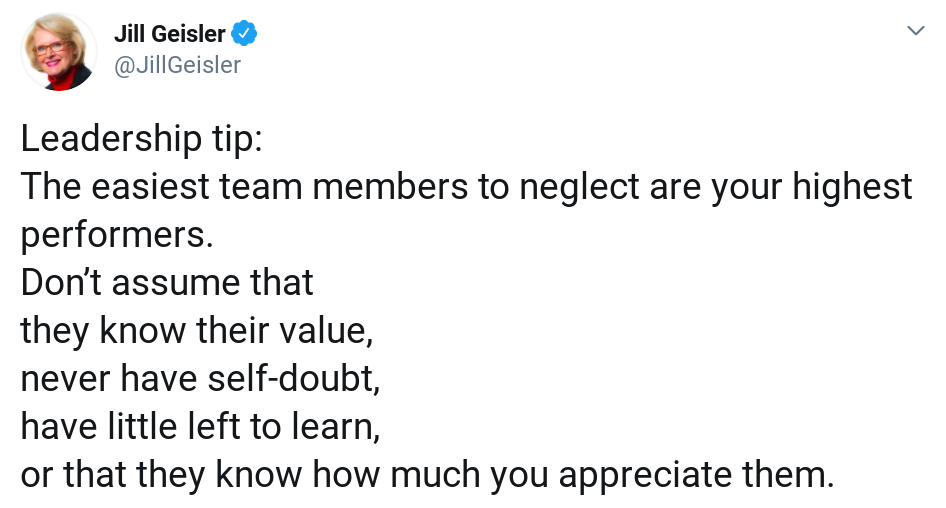
The highest performers on your team may not require your attention but they deserve it. They thrive with each opportunity, and strive harder when you connect their work to the organization’s success. Learning and growing keep them motivated. So does: “thank you.”
Advice from Jill Geisler, Bill Plante Chair in Leadership & Media Integrity, Loyola University Chicago, Freedom Forum Fellow in Women’s Leadership
|
|
|
Crafting isn’t just for summer camp. If stress has you stuck in a rut, try making something with your hands.
How? Making something gives you space to learn something new, focus on a task, break away from screens, and practice mindfulness — all important parts of a self-care routine.
Ready to get busy? Try:
|
|
This newsletter is written & edited by the National Press Club Journalism Institute staff: Beth Francesco, Holly Butcher Grant, and Julie Moos. Send us your questions and suggestions for topics to cover.
|
|
|
|
|
|
|